




The cheapest wooden doors
When clients searchcheapest wooden doors, many immediately imagine low cost as the main and only advantage. But therein lies the main trap. Over the years of working with supplies, I see how often people confuse “cheap” with “economical”, and then throw up their hands when faced with warping of the canvas after six months or with the fact that the panel has begun to peel off due to seasonal changes in humidity. Cheapness is not just a number on a price tag, it is always a compromise. And it is important to understand what exactly you are willing to put up with.
What makes up the price of a 'budget' door
Let's go in order. To make the door cheaper, manufacturers save on the entire cycle. It usually starts with raw materials. Instead of well-dried, selected solid pine or, say, spruce, you can use the so-called “saw log” - wood with natural humidity above normal. It would seem that it is the same pine. But such a door in a dry, heated room will begin to dry out and will fail. I've seen this more than once. A frame made of thin timber, weak cross members - and now the structure no longer holds its geometry.
Next is the filling. In normal doors, these are either solid slats or honeycomb core of a certain density. In the most budget options, it happens that the inside is empty or a cardboard “honeycomb” is glued in one layer. Soundproofing a door like this is a relative concept. And the weight is appropriate, you feel that the canvas is too light and hollow.
And, of course, fittings and finishing. The hinges are the simplest, one-piece, which are more difficult to adjust. Paintwork in one layer, without primer, which is why abrasions and stains appear after a year or two. They often save on glue for panels and assembly. That's the whole secret of the low price.
Where to look for a balance between price and reliability
Here we need not just a search by request, but an understanding of who produces it and how. We need to look at the company as a whole. For example, let's takeAnhui Wantai Woodworking Co.,Ltd(their website ishttps://www.anhuiwantai.ru). They position themselves as a supplier to the international market, which already obliges them to maintain a certain level. Their philosophy is 'build business on precision, win with quality'. These are not just nice words. When a company claims strict control from raw materials to the finished product, it means that there is probably a process map and control points.
Why is this important for those looking forcheap wooden doors? Because such a manufacturer, even working in the economy segment, is unlikely to use outright defects. Judging by the description, they have a modern base and team. This means that cost optimization does not occur through gross deterioration in quality, but through streamlined processes, purchases of raw materials in large quantities, and efficient cutting. Their products may just be that 'economical' option, and not just 'cheap'.
In practice, this results in the fact that a door from such a manufacturer may not have the lowest price on the market, but for this money you will get a predictable product: with normal wood moisture content, reliable gluing, and milling for hinges. And this is no longer a lottery.
Typical mistakes during selection and installation
Let's say the door has been chosen. But the story doesn't end there. Often clients, having saved on canvas, then incur additional costs due to installation problems. Budget doors sometimes require more skill from the installer. For example, if the box 'leads' a little, it will be more difficult to level as the material may be softer. Or if the hinge grooves are made with a slight offset, you have to tinker for a long time to avoid misalignment.
Another point is preparing the opening. For the simplest door, the opening should be perfectly smooth. Otherwise, all defects will be immediately visible. I had a case: a customer bought ultra-budget doors, and the walls in the new building were crooked. As a result, the installers spent a lot of time leveling the slopes, the work stopped, and the cost of installation was equal to the cost of the door itself. It was a false economy.
Therefore, my advice: if you really take itcheapest wooden doors, immediately budget for professional installation. Or be prepared that you will have to tinker with it yourself, having the skills and tools. Installing a crooked door on an uneven opening yourself is a surefire way to ensure that it will not close or will quickly become loose.
What to look for when receiving and accepting
When the doors arrive, it’s not enough to just check the quantity. It is necessary to inspect each canvas. Even trusted suppliers sometimes have transport defects. Look for chips on the ends, scratches on the coating. Check the geometry - place the door on a flat surface, see if there is a 'propeller'. This is when one corner is raised. Then you can no longer prove that this is a manufacturing defect and not the consequences of storage.
Particular attention is paid to the joints of the panels with the frame. They should be tight, without visible gaps. Tap lightly on the panel - the sound should be the same over the entire area, without rattling. This indicates normal adhesion.
And don’t be shy about asking the supplier for certificates, whether for materials or for the finished product. Serious company, the sameAnhui Wantai Woodworking Co.,Ltd, which serves international markets and adheres to standards, will usually provide such documents upon request. This is an indirect sign that they control the process. If in response to such a question excuses begin, this is a reason to think.
Bottom line: cheap doesn’t mean bad, but it means careful
So what should we look for?cheapest wooden doors- bad idea? Not really. This is a rational choice if the budget is limited. But this must be a conscious choice. You clearly understand that perhaps this is not a “forever” door, but a solution for several years. That its appearance could be simpler, and its sound insulation lower.
The key is in choosing a supplier. It’s better to pay a little extra to a manufacturer who openly talks about their processes, like the same company from their website anhuiwantai.ru, which relies on accuracy and quality, than to chase the absolute minimum price from an unknown workshop. In the first case, you get a predictable product with an adequate price-quality ratio for its segment.
In the end, even the most inexpensive door should perform its basic functions: close the opening, open and close normally and have a decent appearance. And this can be achieved if you approach the choice not as buying “just the cheapest”, but as searching for the optimal option in the lower price range. Look at the essence, not the price tag. And then the savings will be real, not imaginary.
Correspondingproducts
Related Products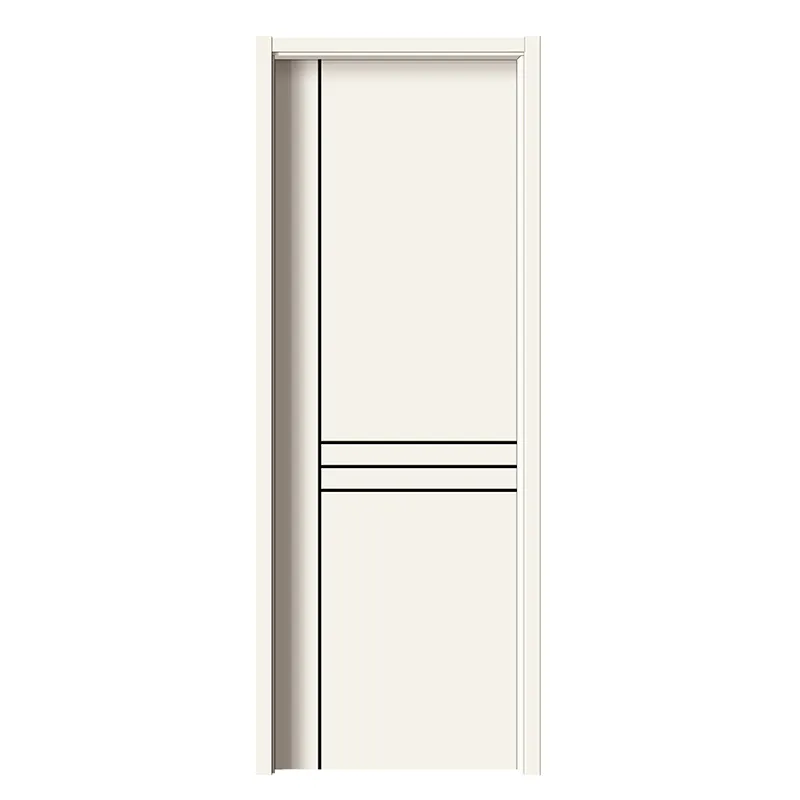
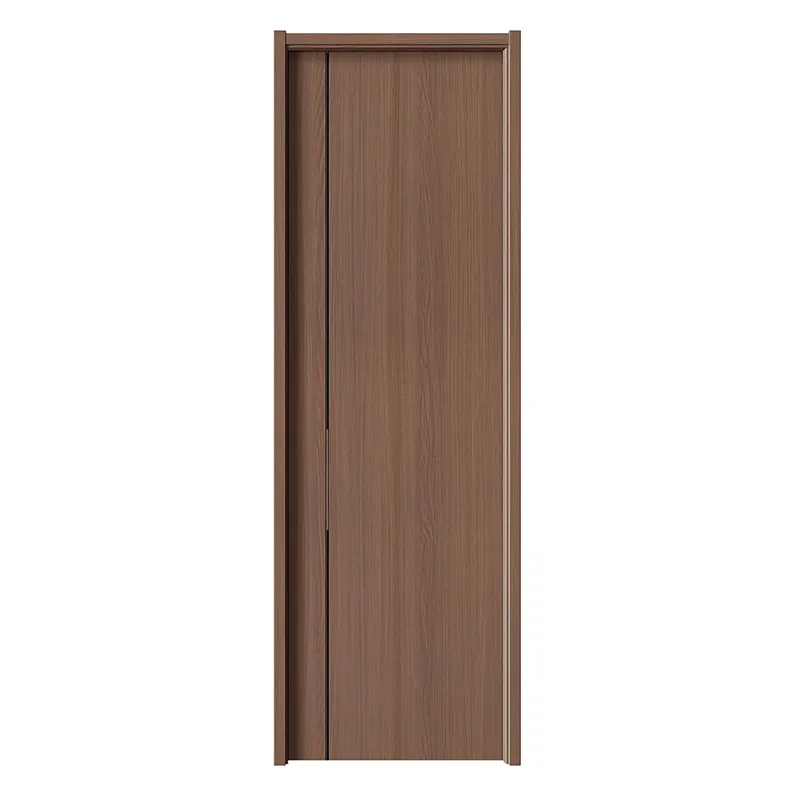
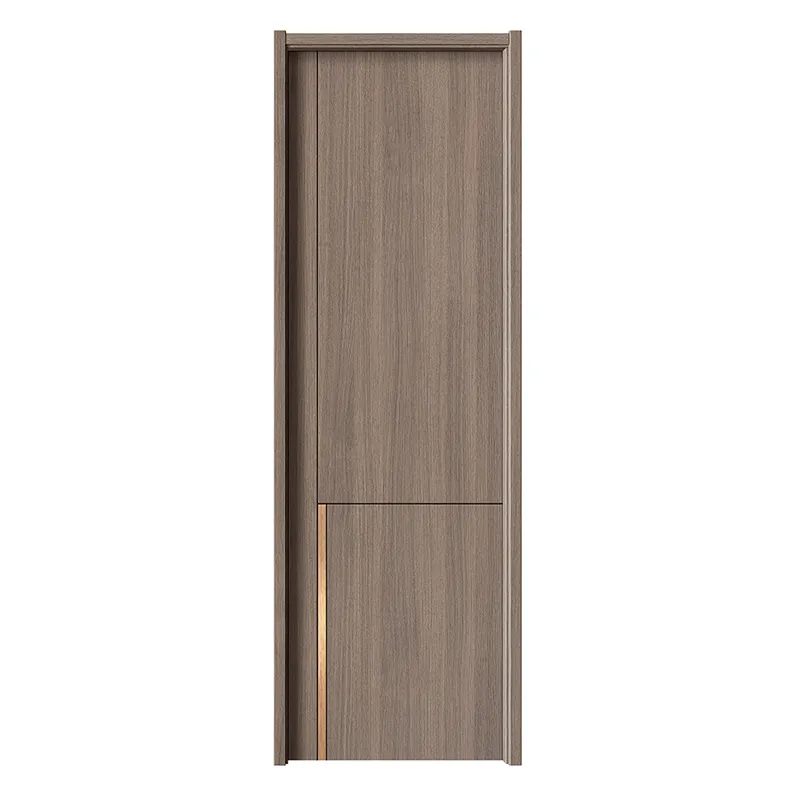
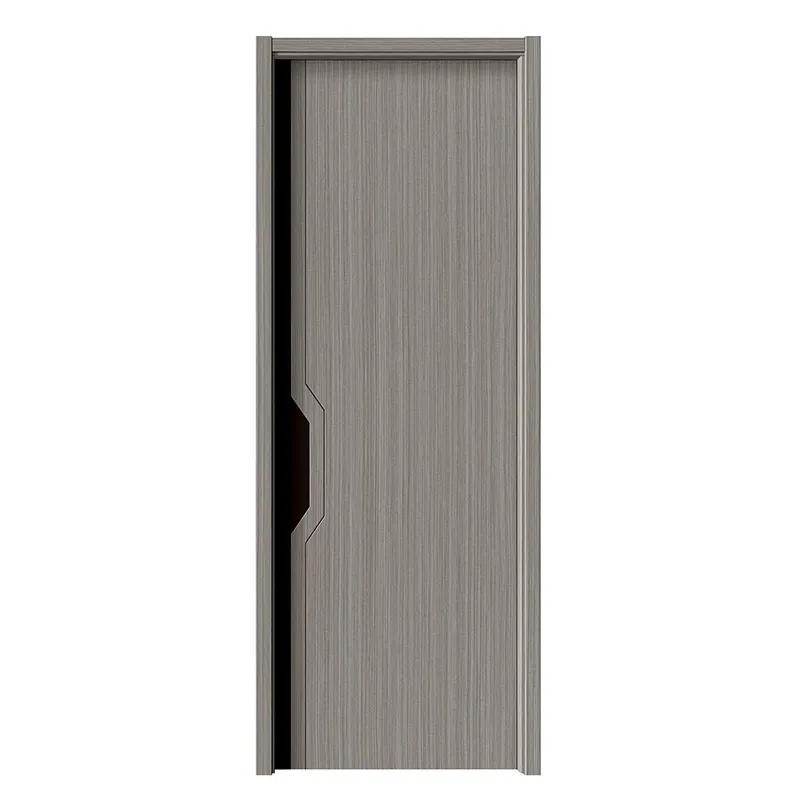
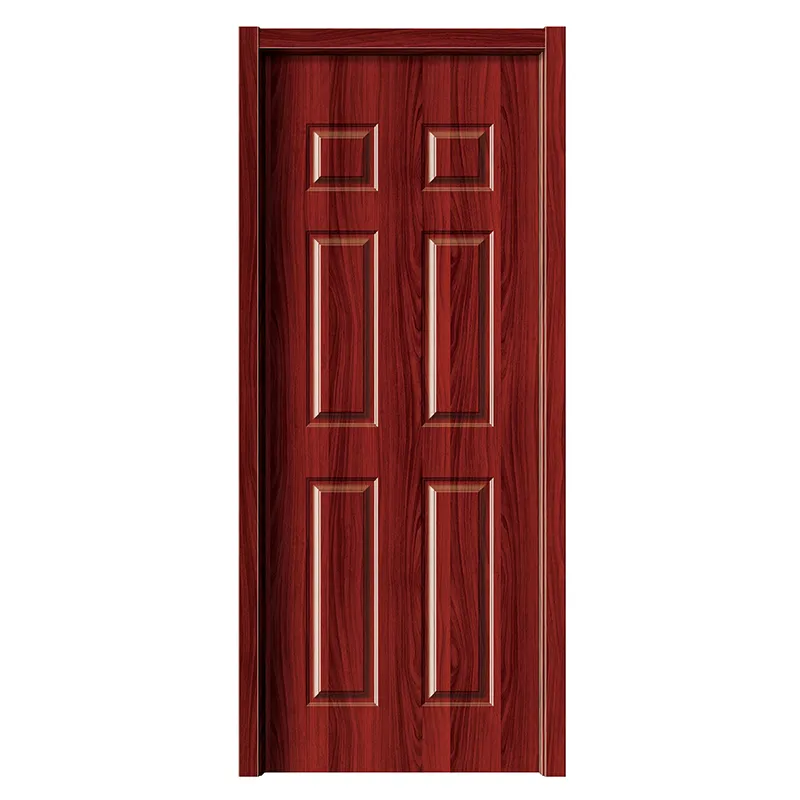

Best Sellingproducts
Best Selling Products-
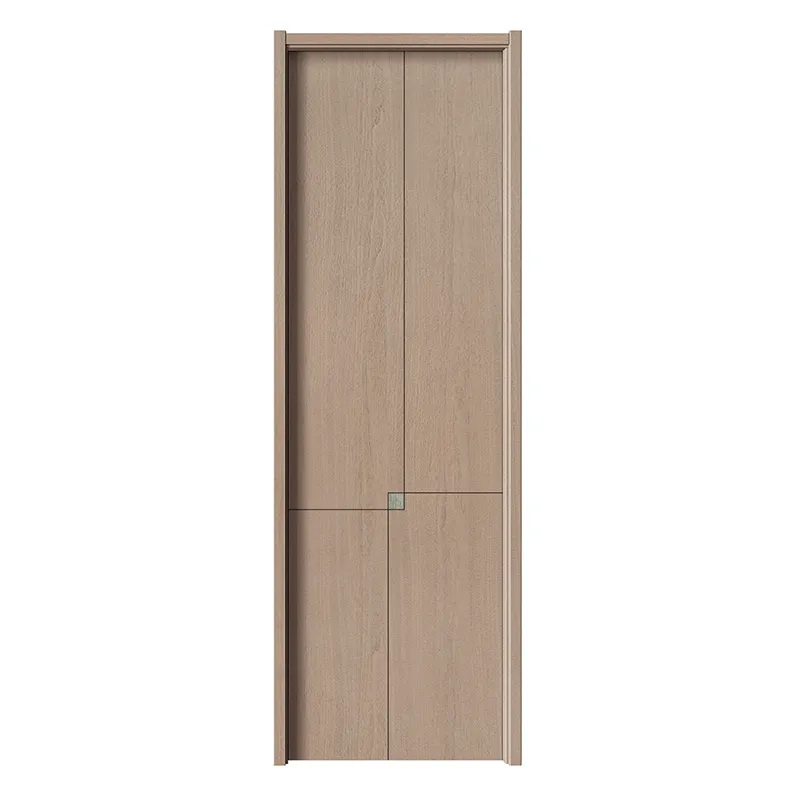 YST-1008 Door Natural walnut 2
 -
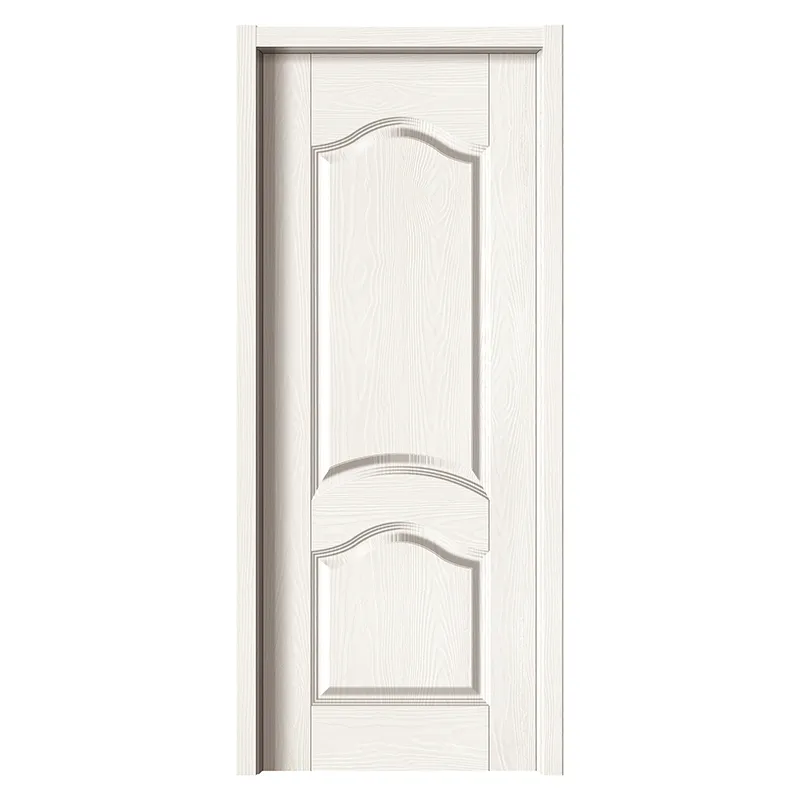 YST-224 Door Warm white with relief
 -
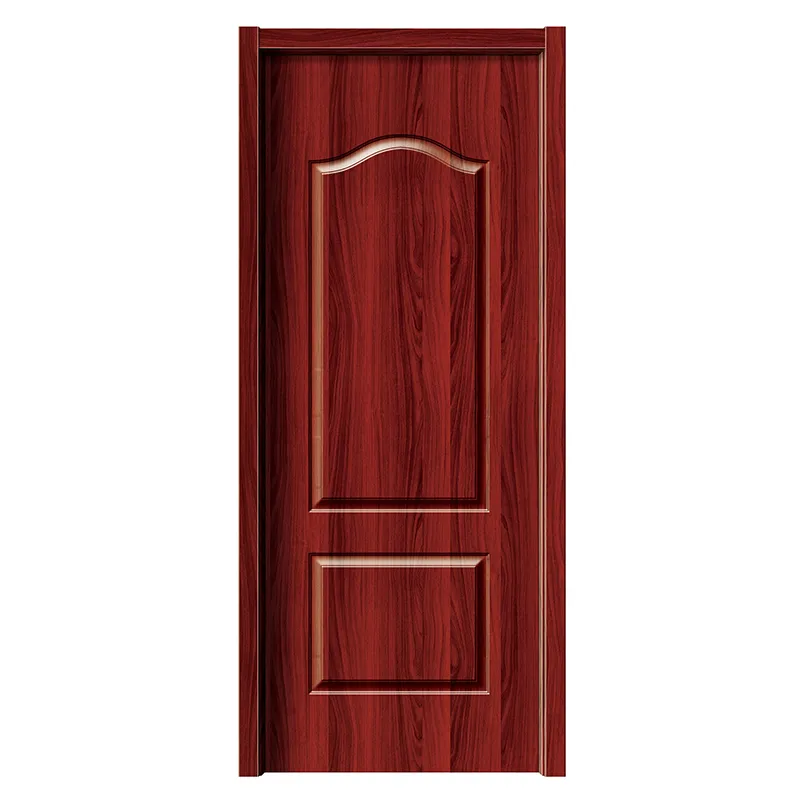 YST-207 Door Red team
 -
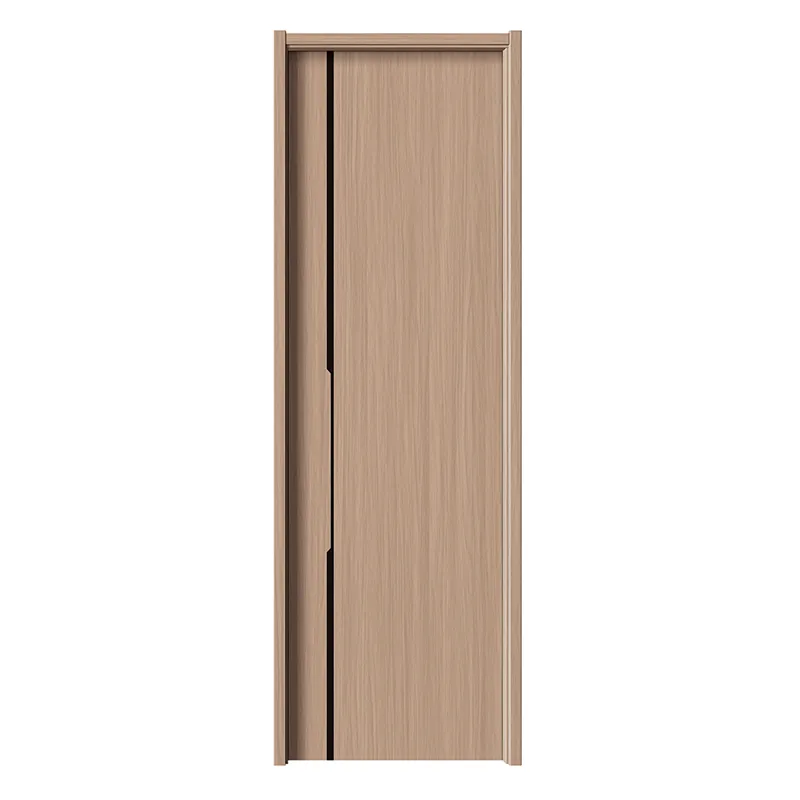 YST-1029 Door Translucent light shade 1
 -
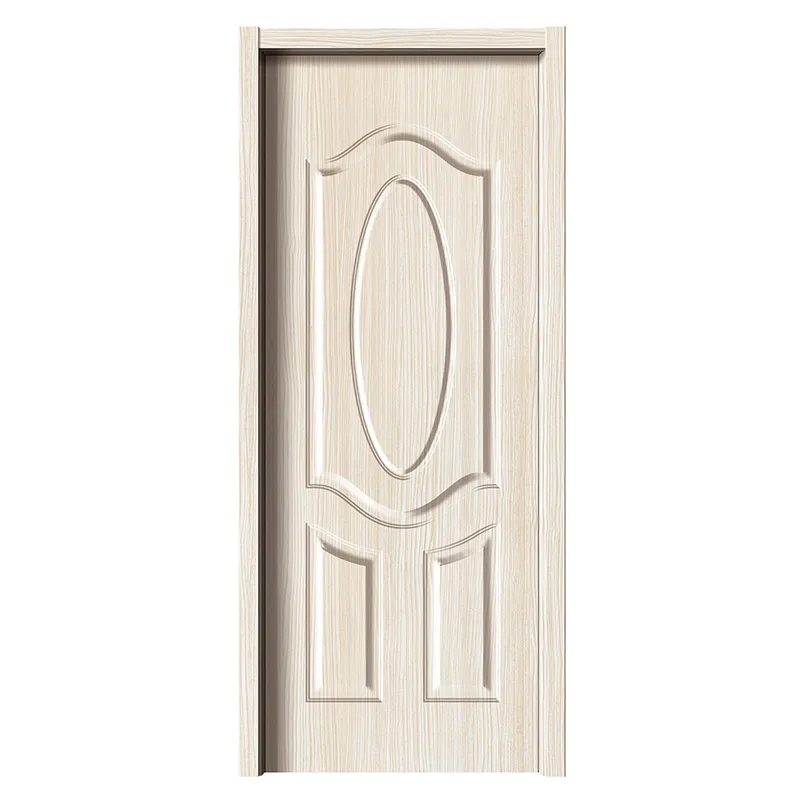 YST-216 Door White Maple
 -
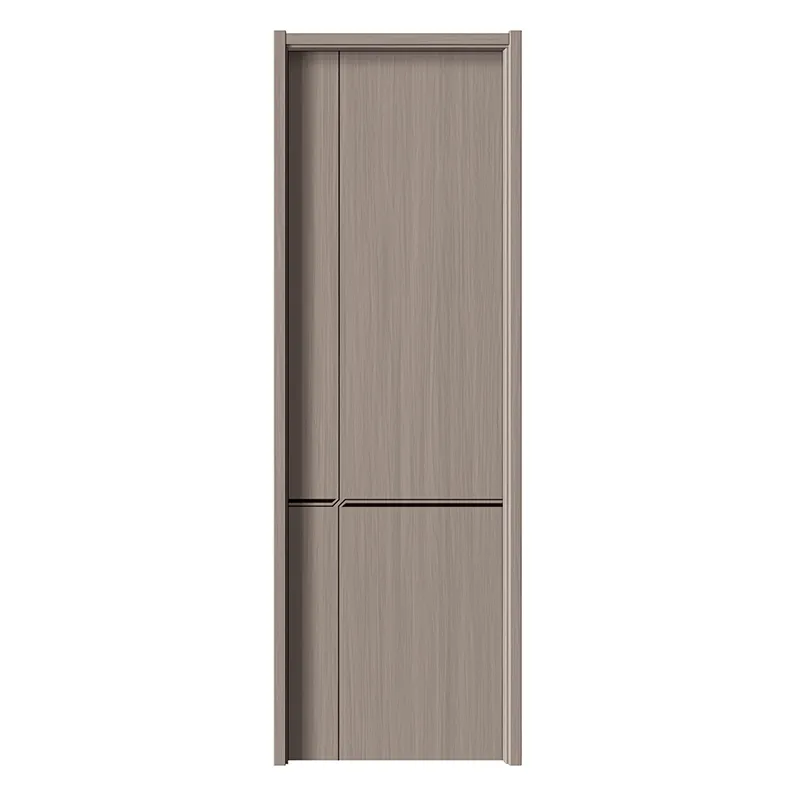 YST-1010 Door Translucent light shadow 3
 -
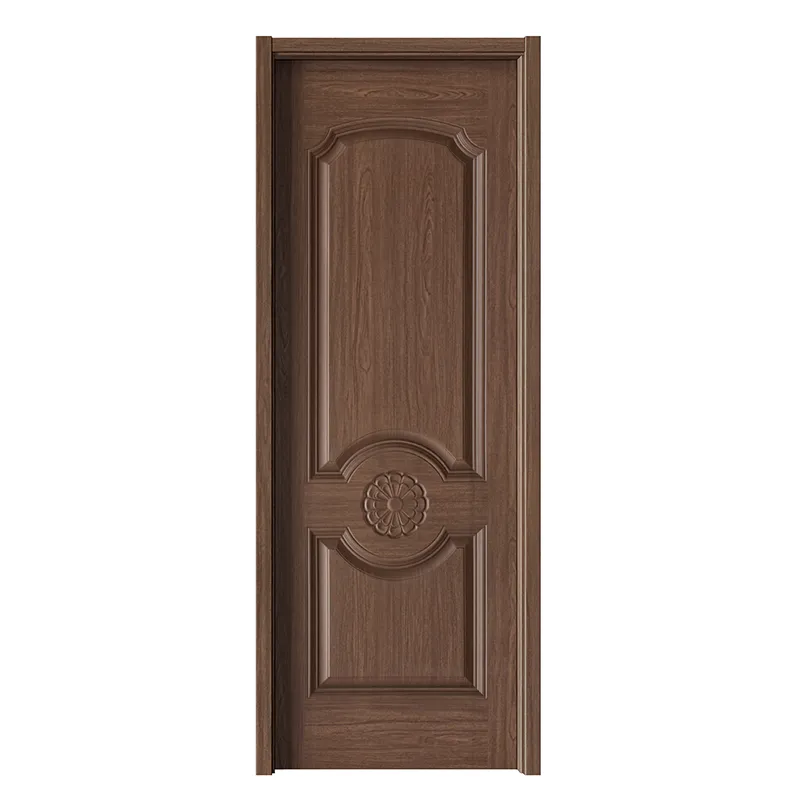 YST-212 Door North American Oak 2
 -
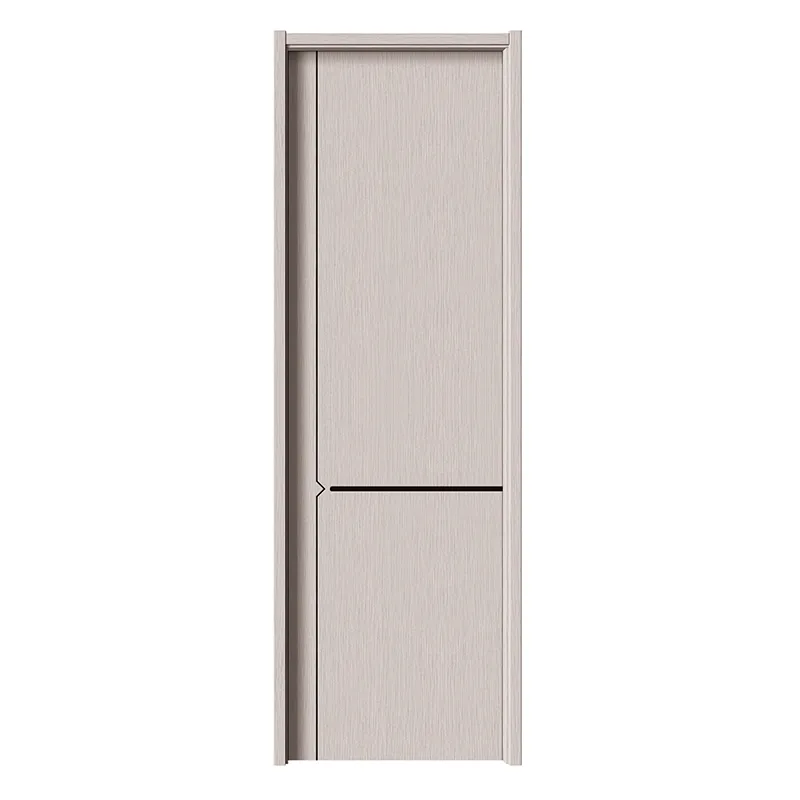 YST-1024 Door Chiaroscuro wood 1
 -
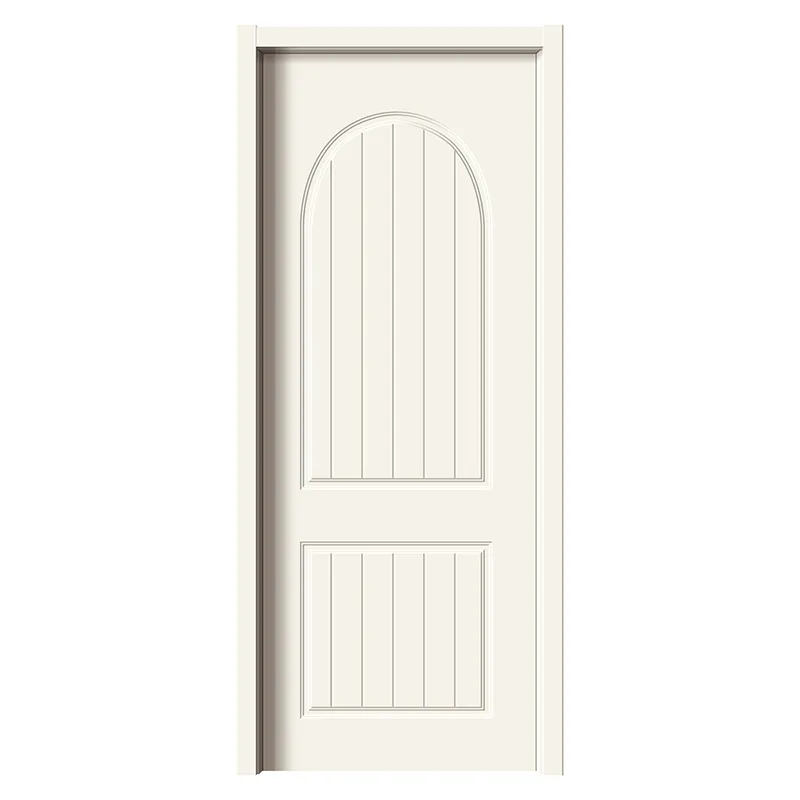 YST-236 Door White ivory
 -
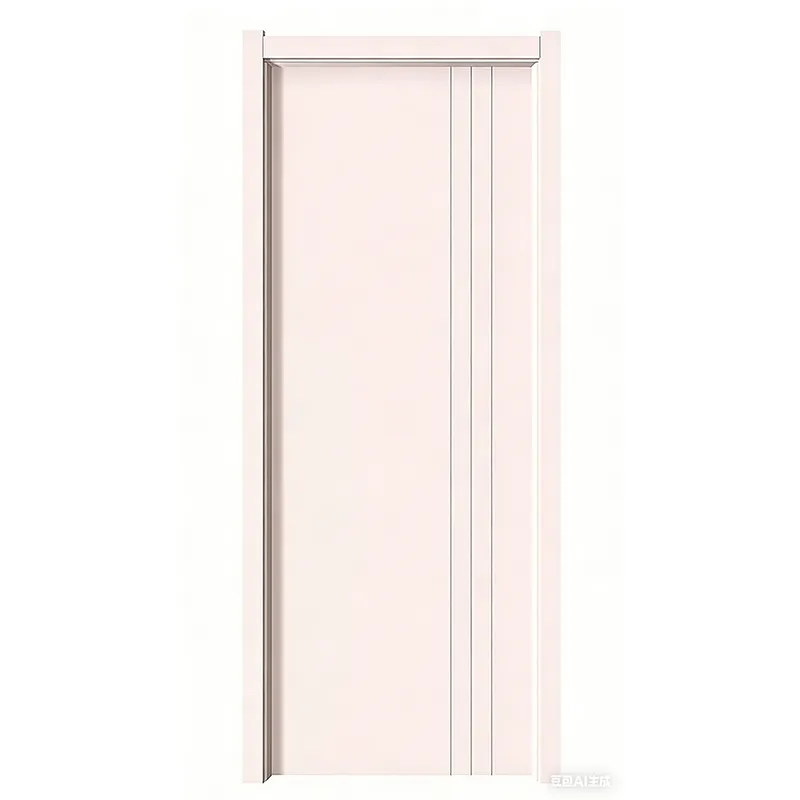 YST-WPC4 Door
 -
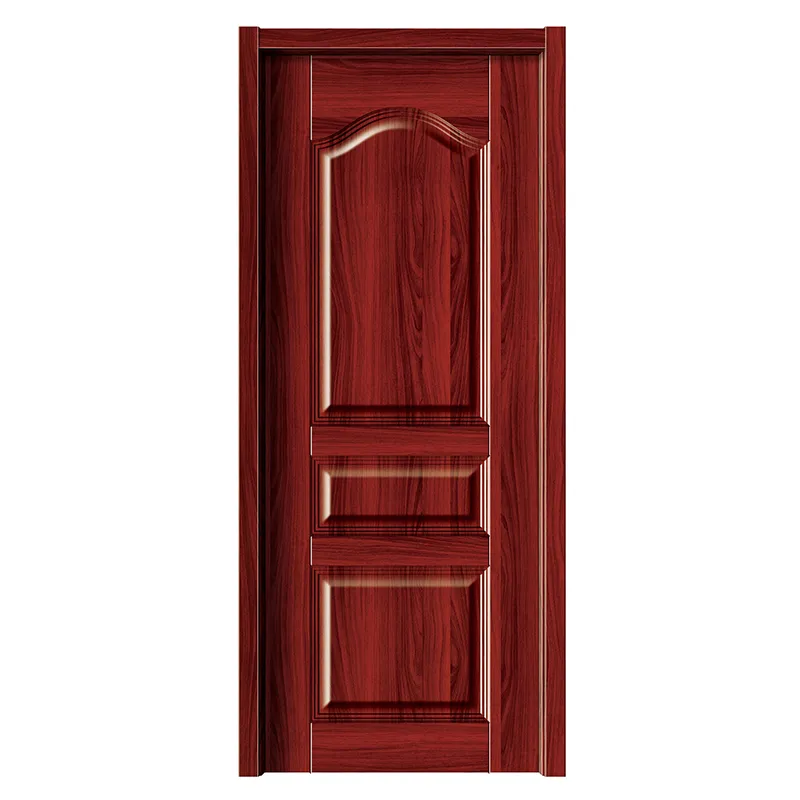 YST-203 Door Red team
 -
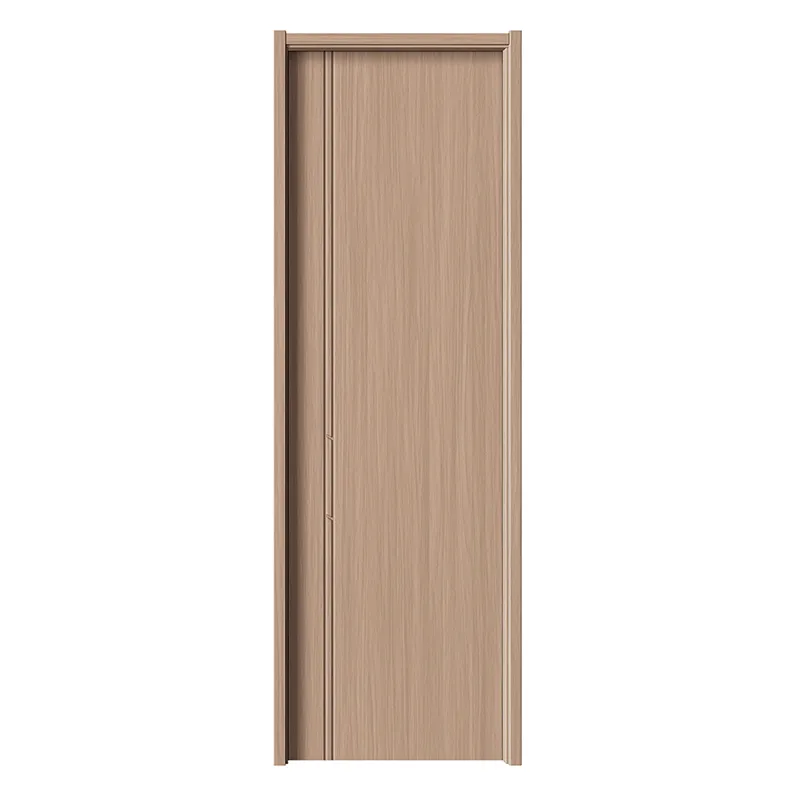 YST-1009 Door Translucent light shade 1