



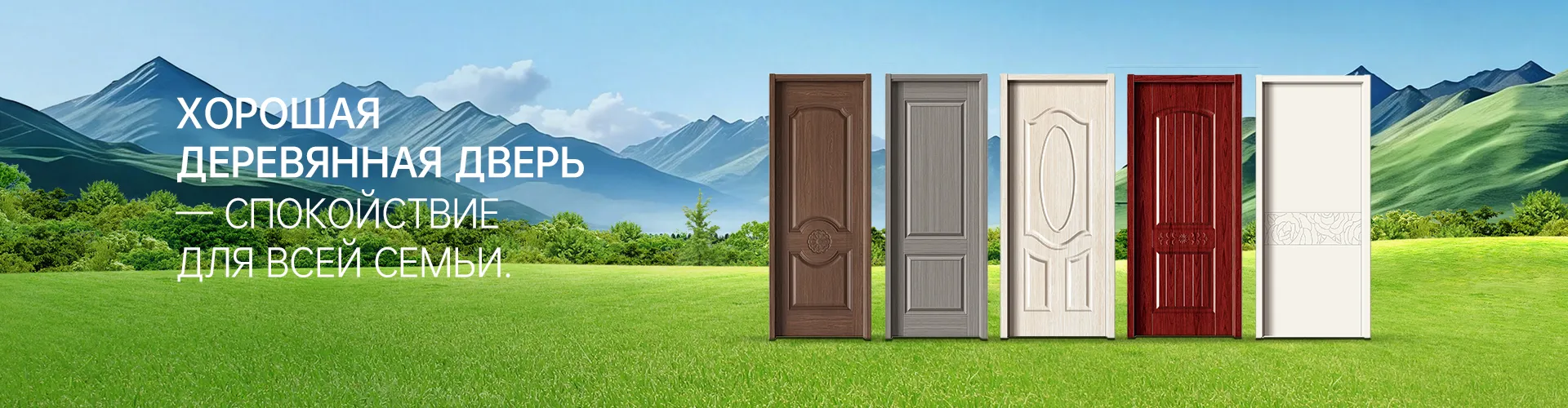
Wooden doors in a timber house
When they talk aboutwooden doors in a timber house, many people immediately think about beauty and environmental friendliness. But in practice, there are a lot of pitfalls here that are kept silent in glossy catalogues. The main mistake is to assume that any massive door is automatically suitable for a log house. Timber is a living material, it breathes, shrinks, and changes the geometry of openings. And if this factor is ignored, in a year or two you can end up with a skewed canvas that won’t close or, worse, half-a-finger-sized gaps. I went through this myself at early projects.
Timber shrinkage: the main enemy and how to negotiate with it
The first thing you encounter is the active phase of shrinkage. The new log house can “sit down” by 5-10% in the first two years. Placing the door directly into the finished opening, as in a brick house, is a sure way to problems. The standard solution is a casing box. But there are details here too. For example, you cannot rigidly attach the box to the beam; you need an expansion gap on top and sliding fastening on the sides. Many crews save time by sewing the box directly - then customers call with complaints.
Another point is the choice of wood type for the door relative to the walls. If the walls are made of pine timber and the door is made of, say, dense oak, their coefficients of shrinkage and swelling from humidity are different. This may create additional stress. I often advise clients to either take doors from wood with similar characteristics, or immediately consider laminated wood, which is more stable. But this is already a matter of budget.
In this context, one cannot fail to mention the approach of some manufacturers who specialize specifically in working with wooden structures. Here, for example,Anhui Wantai Woodworking Co.,Ltd(website -https://www.anhuiwantai.ru). In their work they focus on accuracy and quality, which is critically important for houses made of timber. Their philosophy is to “build a business on precision, win with quality?” - these are not just words. When dealing with shrinkage processes, every millimeter and quality of lumber drying plays a role. The company supplies to the international marketwooden doors, and their experience in adapting products to different conditions, including the specifics of wooden house construction, can be very useful.
Thermal and sound insulation: what really works
In a log house, a door is not just a partition, but an important thermal protection circuit. Especially if it is an exit to the terrace or to a cold vestibule. A dilemma often arises here: a massive panel door or a frame door (with honeycomb filling). The first one is heavier, more solid, but if it is not made of dry wood, it can lead. The second is lighter, often warmer due to the insulation inside, but some clients consider it less “noble” for a timber house.
In practice, for interior spaces they often follow the path of frame structures - they are both lighter and more compatible with wall shrinkage. And for the entrance we install an array, but with the obligatory condition - high-quality fittings and a three-circuit seal. Otherwise, all the heat will go into the cracks. I checked it with a thermal imager: often the cold bridge is not the canvas itself, but the junction of the box with the wall, if the installation was carried out without due attention to sealing.
Soundproofing is a separate issue. The timber itself dampens sound quite well, but the interior door should complement this effect. What is important here is not so much the thickness of the canvas, but the density of the vestibule and the presence of a threshold. Non-threshold systems look modern, but in terms of isolation they are a compromise.
Design and integration into the interior: avoiding dissonance
Stylistics. It would seem that in a wooden house everything is wooden. But it’s easy to overdo it and get the “wooden sack” effect. The door should not merge with the wall, but be a harmonious element. Sometimes it’s better to play on the contrast of textures: a smooth veneered canvas against the background of a chopped wall made of timber, for example. Or, conversely, make a door from the same profiled timber as the walls, creating a complete picture.
Color and texture. The timber darkens over time. If you install a light-colored beech door, after a few years the contrast may become too sharp. I often recommend either choosing wood that reacts similarly to light (for example, pine), or immediately tinting the door in the shade that the walls are expected to be. This requires foresight.
Glass inserts. A very popular request. In a log house they add light. But! Large glass is a bridge of cold and a potential problem with condensation. And from the point of view of shrinkage, rigid fastening of glass into an array requires special technology so that the glass does not burst when the box moves. I have seen unsuccessful examples when they skimped on compensating silicone gaskets.
Fittings and installation: what you can’t skimp on
Loops. For a heavy wooden door in a timber wall, the usual two hinges are not enough. You need three, or better yet four, with reinforced fastenings. And always with adjustment. The wall can "play" seasonally, and the ability to adjust the position of the canvas is a salvation. I myself prefer hidden hinges - they hold the load well and do not interfere with the appearance of the door jamb.
Locks and handles. The lock mechanism must be designed for possible minimal displacements. Therefore, expensive imported locks with fine mechanics are sometimes more capricious than reliable domestic analogues with a margin of tolerance. It is better to take the handle on a through pin - it becomes less loose over time.
Installation is 70% of success. Even the most expensive door fromAnhui Wantai Woodworking Co.,Ltd, which, as stated in their description, are manufactured to strict standards from raw material selection to process control, can be ruined by improper installation. It is important not just to place the box level, but to understand the direction of possible wall movements, correctly form the gaps and fill them not with polyurethane foam (it creates a rigid bond), but with elastic materials like jute or special silicone sealants for wood. A company targeting the international market will usually provide clear installation instructions for its products and these must be followed strictly.
Operation and care: long door life
The first year or two you need to be especially careful. Regularly check whether the canvas is rubbing and whether the lock closes easily. If necessary, tighten the hinges and adjust the hem. This is a normal practice for a house made of timber, and not a defect.
Caring for wooden surfaces. Inside the house, the humidity is usually stable, but differences affect the entrance doors. It is necessary to renew the protective coating - oil, varnish, wax - every few years. Exactly what composition depends on the original finish of the door. Here it is better to follow the manufacturer's recommendations. For example, if a door was treated at the factory with oil and hard wax, then it needs to be updated with a similar composition, and not with varnish.
Bottom line. Selection and installationwooden doors in a timber house— this is not the purchase of a finished product, but a comprehensive engineering and design solution. It is necessary to take into account the dynamics of the building itself, climatic conditions and the long term. Experience from companies such asAnhui Wantai Woodworking Co.,Ltd, which strives to provide products that combine aesthetics and practicality for the global market, can serve as a good guide. But the key always lies in adapting this product to a specific, “live” one. house. The main thing is not to be afraid of these processes, but to understand them and competently level them, then both the door and the house will serve for a long time and without problems.
Correspondingproducts
Related Products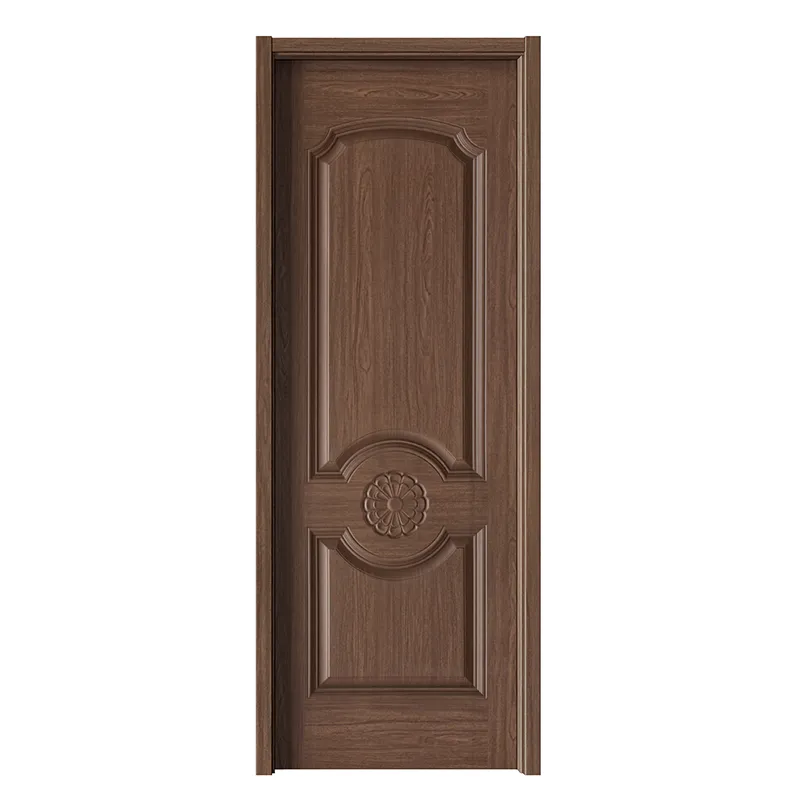
Best Sellingproducts
Best Selling Products-
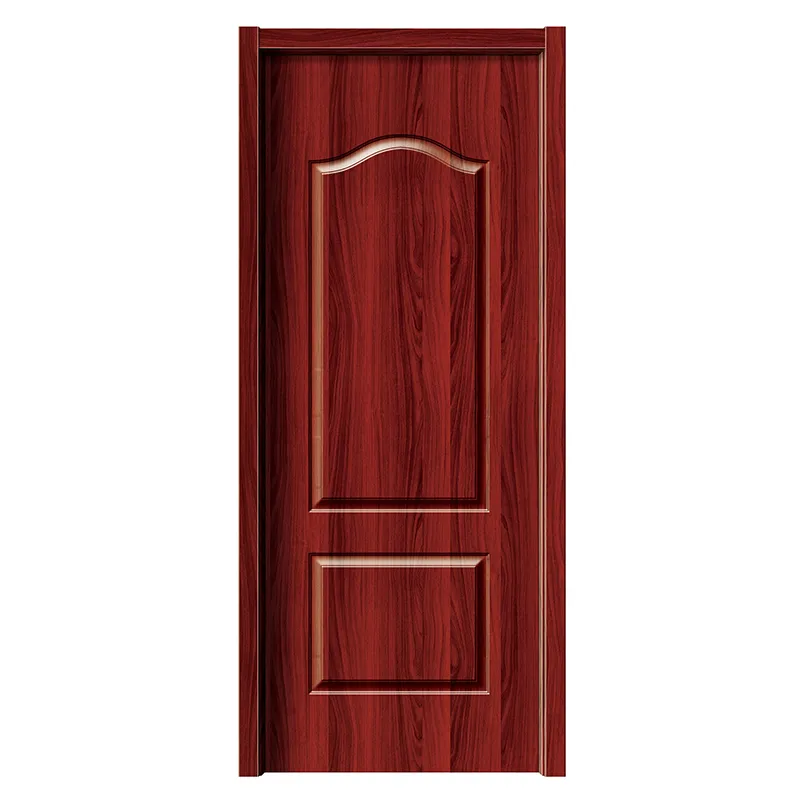 YST-207 Door Red team
 -
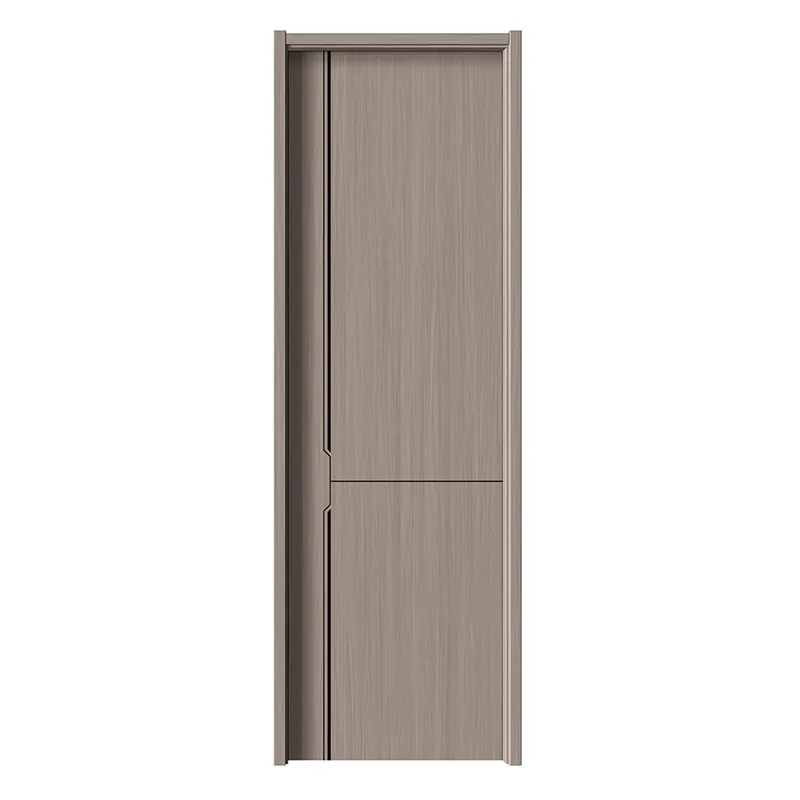 YST-1011 Door Translucent light shadow 3
 -
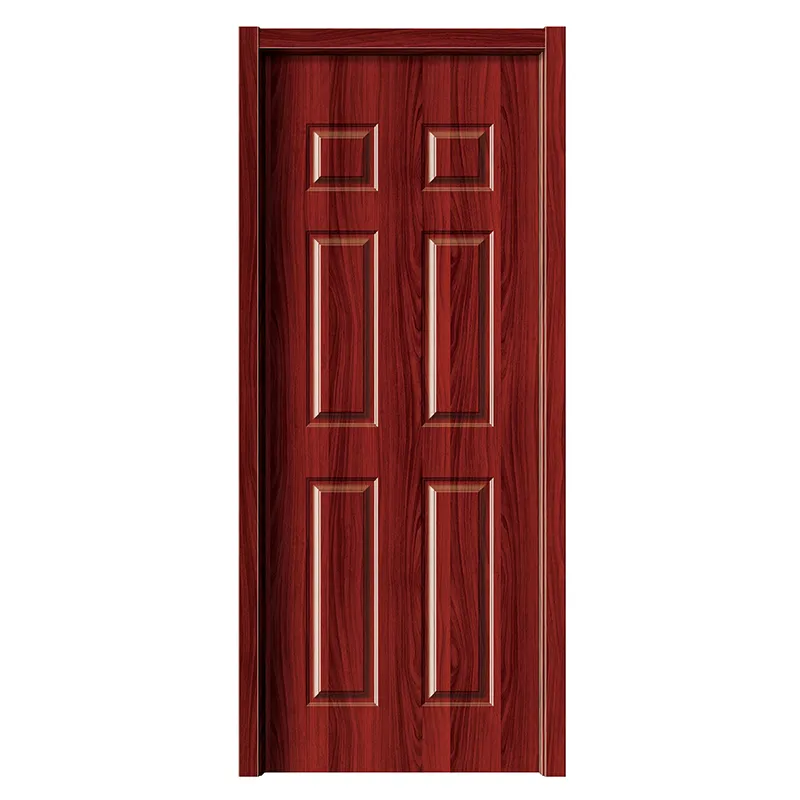 YST-201 Door Red team
 -
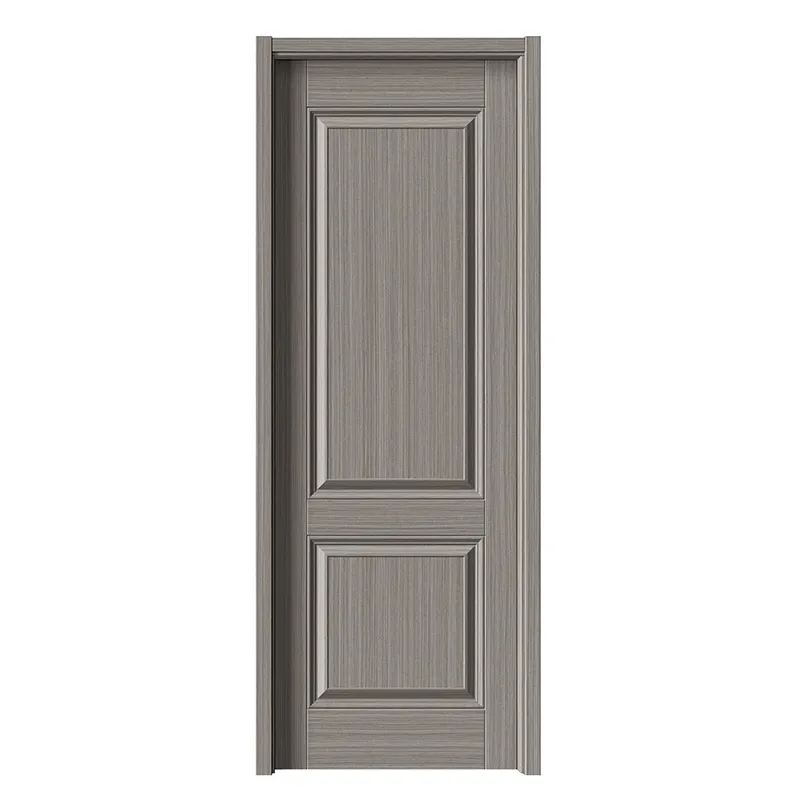 YST-214 Door Technowood 2
 -
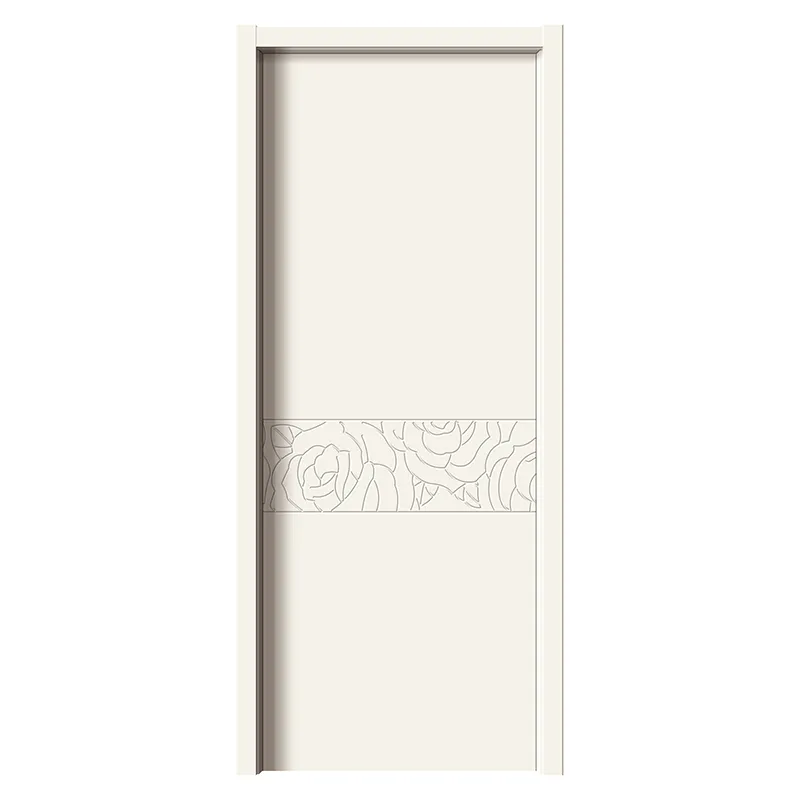 YST-238 Door White ivory
 -
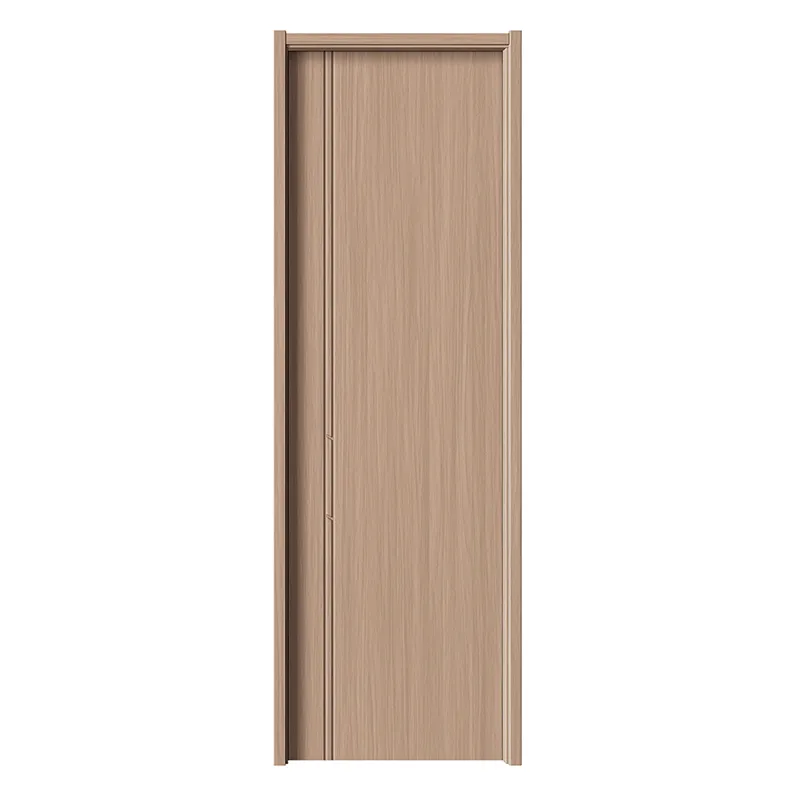 YST-1009 Door Translucent light shade 1
 -
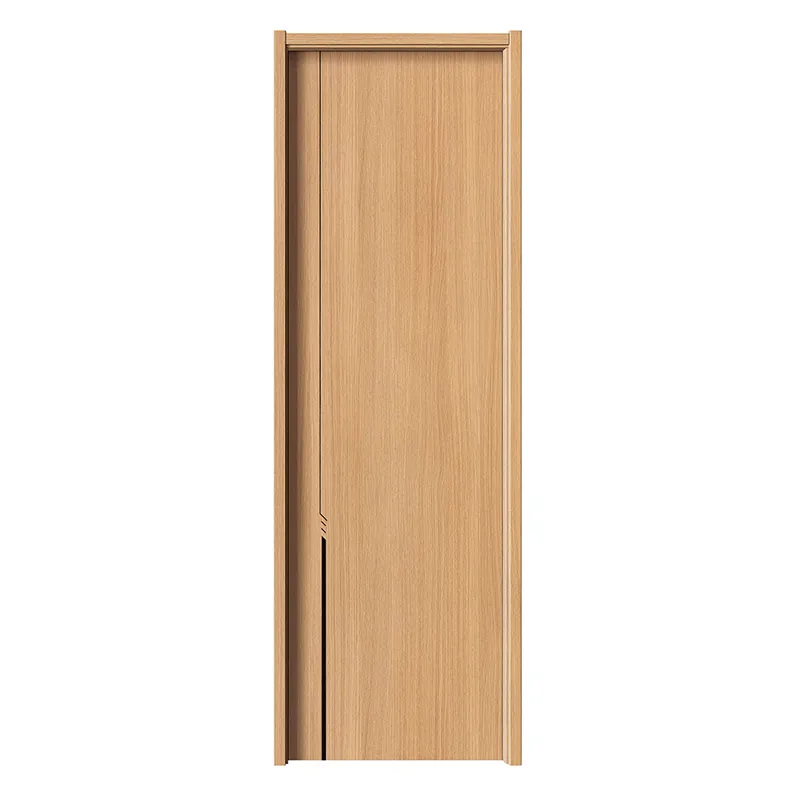 YST-1041 Door Oak Shutter
 -
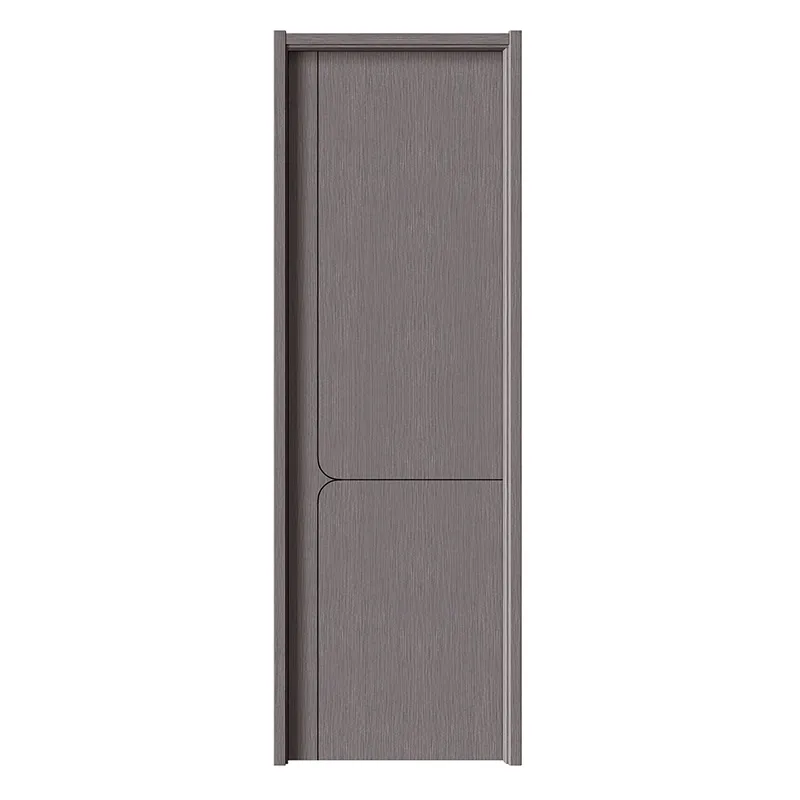 YST-1001 Door Chiaroscuro tree 2
 -
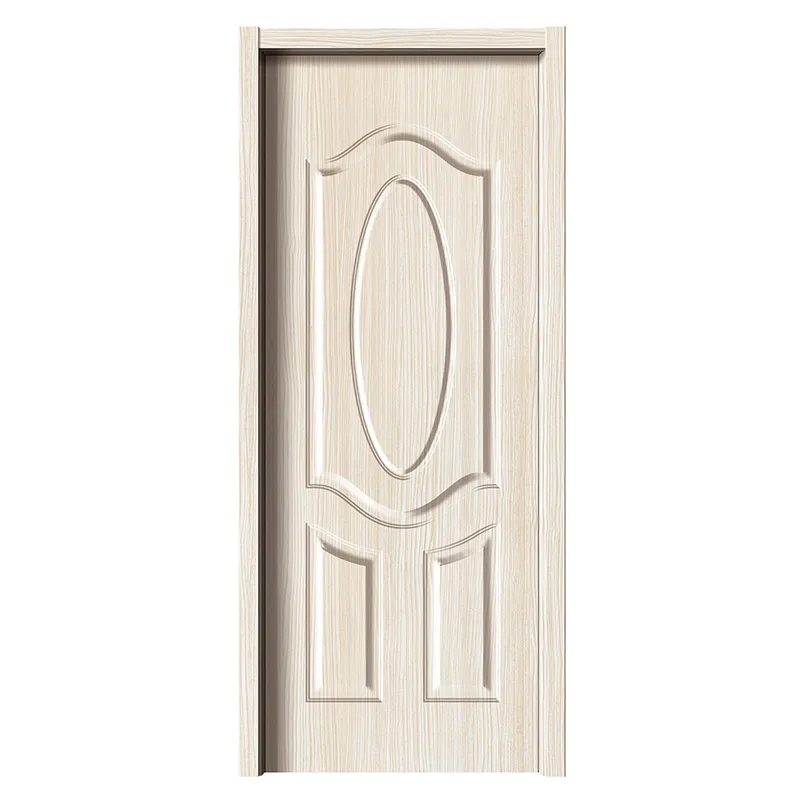 YST-216 Door White Maple
 -
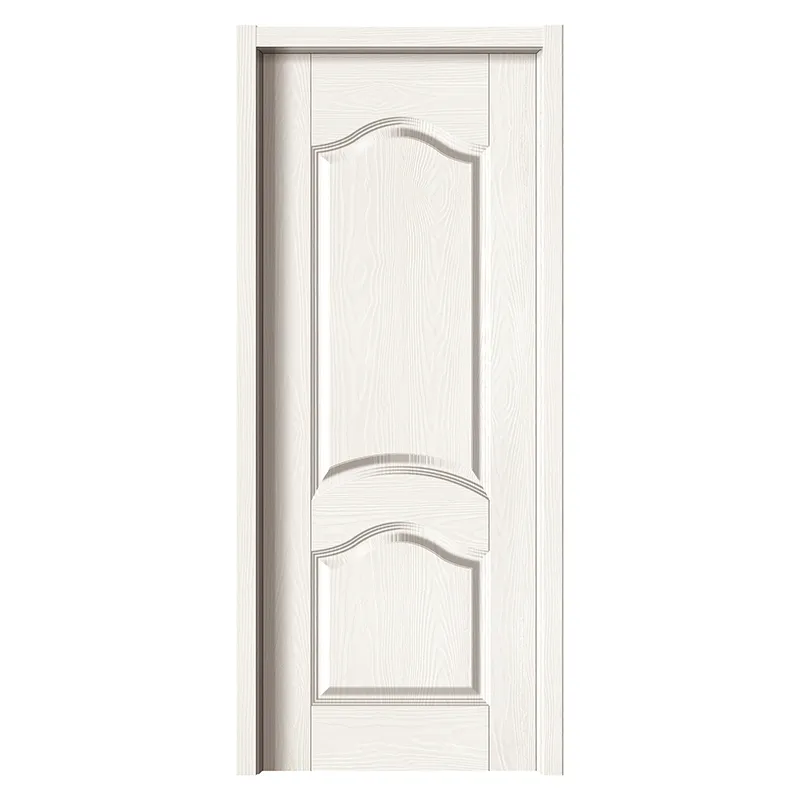 YST-224 Door Warm white with relief
 -
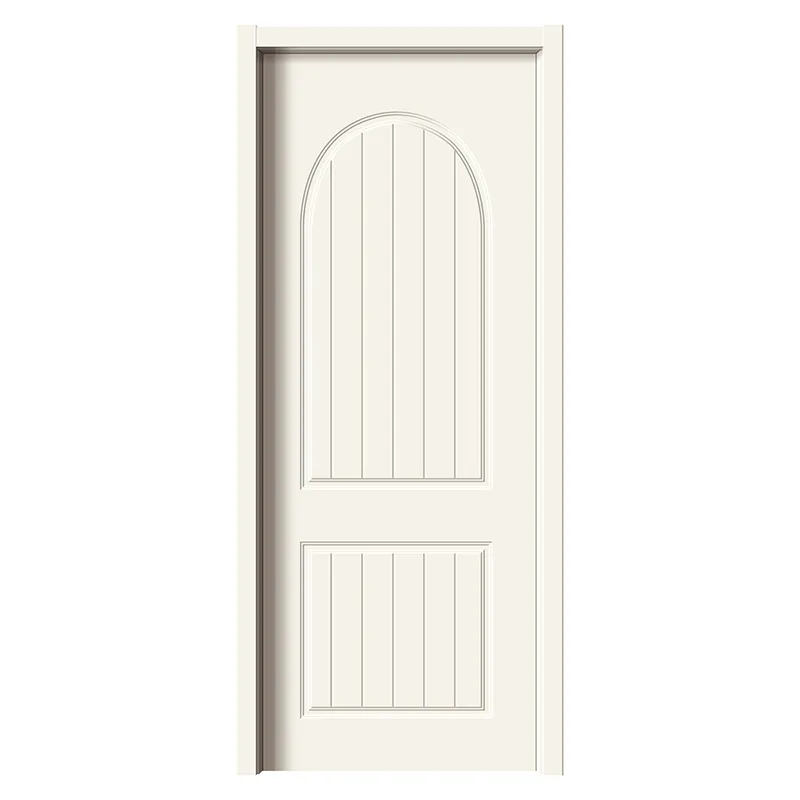 YST-236 Door White ivory
 -
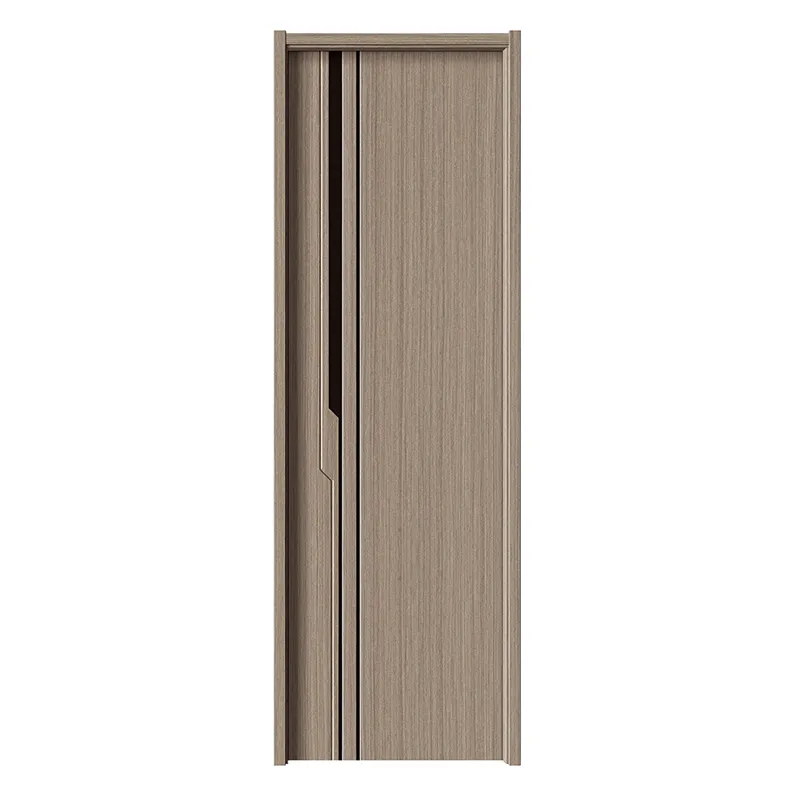 YST-1018 Technowood Door 1