




Solid wood entrance door
When you hear “solid wood front door?”, many immediately imagine a heavy, clumsy structure that will swell from the first moisture. Or, on the contrary, they believe in the myth of eternal, maintenance-free beauty. Both approaches are extremes. In fact, it all comes down to details that are not visible at first glance: what kind of rock, how it is dried, how the canvas is assembled, and - what is often missed - how it is connected to the box and fittings. It's about these details that determine whether the door will be just a piece of wood. or will become a reliable element of the home for decades, and is worth talking about.
Array: which one and why?
Let me make a reservation right away: array is not the same as array. Oak, ash, walnut - classics forsolid wood entrance doors. They are dense and resistant to deformation. But cherry or some types of pine, even if they are solid wood, are a risky choice for an outdoor door. They are softer and more hygroscopic. A common mistake is to choose by texture and color, forgetting about physical and mechanical properties. About ten years ago, I persuaded a client to buy a beautiful solid walnut door for a cottage in a rather humid region. The canvas behaved with dignity, but the thin panels showed small cracks over time. Lesson: for solid wood structures, it is not just the mass that is important, but its internal tension and predictable behavior.
Here it is worth noting the approach of some manufacturers who work for export and understand that a client in another country may face a different climate. For example,Anhui Wantai Woodworking Co.,LtdIn its practice, it focuses on careful selection of raw materials. These are not just words. On their websitehttps://www.anhuiwantai.ruit is clear that the company is focused on the international market, which means it must take into account different climatic zones. For them, ?array? - this is not an abstraction, but a material with known parameters of humidity and stability. Their philosophy is to “build a business on precision?” That's exactly what it's about: predictable results in unpredictable conditions.
And one more nuance - glued solid wood. Many people frown, saying that this is no longer “real”? tree. But in practice, for large canvases this is often a more stable solution. Alternating the direction of fibers in the lamellas compensates for possible warping. The key word is “possible”. What distinguishes a good glued massif from a bad one is not only the glue (of which there are now many environmentally friendly and moisture-resistant), but also the quality of the splice. There should be no ?steps? at the junction, otherwise it will appear under the varnish in a year or two.
Design: where the weak points are hidden
The most vulnerable place is not the canvas itself, but its articulation with the frame and the threshold. You can install a door made of solid oak 50 mm thick, but if the frame is assembled with ordinary nails or corners, and not with a tenon, and does not have a proper system for draining water from the threshold, problems will begin there. Condensation, frost, changes - all this hits the perimeter.
In my practice, I came across doors where the manufacturer, trying to save money, made a frame from the same solid wood, but with a smaller cross-section. Or I used non-waterproof glue to assemble it. The result is that after a couple of seasons the box began to wobble and the canvas began to wear out. The structure had to be dismantled and strengthened. This is about the question of whatsolid wood entrance dooris a system, not just a beautiful panel.
Hence the conclusion: when choosing or designing, you need to literally “disassemble” door in the head. How is the porch constructed? Is there a hidden drainage channel in the threshold? How are the hinges secured - with through bolts or with self-tapping screws? Self-tapping screws in an array for a street door are unreliable and can become loose due to vibration over time.
Protection and Finish: A Two-Coat Story
The main misconception here is that it is enough to coat the door with a good yacht varnish. Not enough. Protection begins with impregnation. Antiseptic, fire-bioprotective (especially important for residential premises). And it is important that this impregnation is deep and not superficial. Some technologies, such as vacuum impregnation, give much better results.
Varnish or oil? For outdoor conditions, varnish, especially polyurethane, provides a more rigid and scratch-resistant film. But it has a drawback - in case of local damage, repair is more difficult; the entire surface must be sanded. Oil with hard wax is easier to repair locally, but requires more frequent renewal. I usually lean towards varnish for the front side and oil for the inside - as a compromise between durability and tactile sensations.
An important point that is often overlooked when ordering is color. Dark tones (wenge, stained oak) on the sunny side will heat up more, which creates additional stress on the paintwork and can increase internal stress in the wood. For sunny facades it is better to choose lighter shades.
Installation: theory and harsh reality
You can buy the perfect door, but kill it with improper installation. The main mistake is rigid fixation in the opening without taking into account the seasonal movements of the building and the wood itself. Wood breathes, even when well dried. The fastening of the box should be forceful, but with the possibility of slight adjustment. I often see how installers foam the box around the entire perimeter, creating a hard “cocoon”. This is bad. Foam should fill voids, but not be the main load-bearing element. The main load should go to the anchor bolts through the mounting plates.
Another practical tip: never installsolid wood entrance doorimmediately after delivery, especially if it was brought from a cold warehouse to a warm home. Allow it to acclimatize to future use conditions for at least 24-48 hours while unpacked. This will reduce the risk of subsequent deformation.
And about the gaps. They must be! From all sides. And these gaps are then correctly closed with platbands with compensation grooves. A too-tight fit is a guarantee that the door will jam in wet weather.
Is the game worth the candle? Personal result
Working with different materials, from metal to glass composite, I still come back to the idea that for a private home, cottage, where image and tactility are important, a good wooden door is an investment in the atmosphere. But the investment is conscious. This is not the cheapest and not the most unpretentious option. This is a choice in favor of aesthetics and naturalness, which requires understanding and a willingness to take some care.
The key is to find a manufacturer who not only sells the product, but understands the entire chain: from the physics of wood to the nuances of installation. As, for example, it declaresAnhui Wantai Woodworking Co.,Ltd, aiming to combine aesthetic design and practical performance for the global market. Their emphasis on precision and control at all stages is exactly the approach needed when it comes to a complex product like a reliable one.solid wood entrance door.
In the end, the perfect wooden door is not one that never changes. This is one whose behavior is predictable, whose age-related changes (slight darkening of the varnish, the appearance of texture) add character to it, and any potential problems were foreseen and minimized at the design and production stage. And then she really becomes the face of the house for many years.
Correspondingproducts
Related Products

Best Sellingproducts
Best Selling Products-
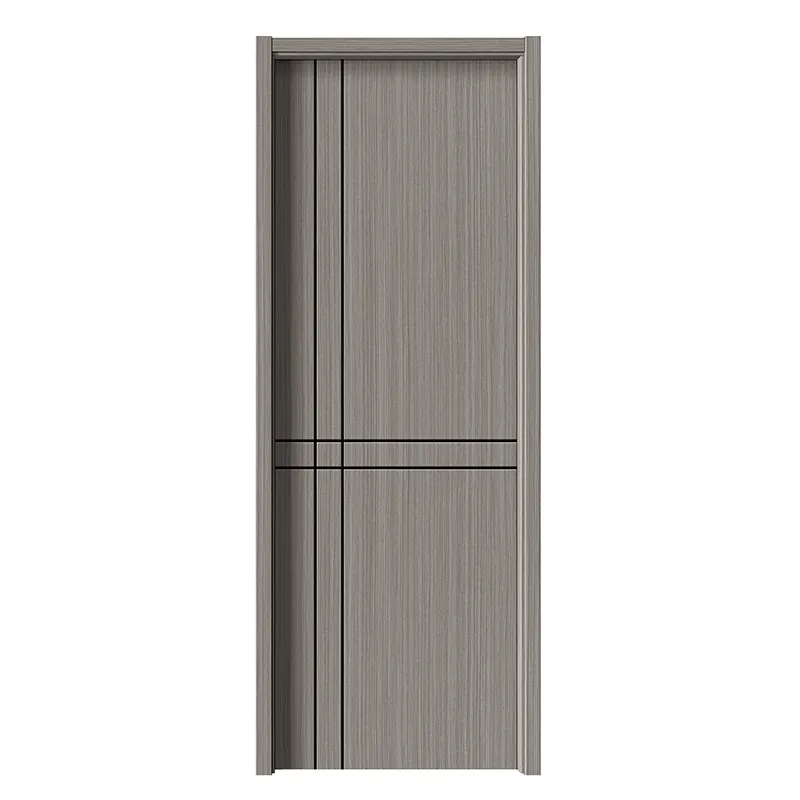 YST-1004 Door Technotree 2
 -
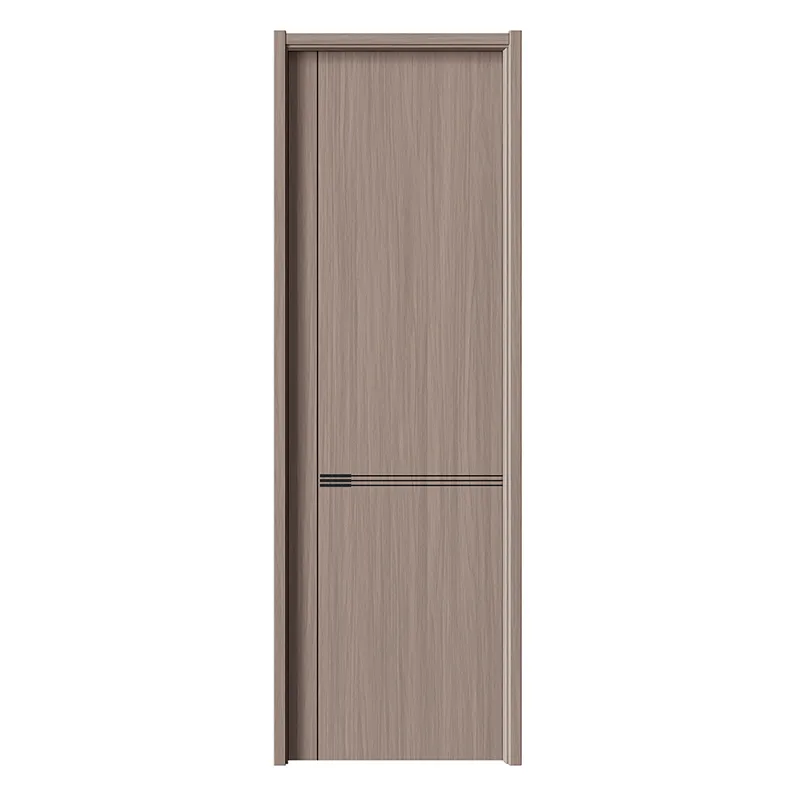 YST-1039 Door Translucent light shadow 3
 -
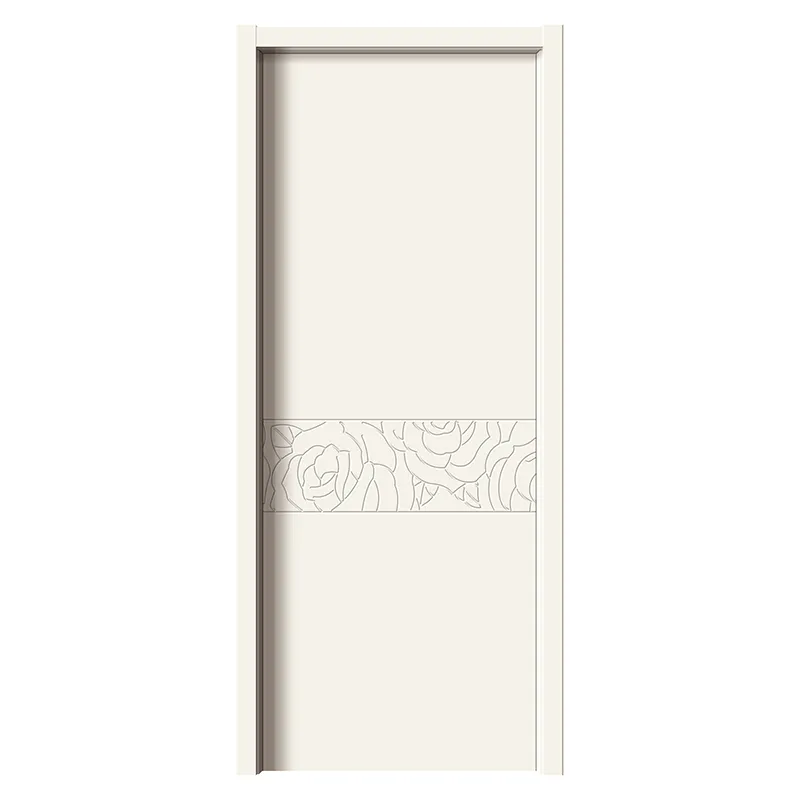 YST-238 Door White ivory
 -
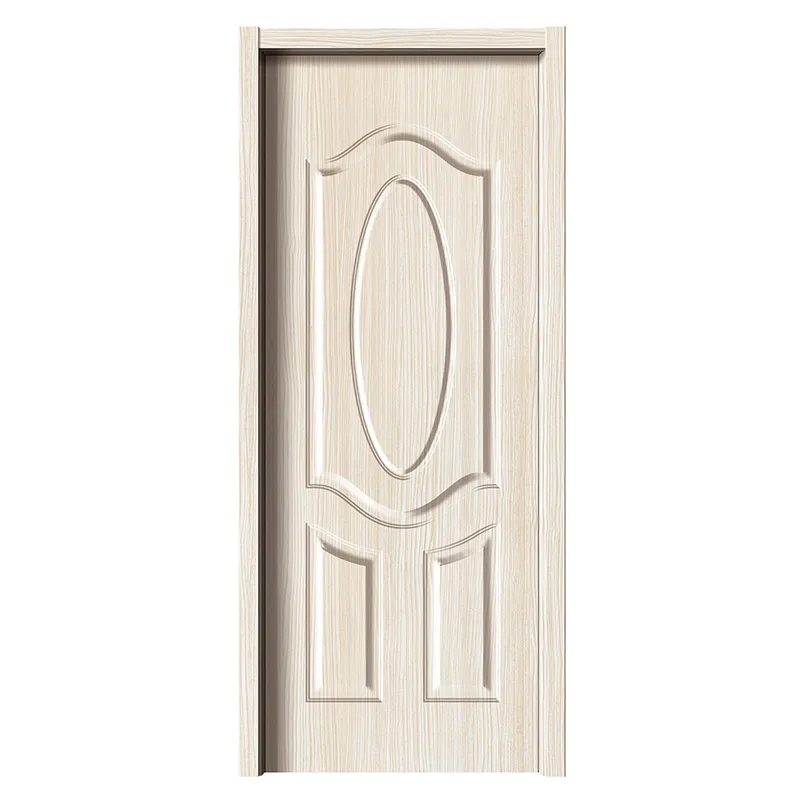 YST-216 Door White Maple
 -
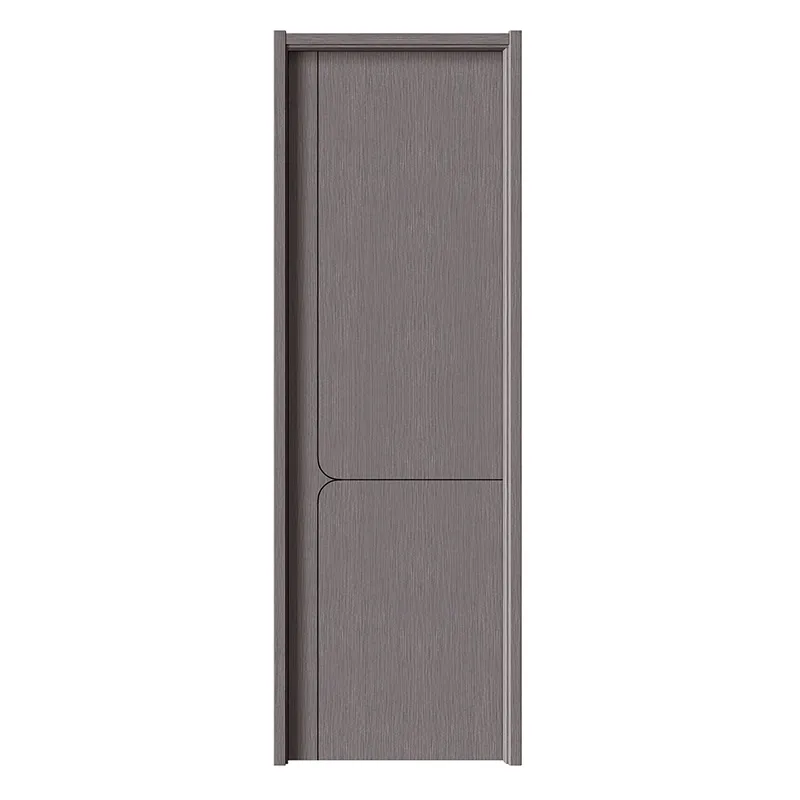 YST-1001 Door Chiaroscuro tree 2
 -
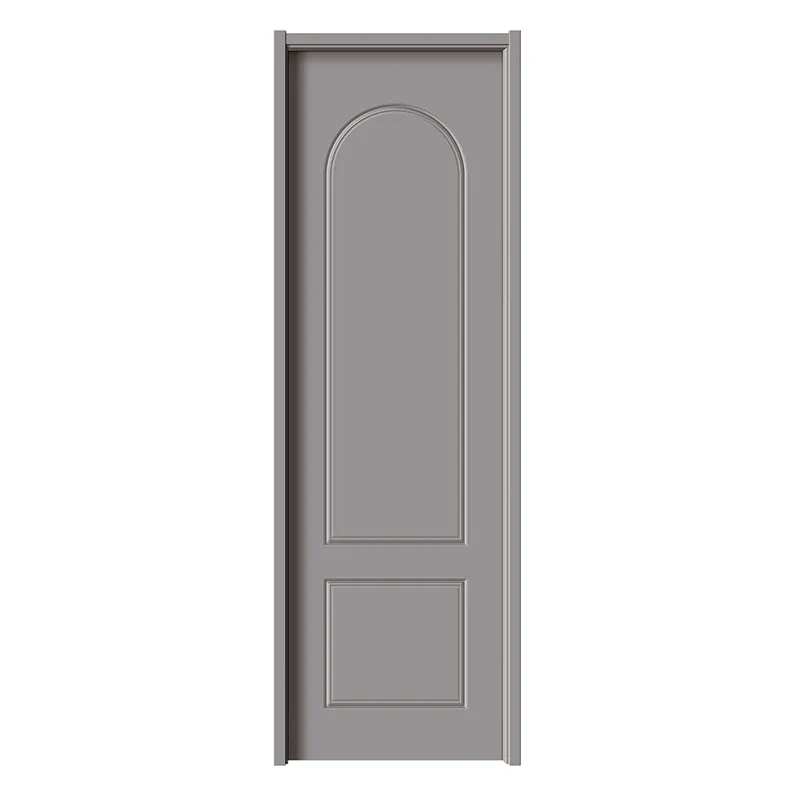 YST-241 French Door 1 soft stone gray
 -
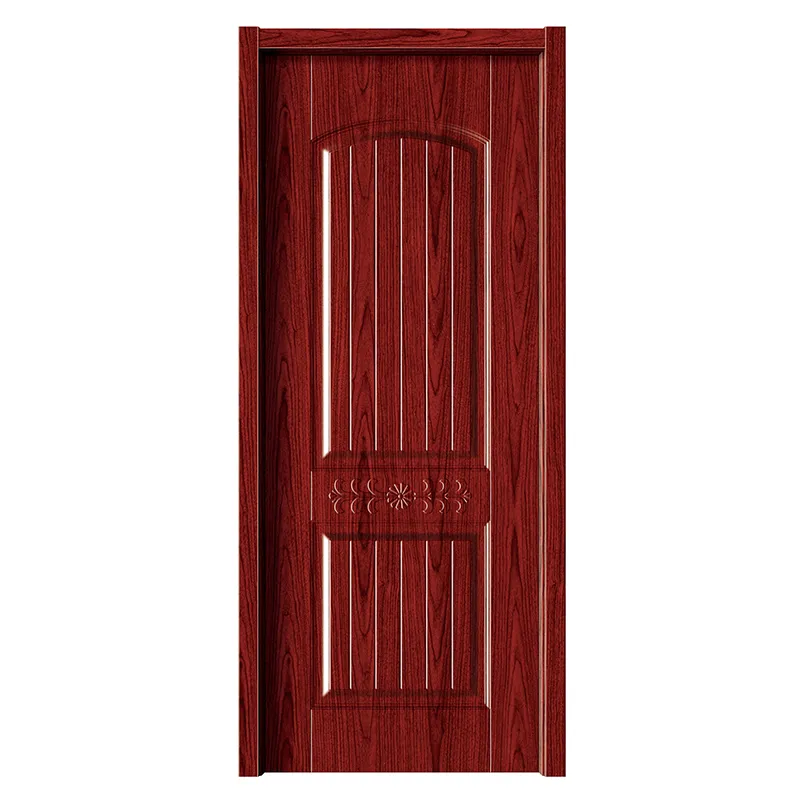 YST-233 Door Mahogany
 -
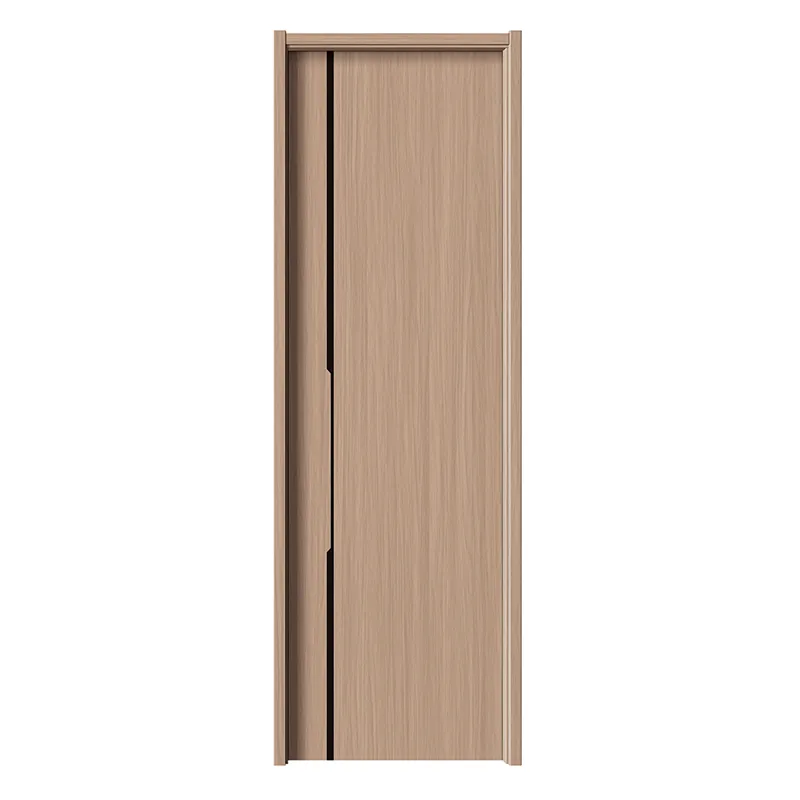 YST-1029 Door Translucent light shade 1
 -
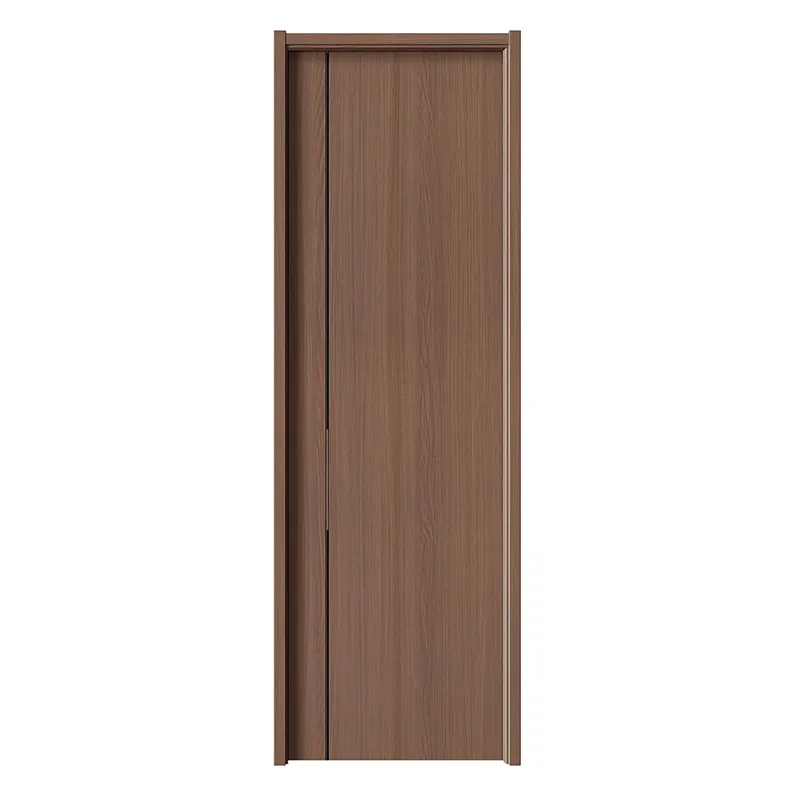 YST-1043 Door Techno-walnut 3
 -
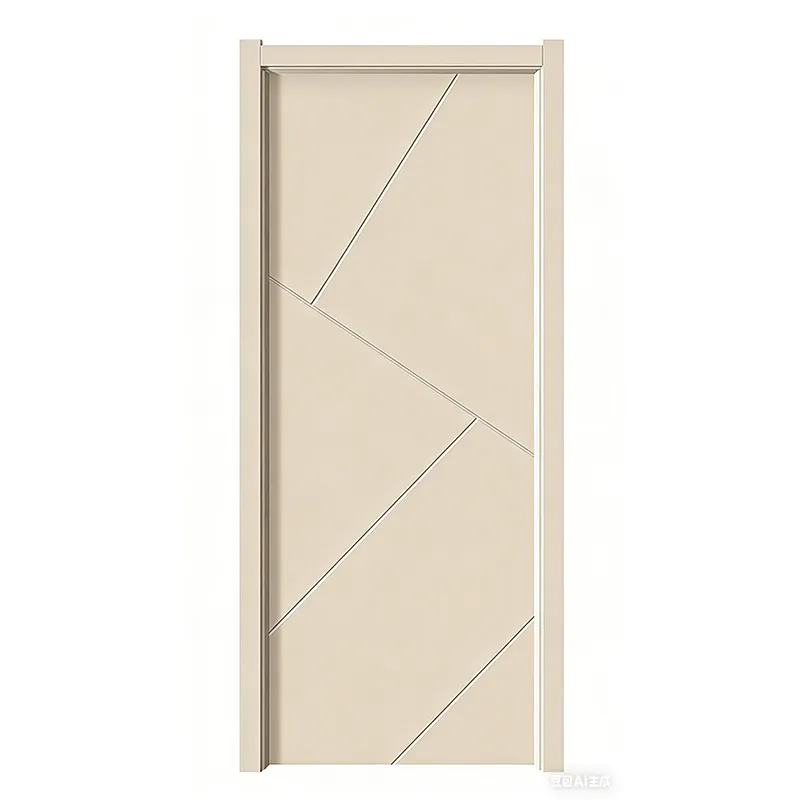 YST-WPC3 Door
 -
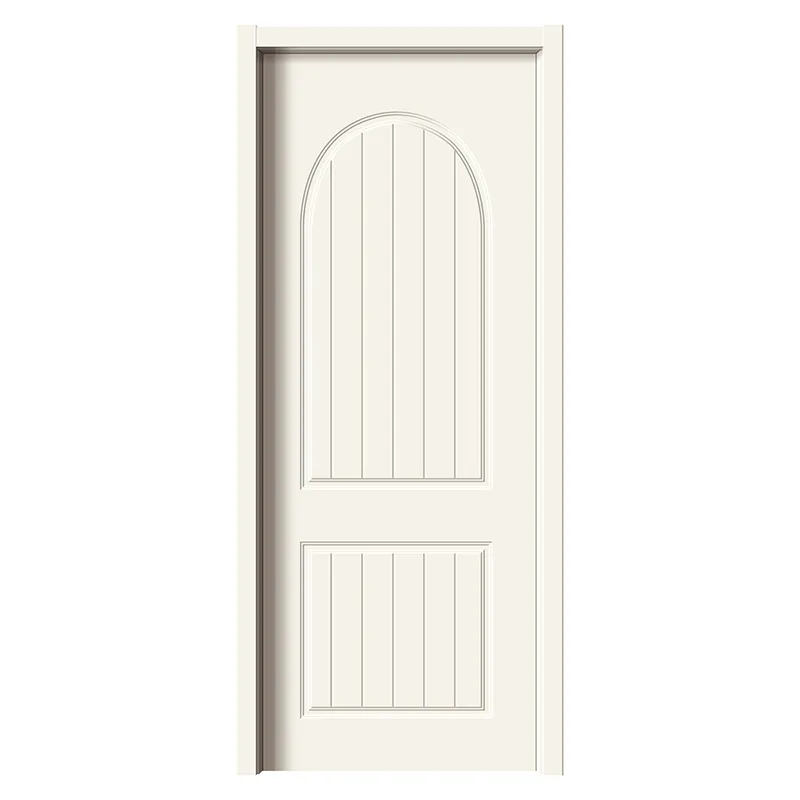 YST-236 Door White ivory
 -
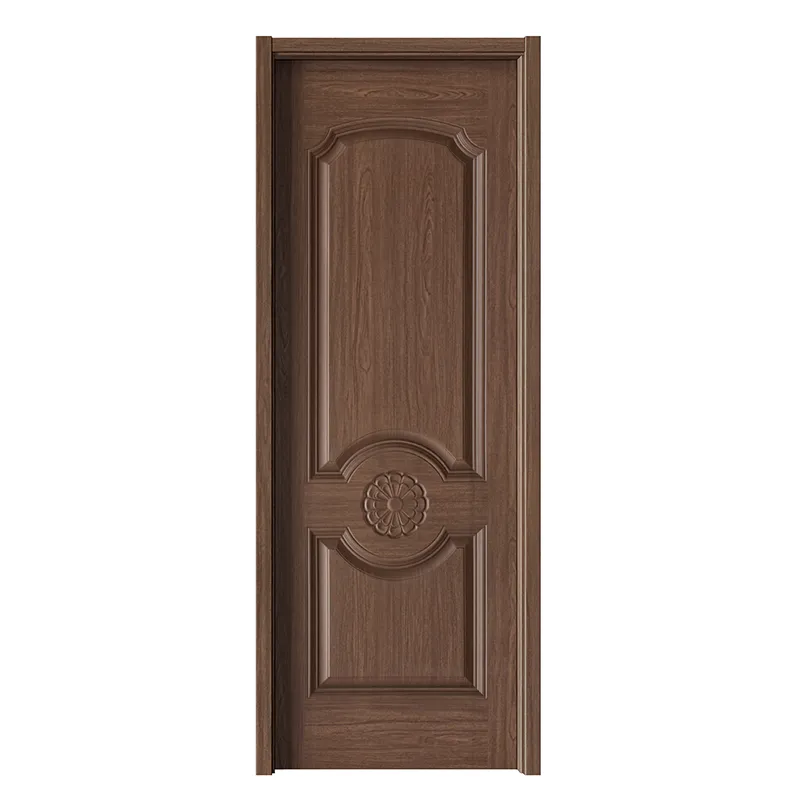 YST-212 Door North American Oak 2