




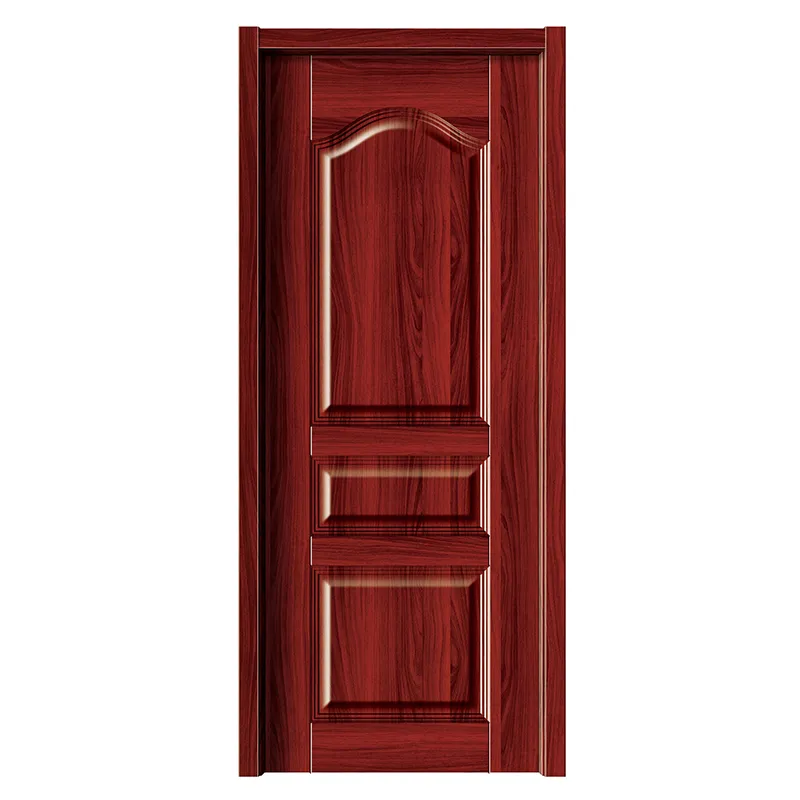
Wooden solid door
When you hear “massive wooden door?”, many people imagine just a thick, heavy structure - that’s all. In fact, it's a whole story where every detail, from the fibers to the fittings, affects whether the door will just stand or actually work for decades. A common mistake is to chase “massiveness”. as an end in itself, forgetting about the type of wood, drying conditions and even the geometry of the room. Now I will explain why.
What is actually hidden behind the ?array?
An array is not a synonym for “solid piece”. This is often understood as laminated laminated timber, and this is correct: this technology reduces internal stress and the door does not open up over time. But here's a caveat: if the lamellas are glued together from multidirectional fibers without proper control, microcracks may appear over time. I saw this at sites where they installed doors of unknown small production - after a couple of years, thin lines could be seen on the end.
Breed is a separate matter. Oak, ash, walnut are classics, but there are pitfalls here too. For example, oak is heavy and stable, but if it is not dried well enough (humidity above 8-10%), even a massive structure can fail. Ash is beautifully textured, but a little more capricious to changes in humidity. The choice often depends not only on the budget, but also on the microclimate in the room. In a cottage with unstable heating, install something more neutral, like high-quality laminated coniferous wood - there are fewer risks.
The thickness of the canvas is another myth. It is believed that the thicker the better. Partly yes, but up to a certain limit. A 50 mm canvas is already serious, but if the frame is weak or the wall is uneven, all the “massiveness” will go down the drain. Balance is important: a massive canvas requires an appropriate box, extras and, what is often overlooked, the right hinges. Hinges with four hinges for lightweight doors are not suitable here - you need reinforced ones, with at least three bearings, otherwise they will sag over time.
Production subtleties that decide everything
Here it is worth mentioning the approach of some manufacturers who focus on the full control cycle. Here, for example,Anhui Wantai Woodworking Co.,Ltd(website -https://www.anhuiwantai.ru). Their description states a modern base and selection of raw materials according to standards. In practice, this means that a company seeking to supply doors that combine design and practicality to the international market is likely to pay attention to the pre-treatment of wood. This is critical. If there were violations at the drying stage, even the most beautiful design will later crack.
Their concept is “to build a business on precision?” - these are not just words. In contextsolid wooden doorAccuracy is, for example, tolerances when milling grooves for locks and hinges. A millimeter difference - and the lock will close tightly, or a draft will appear. I came across this myself when a door was delivered to the site, where the groove for the strike plate was shifted by 1.5 mm. I had to adjust it manually, wasting time.
Process control is also the glue. High-quality, moisture-resistant glue for lamellas is a must. Cheap compounds fade over time. in conditions of temperature changes, especially in vestibules or unheated corridors. The company description mentions international standards - most likely, we are talking about standards for formaldehyde emissions (class E1 or higher) and the strength of adhesive joints. This is important for residential premises.
Design and practicality: where to find a compromise
Often customers want both a complex paneled design and for the door to be as “monolithic” as possible. from the point of view of heat and sound insulation. But here physics intervenes: deep panels and threads are potential places for accumulation of moisture and dust, as well as weakening of the structure. The solution lies in manufacturing technology. High qualitysolid wooden doorfrom a manufacturer with experienced designers, like Wantai, can offer panels that are not just overhead, but are part of a balanced structure, reinforced on the reverse side.
Practical characteristics include surface treatment. Oil, wax, varnish. For a massive door in a hallway, for example, oil with hard wax is better - small scratches are less visible and it’s easier to update locally. The glossy varnish on the solid wood looks rich, but every scratch is clearly visible. This is about meeting diverse needs - a good manufacturer should offer different finishing options, not just one or two.
Another practical point is weight and fittings. The massive door is heavy. This is a load on the hinges and on the floor. You need to immediately plan for reinforced hinges and, possibly, a soft-closing closer. Otherwise, in a year or two the hinges will become loose and the door will begin to creak. I myself recommend that clients immediately budget for high-quality fittings - savings at this stage later come back to bite.
Installation errors that negate the quality of the door
The most common problem is installation in an unprepared opening. You can’t just “stick” a massive door in? and foam with polyurethane foam. You need a technological gap, correct leveling in all three planes, and fastening with anchor bolts through the box to the wall. I have seen cases where a door is of excellent quality after installation by a team of “shabashniks”. did not close - the opening was blocked, and they tried to level everything with foam. The result is dismantling and new costs.
Failure to take into account wood expansion. Wood is a living material, it “breathes”. Especially in the first year after installation in a new room. It is necessary to leave gaps not only on the sides, but also on the top. If the door is installed close to the frame, during the heating season it may swell and jam. The instructions of a good manufacturer always take this into account, but installers often ignore it.
No finishing after installation. Often the door comes from the factory with a primer or one coat of coating applied. After adjusting and installing the cutting area, the holes for the handles must be coated with the same composition for protection. If this is not done, moisture may get into these places and local warping will begin. It seems like a small thing, but it’s these little things that determine whether a door will last 5 years or 25.
Market and choice: what to look for besides price
There are many offers on the market today. From very small workshops to large international suppliers such asAnhui Wantai Woodworking Co.,Ltd. Their positioning in the international market with an emphasis on design and practicality is an indicator of a certain level. When choosing, it is worth requesting not just a catalog, but technical data sheets for the products: what is the moisture content of the wood, what is the class of glue, what drying methods are used.
It is worth paying attention to the availability of real projects, examples of installation in different climatic conditions. If a company ships globally, its products are likely tested to withstand different humidity levels. That's a plus. Again, their supposedly experienced team of designers and developers should not just be part of the staff, but actually participate in the creation of models, adapting design to functionality.
In the end, the choicesolid wooden door- This is not a spontaneous purchase. This is an analysis of: operating conditions, production quality (here the stages from the selection of raw materials are important, as in the case of the mentioned company), correct installation and subsequent maintenance. The best door is a system where all the elements work together. And sometimes it’s easier to pay a little more, but get a product with the declared “accuracy and quality”? confirmed not by words, but by clear technological processes and, ideally, reviews from real objects. Then it will become not just a partition, but a reliable and stylish element of the interior for many years.
Correspondingproducts
Related Products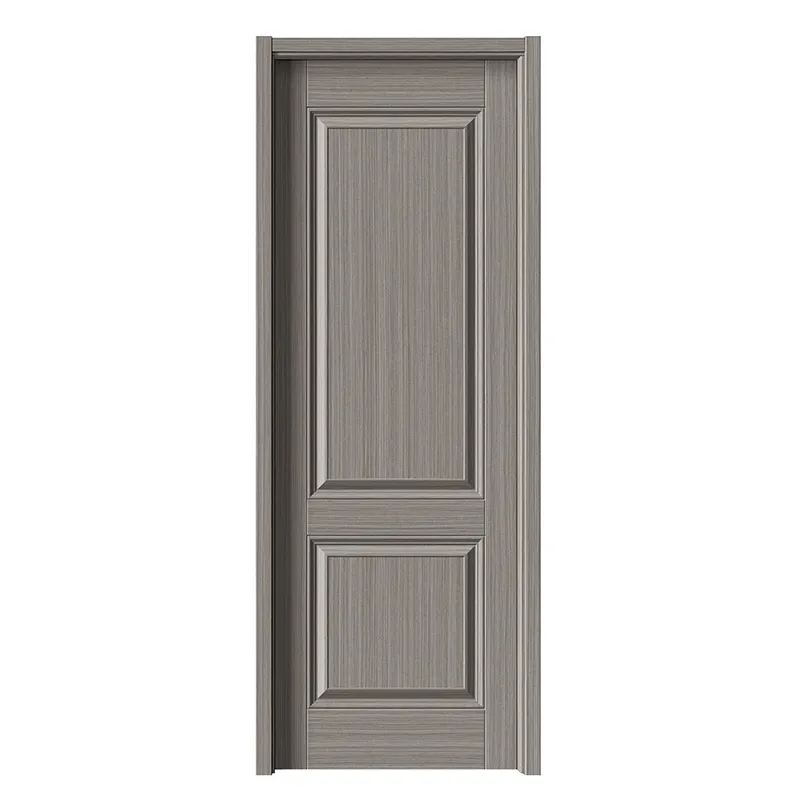
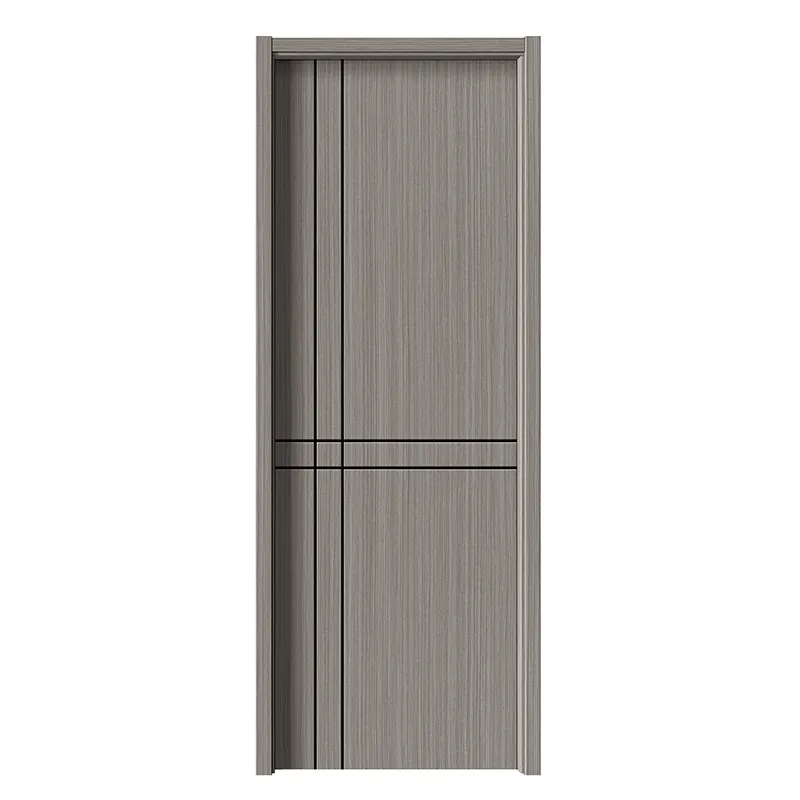
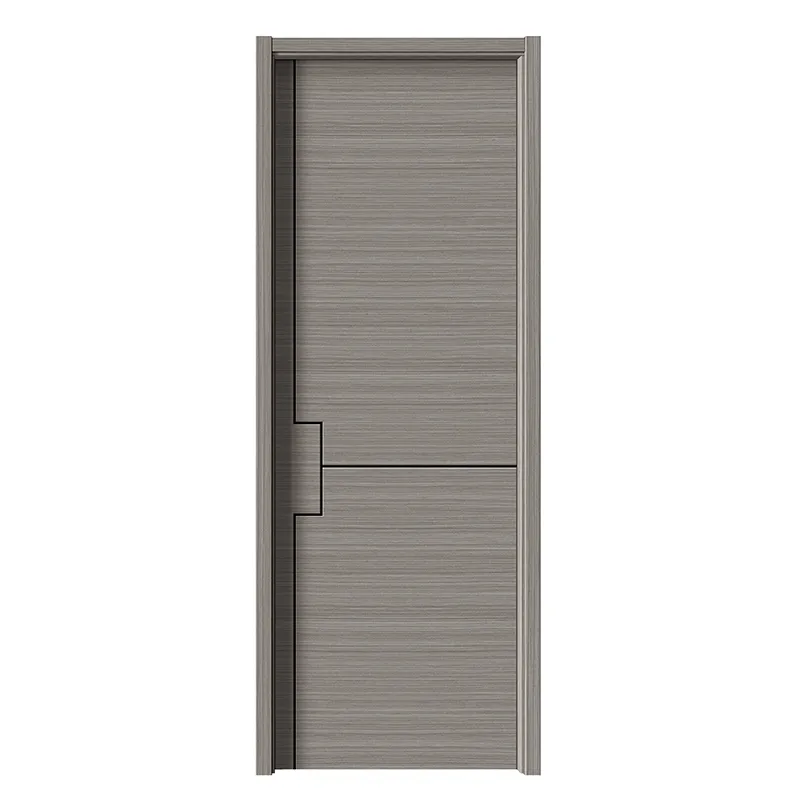
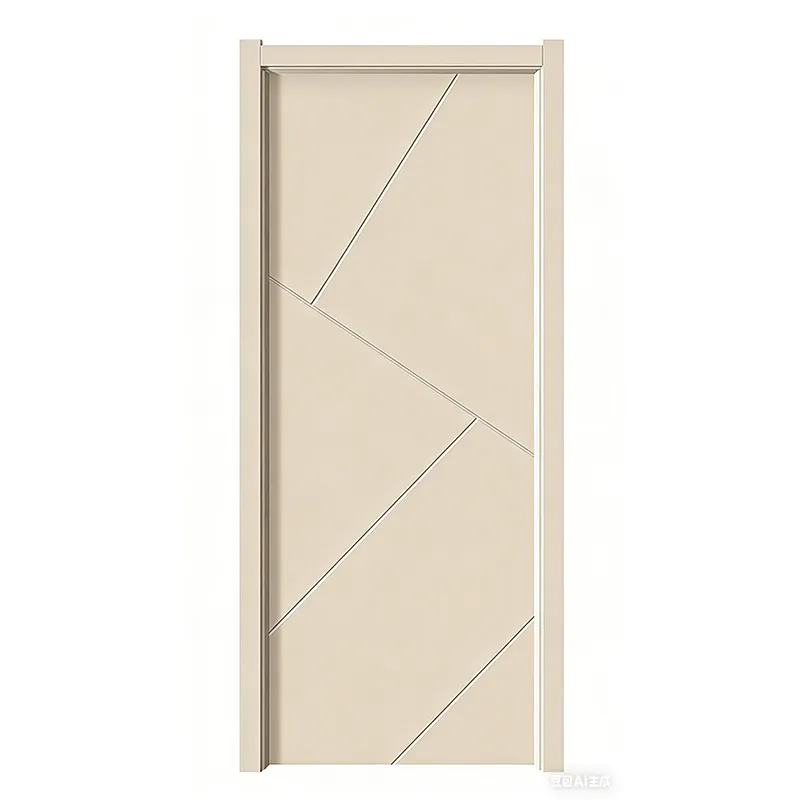
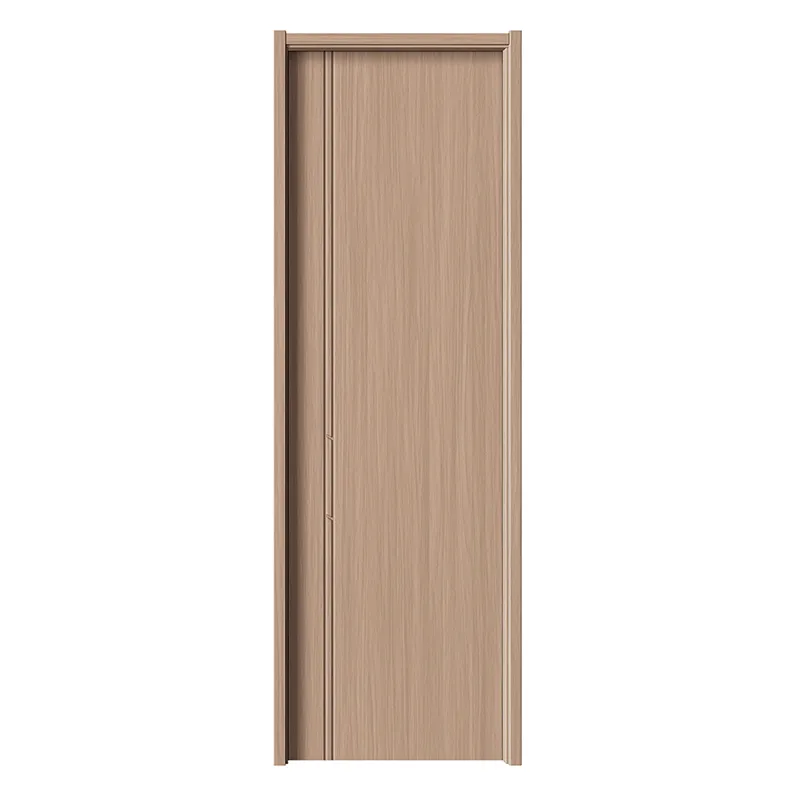

Best Sellingproducts
Best Selling Products-
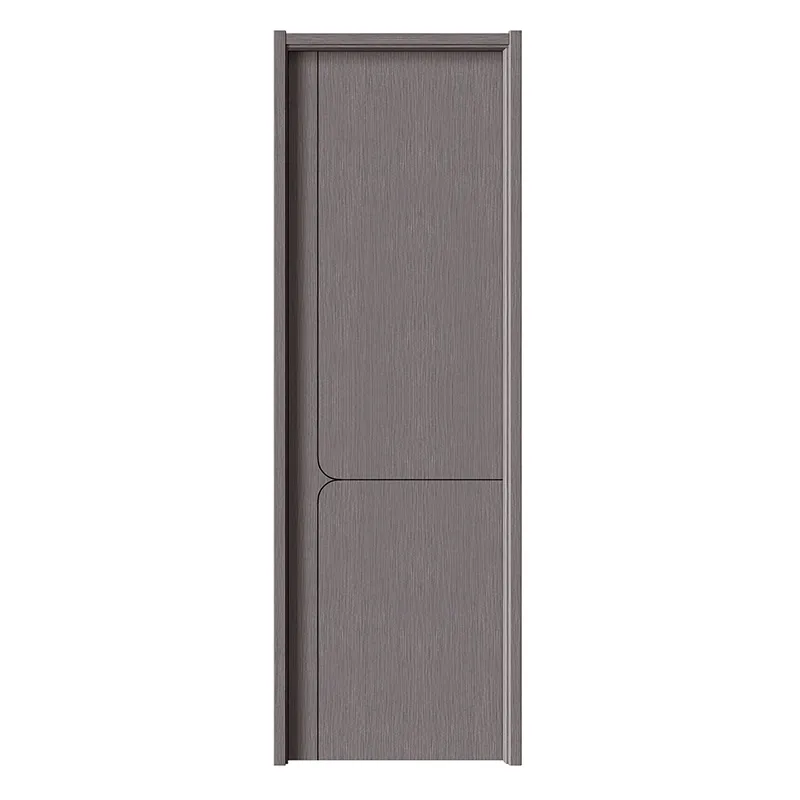 YST-1001 Door Chiaroscuro tree 2
 -
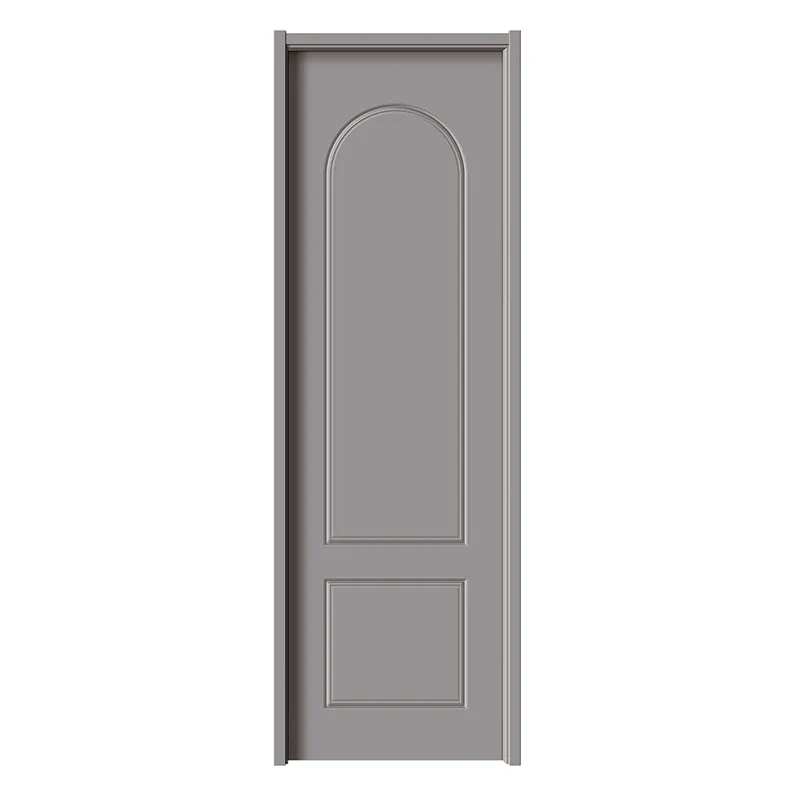 YST-241 French Door 1 soft stone gray
 -
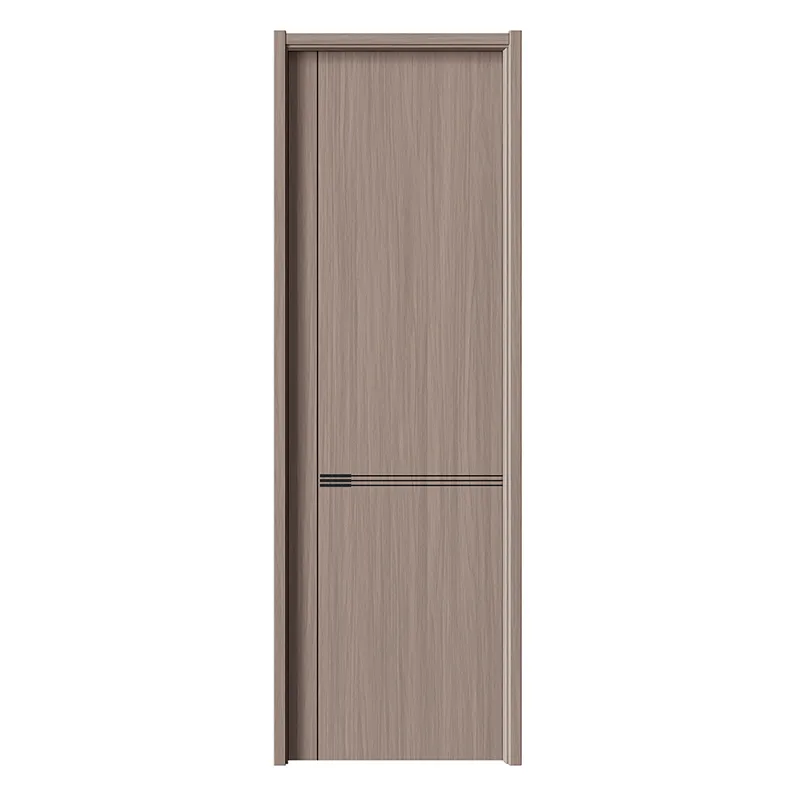 YST-1039 Door Translucent light shadow 3
 -
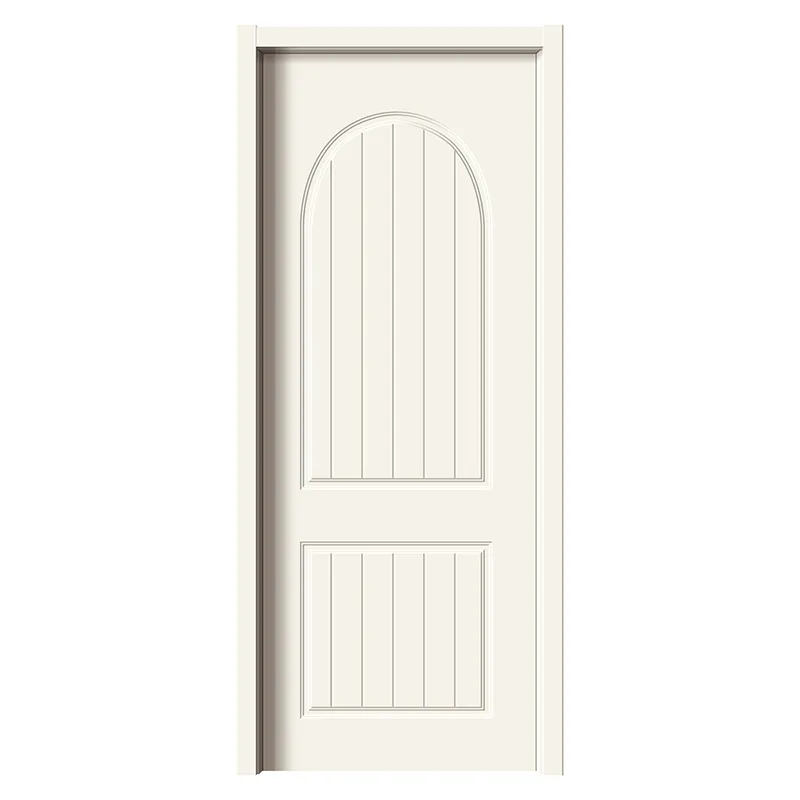 YST-236 Door White ivory
 -
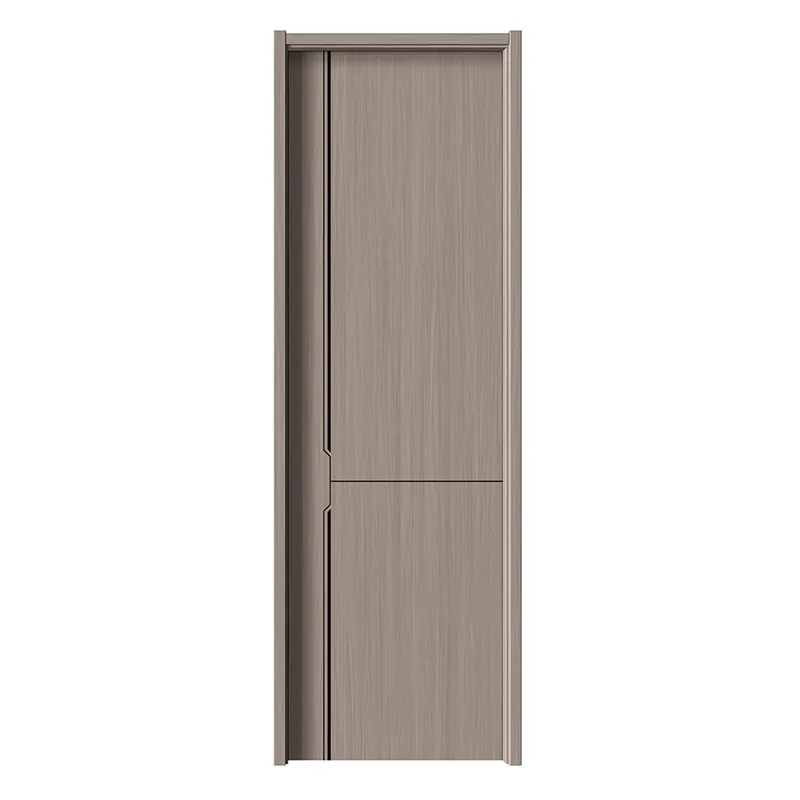 YST-1011 Door Translucent light shadow 3
 -
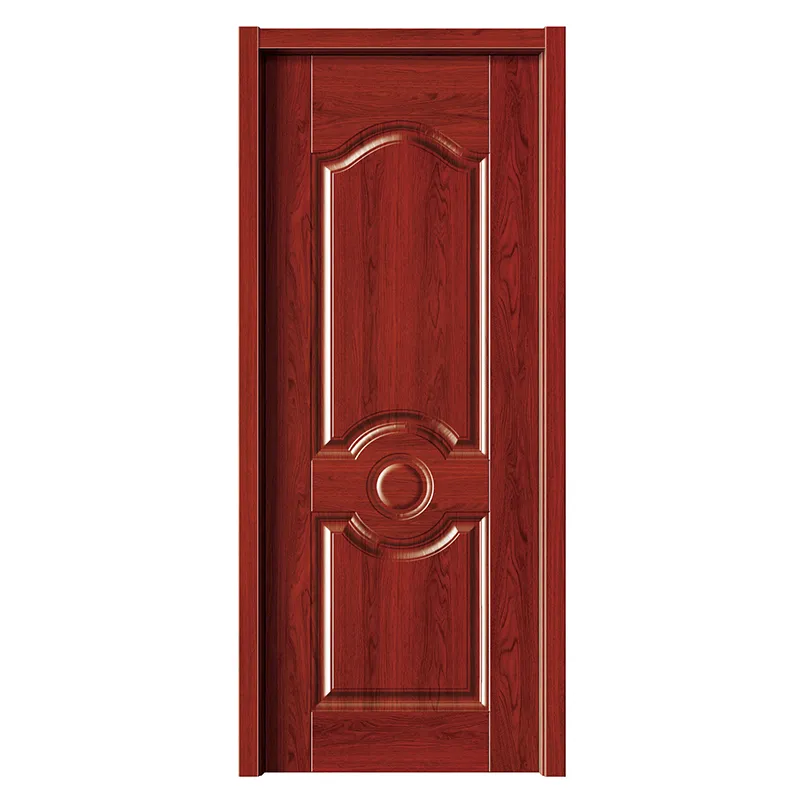 YST-208 Door Red Sandalwood
 -
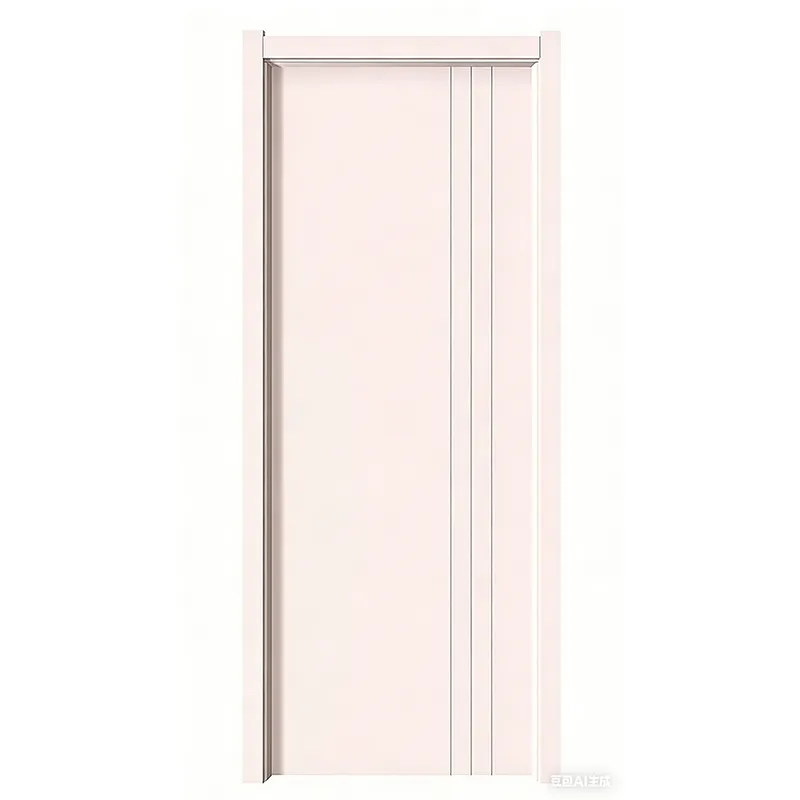 YST-WPC4 Door
 -
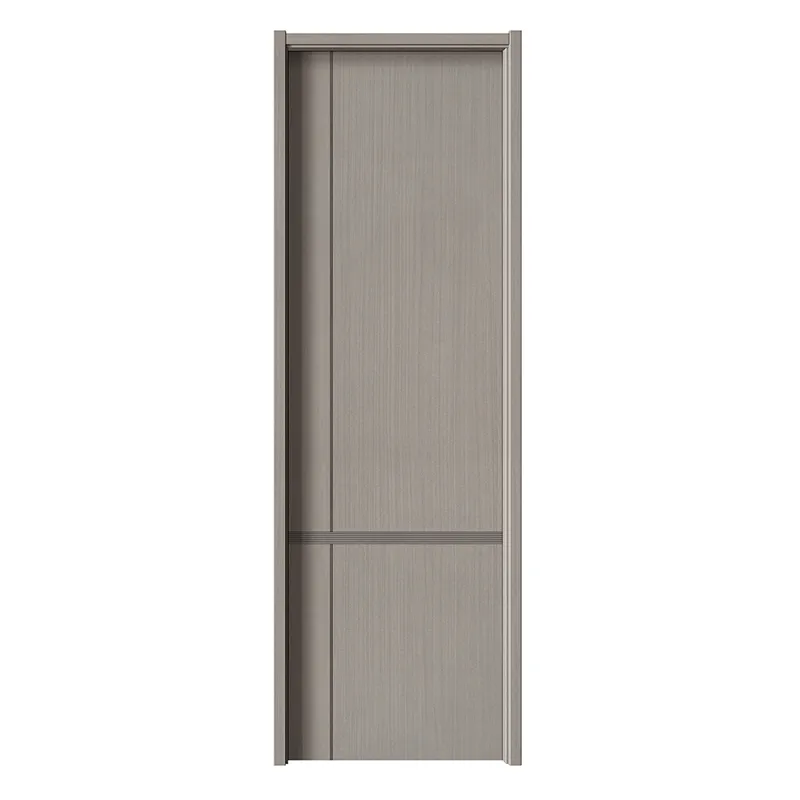 YST-1013 Door Cloud Walnut 1
 -
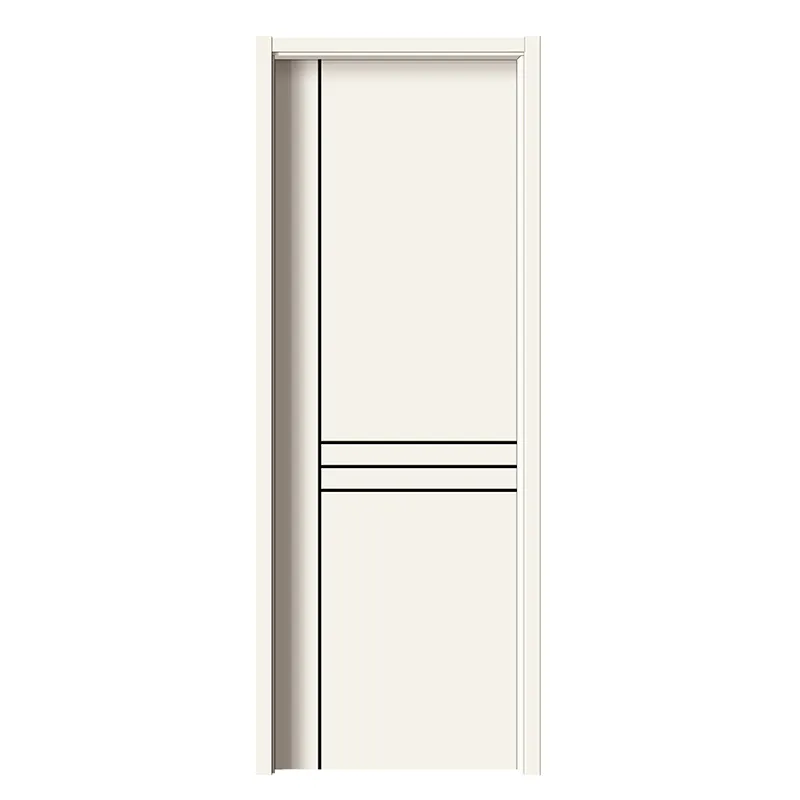 YST-220 Door Warm white
 -
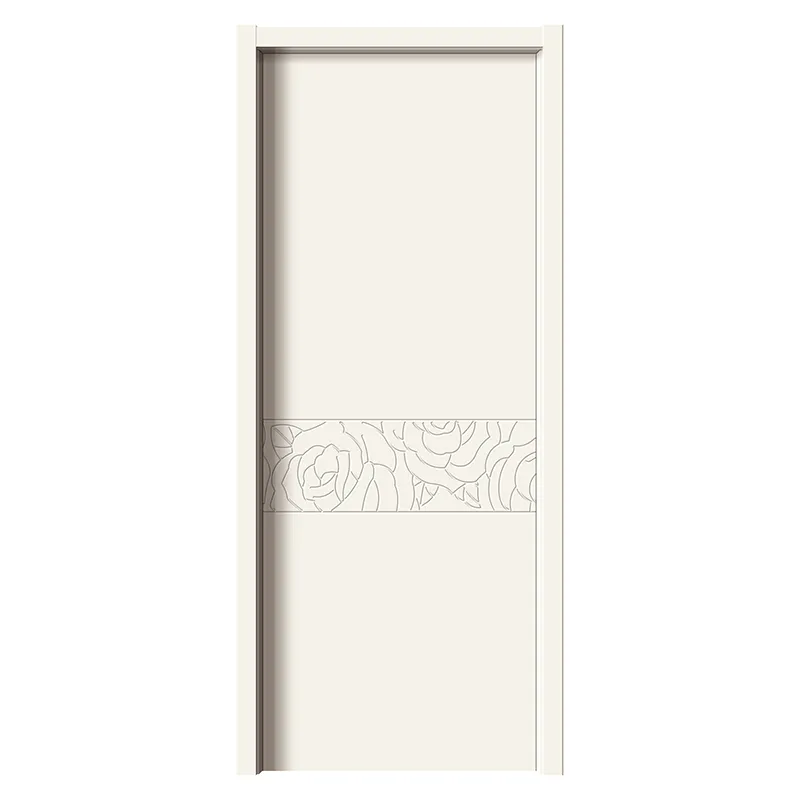 YST-238 Door White ivory
 -
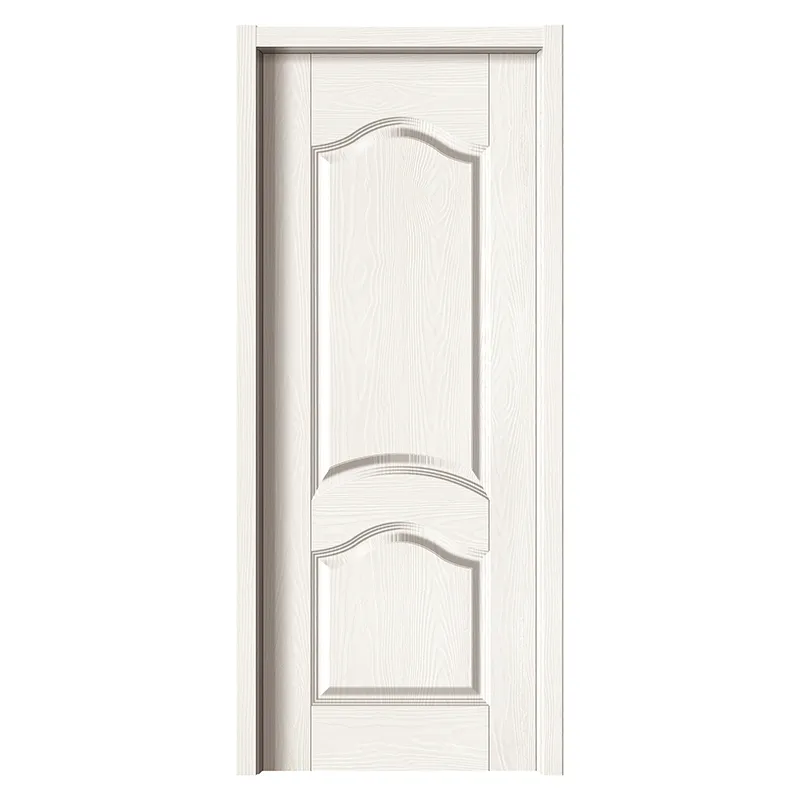 YST-224 Door Warm white with relief
 -
 YST-203 Door Red team