




Hidden invisible doors
When they say “hidden doors of invisibility?”, many immediately imagine something from spy films - a perfect, completely indistinguishable surface. In practice, this often leads to the first and most common disappointment of the customer: complete “invisibility?” in everyday understanding does not exist. It is always about visual integration into the interior, and not about magical disappearance. The main mistake is to chase a ghostly ideal, forgetting about the physics of materials, shrinkage, and the behavior of seams over time. This is where the real work begins.
Design: where does “invisibility” lie?
The whole secret is in the fastening system and end processing. Standard hinges and boxes don't work here. We use hidden hinge systems, often imported, like Soss or similar, which are mounted into the end of the leaf and into a prepared groove in the opening. But even the most expensive fittings will not save you if the gaps are calculated incorrectly. A gap of 1-1.5 mm is not a recommendation, it is a dogma. More - the shadow will be visible, less - the canvas may rub or wedge due to seasonal fluctuations in humidity.
But the canvas itself is more interesting. Many people think that any flat slab will do. In fact, you need a stable, inert core - often high-density MDF. The array, especially in our latitudes, is a lottery. Once they took an order for an expensive cabinet, it was made from solid oak according to special order. The customer was delighted, until six months later he received a complaint: a gap appeared in the upper corner. The reason is different degrees of shrinkage in a room with uneven heating. We had to redo it, now we always discourage people from using an array for hidden solutions if there is no ideally stable microclimate.
A separate discussion is the finishing. The important thing here is not just to repeat the wallpaper or paint on the wall. It is necessary that the texture, color depth, and most importantly, the nature of the reflection of light coincide. Sometimes you have to order veneer from a specific supplier, who can select a cut to match the existing wall decoration. A glossy surface is the most difficult option; it is like a litmus test for any irregularities in the frame.
Installation: preparing the opening as a key stage
If in production everything can be verified on machines, then the real exam begins at the site. The opening must be ideally laid out along planes and angles. A common problem in new buildings is “filled up”. walls. Mounthidden invisible doorsinto such an opening is to doom the project to failure in advance. You have to either convince the customer of the need for serious plastering leveling, which increases the cost of the estimate, or, in extreme cases, refuse the work. Taking on an installation that is obviously a failure is ruining your reputation.
The installation process is a multi-step fitting process. First, a frame-box is installed, which is often the supporting element for a system of hidden hinges. It is secured through adjusting screws to compensate for wall unevenness. Then the canvas is hung, and the adjustment begins - a millimeter here, half a millimeter there. Sometimes it takes a whole day to finish one door. There was a story at a site in an elite residential complex, where the architect conceived an entire wall-panel into which three such doorways were integrated. The installers spent almost a week there, ensuring that the joints of the wallpaper on the wall and on the doors matched perfectly.
Finishing joints is already a job for top-class plasterers and painters. We always insist that this work is carried out by our trusted specialists. Special elastic putties and sealants are used that will not crack due to slight vibration from opening. Often, after painting, light hand sanding and local touch-up are required to finally blend the contours of the door with the wall.
Practical trade-offs and limitations
There are no ideal solutions. Uhidden invisible doorsthere is a downside. Firstly, soundproofing. The design, devoid of a massive frame and a vestibule, by default loses in this parameter to a classic interior door. If this is not critical for a dressing room, then for a bedroom or home theater it is a significant disadvantage. We have to discuss this with the client in advance and sometimes offer compromise options with special sealing profiles, which, however, slightly reveal the presence of the door.
Secondly, the durability of the mechanisms. Concealed hinges, especially those designed for frequent use in public spaces, require very high-quality steel and precise processing. We cooperate with several manufacturers who specialize in this segment. For example, for projects where the balance of price and reliability is important, we often turn to products supplied by companies such asAnhui Wantai Woodworking Co.,Ltd. Their approach to quality control at all stages, from raw materials to finishing, provides the same “precision” that is critical for invisible systems. Not an advertisement, but a statement of fact: stable quality of the base fabric from a reliable supplier is 50% of success. More information about their standards can be found athttps://www.anhuiwantai.ru.
Thirdly, maintainability. Access to the hinges is difficult. In the event of breakage or subsidence, local repairs to the wall finish may be required. This is always stated in the contract so that there are no claims later.
Cases and typical application scenarios
Where is it really needed, and where is it just fashion? The most common and justified request is minimalist interiors, Scandinavian style, lofts, where it is important to maintain the clean geometry of the walls. The second scenario is zoning without visual clutter: to separate the kitchen from the living room or the office from the bedroom, while maintaining the feeling of a single space.
There was an interesting project for a private gallery: it was necessary to hide a technical room and a small office in the exhibition hall. The walls were finished with rough textured plaster. Repeating such a texture on a door is a non-trivial task. We decided to make not a solid canvas, but an overlay panel, which was cast from a cast from a plaster wall with additives, and then mounted on a prepared door base. It turned out flawlessly, but the cost of the work was equal to the cost of a small car. The customer, however, was ready to pay for the idea.
But I wouldn’t recommend it for children’s rooms or frequently used passages. A mechanism designed for careful opening may not withstand child pressure or careless handling of heavy objects. It is always necessary to adequately assess the operational load.
Choosing a manufacturer and materials: what to look for
The market is saturated with offers, from budget “half-hidden” ones. options to premium systems. The main thing is not to take the word for the pictures in the catalogue. Always ask for real samples of fasteners and sections of fabric. Look at the density of the edges and the quality of milling of the grooves for the fittings. If you see chips, unevenness is a red flag.
As for materials, as I already said, high-density MDF is our working option. Good suppliers like the one mentionedAnhui Wantai Woodworking Co.,Ltd, offer ready-made canvas blanks, calibrated for thickness and moisture content, which greatly simplifies life. Their philosophy is to “build a business on precision?” - this is exactly what we need in our business. The company supplies the international market with doors where design goes hand in hand with practicality, which ideally fits into the concept of hidden solutions for residential and commercial spaces. Their products are a good basis for further high-precision refinement for a specific hidden project.
The final choice is always up to the client, but our task is to clearly define the boundaries of what is possible. It is possible to make a door that will be “invisible” from three meters in diffuse light. You can make one that won’t give itself away even from half a meter away upon careful examination. But the price, timing and complexity of the work will differ by an order of magnitude. We need to talk about this honestly and right away.
Ultimately,hidden invisible door- this is not a product, but a process. Design, selection of materials, jewelry installation and finishing. Failure at any stage negates all the work. But when everything is done correctly, and the client has difficulty finding a handle to open the “wall”, this is the best assessment. Such projects are not put on stream; each one has to be approached as a unique task, and this is, perhaps, the main professional difficulty and interest.
Correspondingproducts
Related Products

Best Sellingproducts
Best Selling Products-
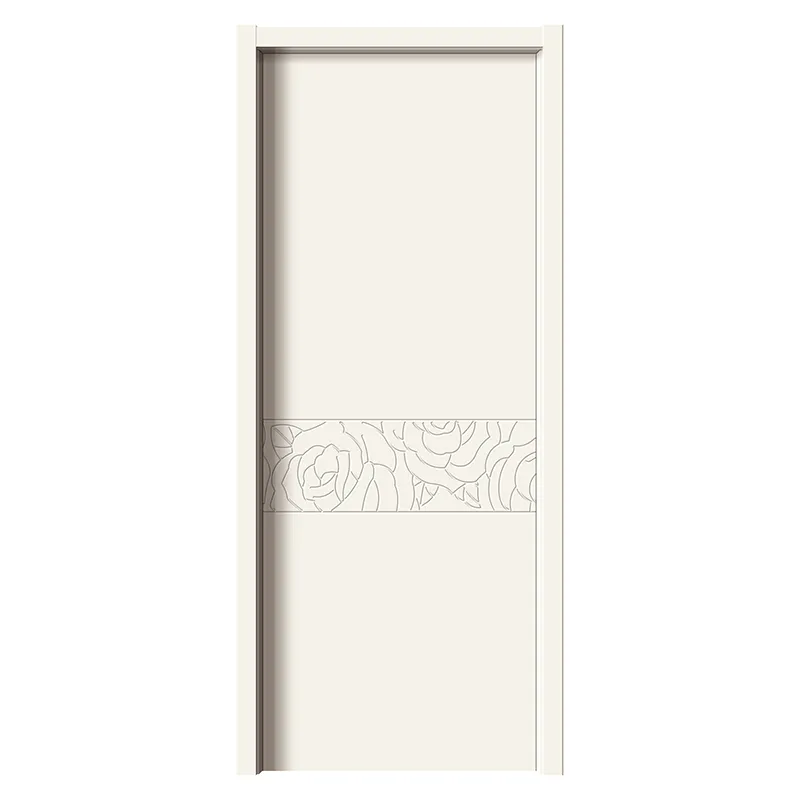 YST-238 Door White ivory
 -
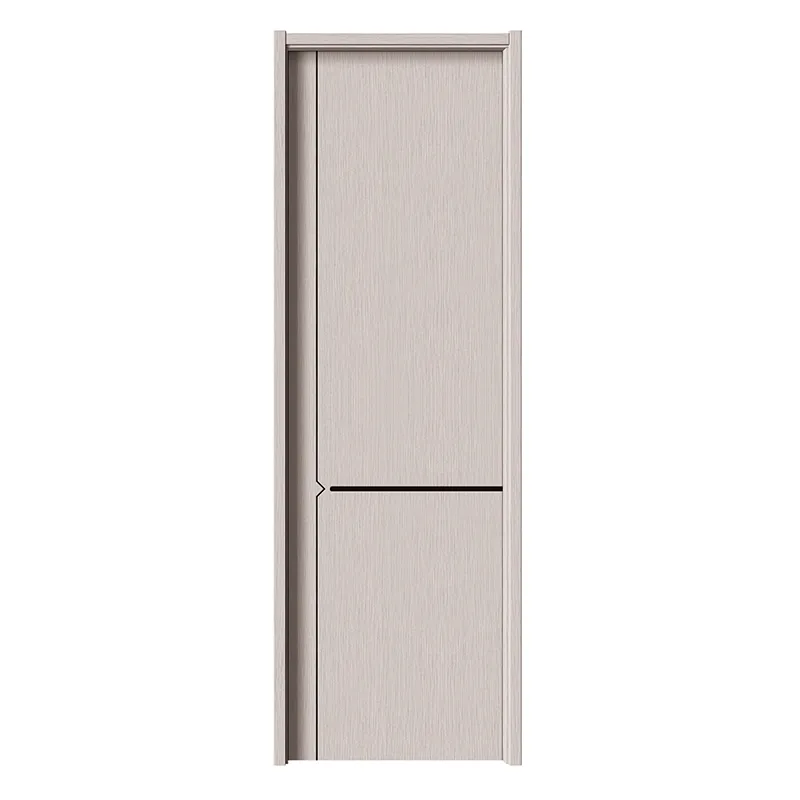 YST-1024 Door Chiaroscuro wood 1
 -
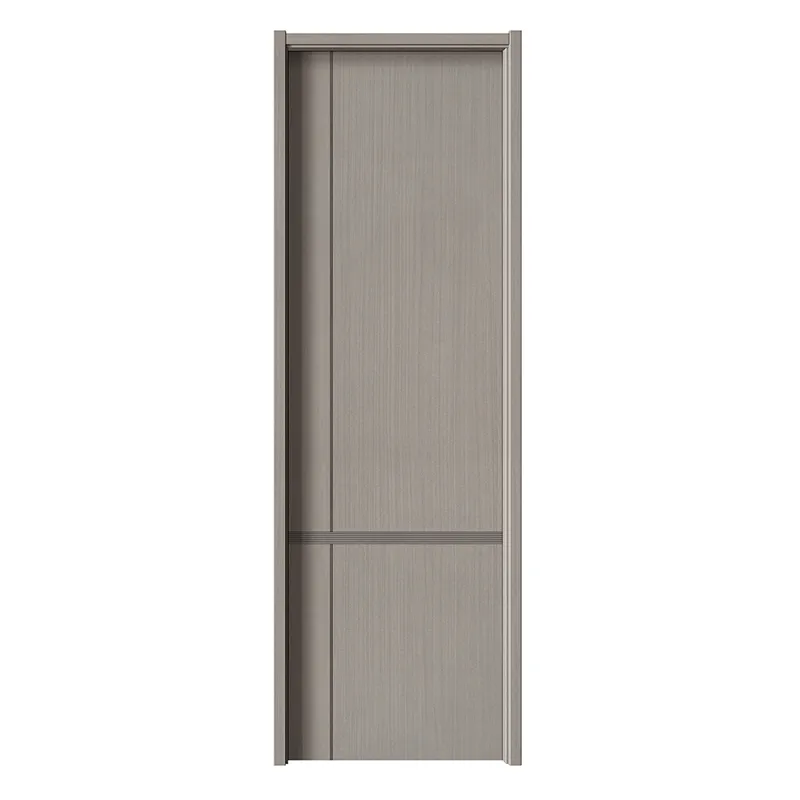 YST-1013 Door Cloud Walnut 1
 -
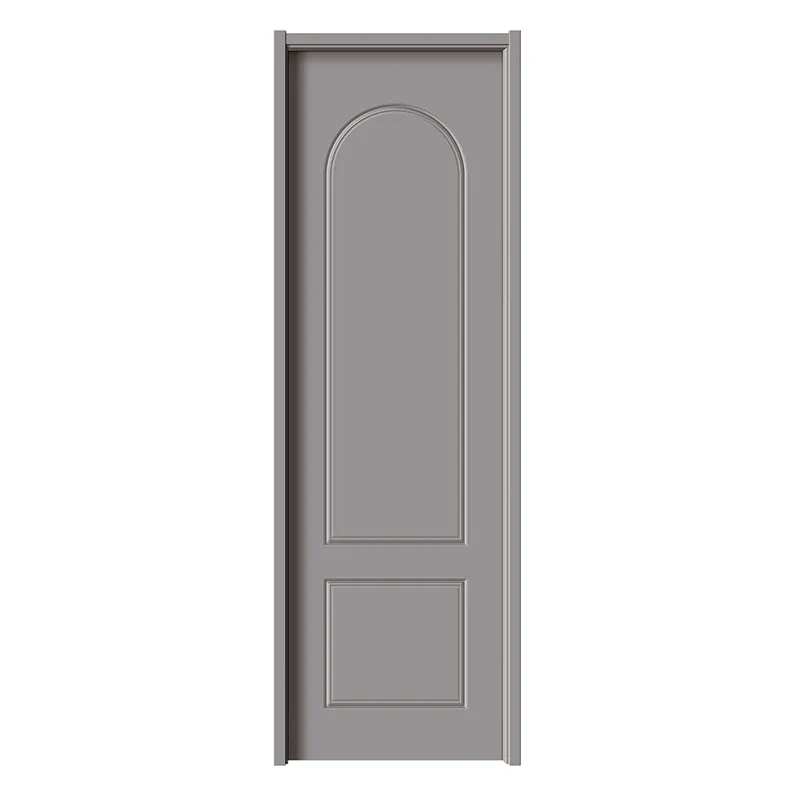 YST-241 French Door 1 soft stone gray
 -
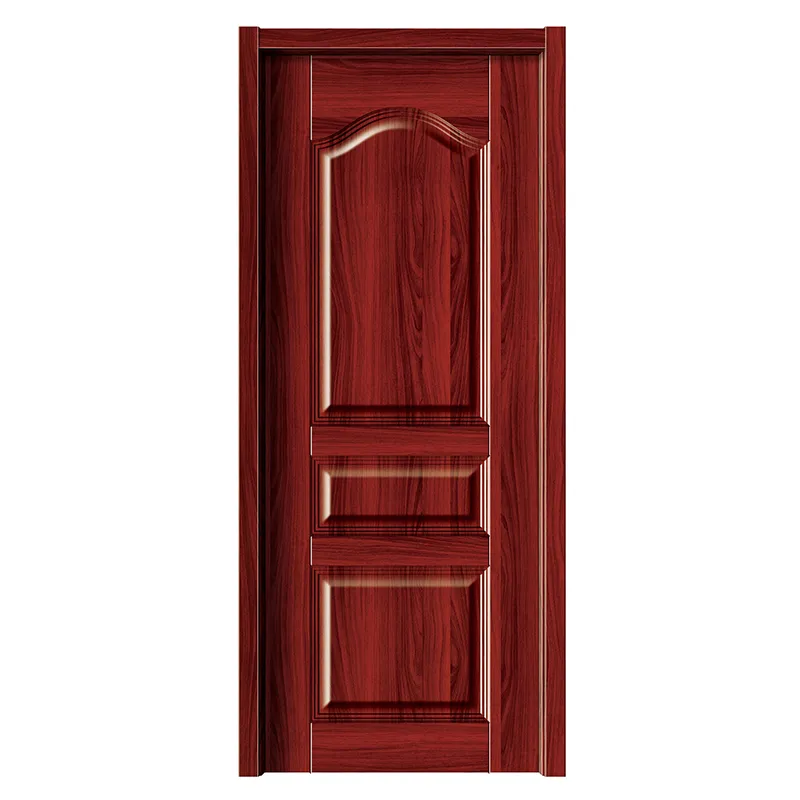 YST-203 Door Red team
 -
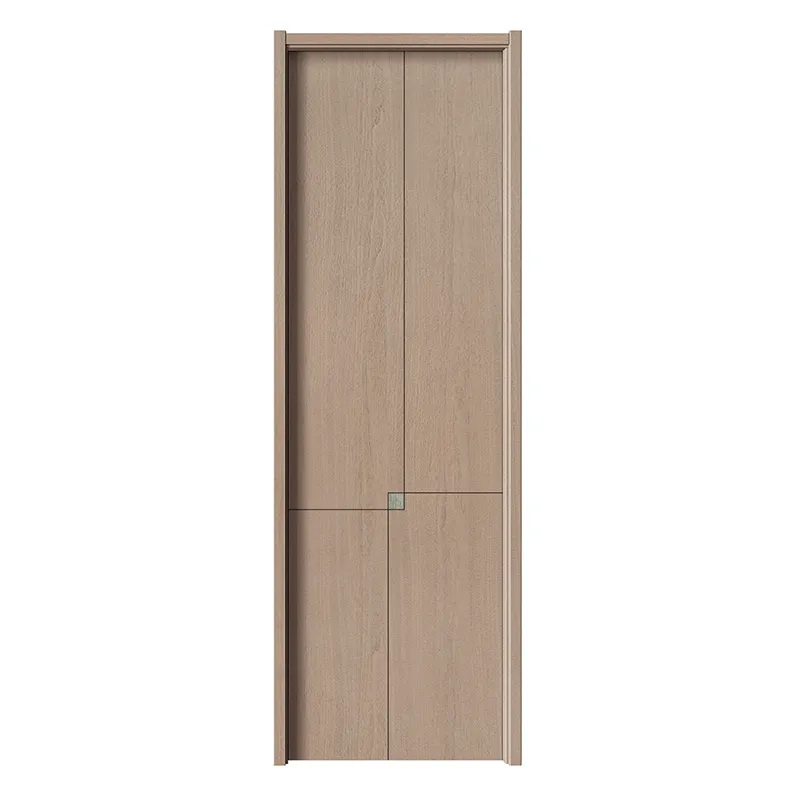 YST-1008 Door Natural walnut 2
 -
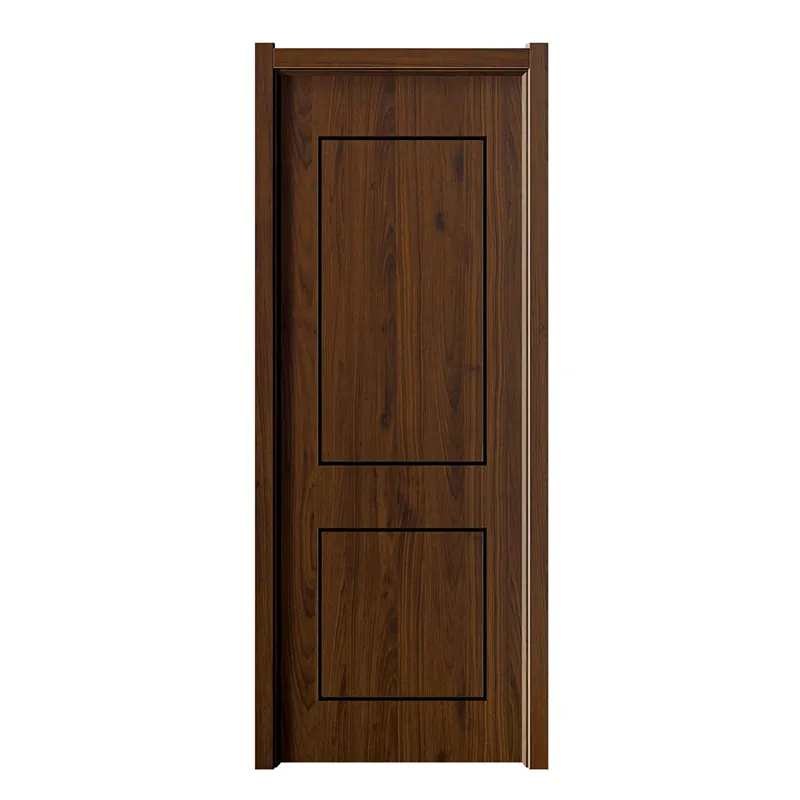 YST-WPC2 Door
 -
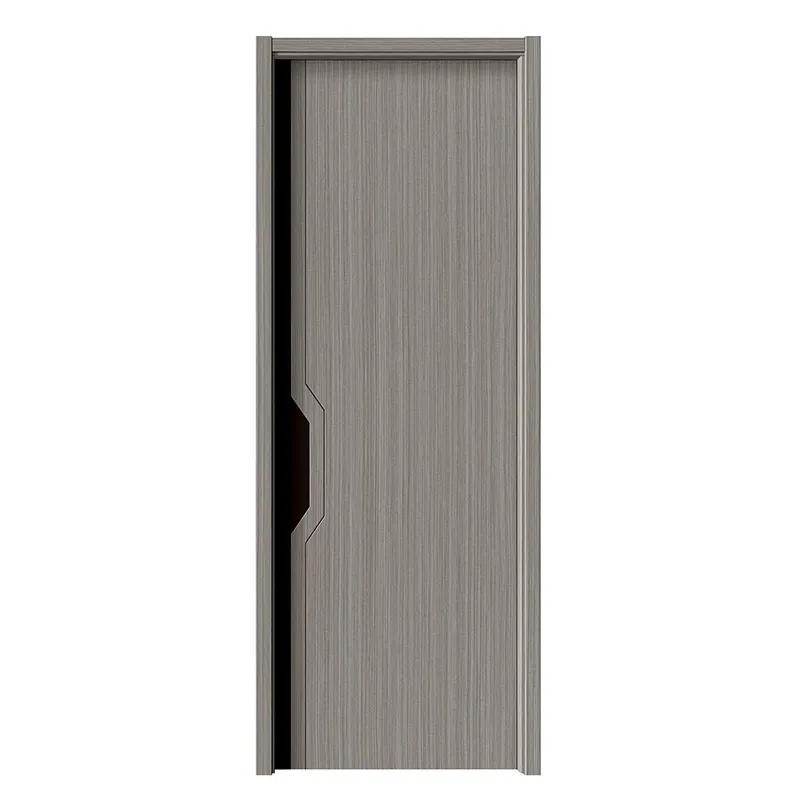 YST-1007 Technotree Door 2
 -
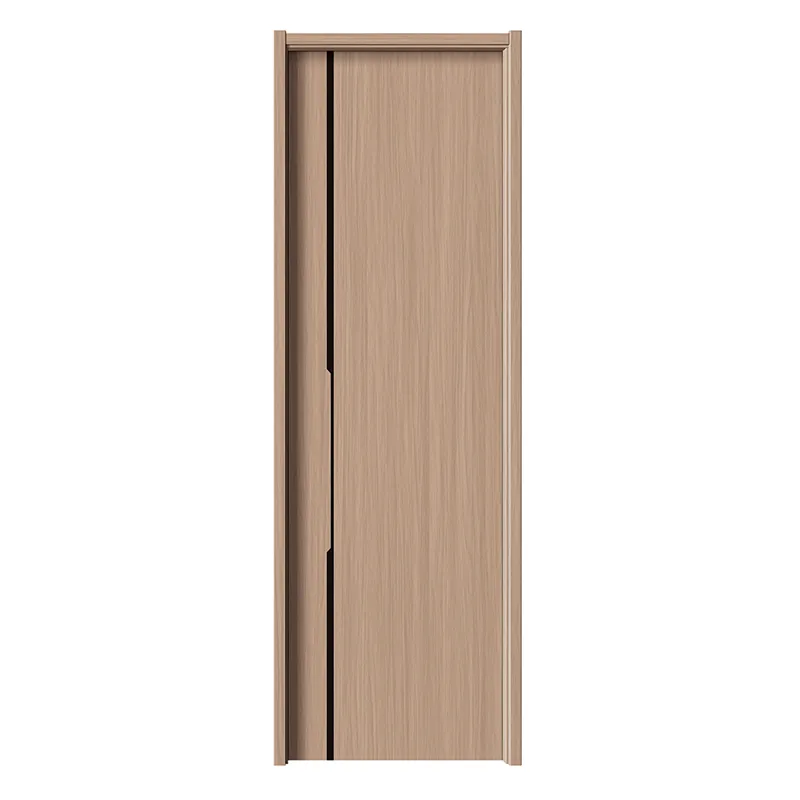 YST-1029 Door Translucent light shade 1
 -
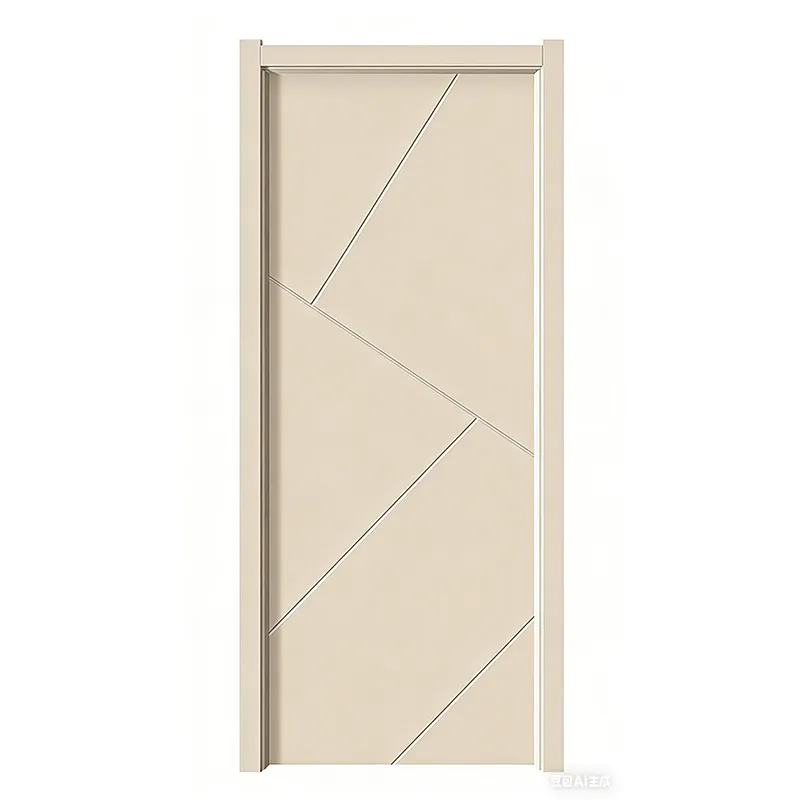 YST-WPC3 Door
 -
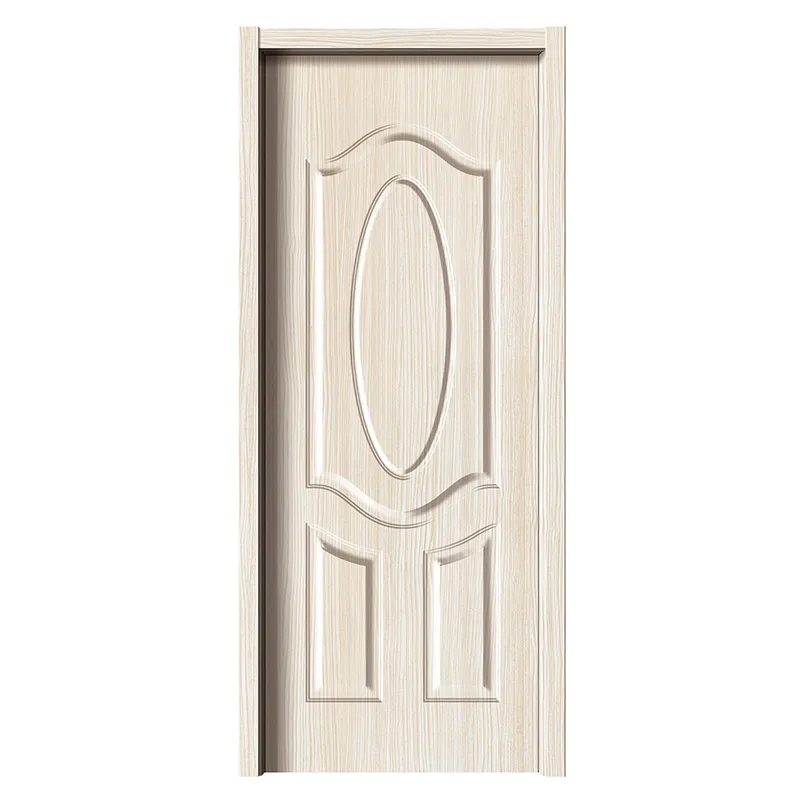 YST-216 Door White Maple
 -
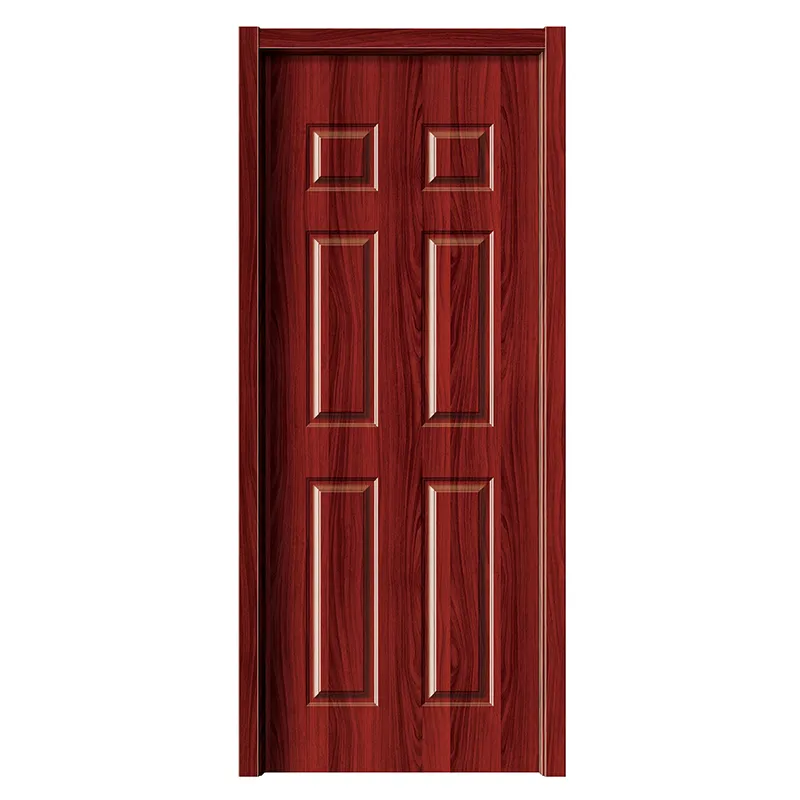 YST-201 Door Red team