




Hidden wooden door
When they say “hidden wooden door,” many people immediately imagine a panel that merges with the wall, without handles or hinges. But in real work everything is more complicated. Often customers want complete “invisibility”, not taking into account that the door is still a functional element that should open, close and not deform over time. The main mistake is trying to achieve effect at any cost, sacrificing structural reliability. I've seen many beautiful projects fail due to improper hinge selection or lack of ventilation gaps. Let me tell you straight away: perfecthidden wooden dooris a balance between design, mechanics and material.
Design: what lies behind the smooth surface
The most important thing is the frame. If for an ordinary door you can afford some tolerances, here every millimeter is critical. Glued laminated timber is often used, but not all are suitable. For example, for rooms with changes in humidity, special drying is needed, otherwise after six months the geometry will “float”, and the gap between the canvas and the wall will become visible. I prefer to work with trusted suppliers who guarantee the stability of the material. By the way, I once encountered a situation where a customer brought an “elite” one. pine, which during the installation process cracked precisely at the point where the hidden hinge was inserted. I had to redo the entire canvas from scratch.
The mounting system is a different story. Hidden hinges are, of course, required, but their choice is huge. German models, for example, are often designed for lighter fabrics. A solid wooden door requires a reinforced version, otherwise subsidence is inevitable. I always check the load capacity and recommend installing three hinges instead of two, even if the designer is against it. A small compromise is better than repairs in a year. Adjustment along three axes is a must have; without this, it is almost impossible to align the canvas in the opening without platbands.
And the opening... Its preparation is 70% of success. The walls must be perfectly vertical, and the slopes must be at right angles. Often builders leave small irregularities, which for a regular door will be hidden by the platband. Here, any curvature will be noticeable as a light slit. You have to use a laser level and sometimes even plaster again. I remember a project in a brick house where I had to reinforce the opening with a metal frame because the old masonry was “breathing”. Without thishidden wooden doorIt would just warp after the first winter.
Materials: not all wood is suitable for invisibility
A simple rule works here: the more stable the breed, the better. Oak, ash, merbau are excellent choices. But they also require proper processing. For example, solid oak without a multi-layer varnish coating with UV protection may darken over time, and then the door will stand out as a stain on the wall, even if the color was initially chosen perfectly. I always advise clients to consider veneered options: a multi-layer base of plywood or MDF, lined with valuable wood veneer. This gives greater geometric stability.
Humidity is the main enemy. The material must be chamber dried, with a humidity of no more than 8-10%. I monitor this with a hygrometer upon reception. There was a sad experience with delivery from ?economical? manufacturer: the boards looked dry, but after installation in a heated room they dried out, and gaps of 2-3 mm appeared along the perimeter of the board. The client, naturally, was unhappy. Since then I have worked only with those who provide certificates. For example, a companyAnhui Wantai Woodworking Co.,Ltd (https://www.anhuiwantai.ru) in its work focuses on strict selection of raw materials and process control, which is fundamentally important for hidden structures. Their approach to precision matches the requirements for such discreet yet technically sophisticated products.
The finish is what creates the effect. The most commonly used color is painting the wall color. But wood paint and drywall paint are different materials with different textures and light reflections. To achieve complete merging, you need to use the same paintwork on both the door and the wall, or better yet, have one master do the work. Matte surfaces hide blemishes better than glossy ones. Sometimes they use the same wallpaper as on the wall. This is technically possible, but requires ideal preparation of the door surface and special flexible glue.
Installation: subtleties that are not written in the instructions
Installation begins not with the door, but with the frame. Hidden installation requires a thin frame, often made of metal. It needs to be positioned with pinpoint precision and firmly fixed in the opening, but so that there is no stress that will be transferred to the canvas. I use anchors with compensation spacers. A mistake at this stage is the most expensive to correct. Once I had to dismantle the already plastered and painted wall around the opening, because the box “played?” after turning on the heating.
Installing the canvas on the hinges is the moment of truth. This requires not only a tool, but also patience. Adjustment may take several hours. I check the gaps on all sides using feeler gauges. A gap of 1.5-2 mm around the entire perimeter is the norm; less is impossible, otherwise the door will rub against the frame when the humidity changes. After adjustment, I make sure to check the movement: the door should open and close without force and not move spontaneously.
Final integration with the wall. Puttying joints, painting. An important nuance: between the end of the door and the wall you need to lay a damper tape, for example, made of foamed polyethylene. It compensates for microdeformations and prevents cracks from appearing at the joint line. Many people skip this stage, and then wonder why six months later a network of cracks appeared along the contour of the door.
Operational problems and how to avoid them
The most common complaint is squeaking or friction. Almost always the reason is in the hinges: either they are not designed to withstand the load, or dust/paint got into them during installation. Treated by cleaning and lubricating with a special silicone spray. If it doesn't help, adjust it. The second problem is sagging. If the door is heavy (solid oak, for example), even good hinges may not hold up over time. Prevention here means installing a closer with adjustable force, which will dampen inertia when closing.
Changes in microclimate. In winter, when the heating is on, the air becomes drier and the wood may dry out slightly. In summer, on the contrary, it swells. Forhidden wooden doorthis is critical. It is necessary to inform the client in advance about the need to maintain stable humidity in the room (40-60%). The climate control system works well. Otherwise, even the best quality door can fail.
Maintainability. What to do if the door is damaged? With an ordinary door, everything is simple - take it off, restore it, hang it back. With a hidden one it is more difficult: you need to carefully open part of the wall around it in order to dismantle the canvas. Therefore, at the project stage, I always recommend leaving technical access to the hinges (for example, through a removable plug) and making archival supplies of paint or wallpaper used for finishing. This saves nerves and money in the future.
When to choose and when to refuse
A hidden door is an excellent solution for modern minimalist interiors, for zoning space without visual clutter, for creating the effect of a “secret room” or harmonious integration of technical rooms (storage room, boiler room) into the living space. It works where a solid, clean image of the wall is important.
But there are cases when I discourage clients. For example, in houses with high seismic activity or in new buildings where the building is still actively shrinking. This option is not suitable for passage rooms with high loads - an entrance hall in a large house, an office. The mechanism and edges will simply wear out faster. It is also worth thinking carefully if there are small children or animals in the house - an inconspicuous door can be accidentally pushed hard.
Ultimately, the decision must be informed. This is not just a “door without a handle”. This is a complex task for the designer, manufacturer and installer. As the company notes in its philosophyAnhui Wantai Woodworking Co.,Ltd, the key to success is precision and quality at all stages. Their principle is “to build a business on precision, to win with quality?” - this is exactly what is required to create a truly reliable and beautiful hidden door. You need to understand that you are buying not just a product, but an engineering solution, and you need to trust it to professionals who know all the pitfalls.
Correspondingproducts
Related Products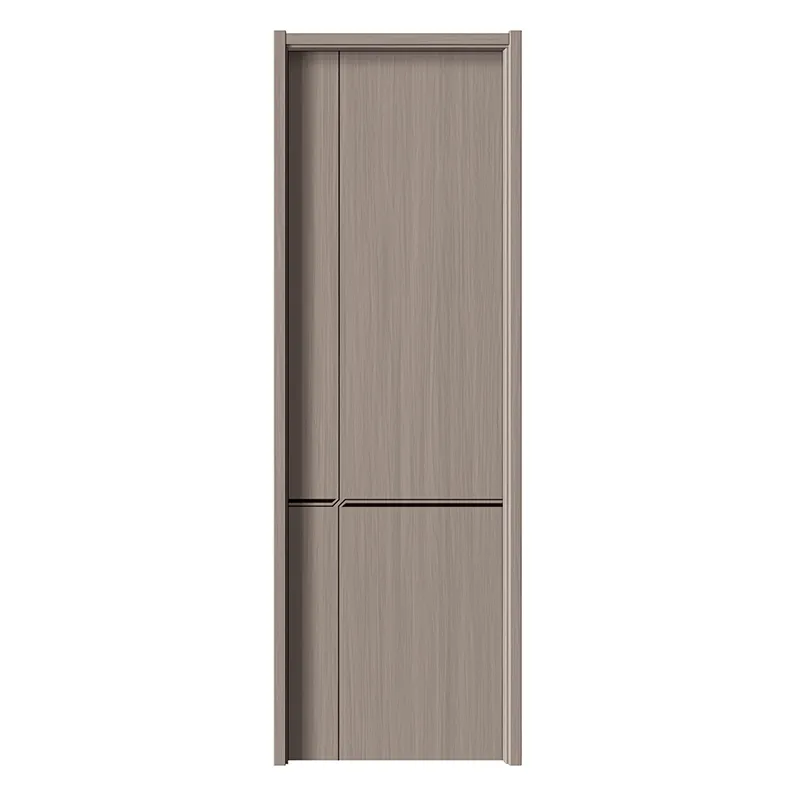
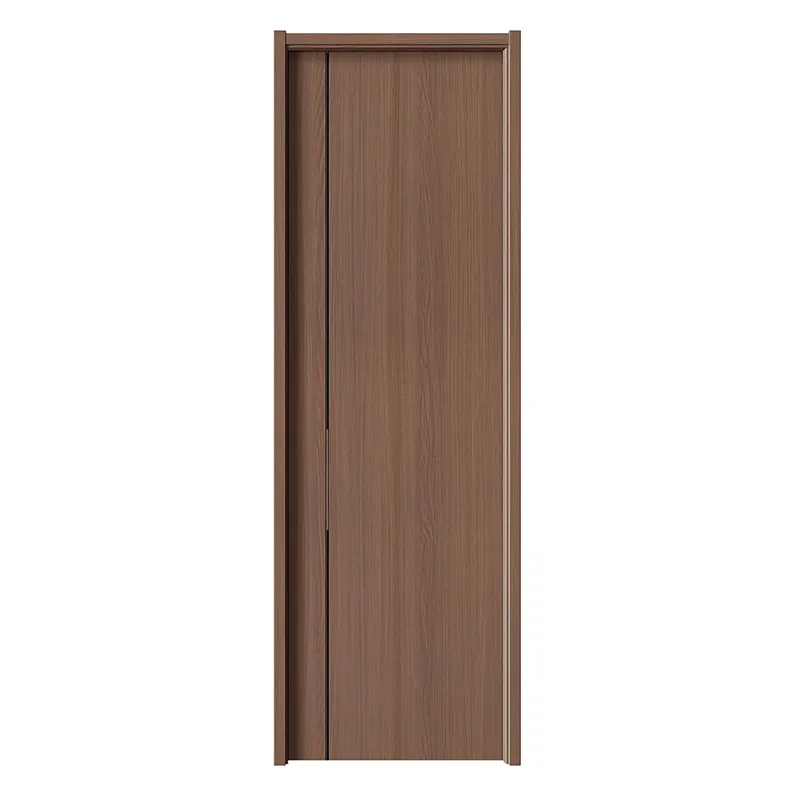
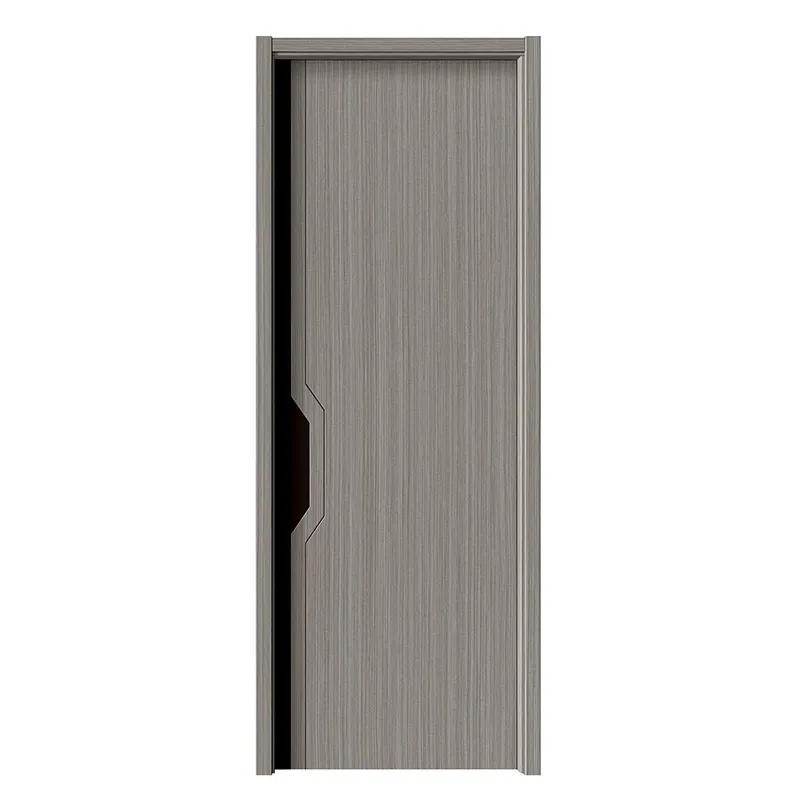
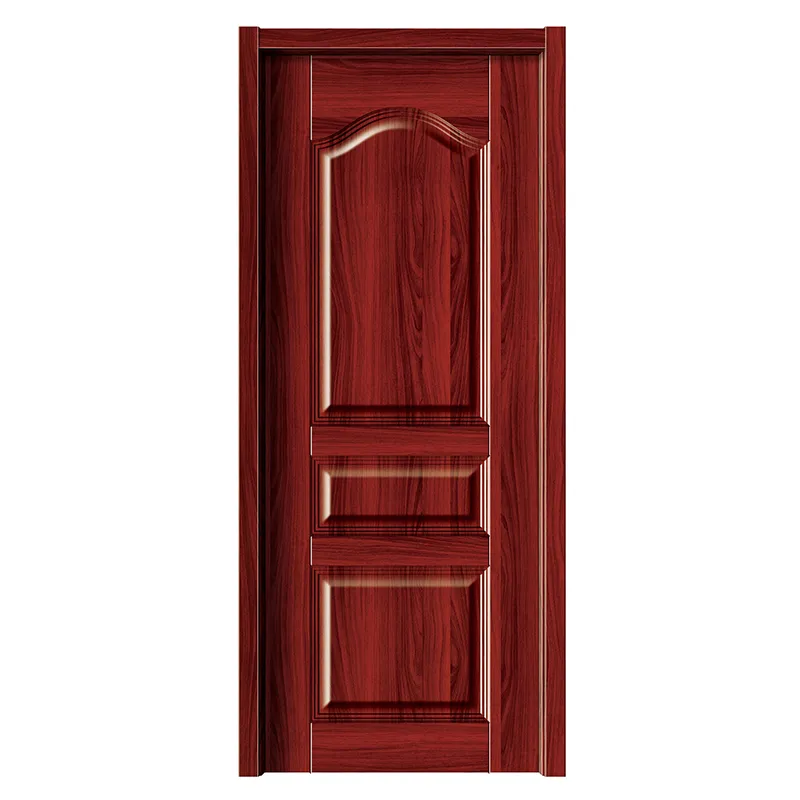

Best Sellingproducts
Best Selling Products-
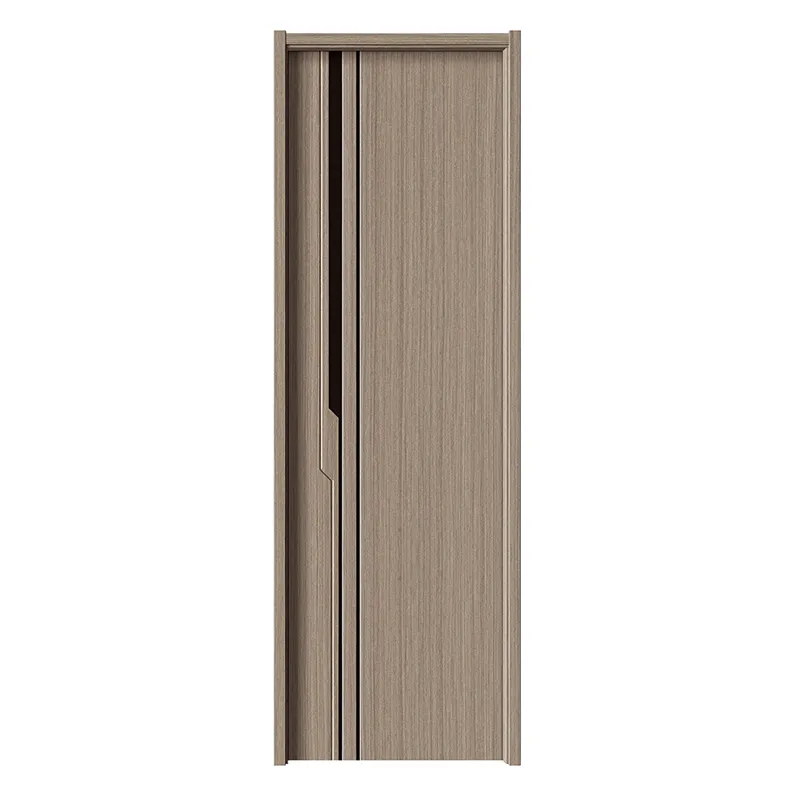 YST-1018 Technowood Door 1
 -
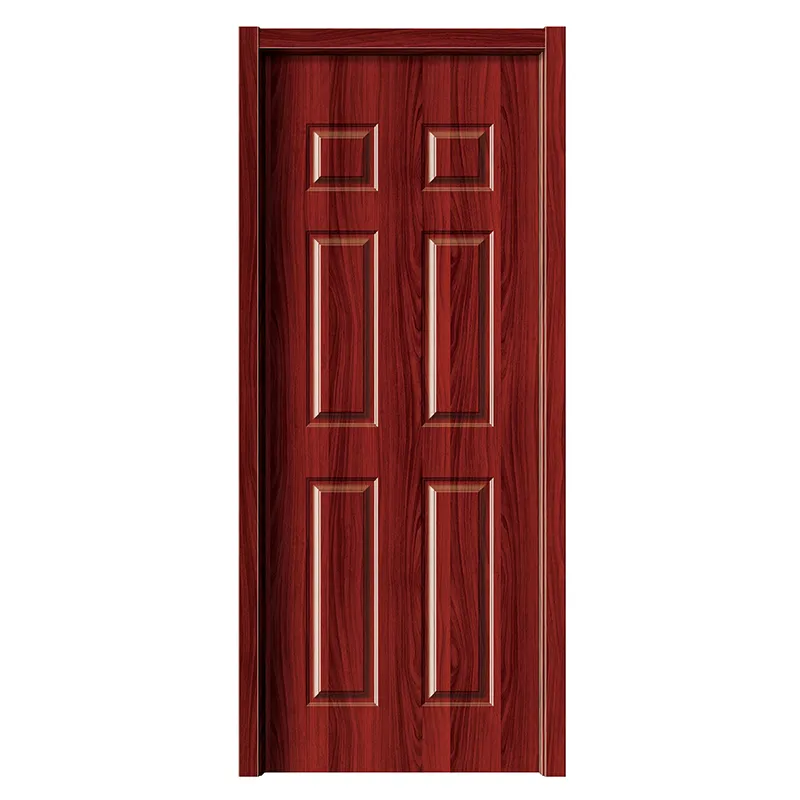 YST-201 Door Red team
 -
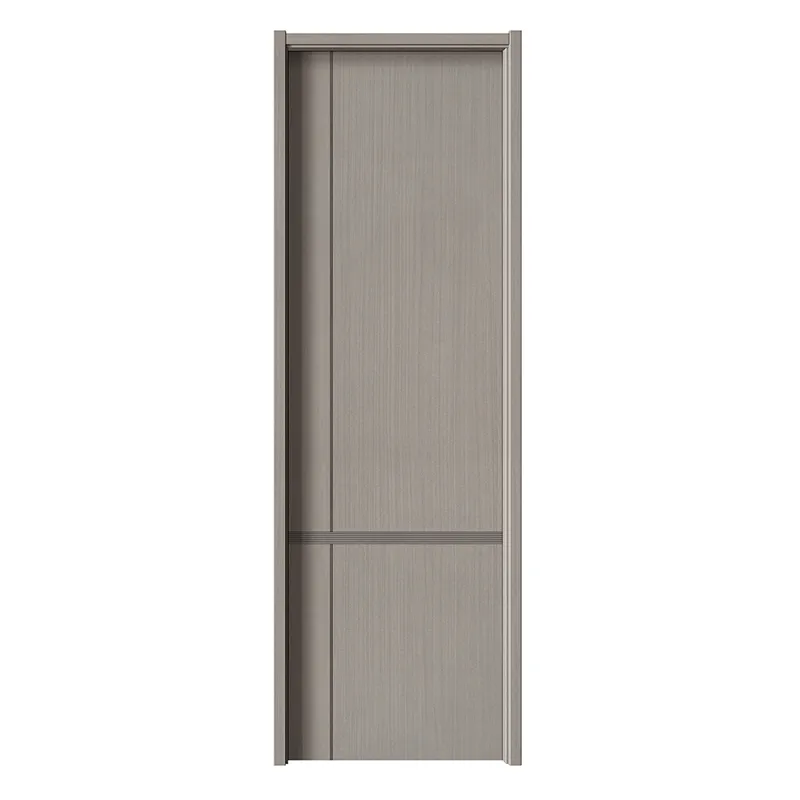 YST-1013 Door Cloud Walnut 1
 -
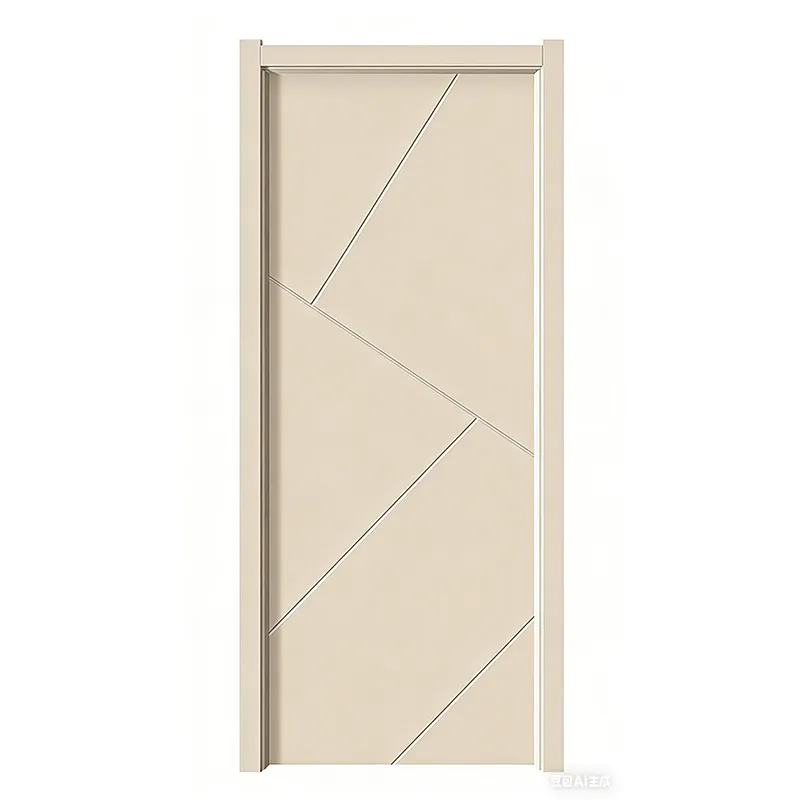 YST-WPC3 Door
 -
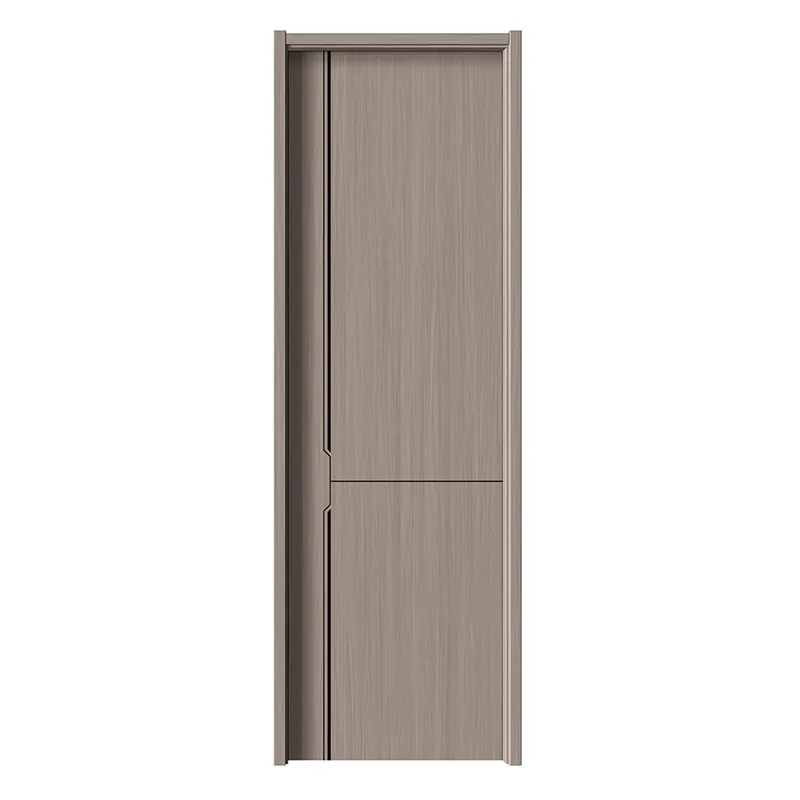 YST-1011 Door Translucent light shadow 3
 -
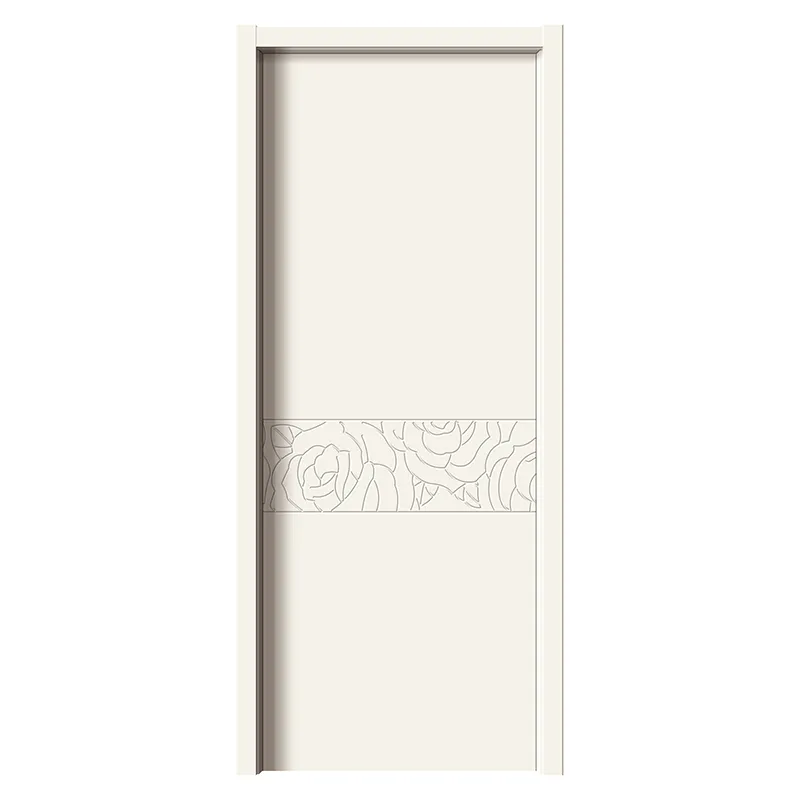 YST-238 Door White ivory
 -
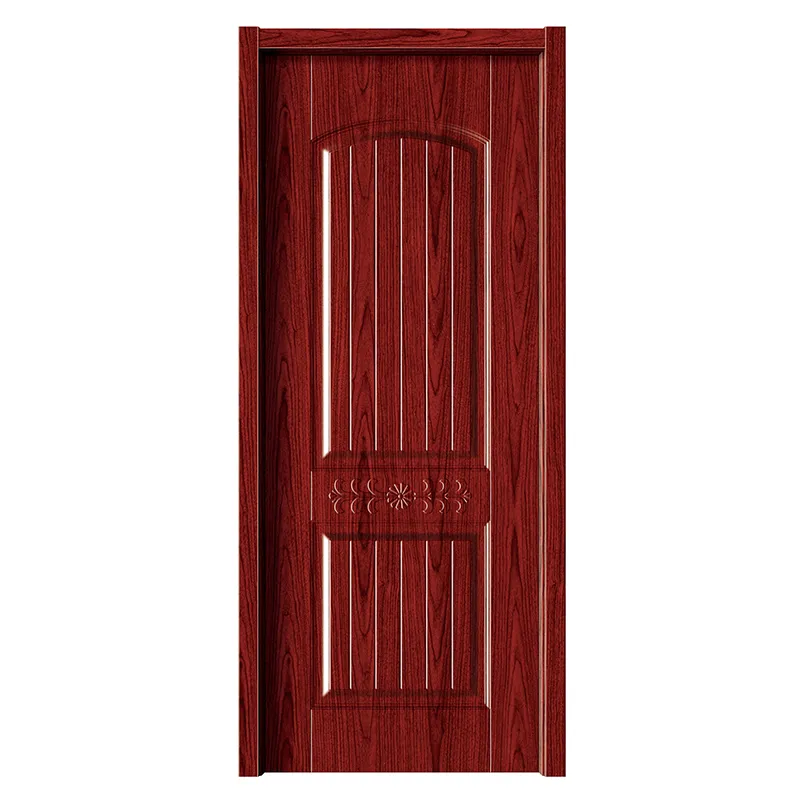 YST-233 Door Mahogany
 -
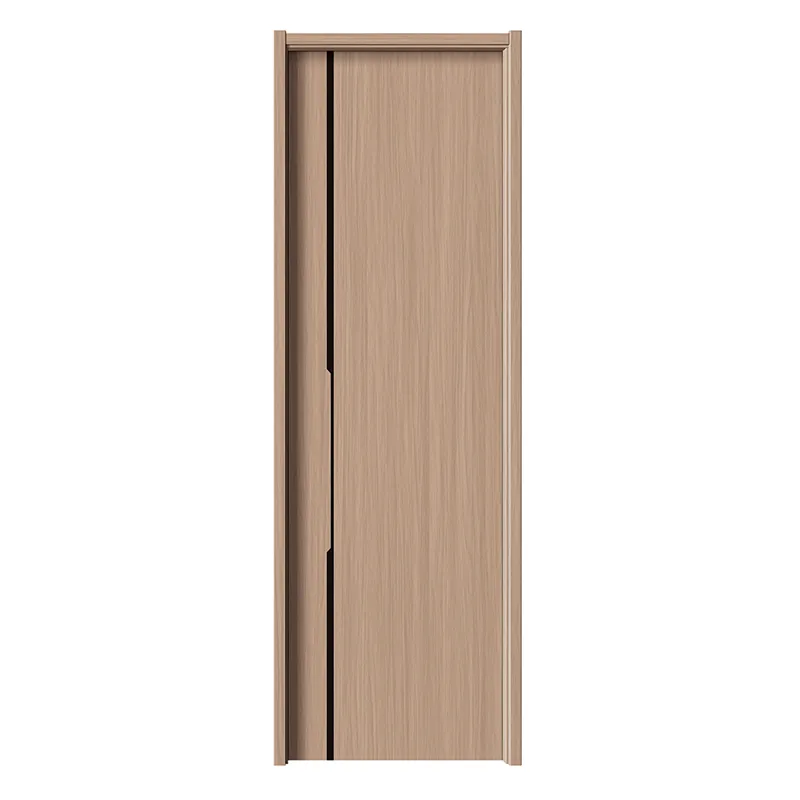 YST-1029 Door Translucent light shade 1
 -
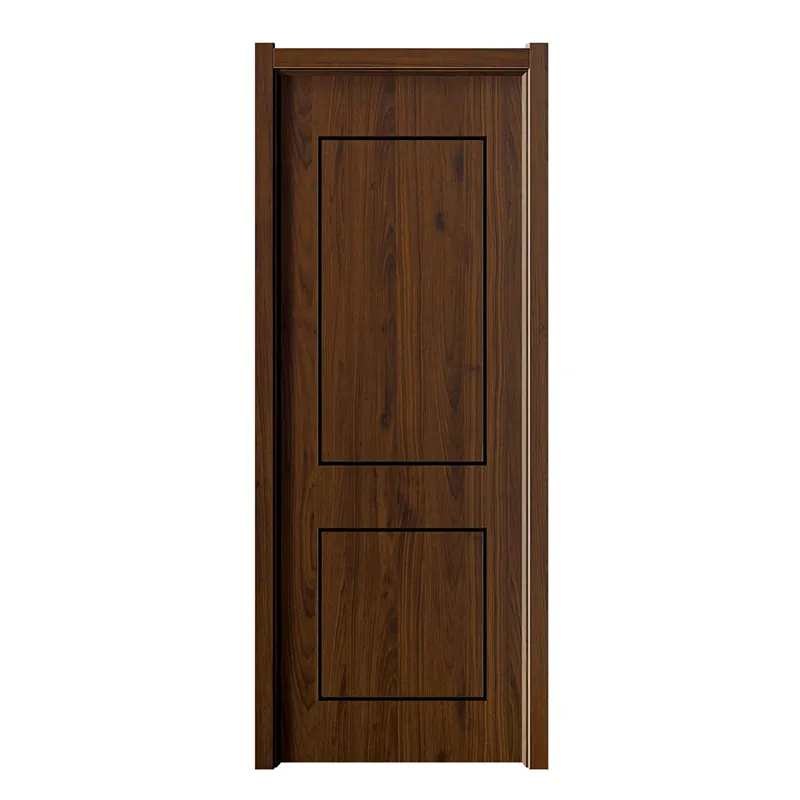 YST-WPC2 Door
 -
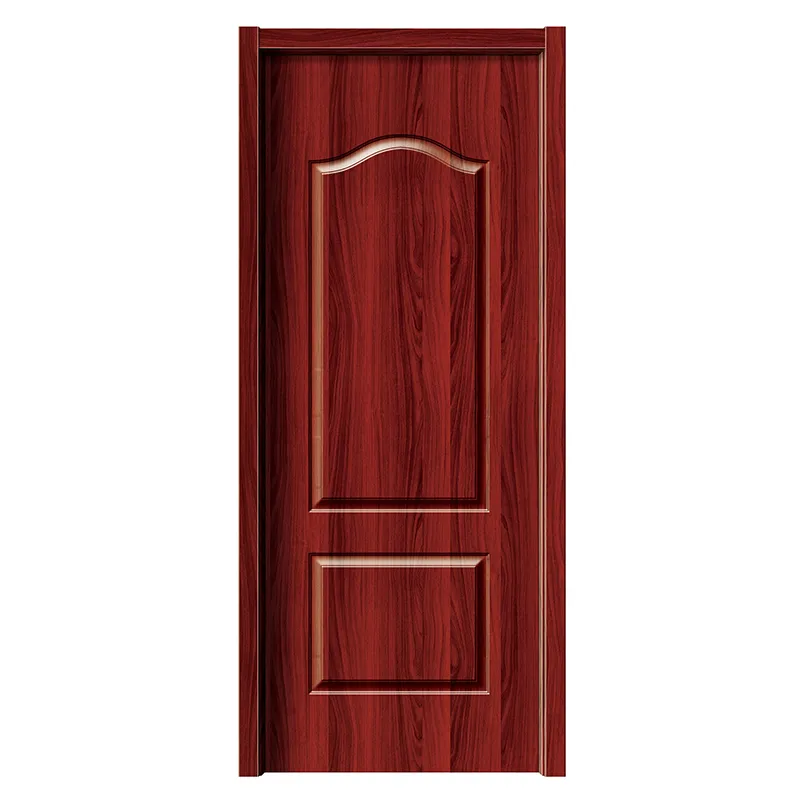 YST-207 Door Red team
 -
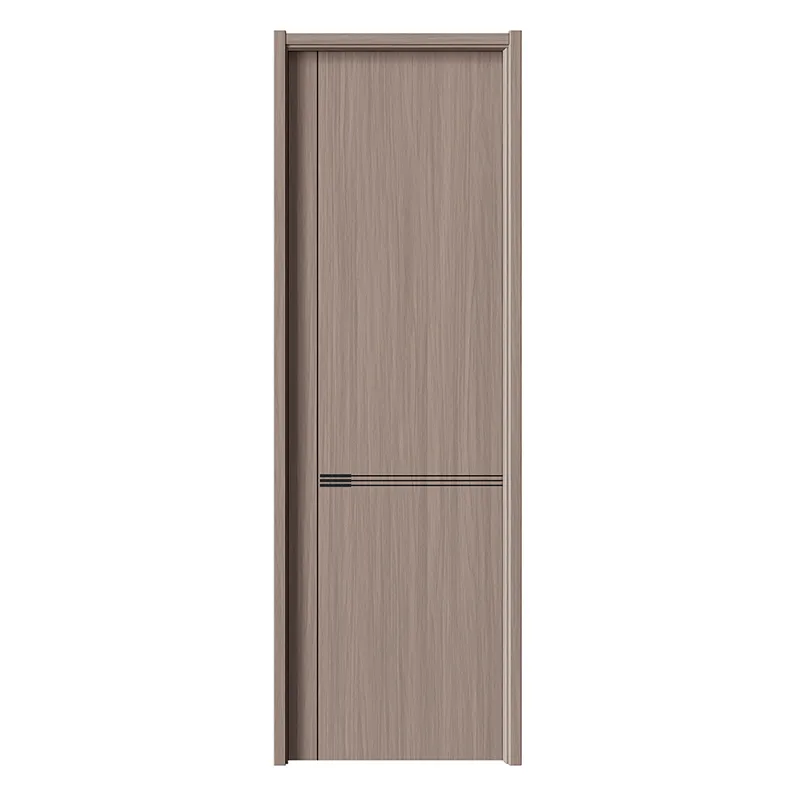 YST-1039 Door Translucent light shadow 3
 -
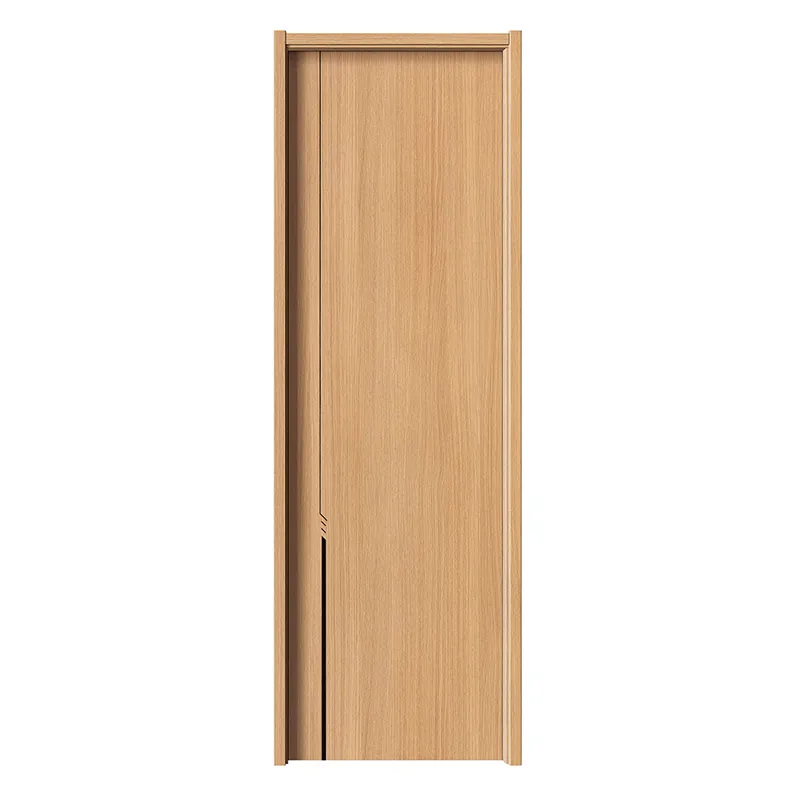 YST-1041 Door Oak Shutter