




Plastic door to the bathroom
I’ll say right away - a plastic door to the bathroom is not a panacea. Many customers, having heard about moisture resistance, immediately rush to install it, and then wonder why it became stuffy in a small space or why the sound of the toilet flushing became so... sharp. Plastic is plastic. It doesn't 'breathe' like wood, and the acoustics change noticeably. But in certain conditions - for example, with a very compact layout, where the bathroom and toilet are combined, and there is no good exhaust hood - its tightness can turn from a plus into a minus. You need to look locally, always.
Where plastic really wins
The main trump card is stability in conditions of constant changes in humidity and temperature. In a bathroom with a shower stall without a window, where steam condenses on all surfaces, a wooden panel, even treated, can “lead” over time. A plastic door in such a damp area will retain its geometry. It is only important that the box is also made of the appropriate material or has reliable waterproofing of the junctions.
Another point is weight. A good solid wood door requires strong hinges and, what is often overlooked, a truly solid foundation in the opening. In old houses, the walls can be flimsy. Lightplastic doorwith foam filling eliminates this problem, installation is easier. But lightness is also a drawback: it feels “cheap”; if you get bad fittings, the sash will rattle.
From practice: we once installed it in a new building for a customer who was very afraid of mold. The bathroom had no window, the ventilation was rather weak. We chose a model with ventilation grilles at the bottom of the canvas - not the most beautiful, but functional. It worked, the humidity leveled out faster. But aesthetically, of course, it’s a loss.
Typical mistakes during selection and installation
The most common mistake is saving on fittings. The hinges and latch in the bathroom operate in an aggressive environment. Cheap zinc alloy will develop a 'rash' within six months. You need either stainless steel or high-quality coating. And be sure to have a smooth closer, otherwise the claps will be heard throughout the apartment.
The second mistake is ignoring gaps. Plastic, like any material, has thermal expansion. If you place it close to the tile, in the summer it may “stick” and become deformed. A normal installer always leaves a technological gap and closes it with an additional element, and does not simply foam it.
There was a case: people bought an expensive designerplastic doorfor painting, but decided to save on installation. They hired 'craftsmen', who firmly secured the box, leaving no compensation gaps. After the first heating season, cracks appeared in the paint at the junction of the box and the canvas. I had to reinstall. The miser pays twice, as they say.
Alternatives and hybrid solutions
Don't discount other materials either. For example, veneer doors with a moisture-resistant MDF core are a good compromise between the stability of plastic and the warm appearance of wood. Or glass sliding systems - they are not afraid of moisture, visually expand the space, but the issue of privacy and price is more acute here.
An interesting option that is now gaining popularity is combined models. The frame and box are made of aluminum with a thermal break, and the filling is a sandwich panel made of plastic or moisture-resistant material. It turns out strong, stable, and you can make a large glass insert for light. But this is a more expensive solution for projects where design is important.
Here, by the way, you can look at the approach of companies that specialize in wood, but understand the requirements of modern premises. For example,Anhui Wantai Woodworking Co.,Ltd (https://www.anhuiwantai.ru), which is famous for its wooden doors. Their philosophy is to build a business on precision and win with quality - this is precisely about taking into account the details: selection of raw materials, process control. Even working mainly with wood, such a company will most likely offer specially treated models for wet areas or honestly advise that in extreme conditions another material will be better suited. This is a professional approach.
What to look for when buying: a short checklist from a practitioner
1. Profile. Must be rigid, at least 1.5 mm thick. Squeeze it with your fingers - if it bends easily, this is a bad sign. The chambers inside the profile (multi-chamber) are more important for thermal insulation; in the bathroom this is not a key parameter.
2. Seal. It should be around the entire perimeter, in two contours. The material is high-quality rubber or EPDM, silicone will quickly become hard. Run your hand - it should be soft and elastic.
3. Filling the canvas. Should not be hollow. Optimally - honeycomb filler (foam) or MDF. This affects sound insulation and rigidity.
4. Accessories. Hinges with adjustment in three planes are a must have. A latch with a lock to prevent the door from opening due to a draft. All metal parts are anti-corrosion coated.
Final thoughts: not the material, but the complex
Ultimately, the success of the installationplastic door to the bathroomdepends not so much on the canvas itself, but on the complex: correct assessment of the microclimate in the room, proper installation taking into account all the nuances of the opening and, of course, the quality of the components. This is not a case where you can simply buy the first model you come across in a construction hypermarket and hope for the best.
Often the problem lies not in the door, but in the ventilation. Before replacing the door, check the hood. Perhaps cleaning the ventilation duct or installing a forced fan will solve the problem with humidity, and then it will be possible to install the door that you like visually, and not the one that “survives” in extreme conditions.
There is always a choice. The main thing is to approach it without prejudice, weighing the real operating conditions, and not myths. And remember that even the most perfect door is just an element of a system in which walls, ventilation, and the habits of the residents are important.
Correspondingproducts
Related Products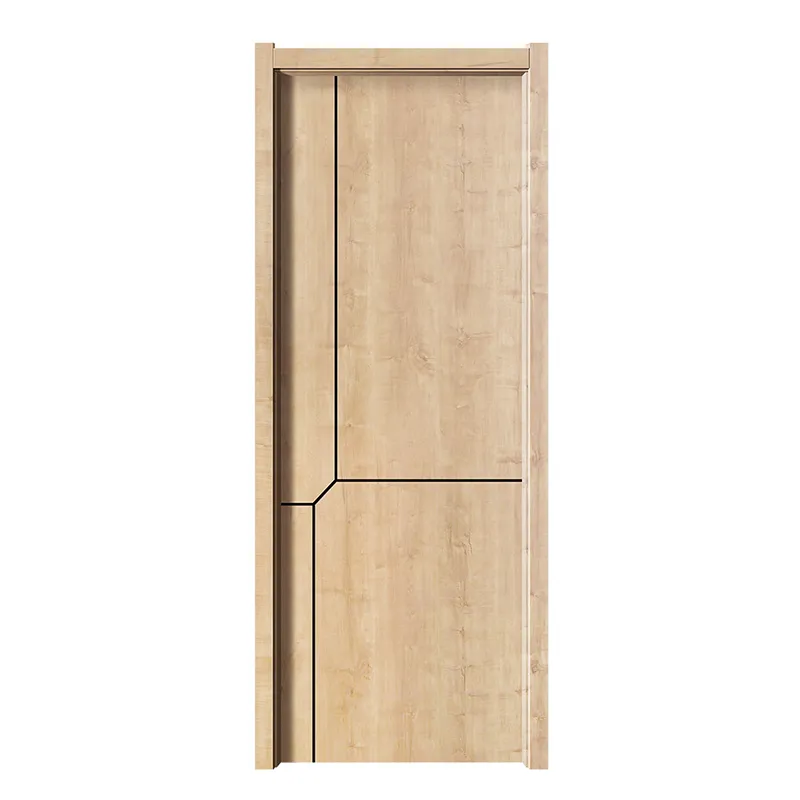
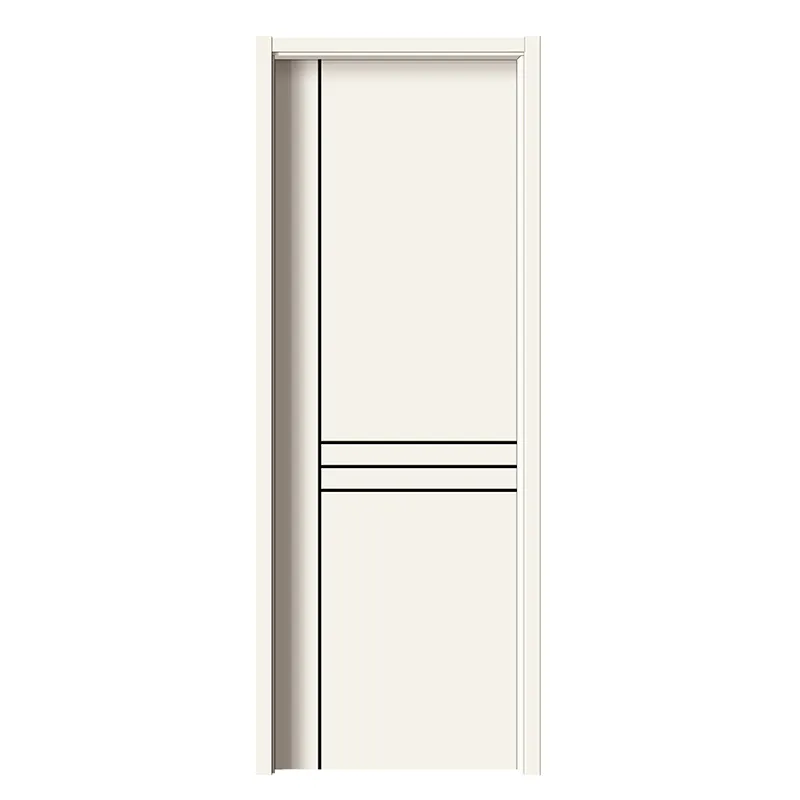
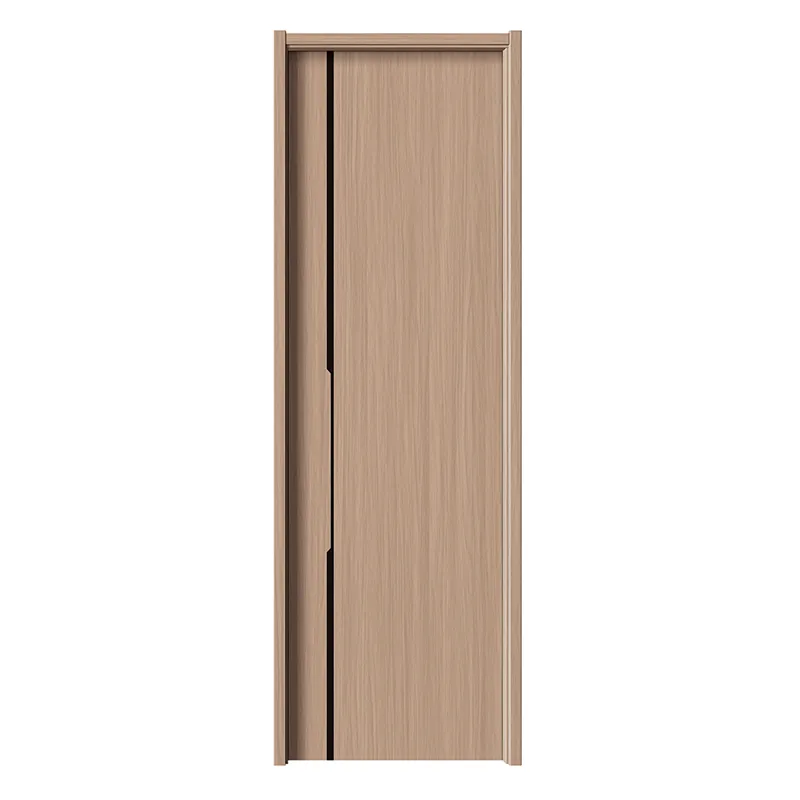
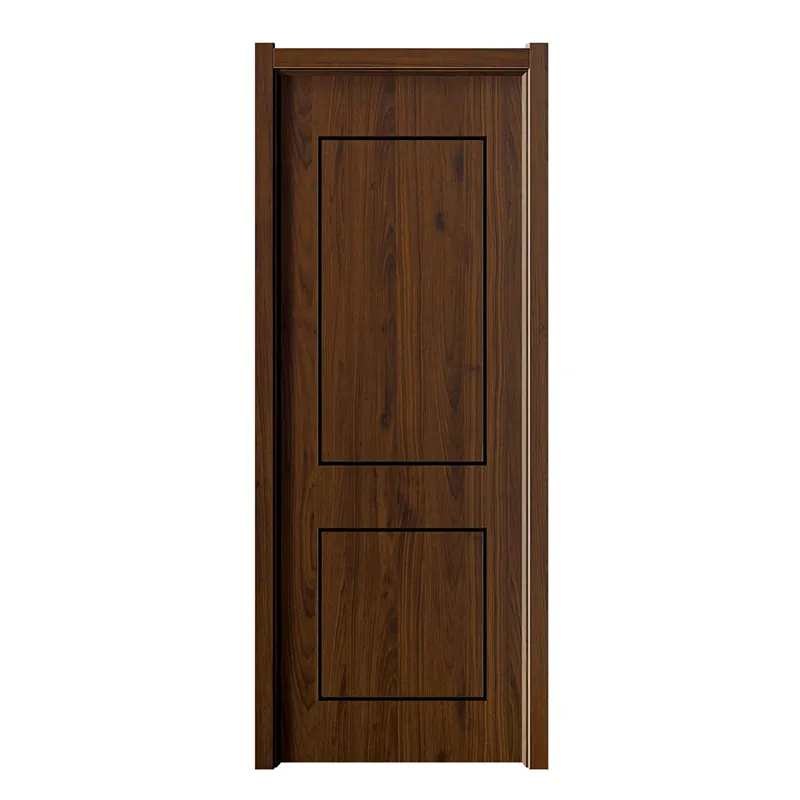

Best Sellingproducts
Best Selling Products-
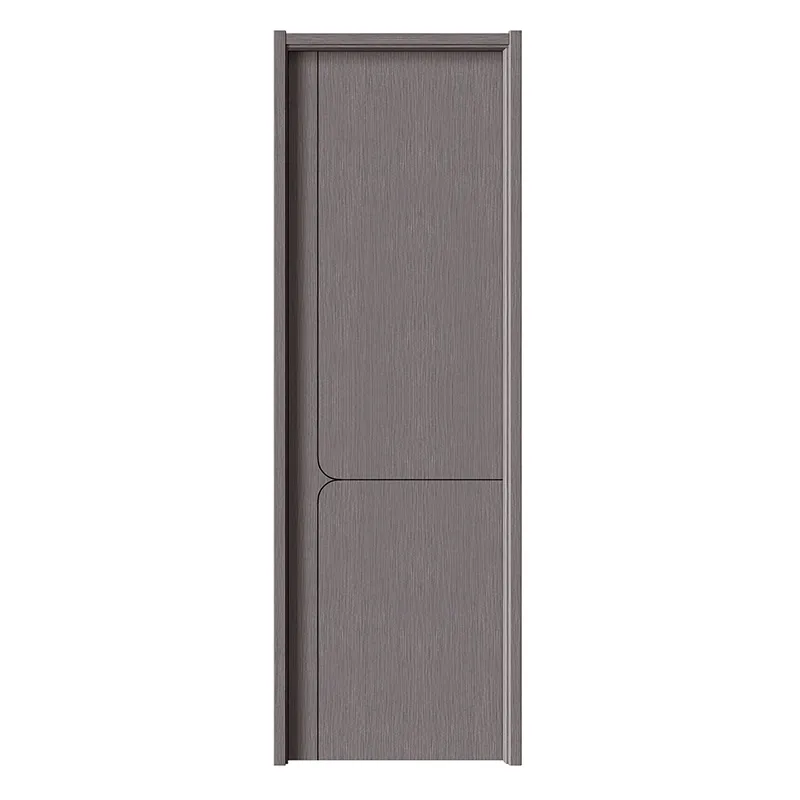 YST-1001 Door Chiaroscuro tree 2
 -
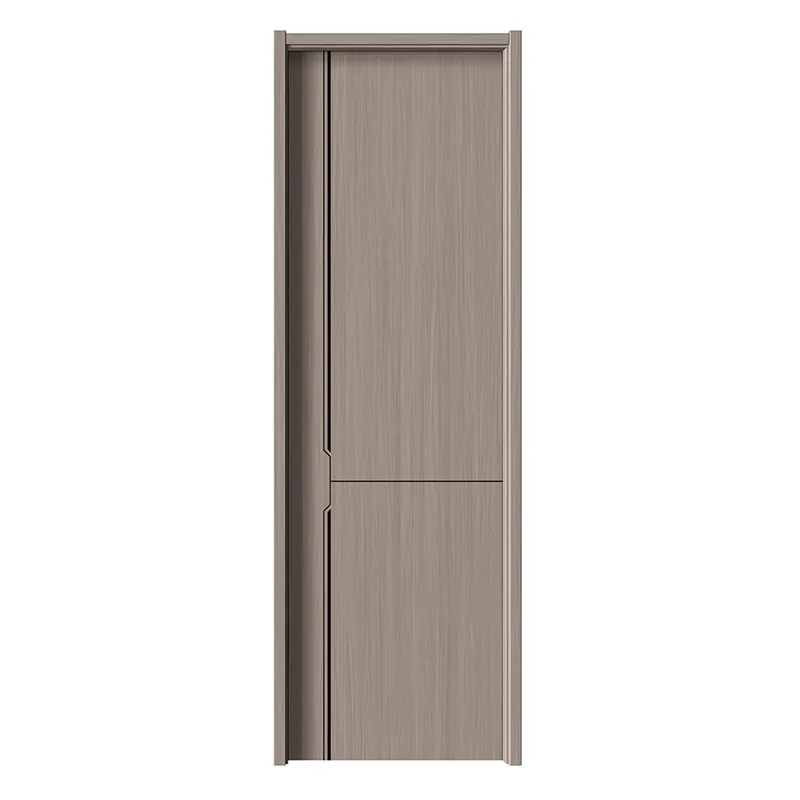 YST-1011 Door Translucent light shadow 3
 -
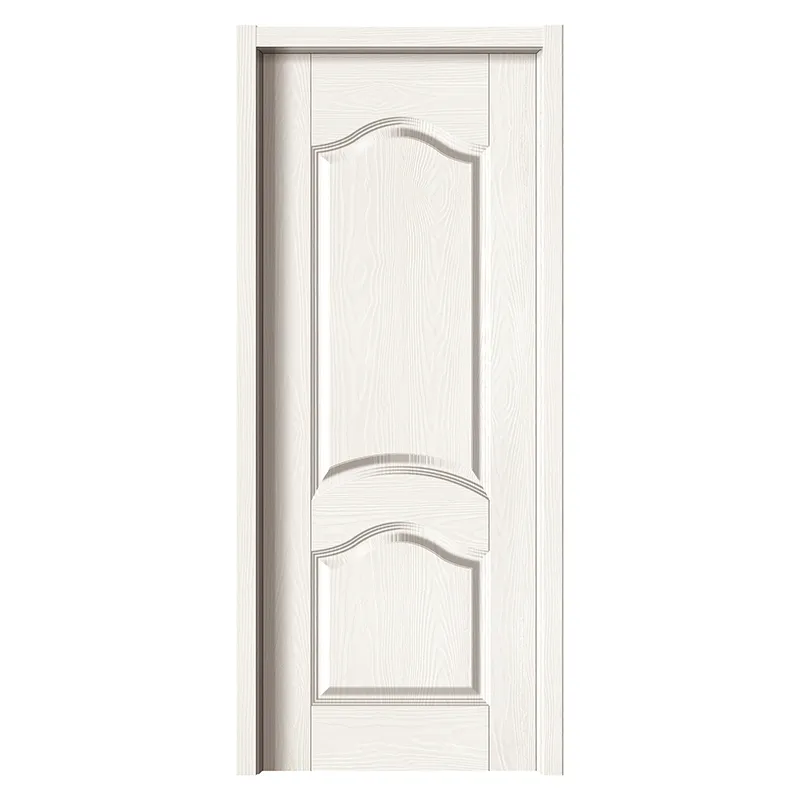 YST-224 Door Warm white with relief
 -
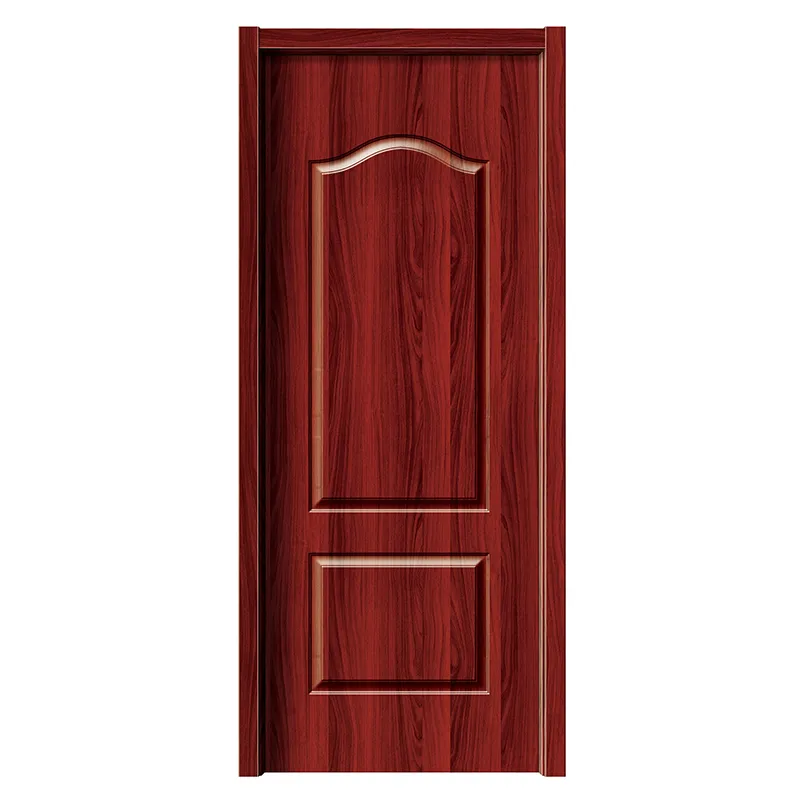 YST-207 Door Red team
 -
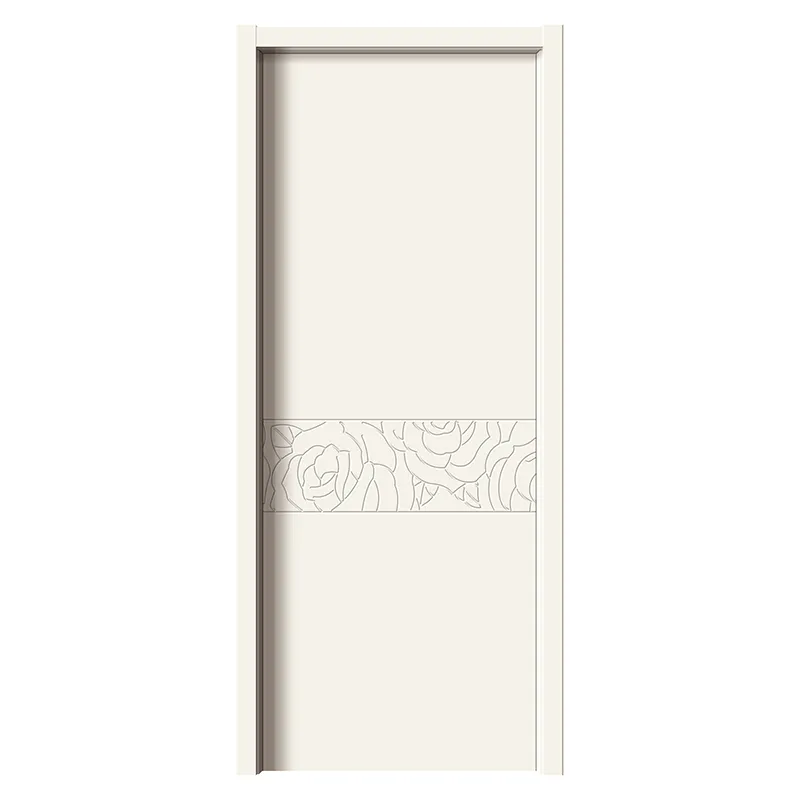 YST-238 Door White ivory
 -
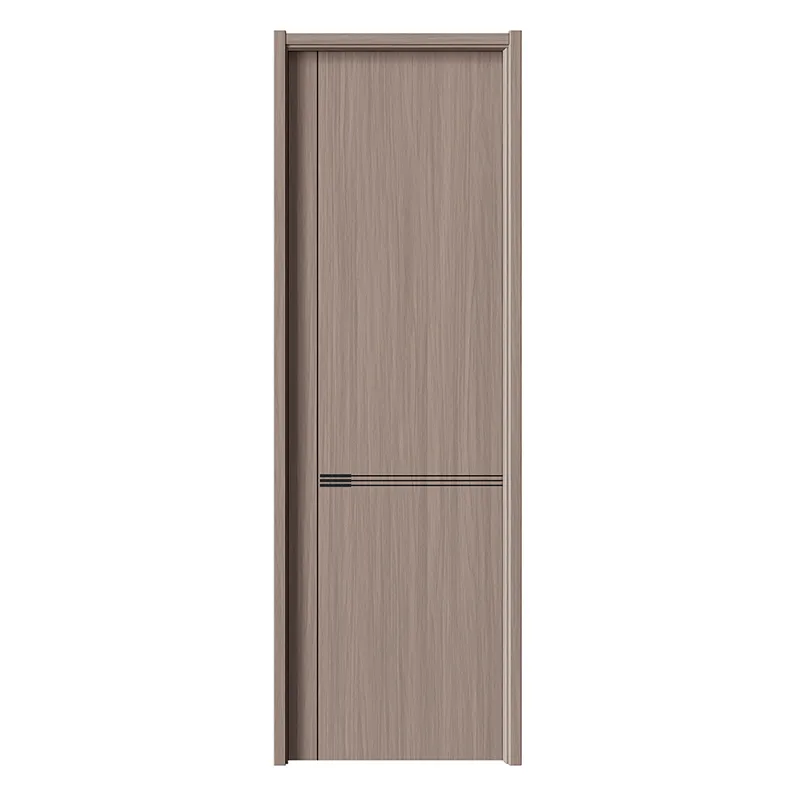 YST-1039 Door Translucent light shadow 3
 -
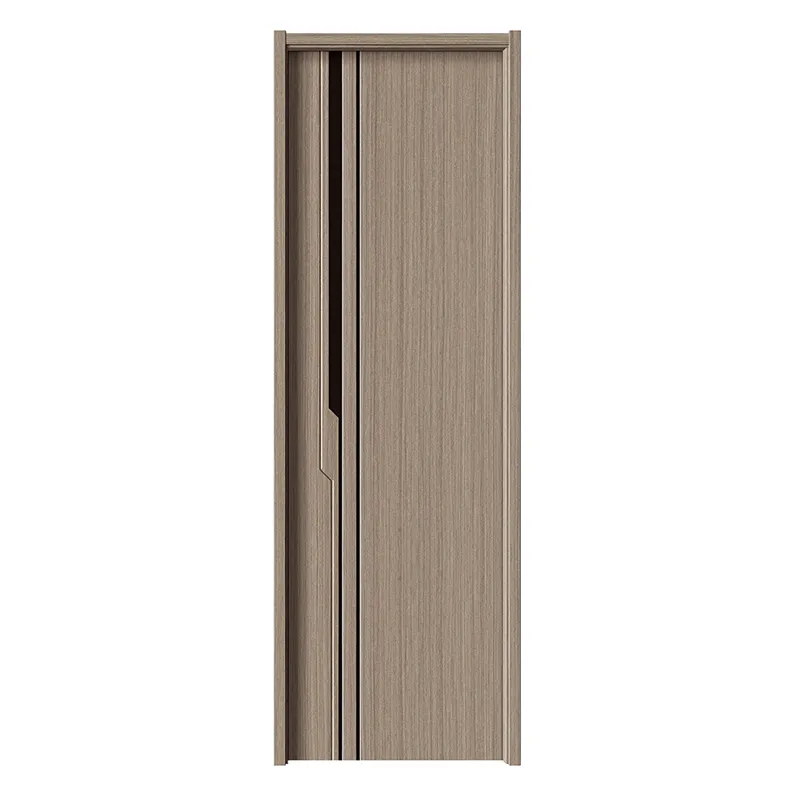 YST-1018 Technowood Door 1
 -
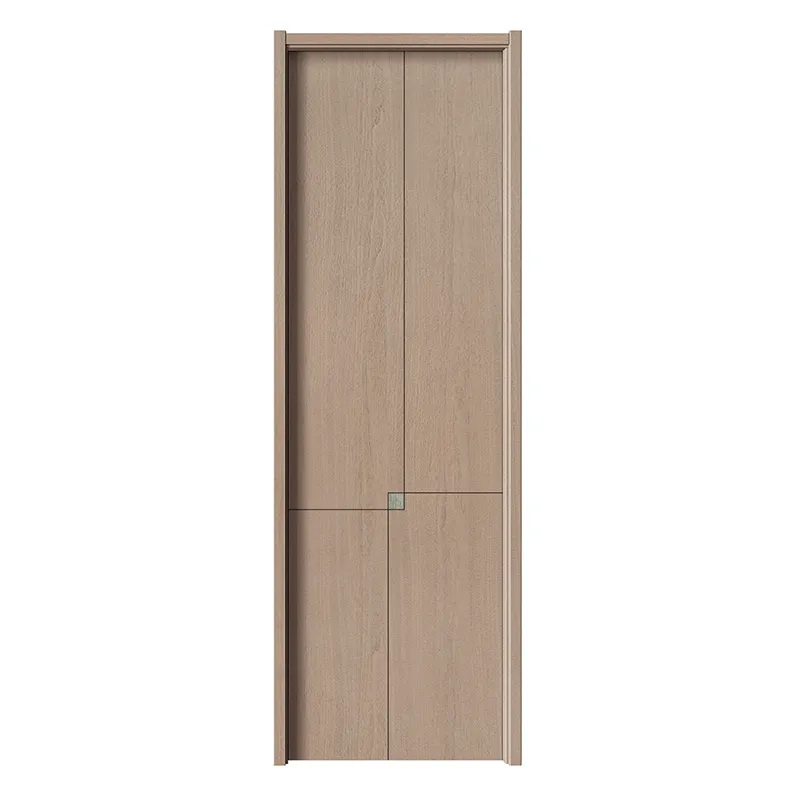 YST-1008 Door Natural walnut 2
 -
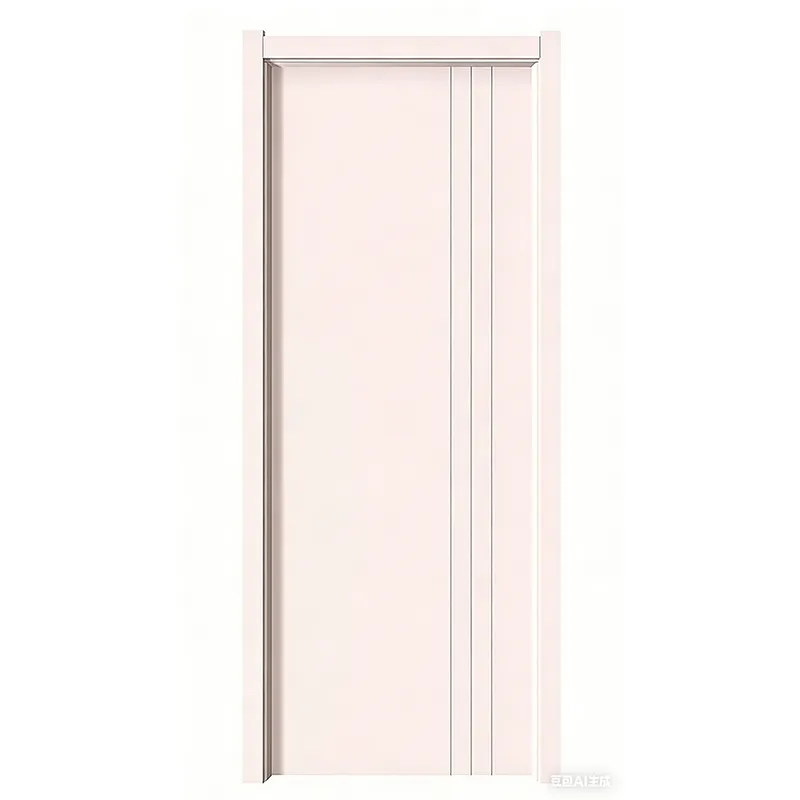 YST-WPC4 Door
 -
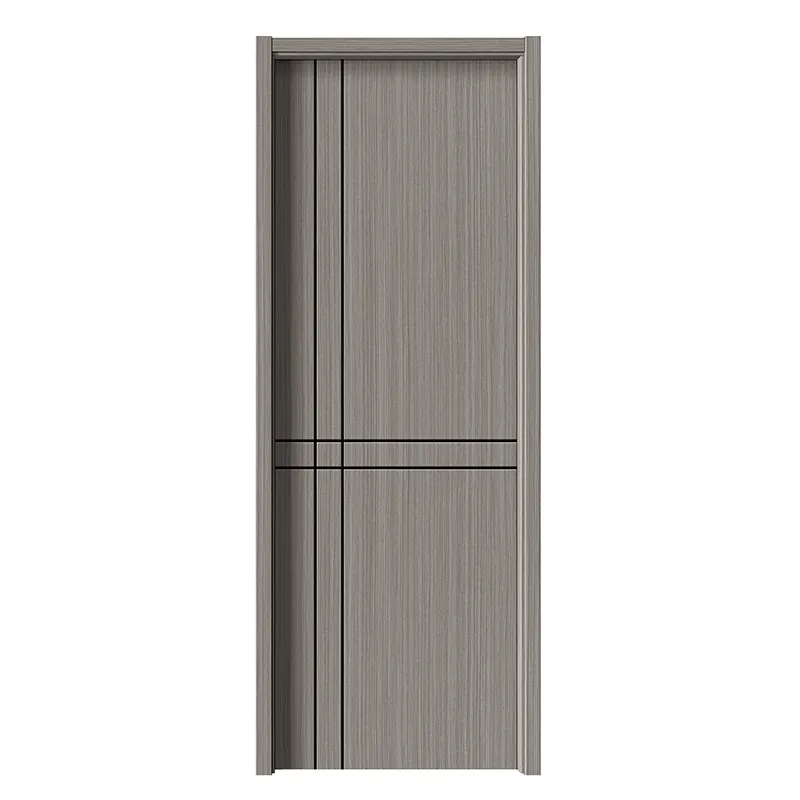 YST-1004 Door Technotree 2
 -
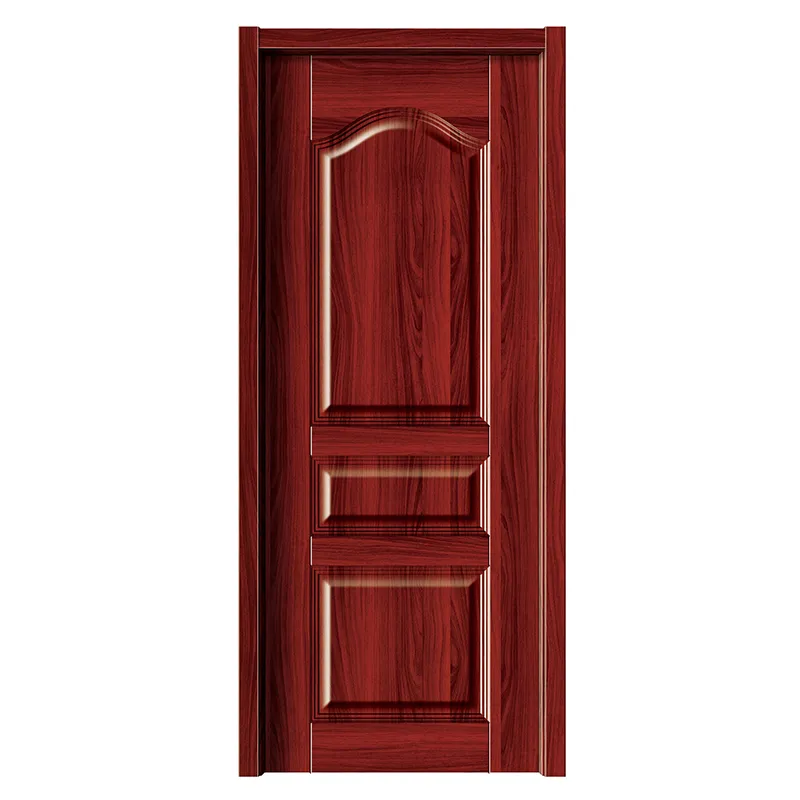 YST-203 Door Red team
 -
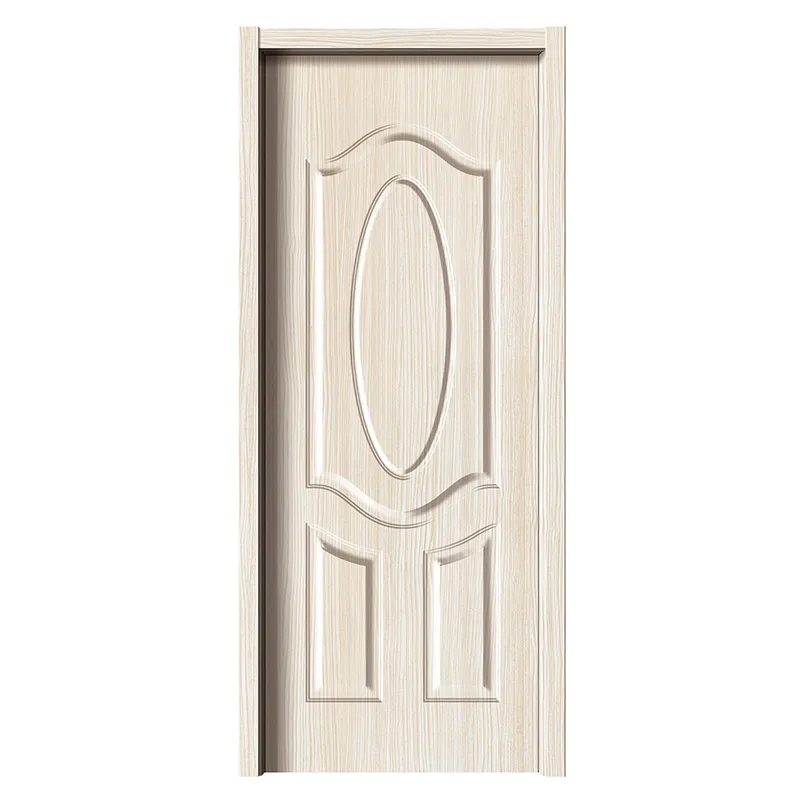 YST-216 Door White Maple