




Wooden door
When you hear “wooden pine door?”, the first thing that comes to mind is an ordinary pine door, cheap and for a summer house. This is where the main catch lies. Needles are not only pine, it is a whole group of species, and each behaves differently in the product. My experience suggests that many clients, and some colleagues in the shop, do not take this into account, and then wonder: why is the door made of ?pine? from one manufacturer behaves differently than from another. It's simple: under the brand name ?khvoya? spruce, fir, and larch can be hidden - the difference in density, resinity, and reaction to moisture is colossal.
What's really behind the raw materials?
Let's take spruce, for example. The wood is light, uniform, but soft and with knots. For a door that will stand in a dry living room, this is an option. But if we are talking about the entrance area or a room with changes in humidity, larch is already needed. Although it belongs to the coniferous species, in terms of hardness and resistance to rotting it will give odds to many deciduous species. But it is also more difficult to work with - the tool becomes dull faster, and it dries capriciously. I myself once got into trouble when I mistook a shipment of larch for pine according to the documents. We started milling and immediately realized that the behavior of the material was different; complaints to the supplier were then sorted out for a long time.
But pine is the golden mean. Affordable, quite durable thanks to the resin, easy to process. But there’s a nuance here: resin. If you don’t get the drying regime right or don’t treat it with special compounds, this same resin can appear later, under the varnish, as unsightly spots. I saw such doors at one site - the customer was furious. It turned out that the manufacturer saved on pre-heat treatment of the workpieces.
Therefore, when a company seemsAnhui Wantai Woodworking Co.,Ltddeclares a strict selection of raw materials, these are not empty words. On their websiteanhuiwantai.ruit is directly said: “build a business on accuracy?”. In our business, accuracy begins with the sorting of lumber. Not every ?needles? will go to the front panel, part of it will go only to the frame or internal stiffeners. This is the professional approach that distinguishes the product from handicraft.
Construction: where it’s thin, it breaks
Assembling a canvas from solid pine needles is almost a guarantee that it will work. Wood is alive and breathes. Therefore modernwooden door- this is almost always an engineering design. Panel frame, honeycomb core or transverse inserts for rigidity, and only then - external linings from the same selected pine needles. The goal is to break the tension inside the canvas.
I remember about ten years ago we experimented with laminated veneer lumber for solid panels. The technology is expensive, but seemingly stable. And yet, on one large order for a cottage, several doors developed microcracks along the adhesive seam after the first winter. The reason is the different expansion coefficient of the lamellas due to imperfect calibration of the raw material. The lesson was expensive. Now I am a supporter of combined structures, where the array works as a decorative rather than a load-bearing element.
In this regard, an interesting approach is seen in philosophyAnhui Wantai Co.,Ltd. They talk about a combination of aesthetics and practical characteristics. In practice, this often means just such an engineering base, lined with high-quality solid pine needles. This gives both stability of geometry and that very natural look that clients value.
Processing and finishing: the finishing touch that makes all the difference
You can take excellent pine, assemble the canvas correctly, but ruin everything at the finishing stage. Conifers are porous. If you simply coat it with varnish, the surface may turn out to be uneven and “fleecy”. A priming operation is required, and not with any composition, but with one that will close the pores well and will not conflict with the resins.
Another point is tinting. LightneedlesIt accepts stains very well and can imitate more expensive species. But this requires skill. If you apply the composition unevenly to areas with different densities (for example, near a knot and in a clean place), you will get spotting. Sometimes this is a design technique, and more often it is a defect. I always advise clients, if they want a dark shade, to look at samples processed in production conditions, and not on a piece of wood in a store.
A high-quality manufacturer always has clear technological maps for each stage: sanding, priming, intermediate sanding, applying the finishing coating. Judging by the description of the production base atanhuiwantai.ru, where process control is mentioned, this approach is close to them. For the international market that the company is targeting, this is a must-have. A European or American customer will immediately reject a product with sticky or uneven varnish.
Installation: the moment of truth for any door
The most perfectwooden doormay be damaged during installation. A typical mistake is rigid fixation in the opening without taking into account seasonal movements. The tree will expand and contract, and if it is ?trapped? tightly, either the box will tear, or the canvas will rest and stop closing. Technological clearances and proper foaming are required - not in a solid monolith, but in segments, so that the foam can act as a shock absorber.
I had a case at a site: the installers installed a heavy pine door with three hinges, although according to calculations four were needed. Six months later, the upper corner of the canvas began to touch the box. I had to remove, strengthen the frame of the box and add a hinge. The problem is underestimating the mass. An array of pine needles, especially if the door is paneled and massive, weighs decently.
Therefore, good manufacturers often complete products not just with hinges, but with specific fittings designed for the weight and size of their products. This is a sign of responsibility. When a company says it wants to meet diverse needs, as it doesAnhui Wantai Woodworking Co.,Ltd, it is logical to expect that they think through the product to the end, including installation recommendations. Otherwise, all of them are ?international standards? at the production stage they will break on the crooked hands of the installer.
Bottom line: so what is a good pine door?
It's not just a piece of wood with a handle. This is a comprehensive solution where every stage is important: from the selection of a specific species and calibration of the lamellas to the engineering calculation of the frame, filigree finishing and competent installation instructions.Wooden door, made wisely from pine needles, is a durable, warm and aesthetic product that can last for decades.
It is gratifying to see that players appear on the market who approach business systematically, like the sameAnhui Wantai. Their emphasis on precision, quality and compliance with international demands is exactly the way to move the product from the category of “country door?” in the category “competent interior solution for residential or commercial space?”.
In the end, our job as professionals is to dispel the myth of the simplicity of ?pine? doors and show their true potential. A potential that is revealed only with a deep understanding of the material, technology and, no less important, responsibility for the final result. This is what is really worth talking about when the phrase “wooden pine door” sounds.
Correspondingproducts
Related Products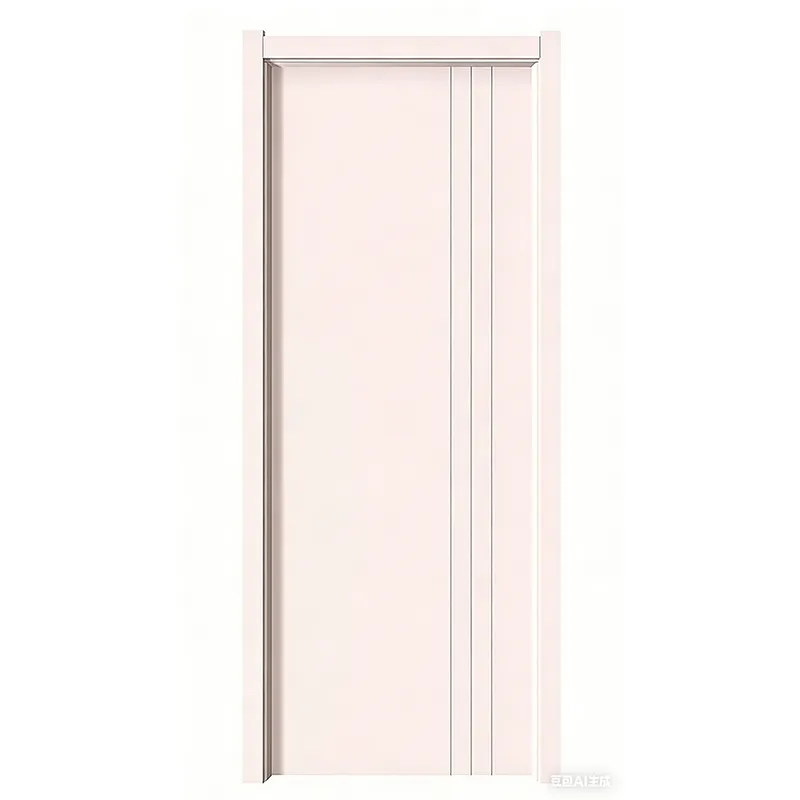
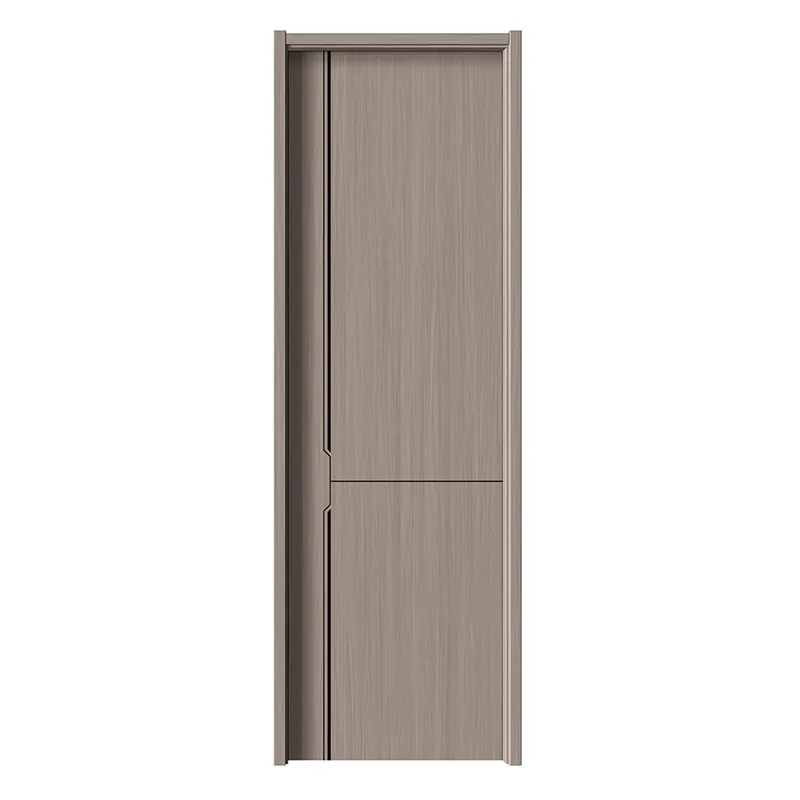
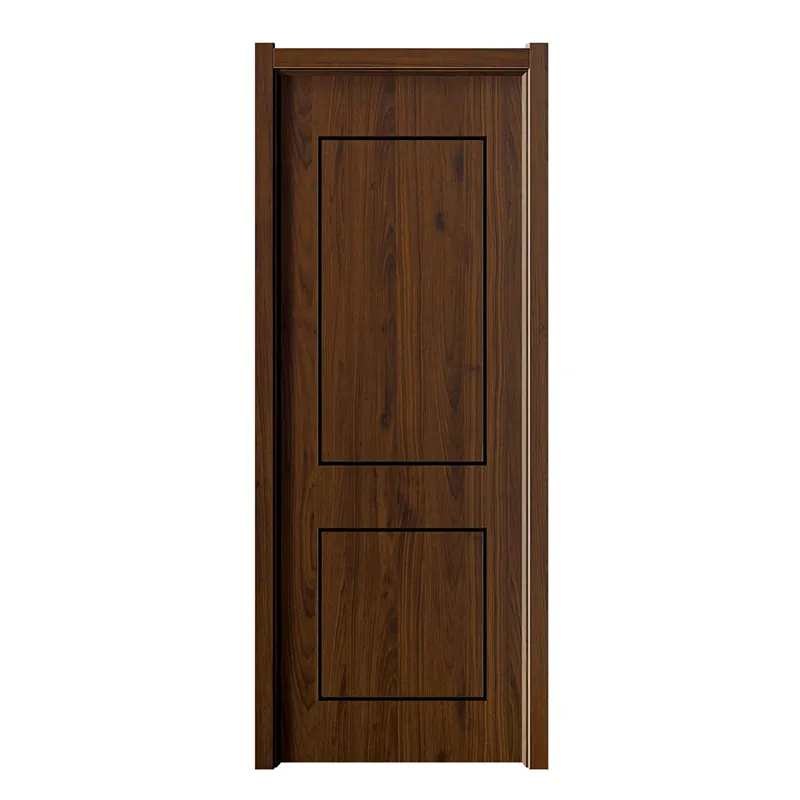
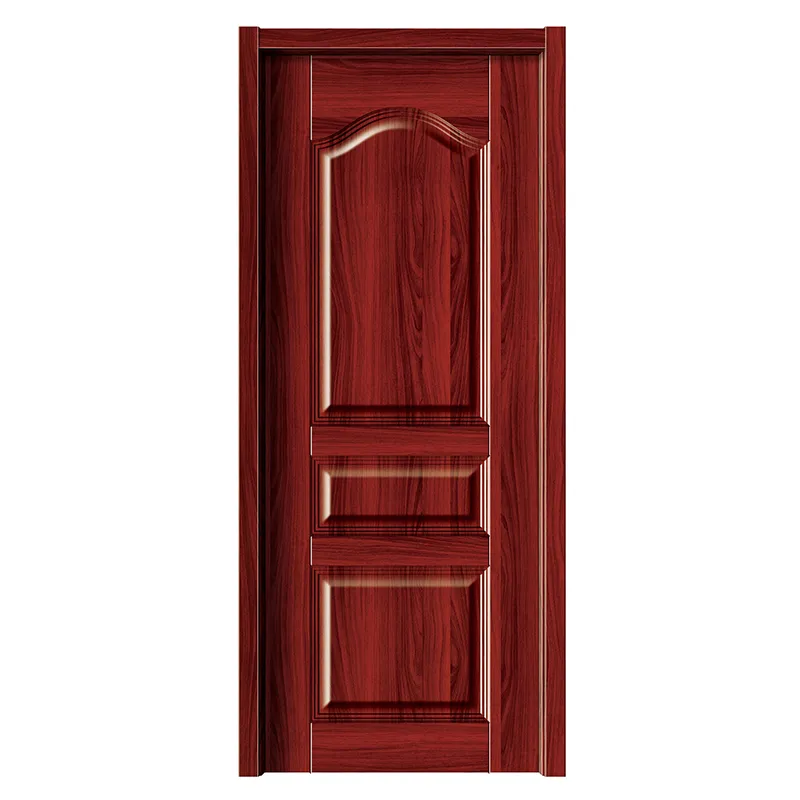

Best Sellingproducts
Best Selling Products-
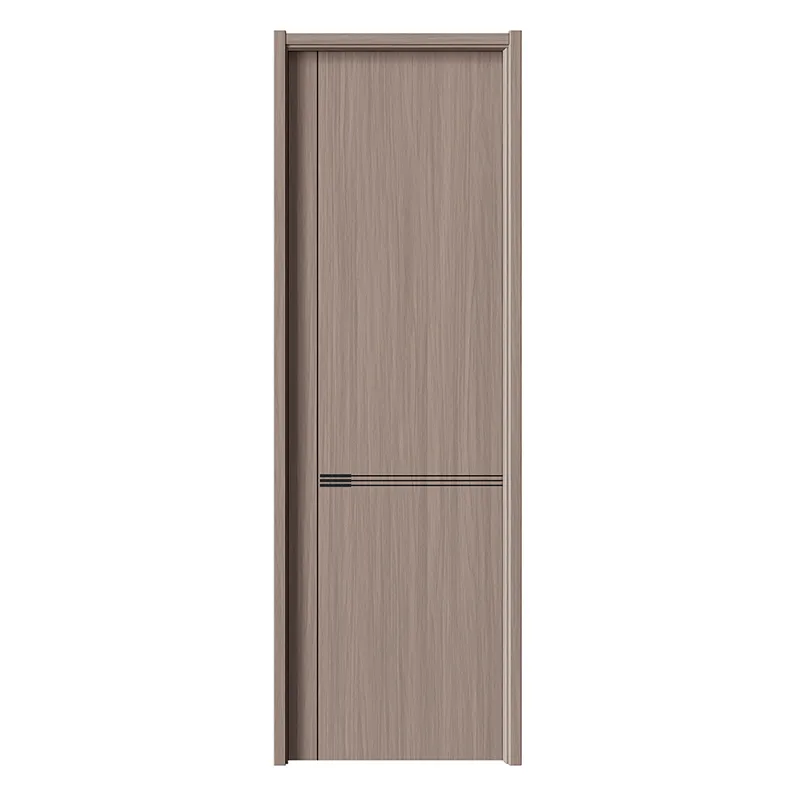 YST-1039 Door Translucent light shadow 3
 -
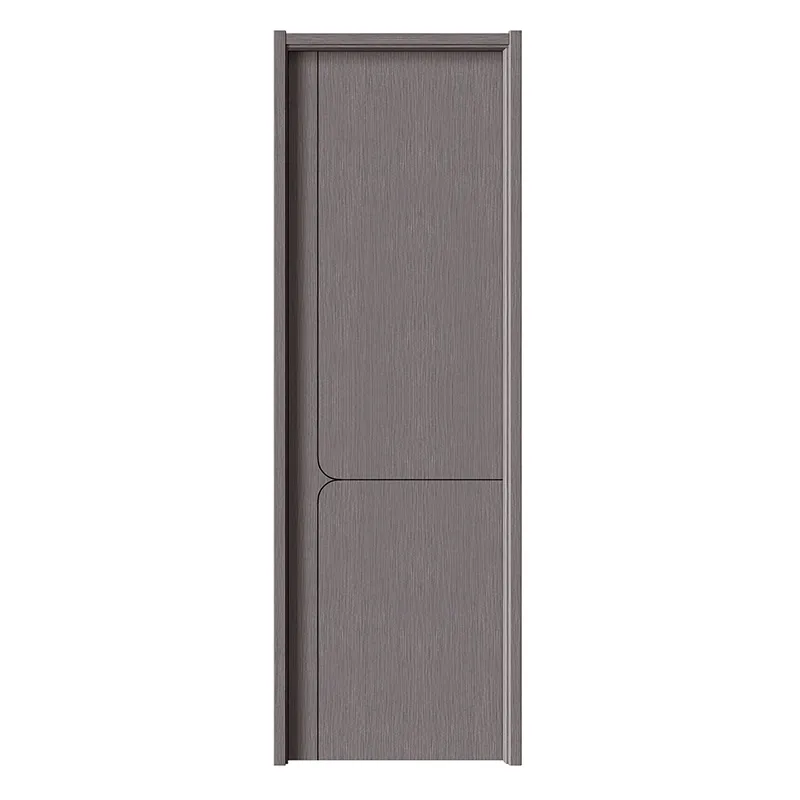 YST-1001 Door Chiaroscuro tree 2
 -
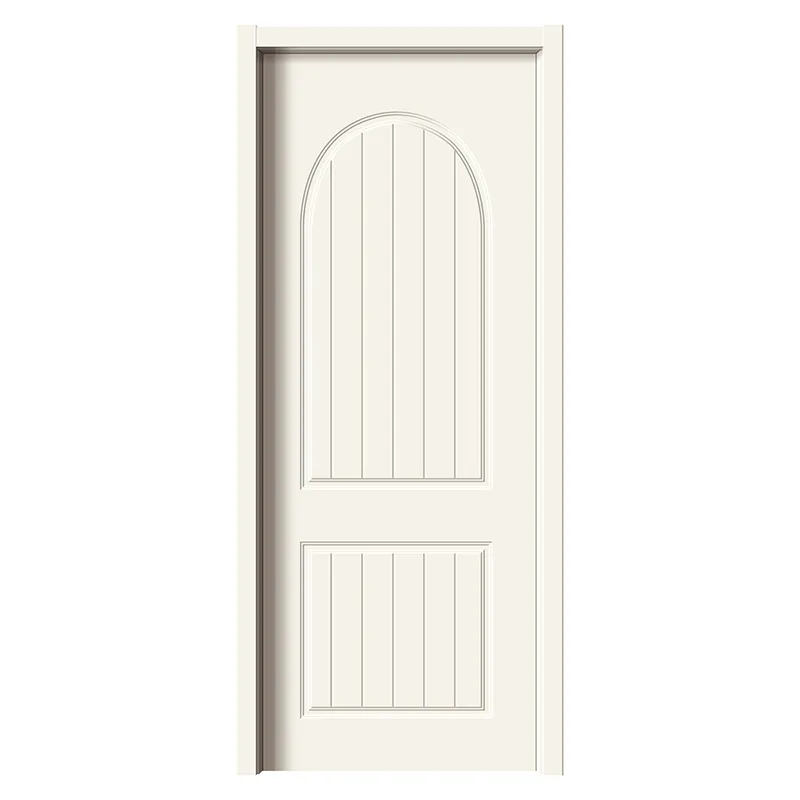 YST-236 Door White ivory
 -
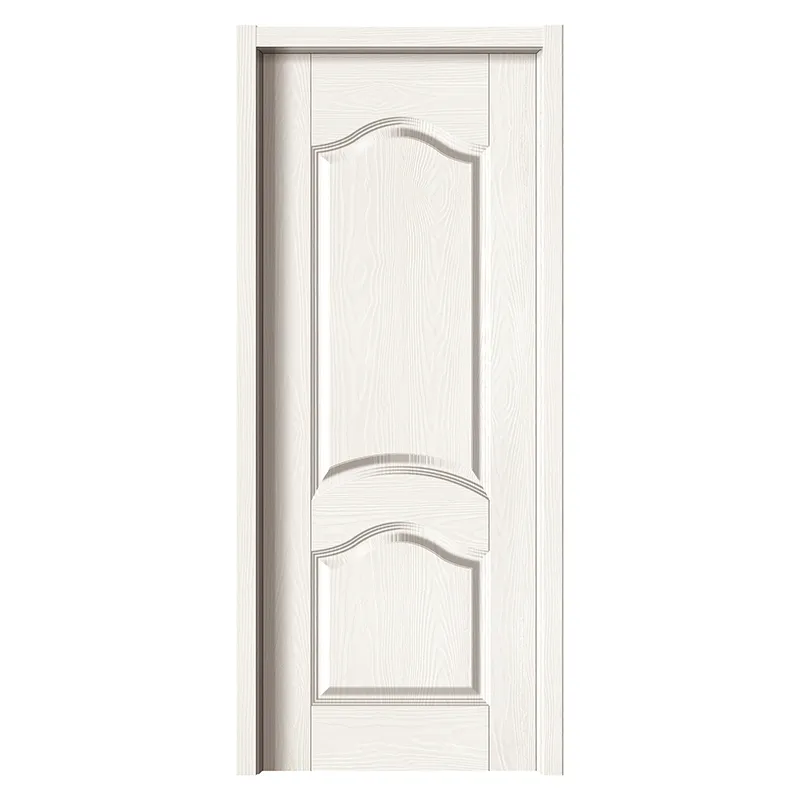 YST-224 Door Warm white with relief
 -
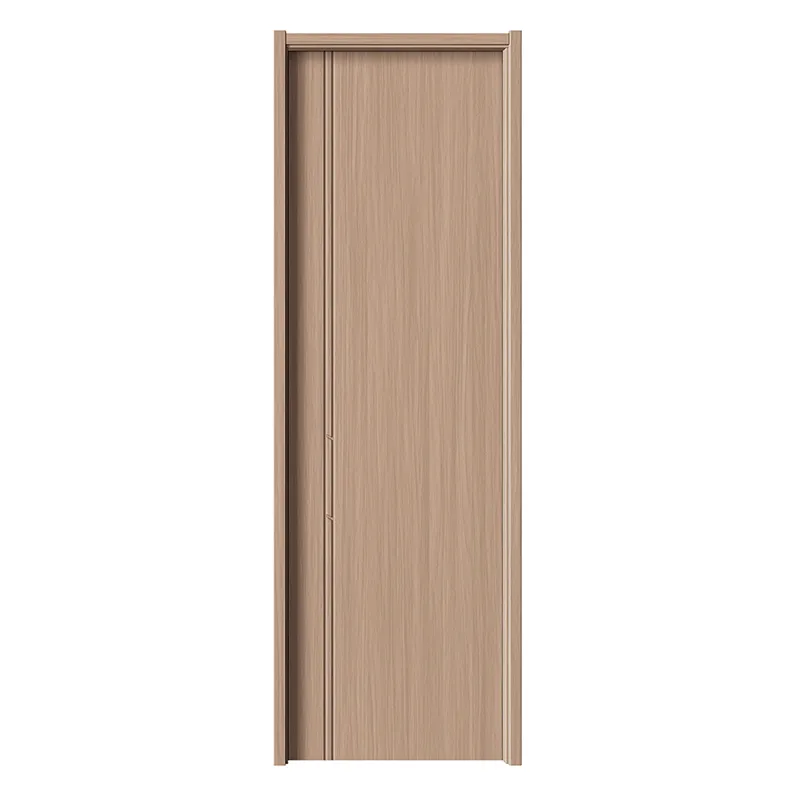 YST-1009 Door Translucent light shade 1
 -
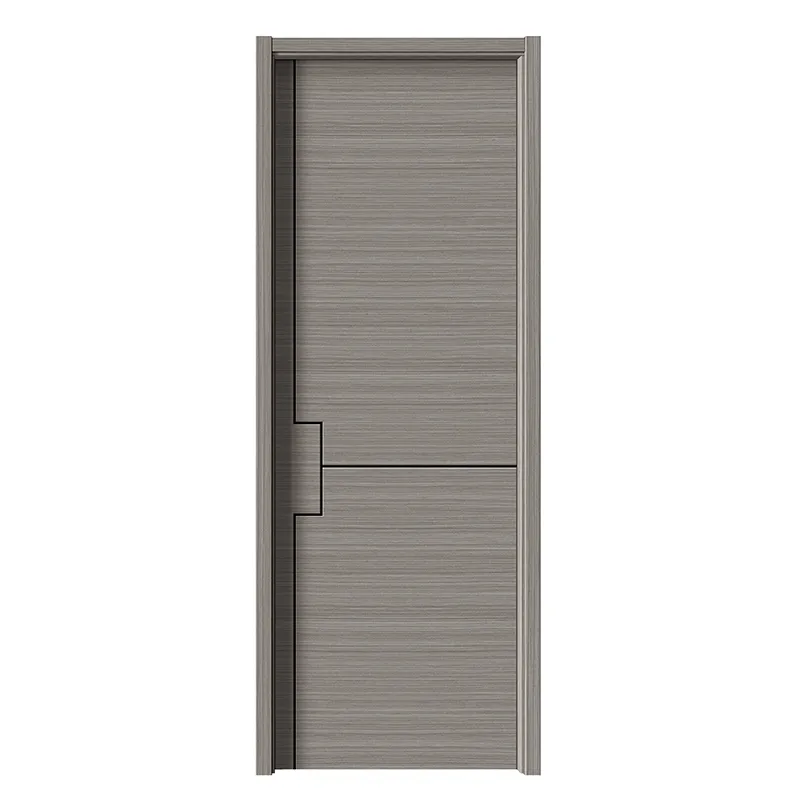 YST-1005 Technotree Door 2
 -
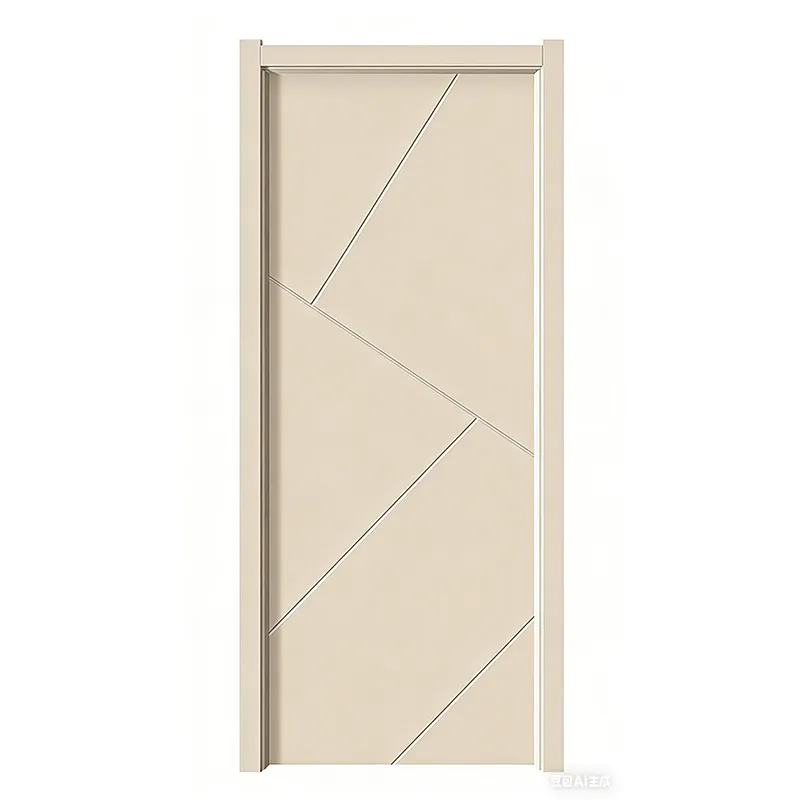 YST-WPC3 Door
 -
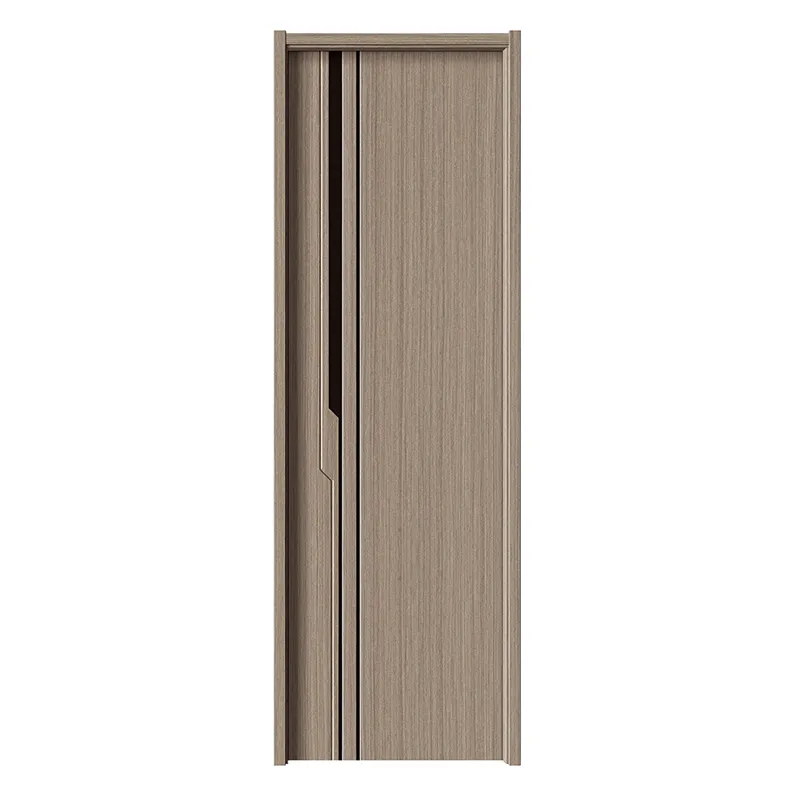 YST-1018 Technowood Door 1
 -
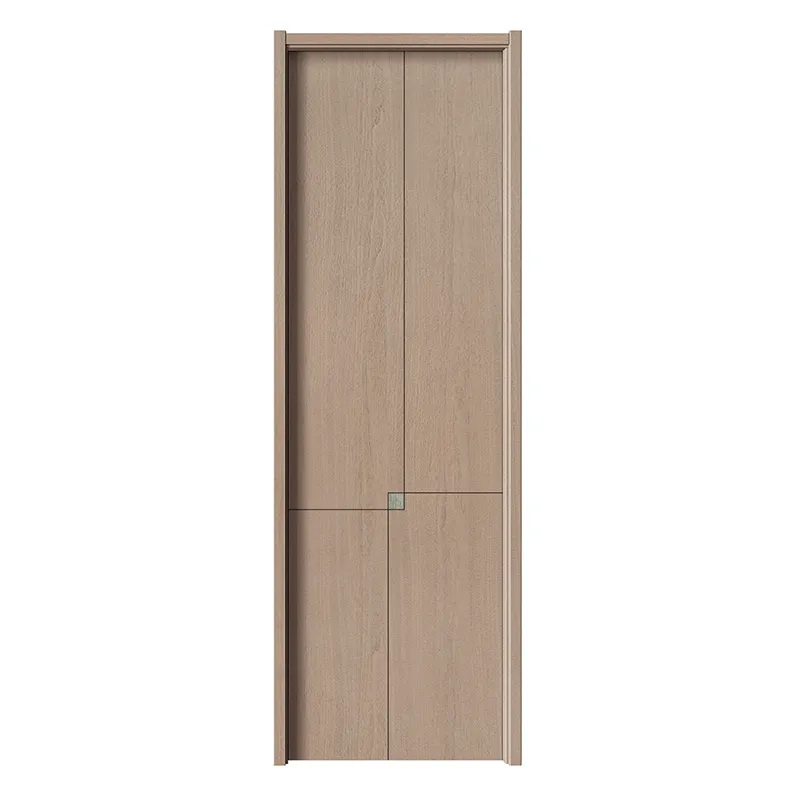 YST-1008 Door Natural walnut 2
 -
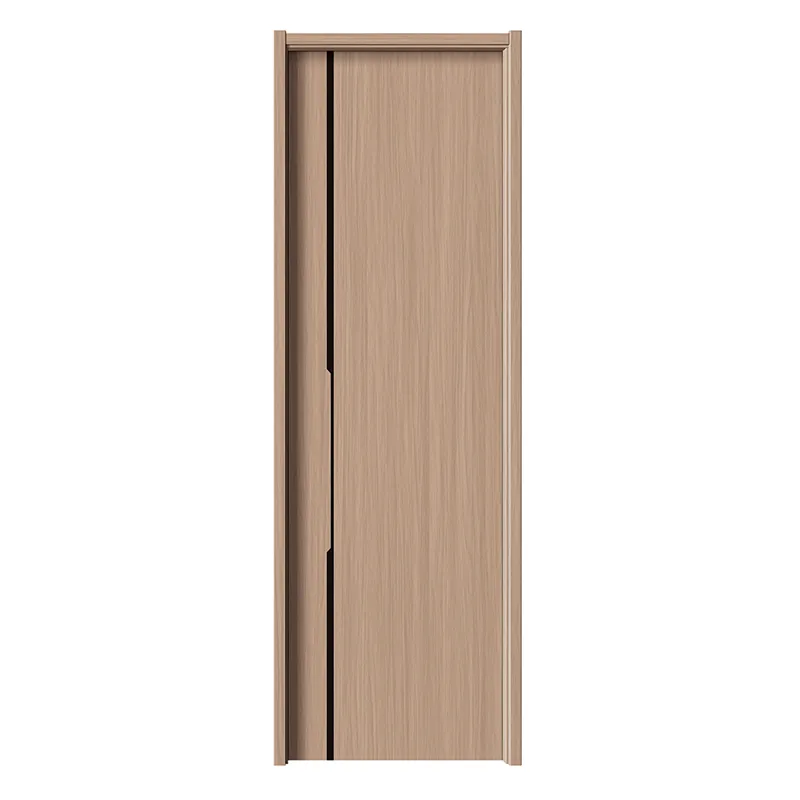 YST-1029 Door Translucent light shade 1
 -
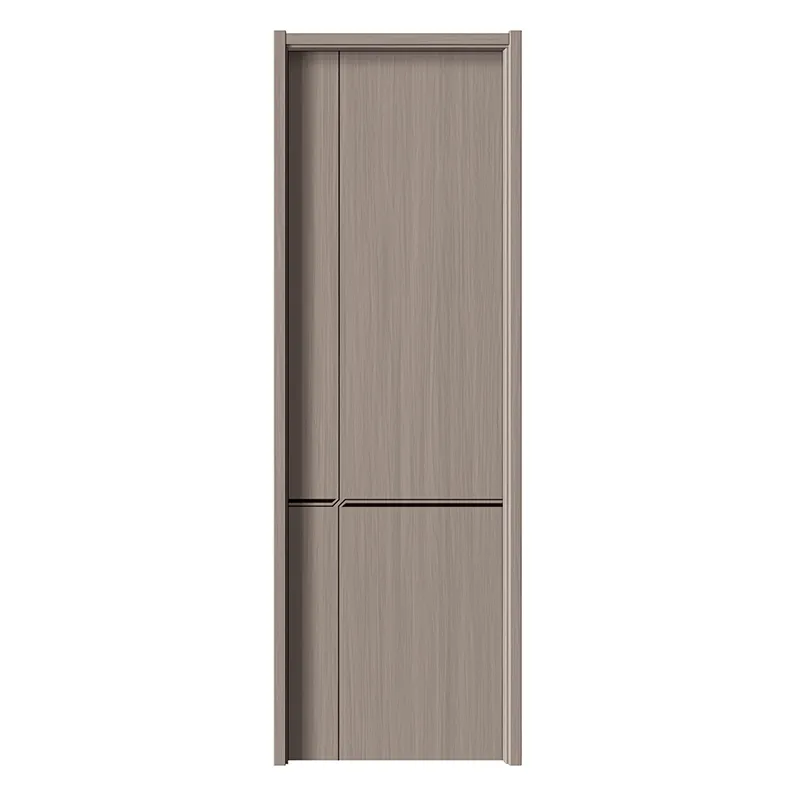 YST-1010 Door Translucent light shadow 3
 -
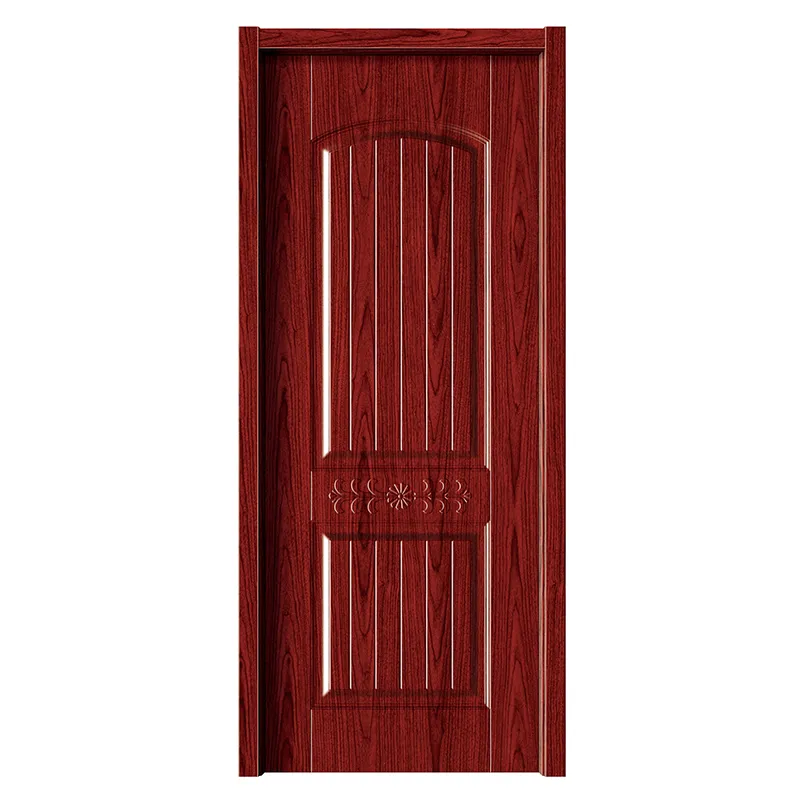 YST-233 Door Mahogany