




Lacquered doors
When they say “lacquered doors,” many people simply imagine a shiny, smooth surface. This is the first and biggest misconception. In fact, this term hides an entire technological chain, where each stage - from choosing the type of wood to final polishing - is critically important. And the quality of the finish often depends not on the varnish itself, but on what is underneath it. I have seen many times how customers, and some colleagues, focus on the brand of varnish, completely missing the preparation of the base. The result is that after six months all the sanding flaws appear, and a poor-quality primer leads to “soldering.” fibers and subsequent peeling.
The basis of everything: what is hidden under a layer of varnish
The key to the durability of the coating is impeccable surface preparation. This is an axiom. But what does “flawless” mean? For solid wood, for example, oak, this is the same story: it is important to properly seal the knots, work along the grain, and select the abrasive grain size step by step. For veneered panels it’s different: here the main enemy is bubbles and peeling of the veneer, which after varnishing will appear with a vengeance. A common mistake is saving on primers. A good primer doesn't just create an adhesive layer, it "lifts" it. pile, which after drying needs to be sanded off. Skip this step -varnish coatingwill lie on the “plush” surface, and there will be no wear resistance.
At our production site, Anhui Wantai Woodworking LLC, we have a whole workshop dedicated to this with humidity and temperature control. The raw materials are strictly selected, but even an ideal workpiece can be spoiled at the grinding stage. I remember a case when a batch of walnut doors came with small “ripples”. on the surface. They looked for the cause in varnishes and drying conditions. It turned out to be microscopic wear on the grinding machine drum. The defect appeared only under several layers of glossy varnish, at a certain lighting angle. I had to redo the entire batch. An expensive lesson that shows better than any textbook that preparation is 70% of success.
That is why in our company, details of which can be found at https://www.anhuiwantai.ru, the principle is “to build a business on accuracy?” - not a slogan, but a production necessity. Without this, even the most expensive topcoat will not reach its potential. We tried different priming systems - water-based, polyurethane. We settled on a combined approach: for dense rocks - one type, for soft ones with open pores - another. This is not a textbook, this is proven practice.
Choice of coating system: polyurethane, acrylic, catalyst compounds
Actually, varnish. The market is flooded with offers, and it's easy to drown here. Simplified: for interiorlacquered doorsMost often it is polyurethane (PU) or acrylic-polyurethane hybrids. PU is harder, more wear-resistant, but can yellow light-colored rocks over time. Acrylic is more stable in color, but slightly less resistant to mechanics. And there are also catalyst (acid-curing) varnishes - ultra-durable, but difficult to apply and requiring serious personnel protection.
For residential premises, we often recommend and use polyurethane systems with a matte or satin effect. The gloss, although it looks impressive, is a magnifying glass for any defect in the base and dust in the future. Satin is the golden mean: a noble shine that hides small traces of use. An important nuance is the degree of matteness. It is achieved not by pigment, but by the addition of matting substances. And too many of them can make the surface “soapy”, without depth. You have to feel the measure.
Previously, they experimented with so-called “eco-friendly” ones. water-based varnishes. Yes, the smell is minimal, the drying speed is high. But for products that must withstand contact with hands for years, changes in humidity in the bathroom or kitchen, we were not satisfied with their wear resistance and resistance to moisture. This is especially true for door handles and door edges. We returned to proven polyurethanes, but with an improved formula that reduces the emission of volatile substances after polymerization. The trade-off between practicality and environmental friendliness is a constant headache for us.
Application technology: where manual work is indispensable
Automation is good. Conveyor lines and computer-controlled spray chambers mean stability and speed. But in the matter of creating qualityvarnish coatingsFor doors, there are stages where a machine cannot replace the eye and hand of a master. We are talking about the final finishing, polishing and, most importantly, the processing of edges and chamfers.
The robot will perfectly place the varnish on a plane. But on the end, in a paneled profile, in a complex decorative element, it can give a different layer thickness. This will lead to uneven drying, stress in the film and possible cracks in the future. Therefore, we have finishing application on complex models and mandatory sanding between layers - still a manual operation. A technician with a squeegee and a sander sees what the sensor does not catch.
Another critical point is drying. You can’t just set the temperature according to the varnish passport. It is necessary to take into account the thickness of the layer, the moisture content of the base wood, even the time of year. In summer, with high air humidity, the film can set on top, leaving the “filling” not dry. - this will come back to haunt you later. bubbles or streaks. We have to adapt the modes. On the website https://www.anhuiwantai.ru we write about strict adherence to standards, and this is just about such seemingly trifles. The standard is not a rigid scheme, but an understanding of physical and chemical processes and the ability to manage them in changing conditions.
Problems and solutions: from specks of dust to “orange peel”?
A perfectly smooth coating in everyday conditions is almost unattainable. There is always dust. Fighting it is the holy war of any paint shop. We are following the path of creating excess pressure in the finishing area and multi-stage air filtration. But the dust is still there. Therefore, after applying the last layer, the polishing stage occurs. Small inclusions are sanded off and the surface is leveled to perfection. This is labor-intensive, but necessary for premium-segment products.
Another common problem is shagreen. or “orange peel?”. Occurs due to incorrect varnish viscosity, spray pressure or too large a distance to the surface. It can be treated by adjusting the equipment and, again, subsequent grinding. It happens that the defect is noticeable only under side light. Reception of such a door is always with a portable lamp to imitate the light from the window. It is impossible without this.
Operational practice: what is important to convey to the client
The most beautiful door can be ruined by improper care. And here our task is not just to sell, but to instruct.Lacquered door- not ceramic tiles. It cannot be washed with abrasives, alkaline kitchen compounds or solvents. Over time, microscratches from a hard sponge will make the matte surface glossy in places of frequent contact, and the glossy surface will become matte and shabby.
We always recommend that clients use soft fabrics and special products for polished furniture that contain silicone or wax for care. They create the thinnest protective layer and mask minor scratches. It is also important to warn about exposure to direct sunlight. Even the most durable varnishes can change their shade slightly over time, and if there is a carpet or a picture hanging on the door, the difference will be visible years after it is removed. This is not a defect, this is a property of the material.
It is to meet the diverse needs of global customers, from the humid climate of Asia to the dry heating of Europe, that we test coatings in different conditions. Our team of designers and developers work not only on aesthetics, but also to ensure that the practical characteristics are as advertised. Packaging and transportation are a separate issue. Even a perfectly made door can be killed in transit if the edges and corners are not protected. We use corner pads made of thick cardboard and stretch film, which does not leave marks on the fresh surface.
Bottom line: varnish coating as an indicator of quality
Ultimately, the condition of the varnish coating after a year or two of use is the best and impartial audit of the entire production process. It shows how it was sanded, how it was primed, and how it was dried. You can’t make a bad door and cover it with good varnish - the truth will still come out.
For a company that positions itself in the international market, like our Anhui Wantai Woodworking LLC, this is a matter of reputation. You can save on layer thickness, the number of sanding steps, and primer. And for a short time the door will look presentable. But we choose a different path, because our goal is for the product to please the owner for many years, and not until the first serious cleaning. The door is the face of the interior, and its coating should not just be beautiful, but technologically flawless. This, if you think about it, is the real practical characteristic that goes hand in hand with the aesthetic design.
Therefore, when I hear the question about “lacquered doors?”, I understand that behind it there is not just a choice of finish, but a choice of an entire production philosophy. And it's our job to ensure that this philosophy is embodied in every product that leaves our factory and ends up in residential and commercial spaces around the world. All information about our approach and assortment can always be clarified by visiting our website https://www.anhuiwantai.ru.
Correspondingproducts
Related Products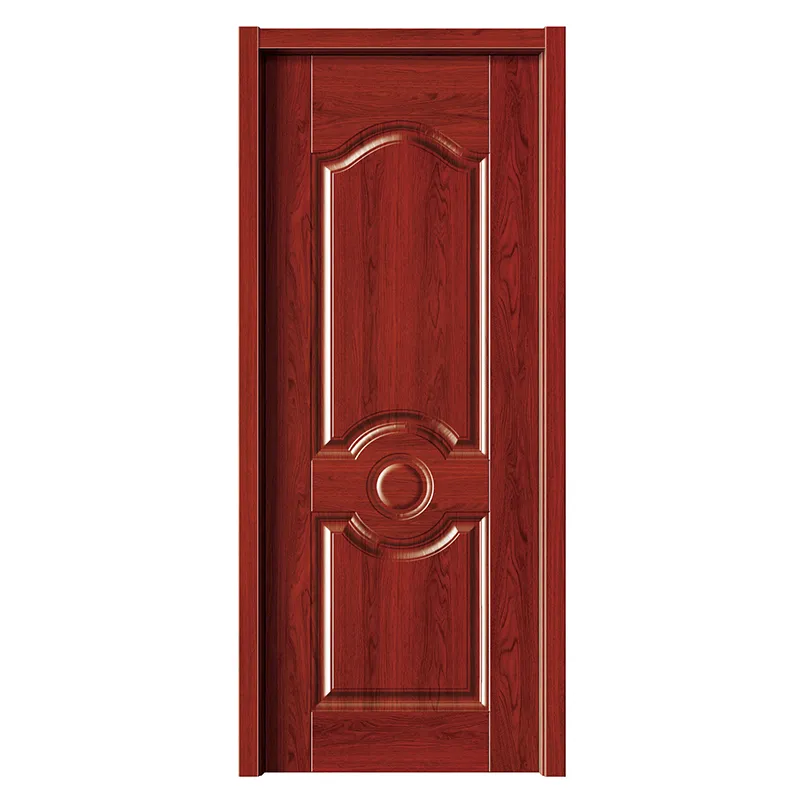
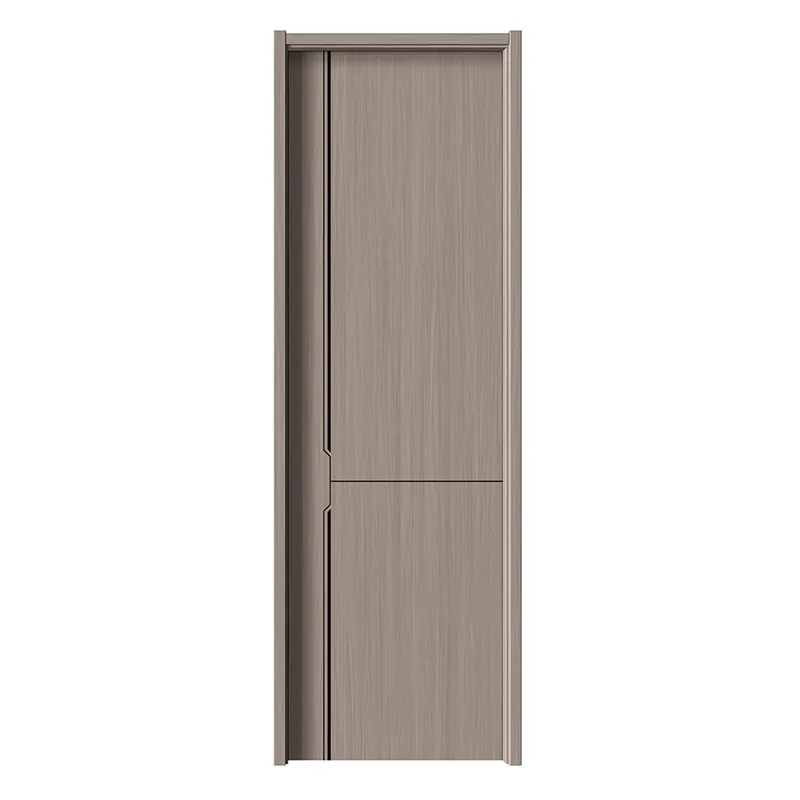
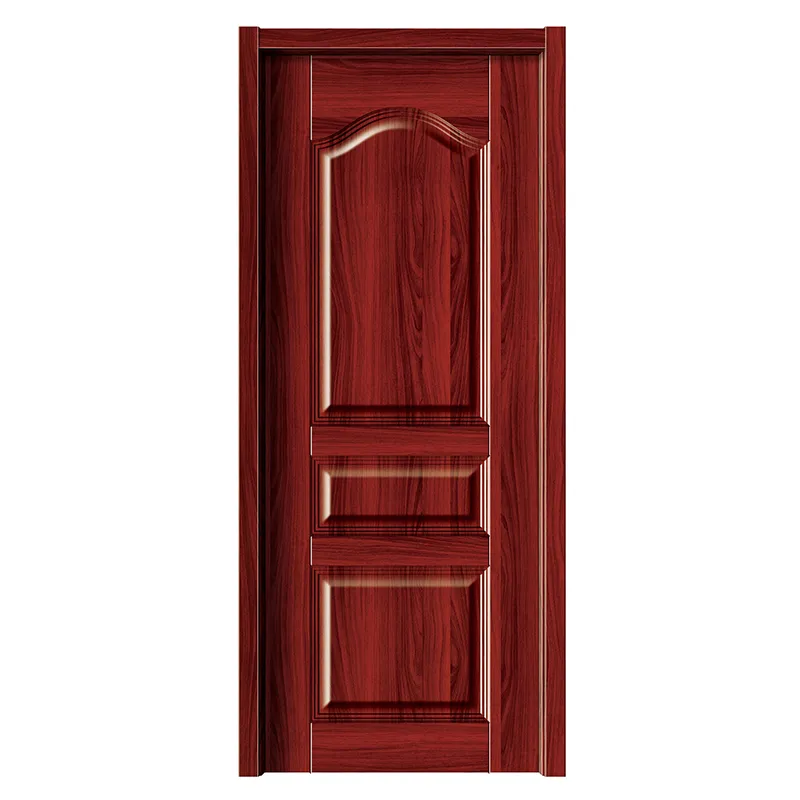
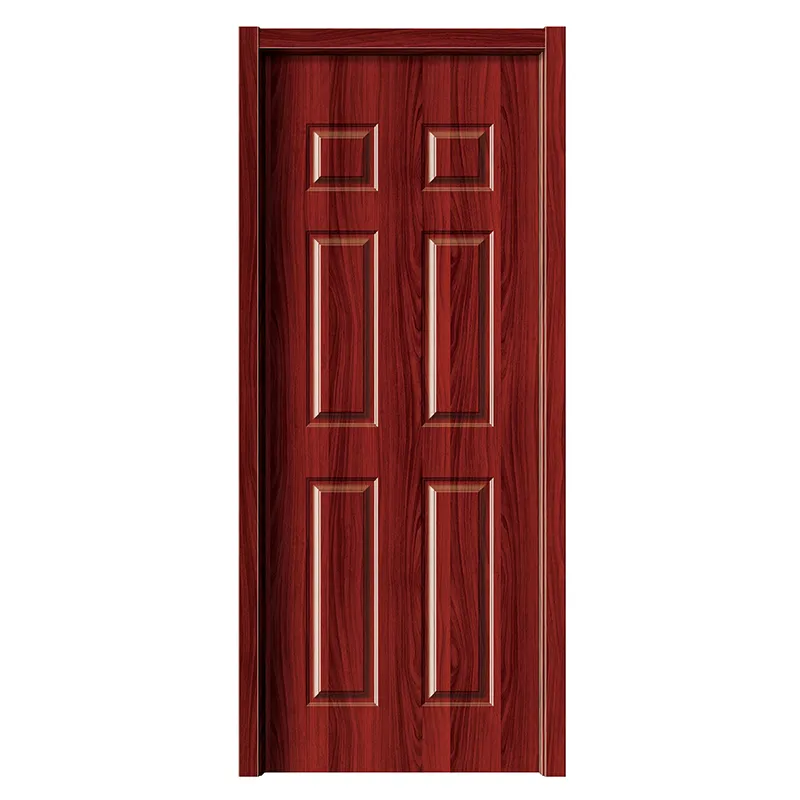
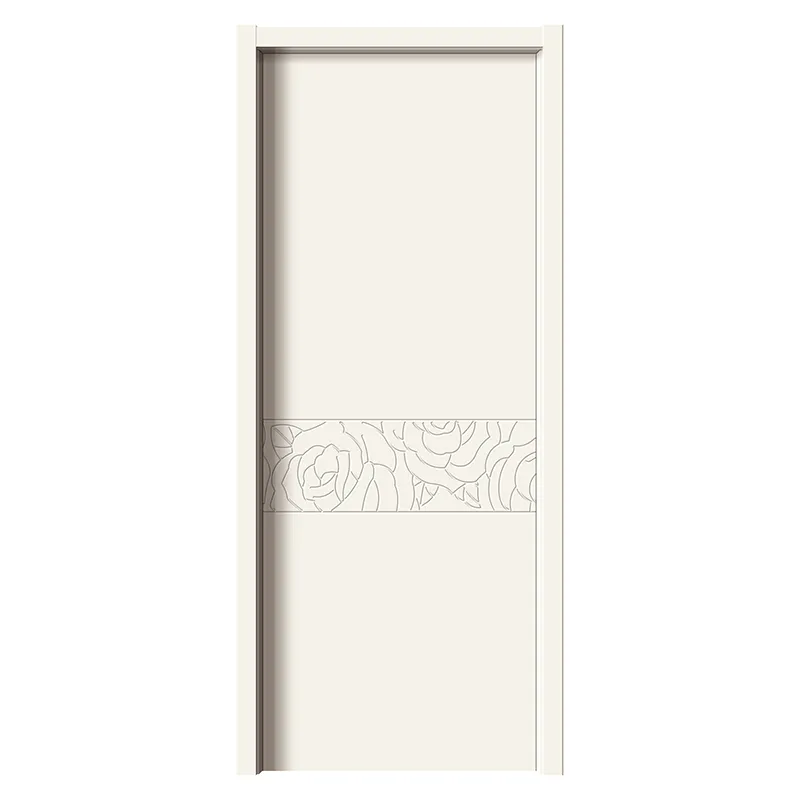
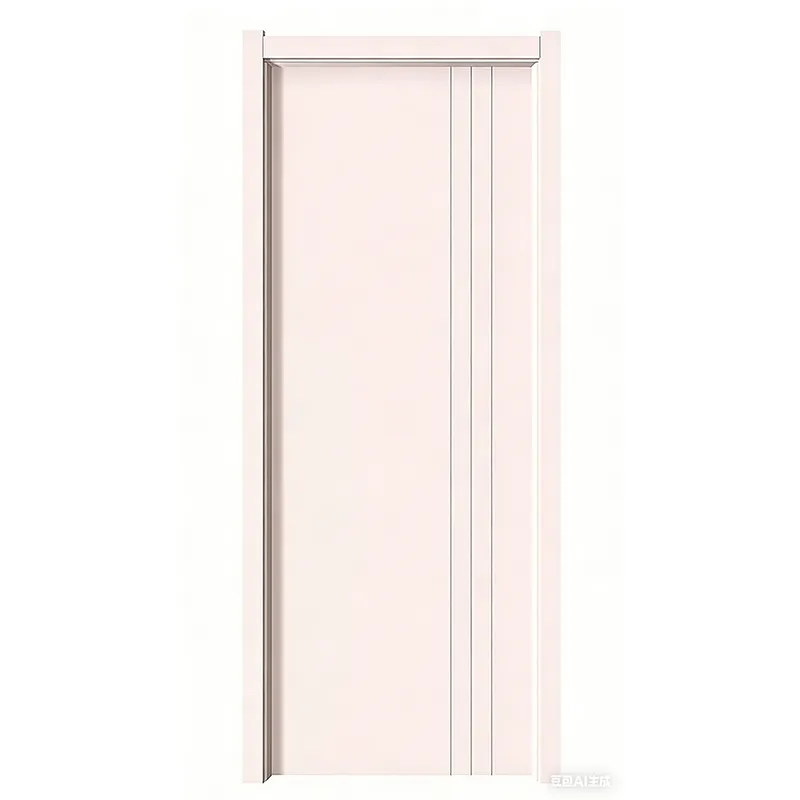
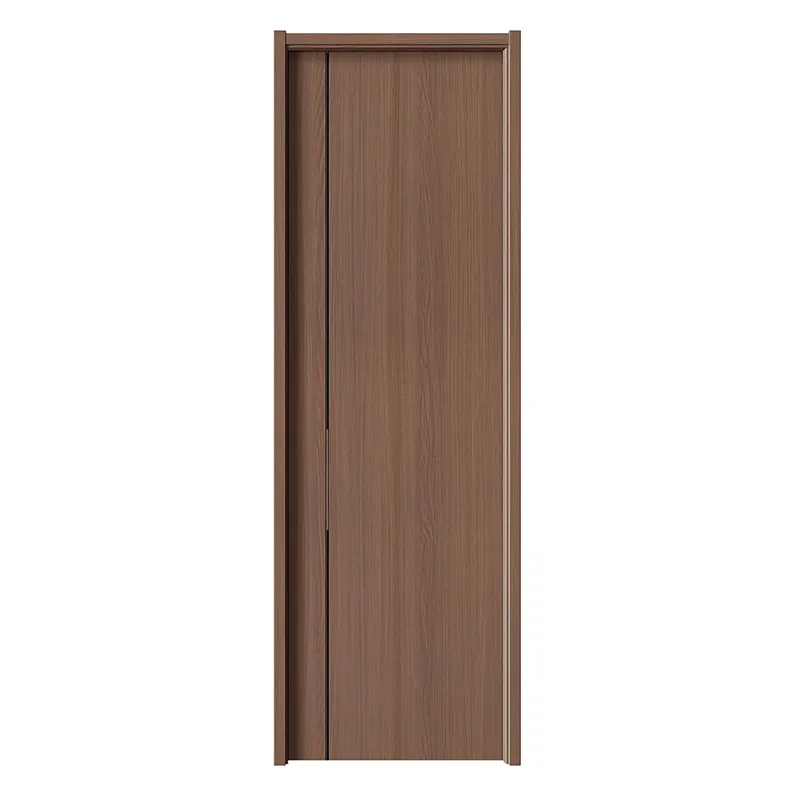

Best Sellingproducts
Best Selling Products-
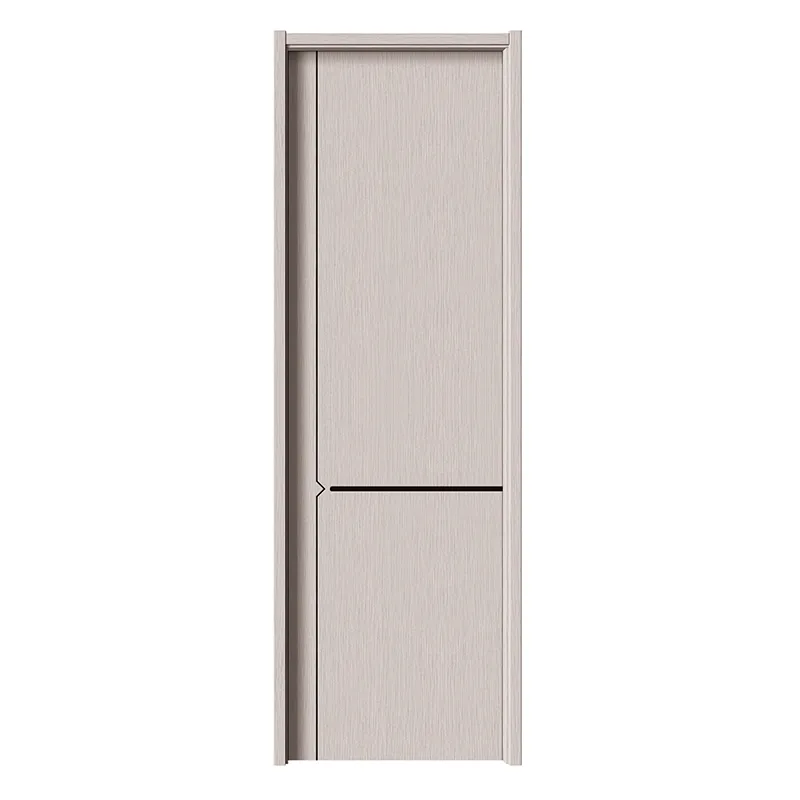 YST-1024 Door Chiaroscuro wood 1
 -
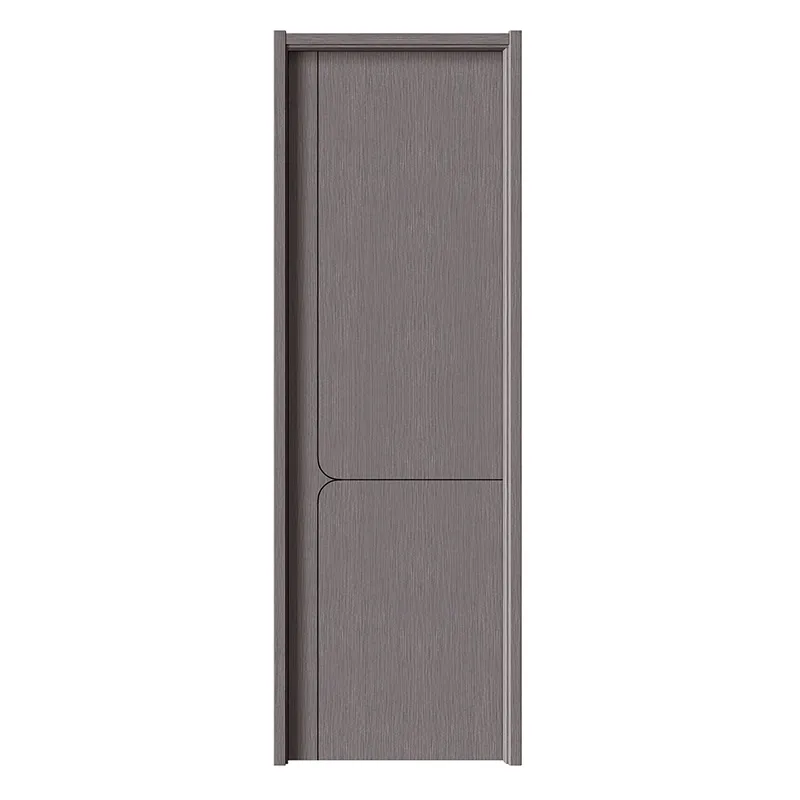 YST-1001 Door Chiaroscuro tree 2
 -
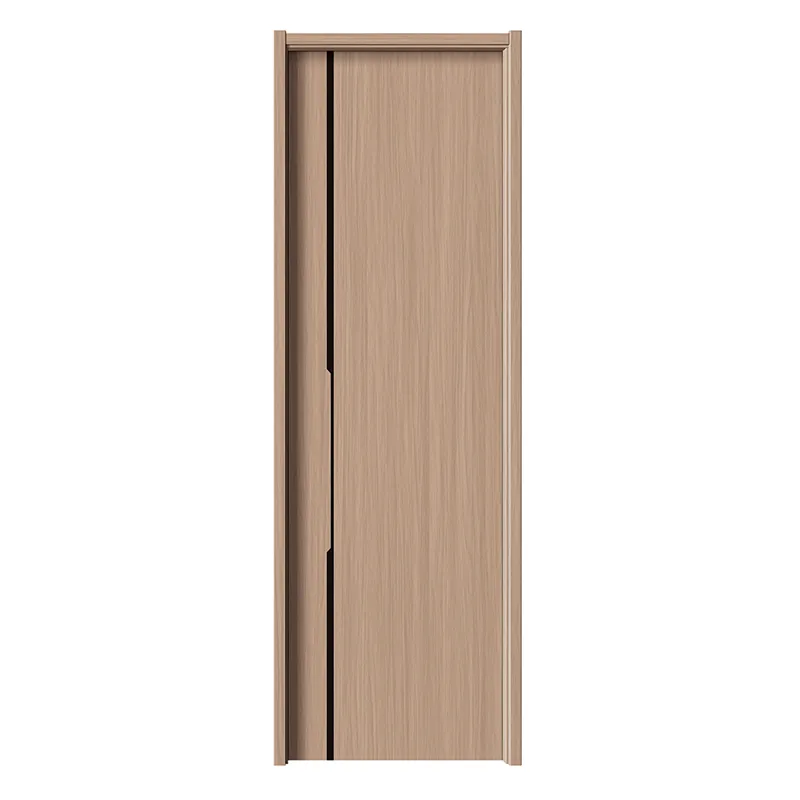 YST-1029 Door Translucent light shade 1
 -
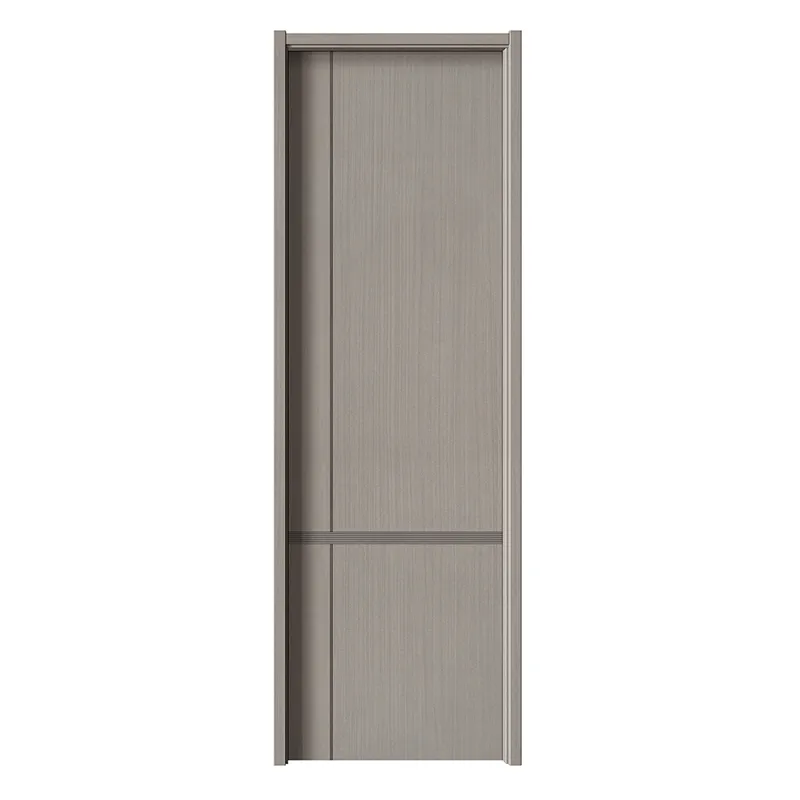 YST-1013 Door Cloud Walnut 1
 -
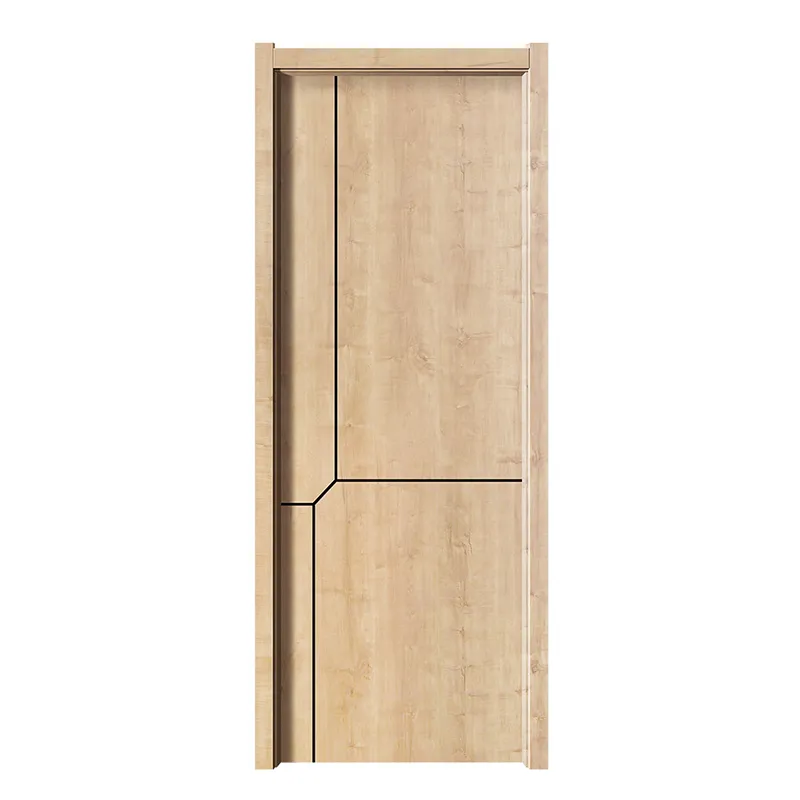 YST-WPC1 Door
 -
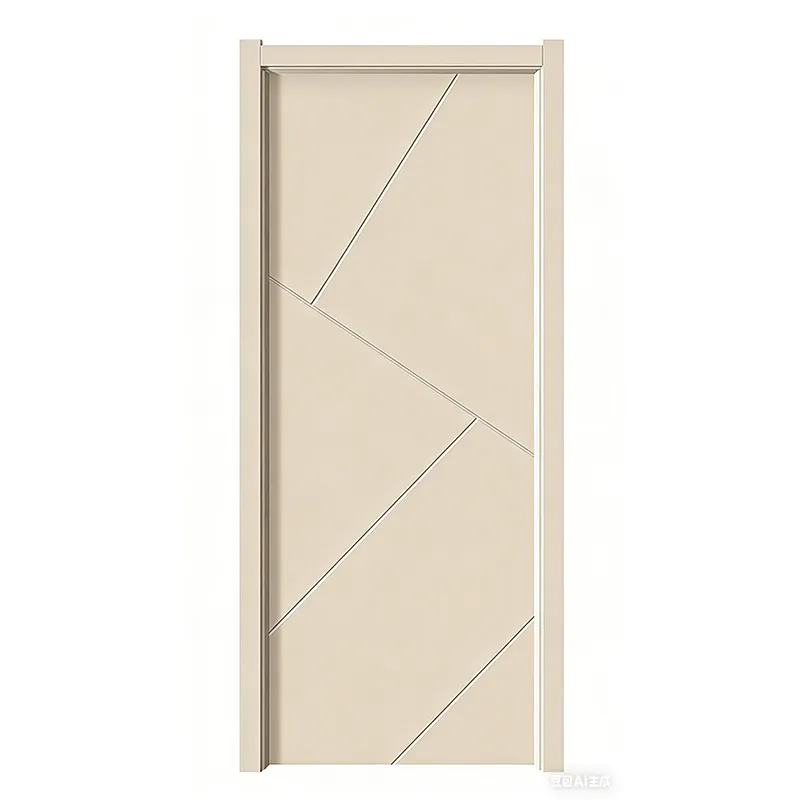 YST-WPC3 Door
 -
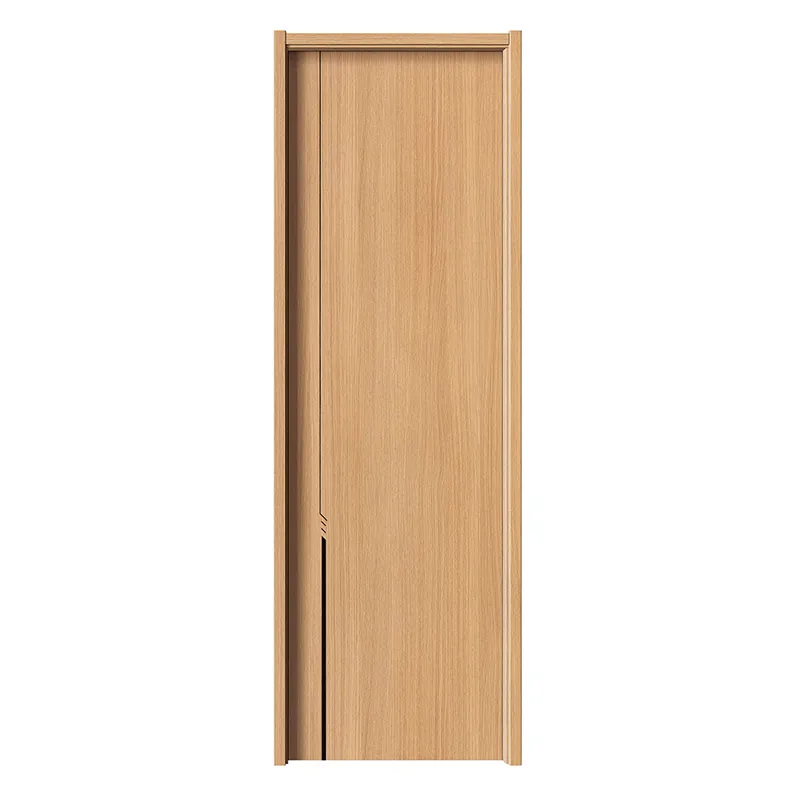 YST-1041 Door Oak Shutter
 -
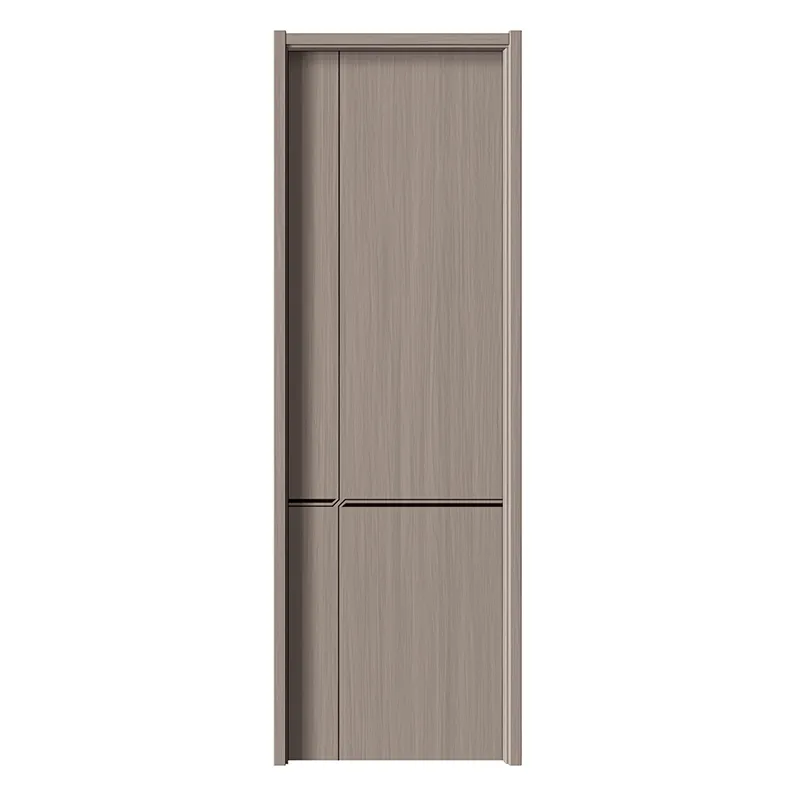 YST-1010 Door Translucent light shadow 3
 -
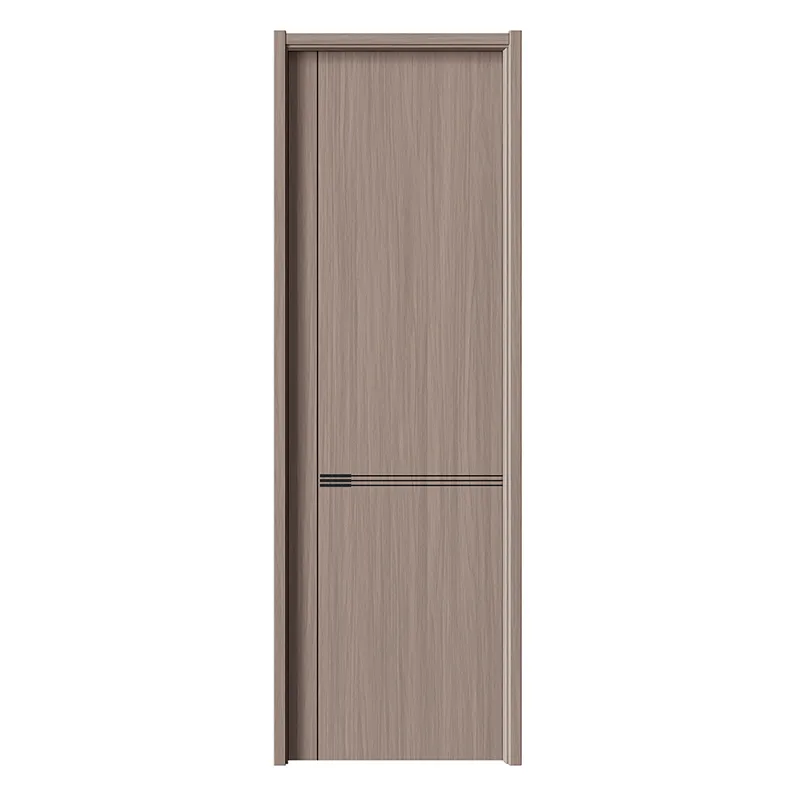 YST-1039 Door Translucent light shadow 3
 -
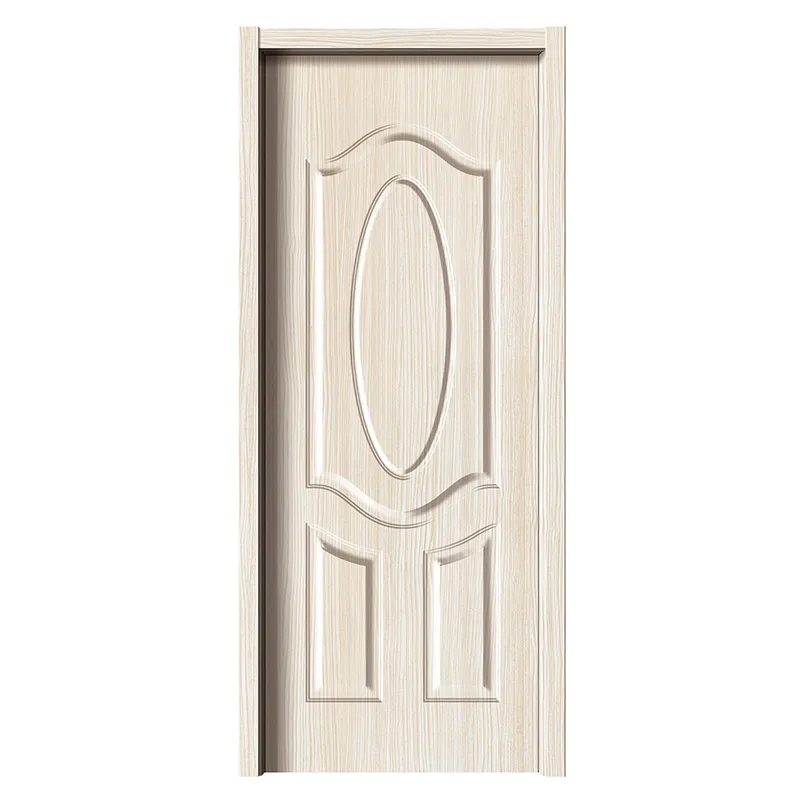 YST-216 Door White Maple
 -
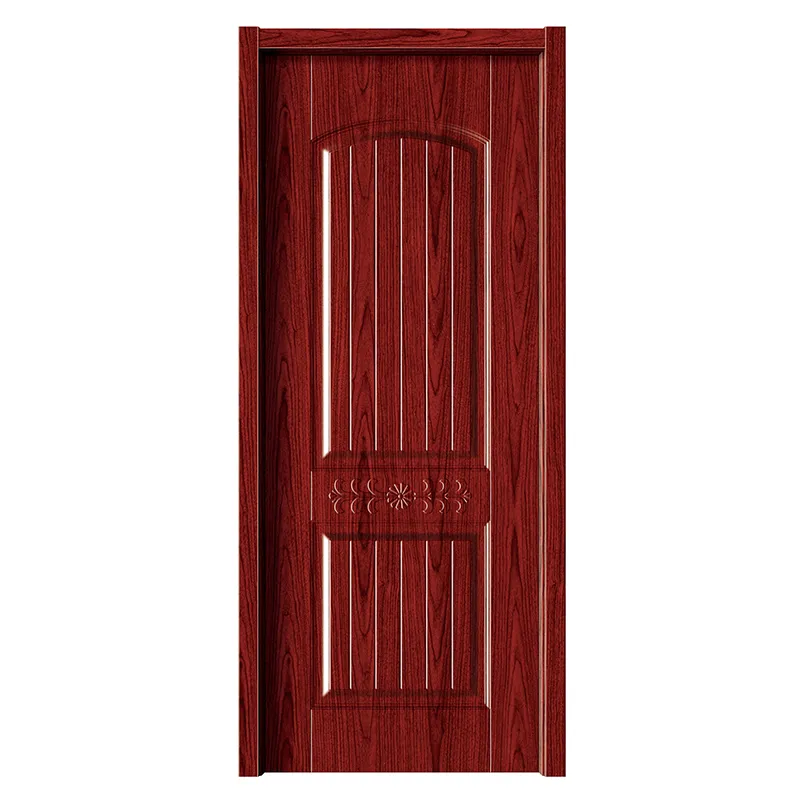 YST-233 Door Mahogany
 -
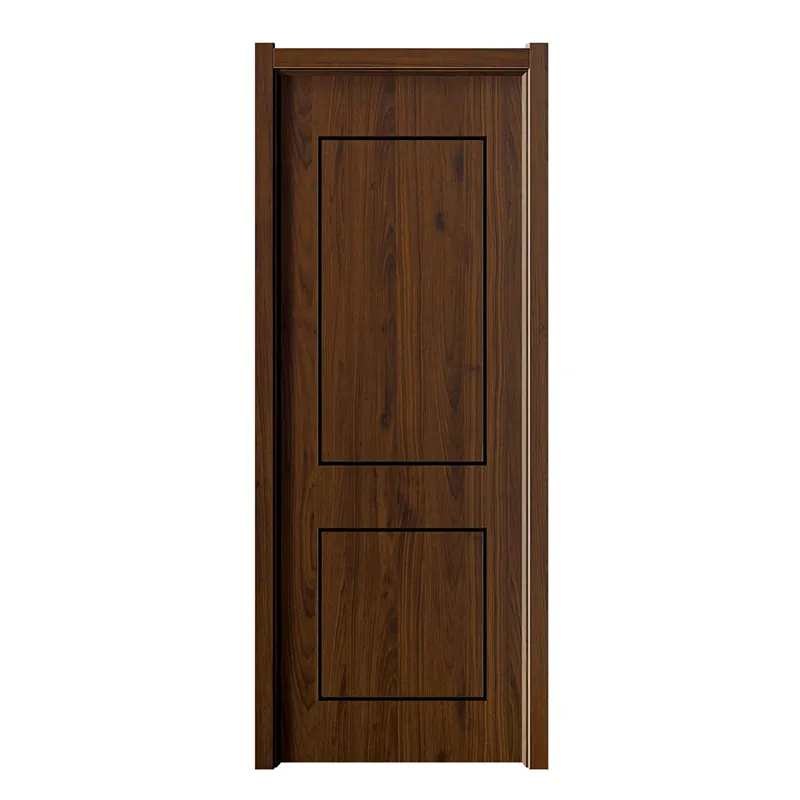 YST-WPC2 Door