



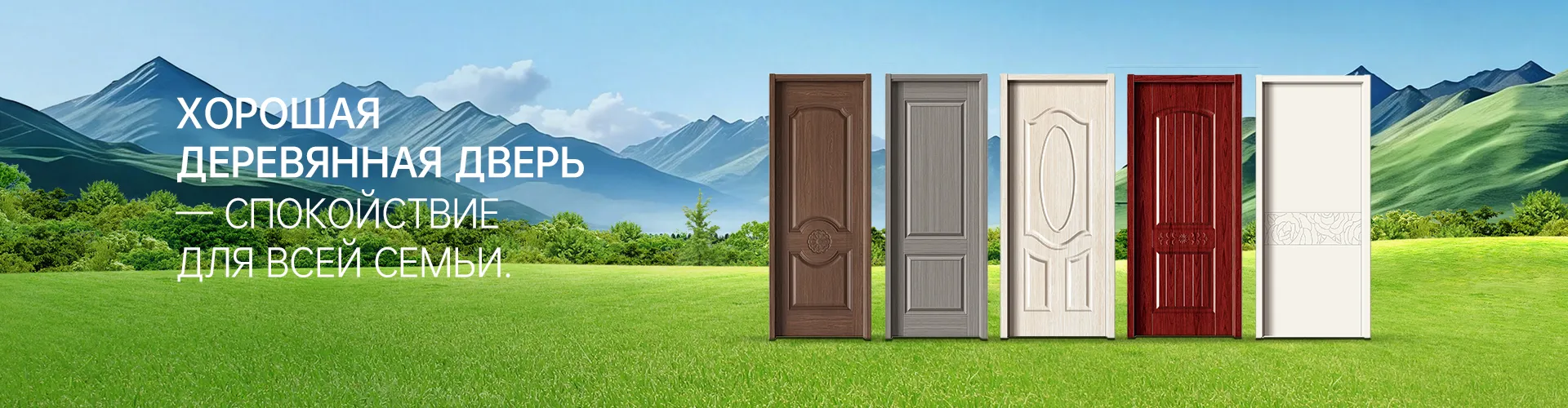
Plastic door brown without glass
When you hear “brown plastic door without glass?”, many immediately imagine something utilitarian, almost a temporary solution for a utility room. This is a common misconception. In fact, such a product is often a conscious choice for specific conditions where it is not so much visual openness that is important, but rather thermal insulation, privacy and resistance to stress. Brown color, by the way, is not always “wood”? in the literal sense - sometimes it’s just a deep, neutral tone that hides minor dirt well during intensive use.
Where and why is it really needed?
The main points of application are technical rooms, boiler rooms, exits to unheated balconies or loggias, where glazing is not only unnecessary, but can also become an unnecessary cold bridge. There are cases in commercial projects: warehouse areas, server rooms, where the requirements for temperature conditions and safety are high. Here, a solid canvas without glass gives a gain in terms of heat transfer coefficient. Checked it on site: the difference with the deaf oneplastic doorand the option with a double-glazed window, even in 1 chamber, could reach up to 15-20% in terms of heat retention in cold weather, which is critical for engineering systems.
Another point is acoustics. In residential complexes, such doors are often installed in elevator shafts or common hallways adjacent to apartments. A solid plastic sandwich with seals dampens noise much more effectively than any structure with glass, even triplex. But what is important here is the quality of the profile itself and the density of the vestibule. I saw unsuccessful examples where the door from the developer literally walked on its hinges, and all the advantages were nullified.
As for the brown color, this is not just a whim of the designer. Unlike white, it is less easily soiled in high-traffic areas where there is dust or possible hand contact. But there is a catch: cheap laminated films on a brown background fade faster in direct sun if the door, for example, faces the south side of the loggia. You need to look at the quality of the coating, preferably co-extruded or dyed in the mass.
Pitfalls in design and installation
It would seem that it could be simpler - a plastic rectangle without cutouts. But it’s the lack of glass that creates its own difficulties. A canvas without rigid glazing is more susceptible to sagging, especially when it comes to wide sashes. A good manufacturer will definitely put a reinforced steel reinforcing profile inside along the entire perimeter, and not just along the vertical posts. Once I came across a door that, after six months, began to wear out at the bottom - it turned out that the reinforcement was meager, and it was “led away”. from temperature changes.
Fittings are a separate issue. On a blind heavy sash, the load on the hinges and locking group is distributed differently. We need hinges with a large number of adjustments and a margin of safety. A common mistake is to install conventional fittings for balcony doors. It is not designed for constant intense slamming if it is a door to a service area with heavy traffic. It’s better to immediately take a specialized one, no lower class.
Seals. Their perimeter outline is the main barrier. Bbrown door without glassThey often save money on them by installing a cheap seal that hardens in the cold or quickly loses its elasticity. You need to check on the spot: the material must be soft, fit tightly, and in the corners - be seamless or well-soldered. Cold air and drafts leak in 90% of cases through the corners and porch.
Experience with suppliers and materials
The market is flooded with offers, but not everyone understands the specifics of blind solutions. Many factories are focused on translucent structures, and blank canvas is a by-product for them. Hence the attitude towards quality. I worked with different suppliers, including studying proposals from companies that specialize in wooden doors, but have PVC lines. For example,Anhui Wantai Woodworking Co.,Ltd (https://www.anhuiwantai.ru). Their main focus is known to be wooden doors for the international market, with an emphasis on design and practicality. But what's interesting is that their approach to quality control at all stages, from raw materials to production, sometimes bleeds into related products that they may offer or recommend as technical solutions.
Although their website and business philosophy are focused on wood, the very principle of “build a business on precision, win with quality”? - this is exactly what many pure plastic collectors lack. When choosingbrown plastic doorIt’s worth looking not only at the brand, but also at whether the manufacturer has clear standards for such “unglamorous” ones. products. It is often more profitable and reliable to work with a company that has a serious production base and a culture of control, even if plastic is not their main profile.
From a personal note: there was a project that required the installation of such doors in the hallway of the hostel. We purchased a batch from a local supplier - problems began immediately: colors did not match from batch to batch (brown turned out to be different), frames were distorted. We switched to products from a larger player with clearly defined technical conditions - and everything worked out as it should. Moral: in this segment, technical specifications and sample verification are more important than for interior doors.
Color ?brown? - it's not just one color
Here you can delve into the details that many people miss when ordering. Brown in RAL catalogs or according to the internal classification of factories is dozens of shades: from warm “walnut” to cold ?chocolate? or grayish brown. When orderingbrown door without glassFor existing interiors or other plastic elements (for example, window frames), you should definitely require a physical color sample, and not rely on a picture on the monitor. Metallized film and matte lamination under the same name “brown oak?” will be radically different in the light.
Another practical tip: if the door is located in an area exposed to sunlight, it is worth checking with the manufacturer about the degree of resistance of the coating to UV radiation. Inexpensive laminates in brown tones, especially those with a reddish undertone, tend to fade faster than classic white. Tested on a site with a glazed veranda: the brown slopes have noticeably faded over two years, while the white elements have not.
And of course, compatibility. Deafplastic doorbrown color often coexists with other materials. You need to watch how its shade works next to the paint on the walls, flooring, and metal handles. Sometimes a neutral brown will turn dirty yellow or purple in certain artificial lighting. It is best to mount a test sample on site before mass purchasing and observe it at different times of the day.
Final thoughts and priorities
So, to summarize practical experience.Plastic door brown without glass- this is not a “second-class door”, but a tool for specific tasks. Its choice should begin with a clear technical specification: where it stands, what loads it bears (temperature, mechanical, operational), what are the requirements for noise and thermal insulation. Only then come questions of color and appearance.
Priority number one is structural reliability: profile, reinforcement, fittings. The second is the quality of assembly and installation. You can buy an excellent door, but a crooked installation will reduce all its advantages to zero. And third is the durability of the finish, especially the color. Savings on any of these points come out sideways during the first year of operation.
Returning to the beginning: a product like this requires the same careful approach as any other door. And perhaps it’s worth taking a closer look at manufacturers who, likeAnhui Wantai Woodworking Co.,Ltd, initially cultivate a quality discipline, even if their main product range is wooden doors. Their approach to international standards and process control is a good guide to how production should operate to produce truly durable products, regardless of material.
Correspondingproducts
Related Products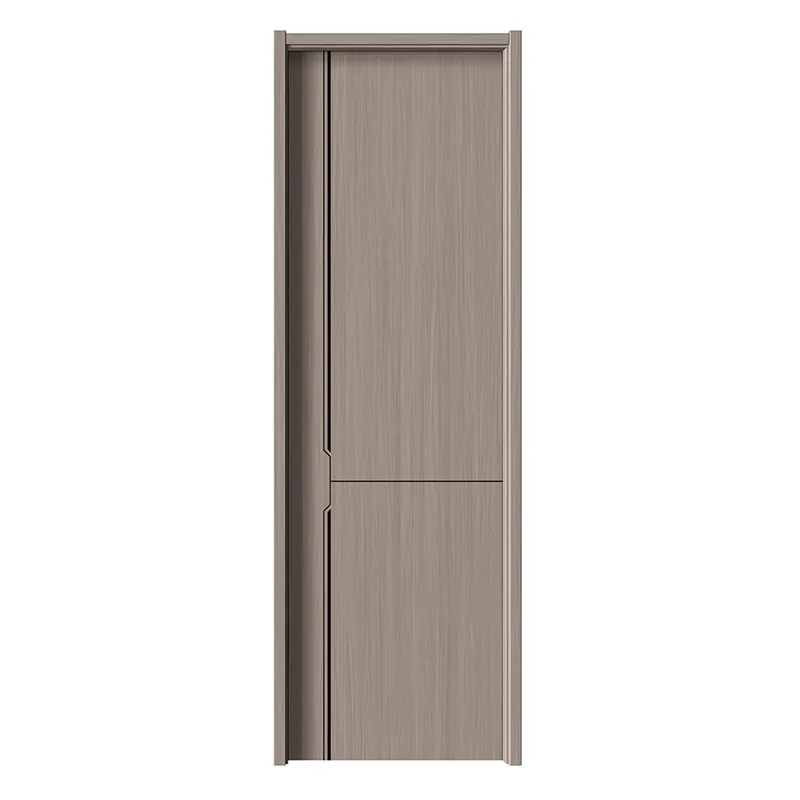
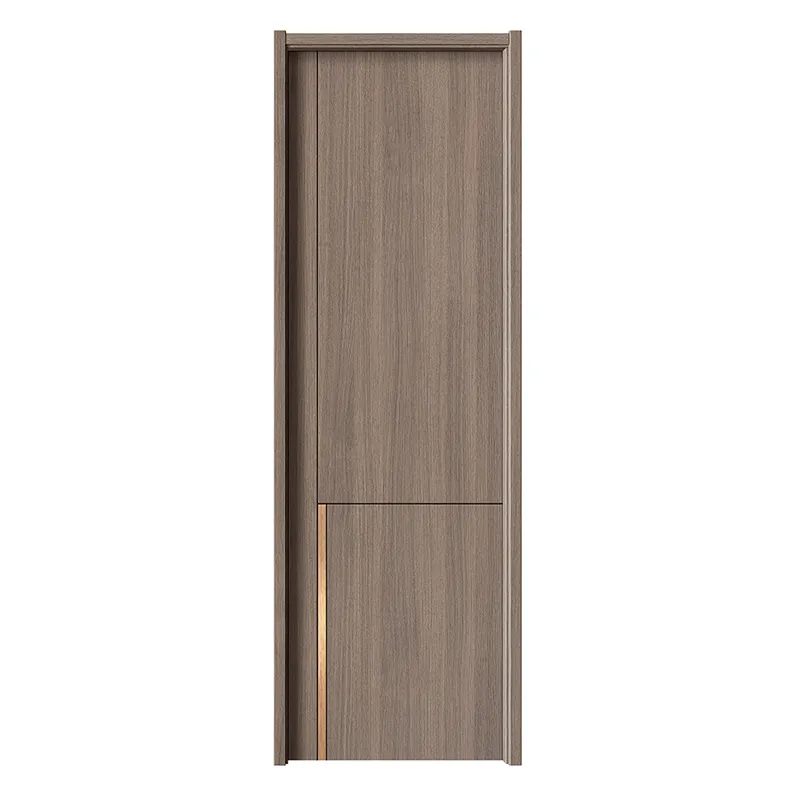
Best Sellingproducts
Best Selling Products-
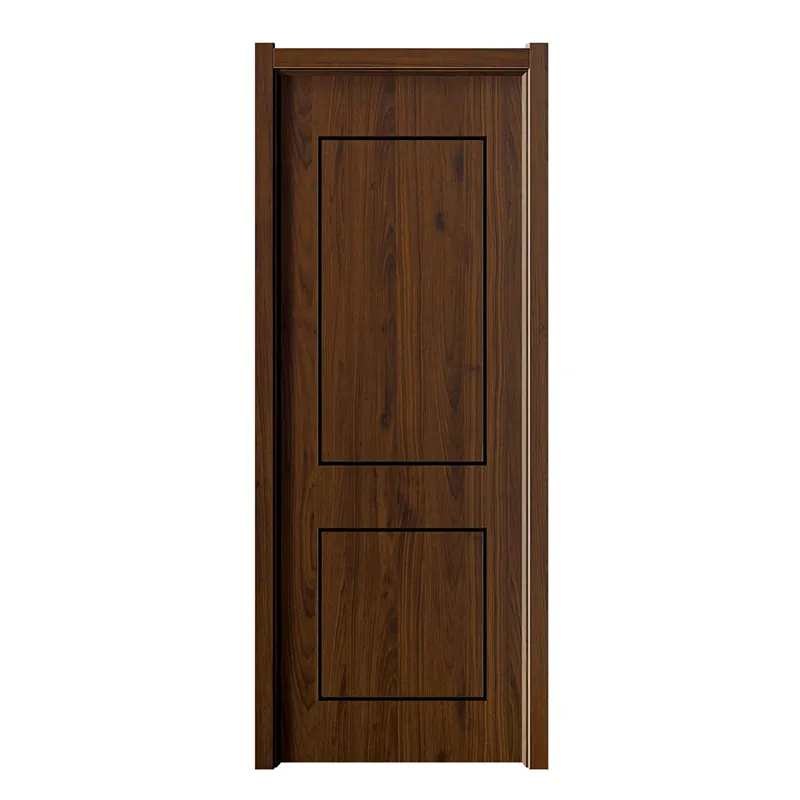 YST-WPC2 Door
 -
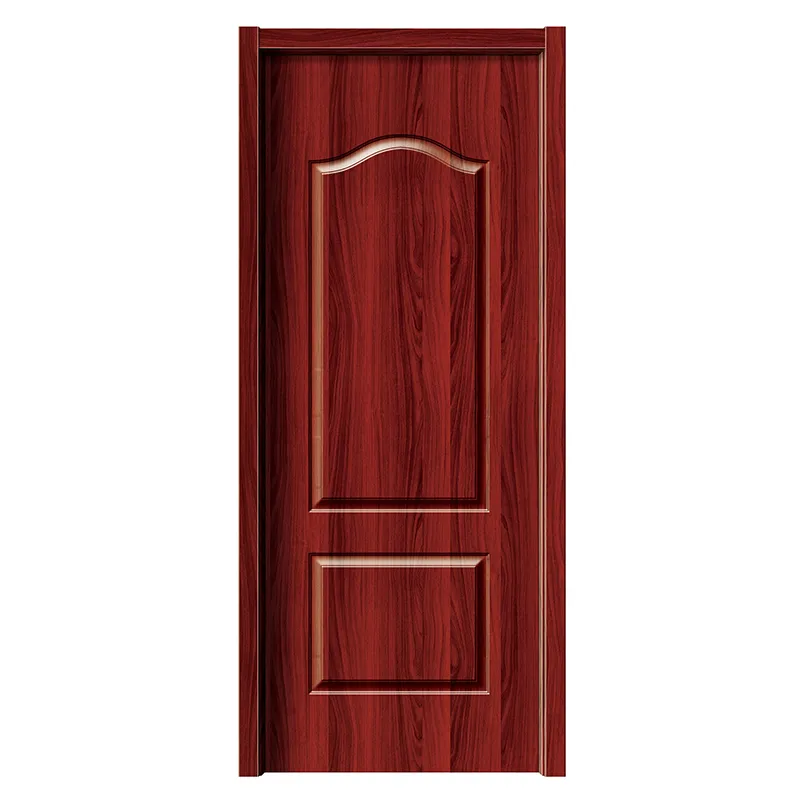 YST-207 Door Red team
 -
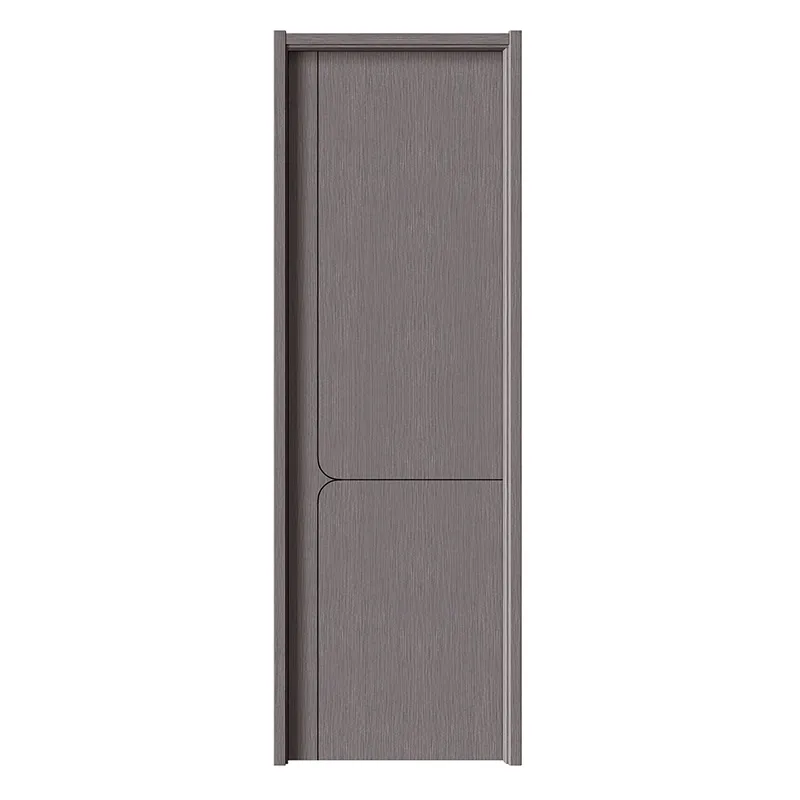 YST-1001 Door Chiaroscuro tree 2
 -
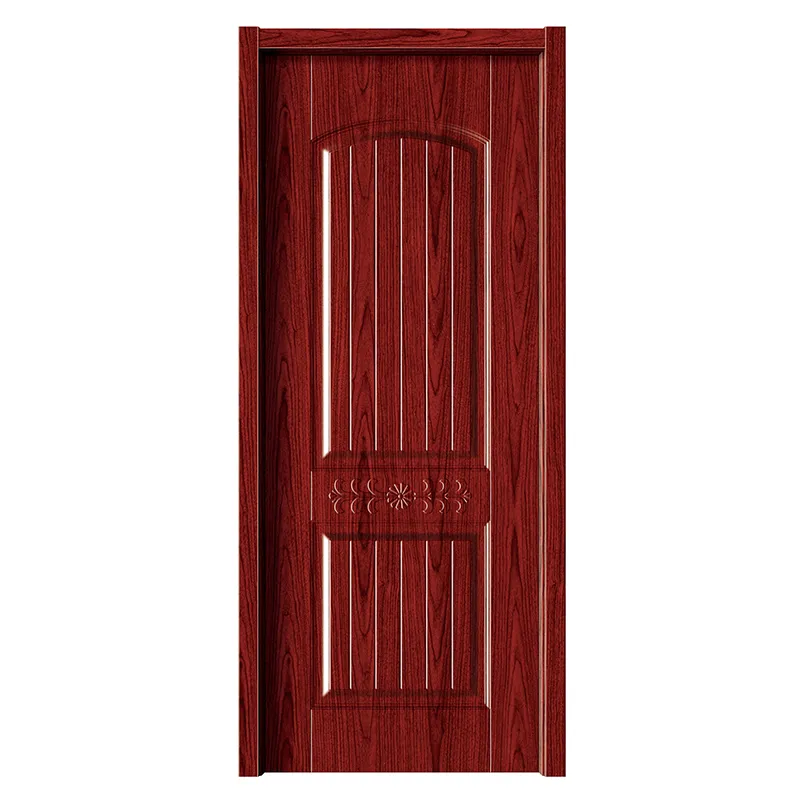 YST-233 Door Mahogany
 -
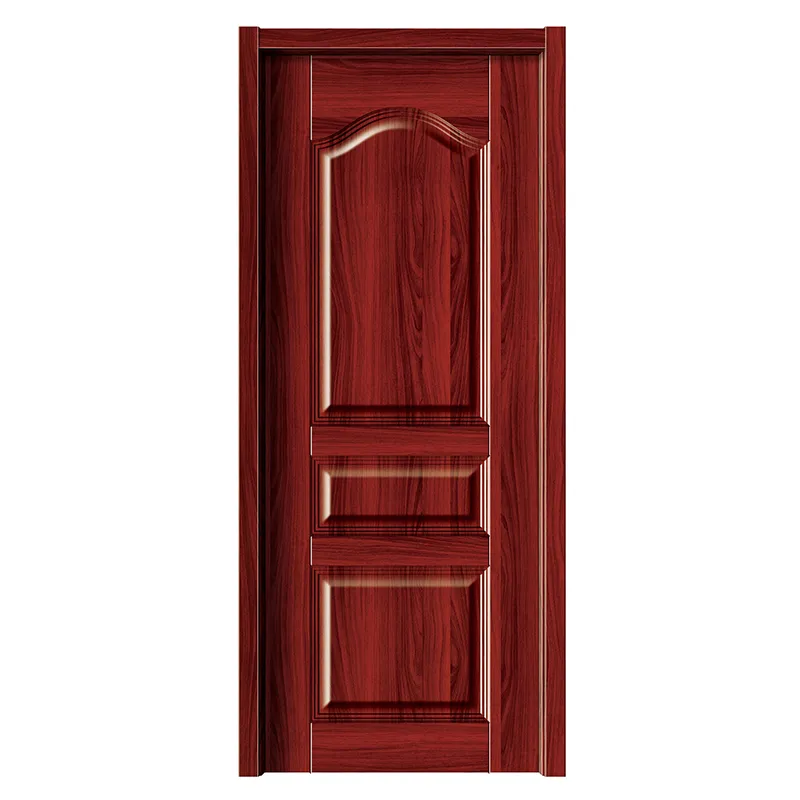 YST-203 Door Red team
 -
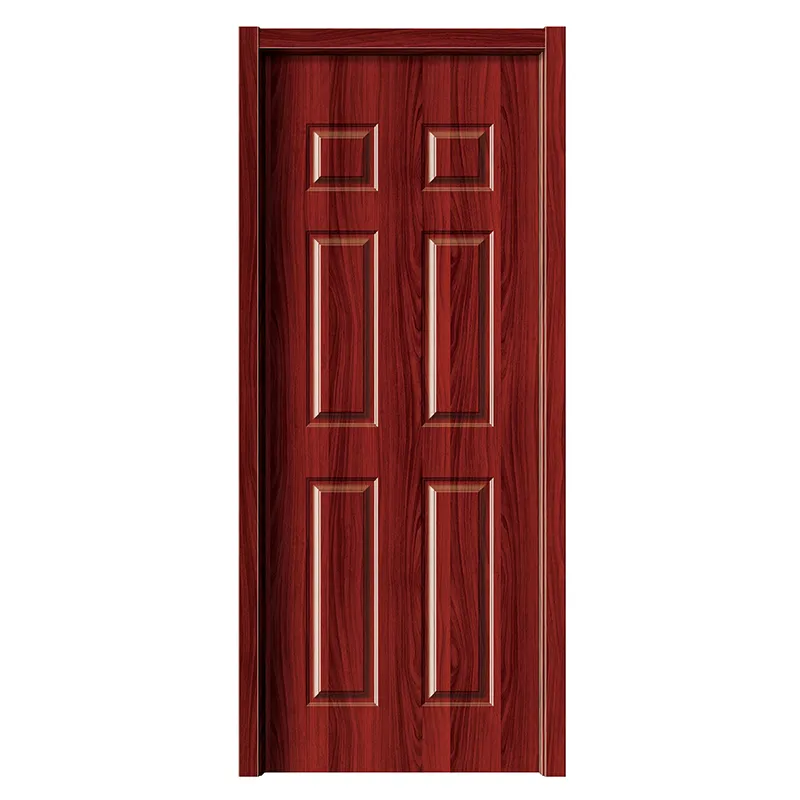 YST-201 Door Red team
 -
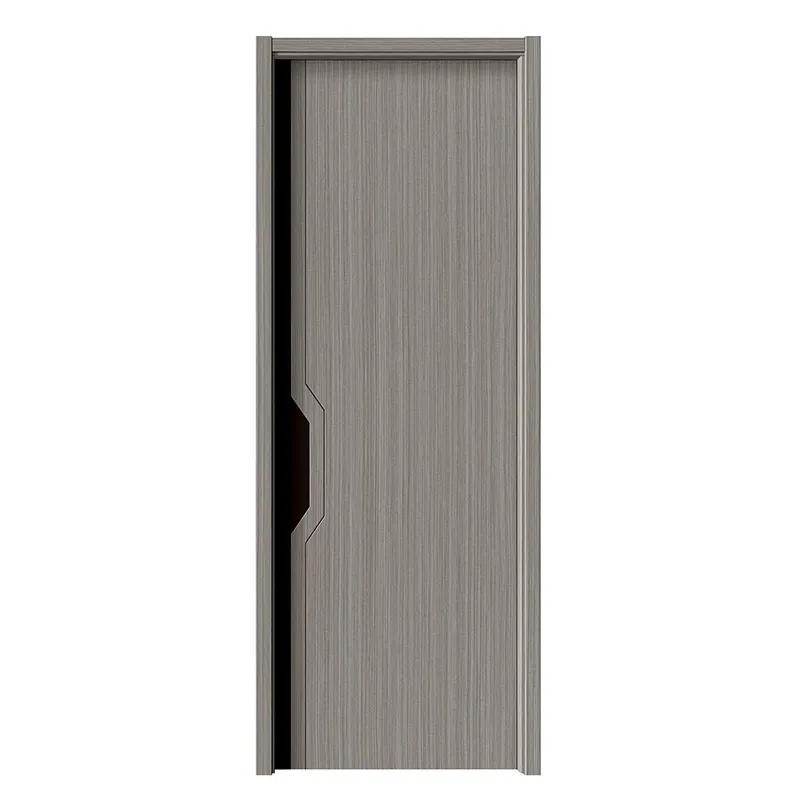 YST-1007 Technotree Door 2
 -
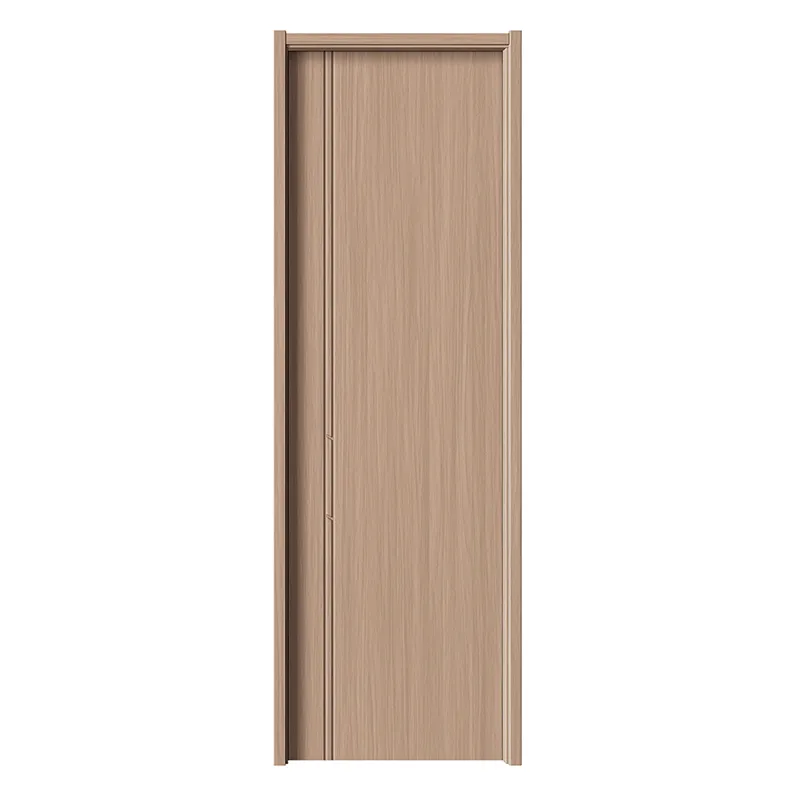 YST-1009 Door Translucent light shade 1
 -
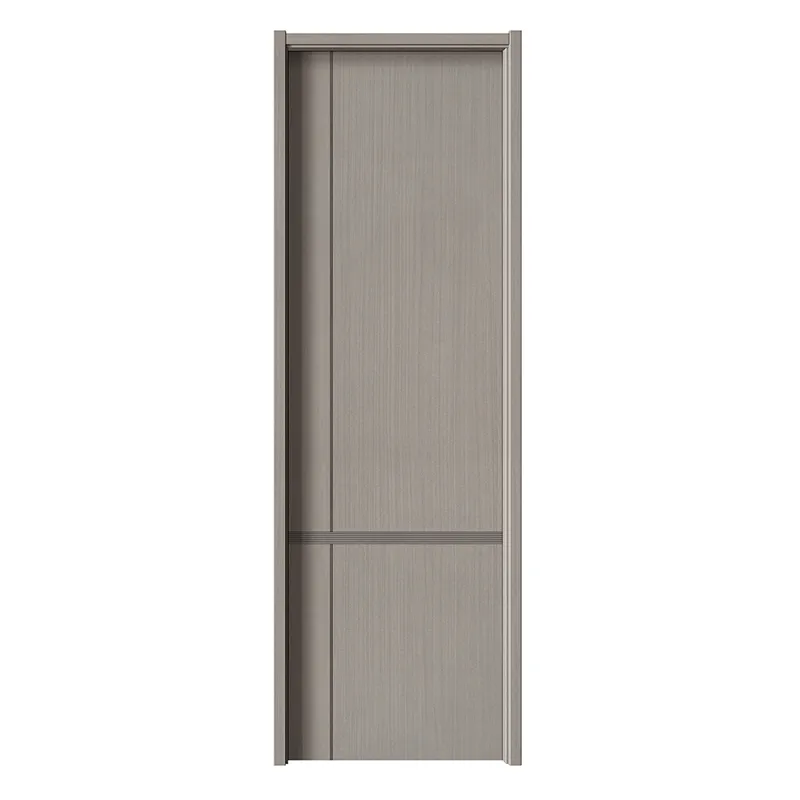 YST-1013 Door Cloud Walnut 1
 -
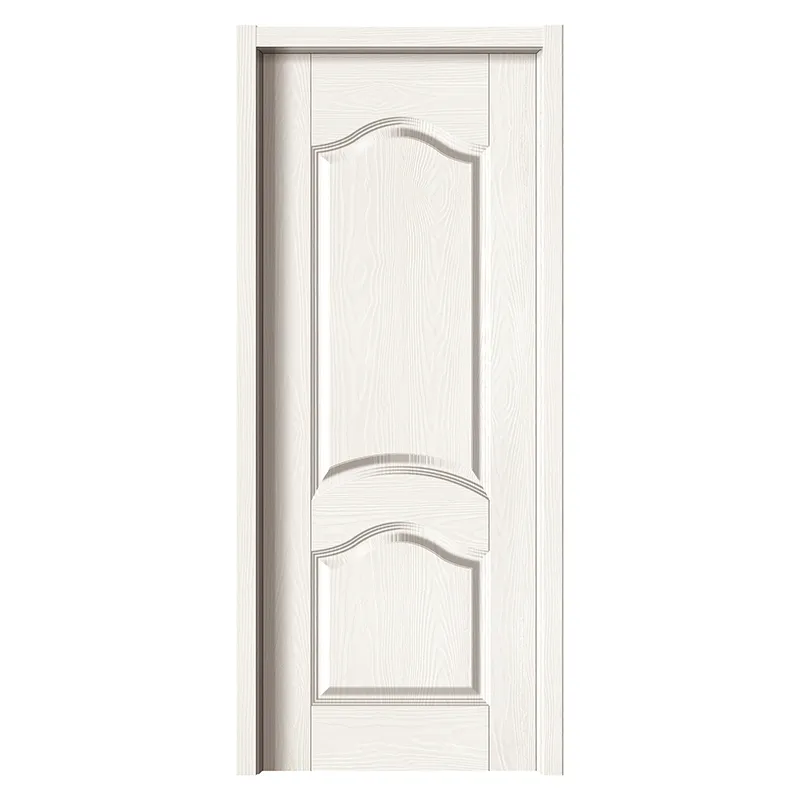 YST-224 Door Warm white with relief
 -
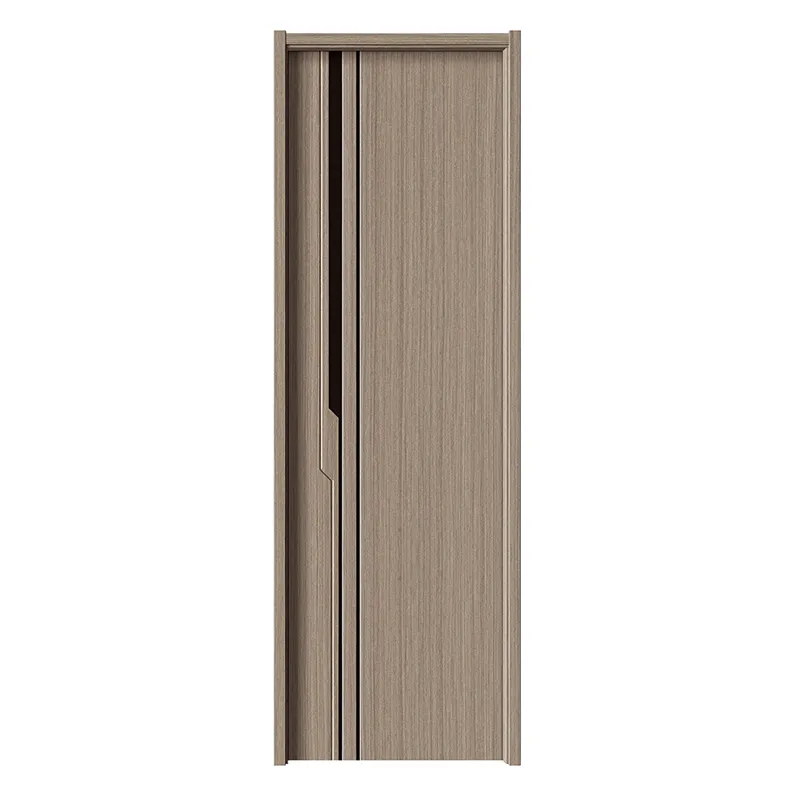 YST-1018 Technowood Door 1
 -
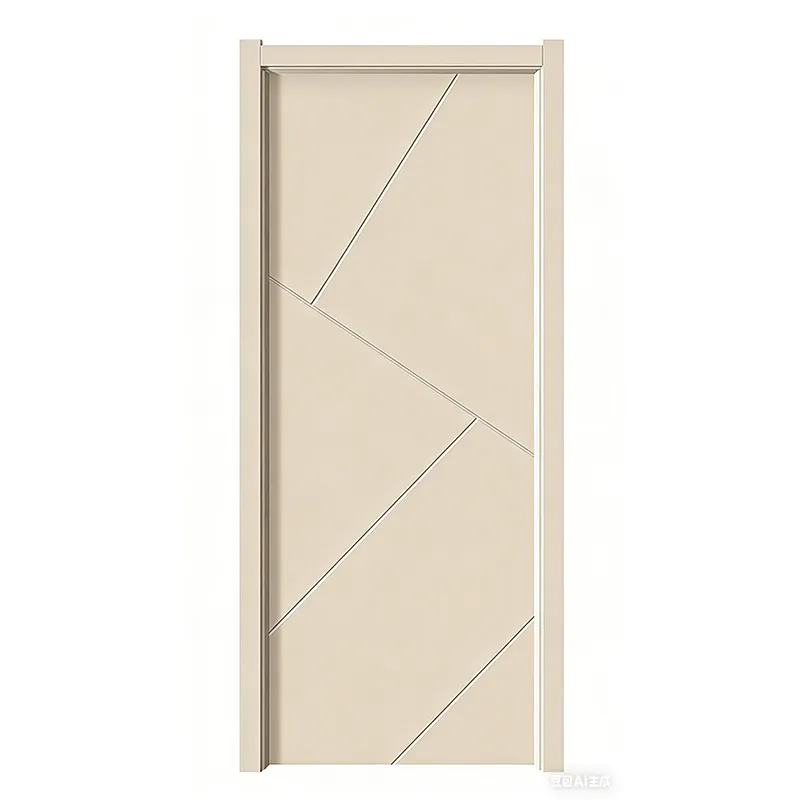 YST-WPC3 Door