




Plastic door entrance apartment
When they say “plastic entrance door to an apartment?”, many immediately have an image of a cheap, cold and unreliable structure for a dacha or entrance. And therein lies the main stereotype. In fact, modern plastic for entrance areas is no longer that flimsy material from the 90s. We are talking about complex multi-chamber profile systems, reinforced with steel, with seals in several circuits. But even here there are pitfalls that are not written about in colorful catalogues. I have come across situations many times when people, trying to save money, bought a “plastic door?” according to the principle “if only it was?”, and then for years they struggled with blowing, condensation and backlash. Or vice versa - they overpaid for the brand, not understanding what exactly they were paying for. Let's go in order.
What actually makes a good plastic door?
The key word is profile. If for windows it is still possible to talk about three to five chambers, then for the entrance door to an apartment the minimum, which I would not recommend messing with at all, is a five-chamber profile with a thickness of external walls of 3 mm. Better yet, six- or even seven-chamber systems. Why? Because we are talking about a direct border with an entrance, a street, where there are temperature changes, drafts, and attempts to break in. A thin-walled profile simply will not withstand the load from a powerful lock and will “play?” on hinges. I have seen doors where, after a year or two of use, microcracks from stress appeared in the corners of the profile - almost always the weak plastic, not designed for such loads, was to blame.
The second point is reinforcement. This is a steel liner inside the profile. It must be closed, that is, it must be a rectangular pipe, and not a U-shaped bar. The latter is a saving that negates all the rigidity of the structure. The thickness of the metal in the reinforcement is also important - 1.5 mm is the standard, but for doors in problem houses (strong drafts in the entrance, vibrations) it is better to look for 2 mm. Without this, even the most expensive fittings will quickly become loose.
And the third basis is a double-glazed window. For an entrance door, it should not just be two-chamber, but energy-saving (with i-glass or soft coating) and, preferably, with high-strength outer glass (triplex or tempered). This is not only a safety issue, but also a heat issue. The huge glazing area is a cold bridge if you save on it. A common mistake is to install a beautiful door with a large double-glazed window, but of the simplest type. In winter, there is cold air near it, and mold may appear on the slopes.
Accessories: what you should never skimp on
This is a different story. Hinges, locks, locking mechanisms - these are things that work dozens of times every day. Cheap fittings on a plastic door fail catastrophically quickly. This is especially true for multi-locking systems (perimeter bolts). They must move smoothly, effortlessly, and all crossbars must fit clearly into the counters. In practice, it often happens that out of 5-6 crossbars, three work normally, and the rest only create the appearance of protection without reaching the stop. You can check this during installation: if you feel noticeable resistance or, conversely, “emptiness” when turning the key or handle. - this is a bad sign.
I always recommend checking the brand of the hardware. Roto, Siegenia Aubi, Maco are proven names. They are counterfeited, of course, but still the chance of getting a high-quality unit is higher. And one more nuance that many people miss is anti-removal bolts (anti-burglary “fungi?”). A good door should have them by default. These are protrusions on the crossbars that, when locked, extend behind the counterpart and prevent the door from being lifted or pulled out, even if the hinges are cut off.
Separately about closers. For apartments, they often install the simplest hydraulic ones or abandon them altogether. But if there are children or elderly people in the family who may not be able to close the door enough, it is worth considering an adjustable door closer with a locking function in the open position. This will protect both your fingers and the hardware itself from sharp pops.
Installation: where 70% of success (or failure) lies
You can buy the most expensive door from the best manufacturer, but a crooked installation will reduce all its advantages to zero. The main mistakes of installers that I have encountered are: incorrect foaming of the assembly seam, lack of vapor barrier on the inside, rigid fastening without taking into account the thermal expansion of the profile and, most often, incorrect leveling in all planes.
The correct installation joint should be three-layer: on the outside - a vapor-permeable sealing tape (PSUL), then a layer of mounting foam with a low coefficient of secondary expansion (so as not to deform the box), and on the inside - a vapor barrier tape. Without this, over time, the foam in the seam will gain moisture, collapse, and the door will begin to leak. I have seen such cases in new buildings, where installers worked for speed.
Another critical point is attaching the box to the wall. Anchors or mounting plates should be placed at a certain pitch, not too often, but not too rarely. And a technological gap must be left between the box and the wall to compensate for the expansion of the plastic. If you screw it “tightly”, in the summer the door may stop closing due to the pressure of the heated profile.
When is plastic not the best choice? Honestly about the shortcomings
With all its bells and whistles - thermal insulation, durability, weather resistance -plastic entrance doorfor an apartment there are also objective restrictions. The first is design. Whatever one may say, plastic, even with high-quality lamination “like wood”, often looks less status and solid than solid wood. For apartments in historic buildings or for clients who value naturalness, this can be a decisive factor.
The second point is maintainability. While traces of a break-in can be welded on a metal door and the hinges can be welded, a plastic profile that is seriously damaged, as a rule, cannot be restored. The entire element changes, and this is difficult and expensive. It is also worth remembering that plastic, especially light shades, may turn slightly yellow over time under the influence of ultraviolet radiation if the door faces the sunny side.
And the third aspect is the subjective perception of safety. Many customers, on a psychological level, do not trust plastic as a material for the “main thing”. barrier. They need weight, massiveness, the sound of metal. Here, by the way, it’s worth taking a closer look at the combined options. For example, some manufacturers, like the companyAnhui Wantai Woodworking Co.,Ltd (https://www.anhuiwantai.ru), which is known for its wooden doors that combine aesthetics and practicality, can offer interesting solutions. Although their main specialization is wood, their understanding of the market forces such players to follow trends in related segments, including combined structures. Their approach to precision and quality at all stages - from raw materials to process control - is exactly the standard that is often lacking in the mass segment of plastic doors.
What's the result? Personal checklist when choosing
Summarizing my experience, when people come to me for advice, I always say: start not with design, but with technical specifications. 1) Measure the opening, take into account where the door will open (inside/outside, left/right). 2) Determine the priority: maximum heat, maximum safety, maximum sound insulation? Based on this, it will be clear which profile and fittings to look at. 3) Don’t take our word for it “European quality”. Ask to show a section of the profile, ask for certificates for fittings, ask what kind of reinforcement is inside. 4) Be sure to discuss installation details with your installer. Who supplies the seam materials? How will you level it? Is there a guarantee for the work? 5) And most importantly - touch, turn, open and close the selected model in the show room. The sensations from the operation of the mechanism will say a lot.
Plastic entrance door to the apartment- This is an excellent solution for most typical high-rise buildings. It is warm, does not require constant maintenance like wood, and does not rust like steel. But its advantages are revealed only under the condition of high-quality material, competent packaging and, critically, professional installation. To skimp on one of these items means you will have a problem for years to come.
Sometimes it's worth looking at alternatives. For example, if you need unique aesthetics and naturalness, then the market offers worthy solutions from wooden door manufacturers. Same companyAnhui Wantai Woodworking Co.,Ltdwith its modern production base and design team, it works on the principle of “building a business on precision, winning with quality,” which is always a key argument for a responsible buyer. In the end, a door is an investment in the comfort and safety of your home for many years, and it is worth approaching its choice with this yardstick.
Correspondingproducts
Related Products

Best Sellingproducts
Best Selling Products-
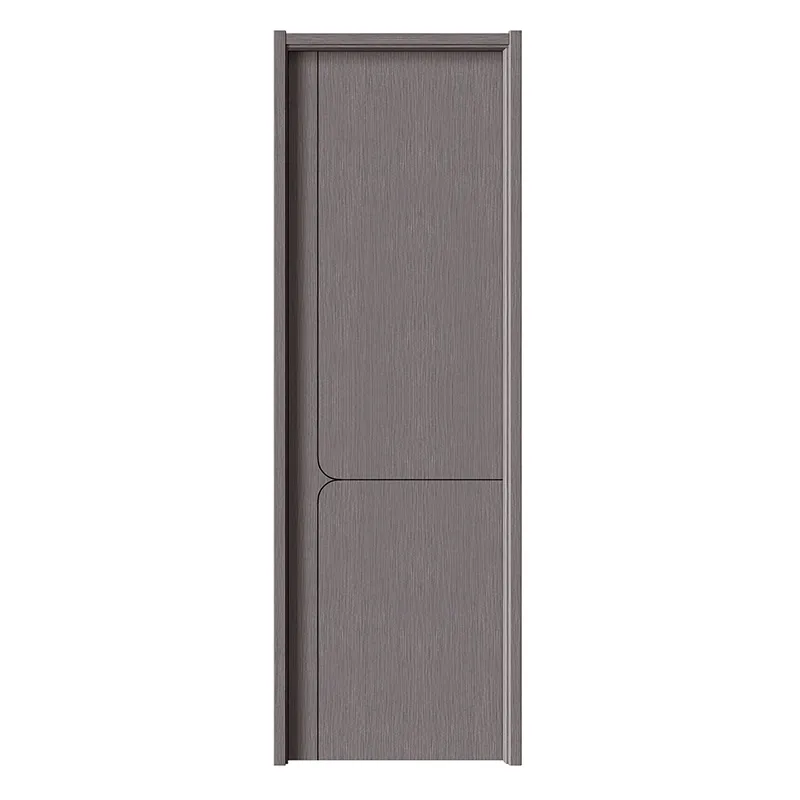 YST-1001 Door Chiaroscuro tree 2
 -
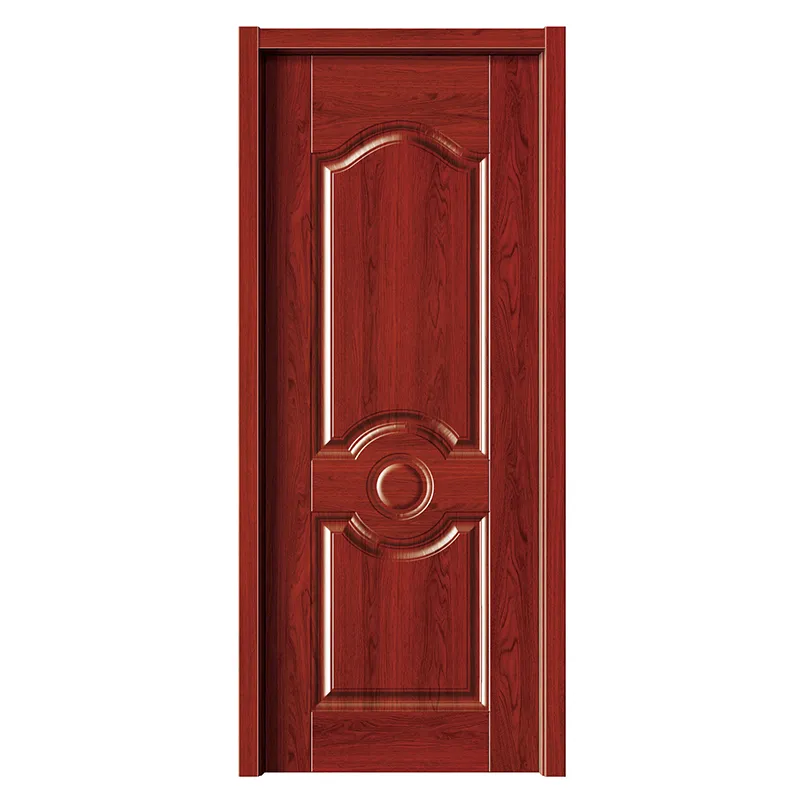 YST-208 Door Red Sandalwood
 -
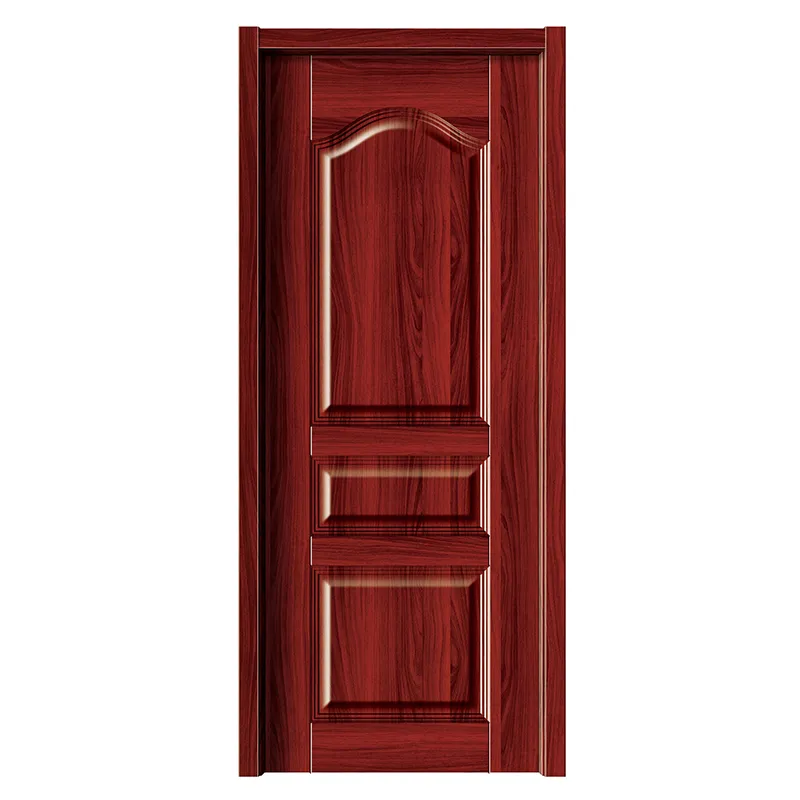 YST-203 Door Red team
 -
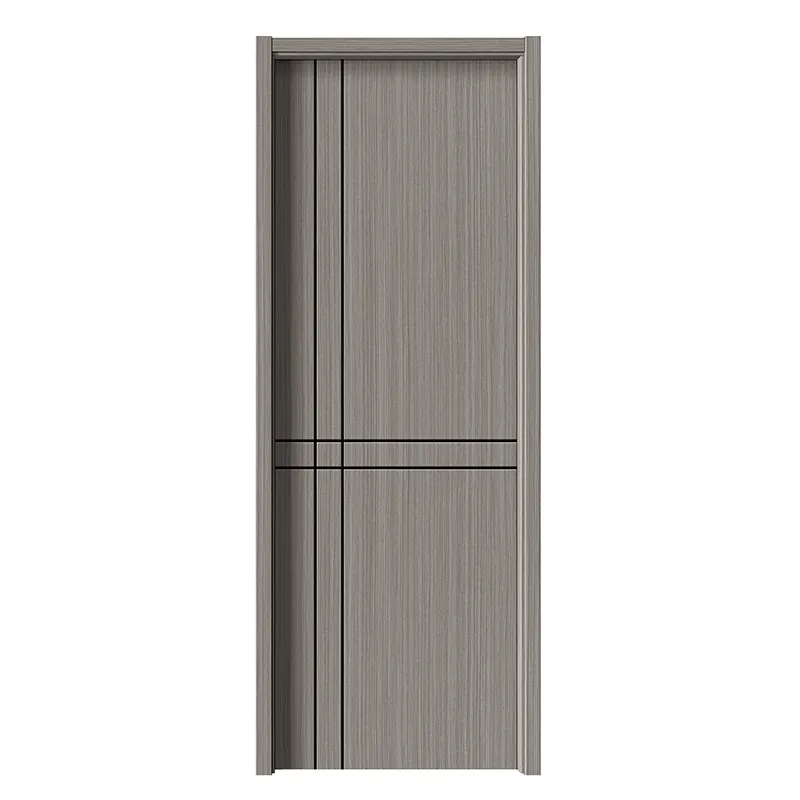 YST-1004 Door Technotree 2
 -
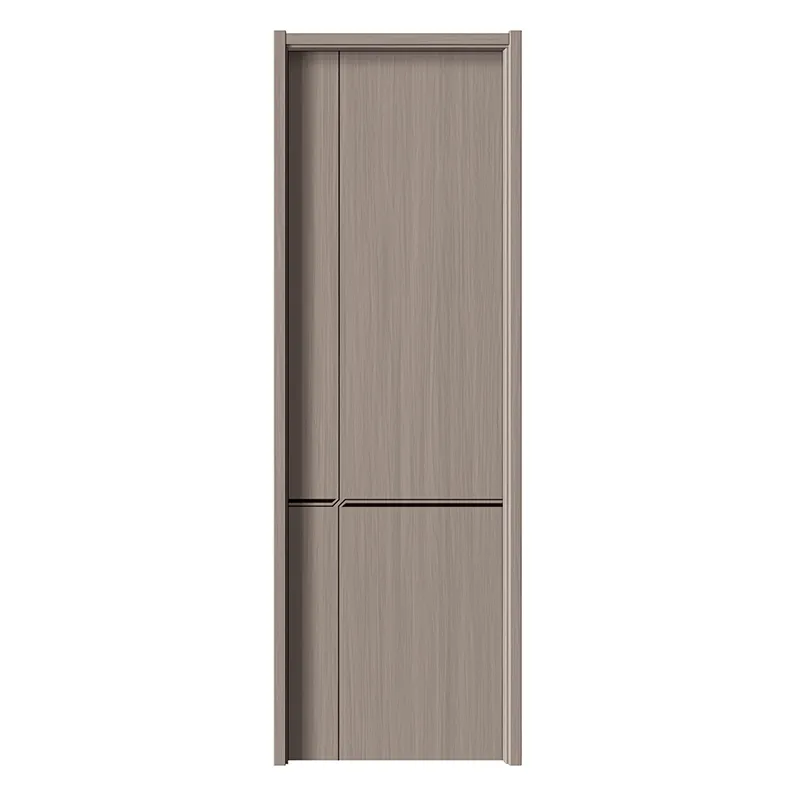 YST-1010 Door Translucent light shadow 3
 -
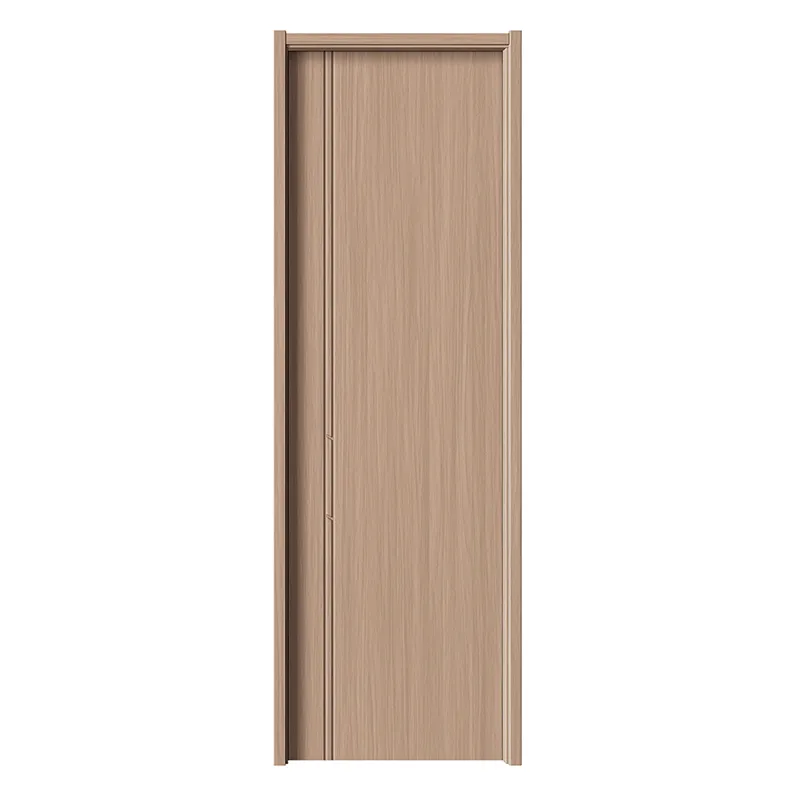 YST-1009 Door Translucent light shade 1
 -
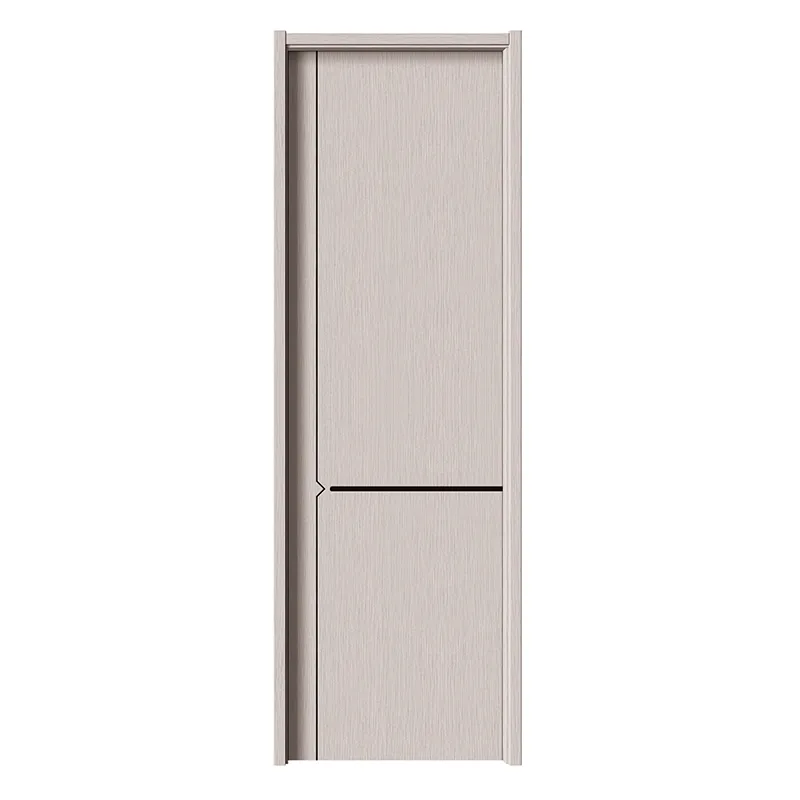 YST-1024 Door Chiaroscuro wood 1
 -
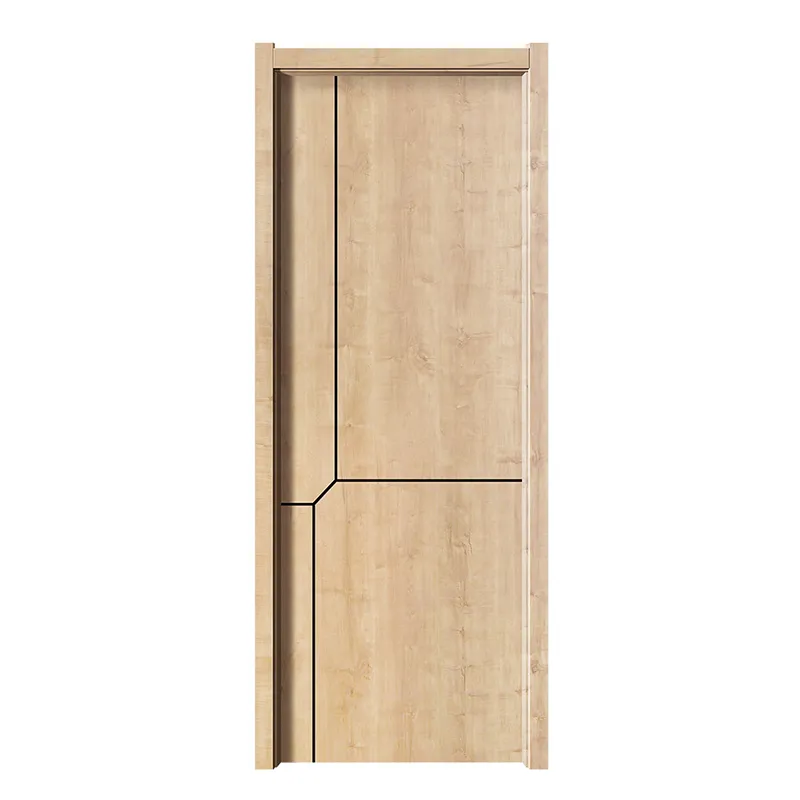 YST-WPC1 Door
 -
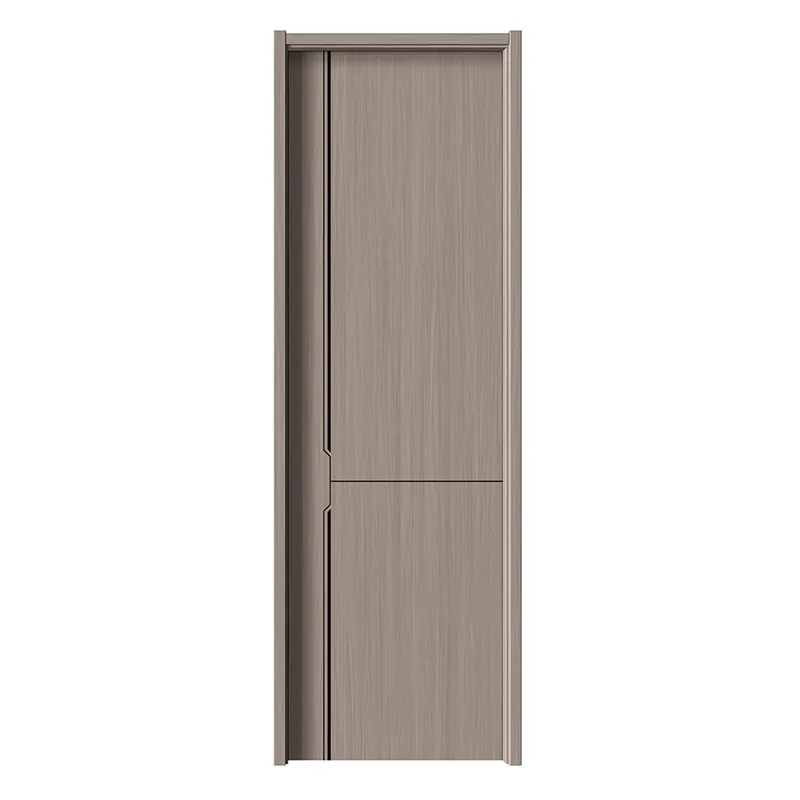 YST-1011 Door Translucent light shadow 3
 -
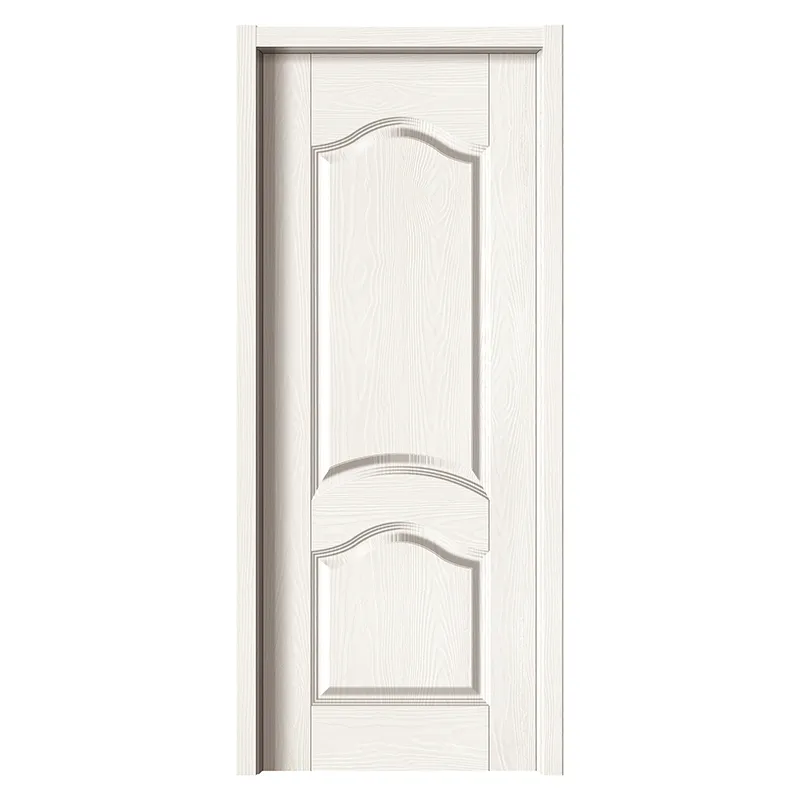 YST-224 Door Warm white with relief
 -
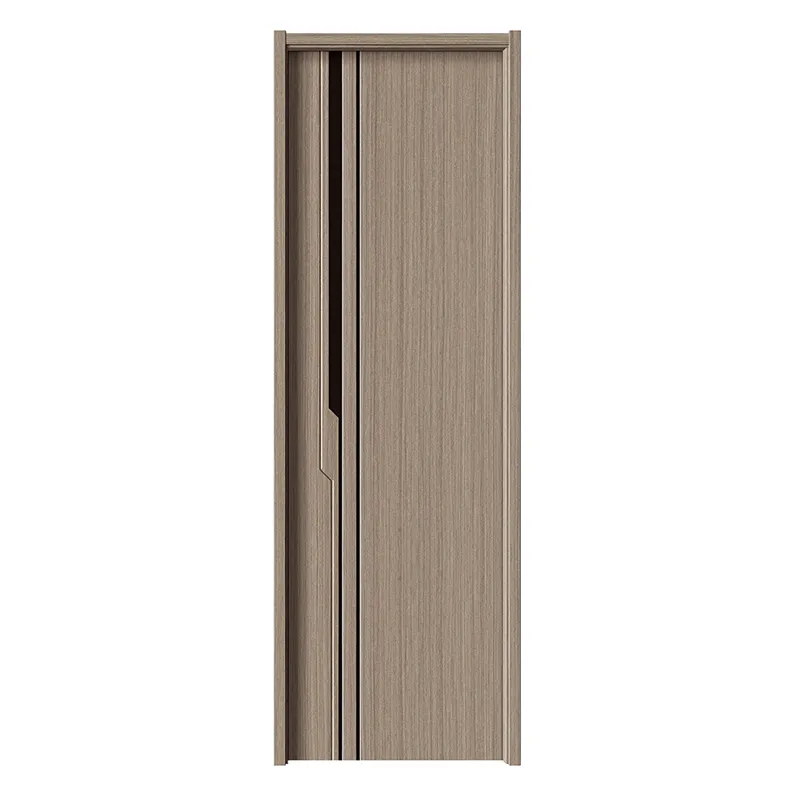 YST-1018 Technowood Door 1
 -
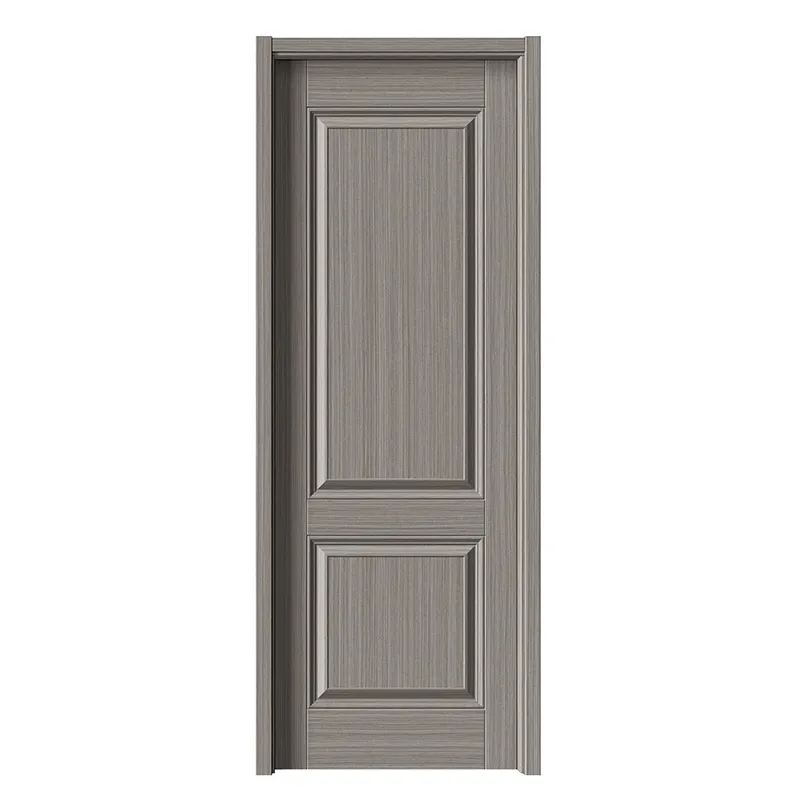 YST-214 Door Technowood 2