




Solid mahogany door
When they talk about solid mahogany doors, many people immediately imagine something monumental, expensive and, frankly, sometimes even overly pretentious. This is the first misconception you encounter in your work. In fact, it all comes down to understanding the wood itself - its whims, its soul, if you like. Mahogany is not one species, but a whole group, and not only the final shade, but also the behavior of the canvas in our, not always ideal, conditions depends on which one was used - mahogany, sapele, meranti. I’ll say right away: if you see a perfectly smooth, almost plastic pattern on a door that is positioned as a solid door, it’s worth asking questions. A real array lives, breathes and has character.
What is behind the name 'solid mahogany'?
In practice, I often come across the fact that under this term the client can be given anything: from veneer on a pine frame to glued slats of dubious origin. The key word here issolid mahogany. This means that the canvas or its load-bearing structure is assembled from solid pieces of wood glued together, and not from pressed shavings or plywood. Why is this necessary? First of all, for stability. A properly dried and glued array is much less susceptible to deformation than, for example, an MDF panel lined with veneer.
But there is a nuance here too. A combined technology is often used: the frame and panels are made from solid wood of the same valuable species, and the internal lintels are made from more stable, for example, dried pine. This is not a cheat, but a reasonable compromise to reduce weight and cost without sacrificing visual impact and strength. It is important that the supplier is transparent about this. For example, I have seen samples fromAnhui Wantai Woodworking Co.,Ltd— their specifications clearly state where solid mahogany goes and where other materials go. This is an honest approach.
The most difficult thing about working with redwood is drying it. An insufficiently dried board will cause the entire structure to weaken, cracks will appear, or, worse, a 'propeller' will appear. The ideal humidity for work is 8-10%. It is almost impossible to check this “by eye” upon acceptance, so it all comes down to trust in the manufacturer and his control at the stage of raw material procurement. This is where the very “precision” that many claim is important, including the mentioned company with its concept of “building a business on accuracy.” On the websiteanhuiwantai.ruit is clear that the emphasis is on the full cycle of control, and for doors made of such material this is critically important.
Practice: from selection to installation
I’ll tell you the example of one order for a private house near Moscow. The customer wanted exactlysolid mahogany doorfor the office - dark, with a deep tone. We chose sapeli because of its pronounced texture and relative stability. The first mistake we almost made was not taking the heating system into account. The door had to stand next to a powerful radiator. If the heat flow had not been redirected, trouble could have started within a season - uneven heating and drying out.
The second point is processing. Mahogany, especially sapele, contains many oils and natural resins. If you immediately cover it with, say, the wrong primer, the topcoat may appear stained or peel off over time. We did a test coloring on the trim. First they degreased it, then they used a special insulating primer for oily rocks. Only after this - several layers of matte varnish. The result is depth of color and protection.
Installation is a different story. The massive door is heavy. Standard hinges may not hold up. I had to install three reinforced hidden hinges, and in the box I had to further strengthen the porch. The installers grumbled at first, but when everything fell into place and worked without creaks or distortions, they agreed that it was worth it. This is to the question that such a door is not just “insert into the opening”, but a complex engineering task.
Aesthetics versus practicality: where is the balance?
Often designers are chasing the perfect, 'glossy' picture. But in life, a door is an active element of the interior; it is touched, it is subject to impacts, and changes in humidity. The glossy finish on solid mahogany is beautiful, but every fingerprint and small scratch will be clearly visible. For active families or commercial spaces, I would recommend a matte or semi-matte finish. It is more durable and better hides traces of use.
Another controversial point is the carving and panels. The complex terrain, of course, adds solidity. But he is also the main dust collector. In a city apartment with its dust, it is more difficult to care for such a door. Sometimes it is better to choose a more simplistic design with a beautiful, but flat panel that will highlight the natural grain pattern. Aesthetic design, which many manufacturers write about in their philosophy, likeAnhui Wantai Woodworking Co.,Ltd, must go hand in hand with practicality. As you can see on their website, the range includes both classic threaded models and more modern, formal options - this is the right approach to meet a variety of needs.
Color. Natural mahogany is rarely uniformly red. Shades can vary from pinkish-brown to deep red-brown. Many clients do not know this and are then surprised that the door is 'not the same as in the picture in the catalogue'. It is important here to show live samples, to explain that the tone can “vary” a little from part to part. This is not a marriage, but a natural feature. Artificial tinting can even out the color, but then some of the natural beauty and texture play is lost.
Market and supplier selection
Now the market is flooded with offers. How to distinguish a reputable manufacturer? The first is the detail of the proposal. If the technical description contains only general phrases “elite mahogany door”, this is an alarm bell. You need to look at the thickness of the array at key nodes, the type of gluing (preferably mini-tenon), and guarantees for the geometry. The second is openness. It’s good when a company shows not only finished products, but also production stages and a lumber warehouse. As, for example, on the sameanhuiwantai.ru— it is clear that we have our own production base, and not just an assembly from purchased semi-finished products.
The team's experience is not just empty words. When you talk to a technologist who can clearly explain why it is better to choose one or another fabric design for a particular opening, or a designer who understands not only trends, but also the physics of the material, this is worth a lot. Judging by the description, this is exactly the team that works in the mentioned company. This gives confidence that the door will not only be beautiful, but also technically competent.
Price.Solid mahogany doorcannot be cheap by definition. Too low a price is almost always an indicator of savings on raw materials (under-dried wood, thin veneer instead of solid wood) or on processes (simplified assembly, cheap fittings). It's better to pay once for a quality product that will last decades than to have to deal with repairs or replacements every few years. And here we return again to the principle of “winning with quality,” which should not be a slogan, but a real practice.
Bottom line: things to remember
So to summarize my experience.Solid mahogany dooris a great, long-lasting solution, but it requires a conscious approach. You can't just buy it as an accessory. You need to understand the material, take into account operating conditions (heating, humidity), correctly select fittings for installation and trust the work to trusted specialists from installation to finishing.
The beauty of such a door is in its naturalness and 'imperfection'. Light fibrousness and natural changes in tone are its advantage, not a disadvantage. It adds warmth and status to the interior, but only if done wisely.
When choosing a manufacturer, look in depth: at technology, control, transparency of information. These are exactly the criteria stated by companies seriously working on the international market, seeking to satisfy diverse needs. After all, a good door is one that you stop thinking about once installed because it simply works flawlessly and is pleasing to the eye year after year. Everything else is details, but it is from them, like glued lamellas, that the overall picture of quality is formed.
Correspondingproducts
Related Products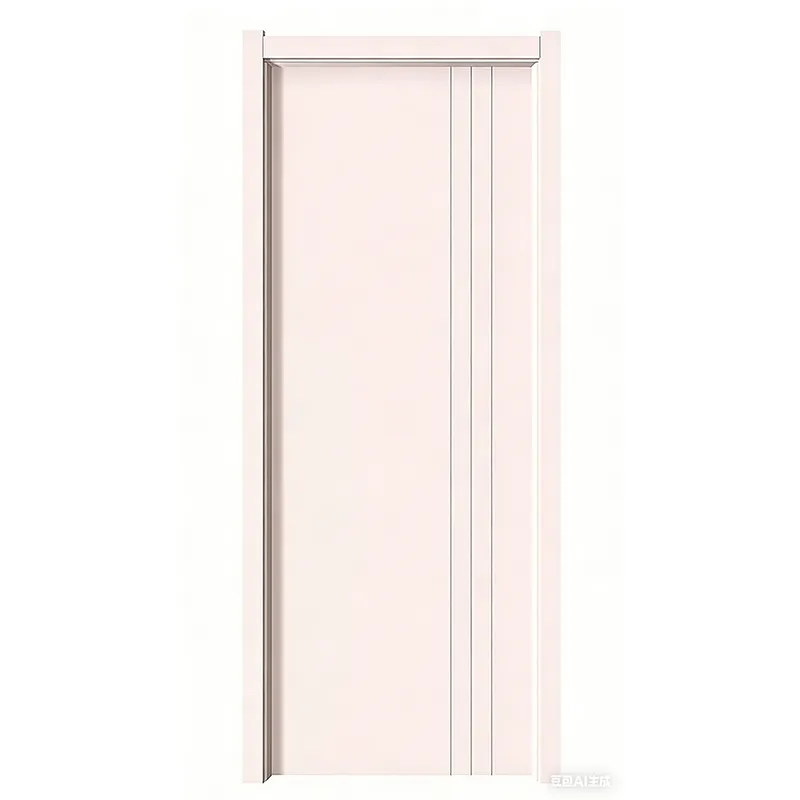
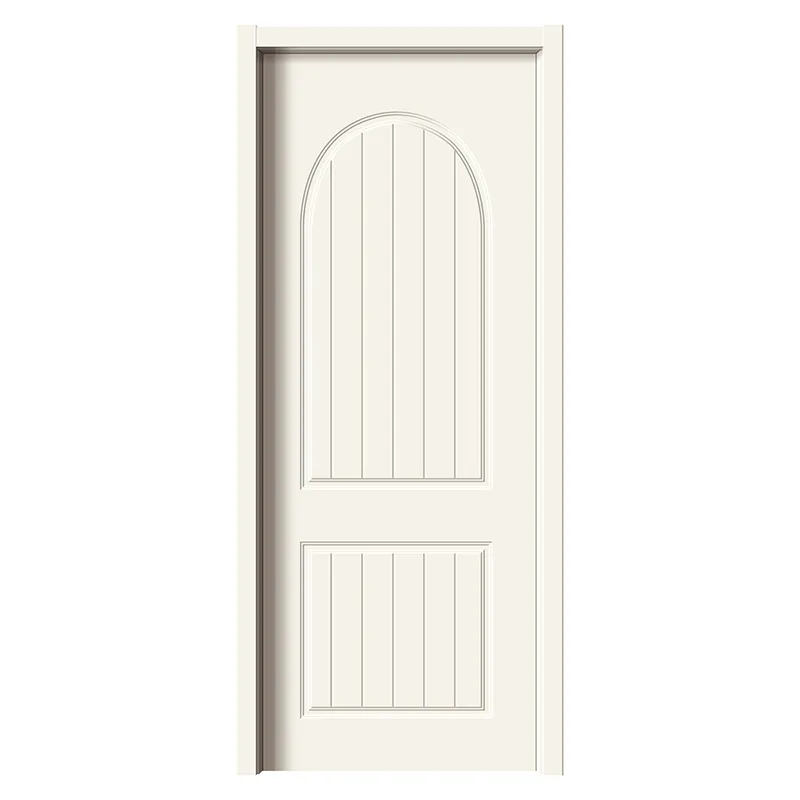
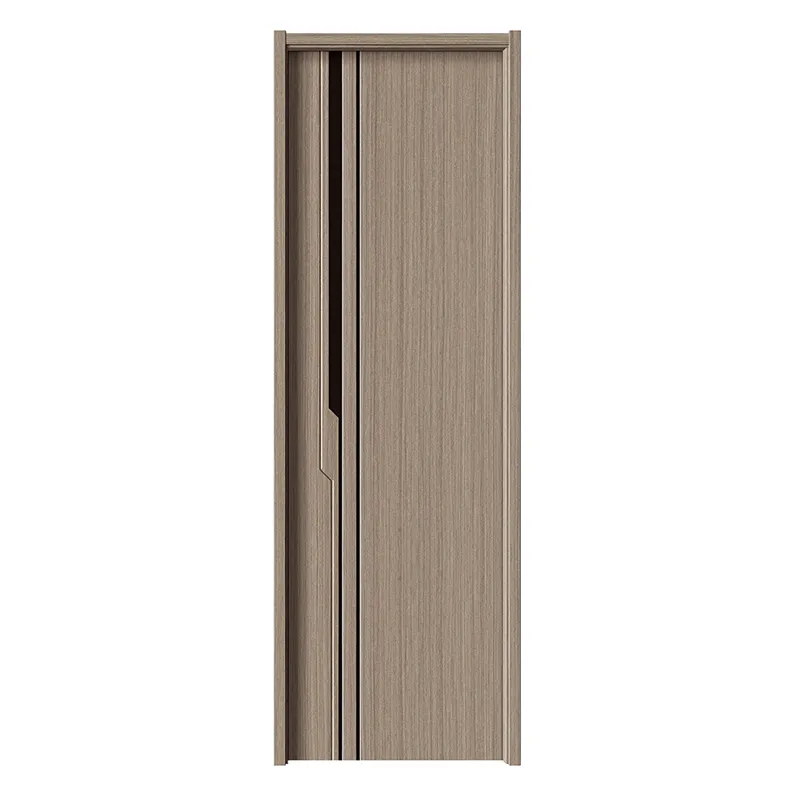
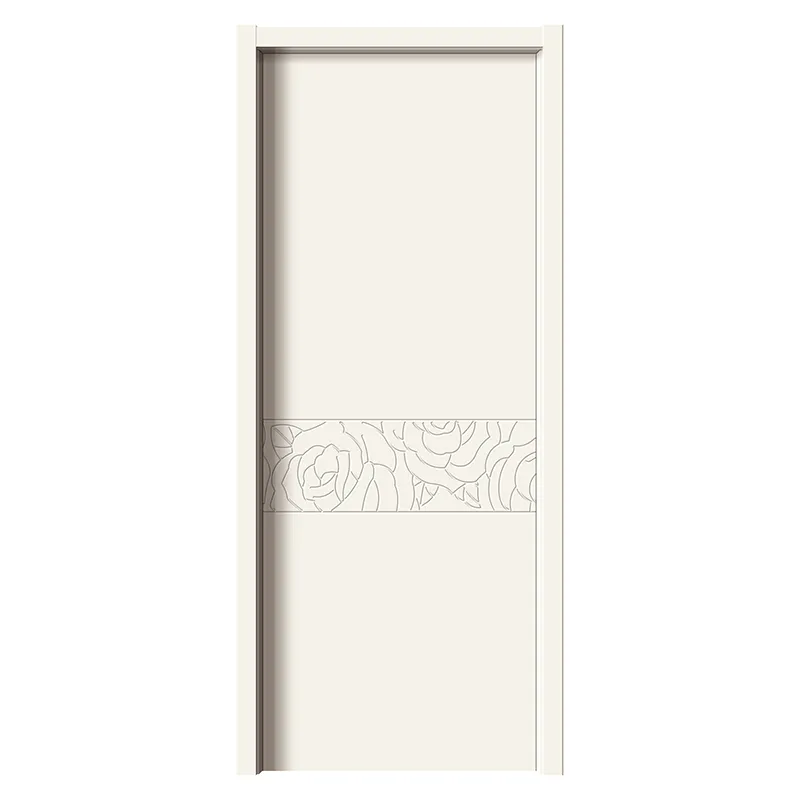
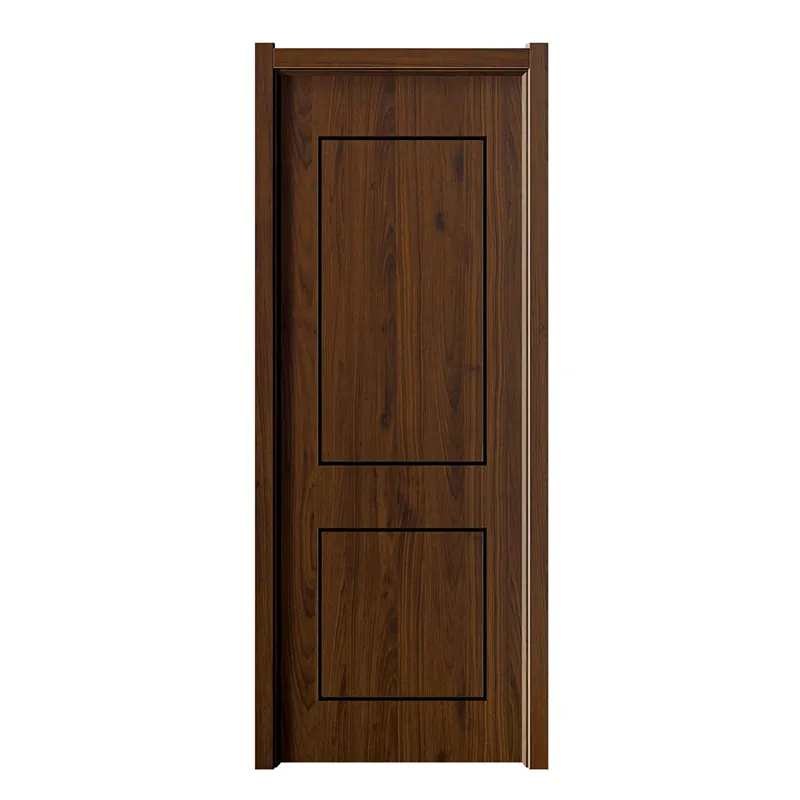

Best Sellingproducts
Best Selling Products-
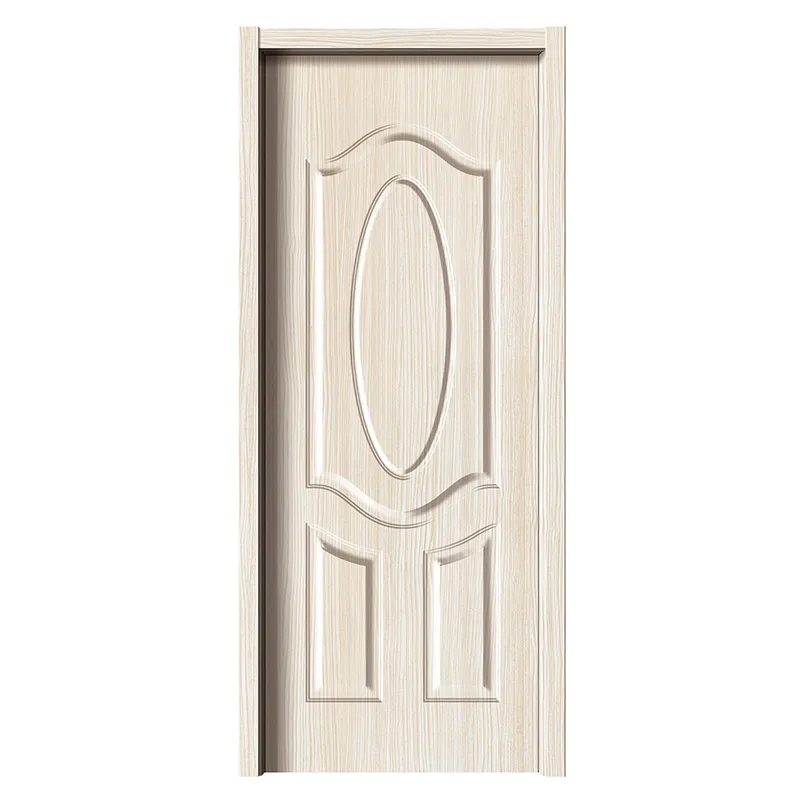 YST-216 Door White Maple
 -
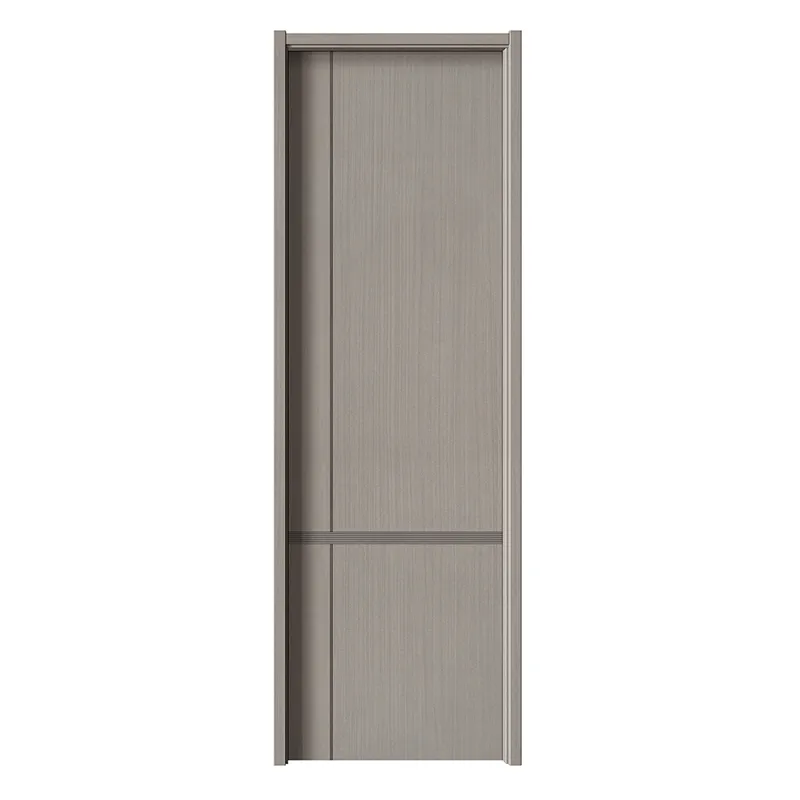 YST-1013 Door Cloud Walnut 1
 -
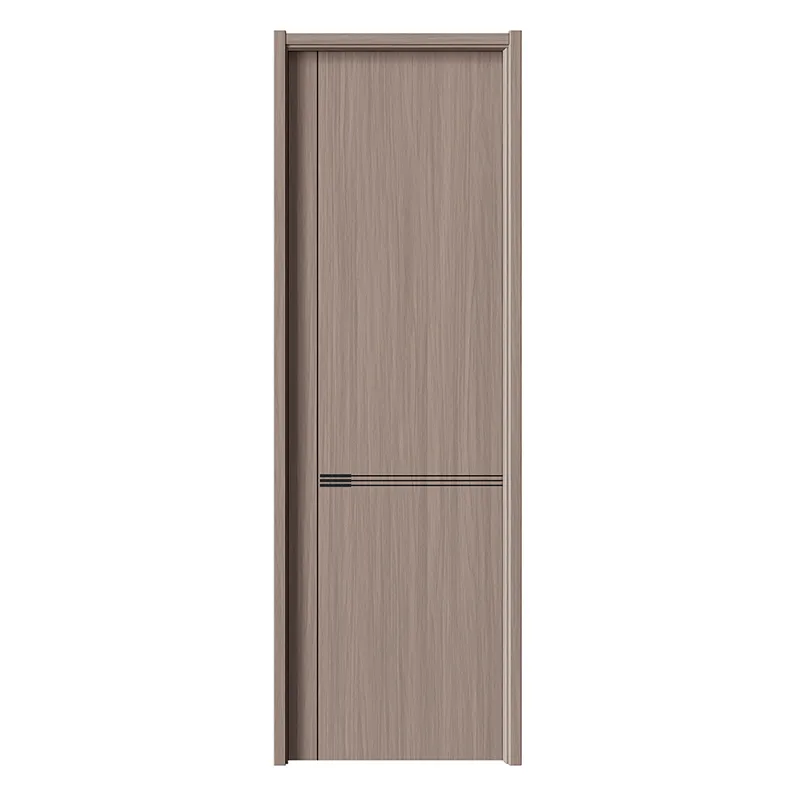 YST-1039 Door Translucent light shadow 3
 -
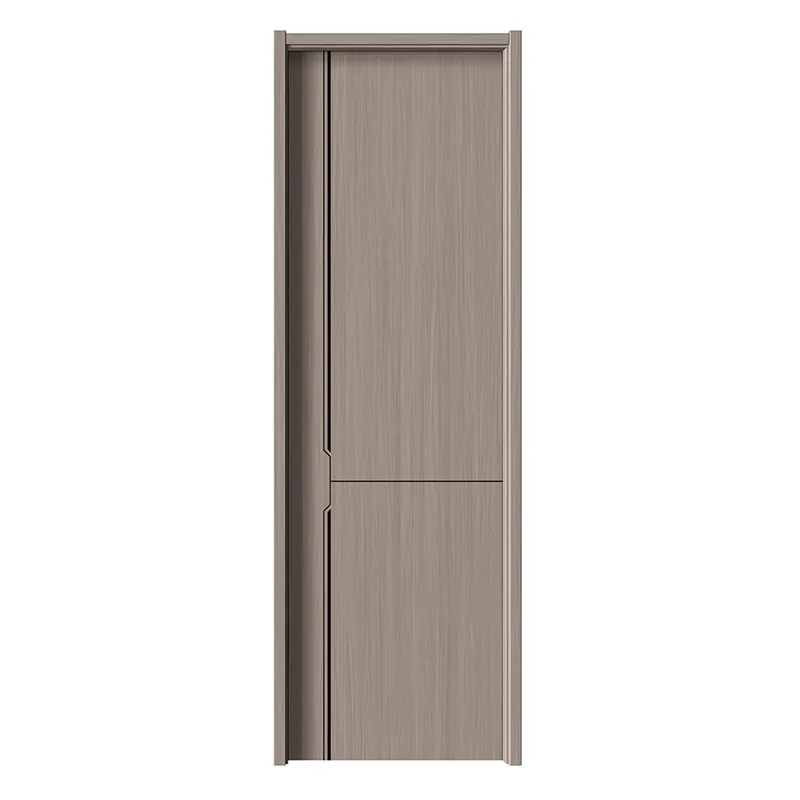 YST-1011 Door Translucent light shadow 3
 -
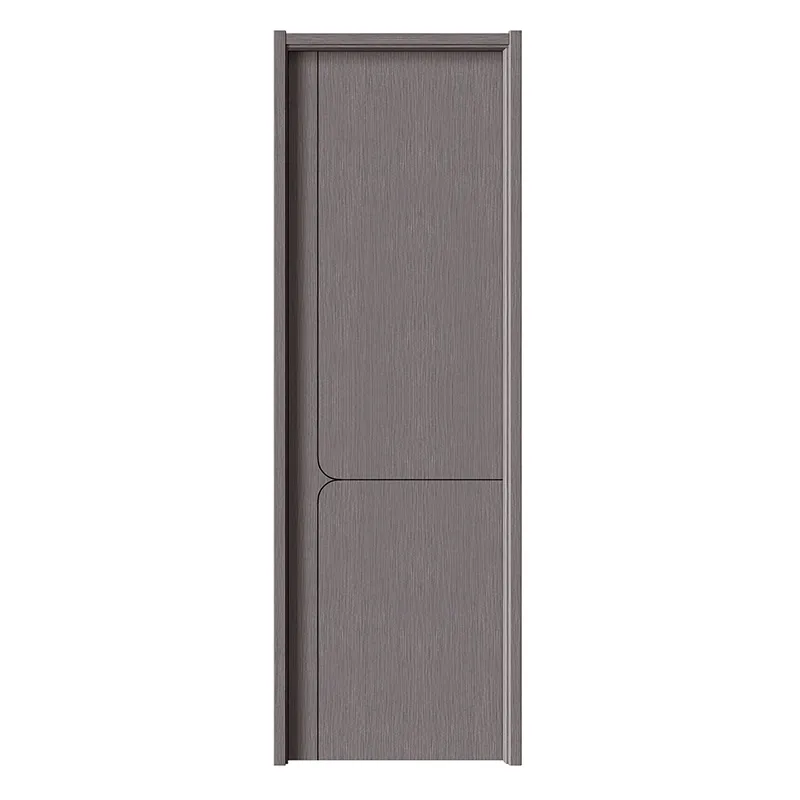 YST-1001 Door Chiaroscuro tree 2
 -
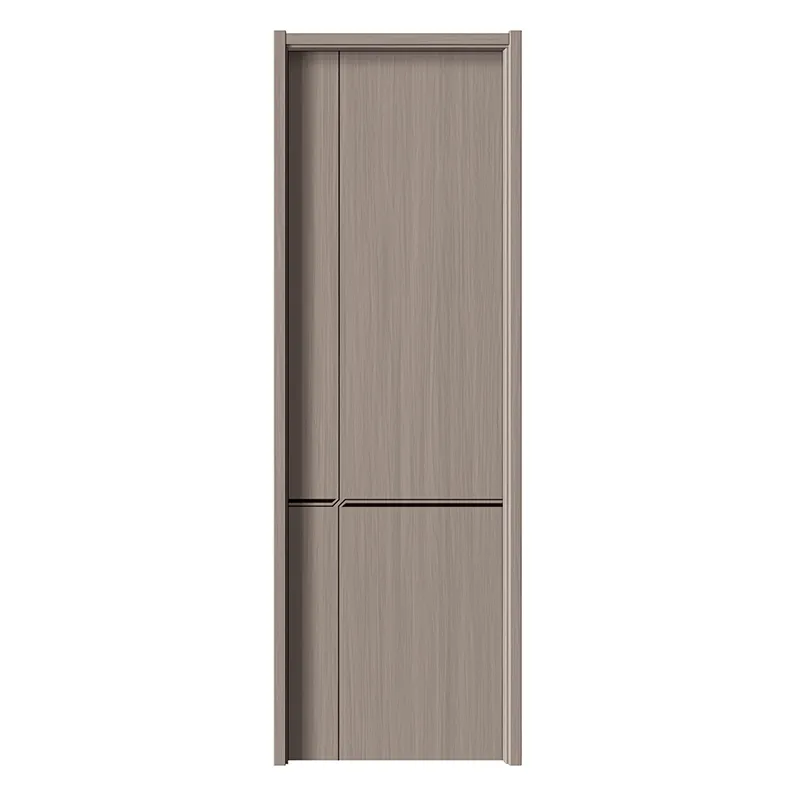 YST-1010 Door Translucent light shadow 3
 -
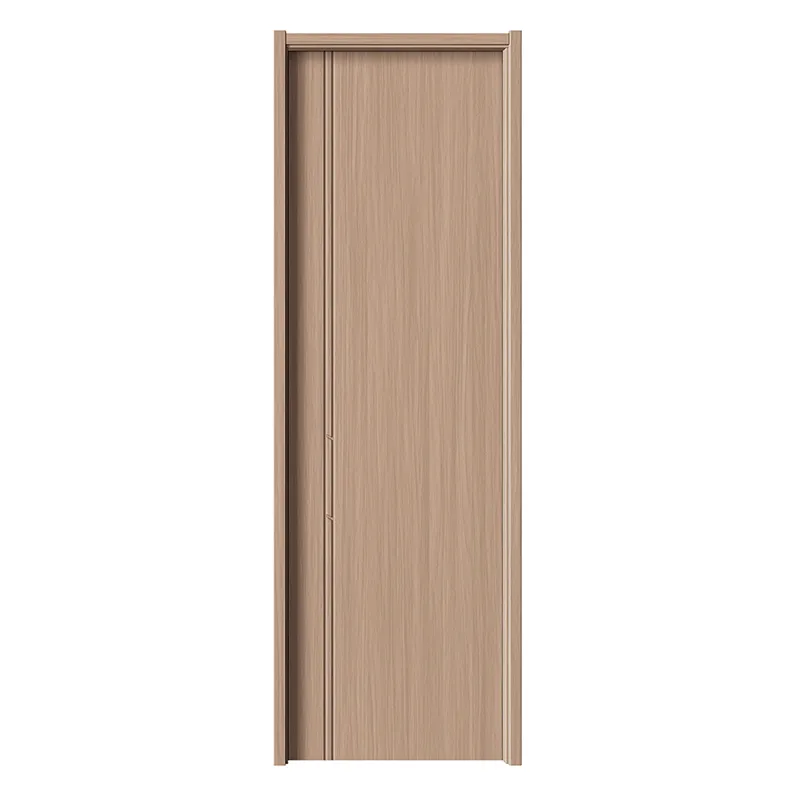 YST-1009 Door Translucent light shade 1
 -
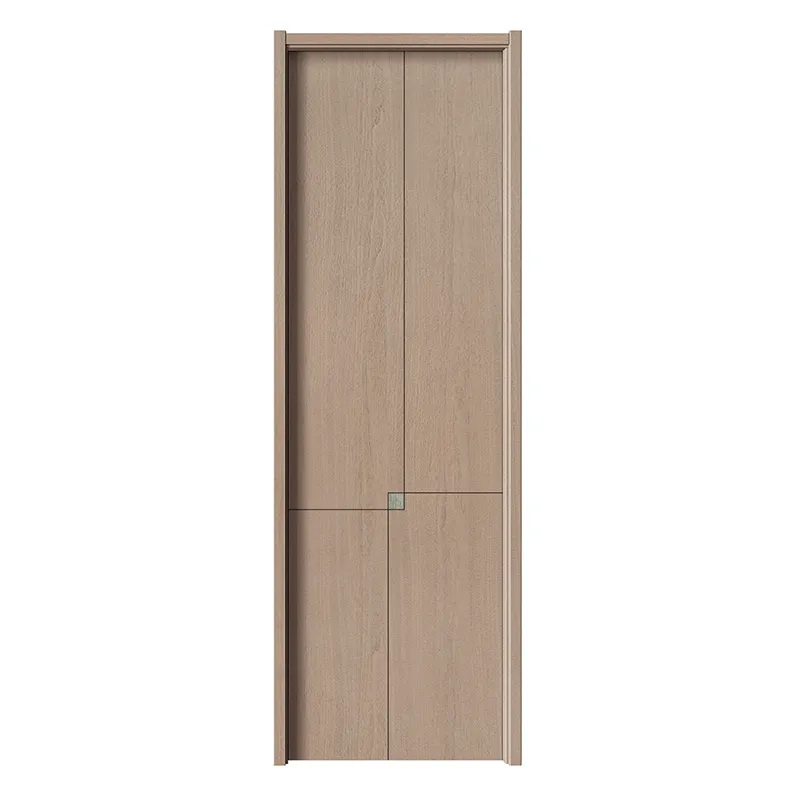 YST-1008 Door Natural walnut 2
 -
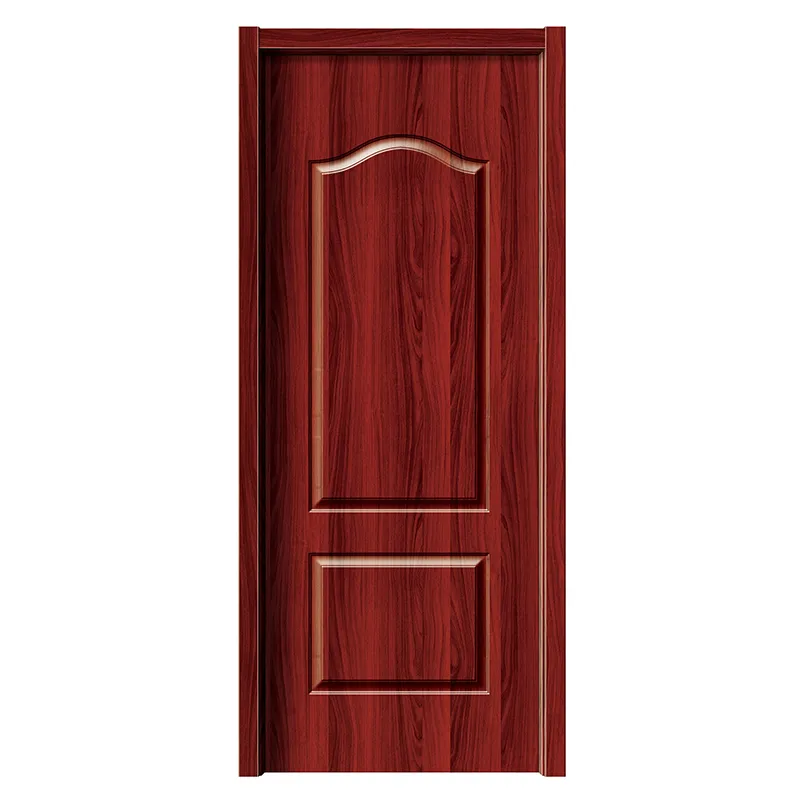 YST-207 Door Red team
 -
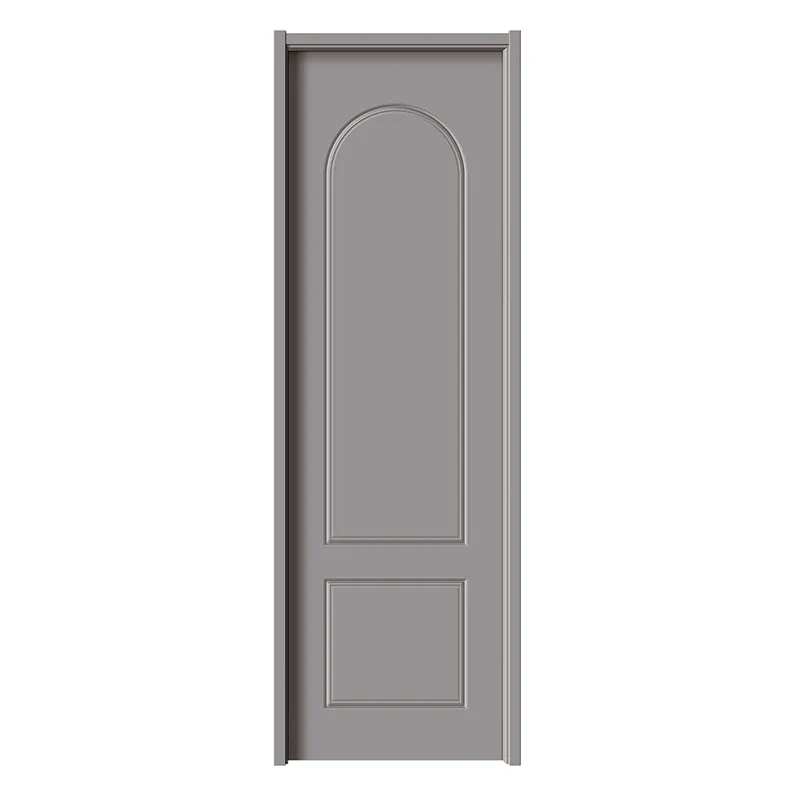 YST-241 French Door 1 soft stone gray
 -
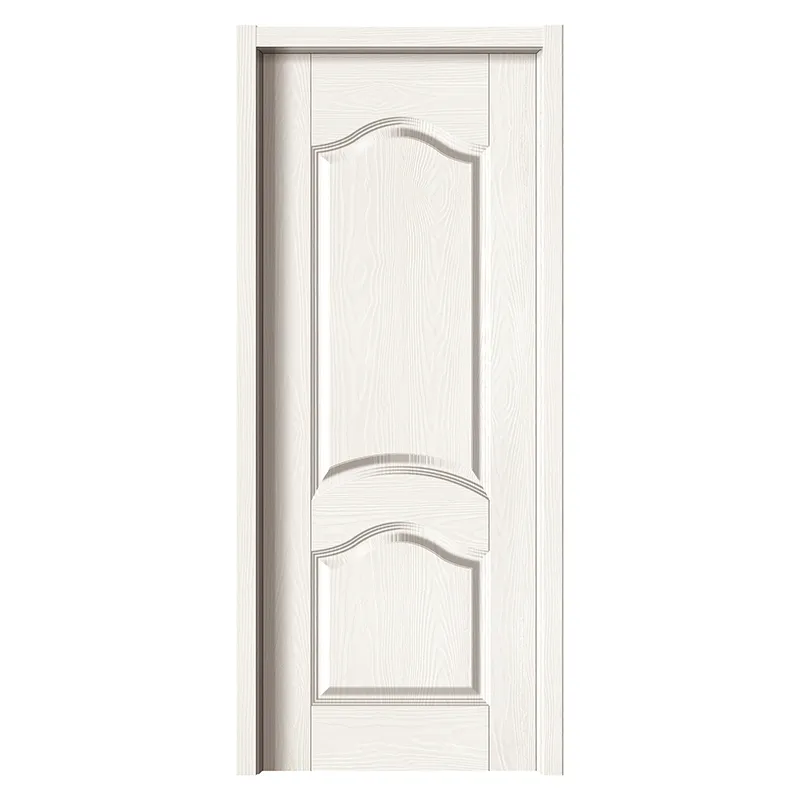 YST-224 Door Warm white with relief
 -
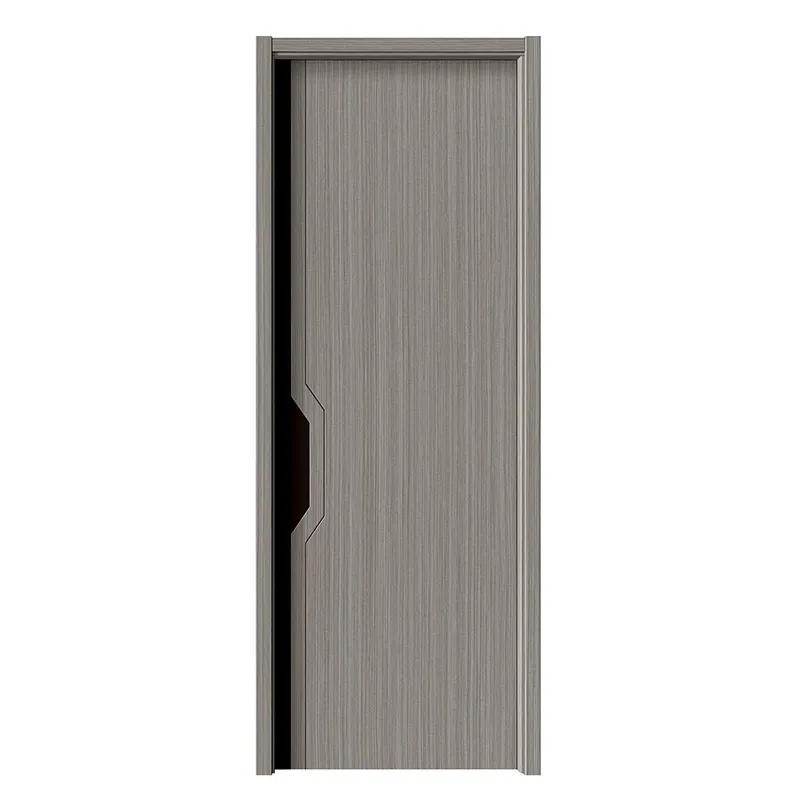 YST-1007 Technotree Door 2