




Wooden interior doors
When you hear “WPC interior doors?”, the first thing that comes to mind is probably something plastic for a balcony or terrace. This is where the dog is buried. Many customers, and some colleagues in the workshop, still confuse WPC for the street and for the interior. And the difference is like between a stool and a rocking chair. Inside the house, a completely different story is needed: both in terms of sensations, and in the geometry of the installation, and in how this material behaves next to a battery or under the direct light of a chandelier. Let's figure it out without water.
What are these doors actually made of and why is it important?
WPC is a wood-polymer composite. It sounds solid, but under this sign there can be a dozen compositions hidden. For interior doors, the ratio of wood flour and polymer is critical. Too much wood - the door can ?lead? when there are changes in humidity in the apartment. Too much plastic and the result is a cold, hollow panel with an unnatural closing sound. The ideal recipe is the know-how of every serious manufacturer. I've seen samples that used polypropylene and they were too flexible to be a full fabric. More successful options are with PVC or polyethylene, they hold their shape better.
Here, by the way, the difference in approaches is clearly visible. Chinese factories often save on binders, relying on low prices. But if you take a manufacturer likeAnhui Wantai Woodworking Co.,Ltd, which declares strict control of raw materials, then there is a different conversation. On their websiteanhuiwantai.ruIt is clear that the company works for the international market and focuses on a combination of design and practicality. For interior doors made of WPC, this is a key point: the material must not only imitate wood, but also be stable in a heated room.
I personally encountered a situation where a customer brought “economy” doors from WPC. Six months later, microcracks appeared on the edges facing the window - the polymer binder could not withstand ultraviolet radiation and dry air from the battery. The conclusion is simple: interior openings require a specially developed composition, and not just waste from the production of decking boards.
Editing: where are the pitfalls hidden in YouTube videos?
It seems that you assembled the box, inserted the canvas - and you're done. But with KDP, not everything is so linear. Firstly, geometry. The material hardly breathes, unlike solid wood, so the gaps must be set with pinpoint precision. If you leave too small a gap at the top, then during seasonal expansion (yes, it even exists inside the house due to humidity), the canvas may begin to rub against the box. The noise is unpleasant, creaking.
Secondly, fasteners. Ordinary wood screws are not your best friend here. When screwed into the end of the WPC, a crack may occur, especially if the canvas is hollow. You need either pre-drilling or special fastenings with a press washer. In one project we used hidden mounting plates on the box - it turned out clean, but it took a third more time.
And the main thing is weight.Interior doors made of WPCoften easier than they seem. This is a plus for loops, but a minus for perception. Customers sometimes complain about being ?cheap? closing sound. Salvation is closers or more massive handles that add inertia. Without this, the door may slam shut with a sharp, empty thud.
Design and tactility: how not to miss the choice
This is where many manufacturers try to deceive the eye. Wood-effect film glued to a WPC base is the most problematic option. The seams peel off over time, and a scratch on such a coating cannot be sanded out. Much more reliable is monolithic WPC with embossed “texture?” and through coloring. Yes, it is more expensive, but a scratch on such a canvas will simply be a darker dot, and not a white spot screaming about its artificiality.
As for profiles, I would not recommend a solid WPC panel for interior doors. The material is dense, the sound in the room can “stagnate”. Options with frosted glass inserts or even combinations with MDF panels look better. This breaks up the monotony and makes the door visually lighter.
One of the successful examples that comes to mind is precisely the projects where doors with combined finishes were used. The base is stable WPC from a trusted supplier, and the decorative panels are made of veneered MDF. It turned out to be both modern and practical. Companies that likeAnhui Wantai Woodworking Co.,Ltd, have designers on staff and often offer such hybrid solutions. Their philosophy is to “build a business on precision, win with quality?” this is just the place - because gluing dissimilar materials together so that there is no gap after a year is aerobatics.
The price of the issue and who actually benefits from it
If compared with a good array, theninterior doors made of wood fiberboardoften cheaper. But if you take budget MDF, then WPC may be in the same price category or even more expensive. So what's the benefit? In long-term stability. In a new building with active shrinkage or in a house with a non-ideal microclimate (for example, the air is dry in winter and humid in summer), the array may shrink and the MDF may swell. The DPK is inert in this regard.
This is beneficial, for example, for rental housing or offices, where resistance to frequent opening-closing cycles and less than gentle maintenance are important. Or for wet areas inside the apartment - where it is before the bathroom or kitchen, but not directly into the shower stall. The material is not afraid of accidental splashes.
But there is also a fly in the ointment. The maintainability of such doors is low. You can’t evaporate a deep dent like you can with a solid one. The chipped corner will have to be covered with an overlay or the entire sheet should be replaced. Therefore, when ordering, you should always check with the manufacturer about the availability and delivery time of additional elements and platbands of the same series. So that after three years you don’t have to change the entire composition because of one damaged sash.
Results: is the game worth the candle?
So what?interior doors made of WPC- is this a panacea? No. This is a highly specialized tool. They will not replace the warmth and status of a solid oak door. But they are an excellent choice where practicality, geometric stability and a modern, sleek look with minimal maintenance are needed.
The key to success is understanding the material and choosing a responsible manufacturer. Not someone who simply stamps panels, but someone who adapts the WPC composition specifically for interior tasks and gives clear instructions for installation. Like, for example, companies with a full cycle of control, from raw materials to packaging, that operate on international markets and therefore cannot afford to do half-assed work. Their products may cost a little more, but they will save you the headache of sudden warping or fading.
After all, a good door is one that you forget about once installed. It just works. And high-quality WPC in skillful hands can give just such a result. The main thing is not to be fooled by the cheapest offers and ask the seller the right questions about the composition, coating and recommended operating conditions. Then the choice will be conscious, and the result will be predictable.
Correspondingproducts
Related Products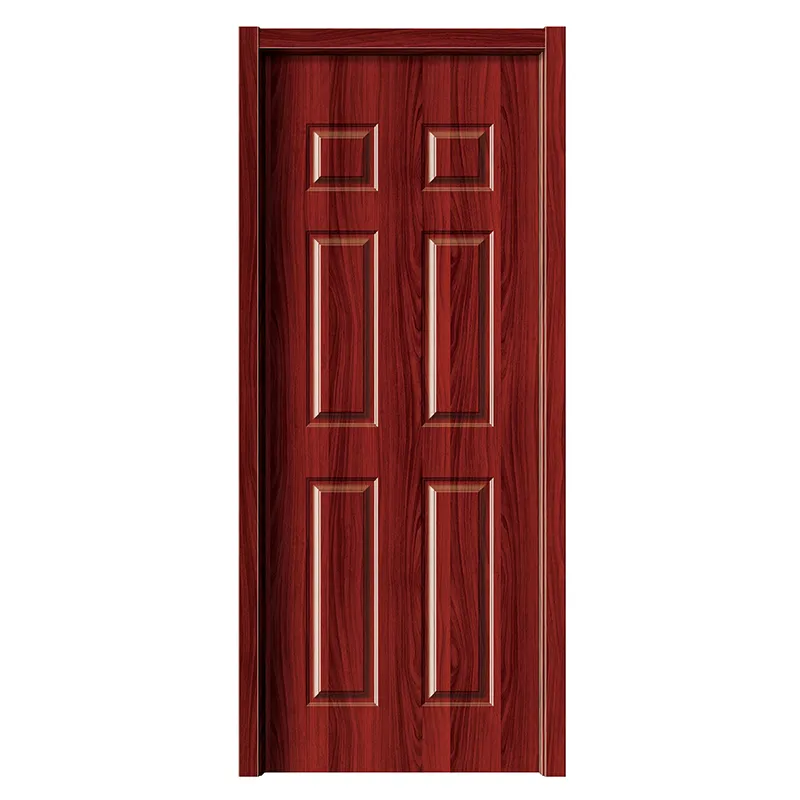
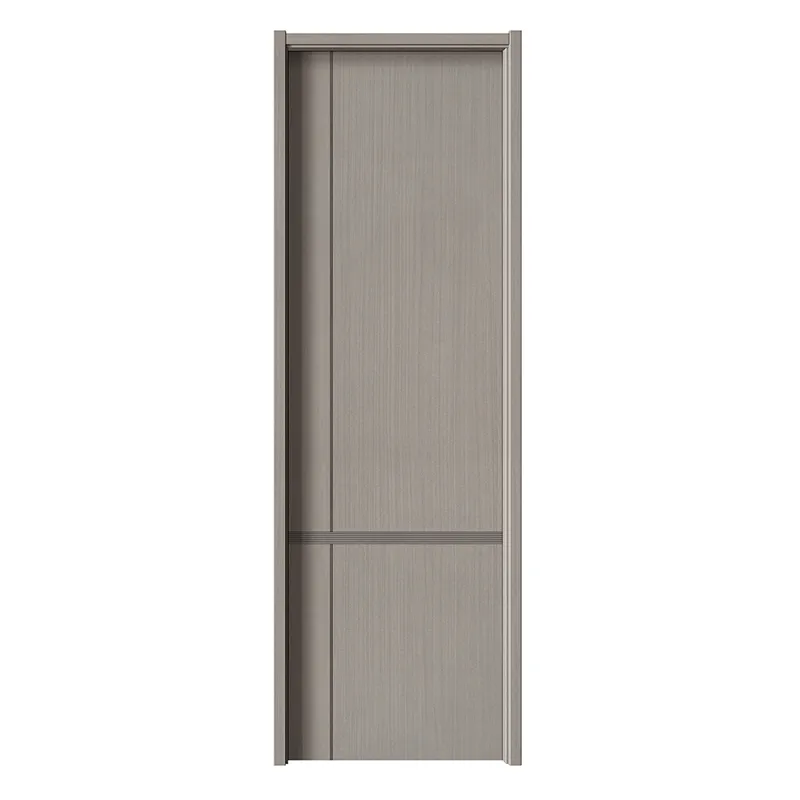
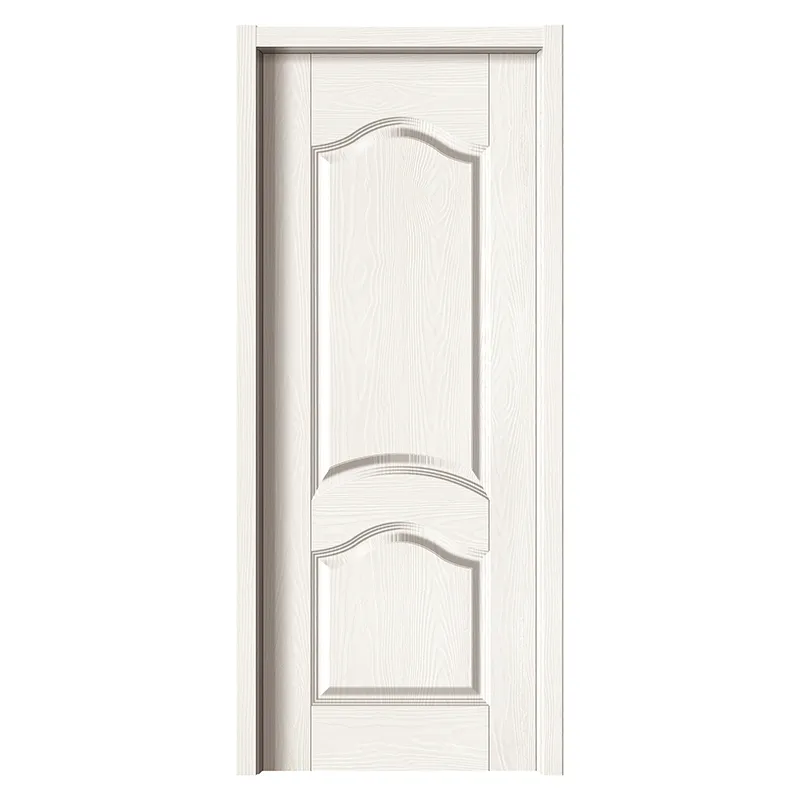
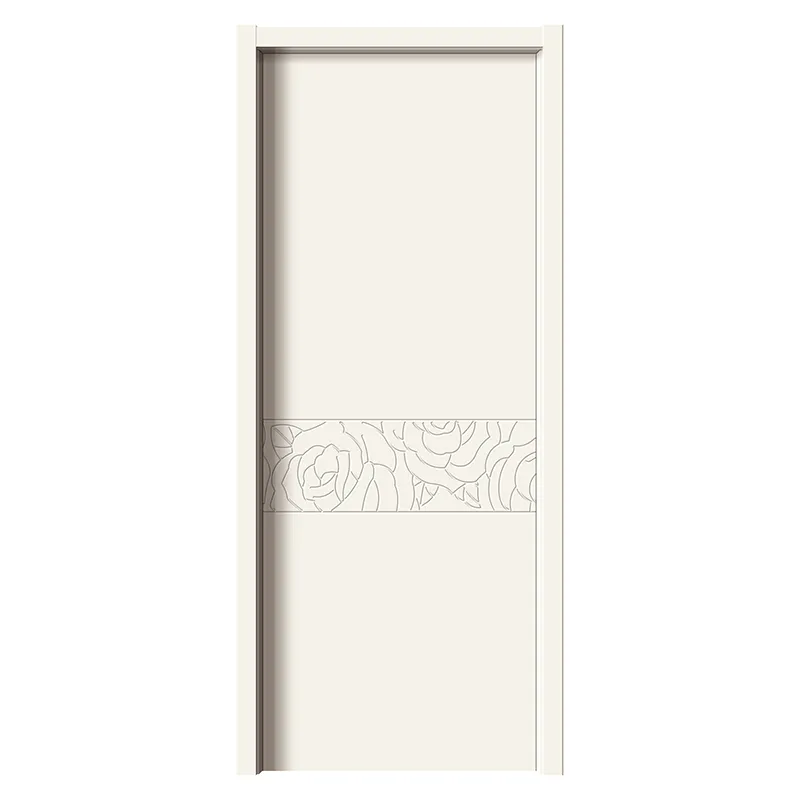
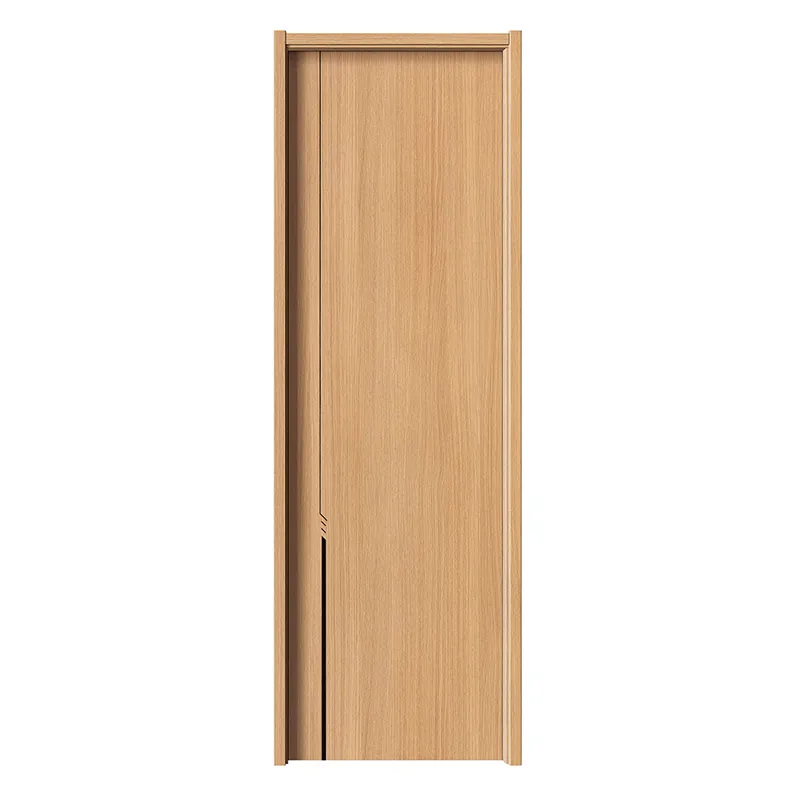
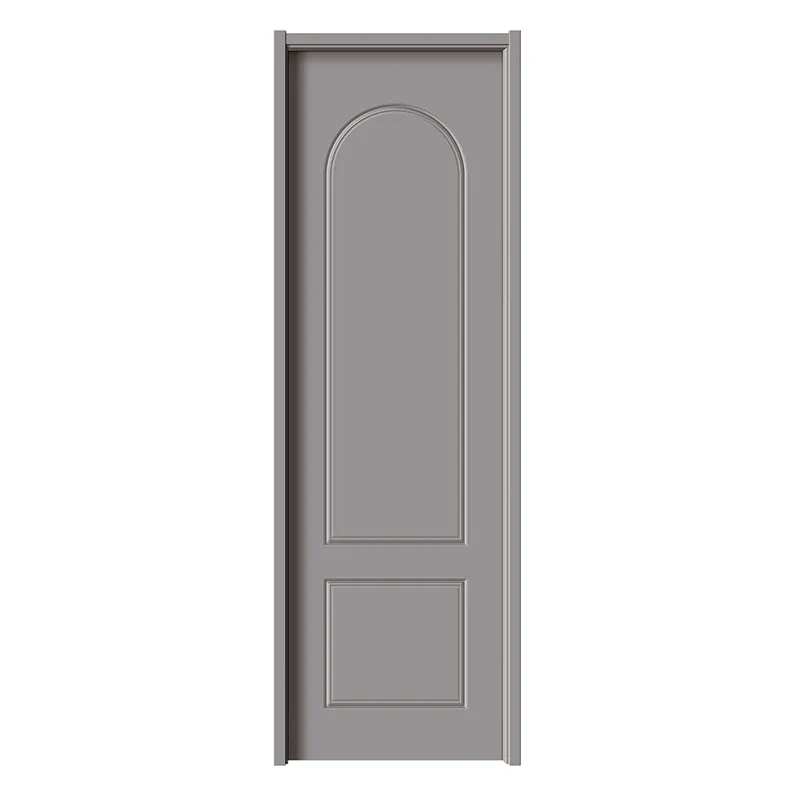

Best Sellingproducts
Best Selling Products-
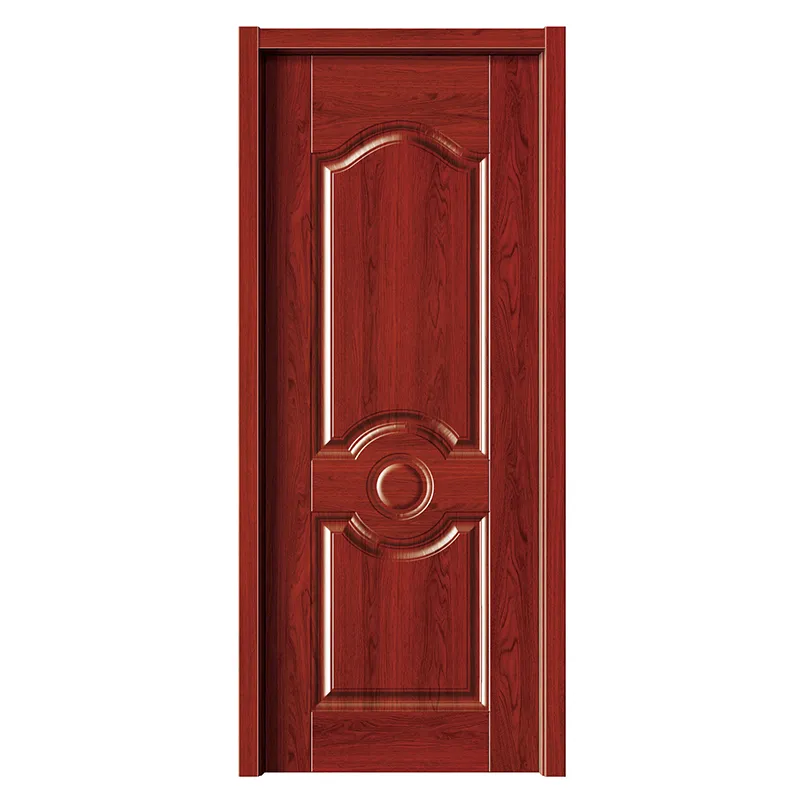 YST-208 Door Red Sandalwood
 -
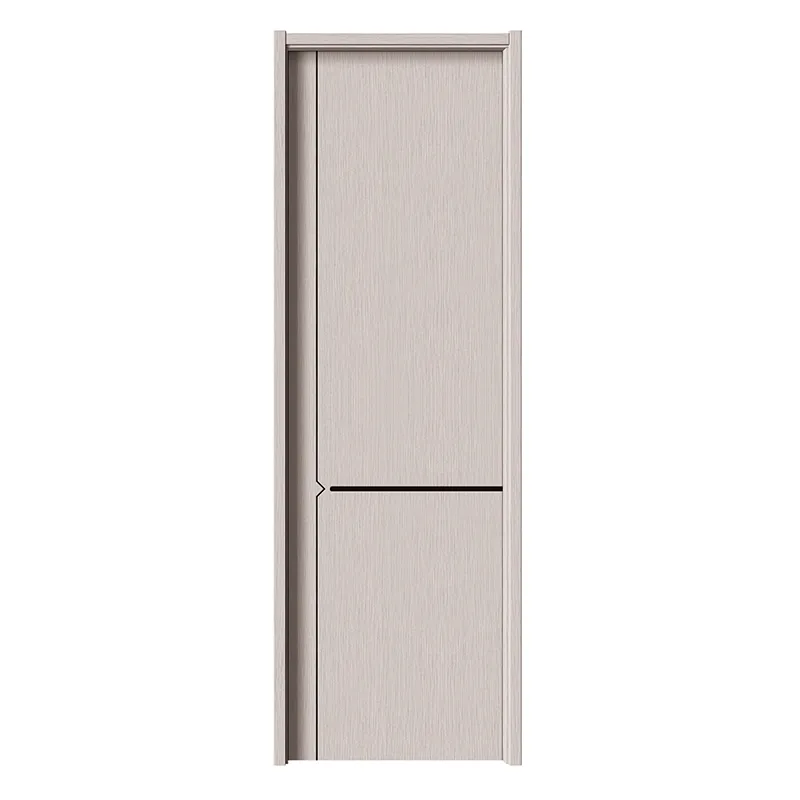 YST-1024 Door Chiaroscuro wood 1
 -
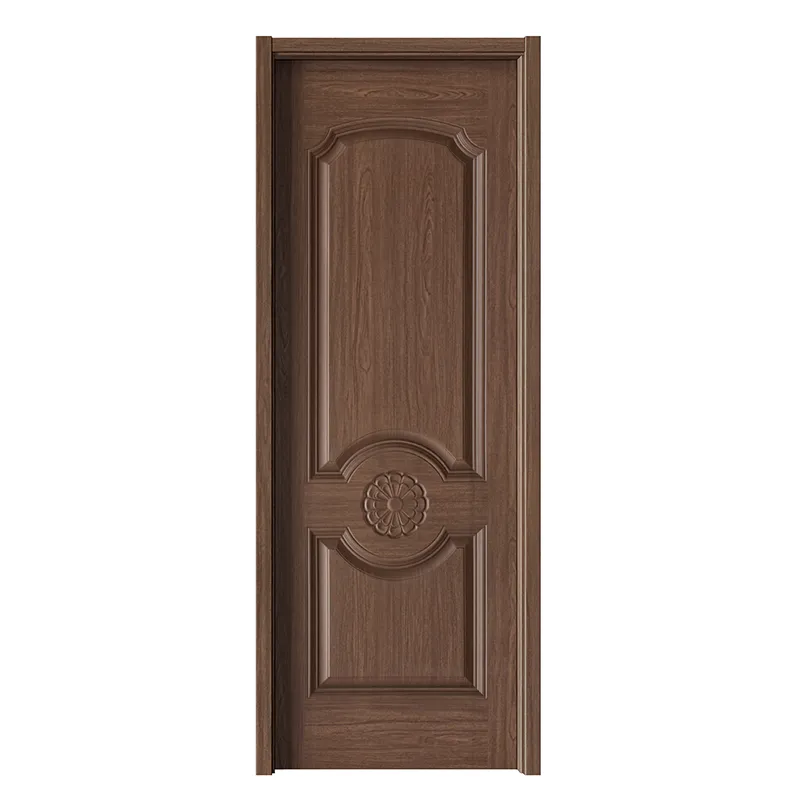 YST-212 Door North American Oak 2
 -
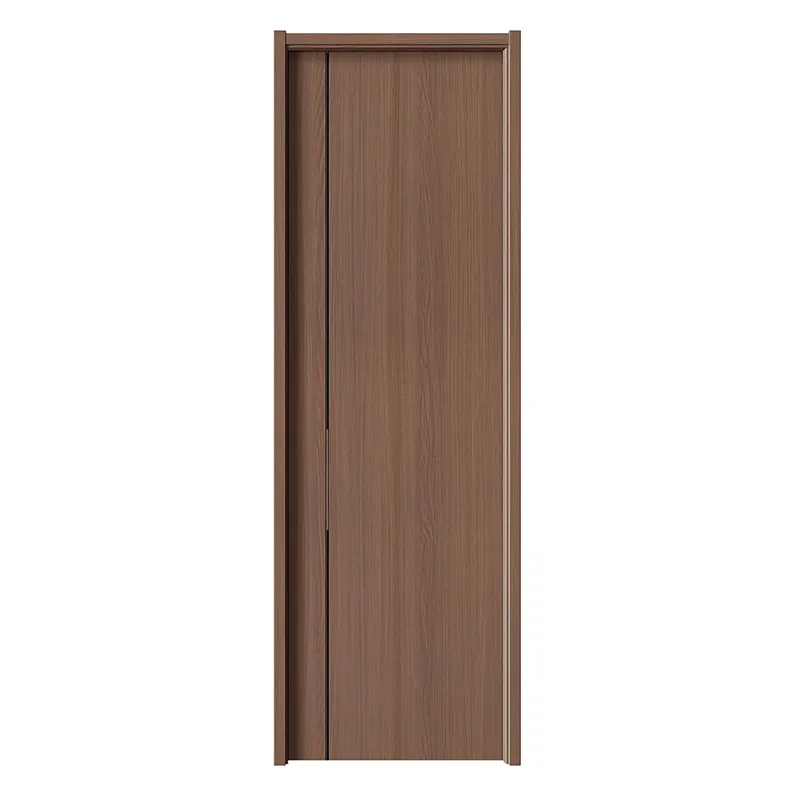 YST-1043 Door Techno-walnut 3
 -
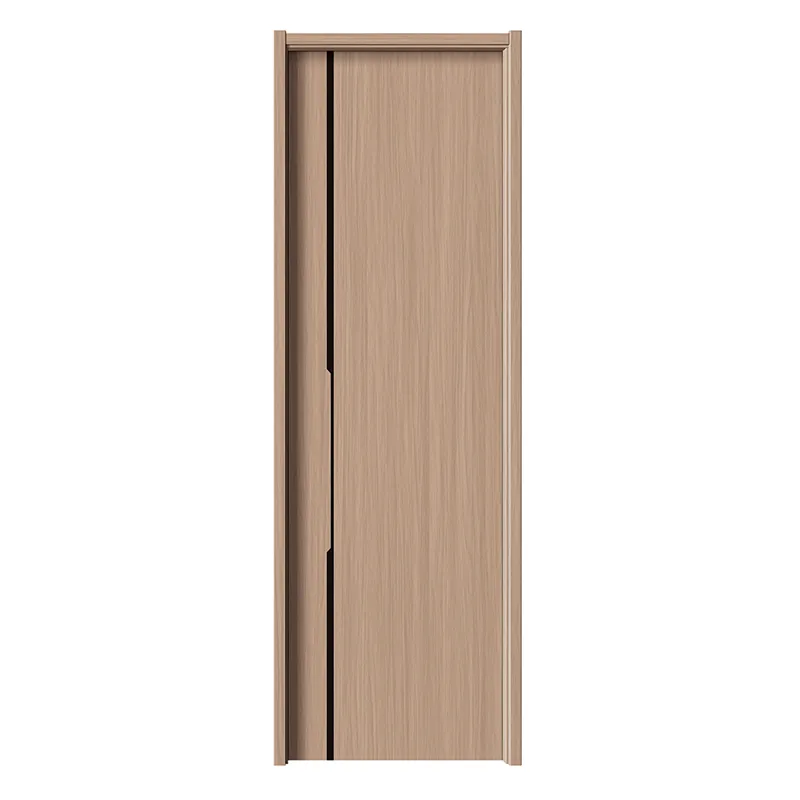 YST-1029 Door Translucent light shade 1
 -
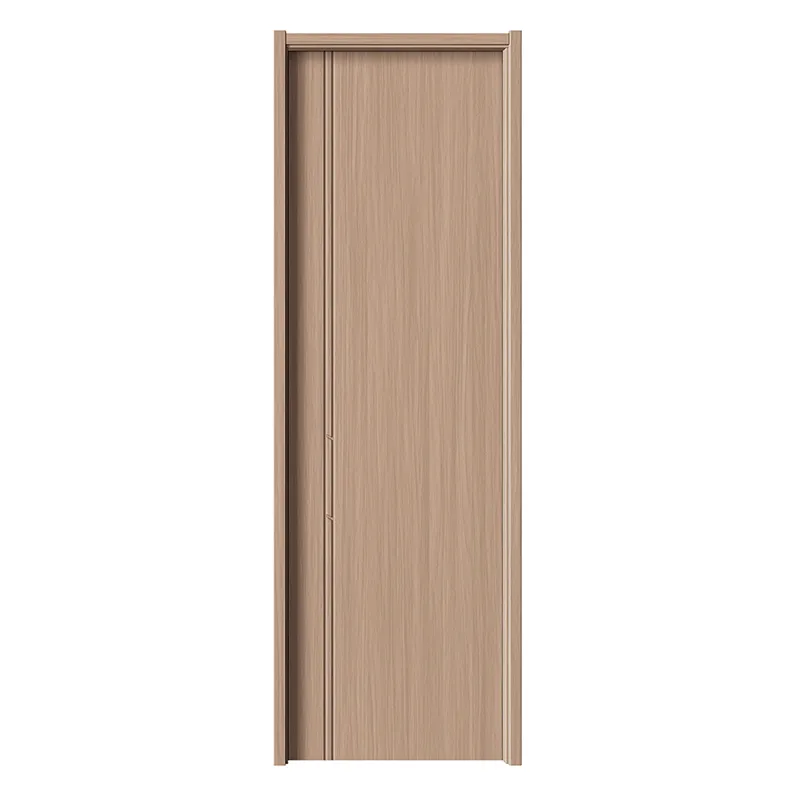 YST-1009 Door Translucent light shade 1
 -
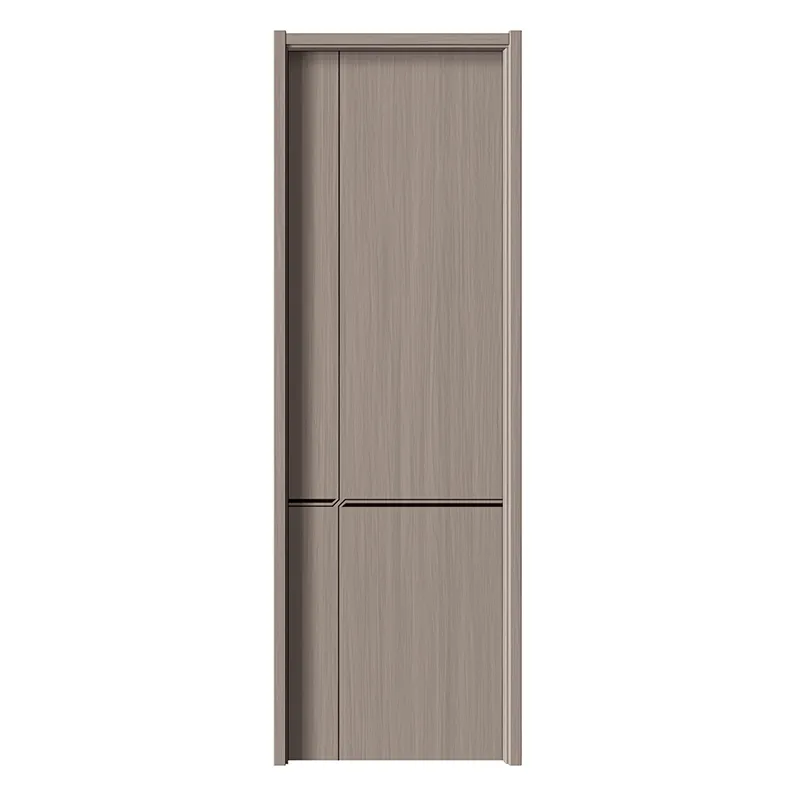 YST-1010 Door Translucent light shadow 3
 -
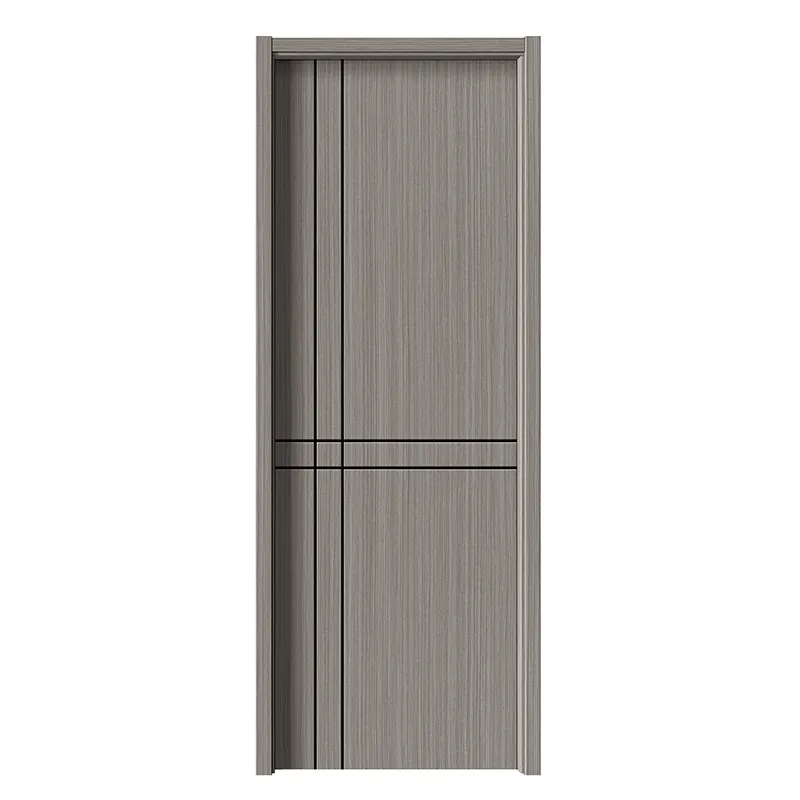 YST-1004 Door Technotree 2
 -
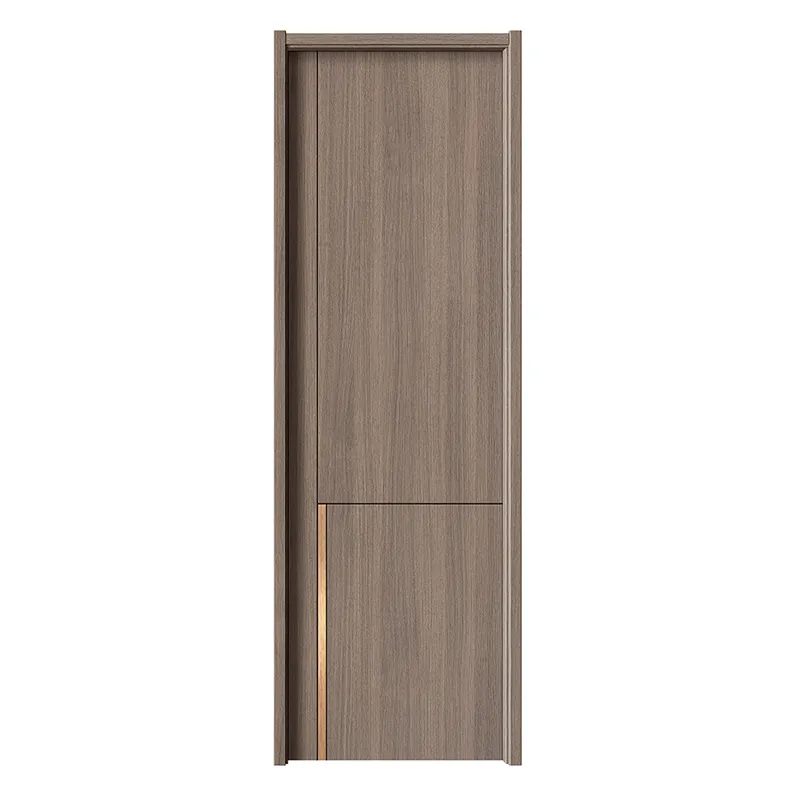 YST-1003 Door Oak gray
 -
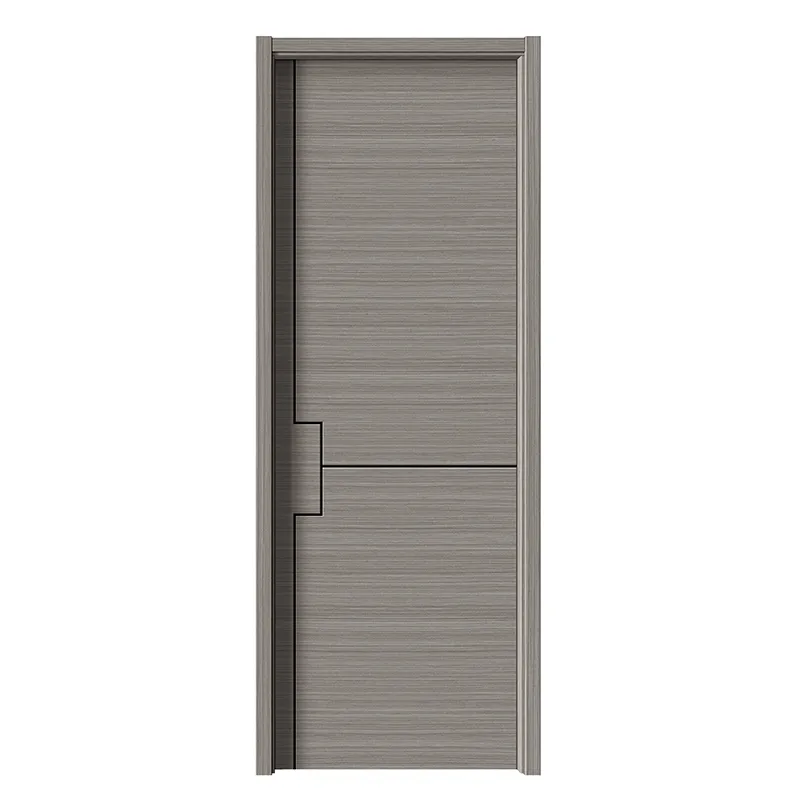 YST-1005 Technotree Door 2
 -
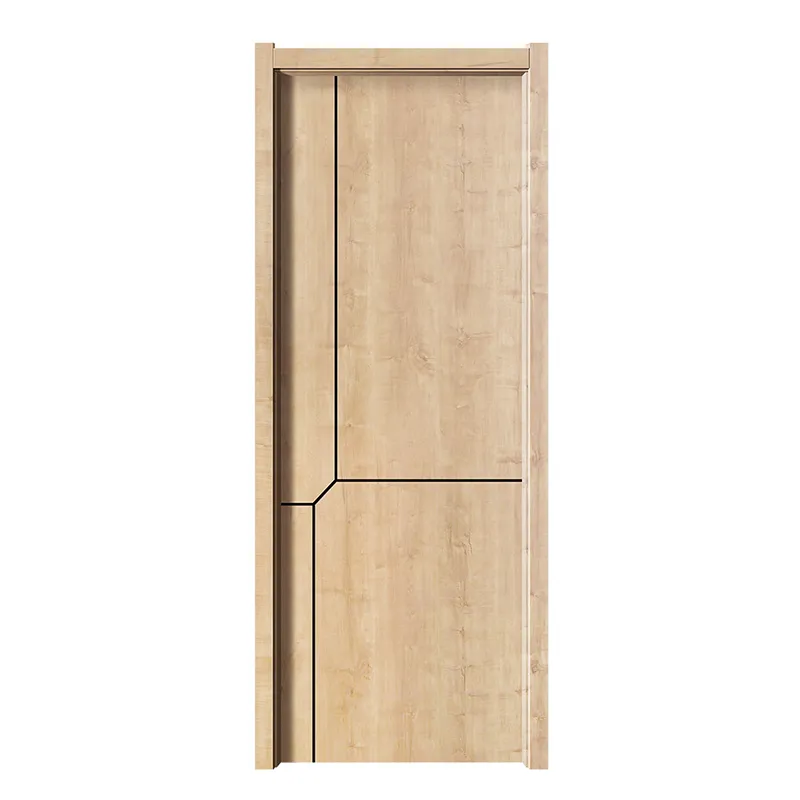 YST-WPC1 Door
 -
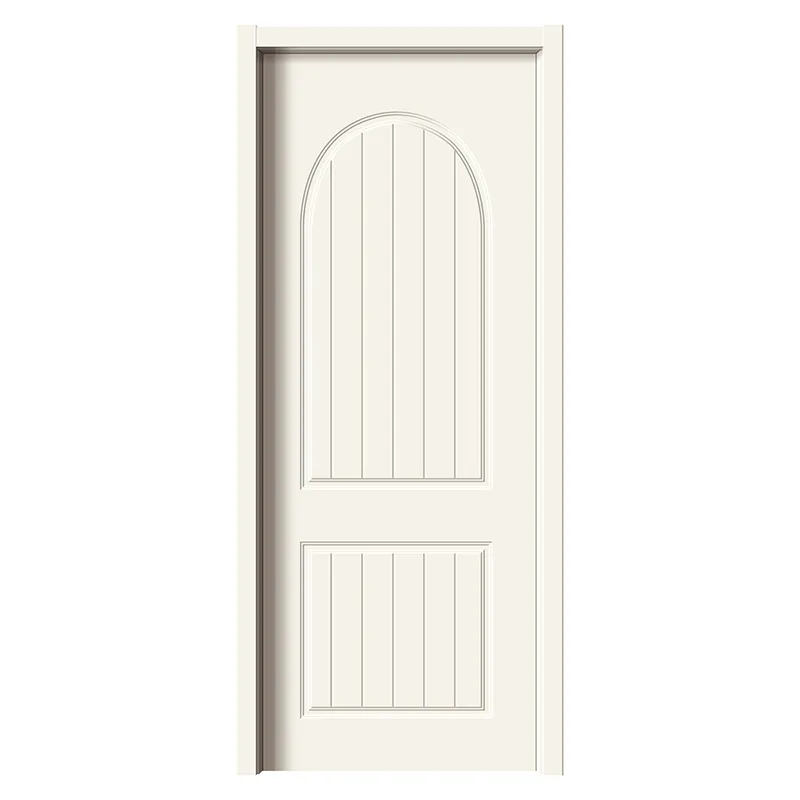 YST-236 Door White ivory