




Office plastic door
When they say 'plastic office door', many people imagine something cheap, temporary, creaky - in general, the 'if only it was' option. And this is the main mistake. In fact, a well-chosen and installed plastic door for an office is a complex technical element on which not only insulation, but also the microclimate, safety, and even the image of the space depends. The problem is that the market is flooded with low-quality goods, which spoil the entire reputation of the category. I went through this myself: the customer wants to save money, they install a door with a thin, hollow profile and weak fittings, and six months later they begin to complain about drafts, broken handles, and deformation. And then the understanding comes that the savings turned out to be imaginary.
What does a good door actually consist of?
Here it all starts with the profile. Not every PVC profile is suitable for intensive commercial use. We need a system of at least 70-75 mm class, with reinforced steel liners around the entire perimeter. Otherwise, the sash will simply move. A common mistake is to put heavy double-glazed glass in a light profile. The result is predictable: sagging, leaky ledge, load on the hinges. Hinges, by the way, are a separate issue - hidden adjustable hinges solve a lot of problems with alignment, but they are rarely ordered 'by default'.
Infill is not just glass. Soundproofing is often needed in offices. A meeting room is one thing, a corridor next to the kitchen-dining room is another. Sometimes it is more logical to install a sandwich panel or a combination of glass and an opaque insert. I’ve seen projects where a film for tinting or even simple perforation to diffuse light was integrated into a double-glazed window - the result was both functional and stylish. But this requires working with a manufacturer who is capable of non-standard solutions, and not just standard sizes from the catalog.
The fittings are the 'nervous system' of the door. Cheap fittings on plastic doors fail catastrophically quickly. Especially in high traffic areas. I recommend immediately looking at the cyclicity (50-100 thousand cycles is the minimum for a busy office) and the presence of a smooth control closer. A small detail like a high-quality contour seal also plays a role - it is responsible not only for silence, but also for energy efficiency. In winter, condensation and even ice may form on a bad seal.
Where and why it might not work
A plastic door does not meet all tasks. I had experience - they tried to install it in a server room, where increased fire resistance was needed. Standard plastic is not suitable here; special solutions are needed, and their price is already comparable to other materials. As a result, the project was revised. Another nuance is the design. In some modern offices with loft aesthetics or classic interiors, plastic can look alien, even with the most elegant layout. This is where the issue of image comes into play.
It is in such cases that we sometimes look at alternatives. For example, for the company's productsAnhui Wantai Woodworking Co.,Ltd (https://www.anhuiwantai.ru). They, as I understand it, specialize in wooden doors for the international market, focusing on design and quality. Their approach includes modern production and strict control from raw materials to the finished product. For an executive office, executive area or boutique space, a wooden door from such a manufacturer may be more appropriate. It immediately creates a different perception of status and reliability. Although, of course, this is a different price category and other upkeep tasks.
Returning to plastic: its main advantage in the office segment is the balance of price, functionality and durability when chosen correctly. But this balance is very fragile. If you cut corners at one stage, the benefits disappear.
Installation: moment of truth
You can buy a great door and completely ruin it during installation. In office buildings, there are often uneven openings and vertical deviations. If installers simply foam the cracks without leveling the frame and securing it with anchors and expansion dowels at the correct distance, problems are guaranteed. The door will work 'with tension', the fittings will wear out faster.
The gap between the frame and the wall is especially critical. Too big - the foam does not hold, over time the structure “walks”. Too small and tension is created. I always insist on using wedges for precise positioning before foam fixing. And it is imperative to check the operation of the sash before and after foaming, until the foam dries completely.
Another practical point is the threshold. In offices they often carry trolleys and wheeled chairs. A low or poorly defined threshold becomes a source of injury. For such areas, it is better to consider options with a minimal drop or special removable pads. But this, again, needs to be laid down at the stage of ordering the design.
What to choose in the end
So to summarize my experience.Office plastic dooris a good solution for indoor common areas: meeting rooms, copy rooms, technical rooms, corridors. Key parameters for selection: 1) high-quality multi-chamber profile with reinforcement, 2) high-cycle fittings from a trusted brand (for example, Roto, Siegenia), 3) thoughtful filling for a specific task (sound, light, privacy), 4) professional installation.
You shouldn’t expect miracles from it under extreme loads or where a premium appearance is important. For the latter cases, as I already mentioned, it makes sense to look towards wooden solutions from manufacturers with a serious approach, such asAnhui Wantai Woodworking Co.,Ltd. Their philosophy of “building a business on precision, winning with quality” is exactly about those very premium segments, where every detail matters.
Ultimately, the choice always depends on the specific task and budget. But even with a limited budget for a plastic door, you cannot save on its “filling” and installation. Otherwise, you are not buying a product, but a constant headache. Tested more than once.
Correspondingproducts
Related Products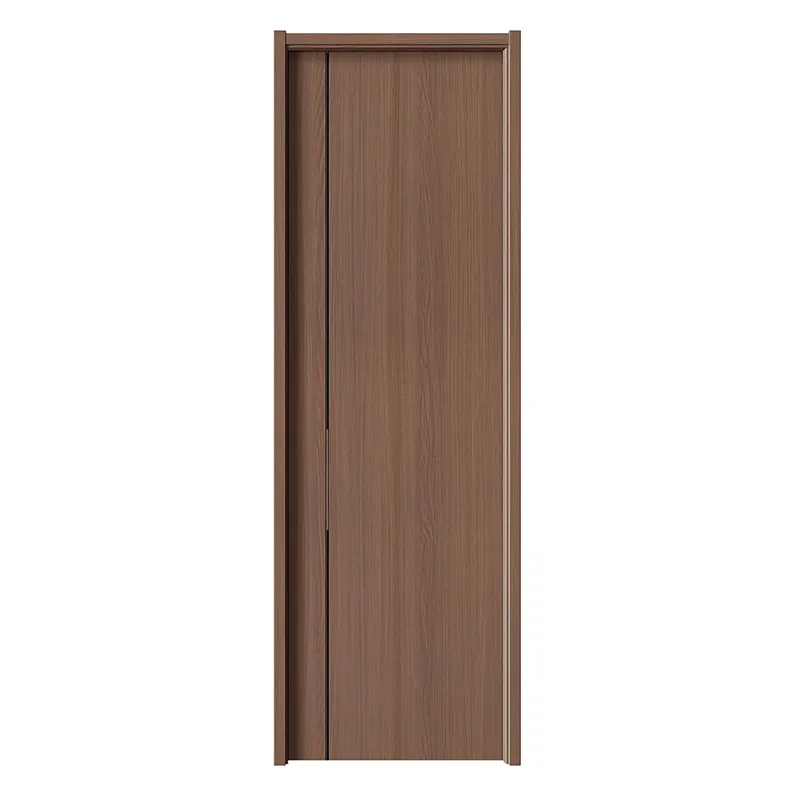
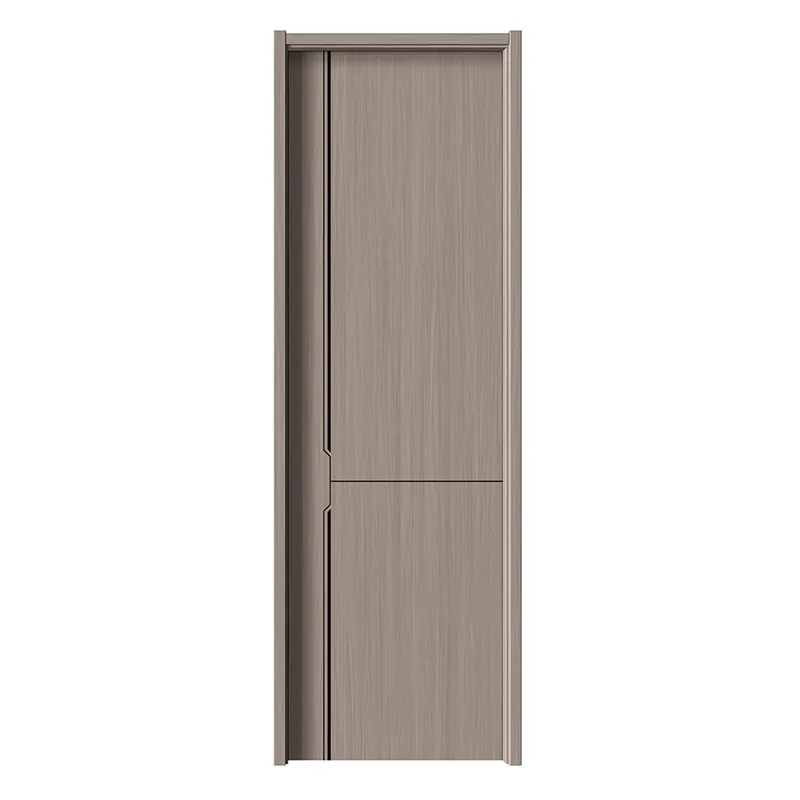
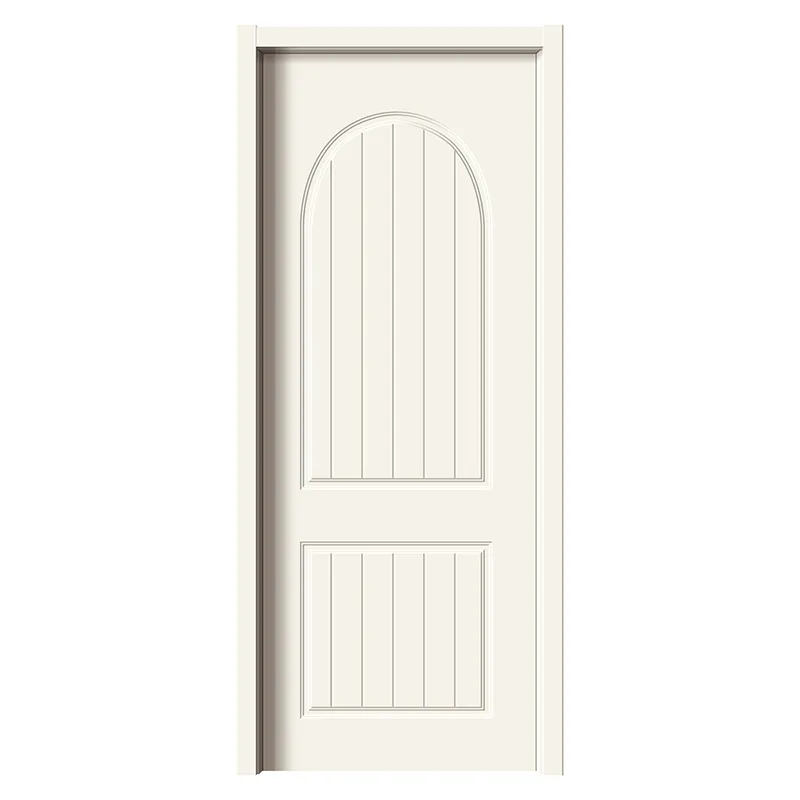
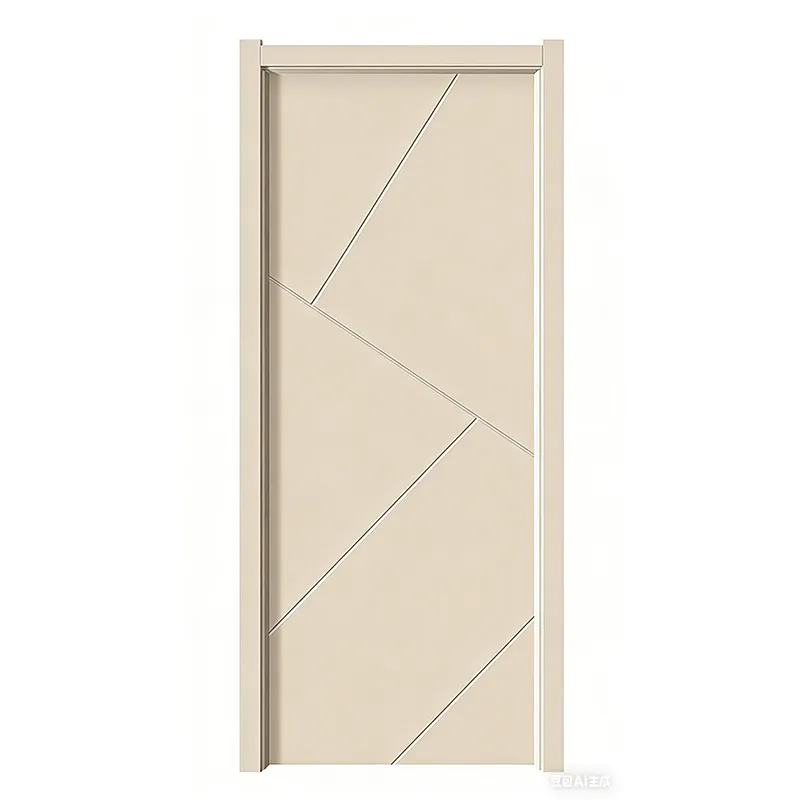
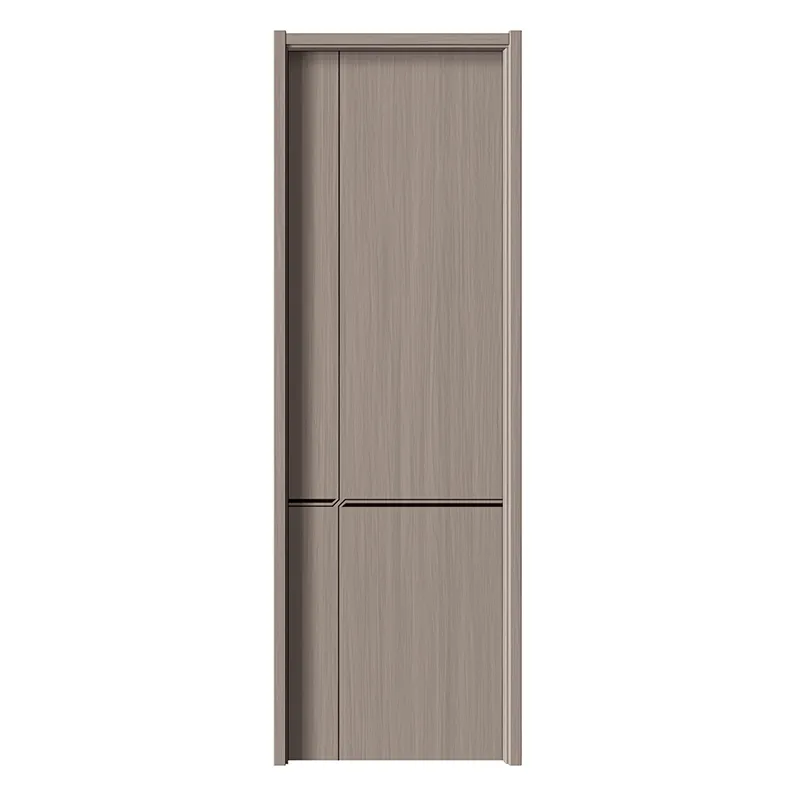

Best Sellingproducts
Best Selling Products-
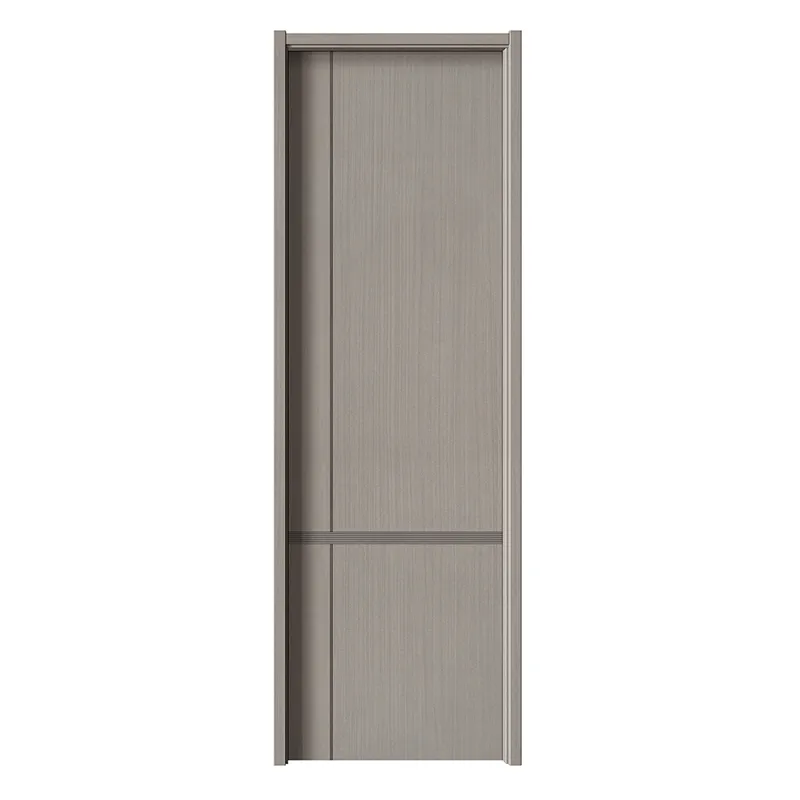 YST-1013 Door Cloud Walnut 1
 -
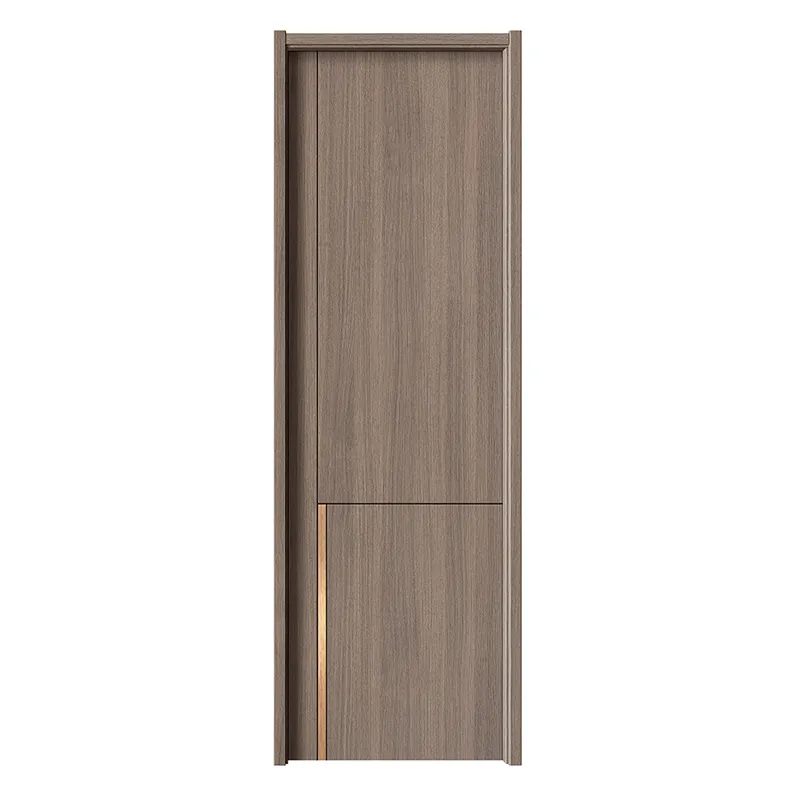 YST-1003 Door Oak gray
 -
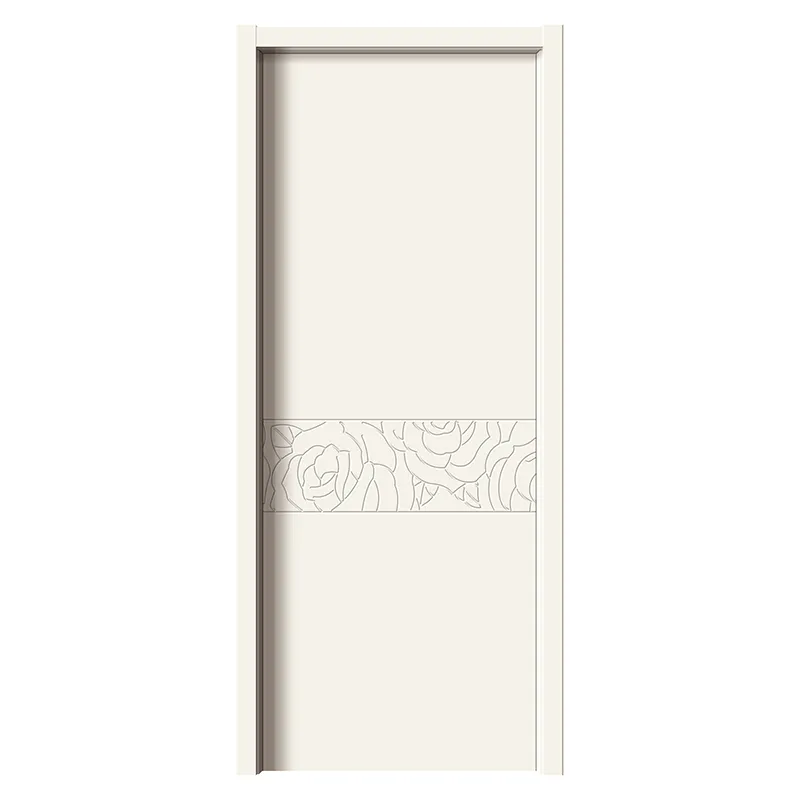 YST-238 Door White ivory
 -
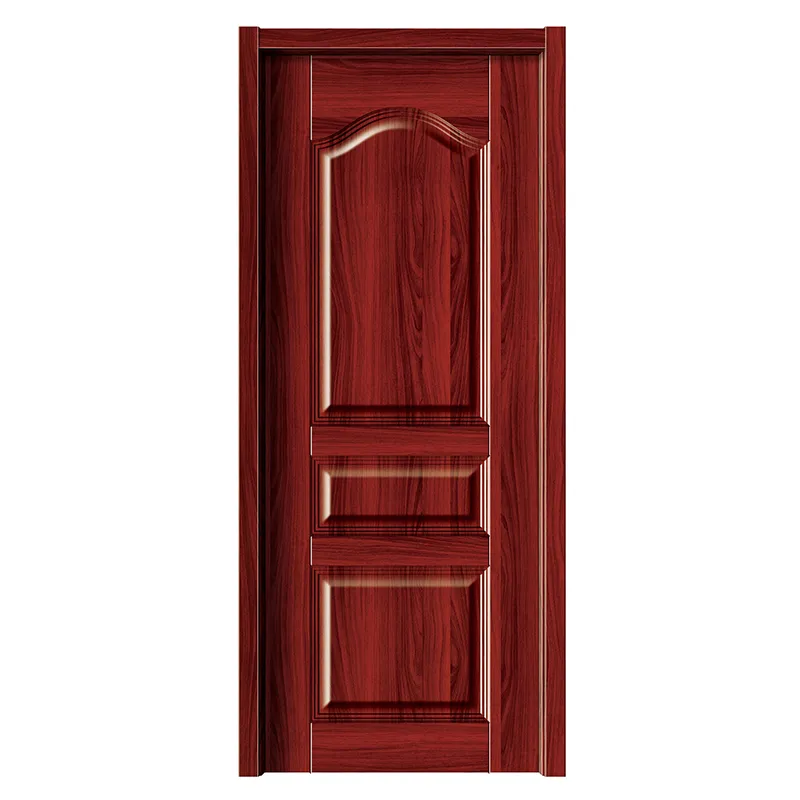 YST-203 Door Red team
 -
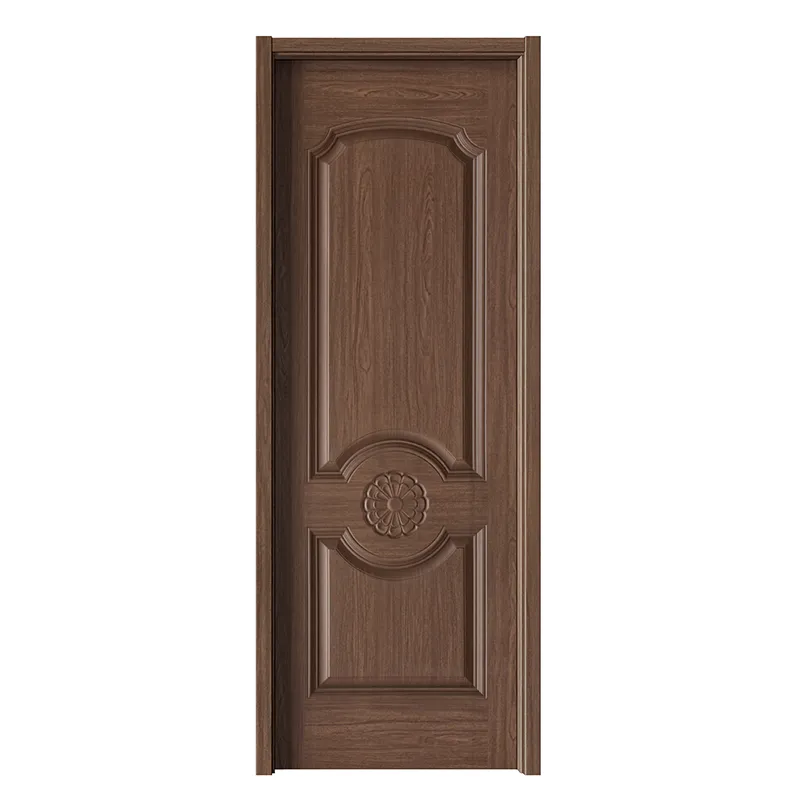 YST-212 Door North American Oak 2
 -
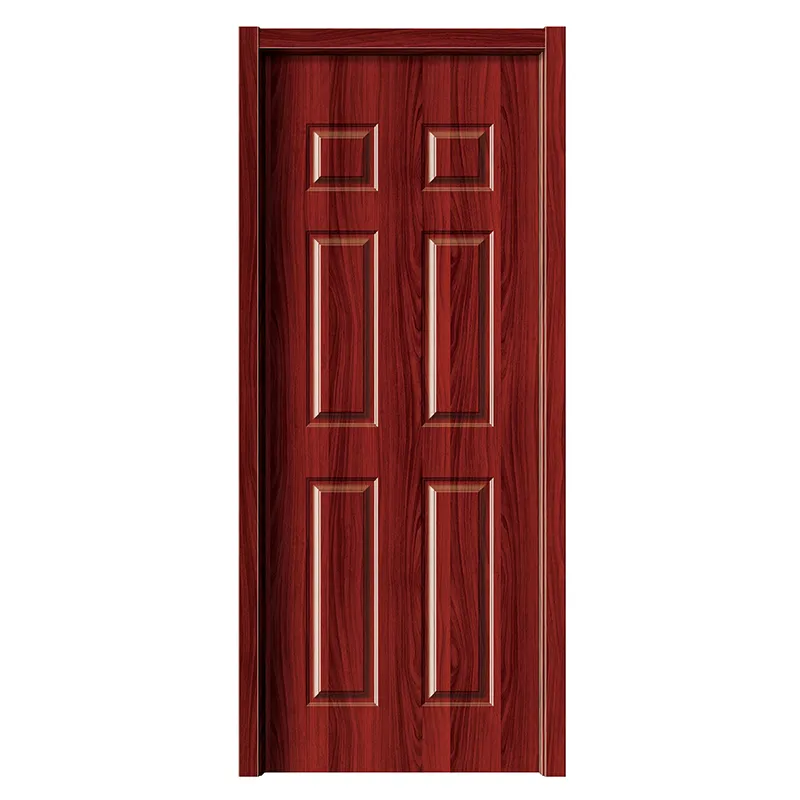 YST-201 Door Red team
 -
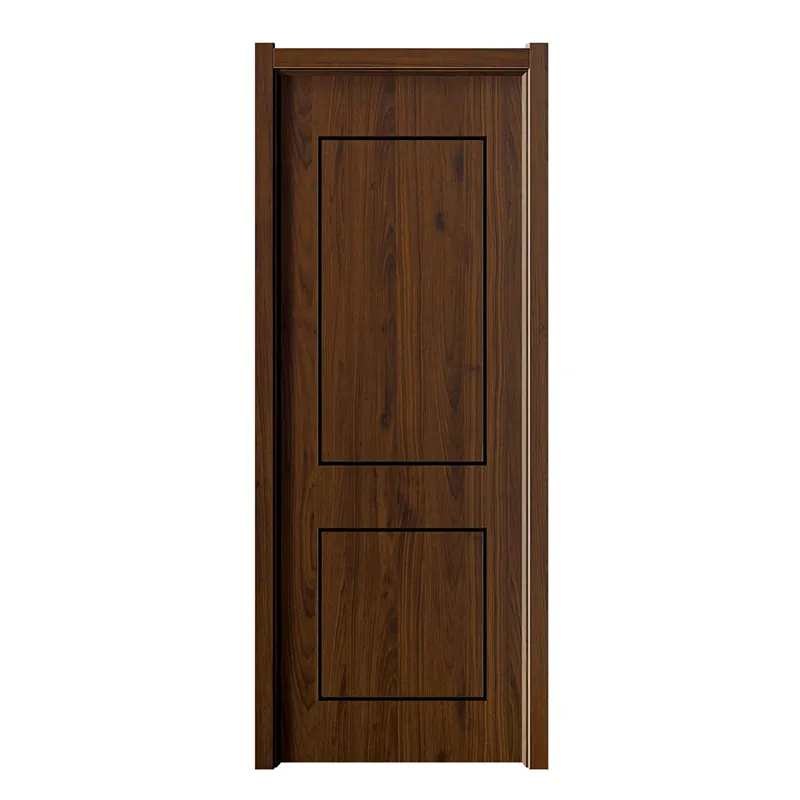 YST-WPC2 Door
 -
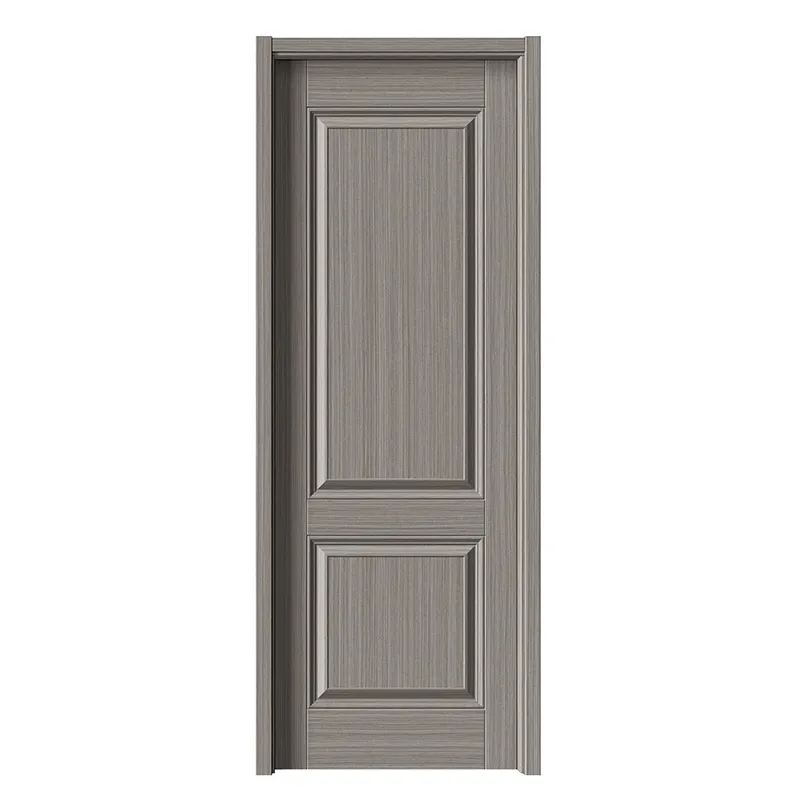 YST-214 Door Technowood 2
 -
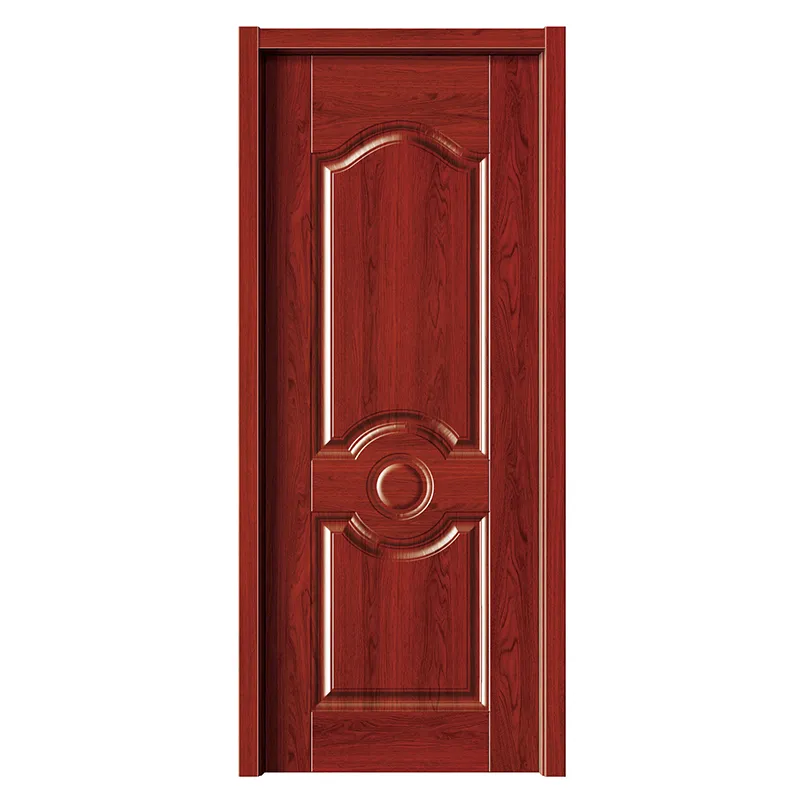 YST-208 Door Red Sandalwood
 -
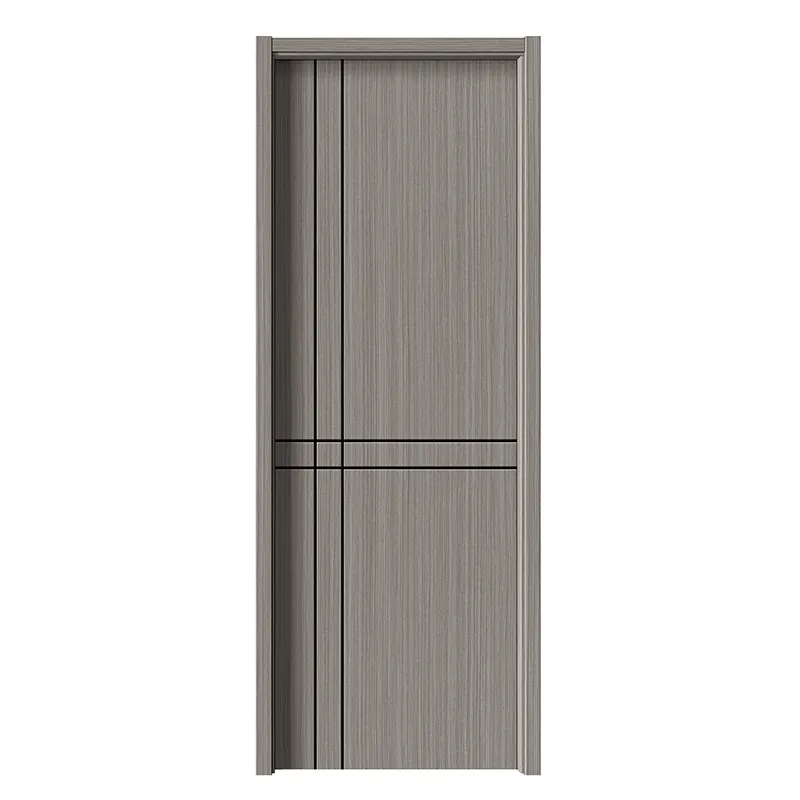 YST-1004 Door Technotree 2
 -
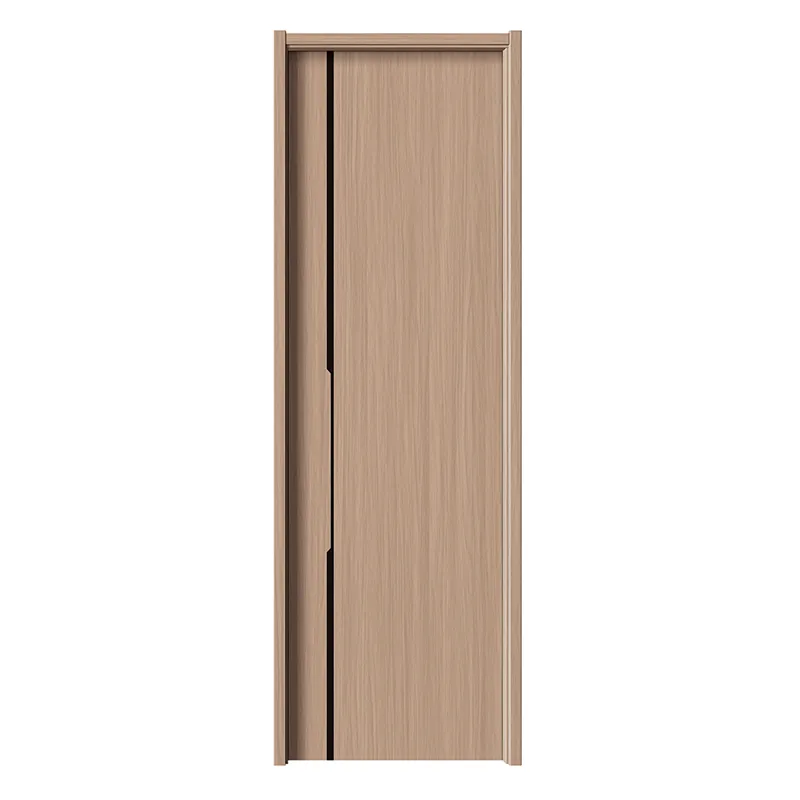 YST-1029 Door Translucent light shade 1
 -
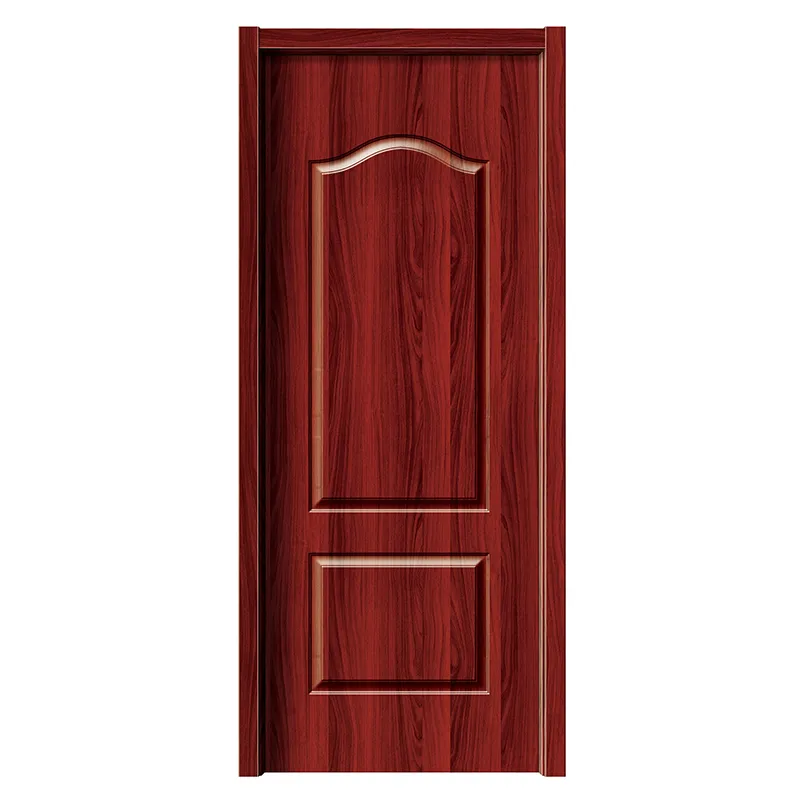 YST-207 Door Red team