




Hidden entrance door to the apartment
When a client first says 'hidden door', they often conjure up an image from a spy thriller - a hidden panel in a bookcase leading to a secret room. In practice, in an apartment context, everything is more prosaic and complex. This usually meanshidden entrance door, visually integrated into the wall, when the trim is either absent or recessed, and the canvas is painted or trimmed to match the finish. The main paradox: the task is to make the door invisible, but at the same time it must remain a full-fledged protective structure that meets GOST standards for burglary resistance and sound insulation. This is where the pitfalls begin, which glossy magazines are silent about.
Constructive compromises: what really works
The main mistake is an attempt to blindly transfer the technology of interior hidden doors to entrance doors. The interior can be made on invisible hinges, with a hidden box, and it will be light and elegant. This will not work with the entrance. The weight of the canvas with a metal core, reinforced hinges and a multi-point system requires a completely different approach to concealment. I often see projects where the designer, striving for an ideal plane, proposes making the rebate minimal - 2-3 mm. It looks beautiful on paper, but in reality: in winter, when drying out, cracks and drafts appear, and sound insulation drops catastrophically. We have to explain that for a hidden entrance door, the technological gap and the vestibule are sacred, they cannot be sacrificed for the sake of aesthetics. It's better to do it thenhidden entrance doorwith a magnetic seal around the perimeter and a recessed threshold - this somehow saves the situation.
Another point is the finishing. Often they just want to paint the metal sheet to match the color of the wall. But paint on metal and drywall ages differently; after a year or two, the shade may “float”, and the door will become noticeable again. A more reliable option is cladding with veneered MDF panels, which can then be tinted along with the wall. But the quality of the base is important here. I've seen how some companies skimp on metal preparation - they don't use adhesive primer, and after six months the panels begin to come off in waves. Solutions show good results where, at the factory stage, a polymer coating with a texture that imitates plaster or a specific type of paint is applied to the steel sheet. It is more expensive, but more durable.
By the way, about the manufacturers. Now there are many offers on the market, but not everyone understands the specifics of hidden installation. For example, Chinese manufacturers often focus on cheapness, but their designs are not always adapted to our differences in humidity and temperature. European brands are reliable, but the prices are exorbitant. Some companies operating at the intersection of markets offer an interesting balance, such asAnhui Wantai Woodworking Co.,Ltd. I look at their website -https://www.anhuiwantai.ru- it is clear that they are positioning themselves as a supplier of wooden doors to the international market, focusing on a combination of design and practicality. This is critical for concealed solutions: their products must be designed from the outset with future integration into the wall in mind. Their philosophy of 'building a business on precision' is exactly what is needed for such capricious products ashidden entrance door to the apartment. Because the slightest distortion in the geometry of the box, and the whole idea of 'invisibility' will collapse - the cracks will be obvious.
Installation: where 80% of problems lie
Let's say the door is perfect. But if the installers are ordinary guys installing standard doors, everything will go wrong. The main difficulty is preparing the opening. Under the hidden door it must be placed in an ideal plane with a tolerance of no more than 1.5 mm over the entire height. Often in panel houses the opening is 'blocked', and it has to be plastered over it, which makes the work more expensive. Many clients don’t understand this, try to save money on preparation, and then wonder why the door “plays.”
The installation of the box itself is a piece of jewelry work. It needs to be exposed, secured with anchors, but in such a way that the fasteners are then completely hidden by a layer of plaster or drywall. We usually use a technology where the box is installed in the pre-finishing opening, then it is lined with gypsum board, leaving only a technological gap for the canvas. After this, the canvas is hung, and only then the finishing of the wall is brought close to it. The slightest haste and cracks appear at the junction. Once we had to redo the object because the plasterers started working before we adjusted the hinges on the loaded canvas. The result is that after a month the geometry “went away” and a network of cracks appeared along the perimeter.
A separate story is the fittings. Hidden hinges are a must have. But they are not all the same. Cheap ball models begin to creak and sag under weight over time. It is better to take hinges with a rolling bearing and adjustment in three planes. Handles - only mortise, unobtrusive, preferably with a push-to-open mechanism. But here it is important to warn the customer: such a handle is less convenient, if you need to bring large furniture into the apartment, you will not be able to rest your shoulder against it.
Typical customer mistakes and how to avoid them
The most common mistake is to orderhidden entrance doorat the final stage of renovation. This is fundamentally wrong. Its installation should be included in the project at the very initial stage, along with electrical wiring and wall alignment. Because you need to foresee in advance how the box will be attached, how the finishing will go, where the intercom wires will go (they also need to be hidden). I have seen more than once how people bring a ready-made door to a renovated apartment and demand that they “stick it in so as not to break anything.” You have to refuse - it won’t work out well.
The second mistake is saving on insulation and sound insulation. In pursuit of invisibility, people forget that a door is, first of all, a barrier. If the blade is thin and the seal contour is weak, all benefits are lost. You need to immediately look at the parameters: metal thickness, number of stiffeners, type of filler (preferably high-density mineral wool), number of sealing contours. goodhidden entrance door to the apartmentIn terms of sound insulation, it should not be inferior to conventional armored ones.
And third, unrealistic expectations of 'invisibility'. Even the highest quality door will be visible when lit from the side by its shadow gap. The task is not to make it a ghost, but to fit it into the interior as much as possible so that it does not attract attention. Sometimes it is worth abandoning absolute concealment in favor of a combined option - for example, with a narrow platband to match the wall. It is easier to install and more reliable in operation, and the visual effect is almost the same.
Case from practice: when theory collided with the old Khrushchev
I had an object - an apartment in Khrushchev, where the customer wanted a perfectly hidden door. The project is beautiful, the designer drew a wall with textured plaster into which the door was supposed to 'disappear'. We brought the canvas from a trusted supplier and began installation. And then it turned out that the load-bearing wall at the opening was an old, loose brick that was crumbling. The anchors don't hold. I had to urgently improvise: strengthen the opening with a metal corner around the perimeter and attach the box to it. This increased the thickness of the box, and it was necessary to recalculate all the indentations for finishing. The work lasted for two weeks instead of the planned three days.
But the main problem awaited after winter. The apartment is on the south side, the wall was very warm in the sun, and from the entrance it was cold. Due to temperature changes and the natural shrinkage of the new building (the house, it turns out, was recently extensively renovated), a thin but noticeable crack appeared at the junction of the door leaf and the plaster. I had to call the finishers and make a damper joint with elastic sealant for painting. Conclusion: in old houses or after major renovations, it is necessary to lay expansion gaps and use elastic materials for junctions. Absolutely hard docking is a risk.
As a result, the door turned out. The client is happy, but for me this project became a lesson for the future. Now, when I go out for the first time, I always carefully tap and check the opening for homogeneity of the material, and ask about the history of the house’s renovation. And I strongly recommend that customers consider the option withhidden entrance dooras a system 'door + integrated slope + elastic adjacent contour', and not as just a product in a box.
Choosing a manufacturer: what to look for besides price
Let's return to the issue of suppliers. When you choose a door for such an important project as hidden installation, you look not at the catalog, but at production capabilities. It is important that the company has experience in customization, and not just in standard solutions. For example, if we take a companyAnhui Wantai Woodworking Co.,Ltd, then from the description it is clear that they have their own modern production base and development team. This is the key point. This means that they can not just sell a standard model, but adapt the design to specific dimensions and installation conditions - make the canvas a little narrower or wider, move the hinges, provide fastenings for a hidden box. Their principle of strict adherence to standards at all stages - from raw materials to control - is exactly what gives predictable results forhidden entrance door to the apartment.
Another practical tip is to always request not just certificates, but technical cards for specific models. Look at the geometry tolerances and the description of the box fastening system. A good sign is if the manufacturer provides detailed instructions for hidden installation, rather than general phrases. And of course, check reviews, but not on the site itself, but on independent platforms where people share their experience of installation and operation in our realities.
In the end, the success of a hidden door project is always a triangle: a competent manufacturer who makes an accurate product, experienced installers who understand the specifics, and an informed customer who is willing to invest in preparation and does not expect miracles. If one link falls out, the idea of invisible protection turns into a headache and unnecessary expense. But when everything comes together, it turns out to be a truly beautiful and smart solution for modern housing.
Correspondingproducts
Related Products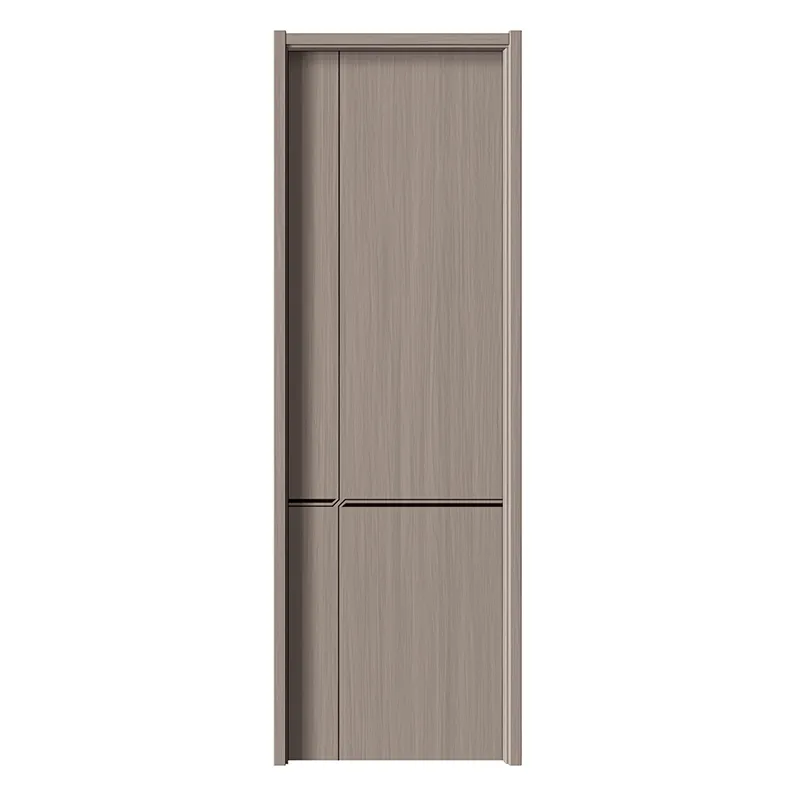
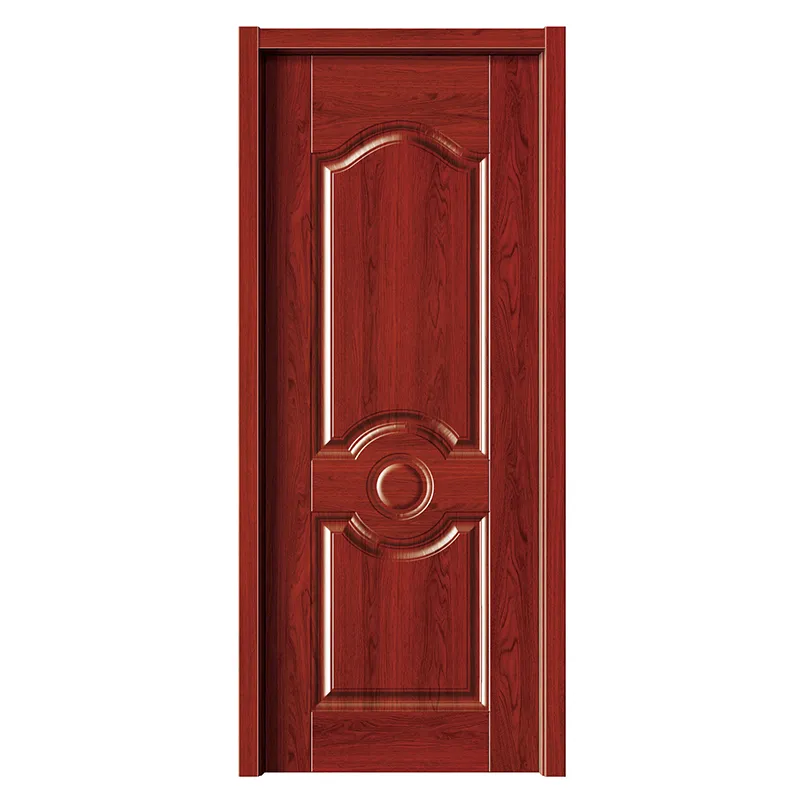
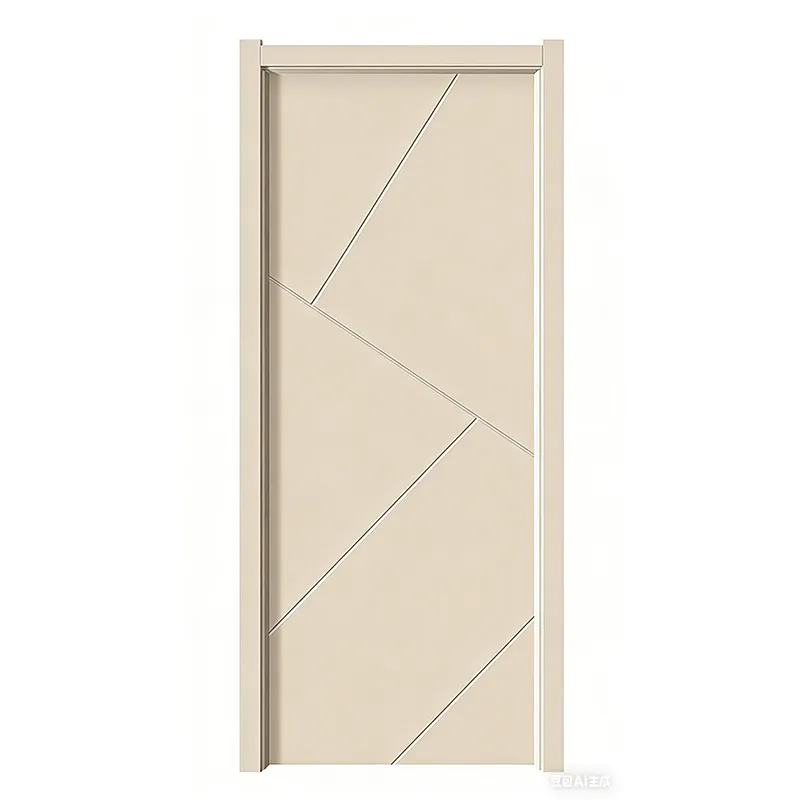
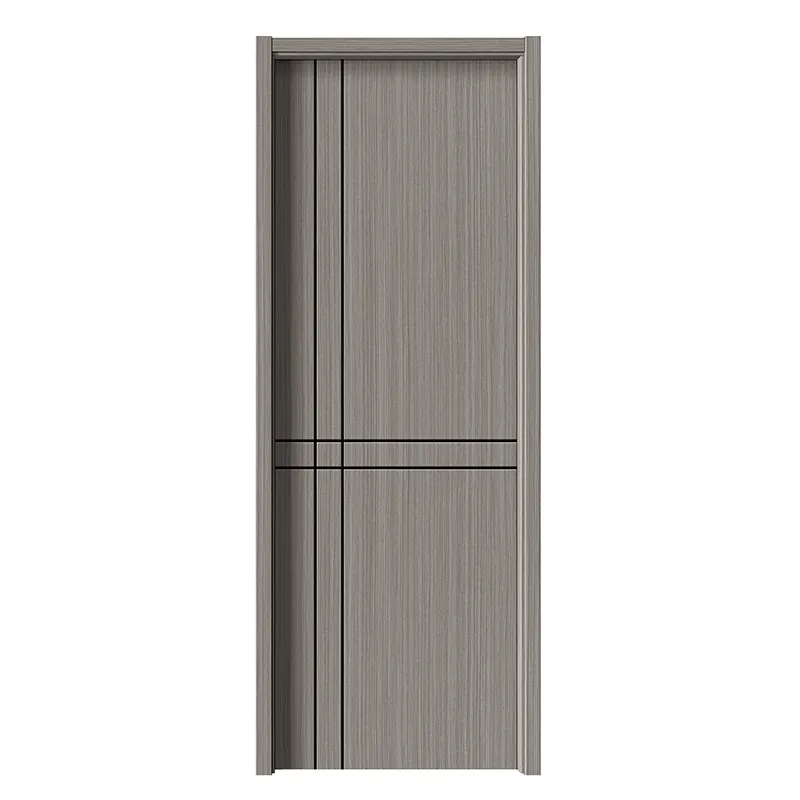
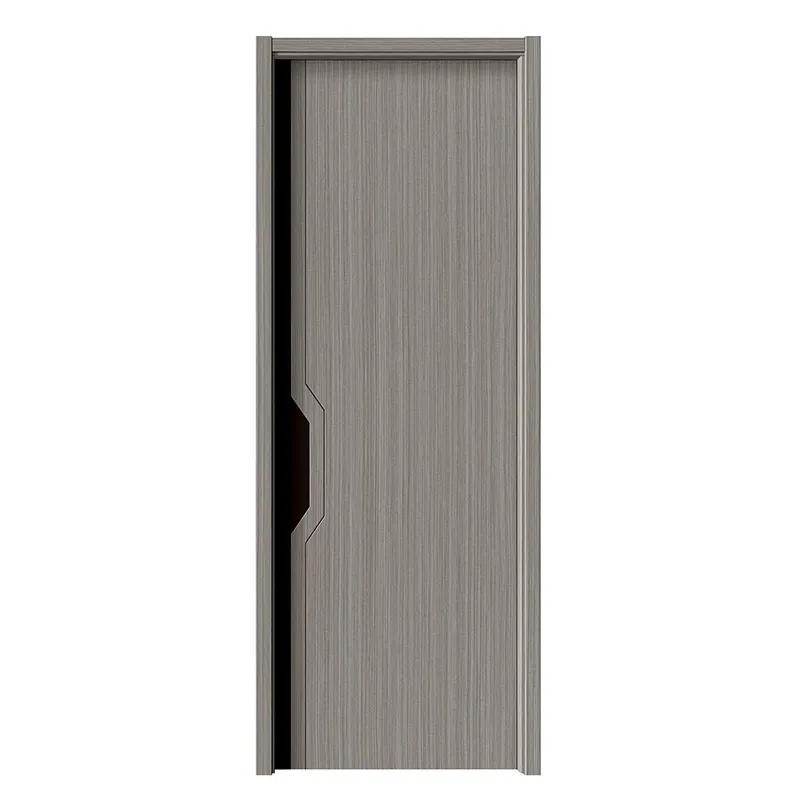

Best Sellingproducts
Best Selling Products-
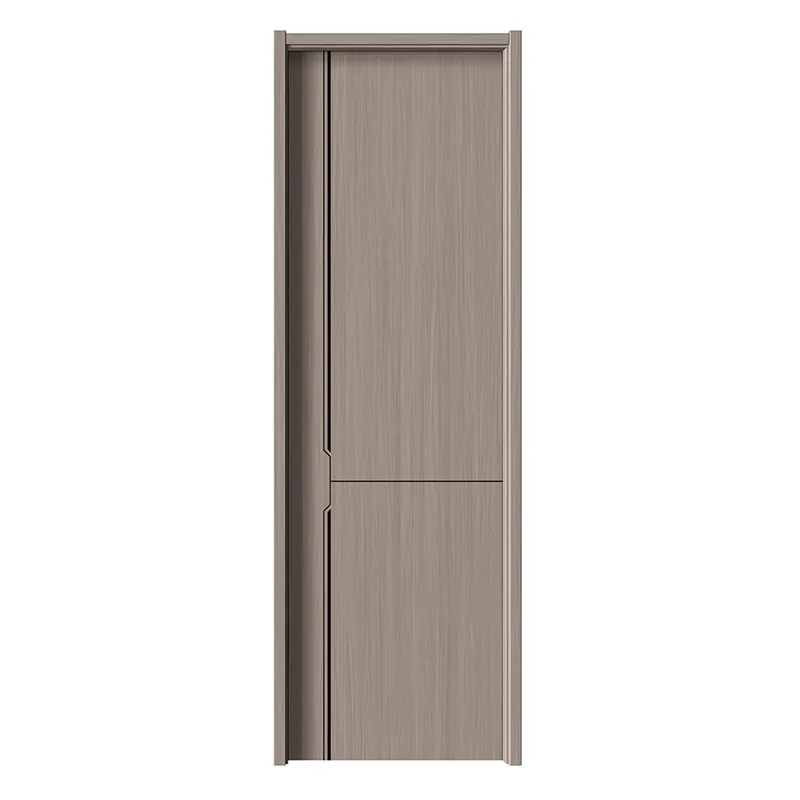 YST-1011 Door Translucent light shadow 3
 -
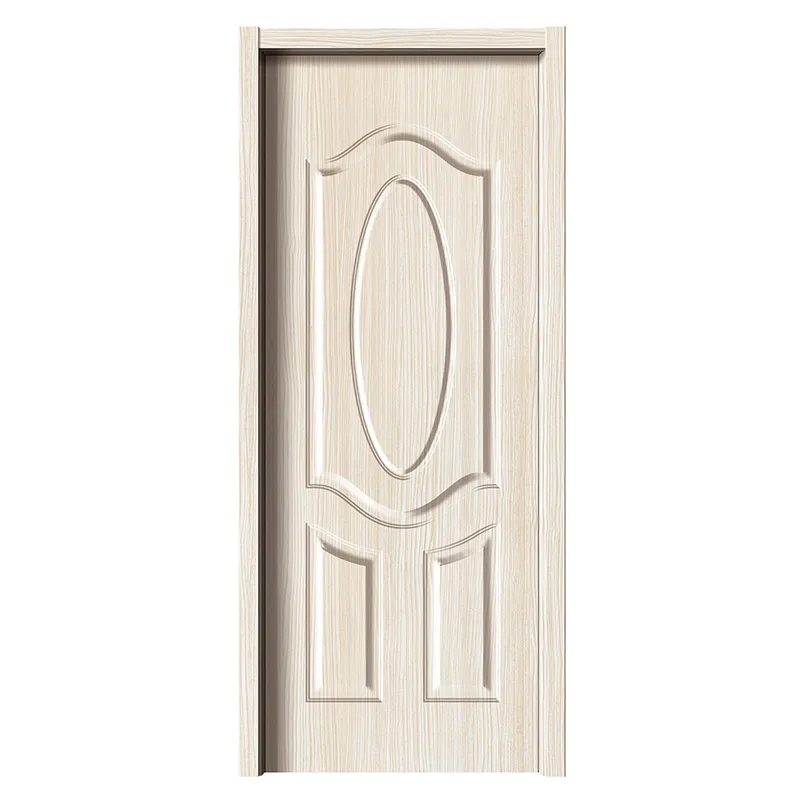 YST-216 Door White Maple
 -
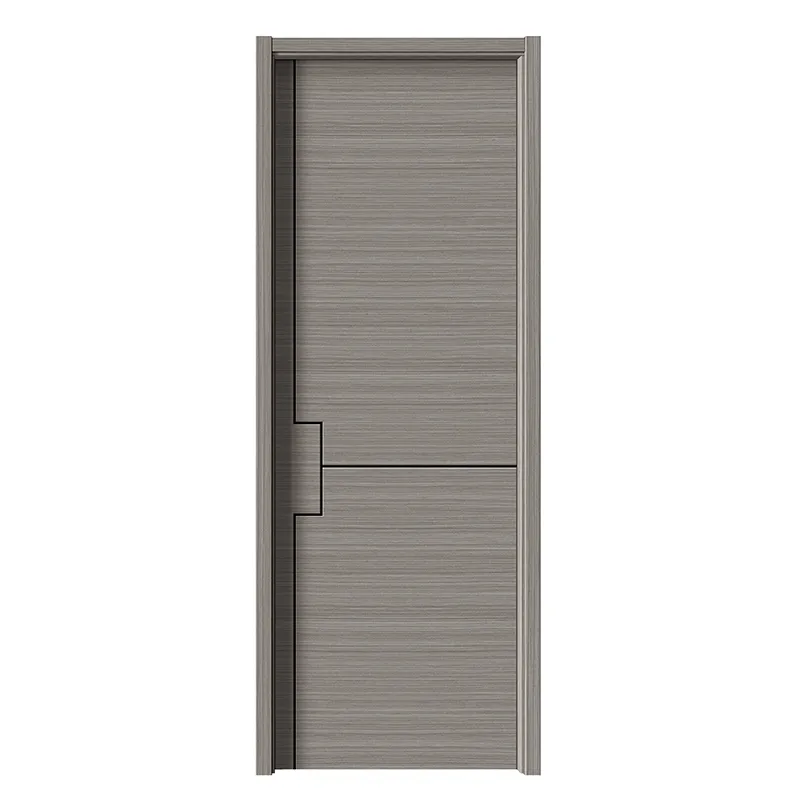 YST-1005 Technotree Door 2
 -
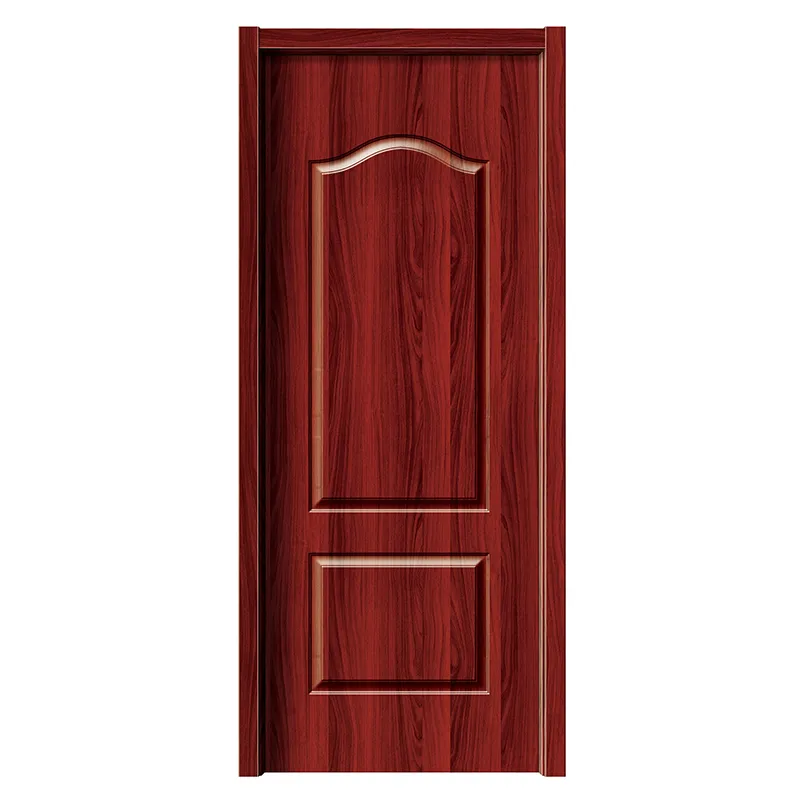 YST-207 Door Red team
 -
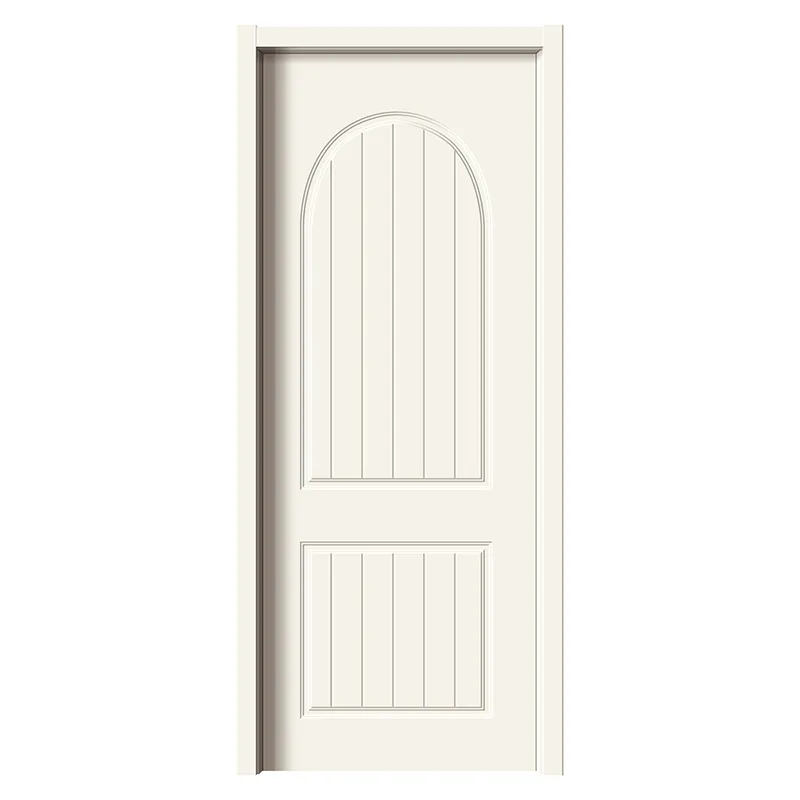 YST-236 Door White ivory
 -
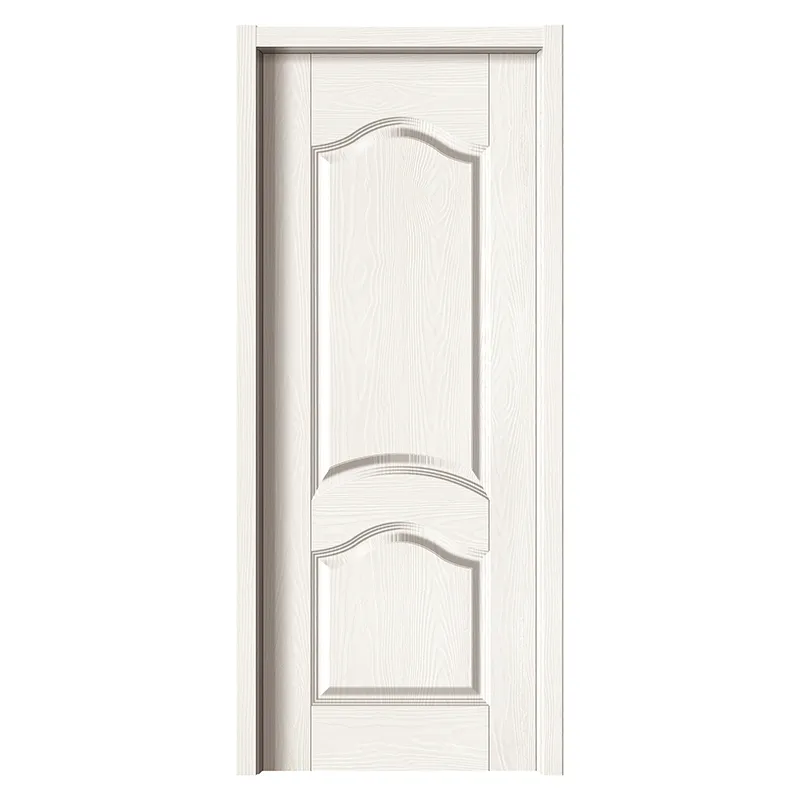 YST-224 Door Warm white with relief
 -
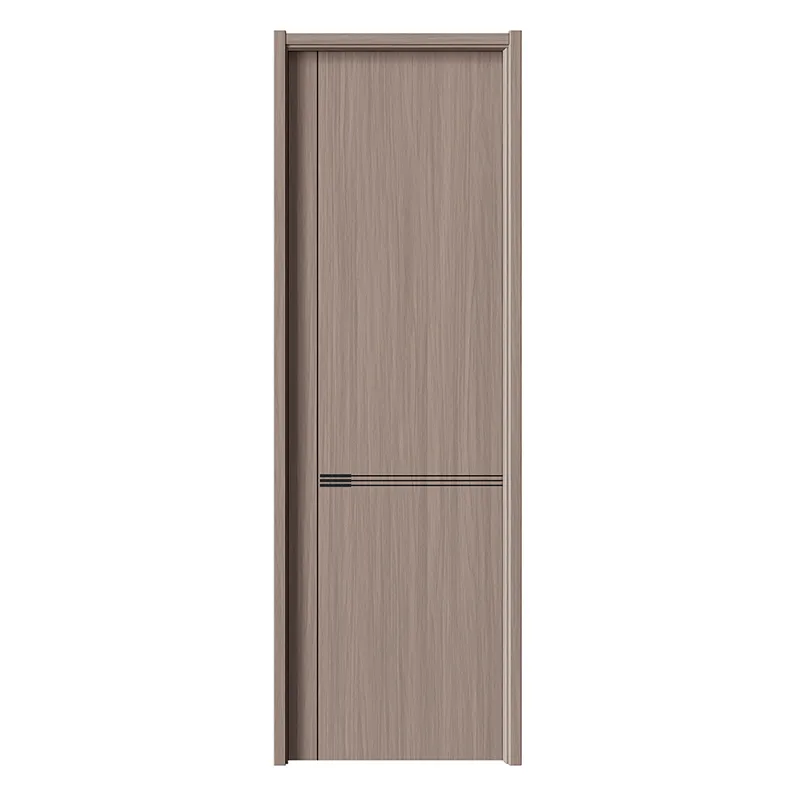 YST-1039 Door Translucent light shadow 3
 -
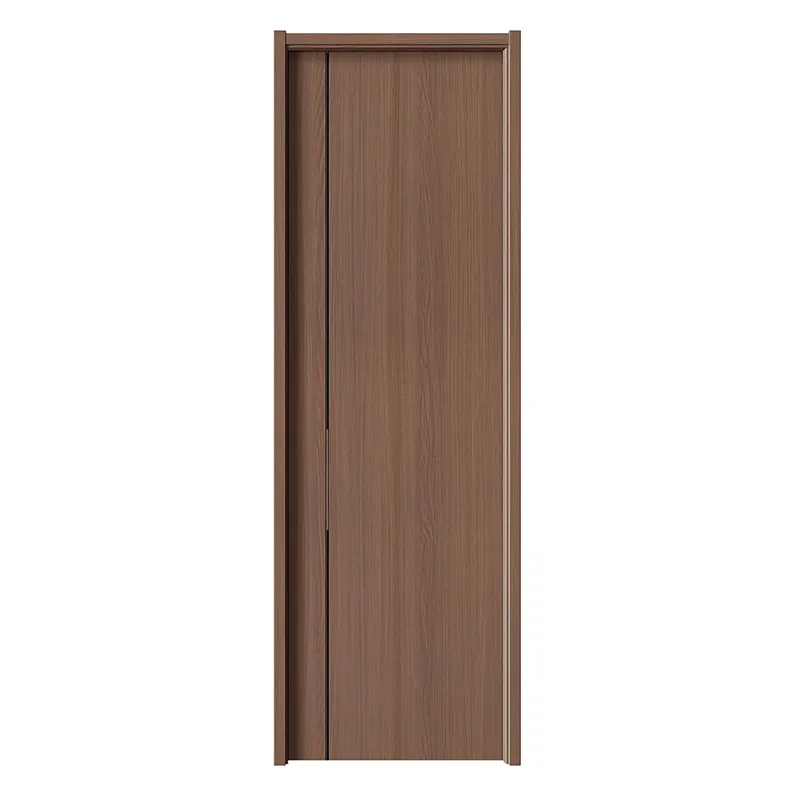 YST-1043 Door Techno-walnut 3
 -
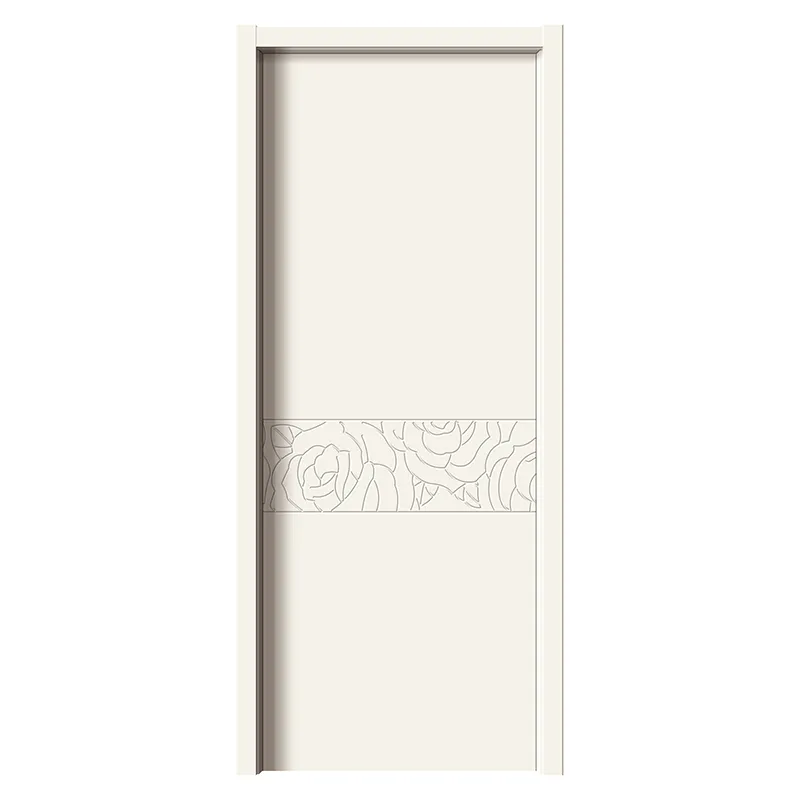 YST-238 Door White ivory
 -
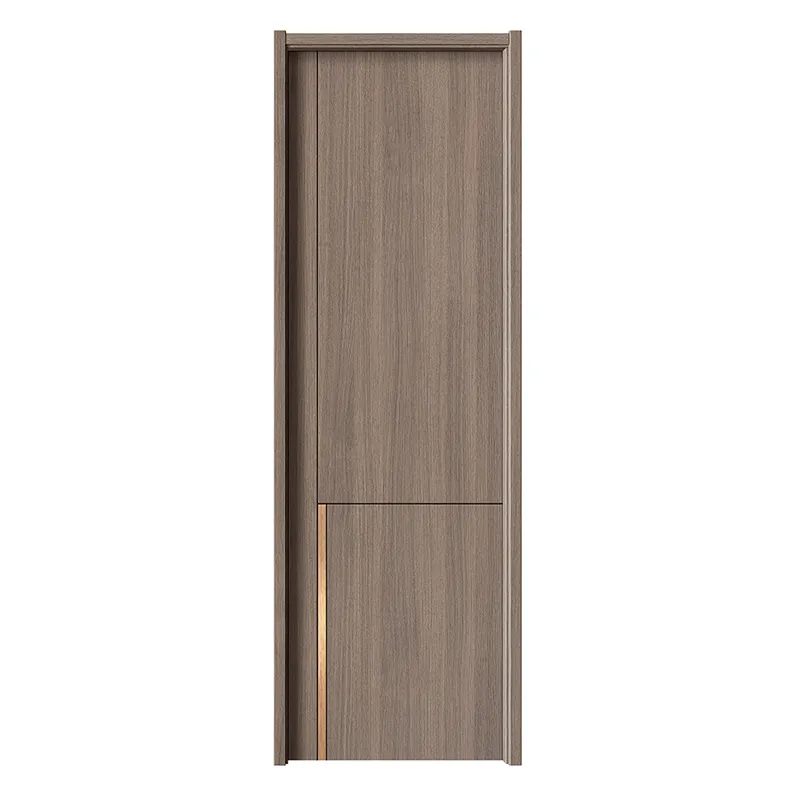 YST-1003 Door Oak gray
 -
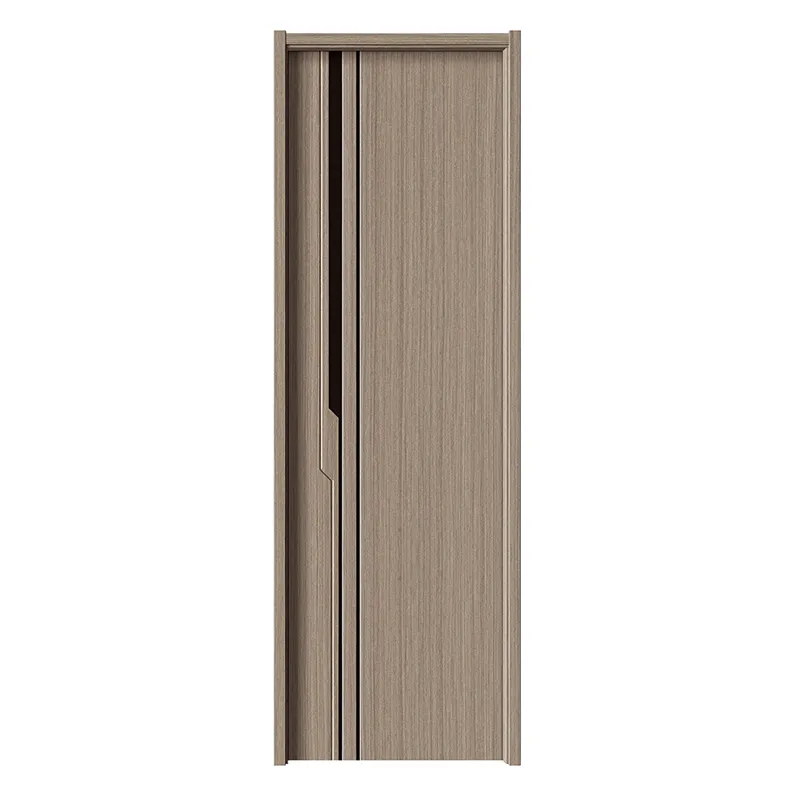 YST-1018 Technowood Door 1
 -
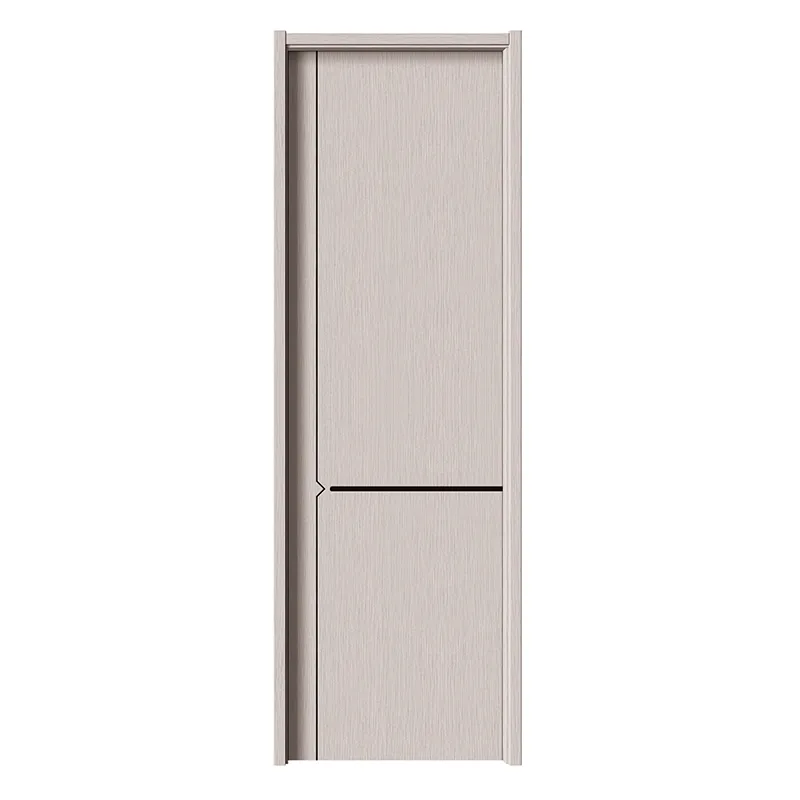 YST-1024 Door Chiaroscuro wood 1