




Eco-friendly wooden door
When you hear “eco-friendly wooden door”, the first thing that comes to mind for many is just a door made of wood, perhaps with some kind of “green” on it. certificate. In reality, everything is more complicated. Behind this term lies a whole chain of decisions: from the origin of the wood to the composition of the glue and the finishing coating, which together determine how much the product truly complies with the principles of sustainable development and health safety. A common mistake is to assume that any solid door is automatically environmentally friendly. But if logging is carried out in a predatory manner, and formaldehyde resins are used during processing, then what kind of environmental friendliness can we talk about? It's more of a marketing ploy.
Raw materials: the often overlooked foundation
It all starts with the forest. For me, the key indicator is managed forests with FSC or PEFC certificates. This is not just a piece of paper, but a guarantee that the tree has not been cut down by poaching and new seedlings have been planted in its place. I have seen how some manufacturers, especially in pursuit of low prices, purchase raw materials of dubious origin. In the short term this is beneficial, but in the long term it kills reputation and, more importantly, goes against the very essence ofeco-friendly wooden door.
It is worth noting the approach of such companies asAnhui Wantai Woodworking Co.,Ltd. Studying their materials on the sitehttps://www.anhuiwantai.ru, it is clear that they place emphasis on controlling the supply chain of raw materials. Their philosophy is to “build a business on precision?” - these are not empty words. In practice, this means not only checking certificates, but also selecting wood for density, moisture content, and absence of defects. Because a door made of substandard, even certified, wood will deform faster, which will lead to its replacement - and this is an anti-ecological cycle.
Personal experience: I somehow had to deal with a batch of doors that began to “lead?” six months after installation in a dry room. It turned out that the problem was in the initial drying - it was accelerated and uneven. The wood “played”, although it was originally from good wood. Conclusion: sustainability starts with the physics of the material, not just its origin.
Adhesives, impregnations, coatings: invisible ecology
This is perhaps the most subtle and important point, which the end consumer almost does not see, but feels with his nose and lungs. You can take perfect wood and ruin it with toxic formaldehyde-based glue. The market is still full of such solutions because they are cheap and technologically advanced. Realeco-friendly wooden doorinvolves the use of water-based adhesives or with natural ingredients, for example, casein-based.
The same is true with protective impregnations and varnishes. Fashionable "matte loft" the effect is often achieved with formulations that release volatile compounds for several weeks after application. An alternative is natural-based oils and waxes. They, of course, require more frequent updating, but from the point of view of the microclimate in the house, this is a different level. In the company descriptionAnhui Wantai Woodworking Co.,Ltdmentions strict adherence to international standards at all stages. In fact, this should result in transparency regarding these very compositions, in a willingness to provide material safety data sheets (MSDS).
From practice: there was a project where the customer insisted on maximum naturalness for a children's room. We used doors treated with only oil and beeswax. Yes, they are more vulnerable to stains, but they are completely inert. This was a conscious compromise in favor of health, and the client appreciated it.
Design and durability: why ?for centuries? - it's environmentally friendly
Environmental friendliness is also resource efficiency. A door that lasts 30 years is objectively “greener” than one that is replaced every 10. And durability is determined by the design. A solid solid shield is not always the best choice. It is heavy and prone to deformation. Paneled structures and the proper use of engineered boards (laminated veneer lumber), which is more stable than solid wood, is a more reasonable way.
Engineering is important here. It is necessary to correctly calculate and position the power elements so that the door does not sag on its hinges after a year. An experienced team of designers and developers, like the company mentioned above, is just that. Their task is not just to draw a beautiful door, but to design a product that will be functional and durable. A modern production base allows us to implement such projects with high precision.
I remember a bad experience with doors from one local workshop. The design was excellent, but structurally they created weak points in the castle area. After a couple of years of active use, cracks appeared. I had to change it. So environmental friendliness also means thoughtfulness to the smallest detail, which eliminates premature failure.
Aesthetics vs. Practice: Finding Balance
CompanyAnhui Wantai Woodworking Co.,Ltdits mission statement speaks of a combination of aesthetic design and practical performance. This is the point.Eco-friendly wooden doorshould not look like an ascetic object from an eco-village. It can be elegant, modern, and fit into any interior - from classic to high-tech. But this design should not come at the expense of unsustainable materials or short-lived solutions.
For example, deep milling, complex panels - this is beautiful. But if at the same time the layer of protective coating is greatly thinned or the structure of the wood is disrupted, the practical side suffers. Or the now popular glass inserts. Glass itself is inert, but it is important how and with what the glazing bead is secured and what fittings are used. Balance is when a design decision strengthens rather than weakens the door.
A good example is the use of veneered options. A high-quality, valuable wood veneer over a stable engineered wood base provides beauty, stability, and efficient use of resources (the valuable wood is only applied in a thin layer). This is a smart eco-friendly approach.
Global context and local responsibility
The desire to provide products to the international market, as stated by the company, imposes a special responsibility. This means thateco-friendly wooden doormust comply not with one, but with different sets of standards - European, North American, Asian. This is a difficult task, but it gives you discipline. For example, formaldehyde emission standards in the EU (class E1, super E0) are among the most stringent in the world. Focus on such standards automatically raises the bar for the entire production.
But there is also a downside - logistics. Shipping heavy wooden doors across oceans has a carbon footprint. Therefore, part of an environmentally friendly policy could be the optimization of packaging (elimination of excess plastic, use of recyclable cardboard), as well as, possibly, the development of local assembly or finishing centers closer to sales markets in order to transport semi-finished products rather than finished products.
Ultimately, choosing a truly sustainable wood door is choosing to take a holistic view. This is not about one ?green? attribute, but about the whole system: from the forest to installation in your home. And when a manufacturer, be it a large company or a small workshop, demonstrates an understanding of this chain at every stage, as it declaresAnhui Wantai Woodworking Co.,Ltd, this inspires much more confidence than loud but empty marketing slogans. It's not about the term, but about the real materials, processes and - most importantly - the result that works for you for years without causing harm to your home or the environment.
Correspondingproducts
Related Products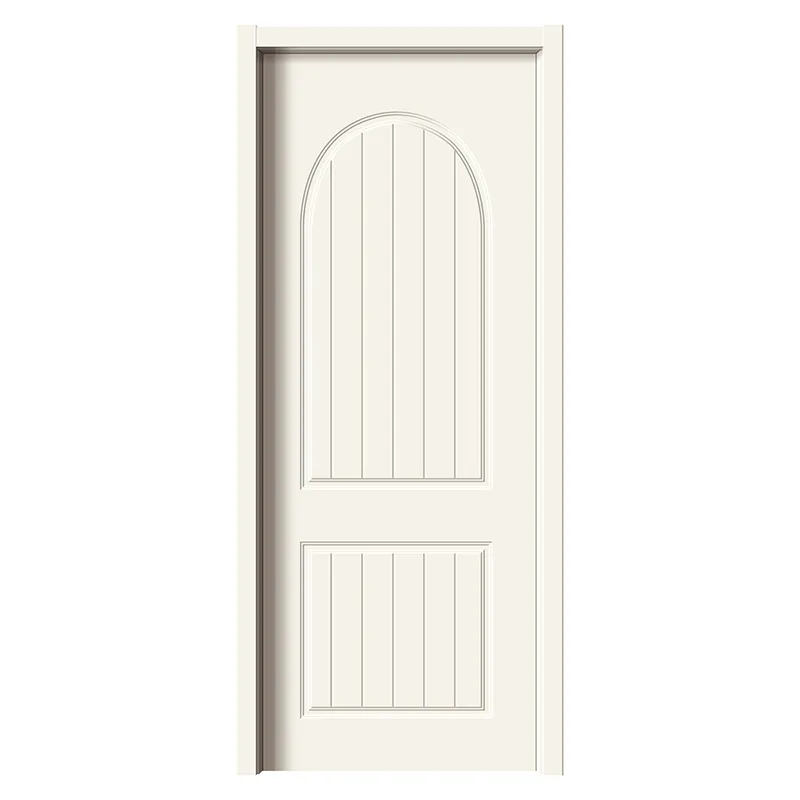
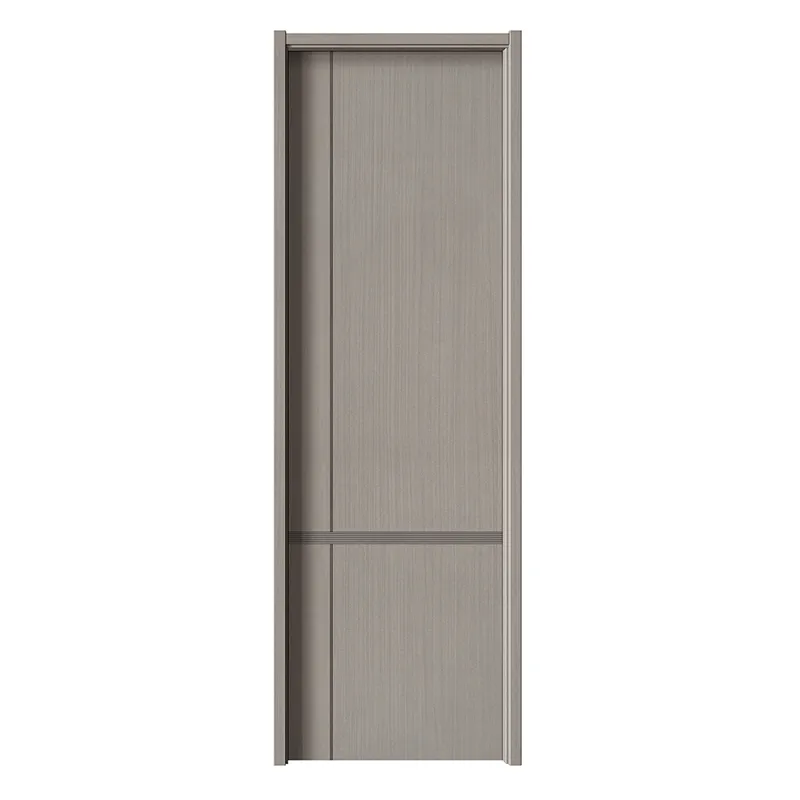
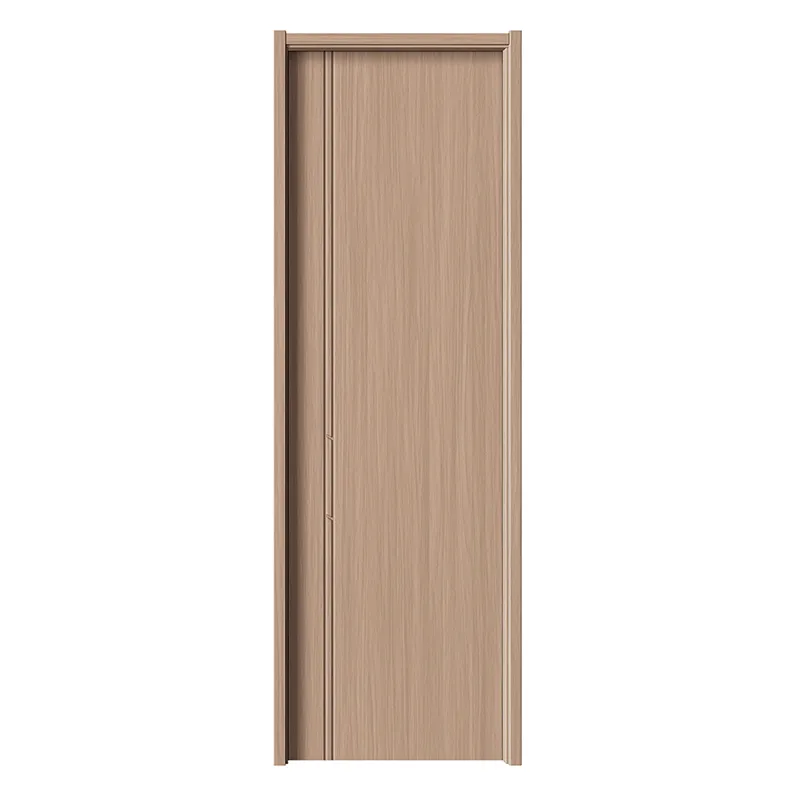
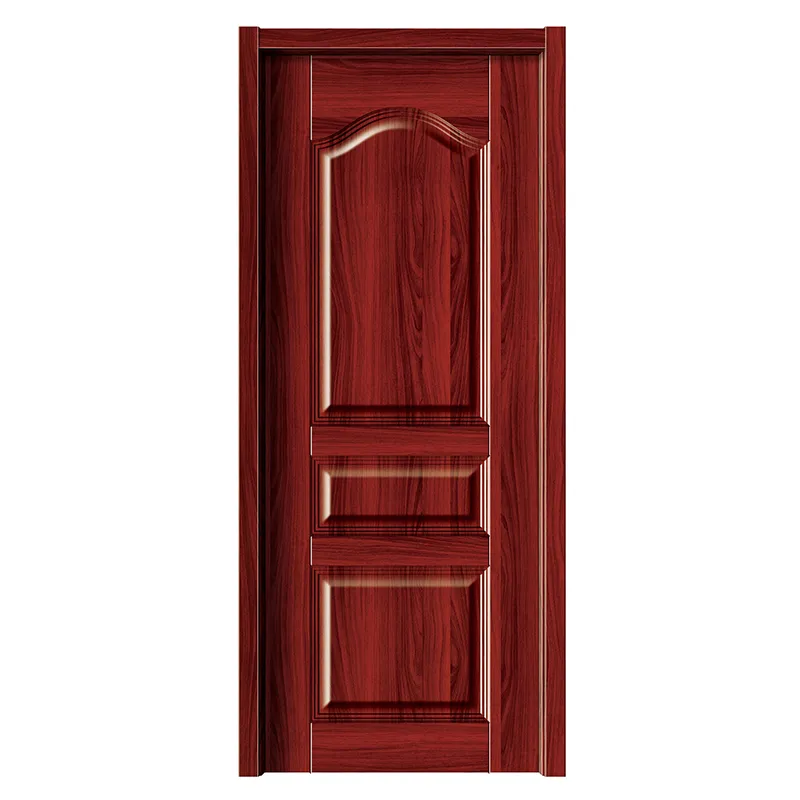
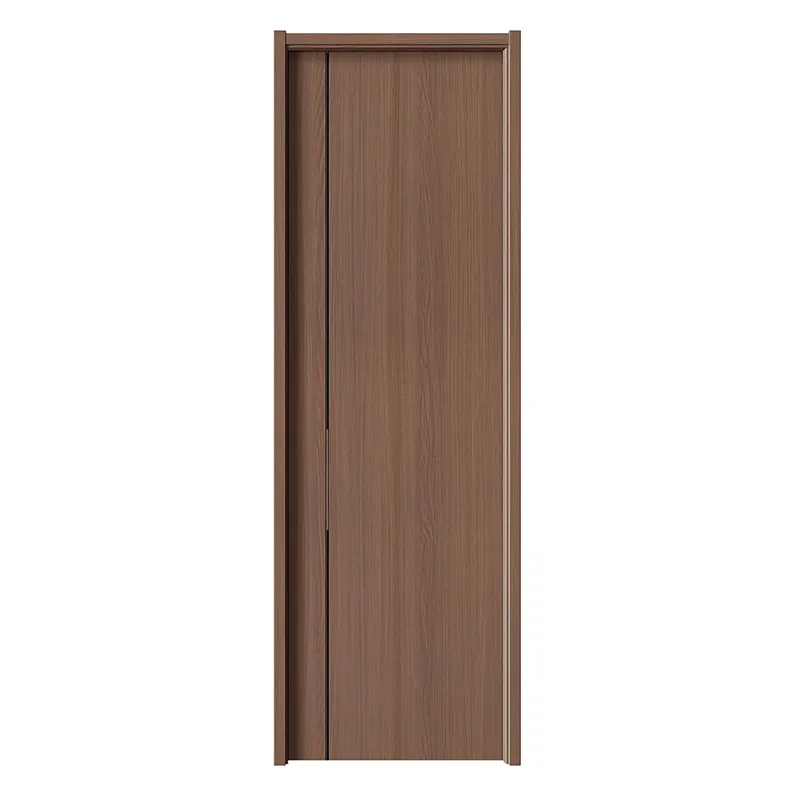
Best Sellingproducts
Best Selling Products-
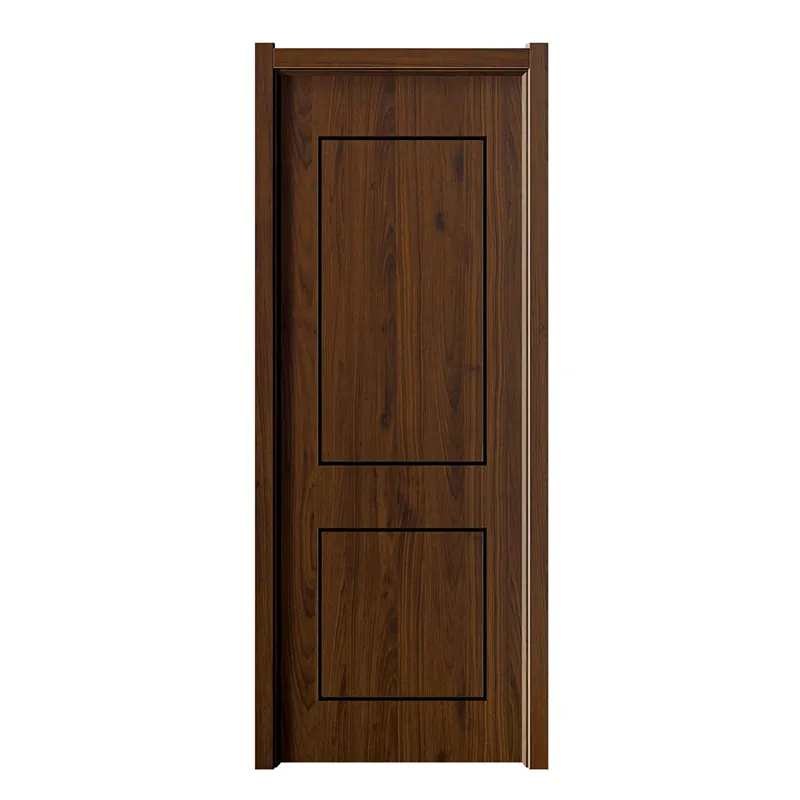 YST-WPC2 Door
 -
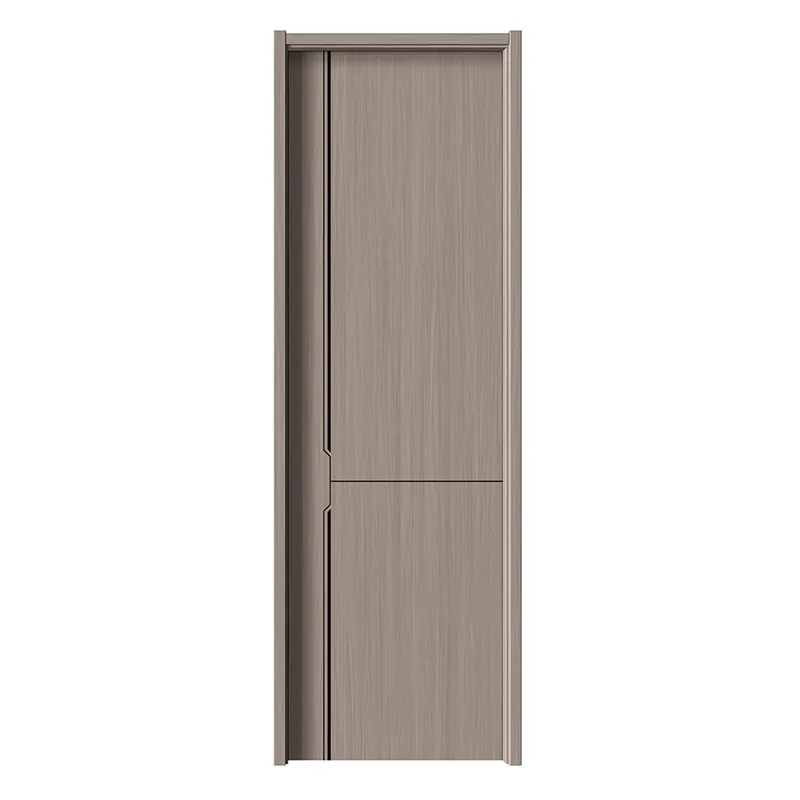 YST-1011 Door Translucent light shadow 3
 -
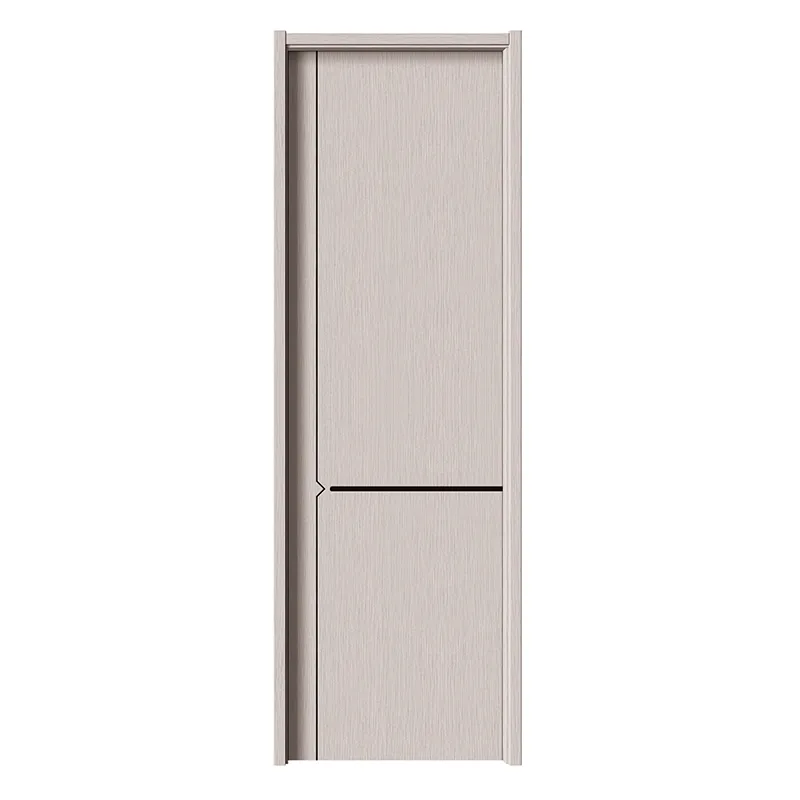 YST-1024 Door Chiaroscuro wood 1
 -
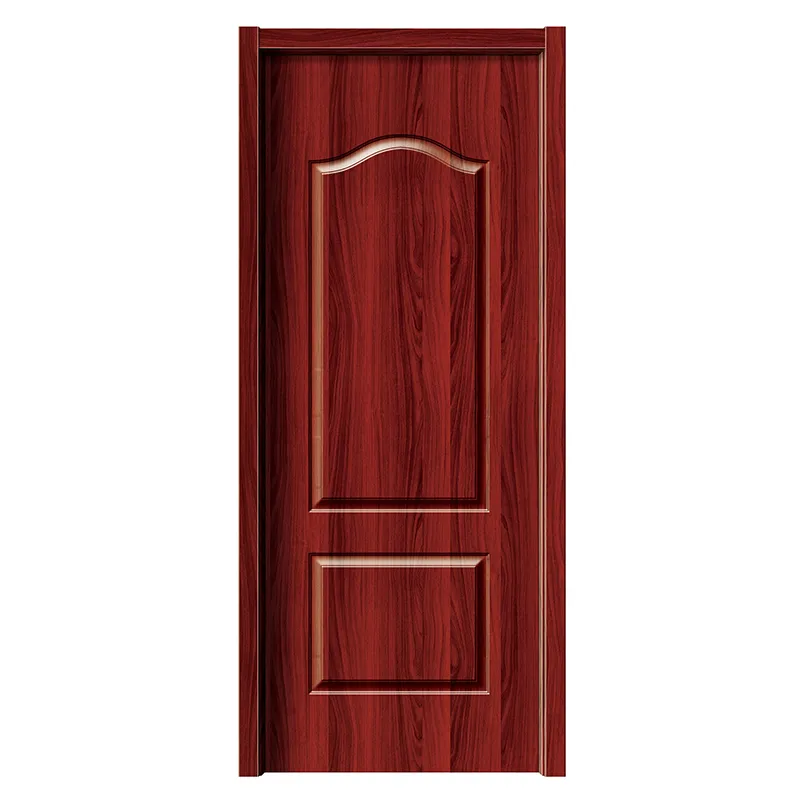 YST-207 Door Red team
 -
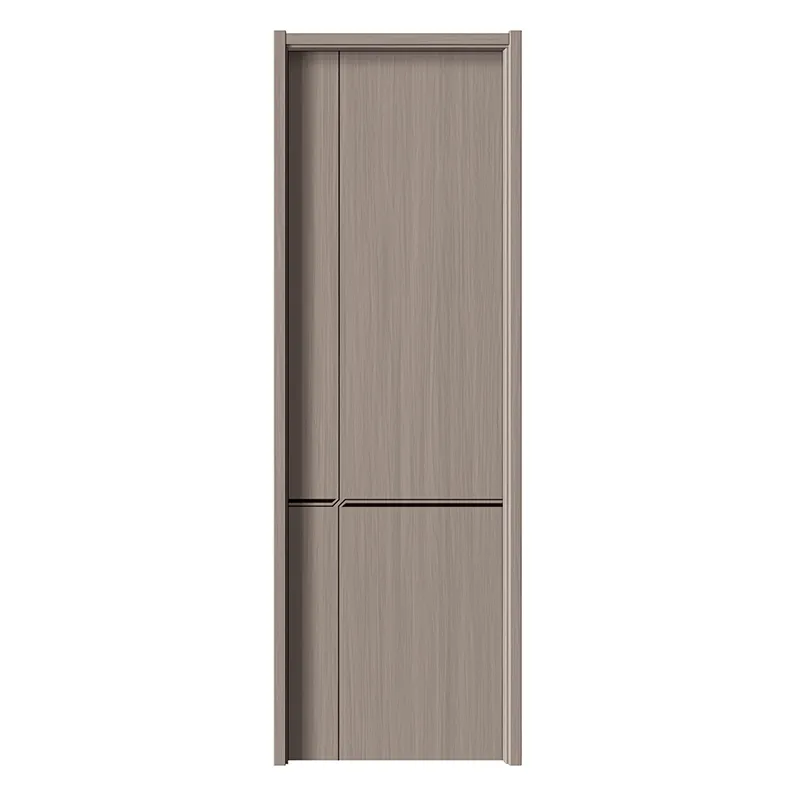 YST-1010 Door Translucent light shadow 3
 -
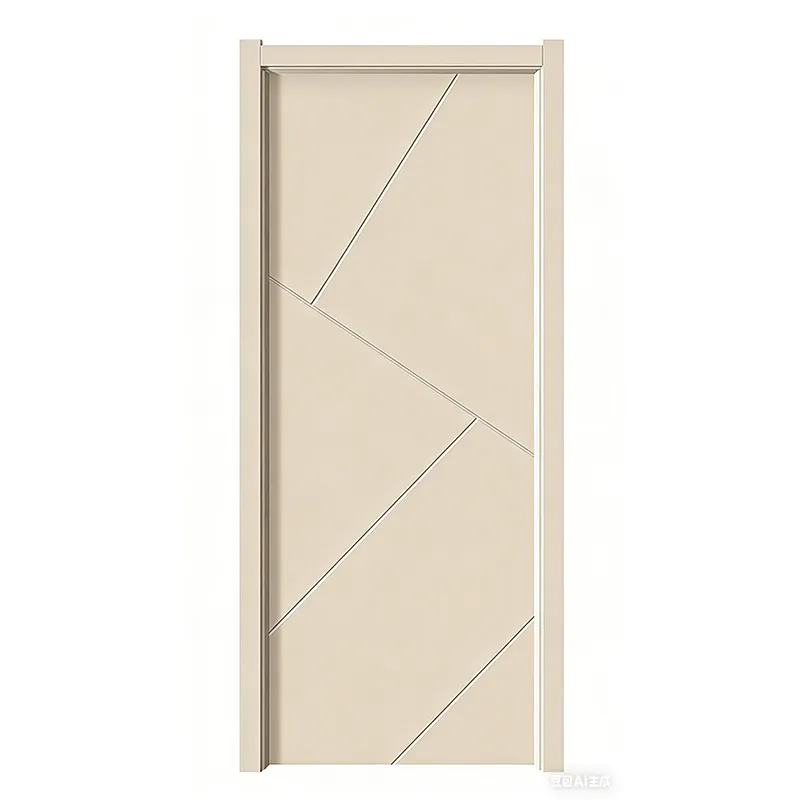 YST-WPC3 Door
 -
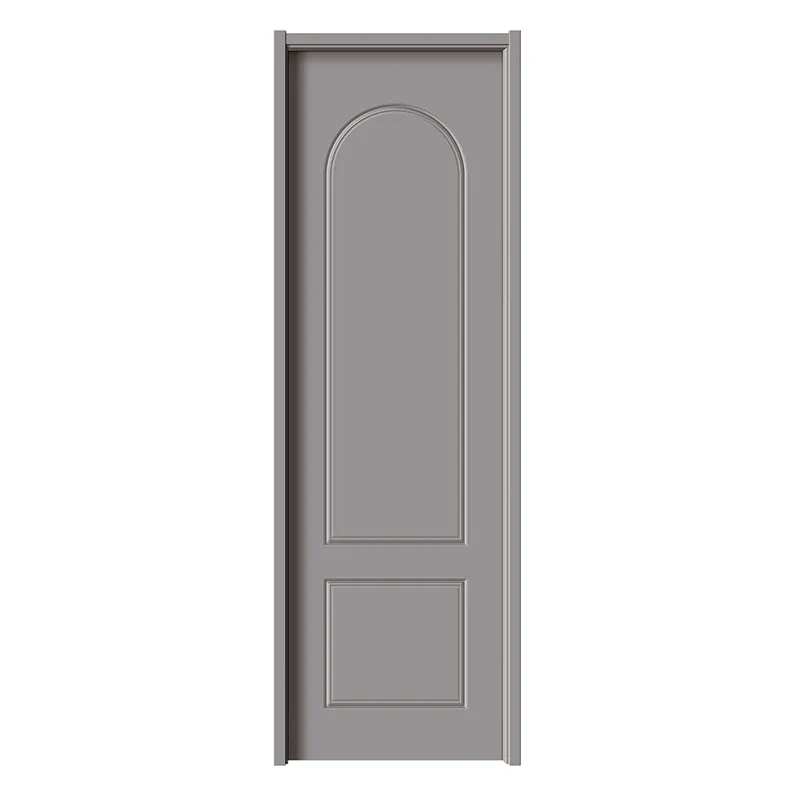 YST-241 French Door 1 soft stone gray
 -
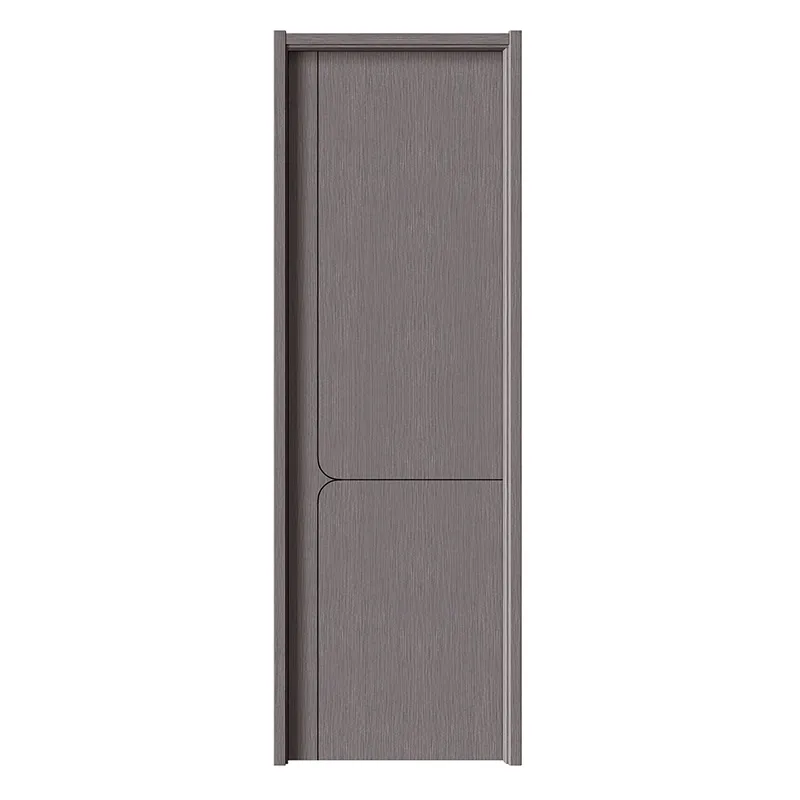 YST-1001 Door Chiaroscuro tree 2
 -
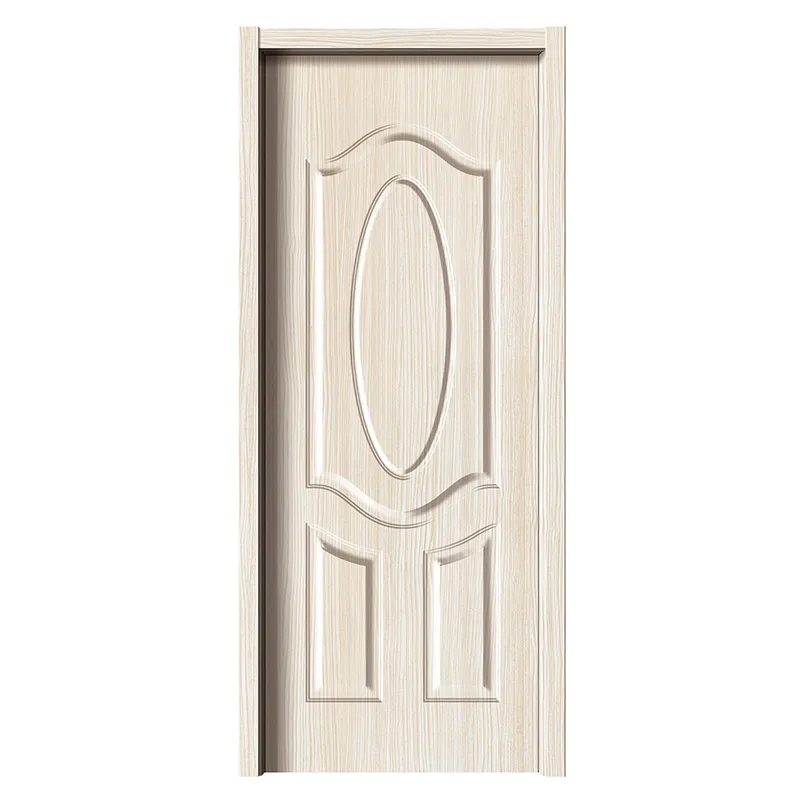 YST-216 Door White Maple
 -
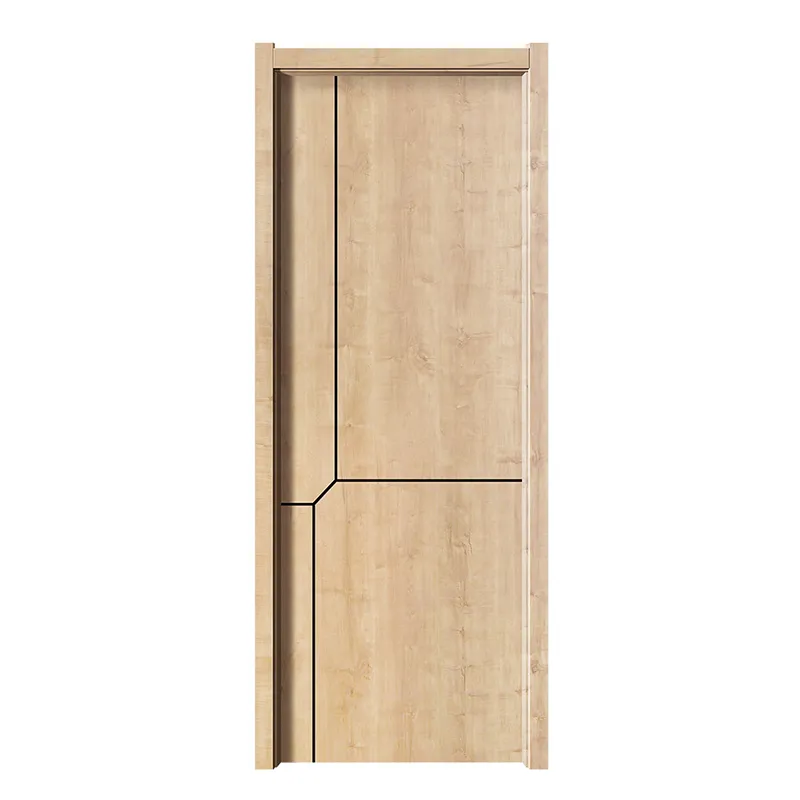 YST-WPC1 Door
 -
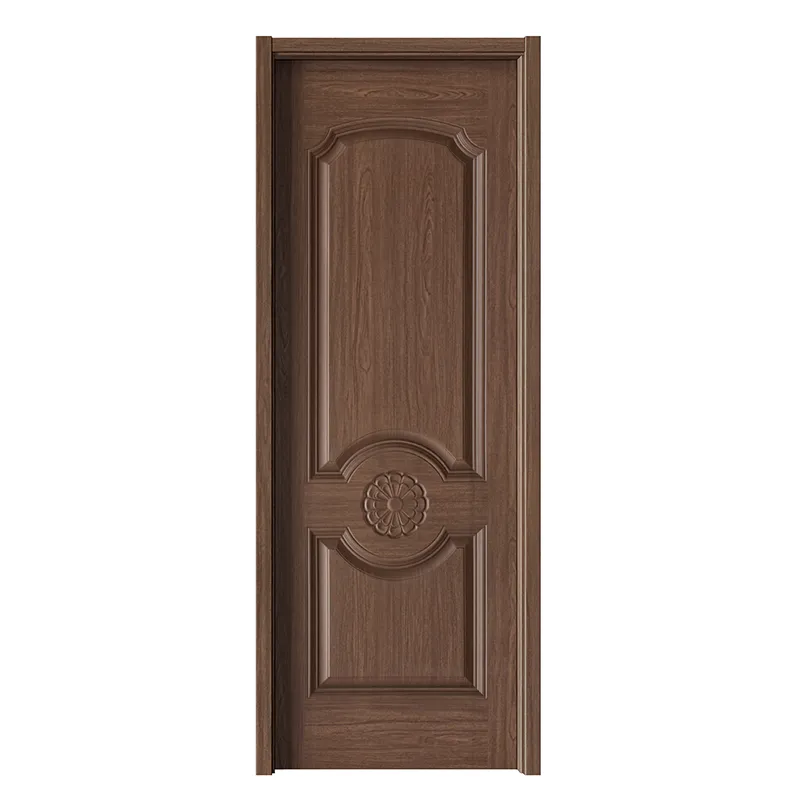 YST-212 Door North American Oak 2
 -
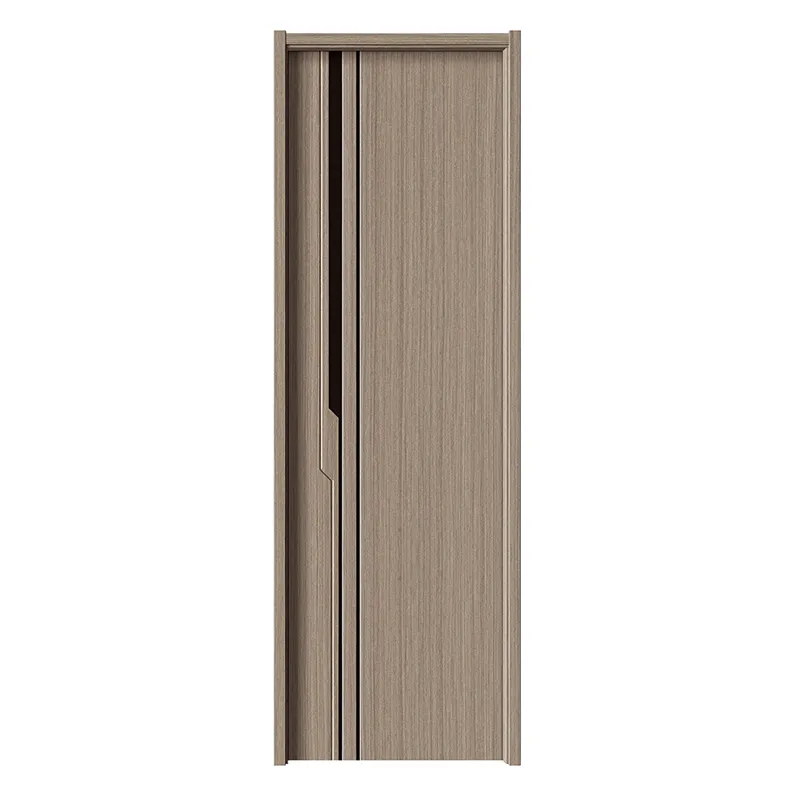 YST-1018 Technowood Door 1