




Solid wood doors for painting
When they say “solid doors for painting?”, many immediately imagine just a panel made of pine, which can then be tinted as desired. This is perhaps the most common simplistic view, which later causes problems with geometry, stability or the final appearance of the coating on objects. In fact, this simple formulation hides a whole layer of nuances regarding the type of wood, processing of the workpiece, surface preparation, and even what kind of paint is planned to be used. I’ll make a reservation right away - I’m not a theorist, but rather a practitioner who has dealt with installation, with orders for clients and, most importantly, with the analysis of complaints when something went wrong. Therefore, I will talk about what I saw and worked with, including products that came to us from suppliers likeAnhui Wantai Woodworking Co.,Ltd(their website isanhuiwantai.ru). This company, by the way, positions itself as a manufacturer working on the international market with an emphasis on a combination of design and practical characteristics, which for massive doors for painting is not just nice words, but a prerequisite.
Why ?array? - it's not always the same thing
The first thing you come across is a different interpretation of the “array”. For some it is a solid slab of wood, for others it is a micro-tenon-jointed beam, which often comes as solid wood. In the context of doors for painting, the second option, if the technology is followed, is even preferable from the point of view of stability: there is less chance of deformation. But here lies a pitfall - the quality of fusion. I have seen samples where a barely noticeable gluing line appeared on the painted surface over time, because there was a difference in the density of the fragments or the glue was chosen incorrectly. It kills the whole species.
The breed is a different story. Pine, of course, is the leader in availability, but its softness requires very careful preparation for covering paint, otherwise all the knots and resin pockets will show themselves. Beech or oak are more stable and denser, but the price and weight of the material are different. In the specificationsAnhui Wantai Woodworking Co.,LtdI have seen an emphasis on the selection of raw materials and process control, which is critical for the array. Their philosophy is to “build a business on precision, win with quality?” - this is precisely about sifting out material with internal stresses at the preparation stage, which will then come out with a screw.
Another practical point is humidity. It would seem that this is a basic parameter. But how many times have you seen how a door that stood perfectly in the workshop, after a month in a dry apartment, gives a gap in the narthex or, on the contrary, swells. A manufacturer who works for export must take this into account - conditions in Russia and, say, in Europe may differ. The annotations for their products mention compliance with international standards, which, I hope, includes chamber drying to a condition suitable for a specific region. This is not a detail that is immediately visible, but it determines whether the product will last.
Preparing for painting: where mistakes are most often made
The most painful stage. Many people think that since a door is sold as “paintable”, then it can be primed and painted right away. In practice, factory preparation varies. The ideal option is an already sanded canvas with open pores, without traces of putty on the knots (or with a professional one, invisible after painting). The worst is when there are traces of rough processing with a milling cutter, unpolished edges, or even remnants of factory primer that is poorly compatible with your materials.
Working with different batches, including analyzing products for projects where doors fromanhuiwantai.ru, drew attention to the importance of uniform grinding. Their stated modern production base, in theory, should give stable results. But in reality, you always need to check it personally, especially the end and false planes - they often save money there. Inhomogeneous roughness leads to different soil absorption and spotty final coating.
And one more thing about preparation: the need for de-resining is often overlooked when it comes to coniferous species. Even if a knot appears dry and hard, over time the resin can bleed through and yellow the paint. There are chemical compositions, but in large-scale production this stage is sometimes skipped. Therefore, for critical objects, we always did a test coloring of the sample and kept it under lamps, simulating heating. I advise you not to neglect it either.
Choosing a paint system: not every paint will do
Here is the dilemma: covering enamel or glazing compounds? For massive doors to be painted, of course, the first option is more often used, when you need to get an even, monochromatic color without the appearance of texture. But this is where all the flaws in preparation appear. If you want to emphasize the wood pattern, then solid wood is the best base, but fine sanding and special oils or glazes are needed. It is important to understand: the door manufacturer cannot guarantee the result with any paintwork material. He is only responsible for surface preparation.
From personal experience: there was a case when a client bought expensive solid oak doors for painting, and then decided to cover them with water-based polyurethane enamel. Without a special primer that blocks oak tannins, yellow spots appeared after six months. The door manufacturer had nothing to do with it - it was the painters' mistake. But everyone's reputation was ruined. Therefore, now, when recommending a product, I always specify what color system it is designed for. In the descriptionAnhui Wantai Woodworking Co.,Ltdtalks about meeting a variety of needs, which hints at the possibility of dialogue and perhaps technical advice on finishing - this is valuable.
And one more nuance - edges and panels. If the door is paneled, then at the junctions of different elements, due to the different directions of the fibers, the absorbency will differ. This can cause visual banding when applied with a single coat of topcoat. Either very careful priming is required, or the use of special leveling primers. Such details are rarely spelled out in instructions, but knowledge of them comes with practice, often bitter.
Installation and operation: what happens after painting
It is often forgotten that even a perfectly painted solid wood door is a living material. It reacts to changes in humidity. Therefore, correct installation with gaps and, most importantly, processing of all ends, including the top and bottom, before installation is critically important. I have seen many times how the bottom end, which was not covered at the factory, absorbed moisture when washing the floors, and the door began to leak. Manufacturers who think about this sometimes offer a full perimeter treatment, but this is rare.
In a company contextAnhui Wantai Woodworking Co.,Ltd, which strives to provide products for a global market, it would be logical to expect attention to such details in the design - for example, protective treatments on the ends or even pre-installed adjustable hinges that compensate for minor deformations. I haven’t yet personally encountered this happening in the database, but in the premium segment this is becoming more and more common.
Exploitation is also part of the story. A door made of solid wood for painting is good because it can be locally restored, unlike a laminated one. But this requires saving a can of paint, and exactly the same shade, which is problematic when tinting by hand. I advise clients to immediately order paint in reserve and store it. And one more thing: a massive door, especially a heavy one, requires appropriate fittings. Skimping on hinges will result in sagging and friction against the box, which will quickly ruin the paint on the edge.
Summary: what to look for when choosing
So, to sum it up informally. Choosingsolid wood doors for painting, don't be limited by the picture and the price. Question the declared ?ideal? preparation - ask for a sample or at least a photo of the ends and edges. Check with the supplier to determine which paint system and operating conditions the product is optimal for. For large-scale projects where batch stability is important, it may be worth considering manufacturers with a clear international orientation, such asAnhui Wantai Woodworking Co.,Ltd, where declared control at all stages can reduce risks.
Remember that the final result is a symbiosis of the quality of the workpiece, proper surface preparation, the correct painting system and careful installation. The manufacturer is mainly responsible for the first two points. Its mission is to provide a stable, technologically sound foundation. Everything else is the responsibility of the finishers and installers.
For me personally, the indicator of a good door for painting is when, after receiving it, you can proceed to priming with minimal effort (light intermediate sanding and degreasing), without struggling with base defects. Such instances do occur, but you need to look for them. And they often come from manufacturers who do not shout about themselves on every corner, but have an experienced development team and modern equipment that allows them to keep processes under control. This, in fact, is the true professionalism in our business.
Correspondingproducts
Related Products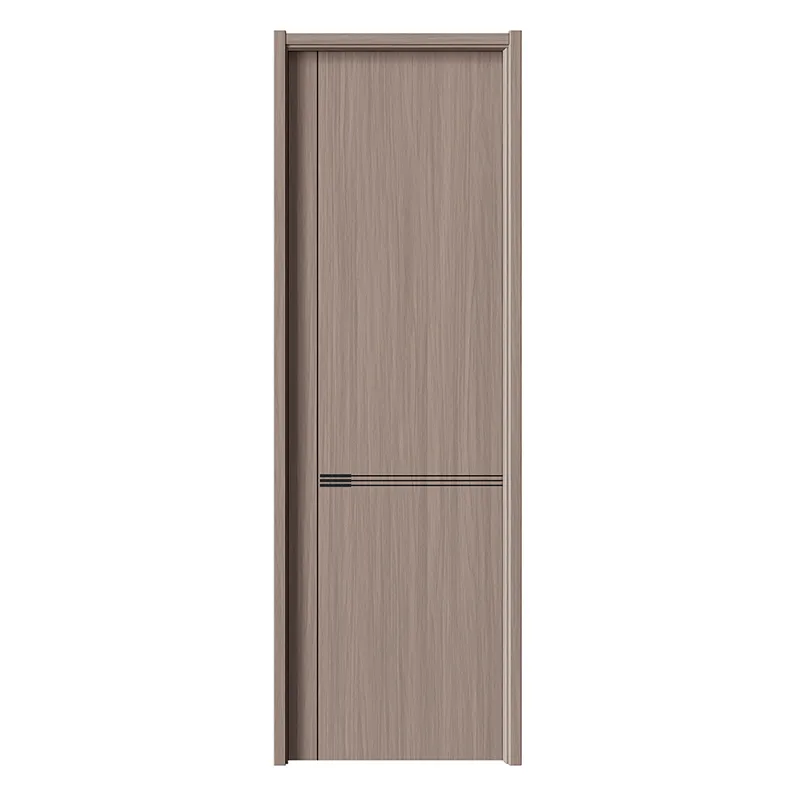
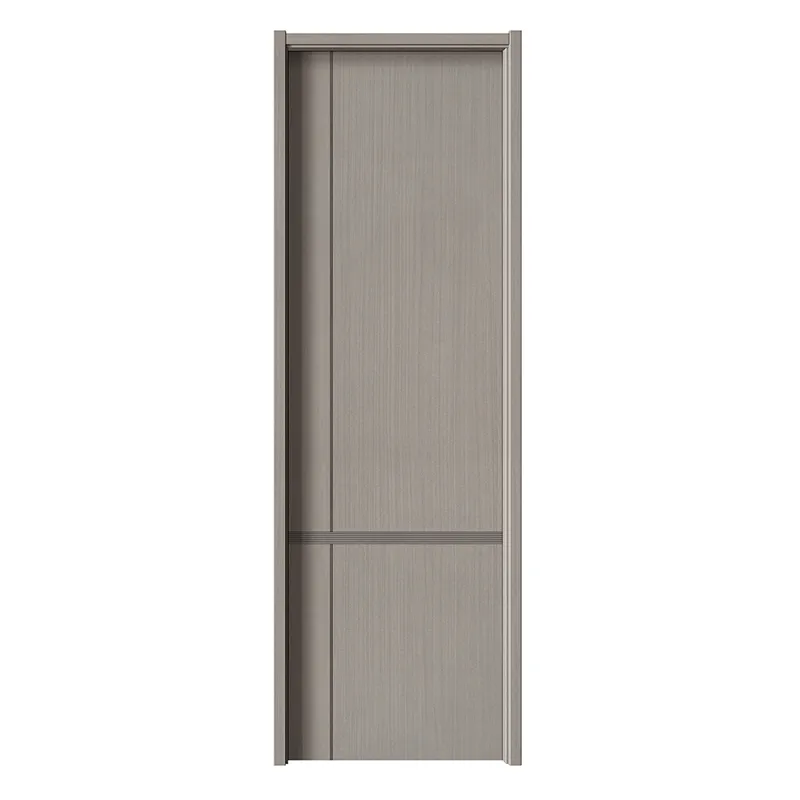
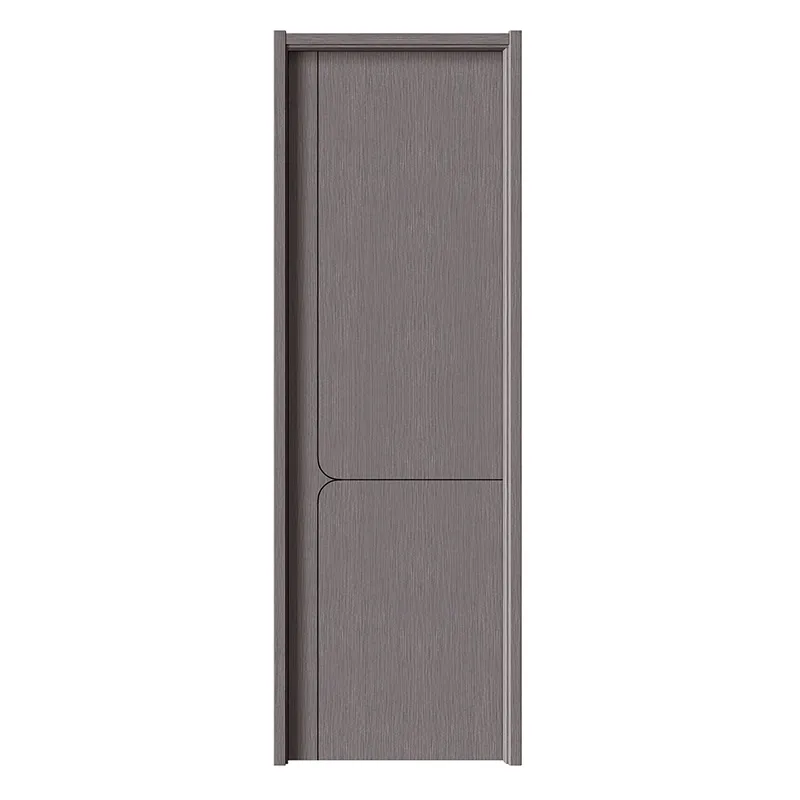
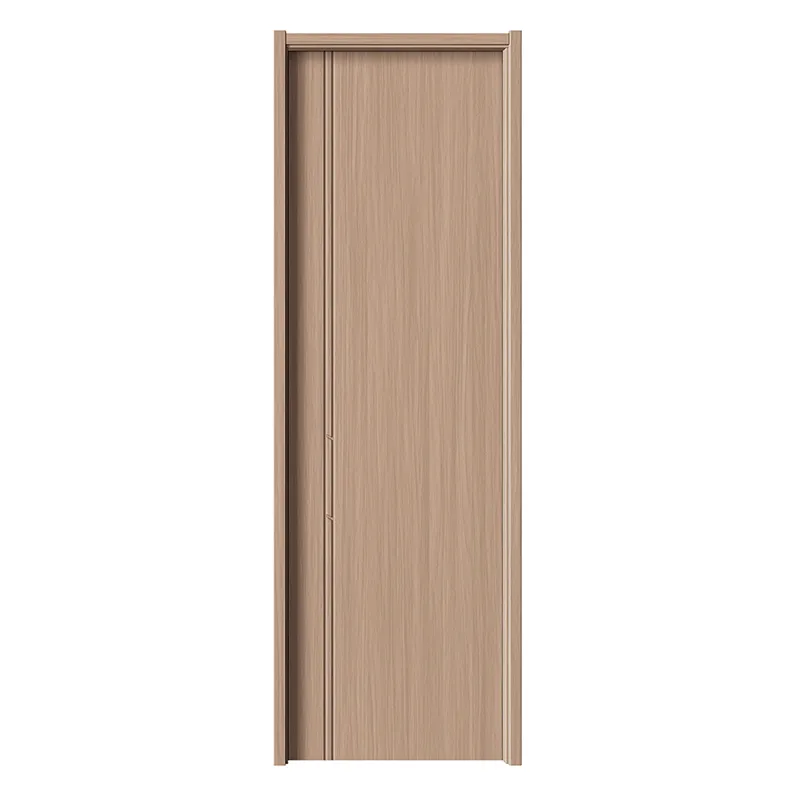

Best Sellingproducts
Best Selling Products-
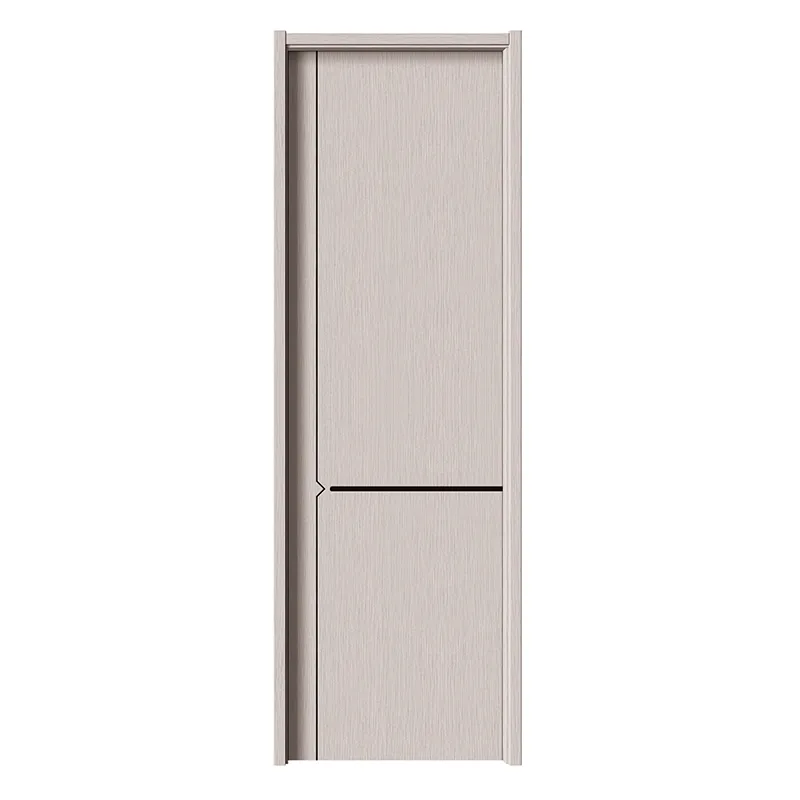 YST-1024 Door Chiaroscuro wood 1
 -
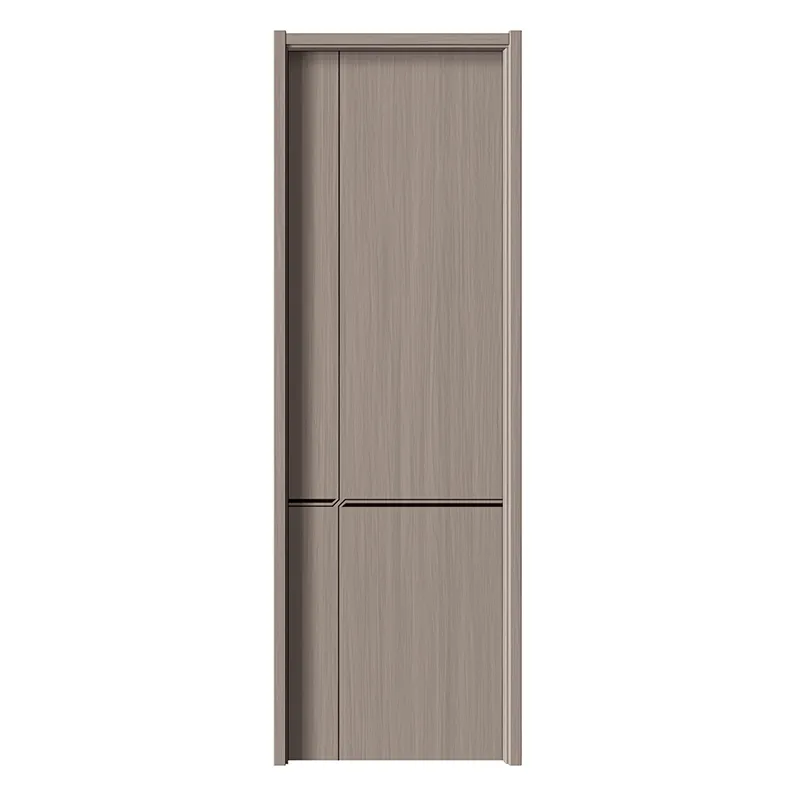 YST-1010 Door Translucent light shadow 3
 -
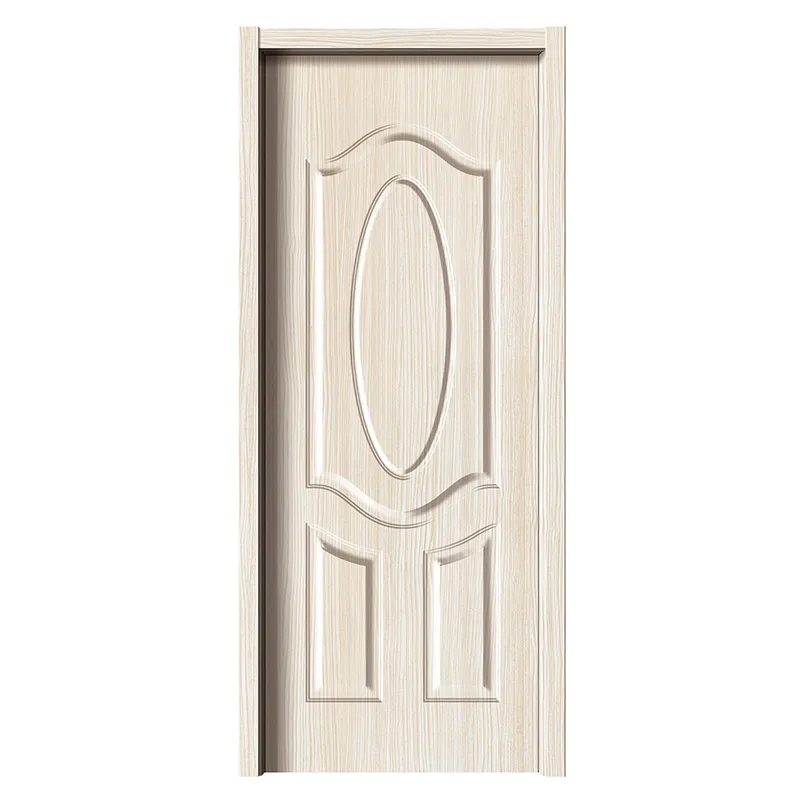 YST-216 Door White Maple
 -
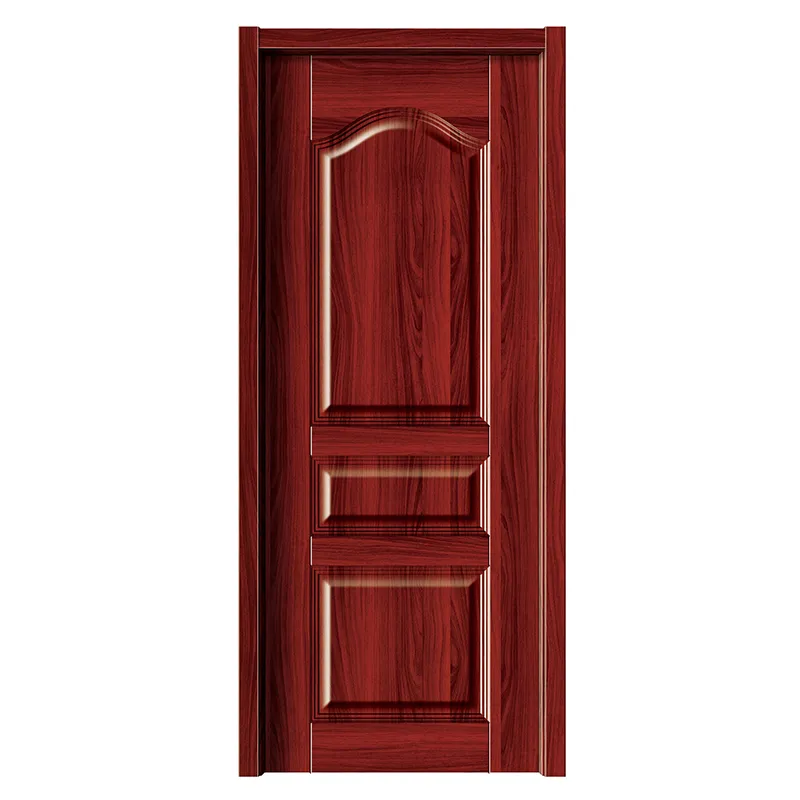 YST-203 Door Red team
 -
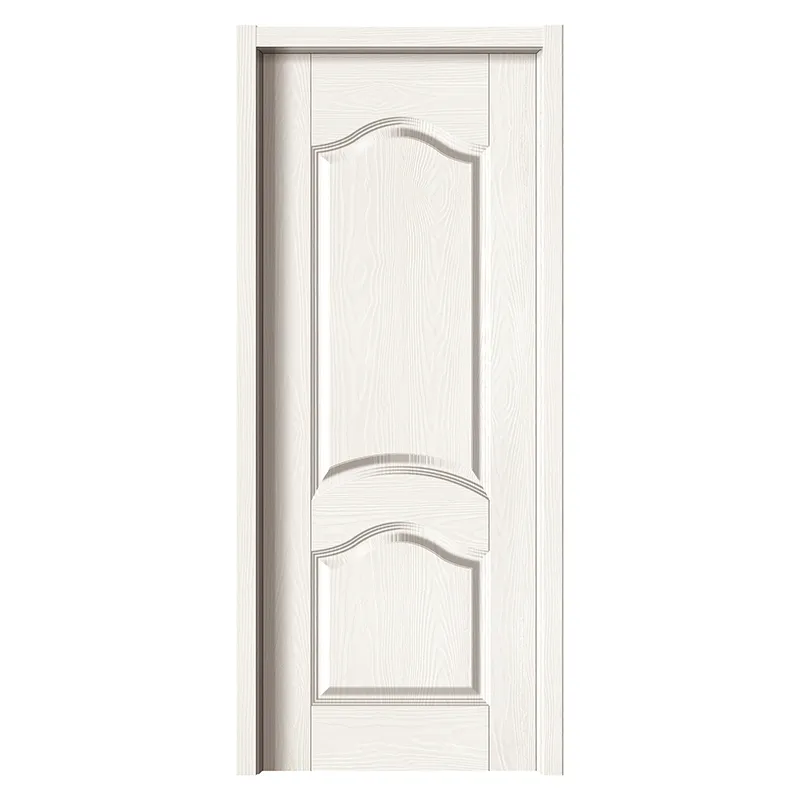 YST-224 Door Warm white with relief
 -
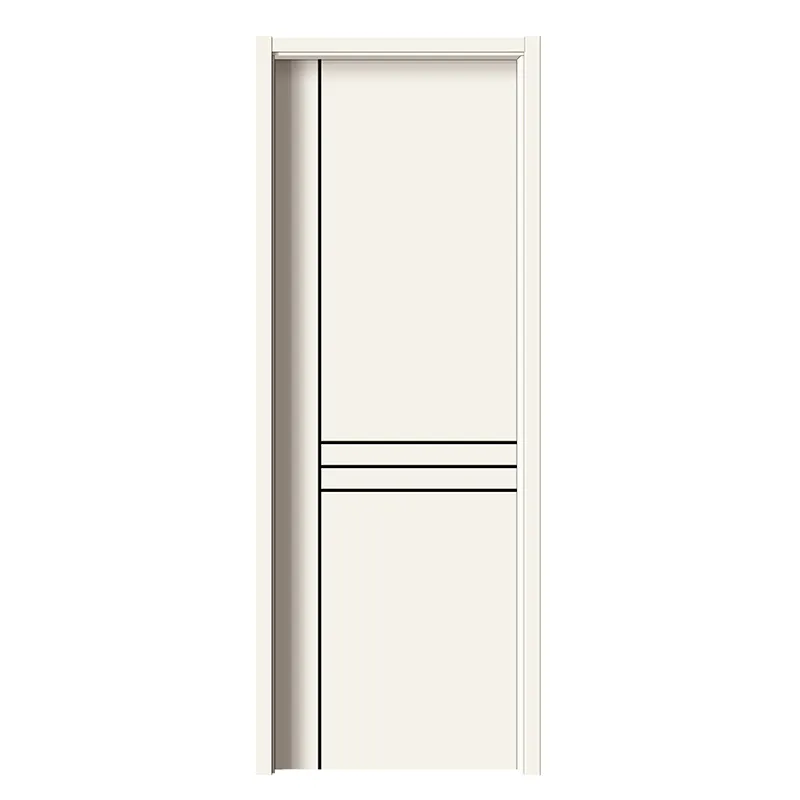 YST-220 Door Warm white
 -
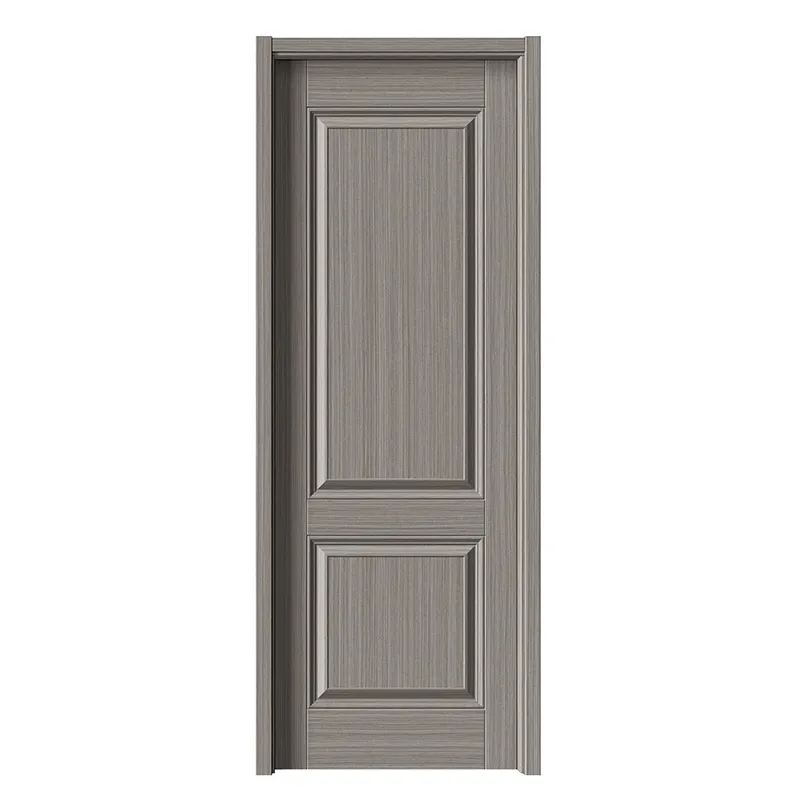 YST-214 Door Technowood 2
 -
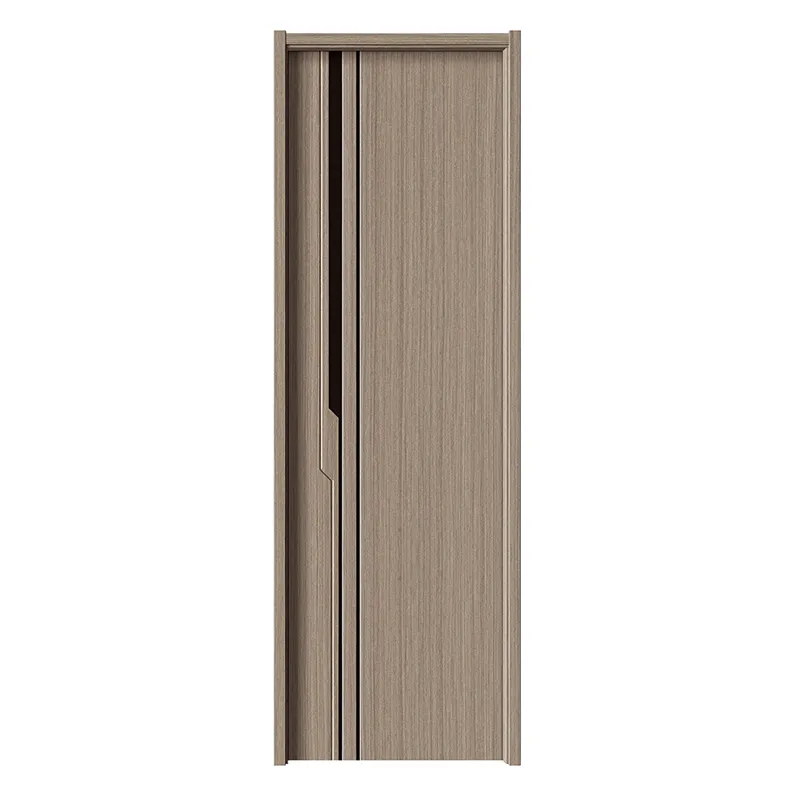 YST-1018 Technowood Door 1
 -
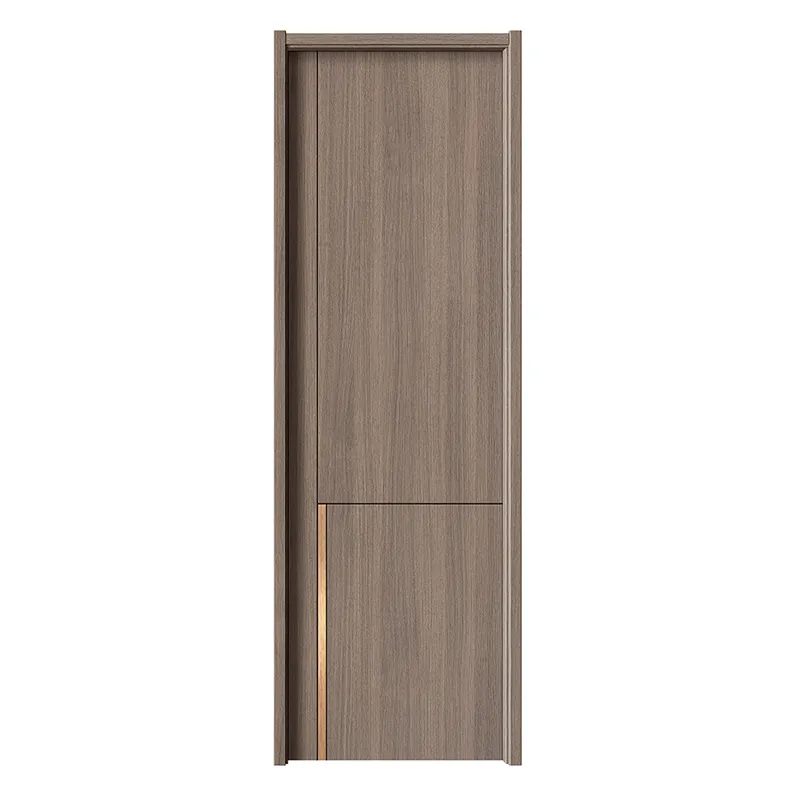 YST-1003 Door Oak gray
 -
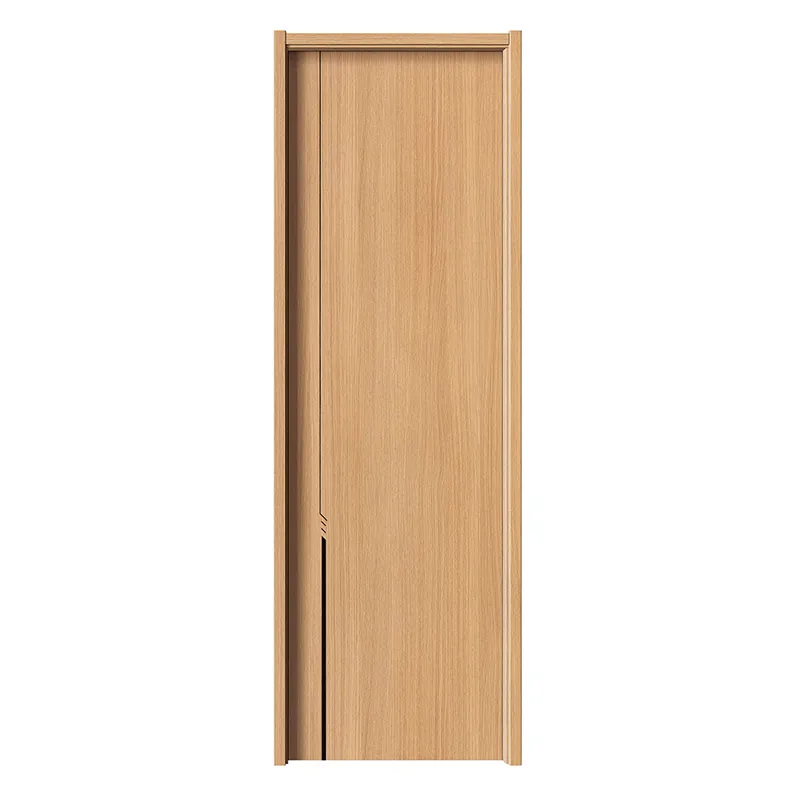 YST-1041 Door Oak Shutter
 -
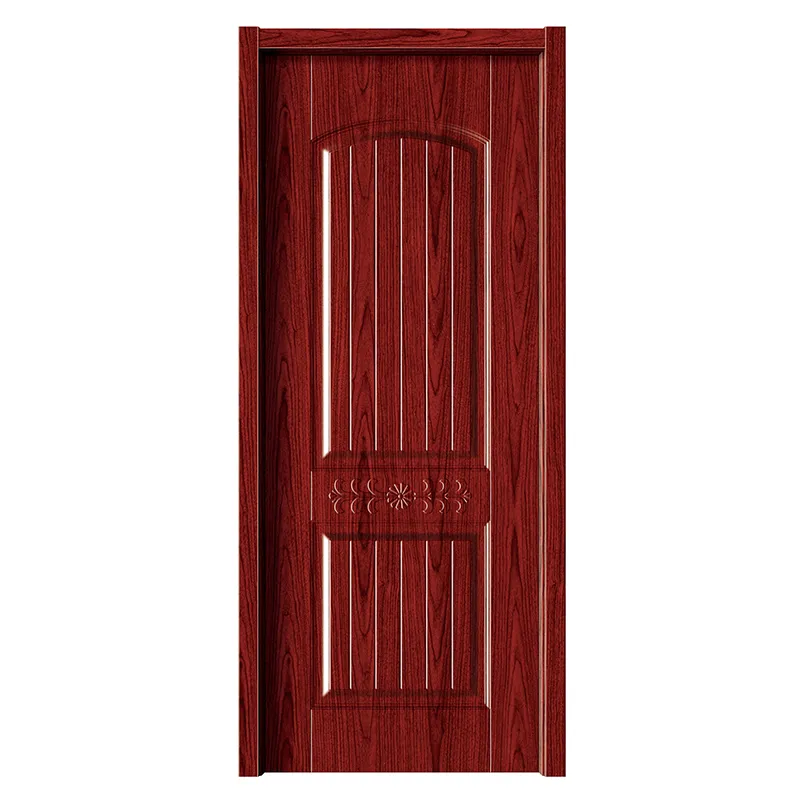 YST-233 Door Mahogany
 -
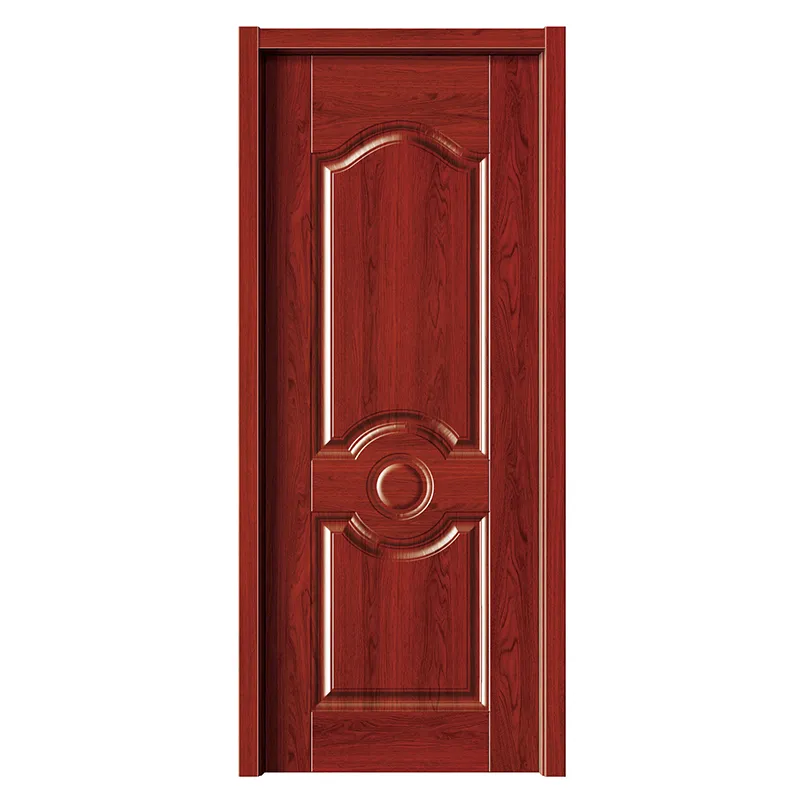 YST-208 Door Red Sandalwood