



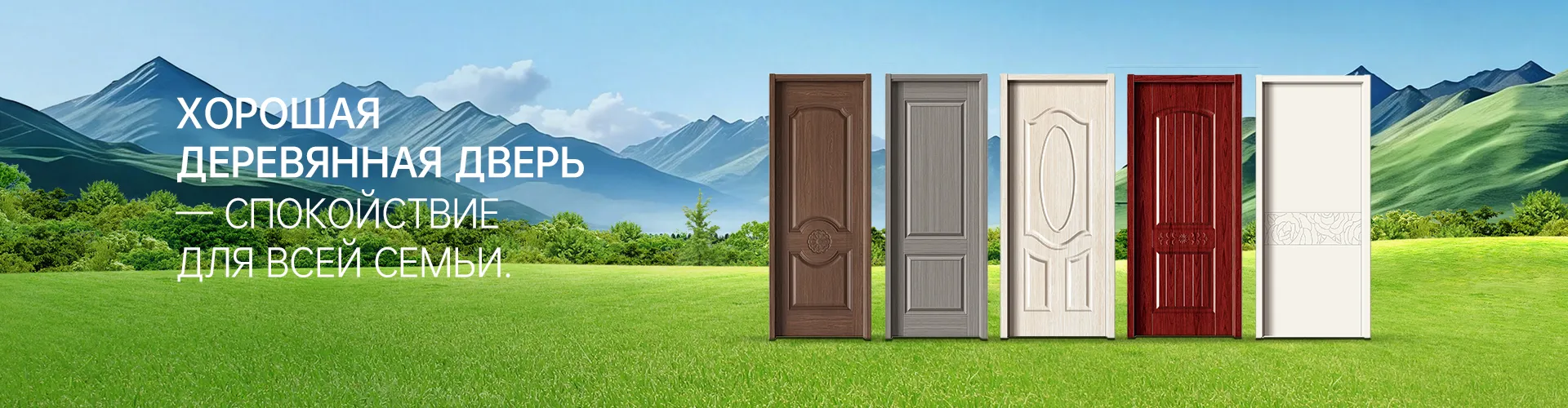
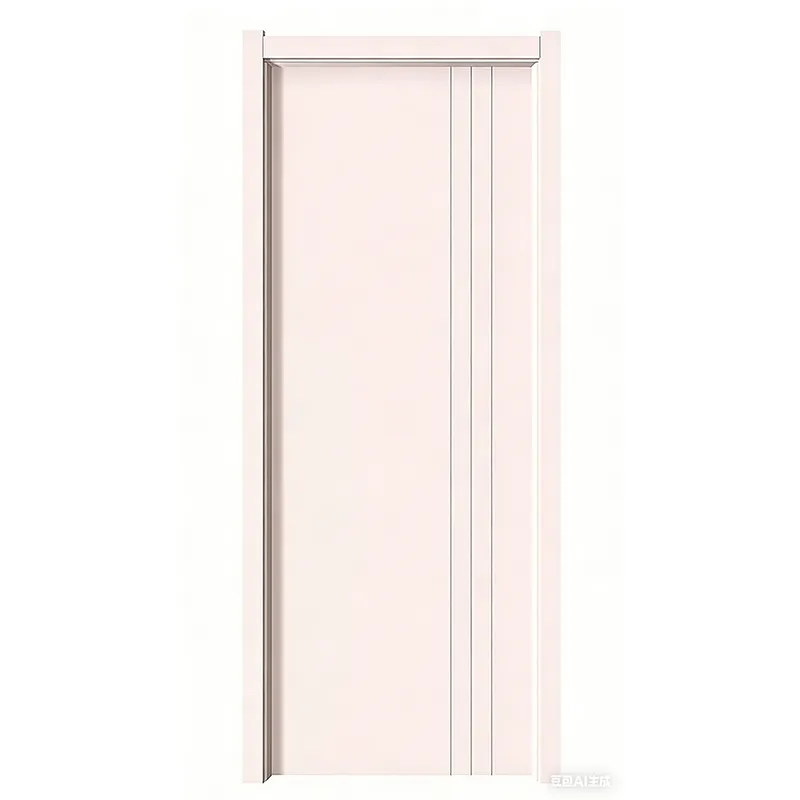
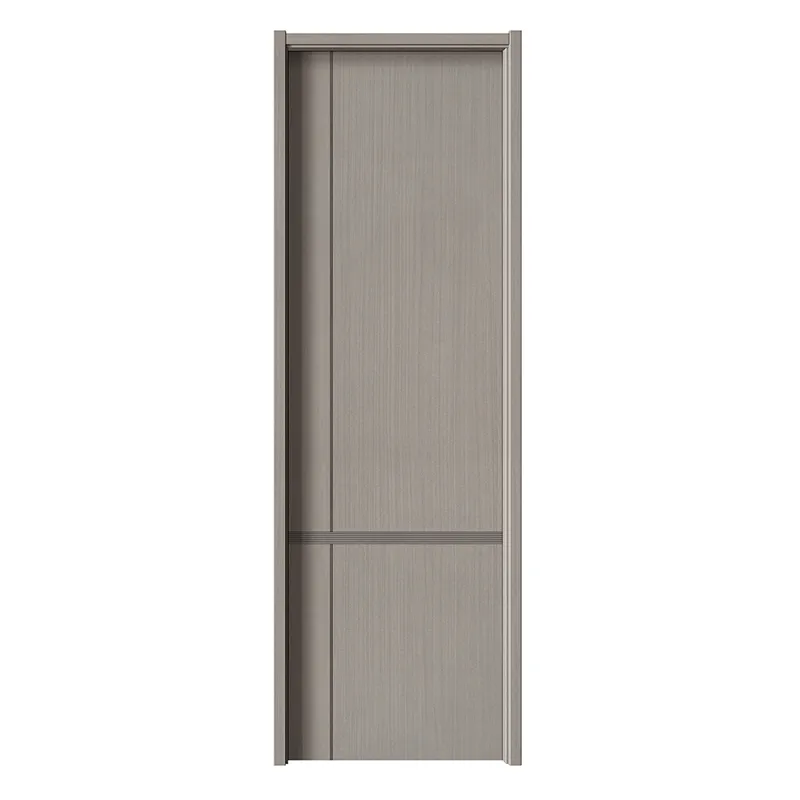
Light wooden door
When they saylight wooden door, many people immediately imagine a panel simply painted white or beige. In fact, this is a whole story about the perception of space, light transmission and, critically, the behavior of wood. A common mistake is to assume that any type of wood coated with opaque enamel will give the same result. In practice, the texture of the base, its density and even minimal movement of the solid under a layer of paint can either create elegant depth or result in the problem of “protruding knots”. in a year or two.
Shade and breed: what affects what
This is where the fun begins. Light colors are very demanding. Let's take, for example, the now popular shade “natural oak”. or “bleached ash?”. This is not a continuous coating, but often glazing compounds that only tint and do not hide the texture. And here the choice of breed is primary. Soft pine, even well sanded, under glazing can show uneven absorption and stains. Solid beech or maple behave more predictably, but their cost and weight are different. Sometimes clients ask to “make it light and cheap?” on a pine tree, and then they wonder why the door leaf looks not like in the picture from the catalogue, but a little “pockmarked”. We have to explain that this is not a defect, but a feature of the material that should have been handled differently - perhaps with a denser primer or choosing a different finishing coating.
Working with suppliers likeAnhui Wantai Woodworking Co.,Ltd, drew attention to their approach to raw materials. In the specifications you often see a clear division: for dull light coatings, an array with a minimal contrasting texture is selected, and for glazes, on the contrary, panels with a pronounced but uniform pattern are selected. This is precisely the practical nuance that distinguishes assembly line production from meaningful production. On their websitehttps://www.anhuiwantai.ruThis is noticeable in the product section - light models are presented not in one color, but in a series of shades tied to different types of wood. It's professional.
Another point is the color change over time. Many people forget about ultraviolet radiation. The same door made of ash with transparent oil and wax, after a couple of years on the sunny side, can noticeably turn yellow and become “warm”. And coated with polyurethane enamel with UV filters - it will maintain a cool white tone. This needs to be discussed with the customer right away: do you want the door to age, change, or remain like new? For commercial properties, of course, the second option is more often chosen.
Design: so that it does not lead or crack
Light coating, especially glossy, like a litmus test for build quality and structural stability. Any gap in the adhesive joint, any minimal warping of the canvas due to changes in humidity will become immediately noticeable. Therefore, a laminated board for such doors is a must have. A solid mass is a lottery, especially during the Russian heating season.
We had experience installing light solid beech doors in a new building. The customer insisted on the beauty of “solid wood”. In winter, after starting the heating, in the upper part of the canvas, closer to the end, a thin hairline crack appeared in the varnish layer. Not see-through, but on a glossy surface - like an eyesore. The reason is the natural shrinkage of the array, albeit minimal. I had to remove, re-sand, and repaint the entire element. Since then, for light solutions we have insisted on stabilized materials or, at a minimum, multi-layer glued structures that compensate for stress. By the way, in assortmentAnhui Wantai Woodworking Co.,Ltdthe emphasis is placed specifically on modern designs, as can be seen from the description of their production control - this reduces such risks.
More about the design: the thickness of the finishing layer. To get a perfectly smooth, “glass” surface. surface on a light door, you need several layers of primer and sanding between them. Sometimes they save at this stage, and then after the first season an “orange peel” may appear. or micro-irregularities. I checked different products - those that claim multi-stage grinding do not have such problems. This is precisely the question of quality, which the company focuses on when talking about its concept of “building a business on precision, winning with quality?”.
Installation and operation: unobvious pitfalls
Installationlight wooden door- a separate story. All scratches, fingerprints, traces of polyurethane foam are visible ten times stronger than on a dark one. Workers must wear clean gloves, and the hinges and box must be positioned with pinpoint precision - any attempt to “tighten” them. or sawing an already installed sheet can damage the coating. I recommend that you always have a can of finishing coat for spot retouching during installation. The one used at the factory is perfect. From some manufacturers, including the company mentioned, it can be ordered together with the door - a small thing, but very useful.
In operation, the main enemy is abrasive particles and grease. A light matte surface, say, coated with oil, hides minor scratches well, but does not repel dirt well. Gloss, on the contrary, is easy to clean, but every speck of dust and trace of touch is visible on it. This is critical in the hallway or kitchen. I often advise clients to choose not pure white for such areas, but a slightly tinted grayish or beige shade - the patina and everyday dirt are less noticeable on them.
And yes, accessories. Handles on a light door. Matte black steel is on trend now, it's beautiful. But you need to understand that darkening may form around the handle over time due to constant contact with your hands. On a matte finish it can be scrubbed off, but on a glossy varnish it cannot be, you can only repaint it. Therefore, sometimes a more practical solution is fittings that match the color of the door itself or bronze.
Market and choice: what to look for besides price
Now the market is flooded with offers. When you see a very low price onlight wooden door, it is worth asking questions about the thickness of the canvas, the composition of the laminated board (often there is a coniferous lamella inside, and only thin veneer of a valuable species on the outside), about the formaldehyde emission class of the materials used. Light-colored doors are often installed in bedrooms and children's rooms - here environmental friendliness is not the last thing.
Imported products, such as those supplied to the international marketAnhui Wantai Woodworking Co.,Ltd, usually undergo strict certification. That's a plus. But it is important that the supplier understands the climatic conditions of the region where the goods are supplied. A door, ideally assembled in a dry workshop, must be adapted to possible humidity. A good sign is when the documentation contains recommendations on the humidity conditions in the room.
The choice often comes down to trusting the brand and the details. For me personally, the following are indicative: 1) The quality of the edges of the ends and chamfers. 2) Information on the paint systems used (for example, Renner, Teknos, Akzo Nobel). 3) The ability to get a custom size or shade without a threefold increase in price. If a company openly talks about a state-of-the-art manufacturing facility and development team, as in the above description, it usually means they are capable of such non-standard tasks, and are not just pushing a standard product.
Bottom line: a light door as an indicator
Ultimately, working withlight wooden door- this always raises the bar for everyone: for the manufacturer, for the installer, for the owner himself. It requires a more thoughtful approach at every stage. You can't just pick it up and put it on. You need to think about the lighting around, the decoration of the walls, and the mode of operation.
A good example is when a door not only performs a function, but works with light, making the space larger and airier. Unsuccessful - when after six months she looks tired and worn out due to minor but numerous injuries. The difference almost always lies in the details: in a properly prepared base, in high-quality coating materials, in careful transportation and installation.
Therefore, when you see the products of companies that position themselves specifically as suppliers to a global market with diverse needs, it becomes clear that their strength lies in the ability to calculate these details in advance. Not just make a beautiful door, but make sure it remains that way through the years. This, perhaps, is the true professionalism in working with light wood.
Correspondingproducts
Related Products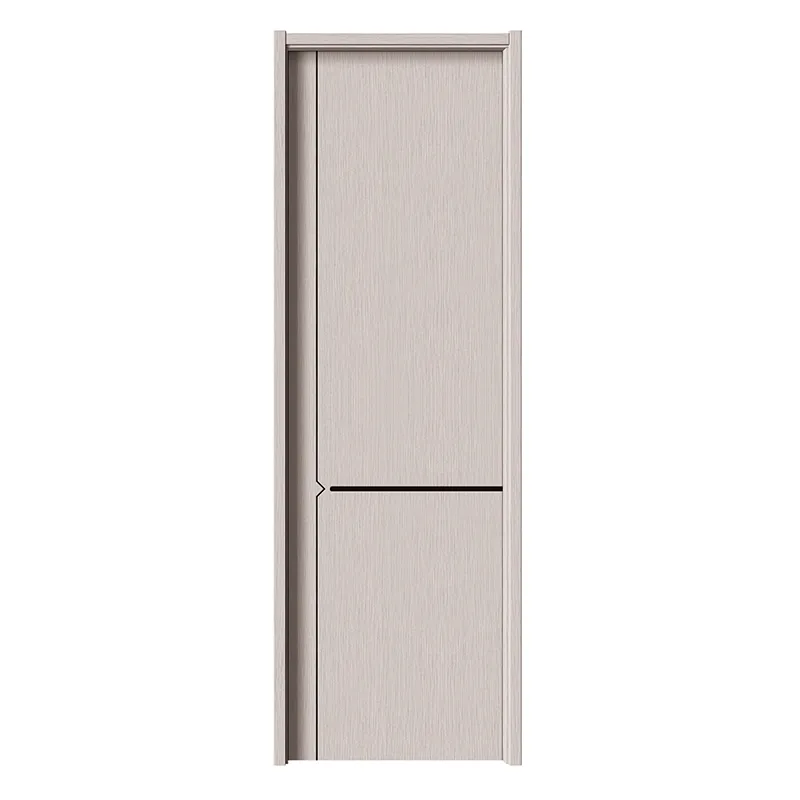
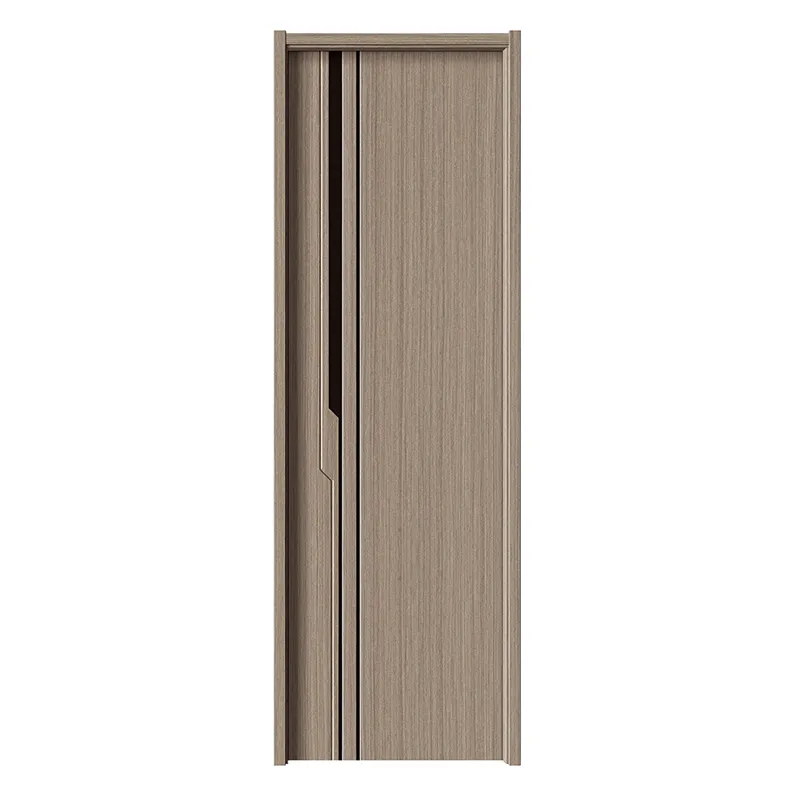
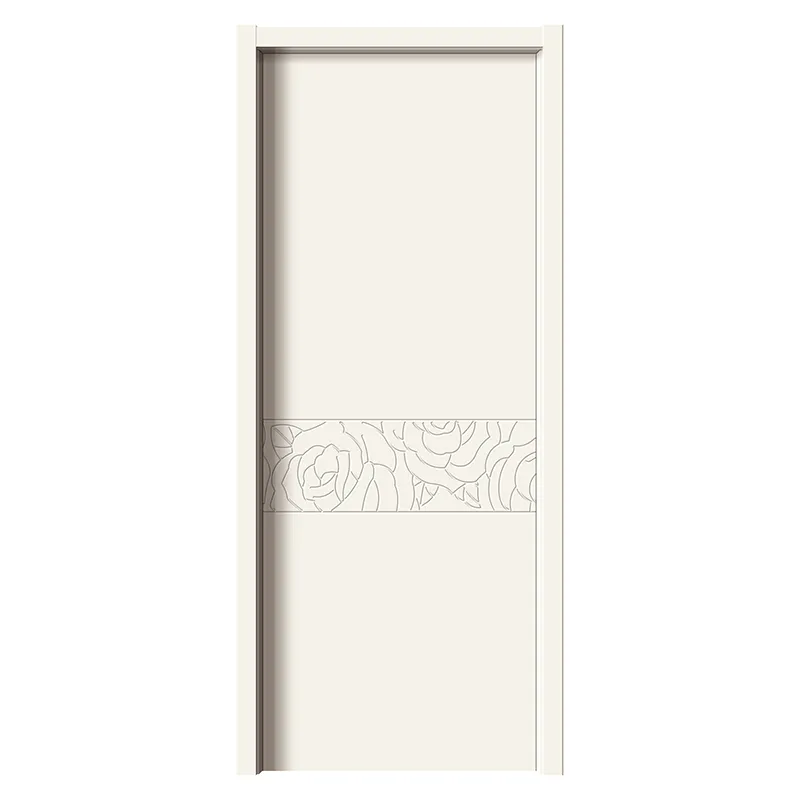
Best Sellingproducts
Best Selling Products-
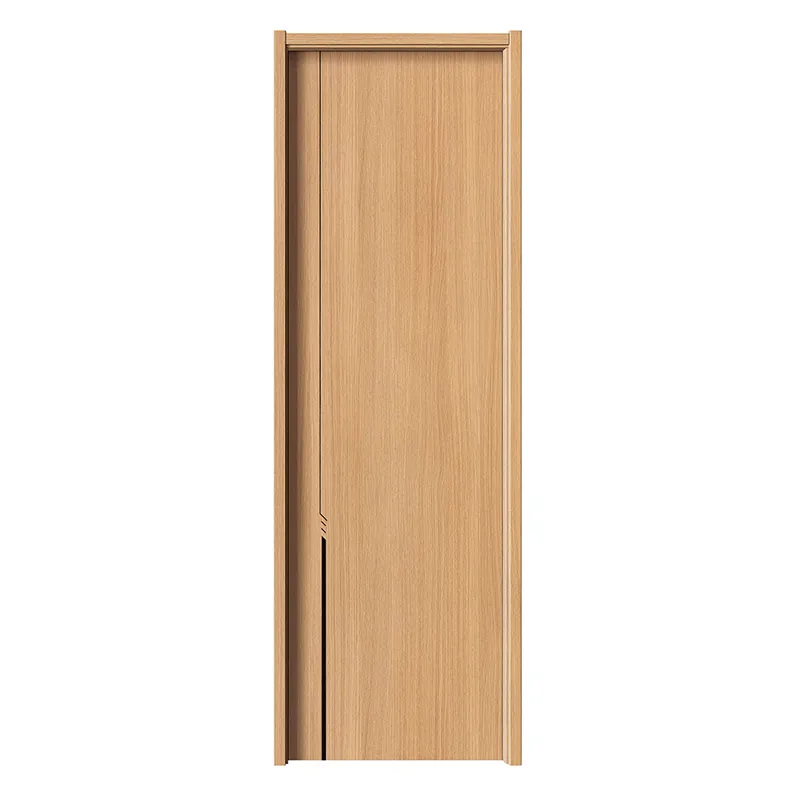 YST-1041 Door Oak Shutter
 -
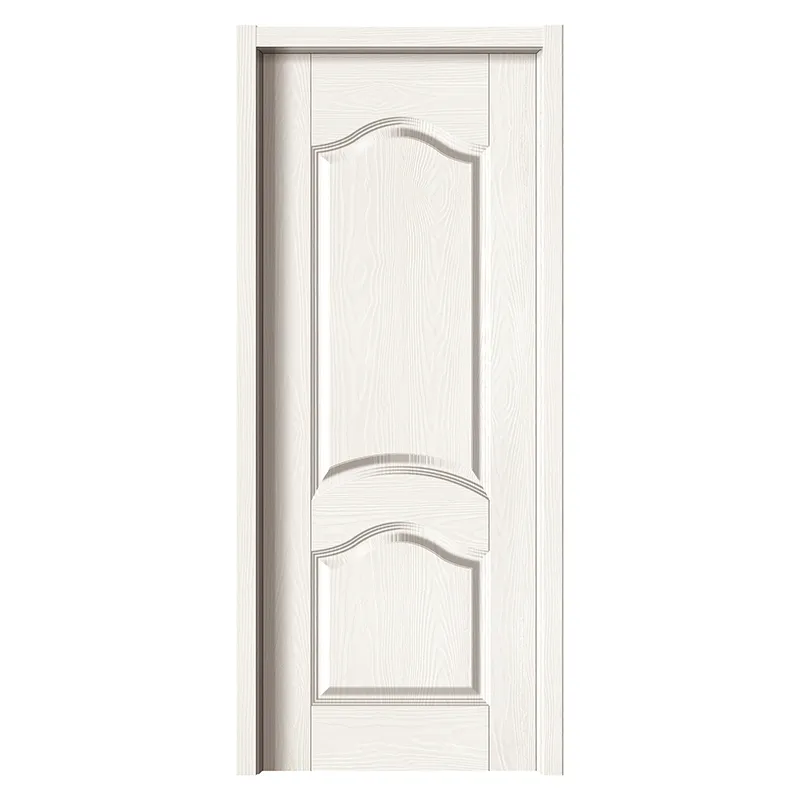 YST-224 Door Warm white with relief
 -
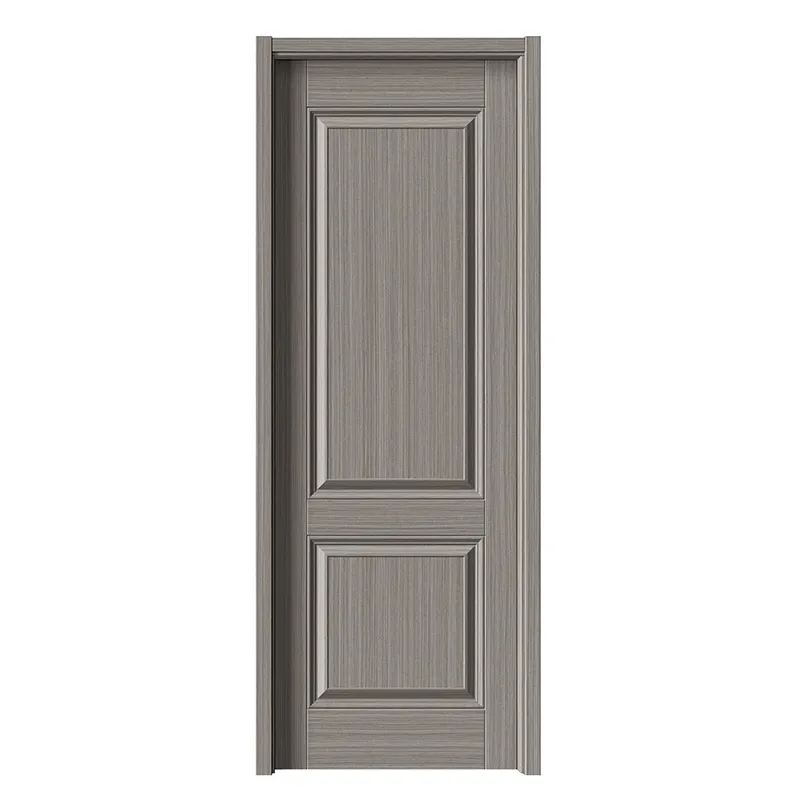 YST-214 Door Technowood 2
 -
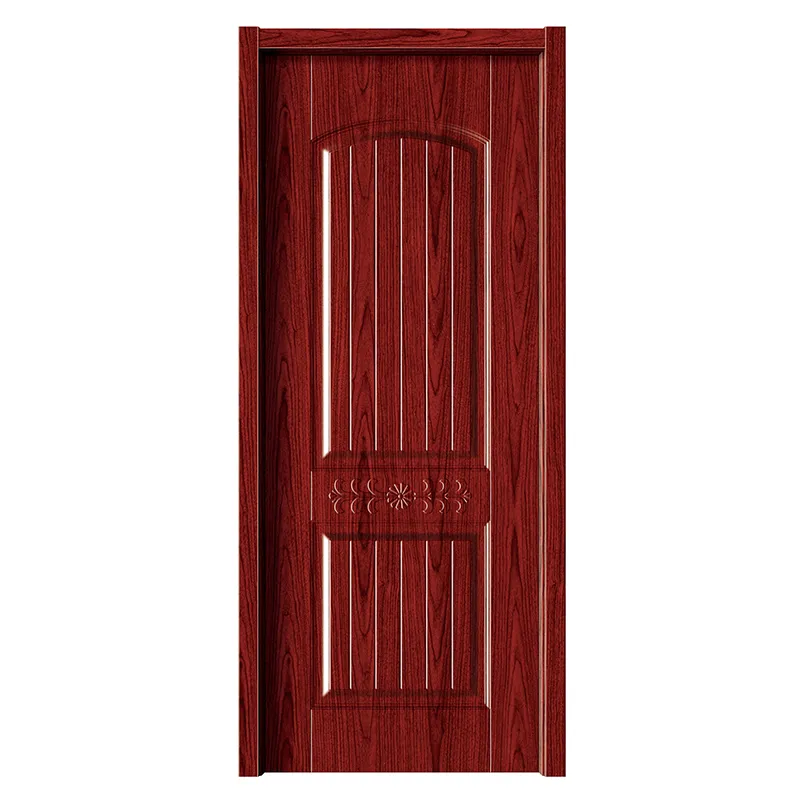 YST-233 Door Mahogany
 -
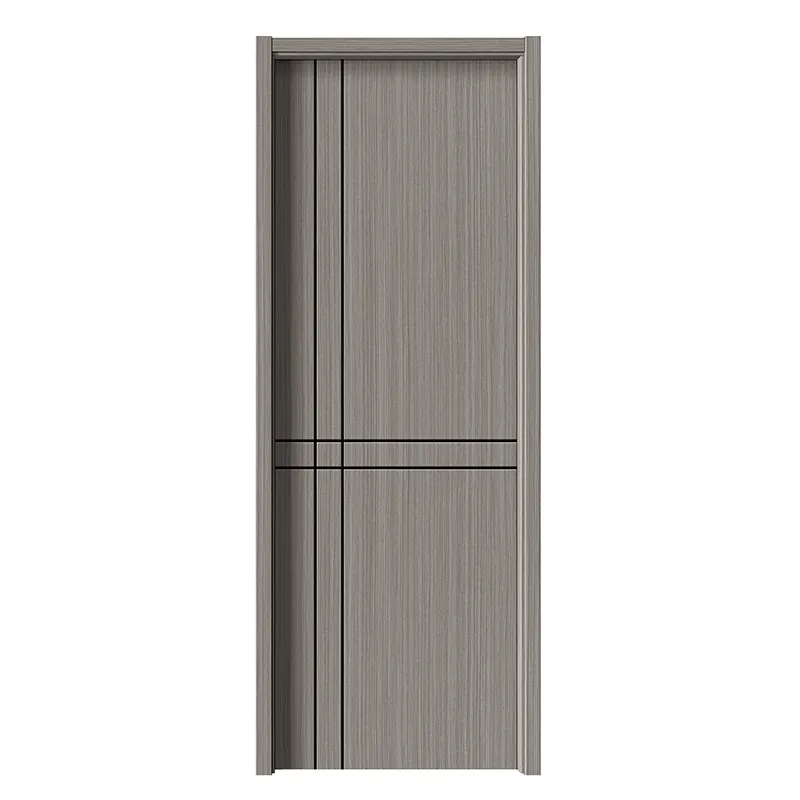 YST-1004 Door Technotree 2
 -
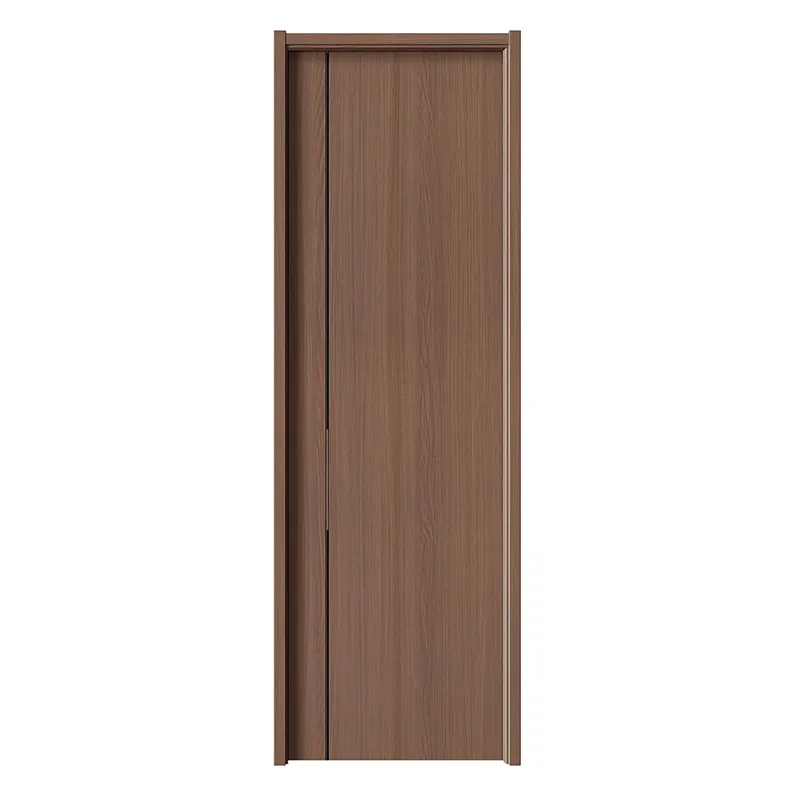 YST-1043 Door Techno-walnut 3
 -
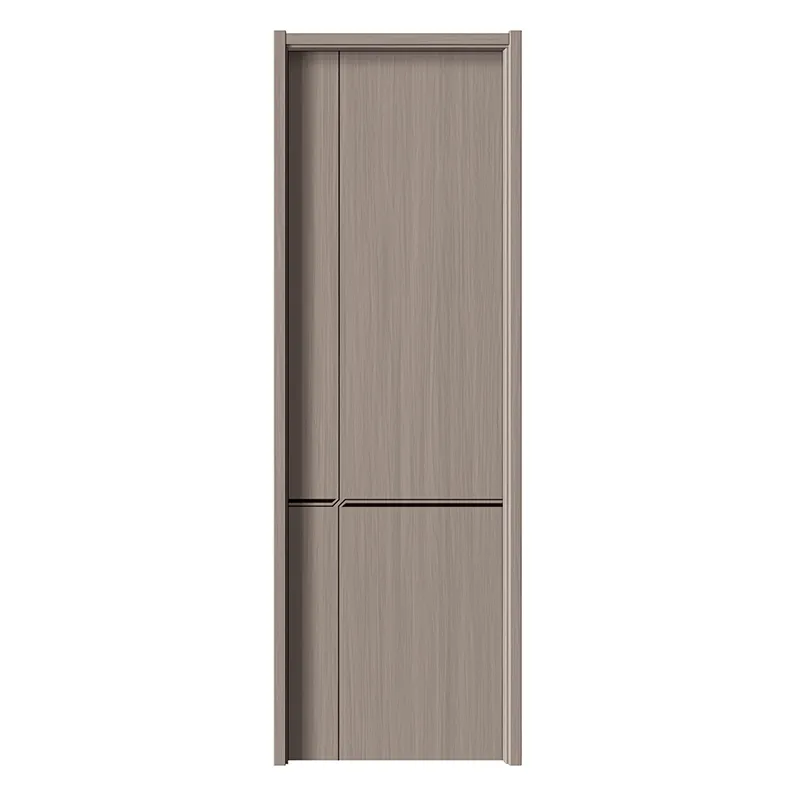 YST-1010 Door Translucent light shadow 3
 -
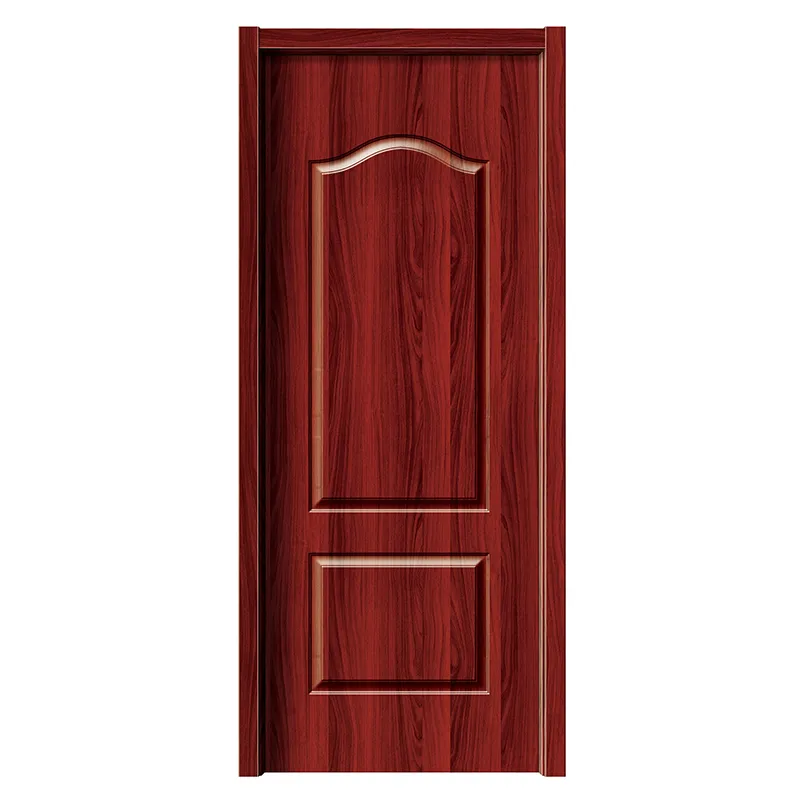 YST-207 Door Red team
 -
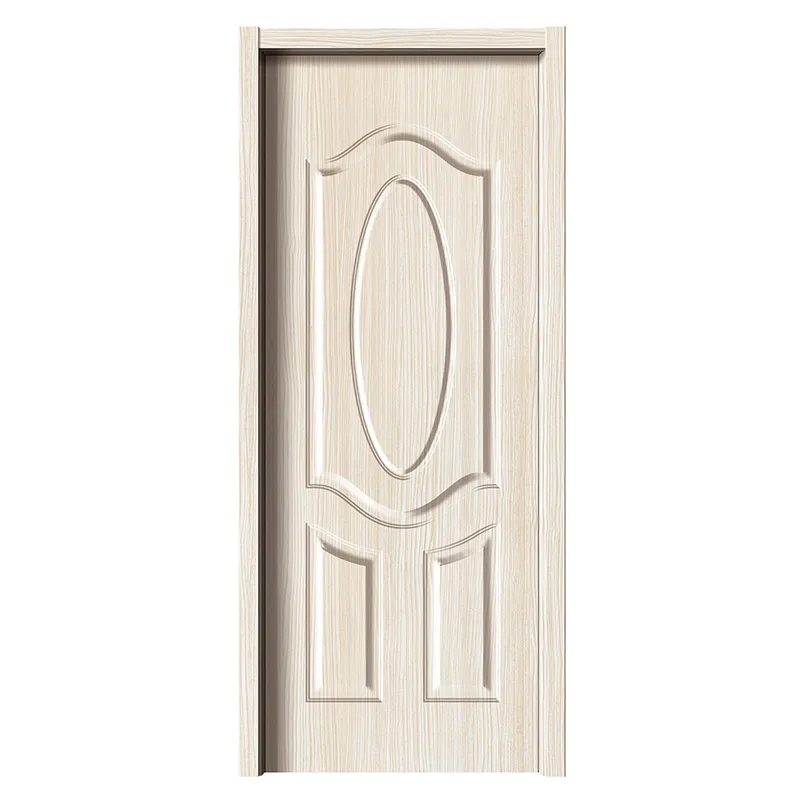 YST-216 Door White Maple
 -
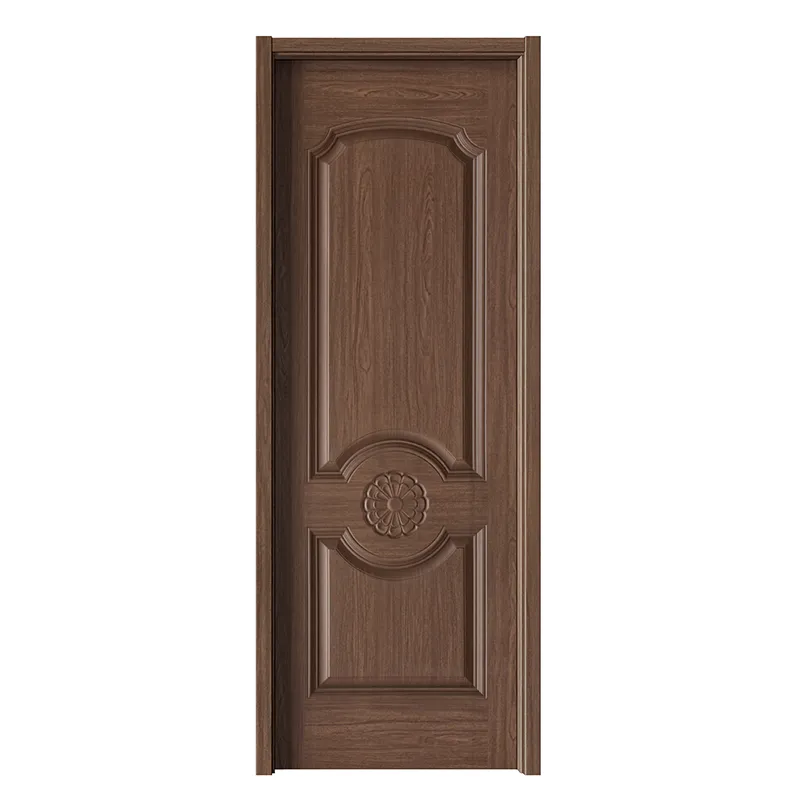 YST-212 Door North American Oak 2
 -
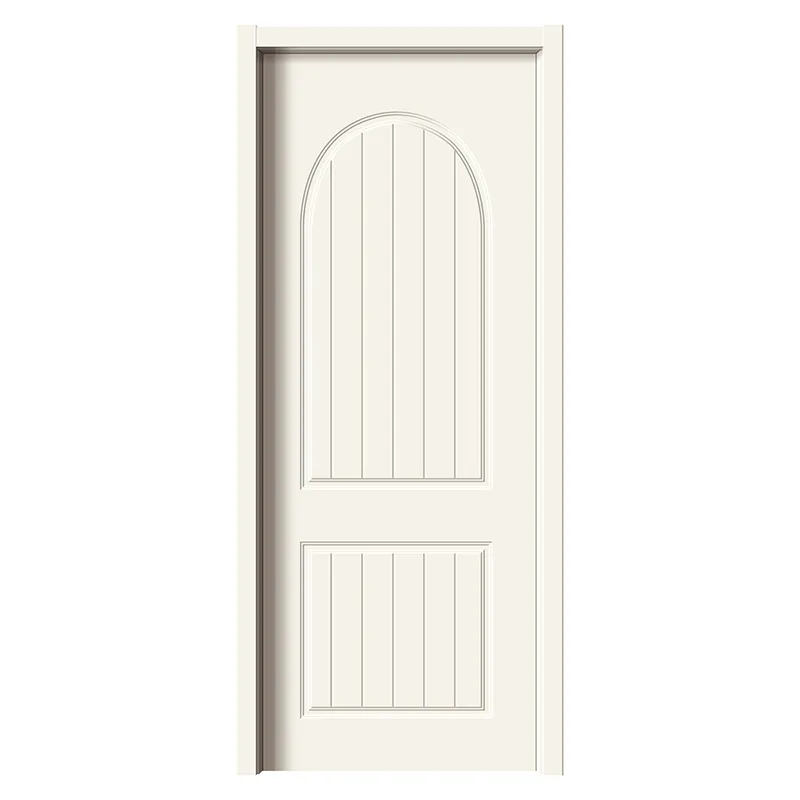 YST-236 Door White ivory
 -
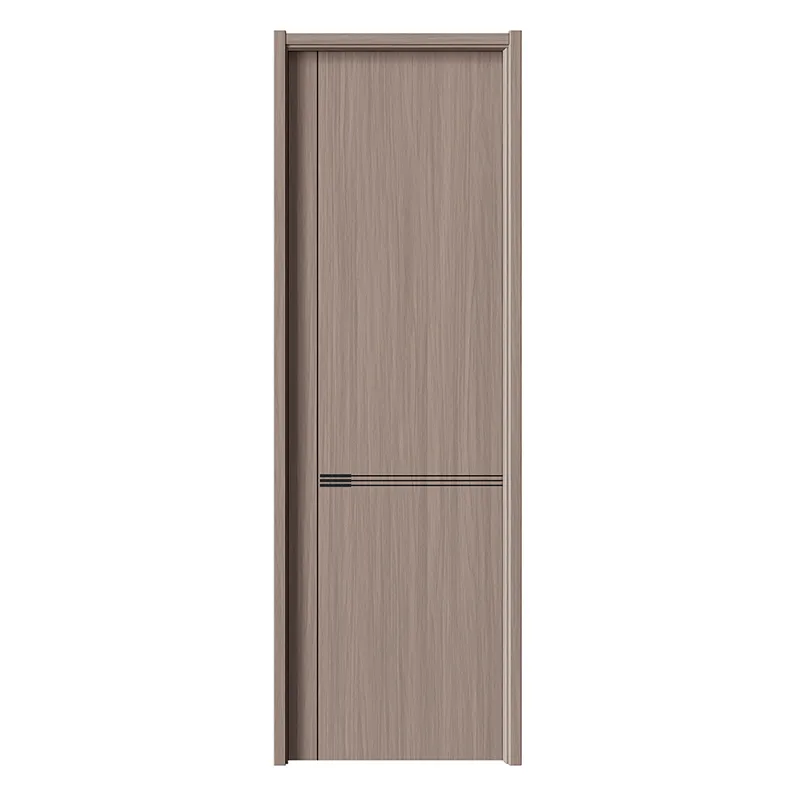 YST-1039 Door Translucent light shadow 3