




Plastic doors to the corridor
I often hear requests from clients for “plastic doors to the corridor?” as a universal and budget solution. And you almost always have to start by breaking this concept down into parts. Because a corridor is not just a passage, it is an area with special conditions: high traffic, temperature changes from the entrance area, possible moisture on shoes, the need for sound insulation from the entrance. And a plastic door is not just one door, but a whole range of designs, where details that are rarely written about in advertising catalogs become decisive.
Why plastic for the corridor? Taking it apart piece by piece
The main argument is, of course, price and moisture resistance. Wood, even well-processed wood, can behave unpredictably in conditions of constant contact with street dirt and dampness, especially when it comes to inexpensive wood. A plastic profile with multi-chamber filling and reinforcement looks logical here. But here’s the first “but”: not all plastic. For a corridor door, especially if it borders on an unheated vestibule or directly on the street, the profile class and its installation depth are critically important. A common mistake is to install a lightweight balcony profile. It is not designed for constant mechanical loads or frequent opening and closing. Over time, the sash will simply sag.
The second point is filling. An empty chamber means poor heat and sound insulation. You need either high-quality polystyrene foam or, better yet, a sandwich panel. But there is a nuance here too. In pursuit of cheapness, some manufacturers use too soft a filler, which shrinks over time, and the door begins to rattle loudly when slammed. I checked it personally - after six months of using such a door in a new building, I had to go through all the fittings and add seals.
And the third thing is appearance. Smooth white plastic in the interior of a residential corridor often looks alien, “office-like”. This is where lamination films come to the rescue. You can choose an option to match the texture of the wood, which will visually warm the space. But! Film quality is everything. Cheap lamination on corners and joints begins to come off and rub off over time. It looks sloppy. Therefore, when choosing, you should pay attention to manufacturers who use abrasion-resistant materials, for example, some German or Austrian films.
Fittings: that detail that people save on and then regret
If the profile and filling are the ?body? doors, then the fittings are its “joints and ligaments”. And in the corridor they work hard. The most painful experience is installing a door with basic economy-class fittings in an apartment where there are children and a dog. The hinges began to creak after three months, and the lower locking bolt (trunnion), when slammed tightly, deformed the strike plate. I had to change the entire set to a reinforced one, with a hidden-mounted door closer.
What do I now always recommend for hallway doors? Required - hinges with adjustment in three planes and anti-corrosion coating. Preferably a multi-point locking system. It distributes the load around the perimeter of the leaf, rather than concentrating it at one point, so the door “walks” less. and fits tighter. And I highly recommend paying attention to the threshold. The best option is an automatic lowering threshold. It provides maximum insulation when the door is closed and retracts when it is open. Yes, it is more expensive, but for the corridor leading from the entrance, this is sometimes the only way to get rid of drafts and odors.
By the way, about closers. Soft closing is not a luxury, but a necessity for the hallway. But overhead closers often break or are adjusted by residents so that the door slams with a bang. Now there are good solutions with closers hidden in the hinge or frame. They are more expensive, but they work for years without problems and do not spoil the appearance of the door.
Case study: when plastic was not the best choice
I had a project in an old building, where the client wanted to insulate and soundproof the apartment as much as possible from the noisy front door. We installed a powerful plastic door with a five-chamber profile and thick filling. The insulation result was excellent. But a year later a problem arose: the old walls in the corridor “breathed” and there was increased residual humidity. Condensation, which usually settles on double-glazed windows, in this situation began to accumulate in the lower part of the profile, inside the chamber. Over time, this led to the appearance of fungus in the area where the box adjoined the wall. We had to dismantle the door, do a major waterproofing of the slope and install a new one, with a micro-ventilation system in the box and more thorough sealing. Conclusion: plastic is not a panacea. In old houses with poor ventilation in the corridor, you need to first solve general construction issues, and then think about the doors.
Alternatives and the market: where to look for balance
When a client wants the reliability of plastic, but the warmth and status of wood, we often look towards combined solutions. For example, a plastic box and a sandwich panel, but with an external MDF lining laminated to resemble wood. This gives stability of geometry and protection from moisture from plastic and aesthetics from wood. But not everyone makes such doors, and you need to carefully check the fastening of the lining so that it does not come off.
There are many players on the market, but for serious tasks I often look through catalogs of companies that specialize in complex solutions. For example,Anhui Wantai Woodworking Co.,Ltd (https://www.anhuiwantai.ru). They are known as a manufacturer of high-quality wooden doors, but what many people miss is that they often have lines specifically for difficult operating conditions. Their philosophy is to “build a business on precision, win with quality?” and strict control at all stages - from raw materials to production - this is exactly what is needed for a responsible project. Although their site focuses primarily on wood doors, their approach to design and quality control is a good guide when choosing any door unit, including plastic ones. If the manufacturer of wooden structures is so scrupulous, then his partners in plastic systems will most likely be selected carefully.
When choosing, always ask not just for a certificate, but for specific technical conditions (TS) for the product. Look at the thickness of the profile walls, the brand of PVC used, and the guarantee for the color fastness of the lamination. And be sure to check for the presence of a customer service. A good door can last 20-30 years, but the fittings require periodic adjustment, and the seals need to be replaced every 5-7 years.
Final considerations: not a door, but a system
So, returning to the original request “plastic doors to the corridor?”. This is not just a product that can be bought by size. This is a system: the correct profile for specific conditions, proper filling, professional fittings and, most importantly, qualified installation. You can save on the canvas itself by choosing a simple option, but you should never skimp on fittings and installation. A poorly installed door will leak and slam, even the most expensive door.
My main advice: formulate for yourself not “I want a plastic door?”, but “I need a door that will solve these problems in my corridor: draft, noise, water splashes, frequent use?”. With this list, you can already go to a specialist and select a specific technical solution, which may well turn out to be a high-qualityplastic door. But it could also be something else. The main thing is that it works for a long time and without surprises.
And lastly: do not hesitate to ask the supplier or installers for the addresses of already completed projects. Go and see how the door behaves in reality in a year or two. This is the best advertisement or, conversely, a warning. In our business, personal experience, sometimes even bitter, is the most valuable asset.
Correspondingproducts
Related Products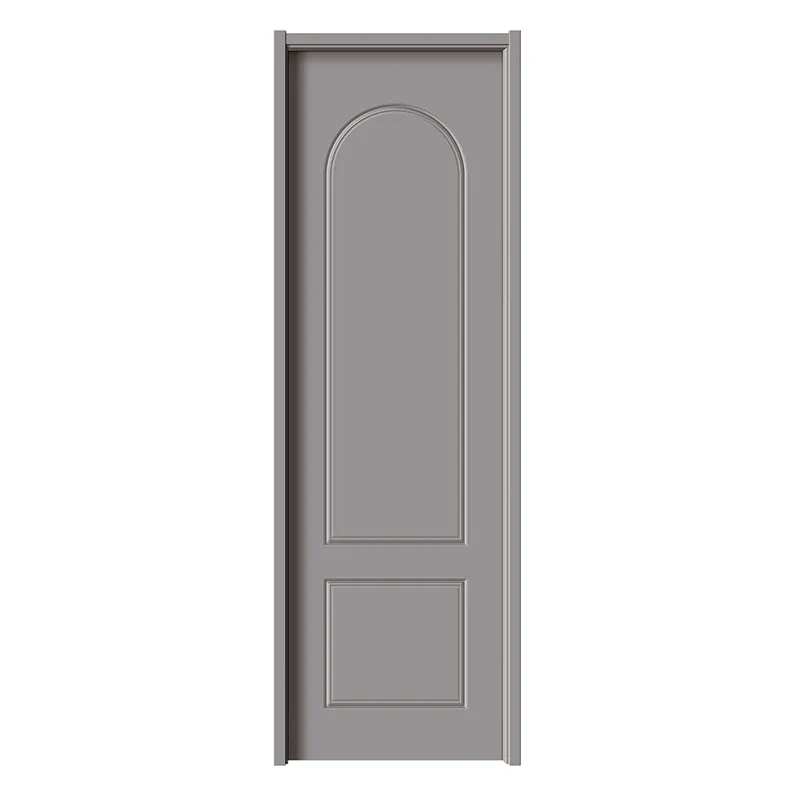
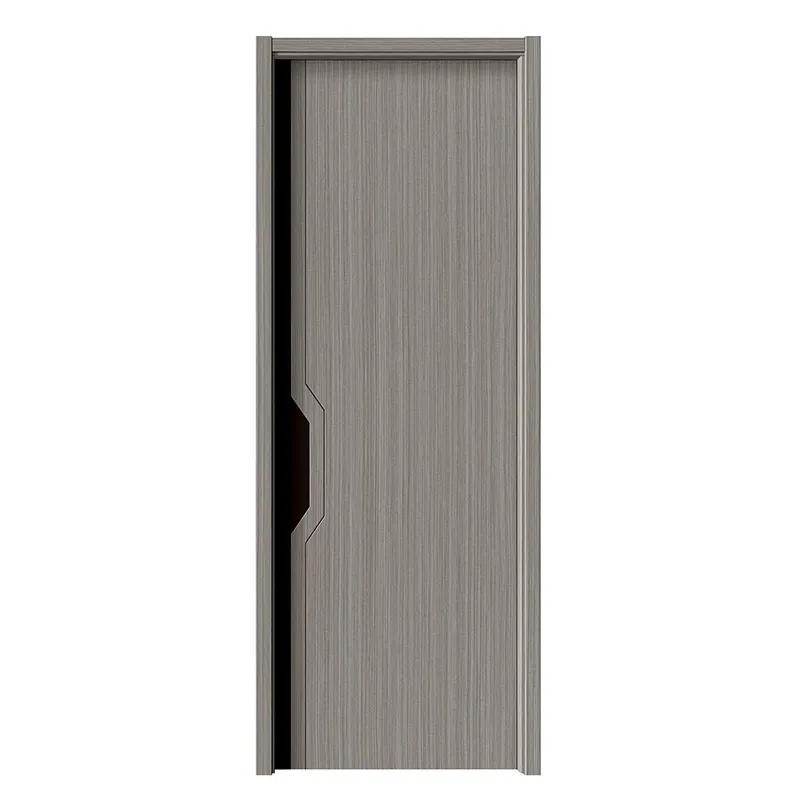
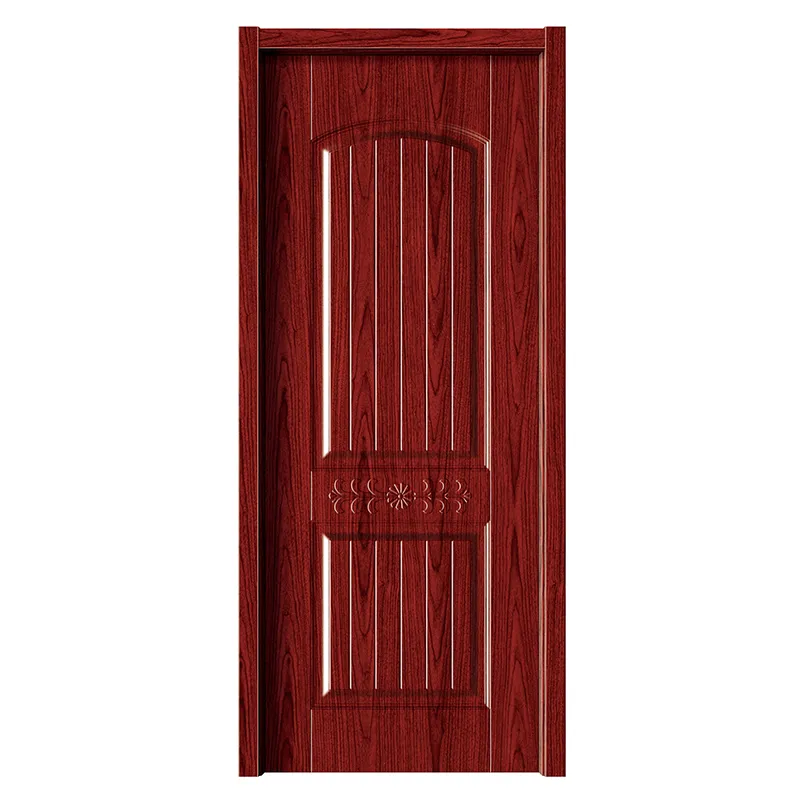
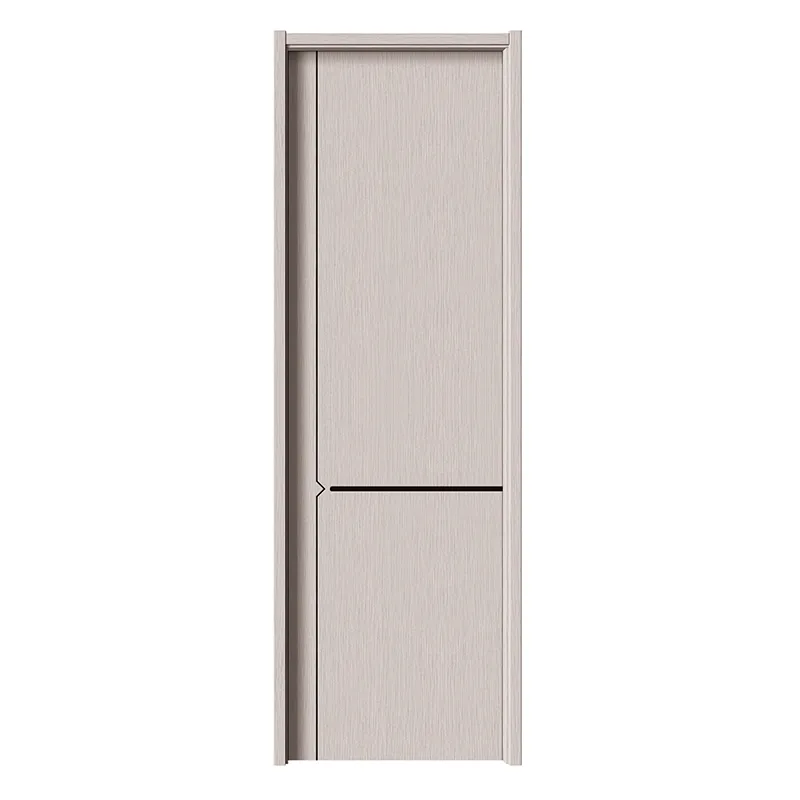

Best Sellingproducts
Best Selling Products-
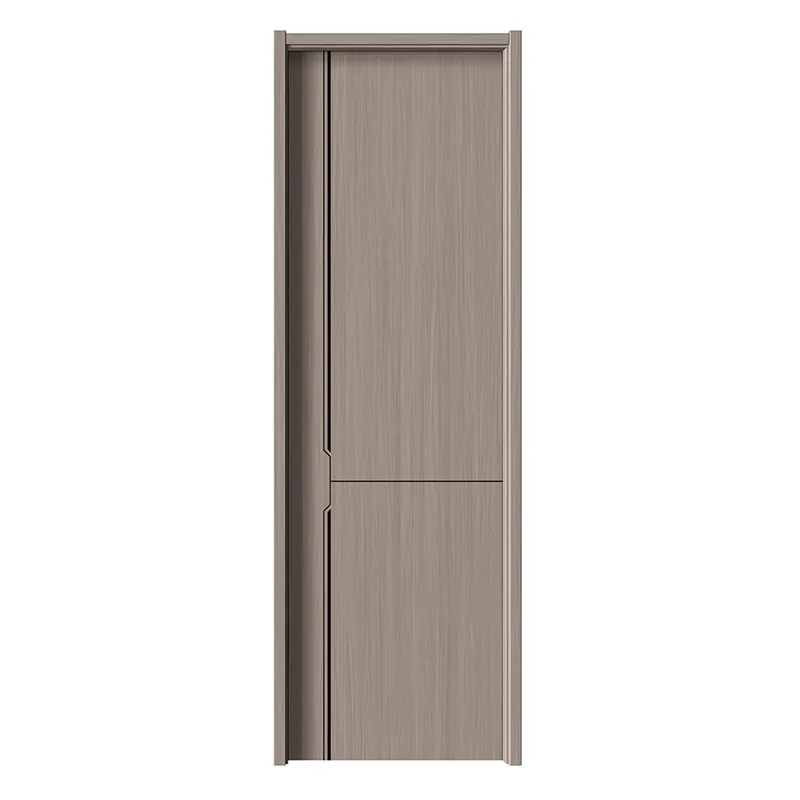 YST-1011 Door Translucent light shadow 3
 -
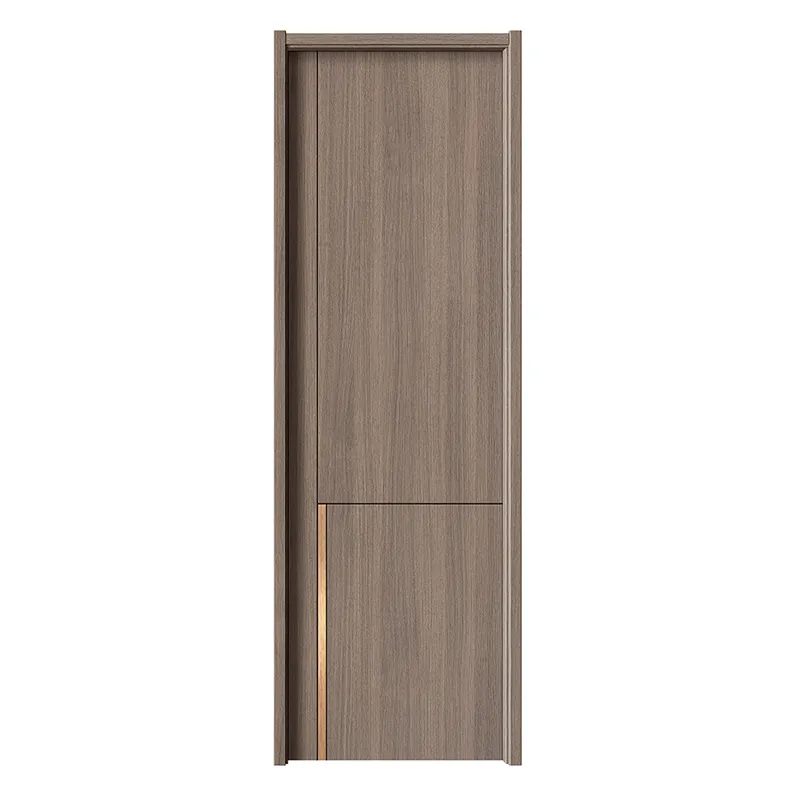 YST-1003 Door Oak gray
 -
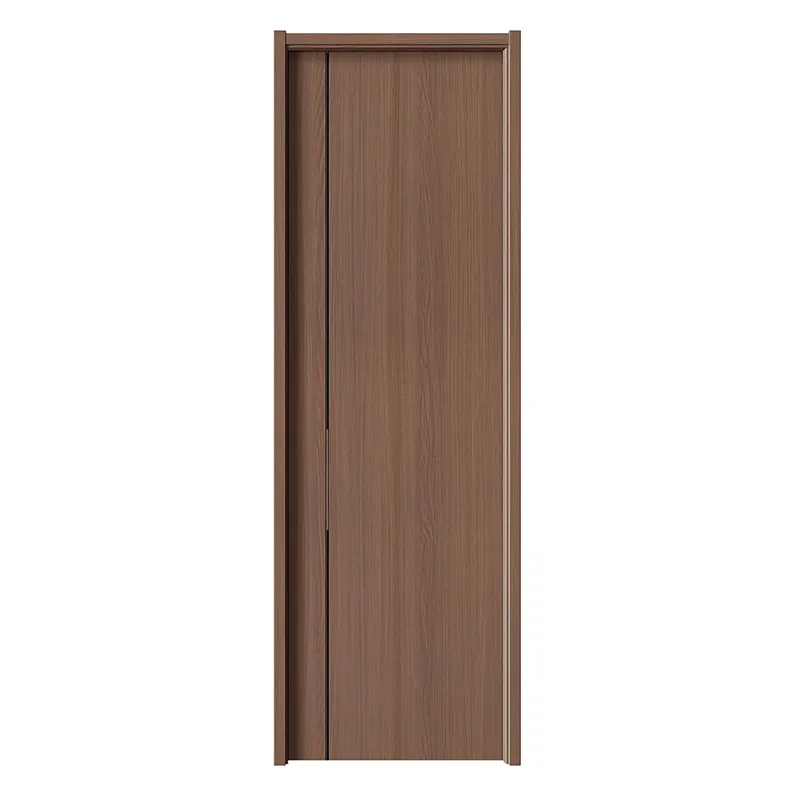 YST-1043 Door Techno-walnut 3
 -
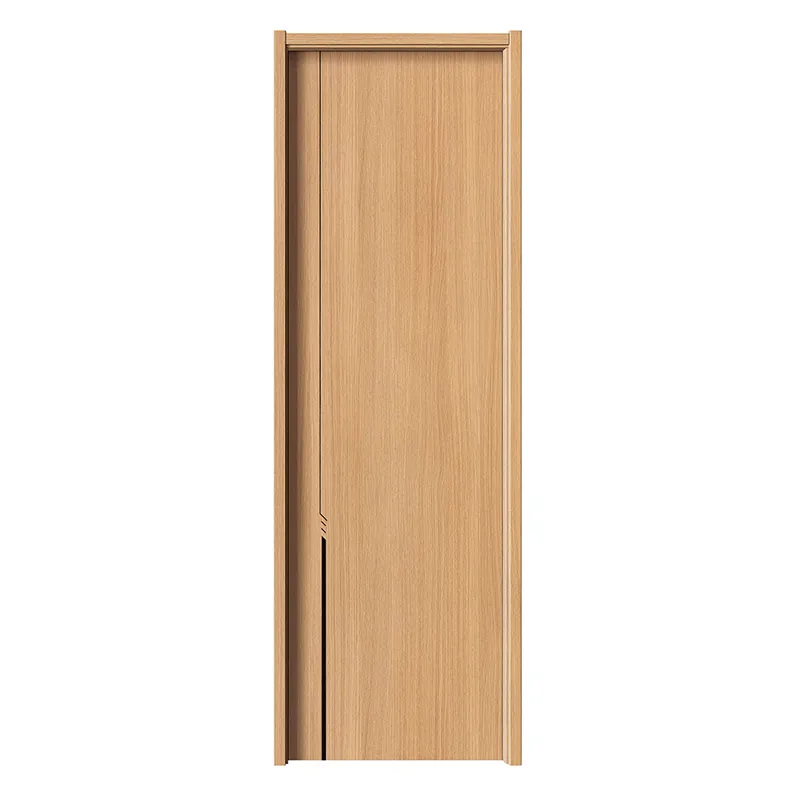 YST-1041 Door Oak Shutter
 -
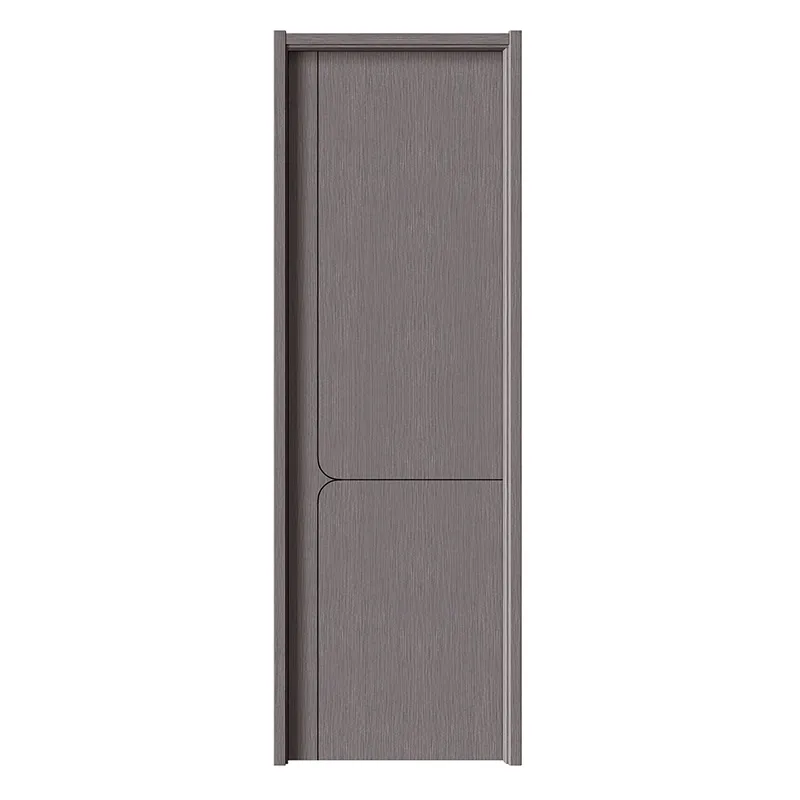 YST-1001 Door Chiaroscuro tree 2
 -
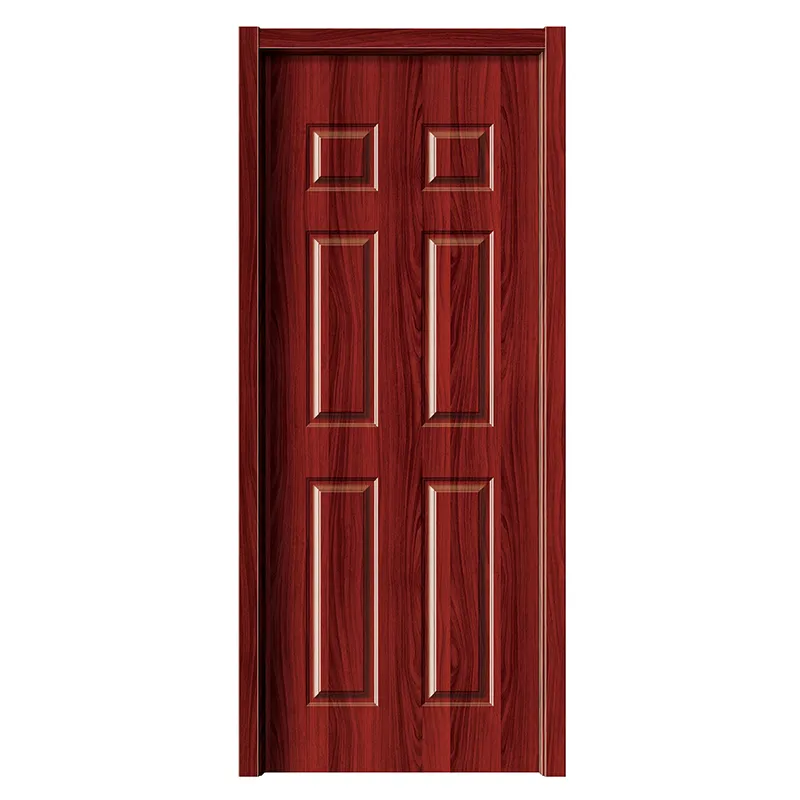 YST-201 Door Red team
 -
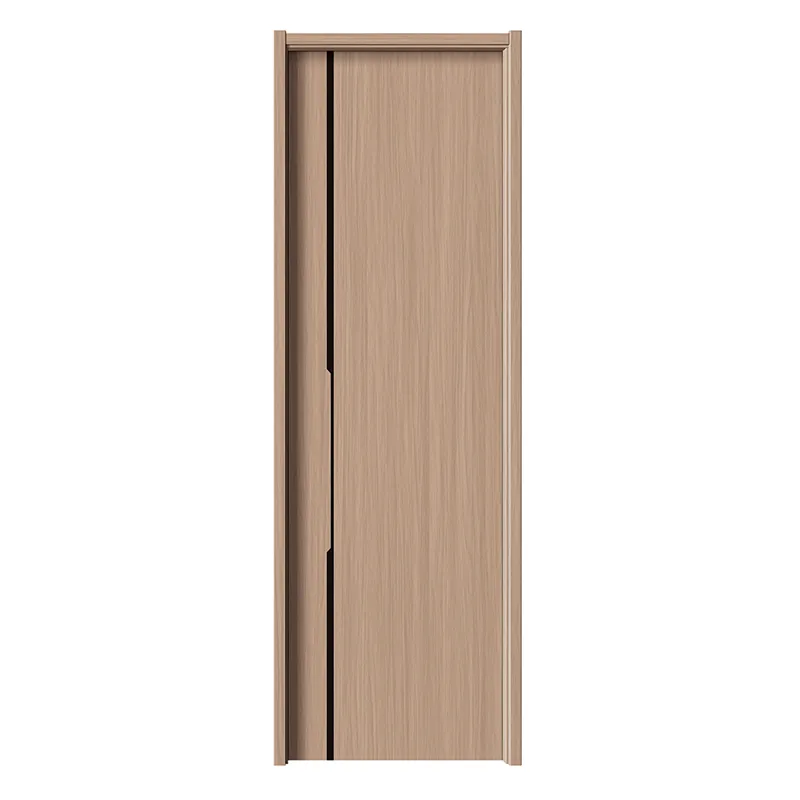 YST-1029 Door Translucent light shade 1
 -
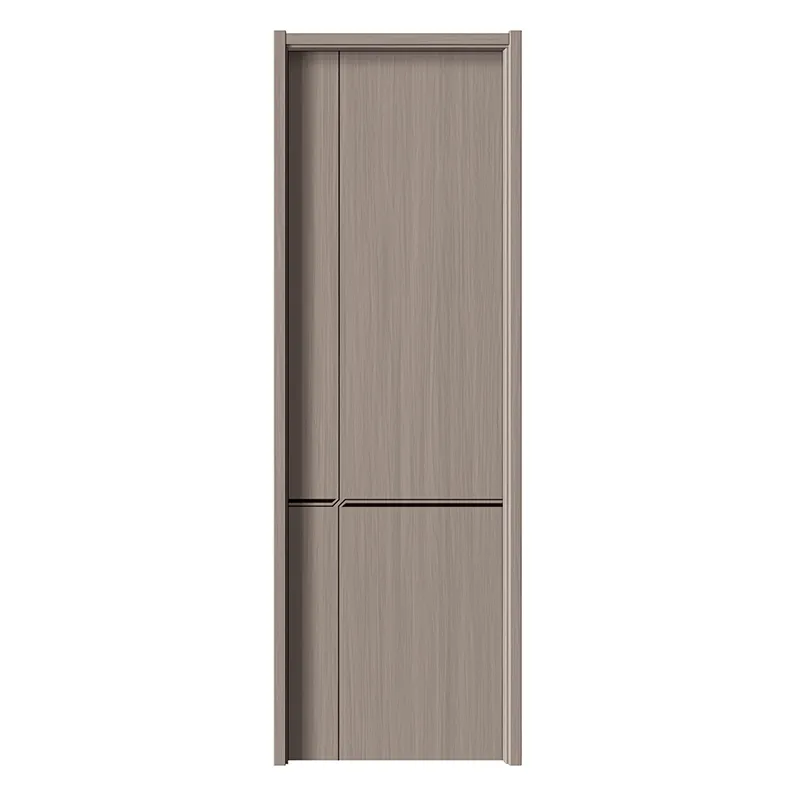 YST-1010 Door Translucent light shadow 3
 -
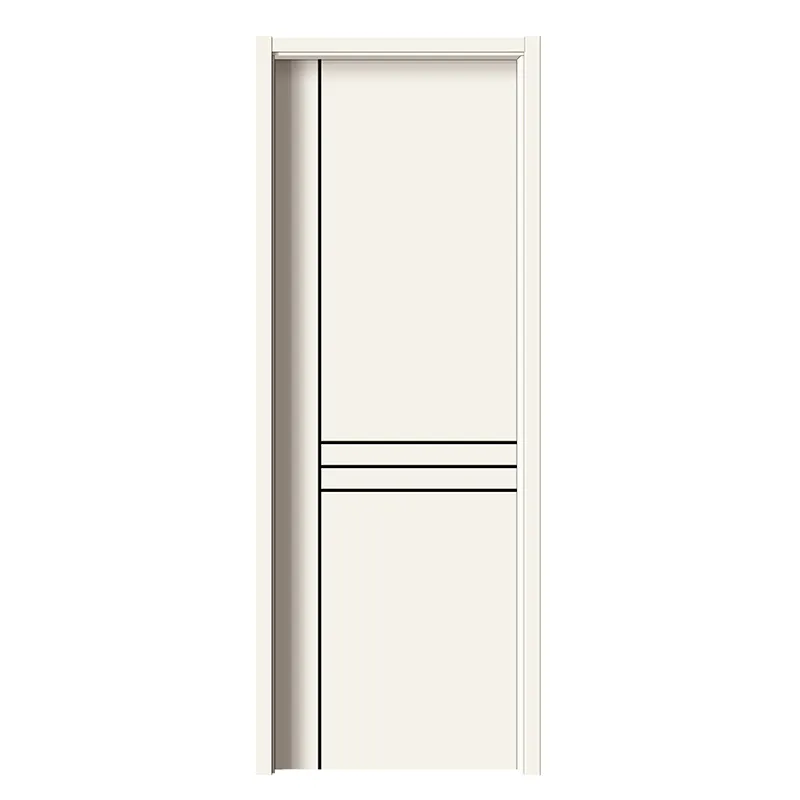 YST-220 Door Warm white
 -
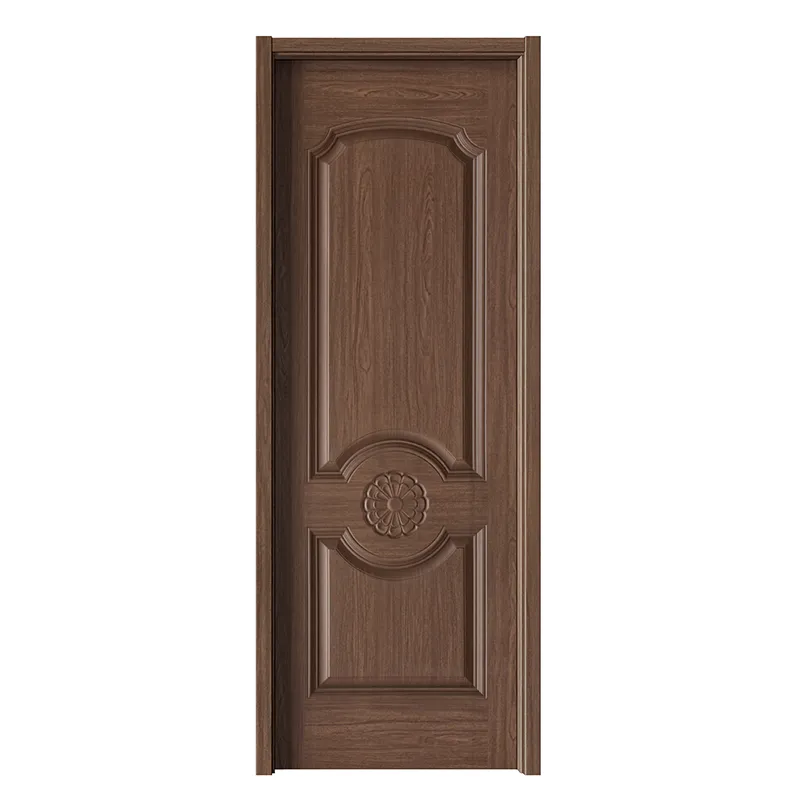 YST-212 Door North American Oak 2
 -
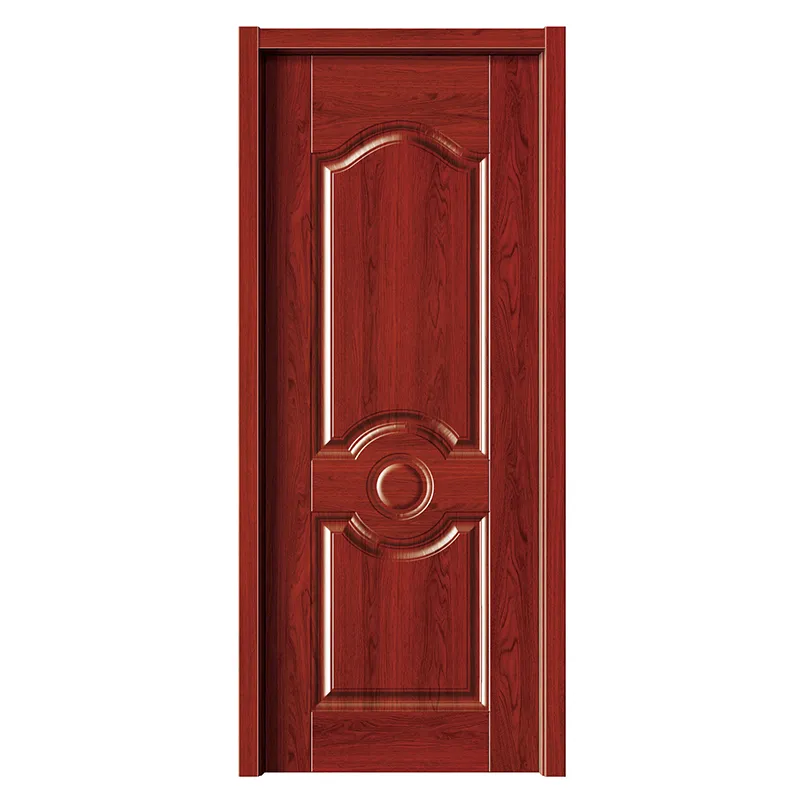 YST-208 Door Red Sandalwood
 -
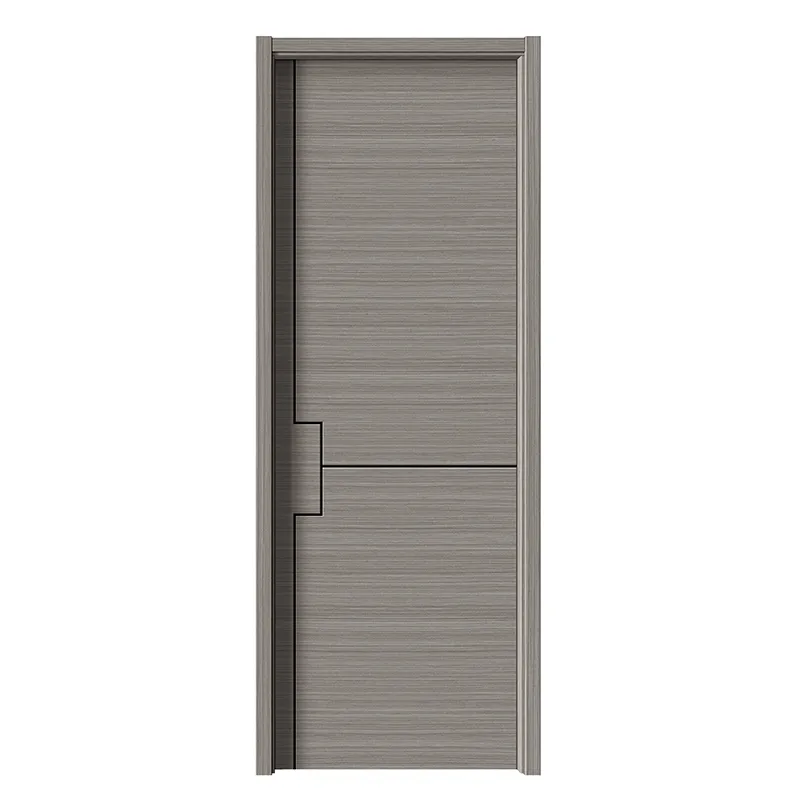 YST-1005 Technotree Door 2