




Single-leaf plastic door
When you hear “plastic blind single-leaf door?”, many people imagine just a white rectangle in the opening. But in reality, this is a whole range of solutions for heat and sound insulation, opening geometry and durability. A common mistake is to consider them “simple?” and save on installation or fittings. And then be surprised by drafts or distortion.
What does quality actually consist of?
This is where it all starts with the profile. Not the PVC used for windows, but door PVC, with reinforcement. The cross-section, wall thickness, number of chambers are not marketing, but physics. I saw samples where they save money on internal partitions, and after a couple of seasons the profile “played?” in the sun. goodplastic doormust have a steel reinforcing liner around the entire perimeter, otherwise rigidity cannot be achieved.
Double-glazed window? No, he has nothing to do with it, because the door is solid. But filling the canvas is a whole story. Most often it is cellular polypropylene, but the density and structure of the cells vary. Sometimes they use polyurethane foam; it has better thermal insulation, but is also more expensive. There was a situation at one site: the customer demanded maximum silence in the corridor. I had to combine it - a layer of polyurethane foam plus mineral wool in the frame. It worked, but the weight of the canvas also increased, so I had to install reinforced hinges.
But seals are a detail that is often underestimated. Two circuits - minimum. And the material matters: silicone is more elastic, EPDM rubber is more durable against atmospheric influences. If the sealant becomes dull or shrinks, the entire insulation concept collapses. I checked the doors after five years of operation in the entrance - where there was a cheap seal there were already cracks.
Editing: where theory diverges from practice
You can buy the most technologically advanced door, but crooked installation will ruin everything. The opening must be prepared perfectly: not just “roughly level,” but leveled and reinforced. A common problem in new buildings is “walking people”. openings. You put the box in, foam it, and after a month the foam crumbles due to micro-movements of the wall. Therefore, now I often take the route of anchoring through the box directly to the permanent structure, and use the foam only as an auxiliary, insulating layer.
Gaps. Jeweler's precision is needed here. Too small a gap - the door will rub or not close when humidity changes. Too big - a bridge of cold and noise. I usually focus on 2-3 mm around the perimeter, but this is after careful measurement of the canvas and box. Sometimes, if the door is on the sunny side, I deliberately allow a little more margin for thermal expansion of the plastic.
Threshold. It's an eternal dilemma with him. A solid threshold seals better, but it is an obstacle that people stumble over. Active (automatically lowering when closing) is more convenient, but it is an additional mechanism that can fail. In residential premises, they often make a compromise - they install a threshold with a magnetic seal, but with a minimum rise. For technical rooms - no options, dull and high.
Fittings and hidden problems
Loops. Forsingle leafThe weight of the design is not as large as that of a double-leaf one, but still. Inexpensive overhead hinges can sag. Hidden ones are more aesthetically pleasing, but their adjustment is more difficult. Personally, I prefer hinges with a closer built into the axis. This solves the issue of door slamming, especially in offices. But you need to make sure that the closer is adjustable in strength and speed.
Lock and handle. Plastic is a “warm” material, and the dew point can shift. If you install a metal handle without a thermal break, in winter it will be icy, with condensation. We looked for options and found good solutions from specialized manufacturers of fittings for PVC doors. The lock is only a lever lock when it comes to security. The cylinder mechanism may jam in a street or driveway installation.
Anti-corrosion treatment of all metal fittings is mandatory. Even if the door is internal. In bathrooms, swimming pools, and kitchens, humidity does its job. I saw how, over the course of two years, low-quality screws on the strike plate became covered with rust and swelled, preventing them from closing.
Context of application and selection errors
Where is such a door really needed? The balcony exit is a classic. Tightness is important there. An entrance to a private house, especially if there is no vestibule there. Technical rooms: boiler room, laundry room. It’s a mistake to install it as an interior room in a living room. Plastic, even high-quality one, does not provide the tactile warmth that wood does. And the closing sound is different, sharper.
I had an order - to install a blank plastic door in an office space facing a noisy street. The customer just wanted “solid and white”. I persuaded him to opt for an option with an increased profile thickness and a special acoustic filler. The result exceeded expectations - the noise decreased dramatically. But the price also increased by 40%. This is about the question of what is “just a plastic door?” - the concept is very flexible.
Color. White is standard, but it fades. Especially on the south side. There are options with wood lamination, but this is a different price. High-quality lamination is stable, but cheap lamination peels off at the corners. I recommend that clients, if their budget allows, consider mass-painted profiles. More expensive, but more durable.
View of the market and production approaches
Now the market is saturated. There are many Turkish, Belarusian and Russian manufacturers. There are Chinese ones, but be careful with them - often the geometry is lame. Build quality and output control are what distinguishes a good manufacturer. I know that some companies, for example,Anhui Wantai Woodworking Co.,Ltd (https://www.anhuiwantai.ru), although they specialize in wooden doors, adhere to high standards of precision and quality control in production. Their philosophy is to “build a business on precision, win with quality?” - this is exactly what is often lacking in the mass plastic segment. If we transfer this approach to the production of LDPE, we would get an excellent product.
Their experience in working with wood, with international standards, with design is about a deep understanding that a door is not just a product, but an element of the interior and a functional unit. In plastic doors, design is often forgotten, reducing everything to utilitarianism. But evenblind single-leafthe model can be stylish, with correct proportions, high-quality milling, and an inconspicuous but reliable rebate.
In the end, what I want to say.Single-leaf plastic door- This is a technically complex product. Her choice is not about “taking the one that is cheaper”. This is about analyzing the installation location, insulation requirements, budget and, importantly, understanding who will install it. The stingy one pays twice, and in this case, he also suffers with drafts and repairs. It’s better to invest once in a high-quality profile, good fittings and professional installation. Then it will serve for decades without reminding itself.
Correspondingproducts
Related Products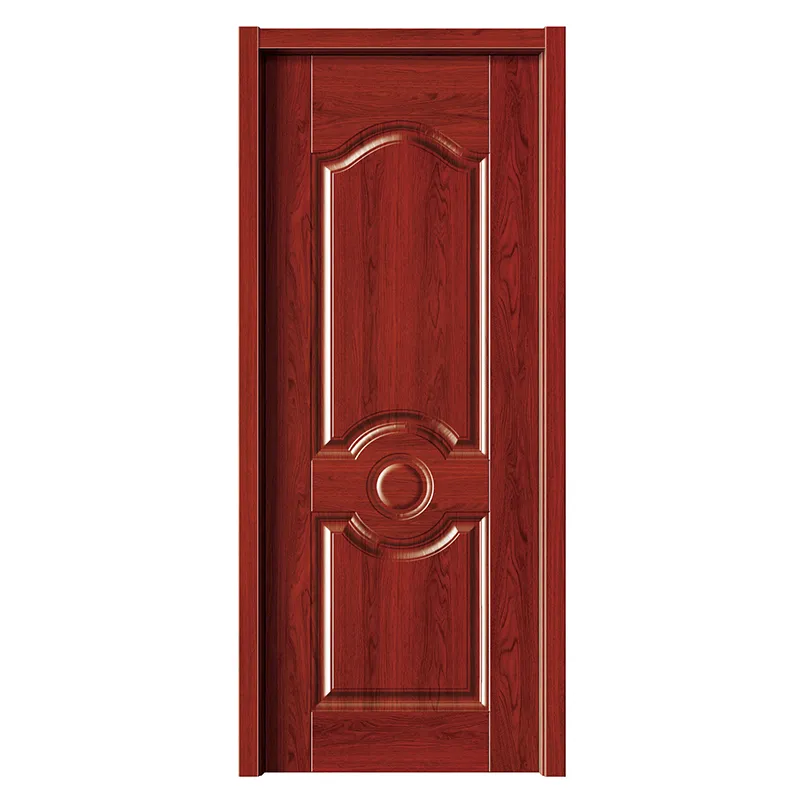
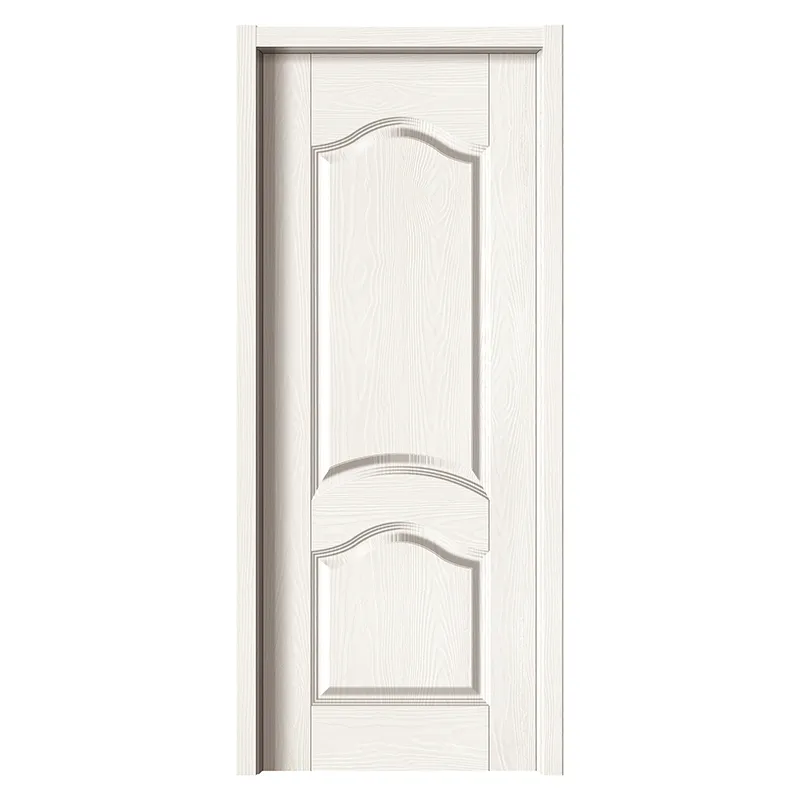
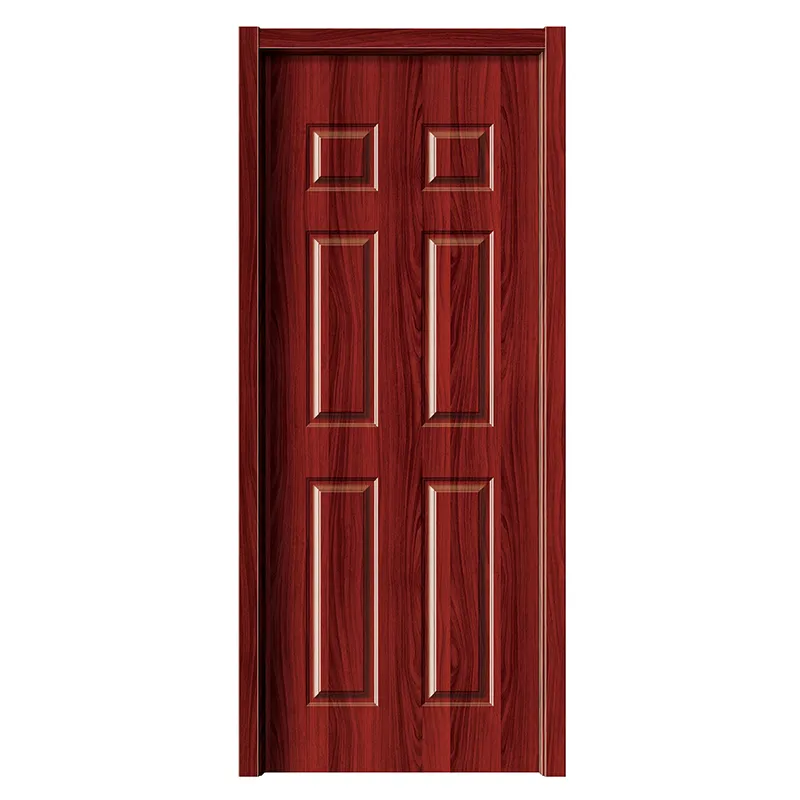
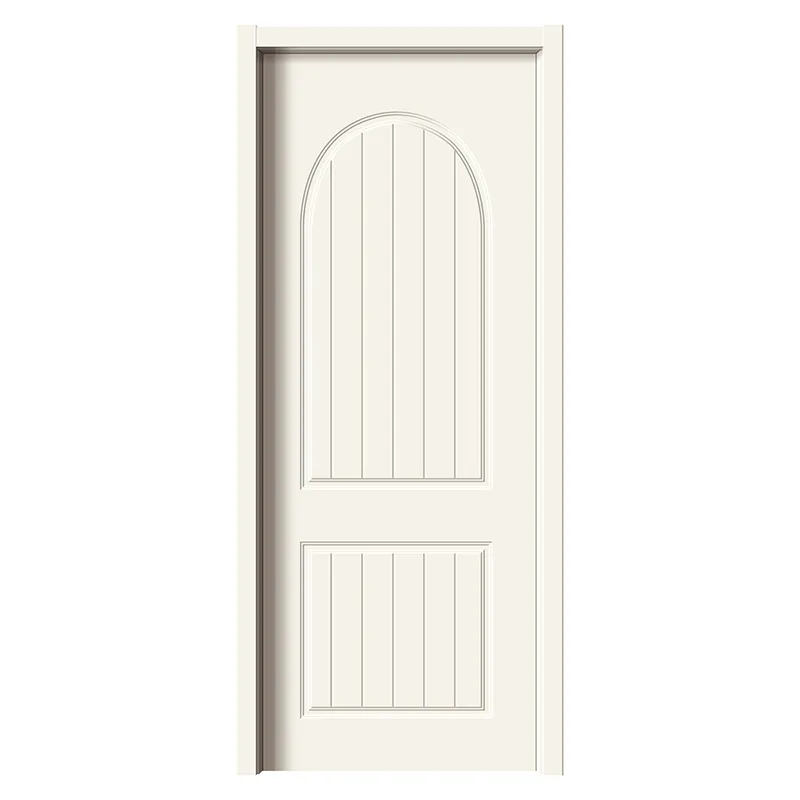

Best Sellingproducts
Best Selling Products-
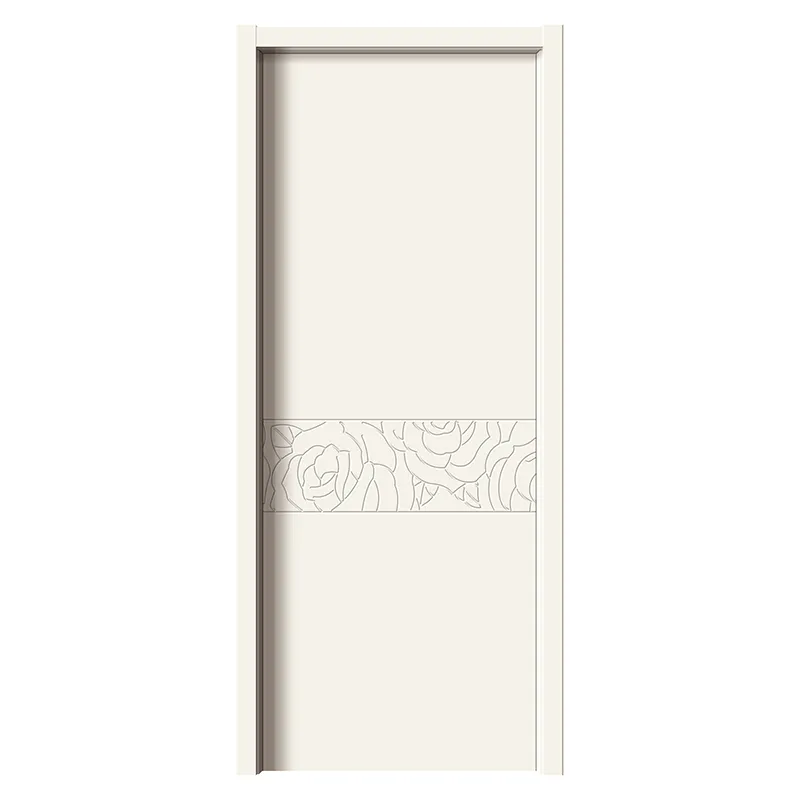 YST-238 Door White ivory
 -
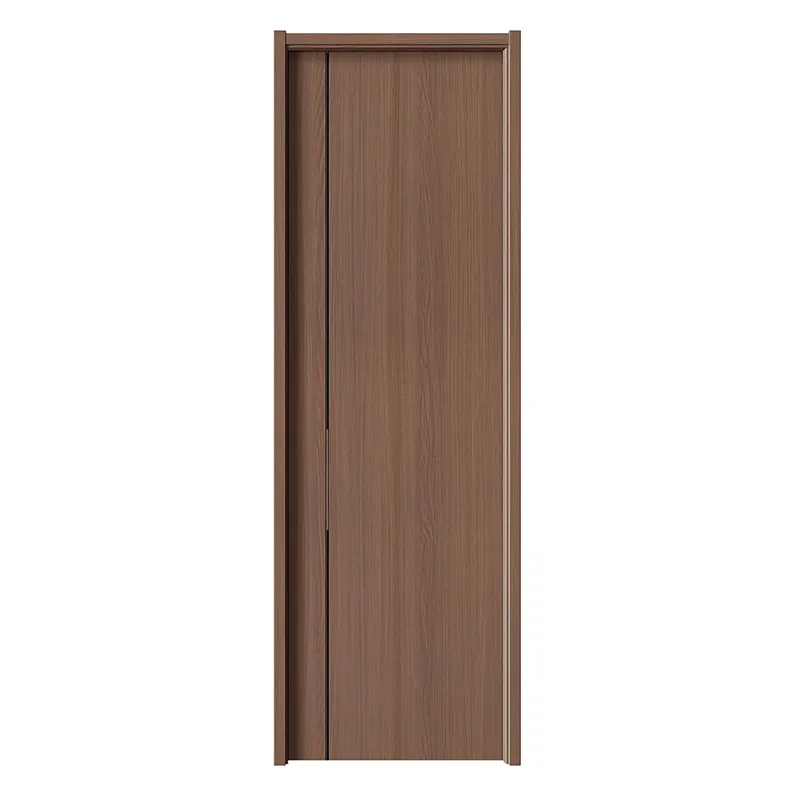 YST-1043 Door Techno-walnut 3
 -
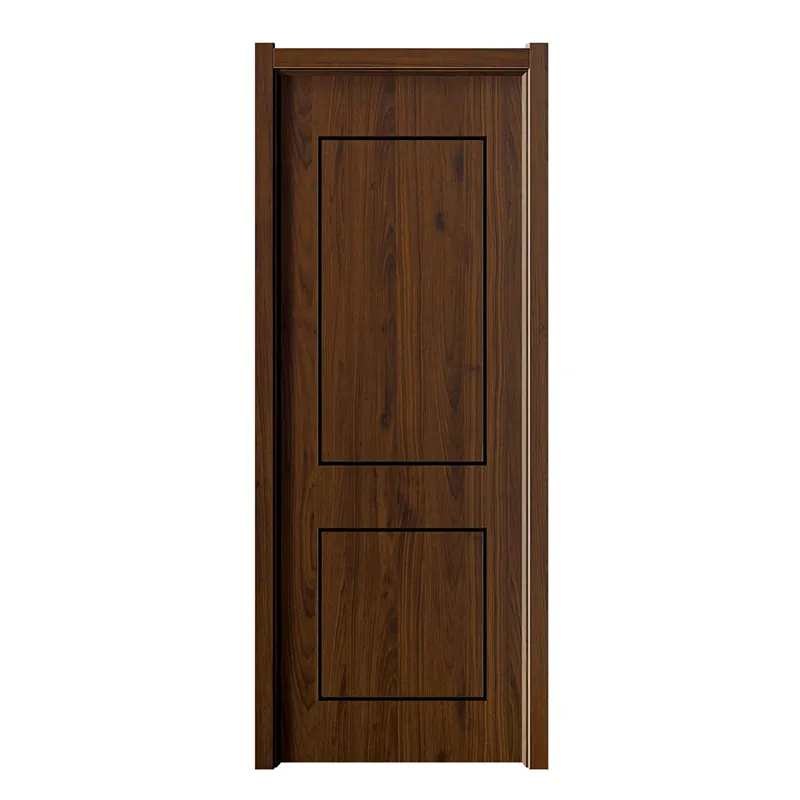 YST-WPC2 Door
 -
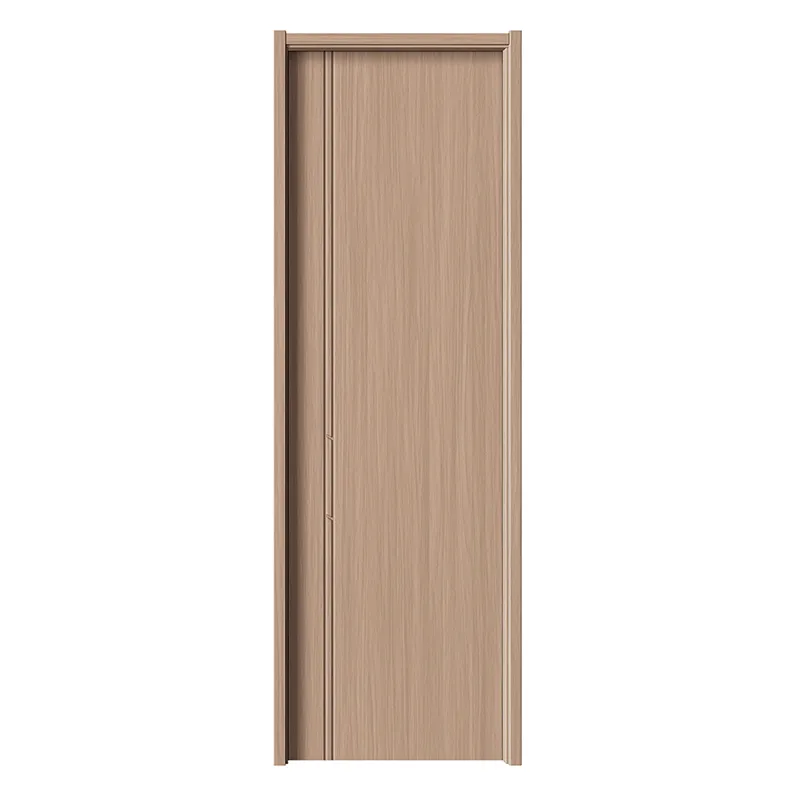 YST-1009 Door Translucent light shade 1
 -
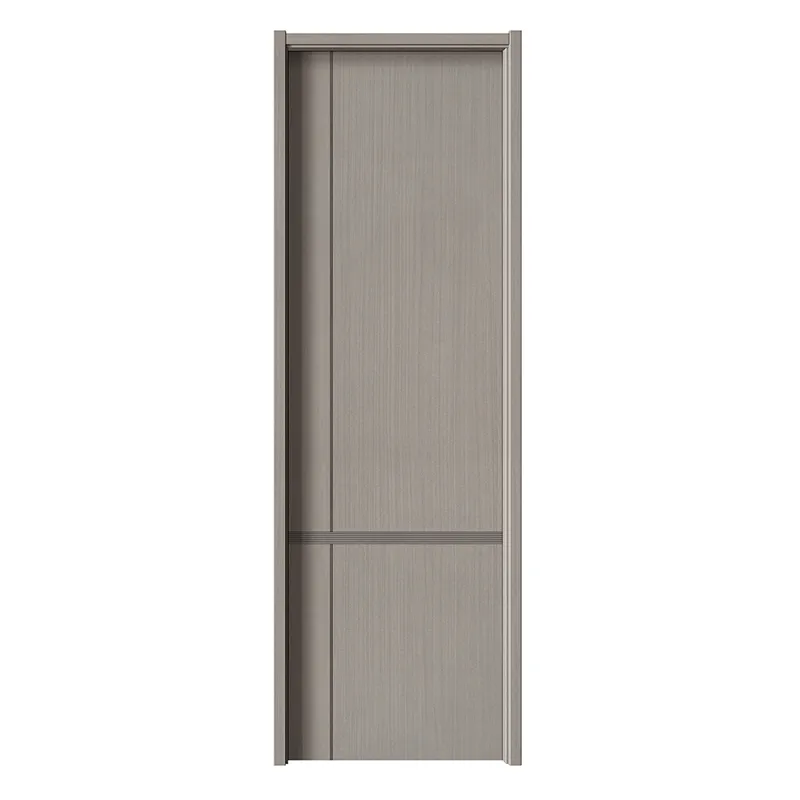 YST-1013 Door Cloud Walnut 1
 -
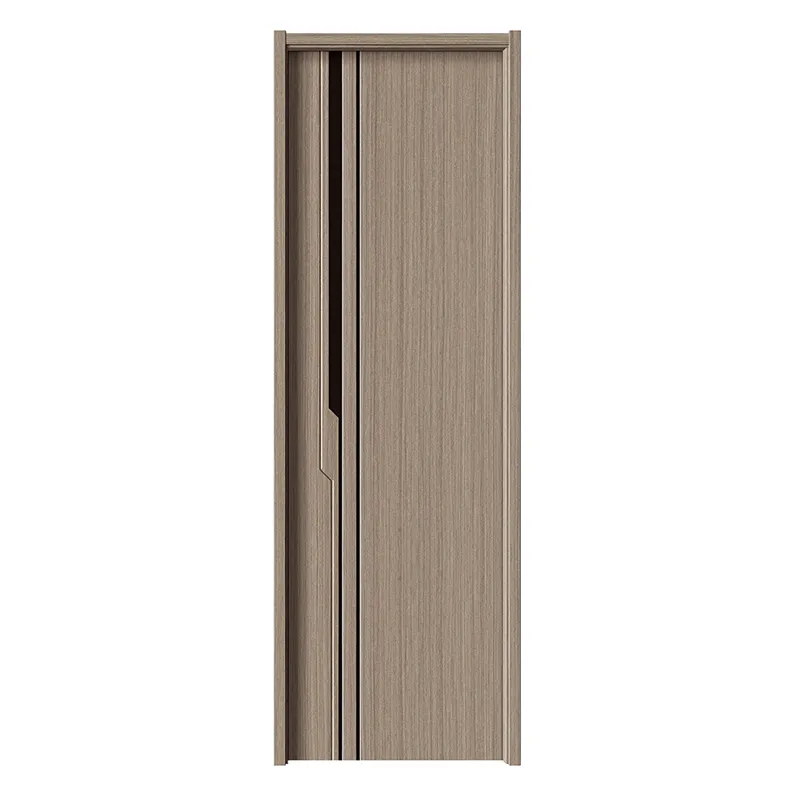 YST-1018 Technowood Door 1
 -
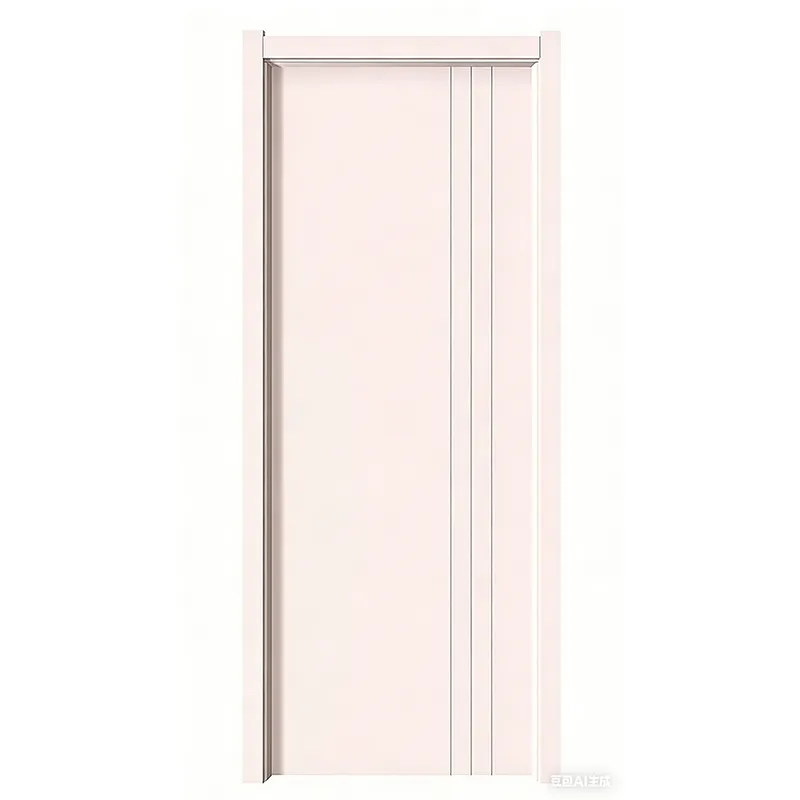 YST-WPC4 Door
 -
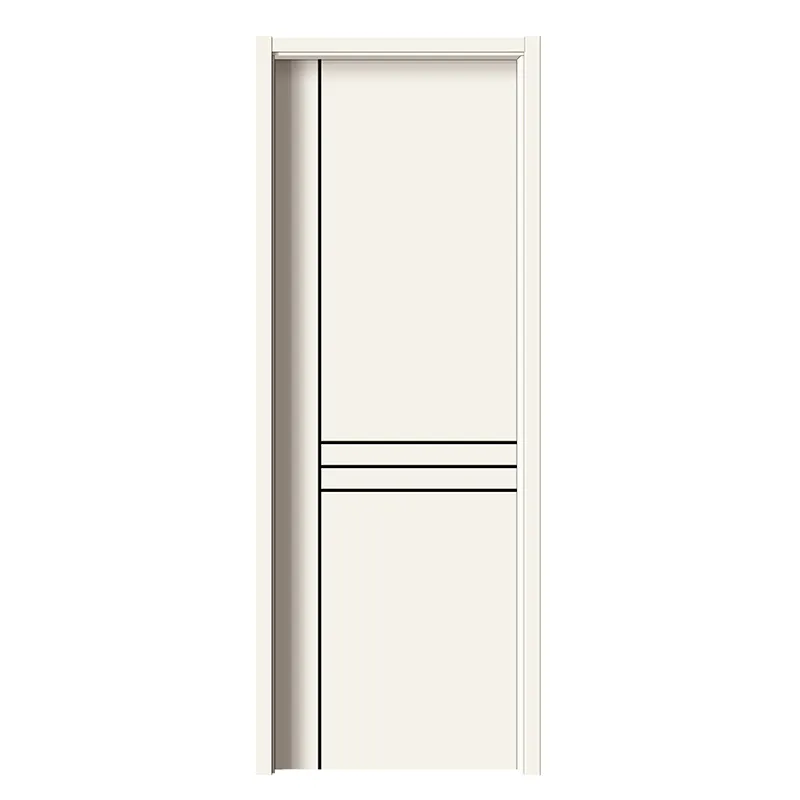 YST-220 Door Warm white
 -
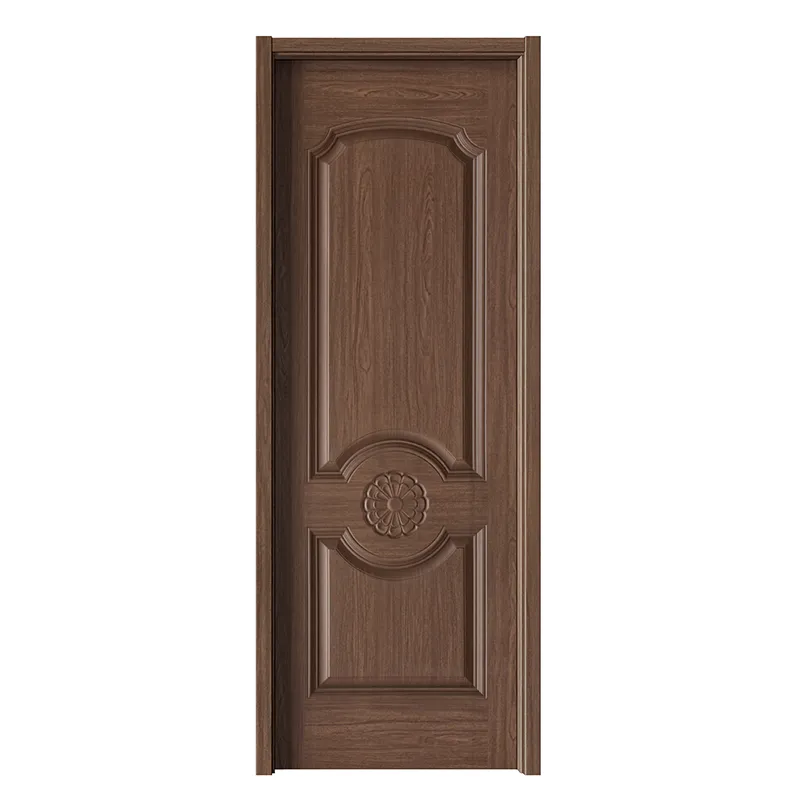 YST-212 Door North American Oak 2
 -
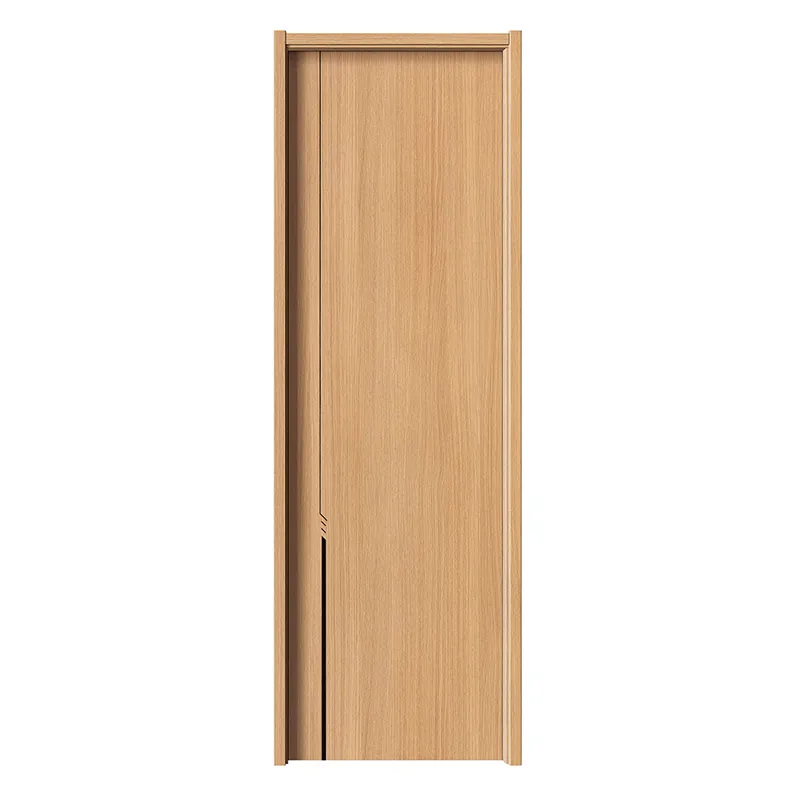 YST-1041 Door Oak Shutter
 -
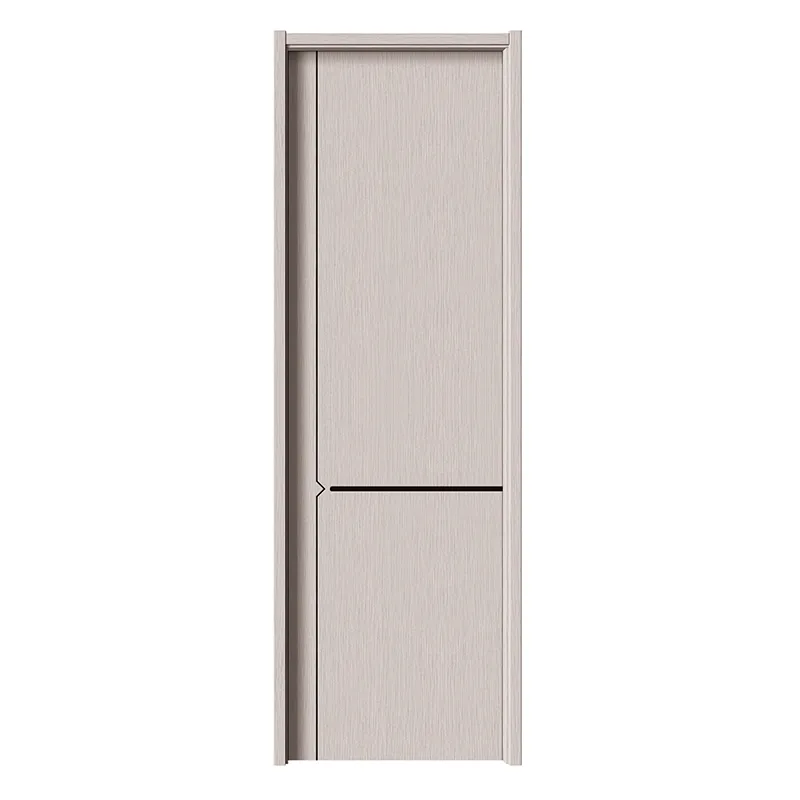 YST-1024 Door Chiaroscuro wood 1
 -
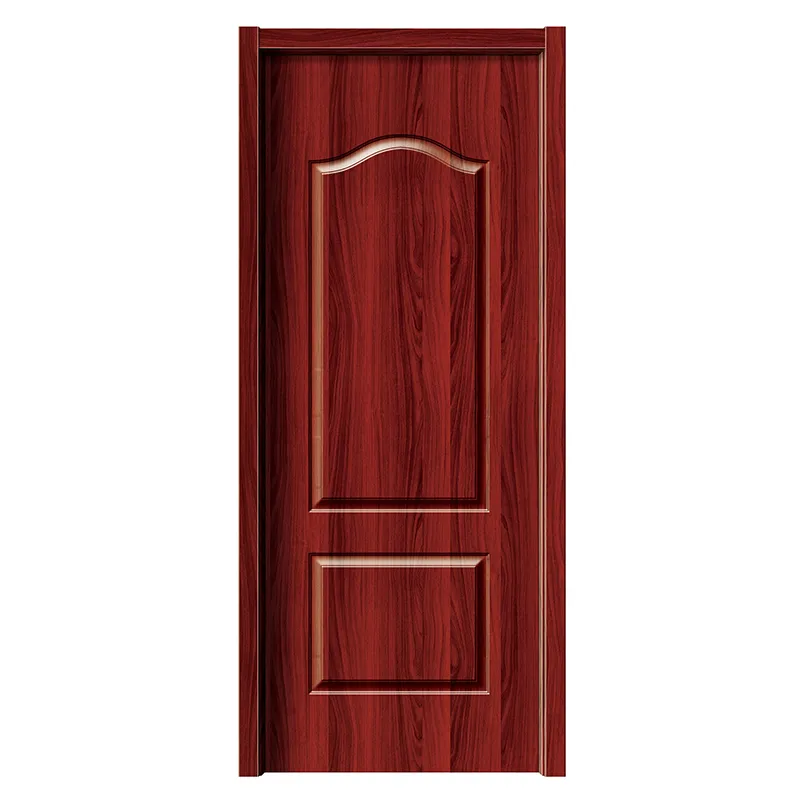 YST-207 Door Red team