




Hidden doors in veneer
When they talk about hidden doors in veneer, many people immediately imagine a perfectly smooth wall where the seam is absolutely invisible. This is perhaps the main misconception. Complete invisibility is a utopia, especially when it comes to natural veneer. The goal is not to make the door disappear, but to ensure that it fits organically into the plane, and the joint is tactfully disguised. The difference is fundamental. I have seen many times how clients, having heard enough marketing, expect a miracle, and then are disappointed in the concept itself. In fact, success lies in the balance: between technology, material and sober expectations.
Why veneer is not just a 'decorative layer'
Working with veneer, especially when creating hidden structures, is aerobatics. This is not a laminate or film that behaves predictably. Natural veneer is 'alive': it reacts to humidity, can slightly change shade, its fibers have their own logic. If you simply take an MDF sheet, cover it with veneer and cut in a hidden hinge, the result will be disastrous. After a season, a gap or, conversely, swelling may appear at the junction. The key is preparing the base. The base must be stable, often a multi-layer glued board with cross-grain grain, which minimizes deformation.
Here I recall one project where we used walnut veneer from a supplier who, as it later turned out, did not carefully control the moisture content of the material. The doors were installed in a country house with an imperfect microclimate. Six months later, on one of the doors, precisely in the area of the vestibule, a barely noticeable wave appeared. The client, fortunately, was adequate, and together we figured out the reason. The incident taught me not just to demand certificates, but to personally check the batch by touch and even leave samples in the workshop for a week or two for observation.
By the way, about suppliers. There are companies on the market that rely specifically on technological processing of veneer for complex tasks. For example,Anhui Wantai Woodworking Co.,Ltd (https://www.anhuiwantai.ru). Their approach reflects exactly this production discipline that I am talking about. They don't just sell doors, but strive to provide a product that combines aesthetics and practicality, which is critical for hidden structures. Their philosophy of “building a business on precision, winning with quality” is not just empty words, but a necessary condition for working withhidden doors in veneer. When the base is stable, you can think about invisibility.
Fittings: what is hidden must work
The heart of any hidden door is the hinge. And here the choice is huge: from simple adjustable hidden hinges to complex hidden installation systems with a closer. A common mistake is to skimp on this unit. If you install an expensive solid veneer door on weak hinges, you will end up with sagging and squeaking after a year. For heavy canvases, I prefer German or Austrian systems with bearings and the possibility of three-dimensional adjustment after installation. This is insurance for the future.
But there is a nuance that is rarely written about in catalogs. The niche itself is at the end of the wall or in the frame underhidden doormust be prepared flawlessly. Geometry is your main enemy. If the opening is 'blocked', even the most perfect hinge will not save you - the door will tend to open or close spontaneously. We always take the time to laser check the plane of the wall and, if necessary, strengthen the structure of the drywall or partition from the inside. This is the same “dirty” preparatory work, without which all subsequent efforts are meaningless.
I had a case in an office where the designer conceived a solid wall of veneer panels with three hidden doors leading to technical rooms. The customer bought excellent canvases, but the builders saved on installing the frame. As a result, during installation it turned out that one of the doors, when closed, protruded from the plane by a good 3 mm. I had to practically dismantle part of the wall to reposition the guides. Lesson: Budget forhidden doorsshould include not only the cost of the canvas and fittings, but also expensive, qualified installation. The stingy one pays twice, and in our case, three times, taking into account the cost of the veneer.
The joint and its disguise: the art of illusion
Here we come to the most important thing - the junction. How to make it as invisible as possible? There are several options. The classic one is an end groove (layout) 2-3 mm deep. It visually breaks the plane and hides small irregularities of the vestibule. A more complex method is to install the door on an overlay and then cover the joint with a thin strip of the same veneer. This is a jewelry work that requires a perfect match of texture. The third, most technologically advanced, is the use of special magnetic or mechanical attraction systems that tightly press the door to the frame, minimizing the gap.
In practice, I often combine methods. For example, for a door in an office lined with oak veneer, we used a shallow groove, and after installing and painting the end to match, we additionally went over the joint with tinted wax. This smoothed out micro-irregularities and made the transition even less noticeable. It is important to understand: even with an ideal installation, with a certain amount of side lighting, the joint line will be visible. This is fine. It is necessary to show samples to the client in different light in advance in order to remove the expectation of 'stealth technology'.
It was an interesting experience with the company's productsAnhui Wantai Woodworking Co.,Ltd. In one of their catalogs, I saw options for ready-made solutions for hidden installation, where the canvas is already prepared for a certain type of fittings, and the edge is processed taking into account future joining. This greatly simplifies life for installers. Their approach - from the selection of raw materials to process control - creates the very predictability that allows you to focus on the intricacies of installation, and not on dealing with material defects. For an international market where standards are high, this complexity is a great advantage.
Where does it work and where does it not?
Hidden doors in veneer- not a universal solution. The ideal environment for them is premises with a relatively stable climate: living rooms, offices, libraries, office meeting rooms. But in bathrooms, kitchens or unheated loggias, I would think ten times. Yes, there are moisture-resistant impregnations and varnishes, but the risk of deformation for such a demanding structure is still higher. It is better to consider alternatives - for example, hidden doors made of laminated panels with a moisture-resistant coating.
Another point is the intensity of use. The door to the dressing room, which is opened three times a day, and the secret door to the office server cabinet, which is opened dozens of times by technicians, are different loads. For the latter, not only the strength of the hinge is critical, but also the wear resistance of the edge in the rebate area and, what is often forgotten, the paint or veneer at the end. Over time, abrasions may appear on it. Sometimes it makes sense to make an insert there from a harder material or use a protective edge.
I remember we made a whole wall withhidden doorin zebrawood veneer in an expensive apartment. Everything was fine until the client had a large breed dog who took a fancy to this door in order to scratch at it, demanding attention. Six months later, noticeable marks appeared on the lower part of the porch. We had to locally restore the veneer and install an almost invisible acrylic overlay underneath. Practicality always makes its own adjustments to the most beautiful concept.
Bottom line: craft, not magic
So what is truly high-qualityhidden door in veneer? This is not a magical artifact, but the result of precise calculations, the correct choice of materials and scrupulous installation. This is a story about how a design idea is tested by physics, climate and everyday life. Success is measured not in complete disappearance, but in how harmoniously and durable the structure exists in the interior.
Today, with the emergence of responsible manufacturers on the market likeAnhui Wantai Woodworking Co.,Ltd, the task has become easier. When a company has modern facilities and strictly adheres to standards, it gives the installer a solid basis to work from. Their desire to meet the diverse needs of global customers is precisely about offering not just a product, but a technological solution ready for the challenges of real objects.
After all, the best hidden door is the one you forget about. It does not attract attention, does not flap, does not crack, and retains its appearance for years. This can only be achieved where the first place is not visual effect at any cost, but an understanding of the material, mechanics and operating conditions. Everything else is just a pretty picture that will disappoint upon closer inspection.
Correspondingproducts
Related Products
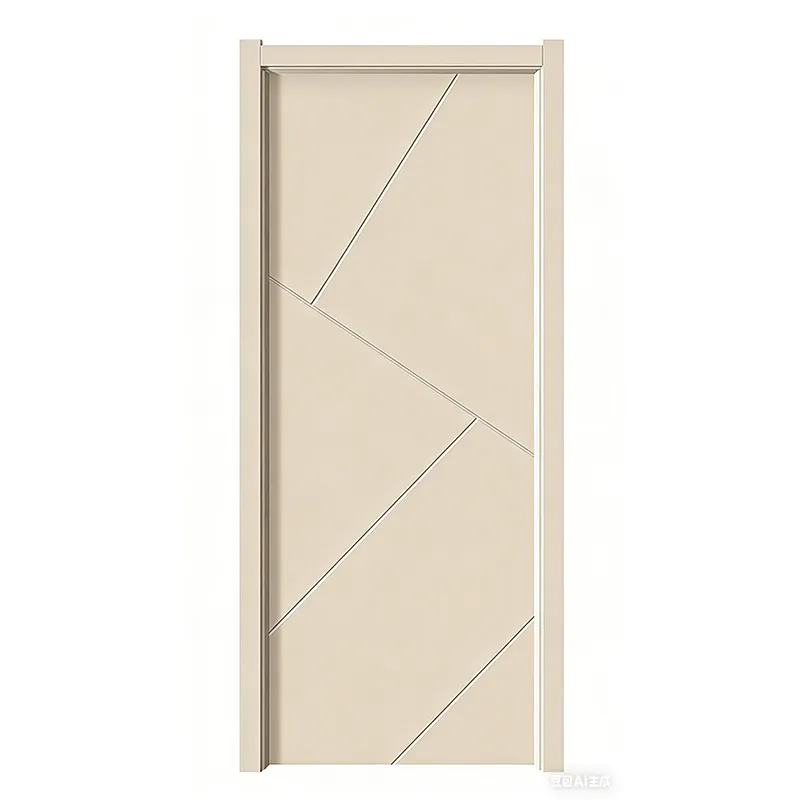

Best Sellingproducts
Best Selling Products-
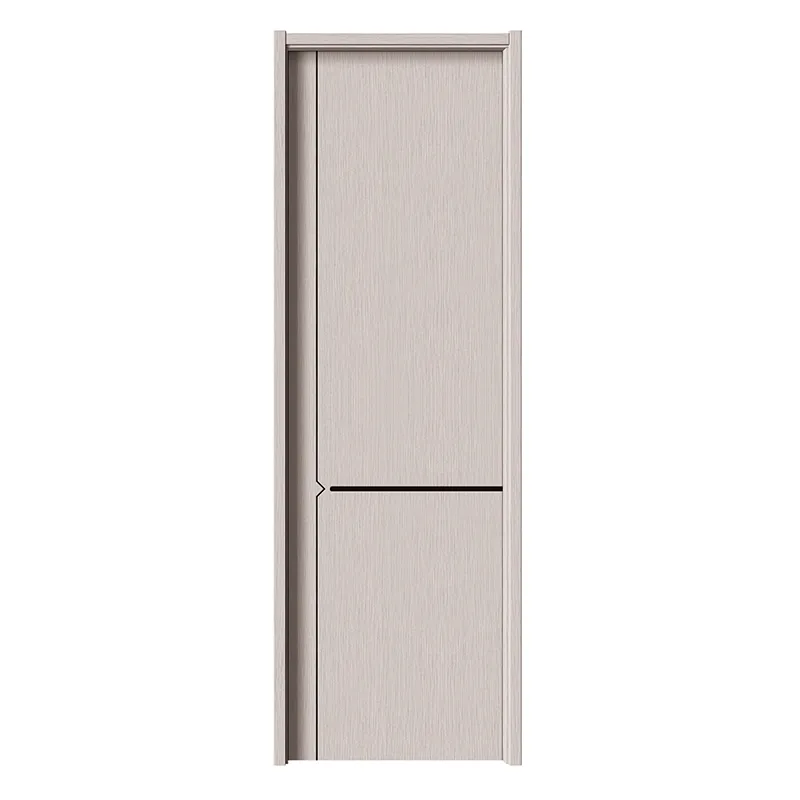 YST-1024 Door Chiaroscuro wood 1
 -
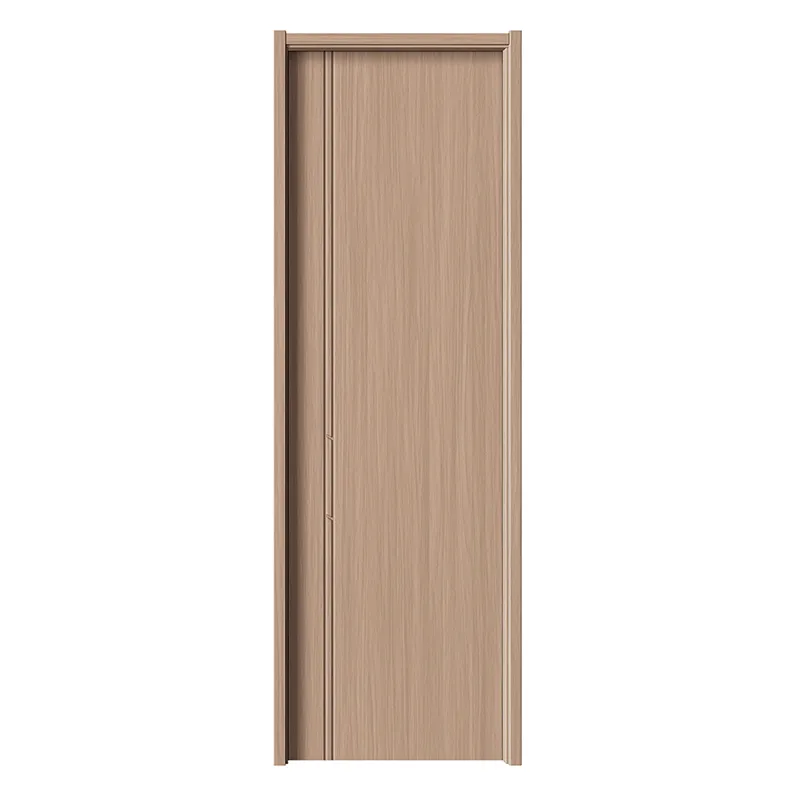 YST-1009 Door Translucent light shade 1
 -
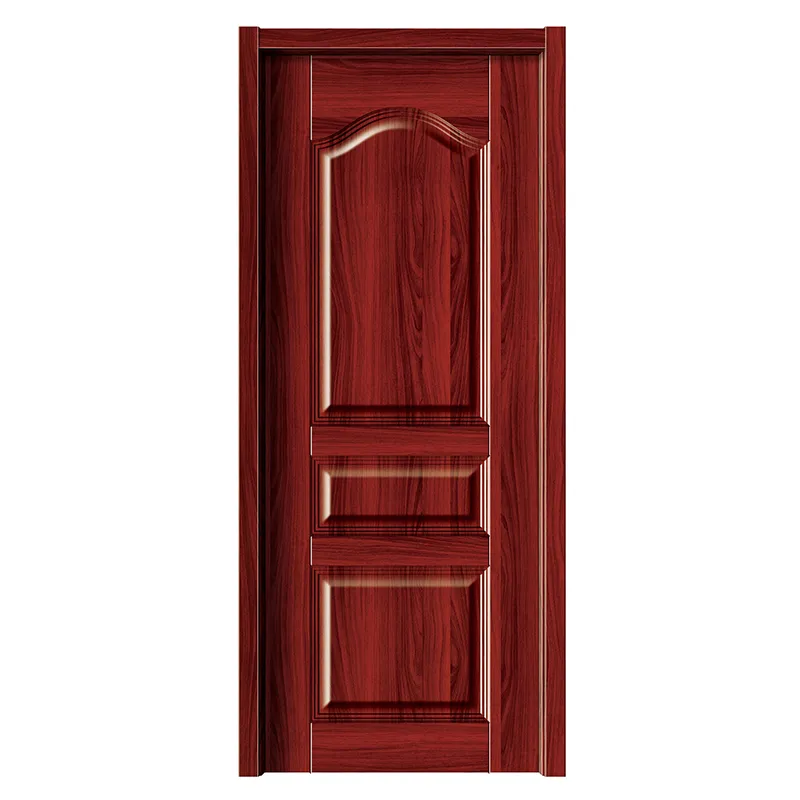 YST-203 Door Red team
 -
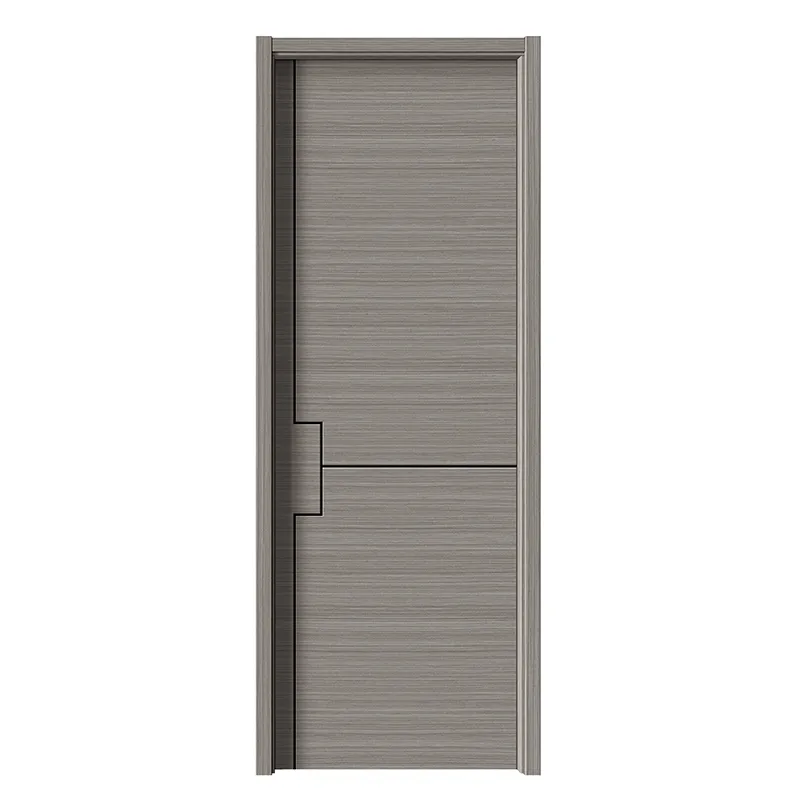 YST-1005 Technotree Door 2
 -
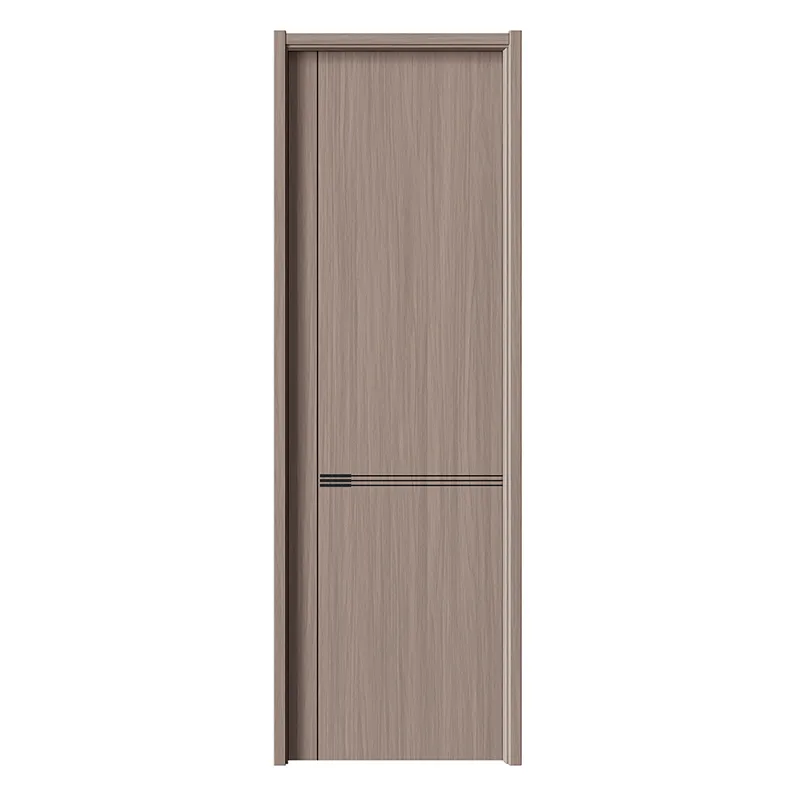 YST-1039 Door Translucent light shadow 3
 -
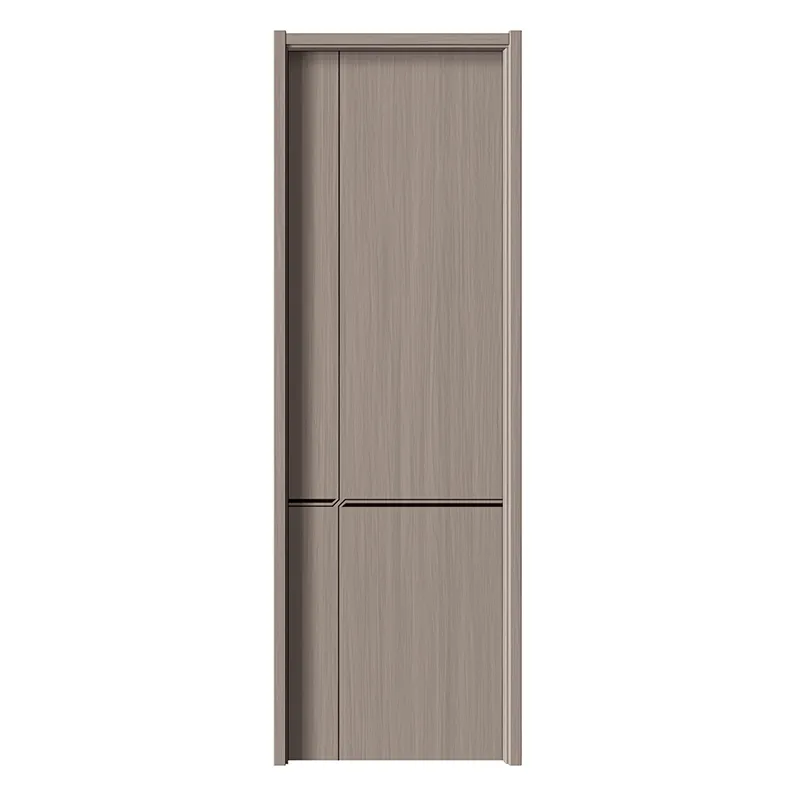 YST-1010 Door Translucent light shadow 3
 -
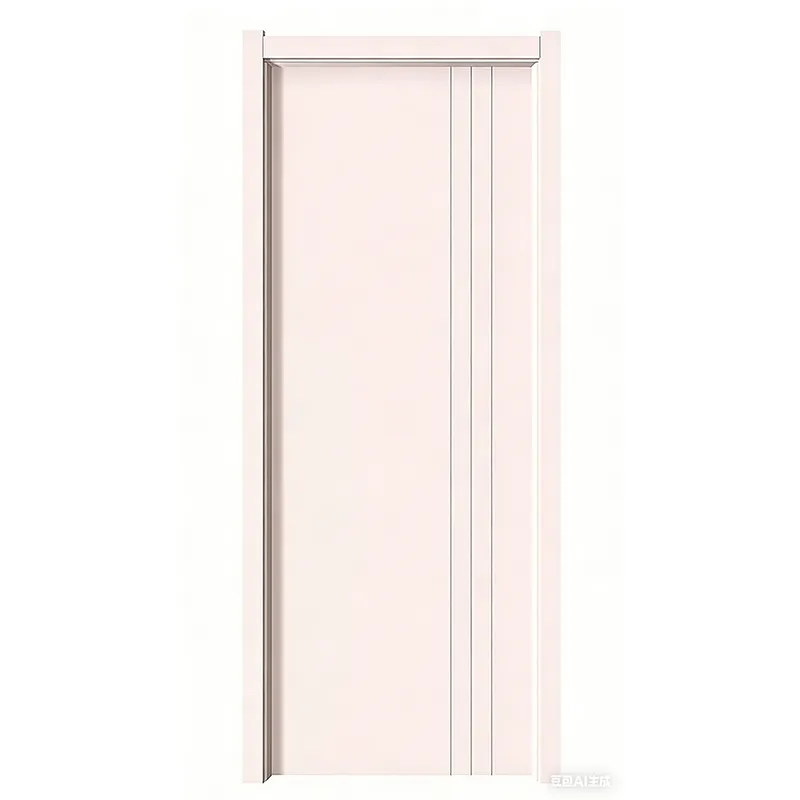 YST-WPC4 Door
 -
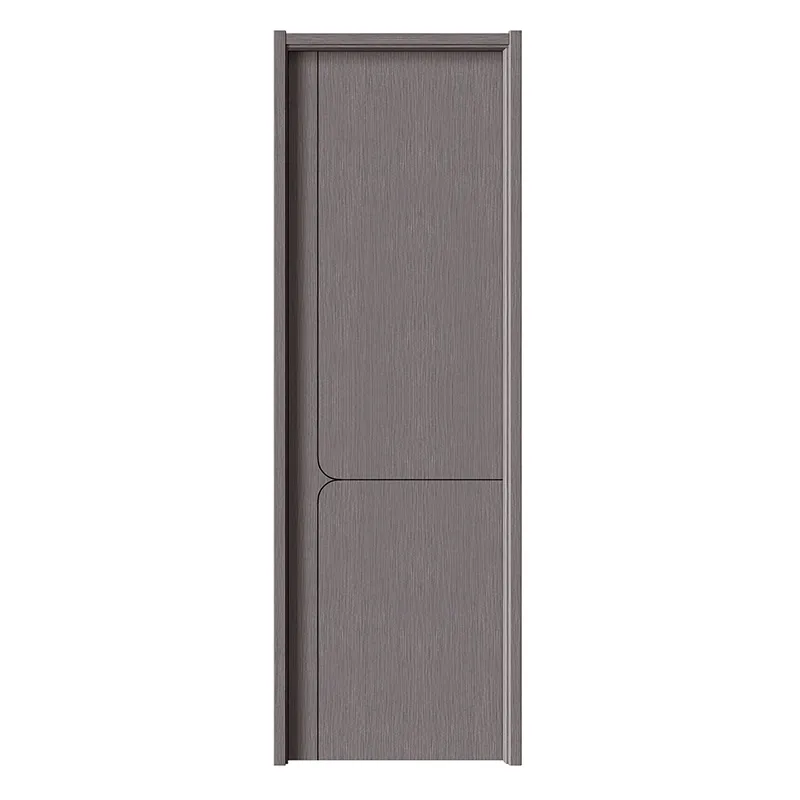 YST-1001 Door Chiaroscuro tree 2
 -
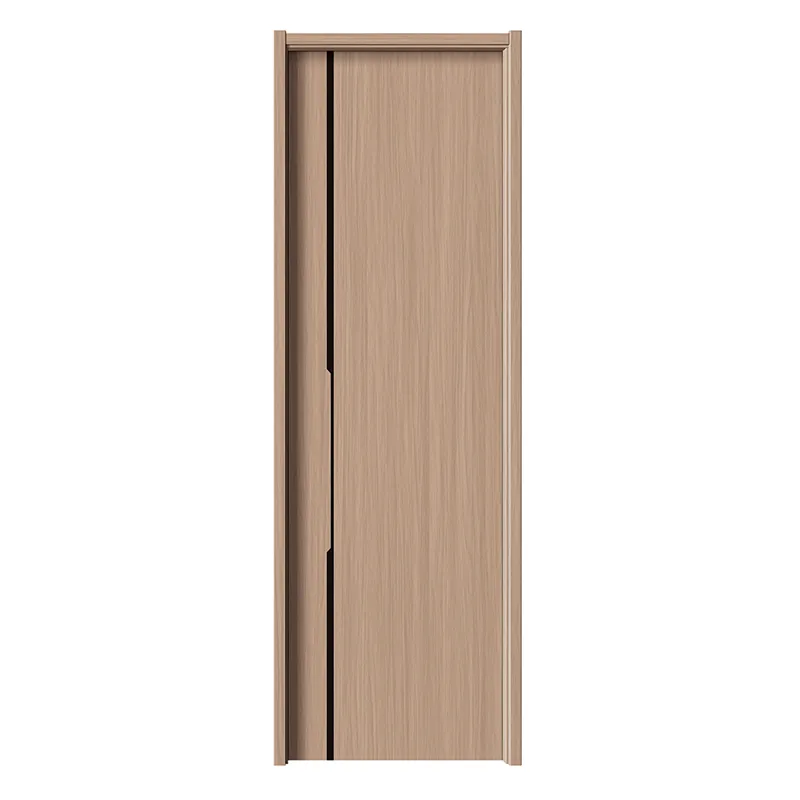 YST-1029 Door Translucent light shade 1
 -
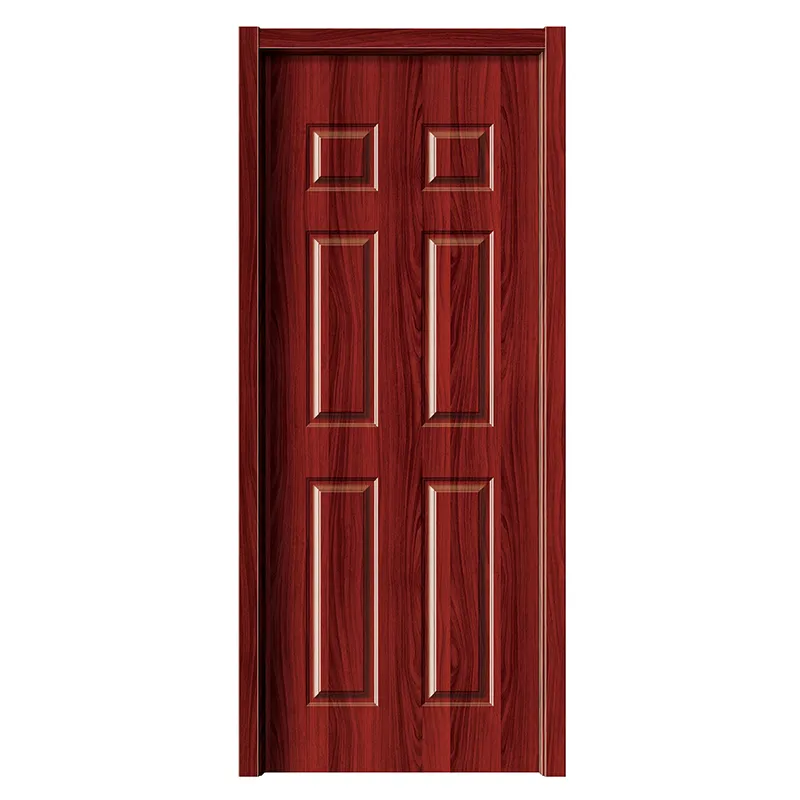 YST-201 Door Red team
 -
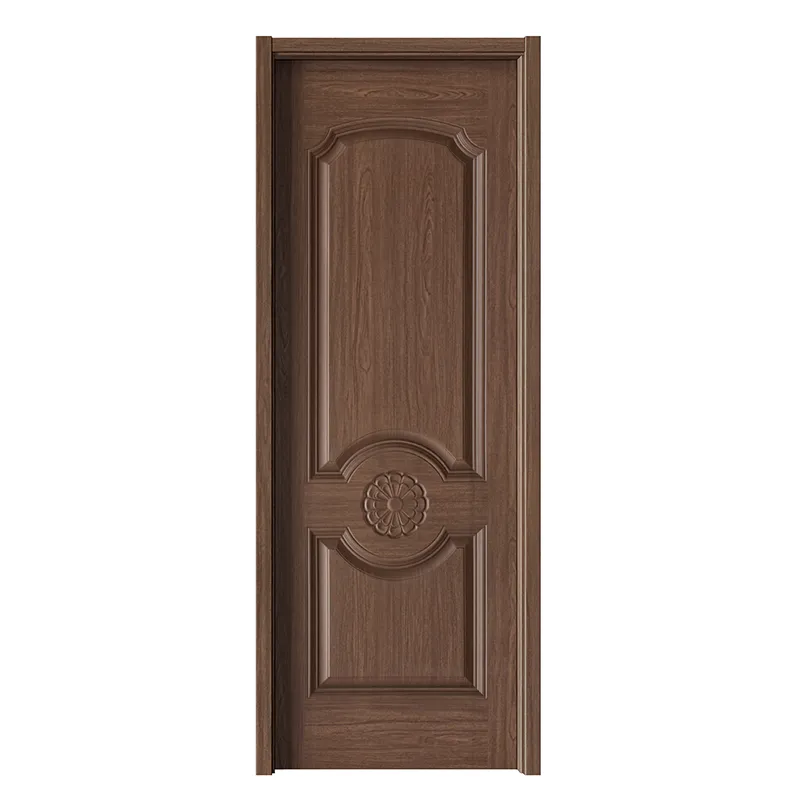 YST-212 Door North American Oak 2
 -
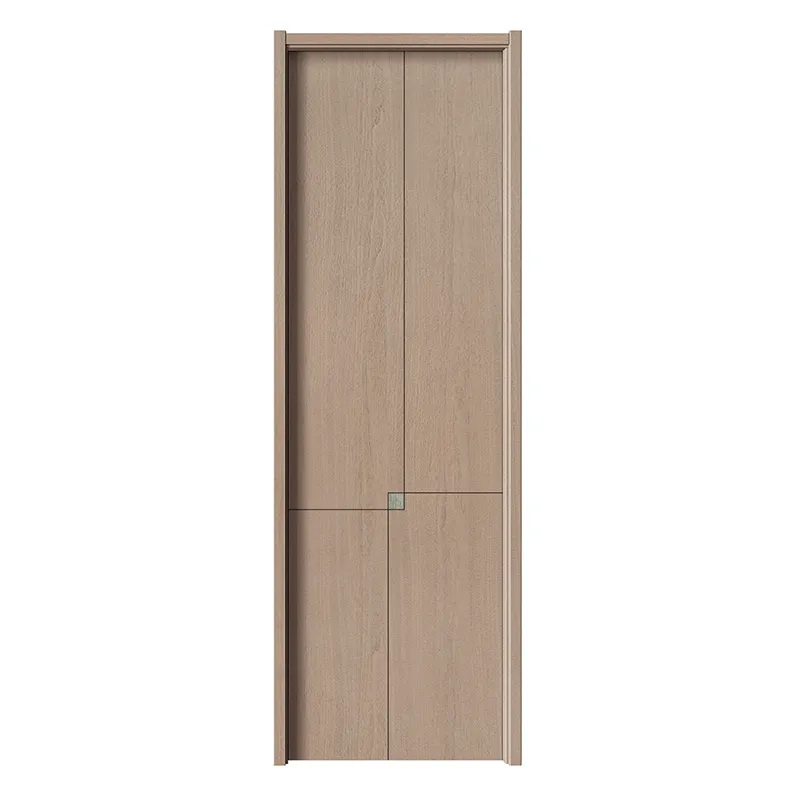 YST-1008 Door Natural walnut 2