




Plastic door with two handles
When people talk about a plastic door with two handles, many people immediately imagine a standard balcony block or an office entrance. But here lies the first pitfall - the very concept of two handles. Often customers, and even some installers, believe that this is simply a matter of symmetry or design. In fact, each handle is a separate load unit on the sash and a fitting mechanism. If one of them is active (locking), and the second is decorative (stationary), the load is distributed differently than if both are active, for example, for separate opening of the upper and lower parts of the sash, as is sometimes done in workshops or warehouses. Already at the stage of discussing the project, you need to clearly understand the functionality: will it be a door with two locking points for increased security, or will it be a solution for convenient opening from both sides in walk-through areas. The plastic itself and the profile are one thing, but the fittings for such a configuration are a completely different story. I remember about five years ago we supplied a batch of such doors to a small business center, and the customer insisted on two active handles for “solidity”. Six months later, complaints began about the sash sagging - the fittings were designed for a standard load from one control point, and not two. I had to redo it, strengthen the frame and install a completely different set of hinges and reinforcement. This is where I’ll probably start.
Design features and typical design errors
So, the basis is the profile. For a door with two handles, especially if it is of significant size (for example, a panoramic exit to a terrace), the profile section and the quality of the reinforcement are critical. It's not enough to just choose a multi-camera system. You need to look at the location of the steel reinforcement - it should go continuously along the entire perimeter, and especially in the areas where both handles are attached. A common mistake is that the reinforcement is interrupted at the installation site of the second (usually the lower) handle, because the technological holes for its mechanism weaken the structure. The result is a point of potential fracture or deformation over time.
The second point is the fittings themselves. The standard kit for a plastic door includes one active handle. When it comes to the second, you need to either use a special synchronizing mechanism (rods) that connects both locking devices, or use independent systems. A synchronizer is an expensive but reliable solution. Independent handles pose a risk of locking desynchronization. Imagine: the top lock latched, but the bottom one did not. The result is an incomplete fit, a draft, and a load on the hinges. I saw this at projects where they tried to save money by buying two separate standard handles and embedding them into one sash.
And third - seals and geometry. The two pressure points create a more complex load pattern on the seal circuit. If the sash or frame moves? even by a millimeter, one of the handles may begin to work hard, or the seal in the opposite corner will cease to perform its function. Therefore, the installation of such a door requires a jewelry check of the diagonals and planes at all stages, and not just at the end of installation. It is better to immediately provide the possibility of adjustment in both zones - this is provided in more expensive series of fittings.
Application scenarios: where is it really needed, and where is it marketing?
In the residential sector, a plastic door with two handles is often in demand at exits to a winter garden, large glazed loggias, or as an entrance door to a private house with a vestibule. The logic here is convenience: you can open it using any handle, without bending or reaching if you are carrying something in your hands. But here it is important to take into account the height of users and ergonomics. A second handle that is too high or low will be useless.
In commercial premises it is a different story. For example, in medical settings where the door needs to be opened/closed frequently, perhaps with the foot or elbow (in a sterile environment), the bottom handle can be designed as a foot lever. Or in warehouse terminals, where the doors have a large mass due to insulation, two handles allow you to apply force with both hands at different points, distributing the load. But, again, this should be included in the design from the very beginning.
But what exactly is marketing is the installation of two purely decorative handles to imitate “European” ones. or ?panoramic? style, without any functional meaning. These are just additional potential cold bridges, points for dirt accumulation and, in fact, extra costs. The difference must be clearly explained to the customer. By the way, some manufacturers, for example,Anhui Wantai Woodworking Co.,Ltd, in their collections of wooden doors they focus on the meaningful design of the fittings, where every detail has a practical purpose. Their approach to precision and quality control is a good guide, even when we talk about plastic structures. The principle of “building a business on accuracy” universal. On their websitehttps://www.anhuiwantai.ruit is clear that aesthetics and functionality go hand in hand, although they specialize in wood. The same principle should apply to plastic.
Installation and operation problems from personal experience
The most difficult case in my practice was installing a wide plastic door in a restaurant pavilion. The customer wanted two active handles: one at a standard height, the second in the lower third of the sash, for service personnel who often remove garbage and carts. The door was heavy and burglar-proof. We, relying on standard calculations, installed reinforced hinges, but did not fully take into account the torque that was created when pressing the lower handle. A month later, an unpleasant creak appeared, and after another two weeks, the lower corner of the sash began to touch the threshold.
I had to remove the canvas, order special hinges with a load compensator and rework the reinforcement by adding an additional steel plate in the area of the lower handle. The project went into the red, but the lesson was learned: non-standard points of application of force require non-standard engineering solutions. Now, with any such request, we immediately include reinforced fittings and additional reinforcement in the estimate, and explain to the client why it is more expensive, but necessary.
Another common operational problem is loosening. A handle that is used less frequently (usually the bottom one) may loosen its seat over time due to vibrations from the operation of the active handle. The solution is to use not just self-tapping screws, but fastening through spacer bushings or on a threaded tie, as well as regular maintenance (tightening every six months to a year, which, alas, is rarely done).
Relationship with other elements: double-glazed window, threshold, vestibule
It is often overlooked that the installation of a second handle affects the choice of double glazing. If we are talking about a door with two active locking points, then the leaf experiences more stress. A double-glazed window in such a design should not only be energy efficient, but also act as an additional element of rigidity. Sometimes it makes sense to install triplex or even glass with an internal polymer film - it better withstands deformation loads and, if something happens, will not crumble.
Threshold. If the second handle is located low, then the foot will be closer to the threshold when opening. This means that the threshold itself should have the most gentle and comfortable shape possible, so as not to trip. Ideally, a hidden or self-regulating threshold. But here there is a nuance: the self-adjusting threshold mechanism may conflict with the lower locking mechanism from the second handle. It is necessary to check compatibility at the stage of component selection.
And the porch. A perimeter seal is one thing. But in the area where the second handle is embedded in the canvas, especially if it is active, a weak point often forms - the so-called “bridge”. at the point where the rod or square passes through the profile. High-quality systems here have special thermal breaks and sealing couplings. On cheap doors this place can freeze or blow. You should always pay attention to this when accepting a product from the factory or warehouse.
Choosing a manufacturer and components: what to look for first
Based on all of the above, the choice of door does not depend on the profile brand (Rehau, Veka, KBE - all are good), but on the willingness of the manufacturer or supplier to work with a non-standard fitting scheme. It is best to contact companies that assemble custom structures themselves, and do not just sell standard models. They will be able to correctly calculate the reinforcement and select compatible components.
It is imperative to request a specification for the fittings. Are Maco, Roto, Siegenia systems suitable for this task? Yes, but only their specific series, designed for increased load and synchronization capabilities. Cheap Turkish or Chinese fittings are no longer needed - they are not intended for such tasks in principle and will fail very quickly.
And finally, installation. Even the most expensive and properly designed door can be ruined by crooked installation. The team must have experience with complex, asymmetrical opening systems. A good sign is when installers, before starting work, study the product data sheet and drawings for a long time and carefully, and do not just start sawing and drilling. In this regard, looking at the experience of such companies asAnhui Wantai Woodworking Co.,Ltdwho rely on precision and control of processes, you understand that the quality of the final product always depends on the little things. Their philosophy, voiced in the description - strict adherence to standards at all stages - is exactly what many installers of plastic windows and doors lack. Inaccurate measurements, careless foaming, unadjusted fittings - and the whole idea with two handles loses its meaning, turning into a headache for the owner.
As a result, a plastic door with two handles is not an accessory, but a complex engineering unit. Its selection and installation require an in-depth understanding of mechanics, patience and rejection of template solutions. When everything is done correctly, taking into account real operating conditions, it serves for a long time and without problems, adding not only functionality to the object, but also thoughtful aesthetics. What if you do it like everyone else? or “cheaper?”, then the result, alas, will be appropriate.
Correspondingproducts
Related Products
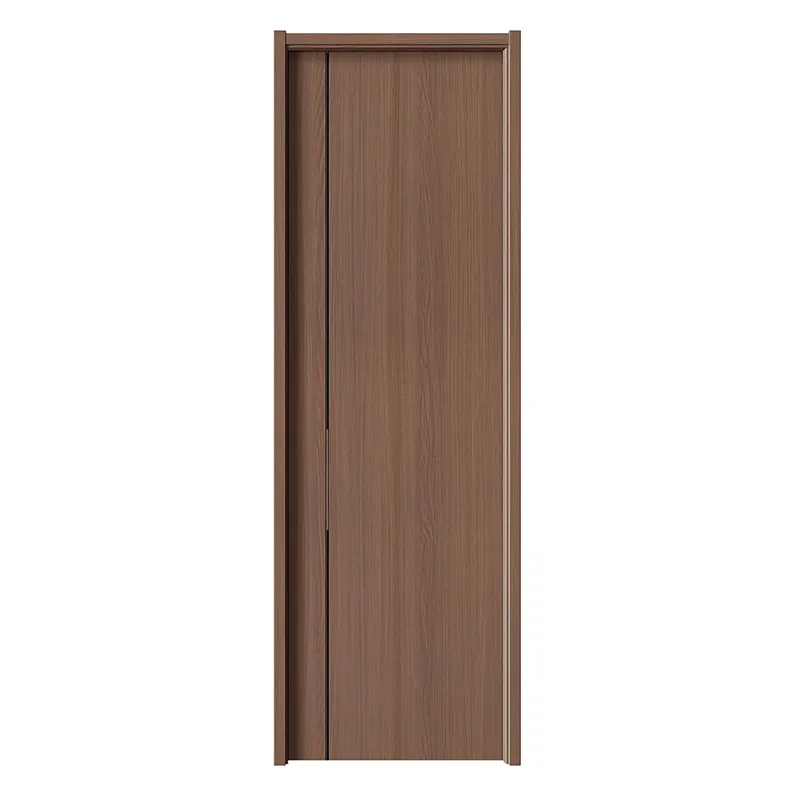

Best Sellingproducts
Best Selling Products-
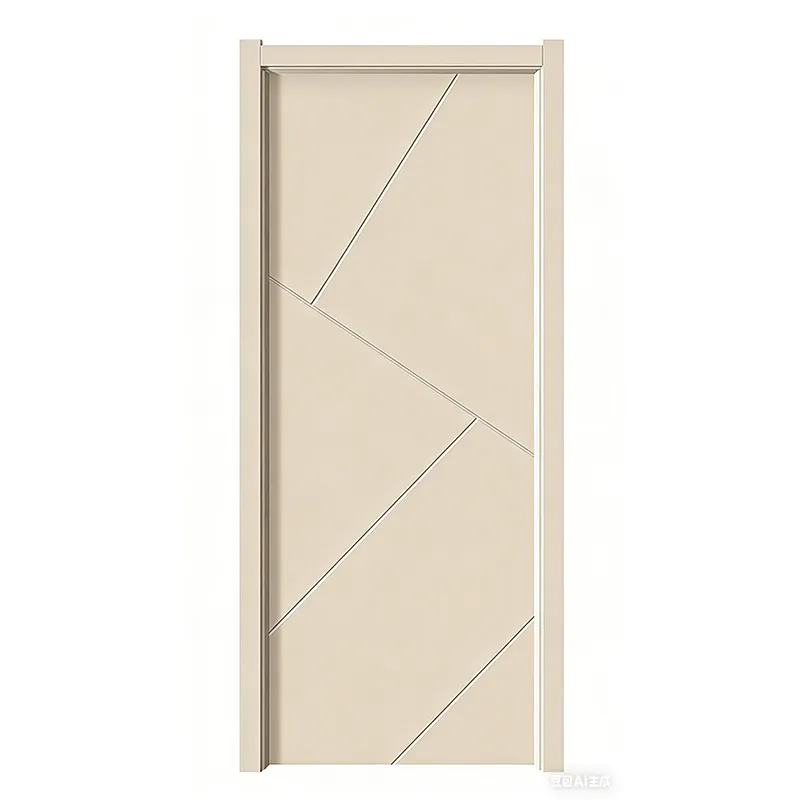 YST-WPC3 Door
 -
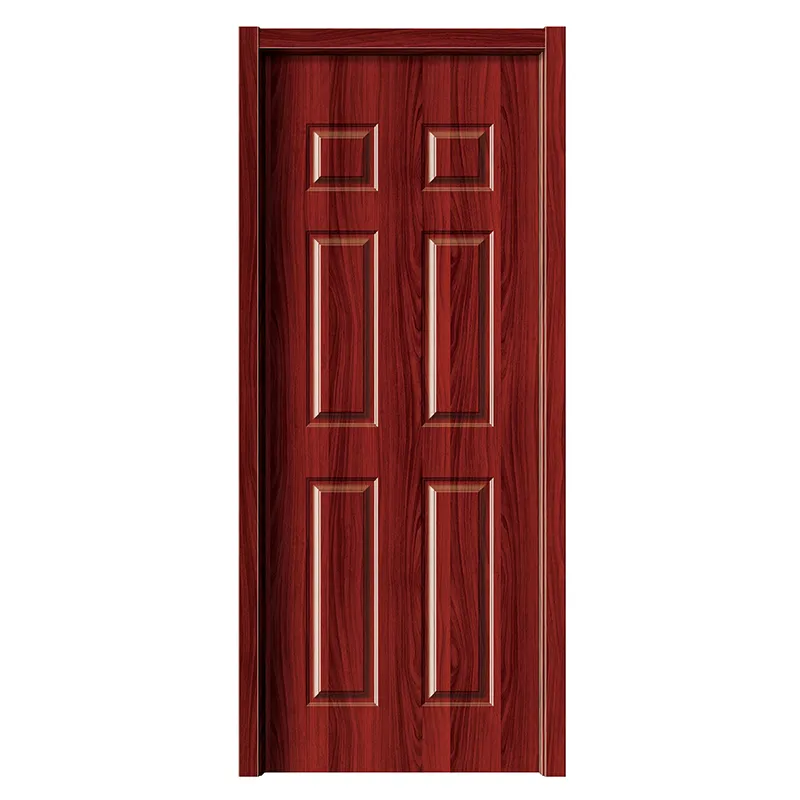 YST-201 Door Red team
 -
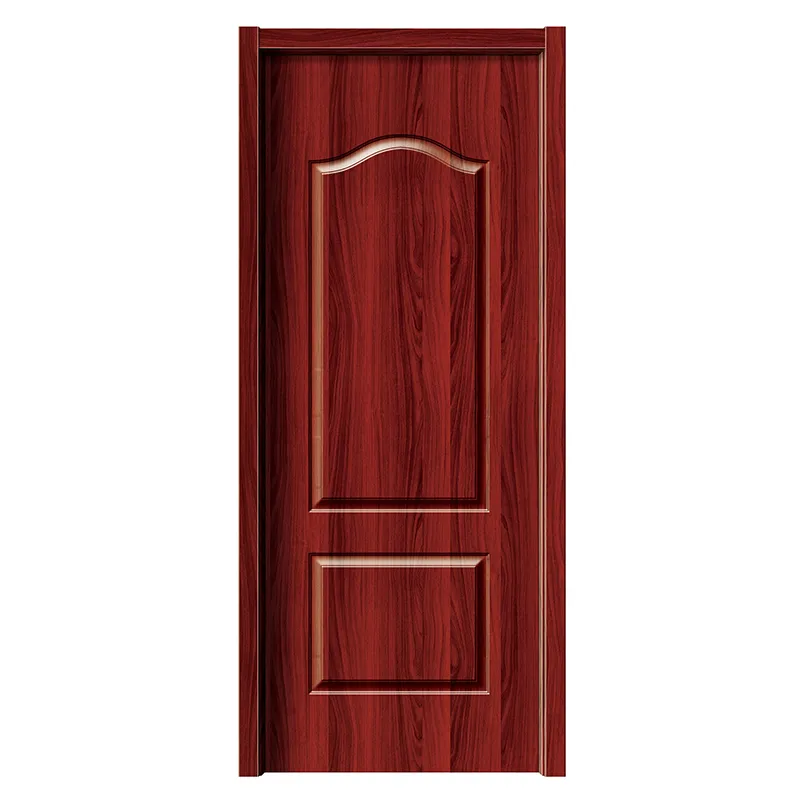 YST-207 Door Red team
 -
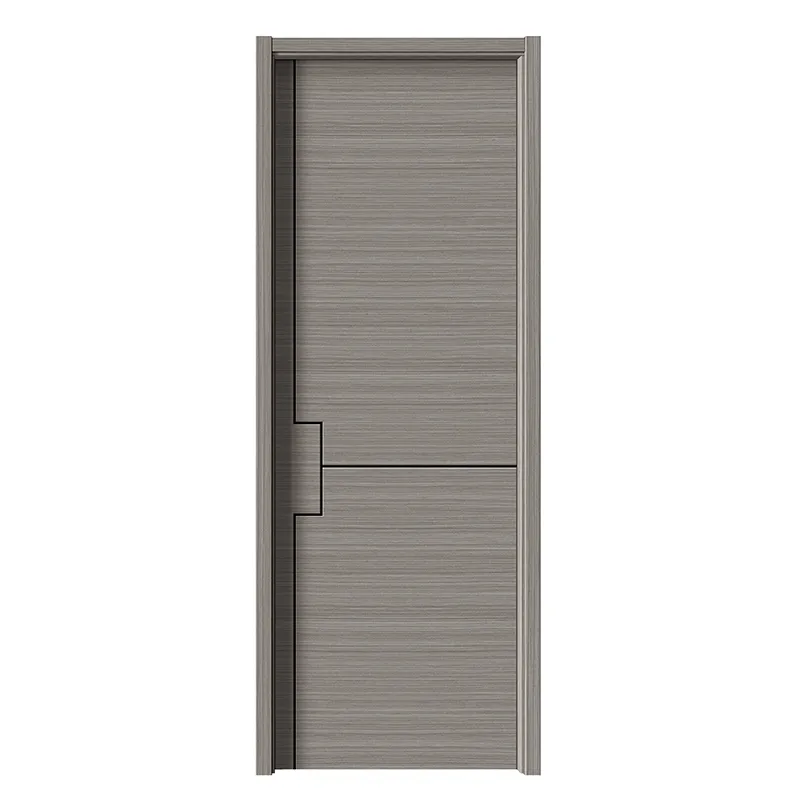 YST-1005 Technotree Door 2
 -
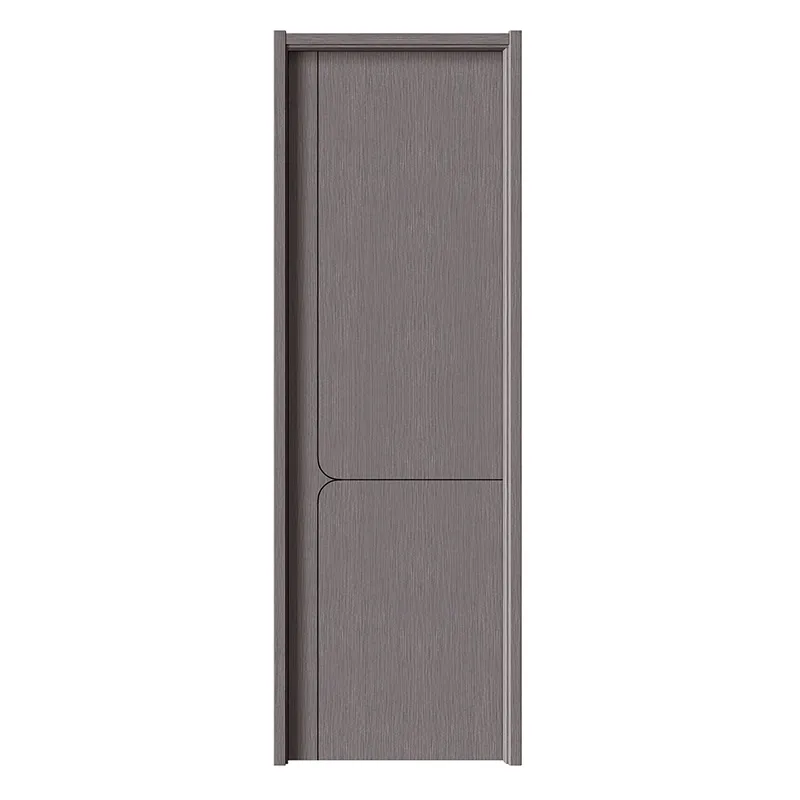 YST-1001 Door Chiaroscuro tree 2
 -
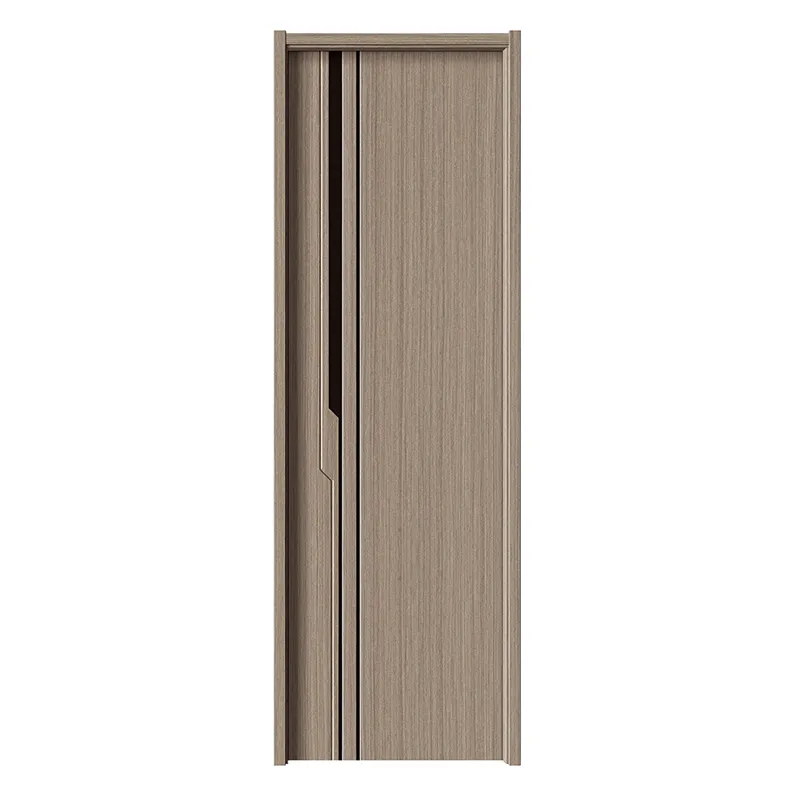 YST-1018 Technowood Door 1
 -
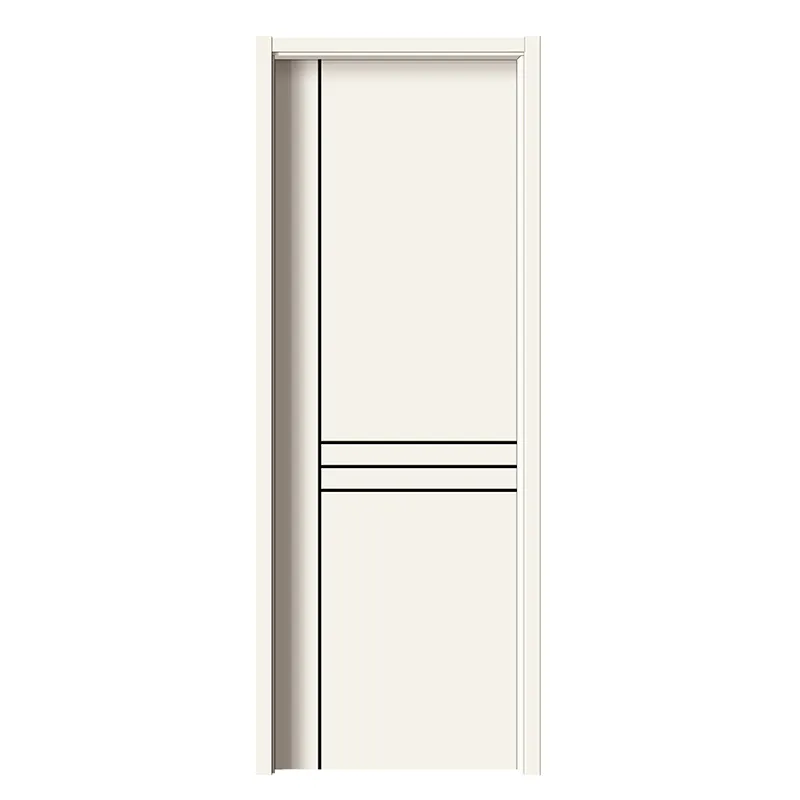 YST-220 Door Warm white
 -
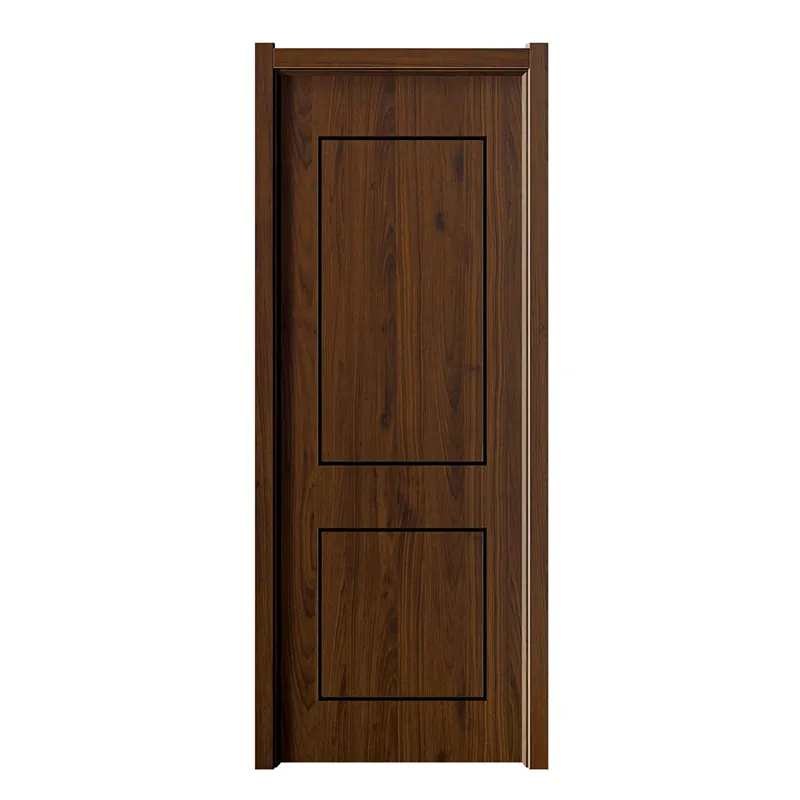 YST-WPC2 Door
 -
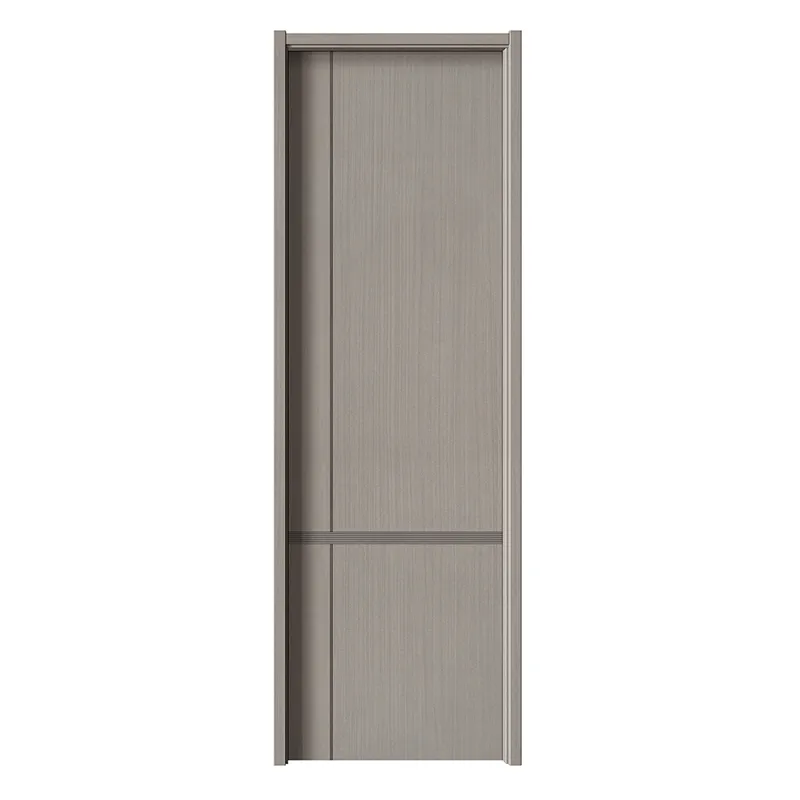 YST-1013 Door Cloud Walnut 1
 -
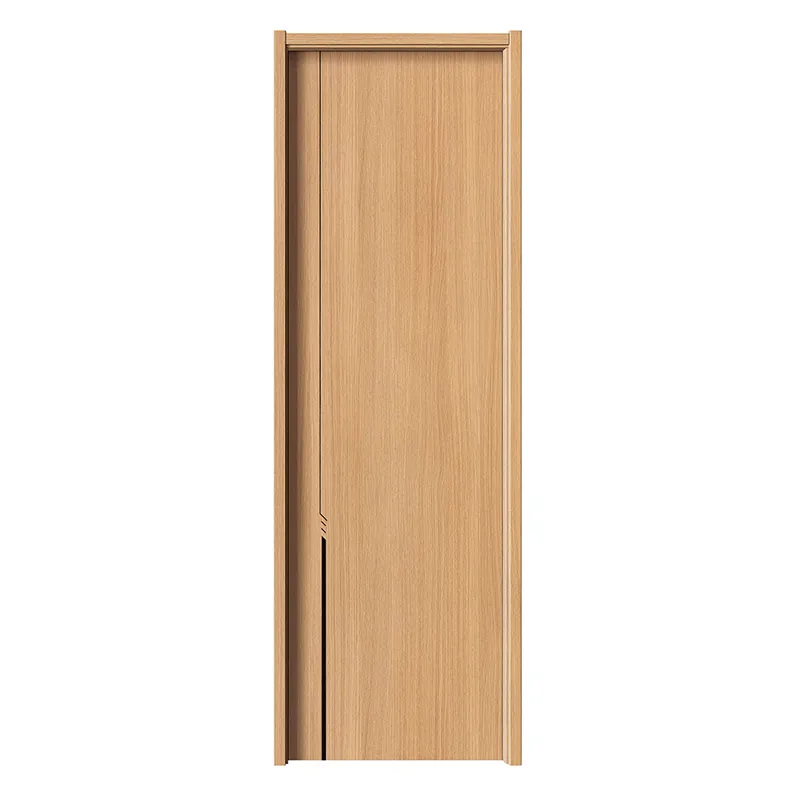 YST-1041 Door Oak Shutter
 -
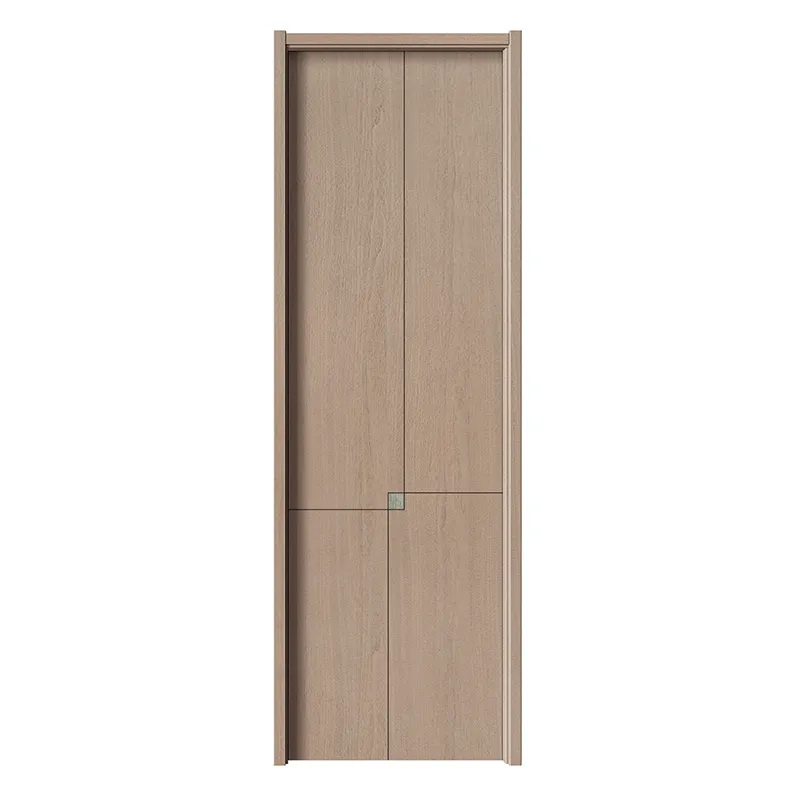 YST-1008 Door Natural walnut 2
 -
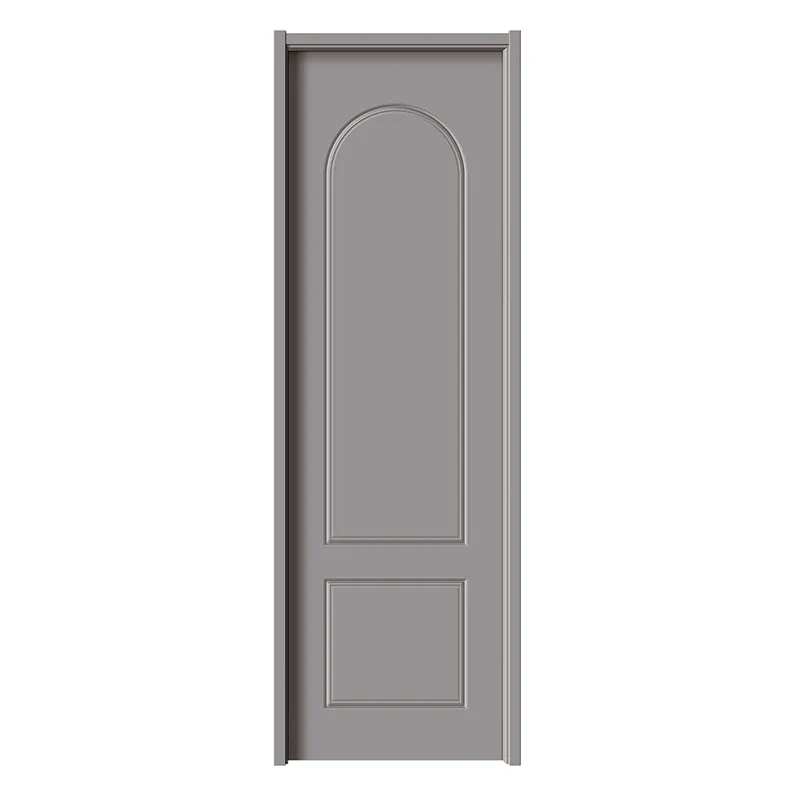 YST-241 French Door 1 soft stone gray