




Hidden door on both sides
When they say “hidden door?”, many people immediately imagine a secret hatch in the library or a panel that merges with the wallpaper. But a professional eye sees deeper, especially when it comes to the optionon both sides. This is not just a disguise on one side of the opening - it is a complex engineering and design task, where every surface must work for the full illusion. A common mistake made by customers and even some colleagues is to assume that if a door is not visible from the living room, then on the other side, say, in a technical room, it can be done more simply. This is fatal. Any imbalance in finish, thickness, weight or mechanics gives away the ?secret? from the first touch or side glance.
Concept and main difficulties
So, what is a truly hidden door on both sides? This is a structure that, after installation and finishing, is visually and tactilely perceived as an integral part of both adjacent walls. It doesn't matter if it's drywall, wood paneling, plaster or even brickwork - the transition should be perfect. The main difficulty is not even in the hinges (although more on them later), but in preparing the opening and frame. Walls are rarely perfectly smooth, and hidden installation does not forgive cracks. A gap of 2-3 millimeters, acceptable for an ordinary interior door, here will look like a rough crack that destroys all the magic.
The second layer of problems is the door panel itself. In order for it to “disappear”, its ends and front planes must exactly repeat the profile and texture of the wall. If the wall is painted, then the door is painted in the same color, in the same layers, often together with the wall. If it is wood paneling, then the grain of the wood and the direction of the grain should be continued. Here you can no longer get by with a standard panel door from a store. Individual work is needed, and here the experience of such manufacturers asAnhui Wantai Woodworking Co.,Ltd, who specialize in complex timber structures, proves invaluable. Their approach to precision at all stages - from array selection to finishing - is exactly what is required for projects like this.
And third - accessories. Hinges for hidden installation, door closers, invisible handles or push-to-open systems - all this should work silently and reliably, being hidden inside. The slightest creak or the need to make an effort to open it instantly opens the door. We have to go through dozens of options for mechanisms, and not all of them are suitable for heavy wooden panels, which are often used to create a solid, “monolithic” structure. illusions.
Hinges and mechanisms: the heart of invisibility
You can make a perfect panel, but if the hinges are visible or the movement is uneven, all the work will be in vain. For doorson both sidesHidden hinge systems are often used, which are mounted at the end of the canvas and the box. An important nuance: with two-sided finishing, especially different (for example, paint on one side, veneer on the other), the weight of the canvas may be distributed unevenly, which affects the adjustment. There was a case in one project with an office: on the side of the office the door was lined with heavy oak solid wood, and on the outside, in the corridor, with a light MDF panel for painting. The standard hinges could not withstand the distortion, and the door began to sag after a month. I had to convert it to a reinforced system with a door closer built into the threshold.
Another subtle point is the lack of a handle. This seems to make things easier. In fact, it complicates it. You need either an accurate closer that will allow the door to close from any position, or a magnetic lock, or that same push-latch system. The latter requires a perfectly level installation and a very precise gap, otherwise the mechanism will jam. Often clients ask to make it “invisible?” the door to the dressing room or bathroom, but then they are faced with the fact that it is not intuitive for guests to open it from the outside. You have to make compromises - for example, make a barely noticeable recess-opener that is not noticeable, but is functional.
Automation is a different story. Built-in linear actuators for smooth opening are aerobatics. But their integration requires wall space, cable routing and precise load calculations. This is rare for solid wooden doors, but it occurs in commercial projects (hidden entrances to meeting rooms, technical areas). Here, you cannot do without close cooperation with the door manufacturer, who knows exactly the weight and balance of his product.
Materials and production: where precision lies
Wood is a living material. It “breathes” and changes geometry with changes in humidity. Making it into a perfectly stable panel for flush mounting is an art. It is not enough to simply glue the shield together. An engineering basis is needed: for example, the use of multi-layer glued array with cross-fiber direction to compensate for stress. It is on such technologies, as I understand it, that the work is basedAnhui Wantai Woodworking Co.,Ltd. Their declared principle is “to build a business on precision, to win with quality?” - this is not just a slogan, but a production necessity for such products.
The finishing stage is also important. Varnish or paint applied in a climate-controlled factory environment provides a much more stable and uniform finish than one applied on site. This is critical for a hidden door, because it is often painted or varnished separately and then joined to the wall. If the shrinkage or expansion of the canvas differs from the behavior of the wall decoration, that same fatal gap will appear. Therefore, the best results are obtained when the door leaf is supplied as a “blank” for finishing on site, together with the wall material, and everything is painted under the same conditions.
An alternative to solid wood is modern MDF-based materials, lined with veneer or coated with hard enamels. They are more stable in geometry. But there are pitfalls here too: edges, ends. When finishing on both sides, the edge must be flawless. Aluminum or PVC edges are often used, but they have a different tactile feel than the main surface. A more expensive, but perfect option is postforming (bending the finishing material around the end) or using a solid acrylic/veneer sheet. This requires high-precision processing, available on modern equipment, which, judging by the description, the company mentioned has.
Montage: moment of truth
All the previous steps may be perfect, but if the installer does not understand the specifics, the result will be disastrous. The first rule: a hidden door cannot be placed in a finished opening “as is”. The opening is specially prepared, often reinforced with a metal frame, to prevent the slightest movement of the wall. The box (or rather, its remains, since there is no visible box) is attached with pinpoint precision, using a laser level and in at least three planes.
The most difficult thing is aligning the plane of the canvas relative to the wall. Even a millimeter protrusion or recess will cast a shadow and indicate the presence of a door. It uses adjustable hidden hinge systems and multiple measurements after each adjustment. Often you have to putty and sand the joint after hanging the panel, which requires care so as not to damage the finish of the door itself.
And the final touch is integration with the floor covering. If the door opens into the room, then, as a rule, they try to avoid the threshold. The flooring (laminate, tiles, parquet) should be continued under the door with a minimum technological gap. This creates the illusion of a single space. But here lies the problem of sound insulation and air exchange, especially for doors to bathrooms or kitchens. Sometimes you have to use a trick - make a hidden magnetic or brush seal around the perimeter.
Practical cases and why it's worth it
Let me give you an example from practice. There was an order to organize a hidden entrance from the living room to a small home theater. The wall was finished with dark walnut wood panels with a paneled profile. The task is to make a dooron both sidesinvisible. On the living room side there is a continuation of the panels, on the cinema side there is acoustic fabric on the walls. Worked together with the manufacturer (Anhui Wantai Woodworking Co.,Ltdwas one of the contractors considered for their work with wood) to create a canvas: on the living room side - an exact replica of a solid walnut panel, on the cinema side - an MDF base with perforations for acoustics, covered with the same fabric as the walls. The hinges are hidden and adjustable. The most difficult thing was to combine the acoustic requirements (heavy, dense canvas) with ease of movement. As a result, reinforced hinges with a closer were used. The result is that the door is found only when specifically shown.
Another case is commercial. It was necessary to zone open-space, creating a meeting room, but without violating the concept of open space. We made a full-fledged wall with a hidden door, finished on both sides with the same glass office siding. The key was to make an invisible joint between the moving (door) and static (wall) parts. A profile with a special silicone seal, which visually blended with the siding pattern, helped.
So why these difficulties? Because a hidden door on both sides is not a whim, but a tool. A tool for architects and designers that allows you to manage space, create clean lines, hide functional areas without interrupting the visual narrative of the interior. This is a solution for minimalism, for historical reconstructions where the plane of the wall cannot be disturbed, for commercial premises where the brand’s aesthetics require seamlessness. Yes, it is more expensive and more complex than the standard solution. But when it works as intended, this is the very magic of architecture, when form and function merge into one, and the mechanism becomes invisible.
In the end, going back to the beginning,hidden door on both sidesis always a complex project. This is a synergy between precise design, quality manufacturing (where the role of specialized timber frame manufacturers, oriented to international standards cannot be overestimated) and masterful installation. This is not a product, but a process, the result of which is worth all the effort invested, creating not just an opening, but a perfect illusion of the integrity of the space.
Correspondingproducts
Related Products

Best Sellingproducts
Best Selling Products-
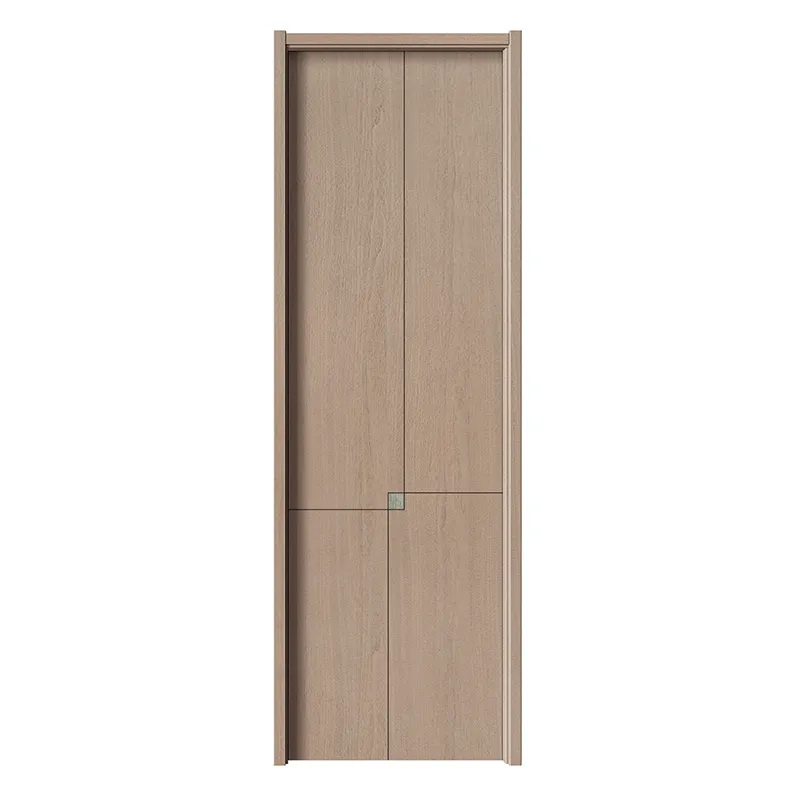 YST-1008 Door Natural walnut 2
 -
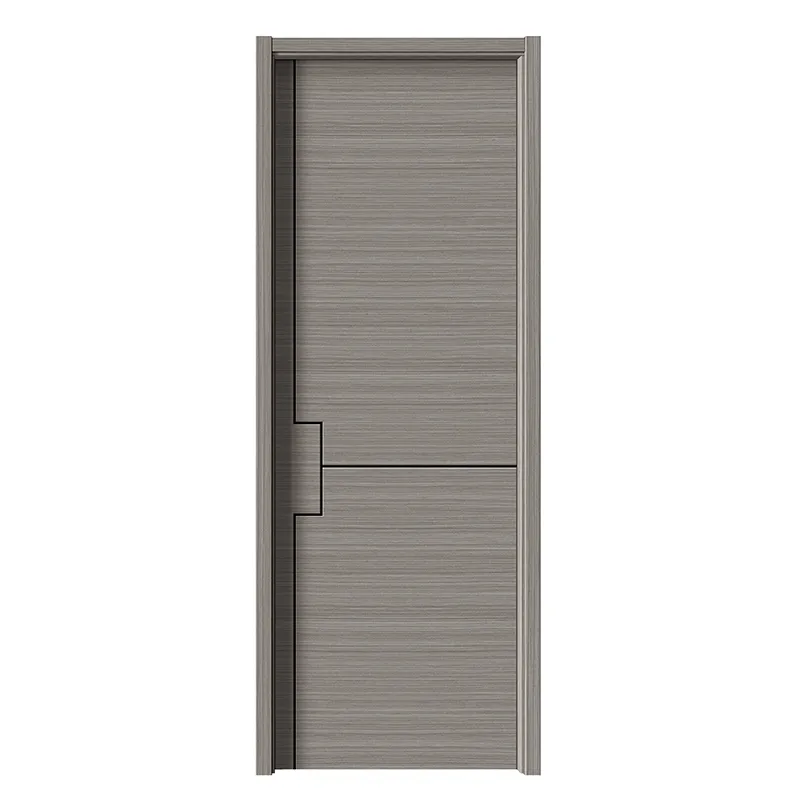 YST-1005 Technotree Door 2
 -
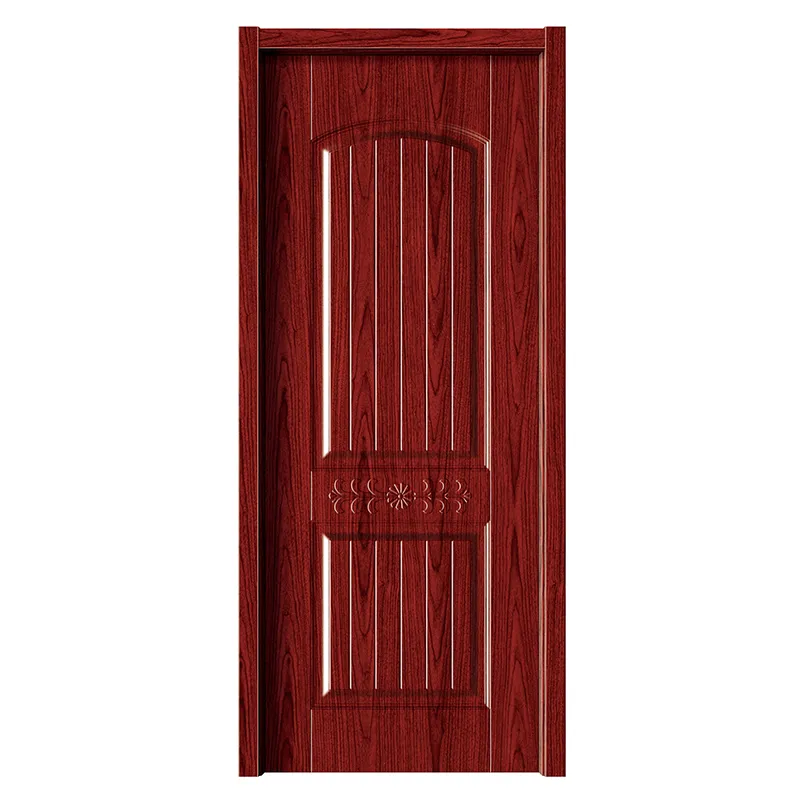 YST-233 Door Mahogany
 -
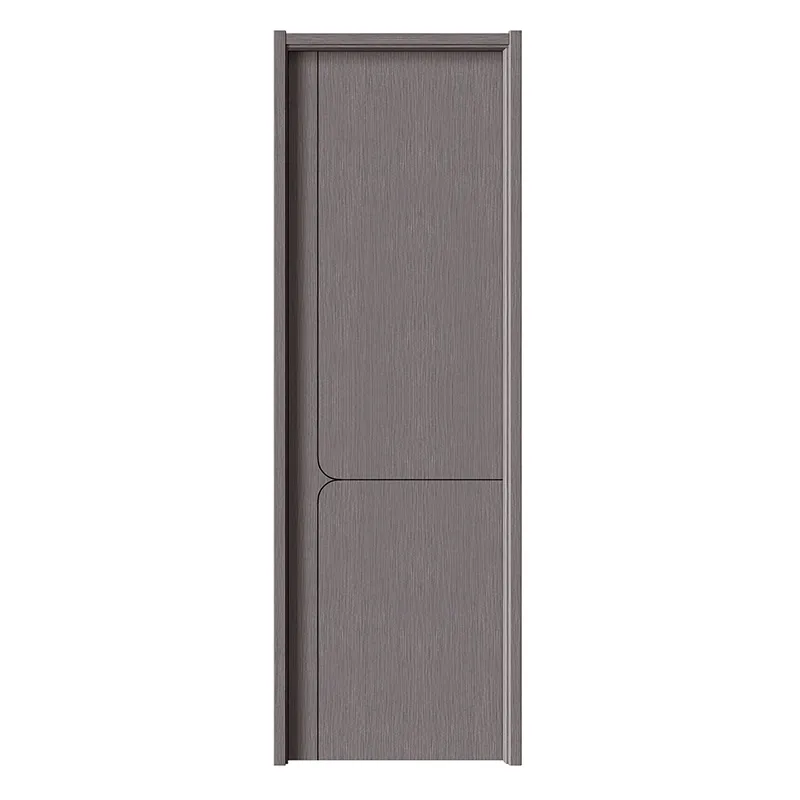 YST-1001 Door Chiaroscuro tree 2
 -
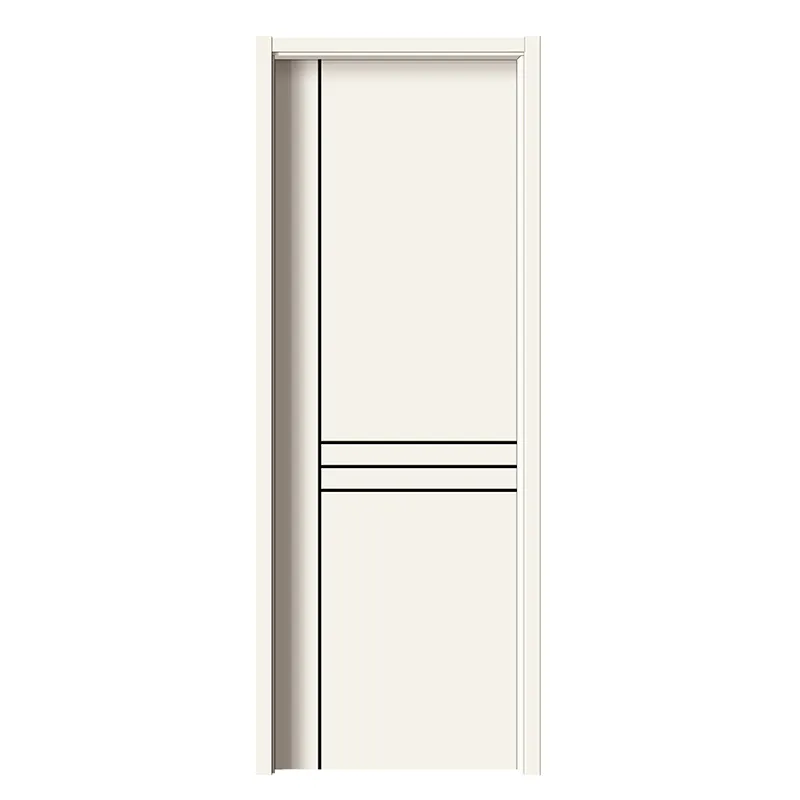 YST-220 Door Warm white
 -
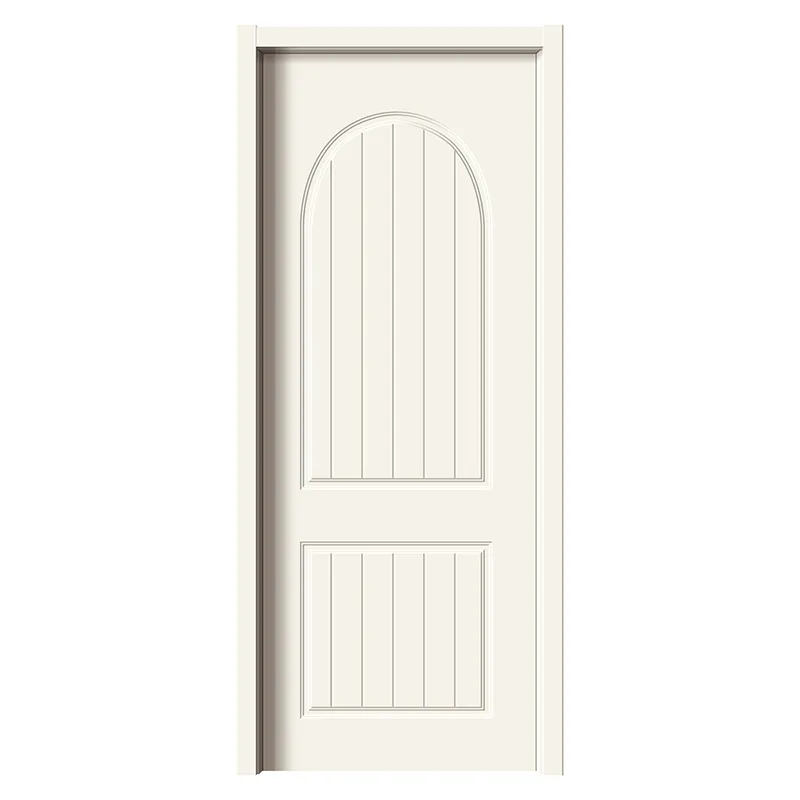 YST-236 Door White ivory
 -
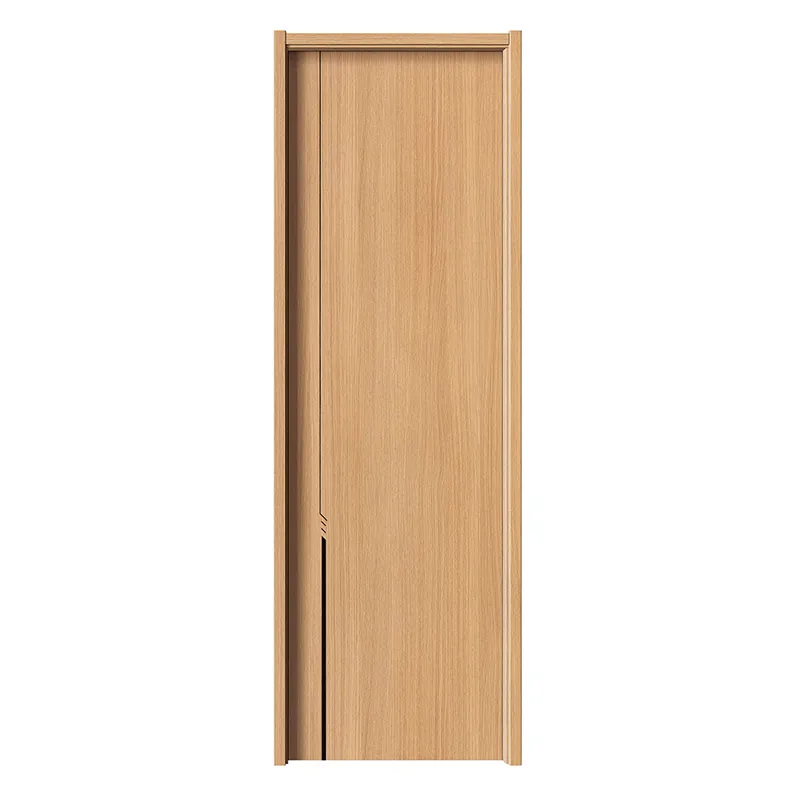 YST-1041 Door Oak Shutter
 -
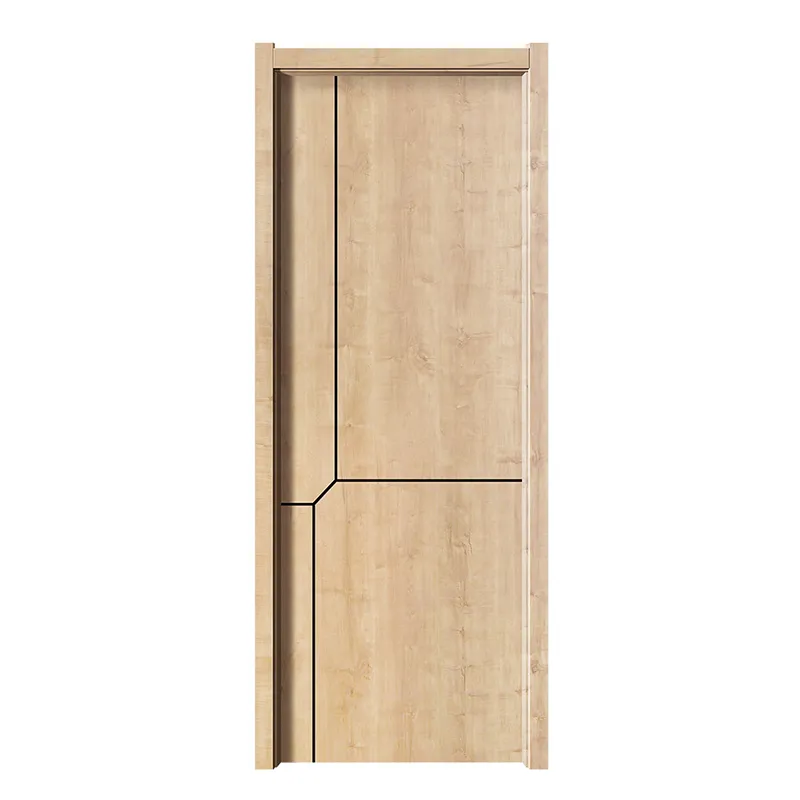 YST-WPC1 Door
 -
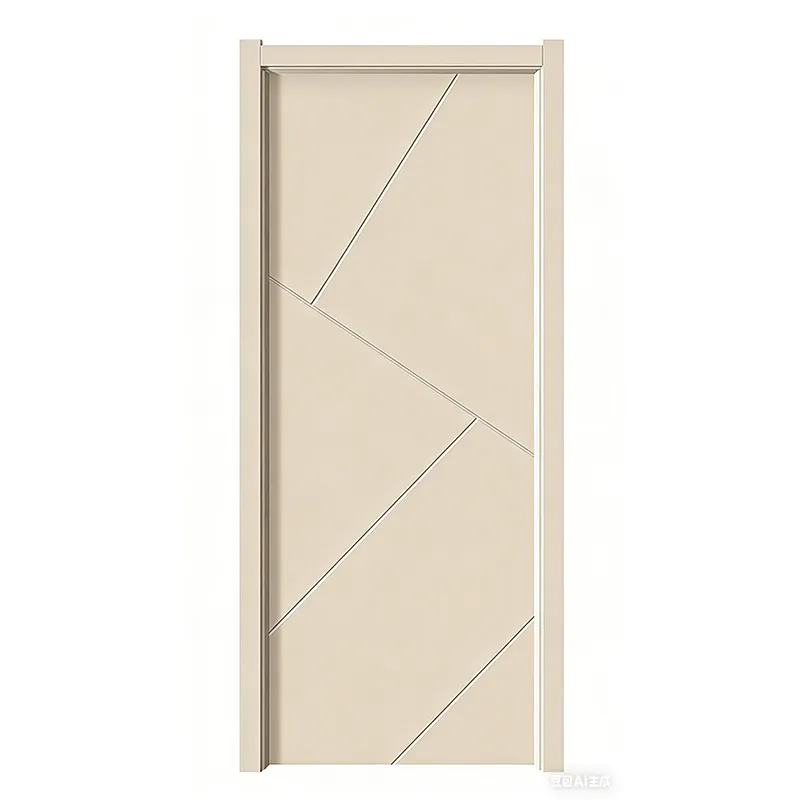 YST-WPC3 Door
 -
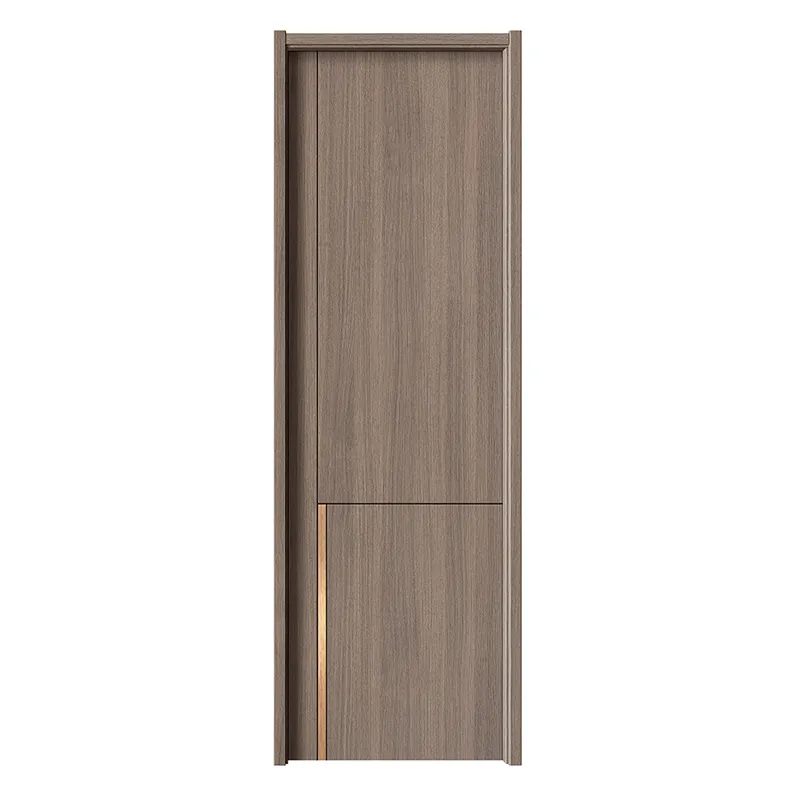 YST-1003 Door Oak gray
 -
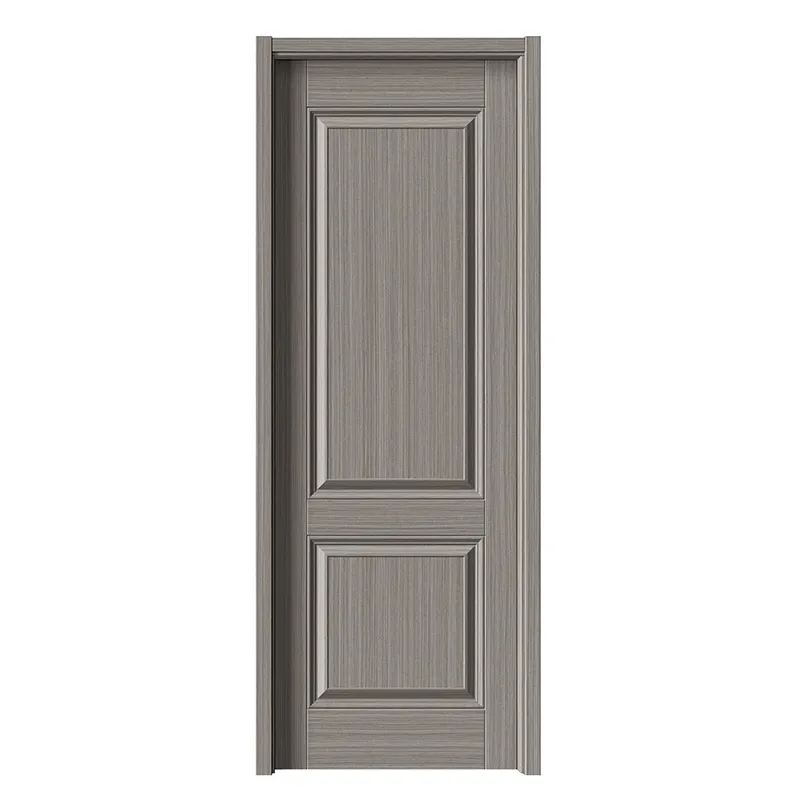 YST-214 Door Technowood 2
 -
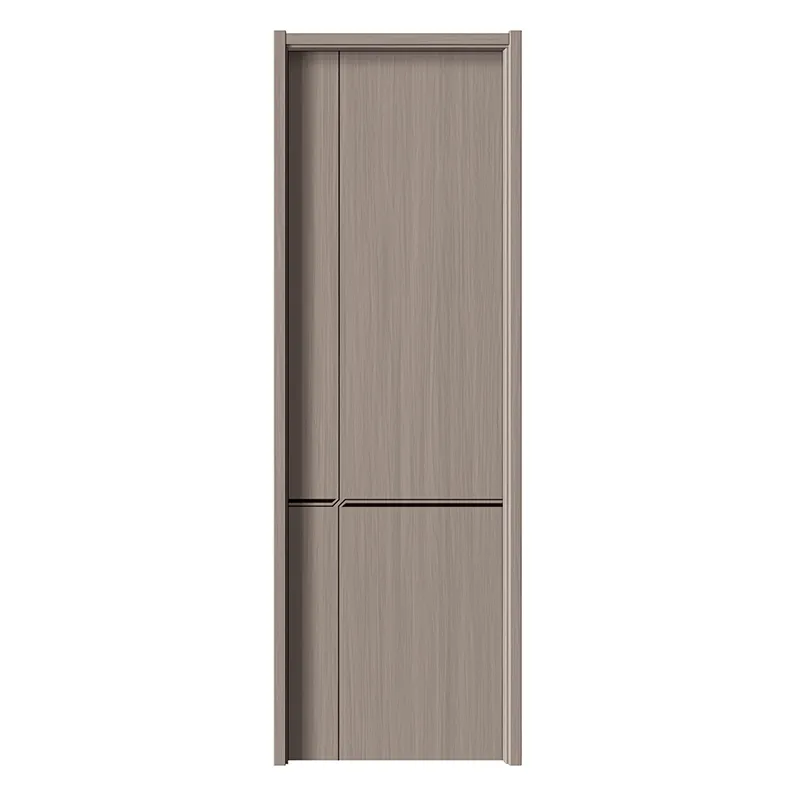 YST-1010 Door Translucent light shadow 3