



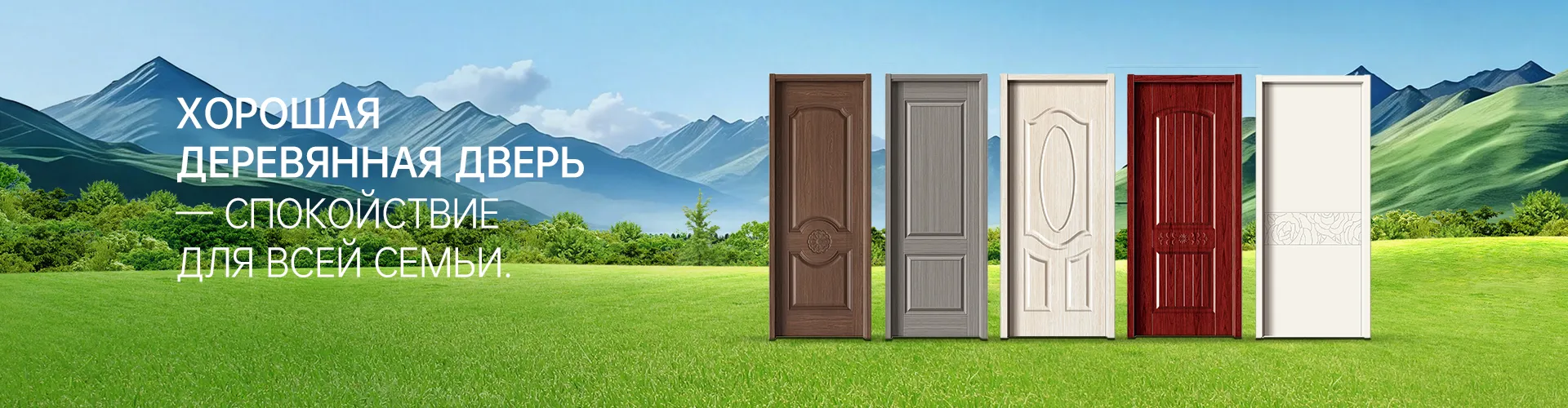
Wooden larch doors
When they talk aboutlarch wooden doors, many immediately think about Siberian strength and eternal material. But in practice, everything is not so clear. Yes, larch is a unique wood, dense, resinous, with a beautiful texture that only gets better with time. However, I often come across the fact that clients overestimate its “indestructibility”. in isolation from manufacturing technology. The breed itself is only half the success. Even the best larch can be ruined by improper drying or assembly. It’s these nuances that are not written in advertising brochures that I would like to speculate about.
Larch as a material: not only about resin and knots
Let's start with raw materials. Good larch for doors is not just a board. The harvesting region, the age of the tree, and the time of felling are important. Northern, slow-growing - ideal. Its fibers are denser. But there are pitfalls here too: if drying is not carried out properly, internal stresses will tear the canvas or box after installation. I've seen this more than once. Therefore, the key point when choosing is not to ask “is the door made of larch?”, but to clarify what kind of chamber drying was used and to what residual moisture content. Optimal - 8-10%. Anything higher is a risk.
Another point is processing. Due to its resinous nature, larch can be capricious when painting or tinting. If the correct primers are not used, the coating may peel off over time. The classic solution is oils or glazes, which emphasize the texture and protect without creating a thick film. But some clients want a covering enamel, say, white. This is possible, but requires special surface preparation. Without experience, you can literally mess things up here.
And of course, texture. It is very lively, with a pronounced pattern of annual rings. Some people like this wild, natural character, while others are looking for a calmer, more uniform surface. Here it is important to look at the type of wood - “Extra”, “A”, “B”. The difference is not only in aesthetics, but also in the number of knots, which, by the way, in larch are usually healthy, dense, and do not fall out. But if a knot falls on the end or in the lock area, this requires additional attention when milling.
Door design: where it is thin, it breaks
In itself, a solid solid larch door is great, but it is also very heavy, expensive, and not always justified from the point of view of stability. More often, a glued board or panel construction is used. A laminated board made from larch bars is an excellent compromise. It relieves internal stress and is less susceptible to deformation. But! It all depends on the quality of gluing and the direction of the fibers in adjacent lamellas. If they are laid in different directions, this is a plus for stability. If you saved money and glued it together haphazardly, the shield may fail.
Paneled designs are a classic. Here, larch is often used for the frame (box), and the panels can be from the same larch or, for example, from MDF to save and lighten the weight. The main thing is to leave the right gaps for “breathing”. wood. In winter, with dry heating air, the tree dries out, in summer it gains moisture. If the panel is inserted tightly into the frame, it may tear. The correct groove and loose fit are the key to silence and durability.
The box is often forgotten. She is experiencing major stress. A larch frame must be profiled, with compensation grooves on the back side, so that it does not “sink” when attached to the wall. And you need to fasten it not with foam, but with anchors, with a mandatory level. Foam is only for sealing and sound insulation. I saw objects where a heavy larch door was placed only on polyurethane foam. Six months later the box was loose and the lock was warped.
Example from production: how to avoid common mistakes
I remember one order for a country house. The client wanted massivelarch doorsto the bath complex. Temperature changes, humidity - extreme conditions. We offered not just an array, but a glued board with transverse alternation of fibers and special impregnation for wet rooms. But the client insisted on “naturalness”. without "chemistry". The result is predictable: after a season, the door to the steam room began to move a little, although not critically. I had to remove it, grind the ends, and add sealant. Lesson: Even larch needs adequate protection for specific conditions.
Practice of selection and work with suppliers
There are many offers on the market now. Chinese larch, Altai, Siberian. Prices vary greatly. The cheap option often means saving on everything: on drying, on the type of wood, on fittings. Sometimes, under the guise of larch, they sell pine treated with a dark larch stain. It is difficult to distinguish by eye, but by weight and hardness it is possible. Larch is noticeably heavier and harder.
For serious projects, I often pay attention to manufacturers who specialize specifically in wooden doors for the international market, where the requirements for standards are stricter. Here, for example,Anhui Wantai Woodworking Co.,Ltd (https://www.anhuiwantai.ru). Their approach is systematic: modern production, control from raw materials to the finished product. Their philosophy is to “build a business on precision, win with quality?” - these are not just words. When you see their products, you notice the attention to detail: the precision of the panels, the quality of the trim, the finishing of the edges. They serve a global market, which means their doors must withstand different climatic conditions, from dry air to high humidity. This is a good guide.
When ordering from any company, including such asAnhui Wantai Woodworking Co.,Ltd, it is important to request not just a catalog, but technical data sheets for products. What is the moisture content of wood? What is the thickness of the canvas? What is the shield design? What accessories are recommended? The answers to these questions will indicate the level of competence. If the manager begins to get confused or speaks in general phrases, this is an alarm bell.
Installation and aftercare
The most ideal door can be damaged during installation. For heavylarch wooden doorsYou need at least three hinges, preferably four, with reinforced cards and brass or steel ball bearings. The hinges must be cut in accurately, without distortion. A common mistake is incorrect calculation of the gaps between the canvas and the box. On the top and sides - 2-3 mm, on the bottom - from 5 to 10 mm, depending on the floor covering. If you are planning a carpet or thick covering, this must be laid immediately.
After installation, the door needs to be “brought to life”. Even well-dried wood acclimatizes indoors. In the first weeks, slight movement may be observed. There is no need to tighten the hinges or the lock right away. Let it settle. Then you can make the final adjustment.
Maintenance is simple but important. Once every six months or a year, wipe with a special wood oil or furniture wax. This is not for ?food? wood (dry wood no longer absorbs anything), but to protect the surface from dirt and slight moisture. Avoid abrasives and strong chemicals. If a scratch appears, it can be easily sanded with fine sandpaper and coated with the same oil - larch, due to its density and color, masks minor damage well.
Bottom line: is the game worth the candle?
So,wooden larch doors- This is an excellent, durable choice for those who value naturalness, environmental friendliness and the nature of the material. This is an investment. They will not be the cheapest, but with the right approach to production and installation they will last for decades, becoming more beautiful every year.
The main thing is to understand that you are not just buying a “larch door,” but a complex: the right raw materials + competent technology + high-quality fittings + professional installation. The loss of any link reduces the final result. Do not chase low price as the main criterion. Look at the details, ask questions, ask for samples. Like the same specialists fromAnhui Wantai Woodworking Co.,Ltd— their strength lies in their integrated approach, from raw material selection to output control. This is the path that leads to that very door that pleases the eye and works without problems year after year.
In general, if you approach it wisely, larch will live up to all expectations. And if you decide to save on any of the above, get ready for surprises. Wood is a living material, and it always responds to how it is treated.
Correspondingproducts
Related Products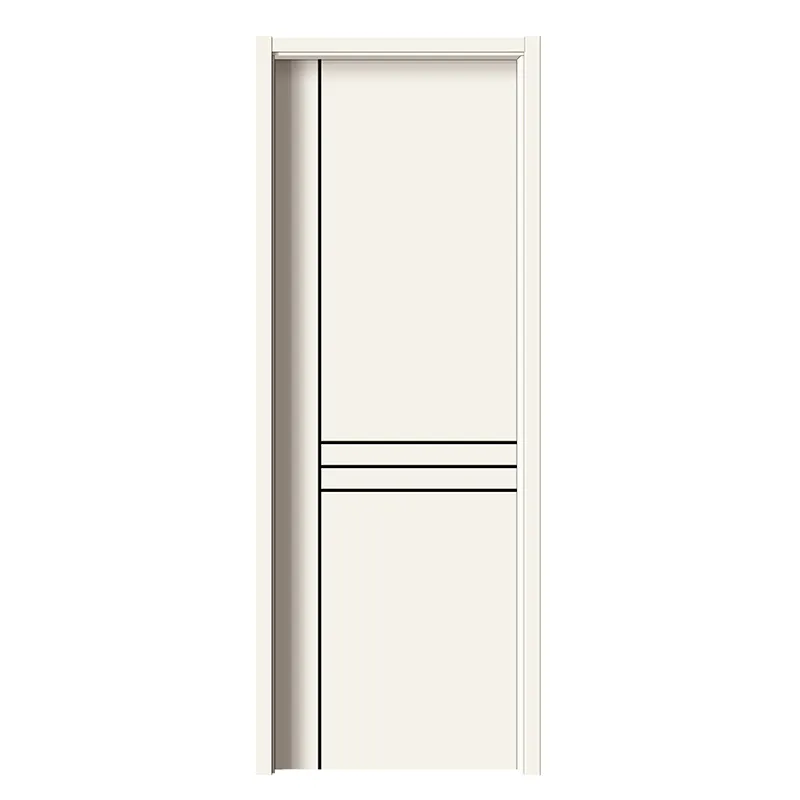
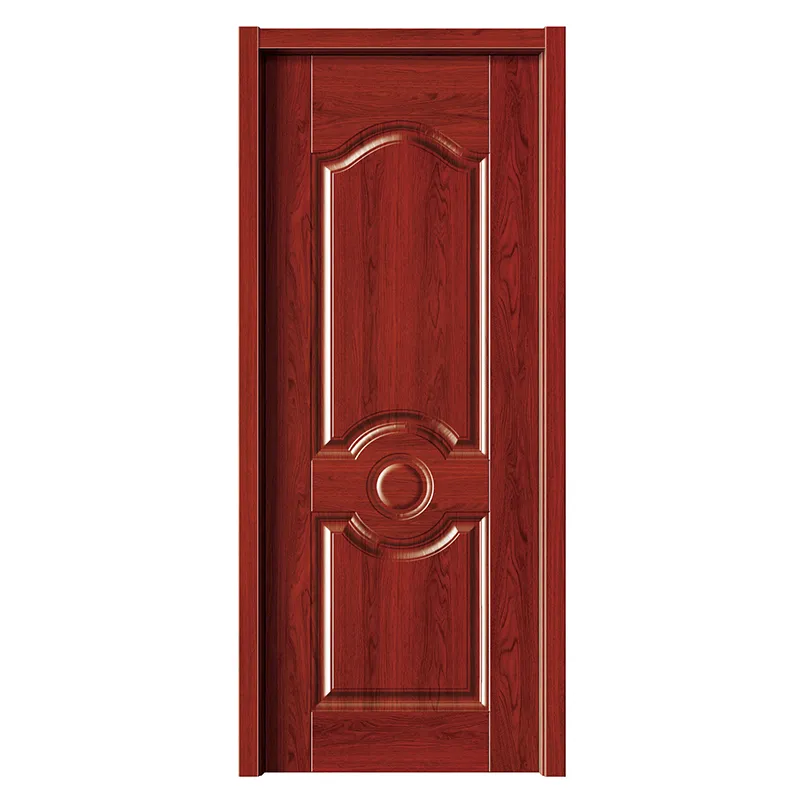
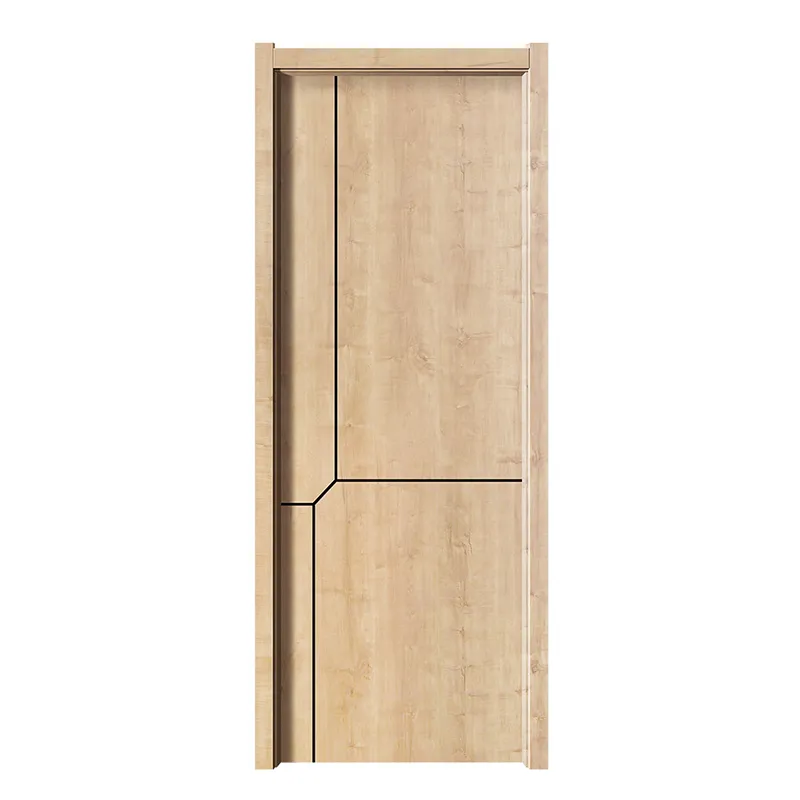
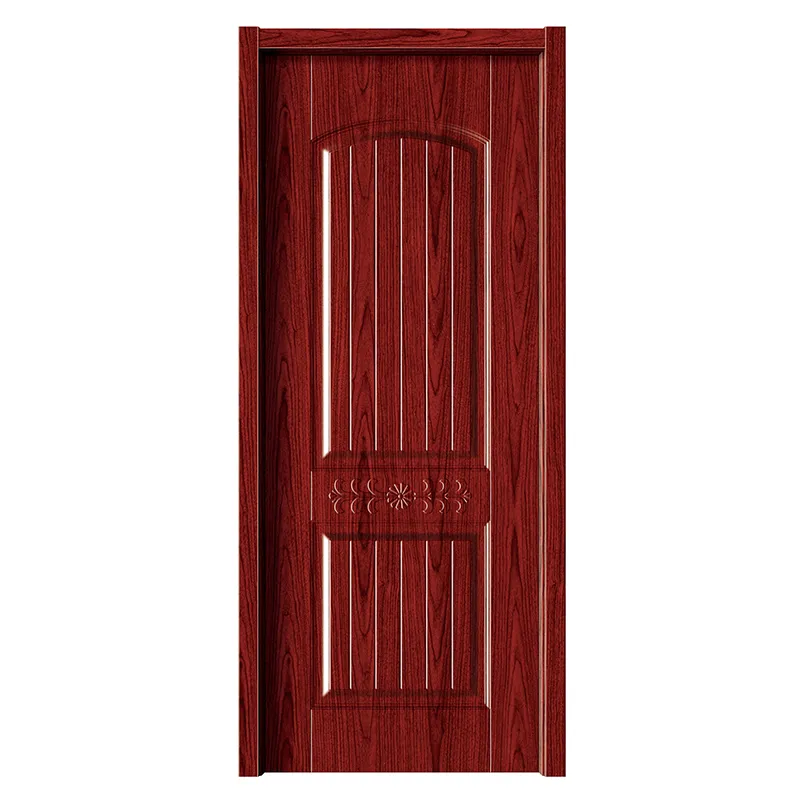
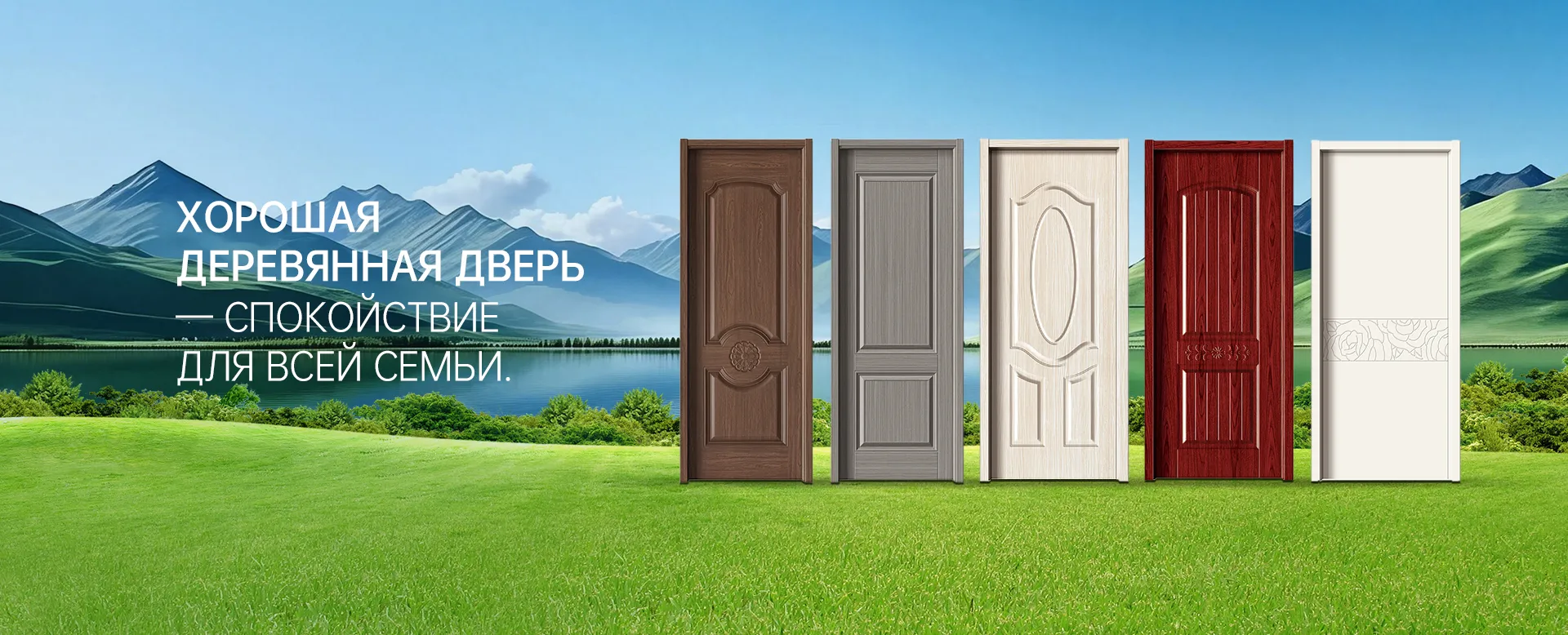
Best Sellingproducts
Best Selling Products-
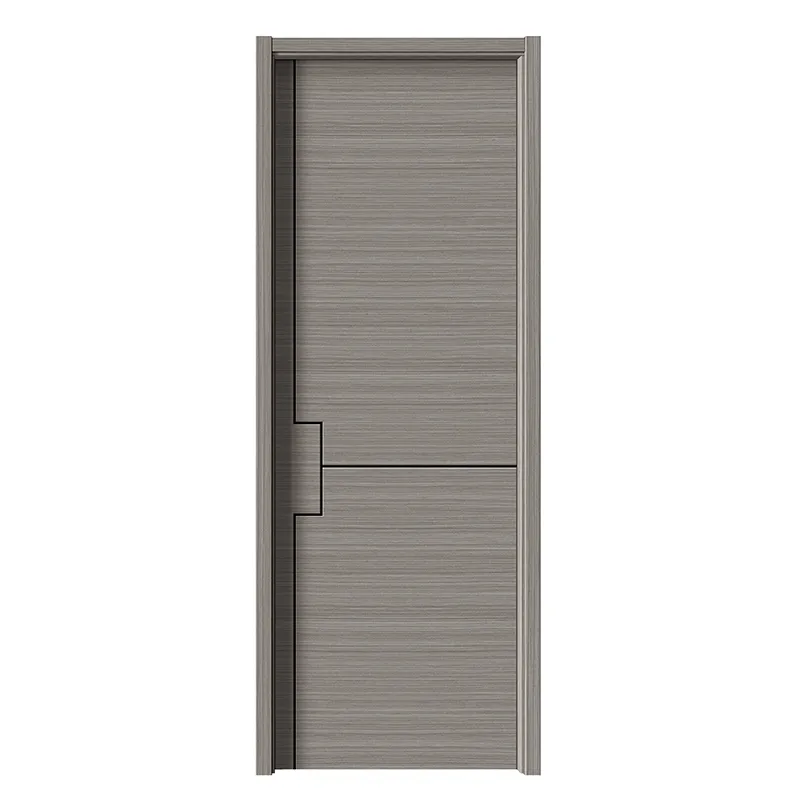 YST-1005 Technotree Door 2
 -
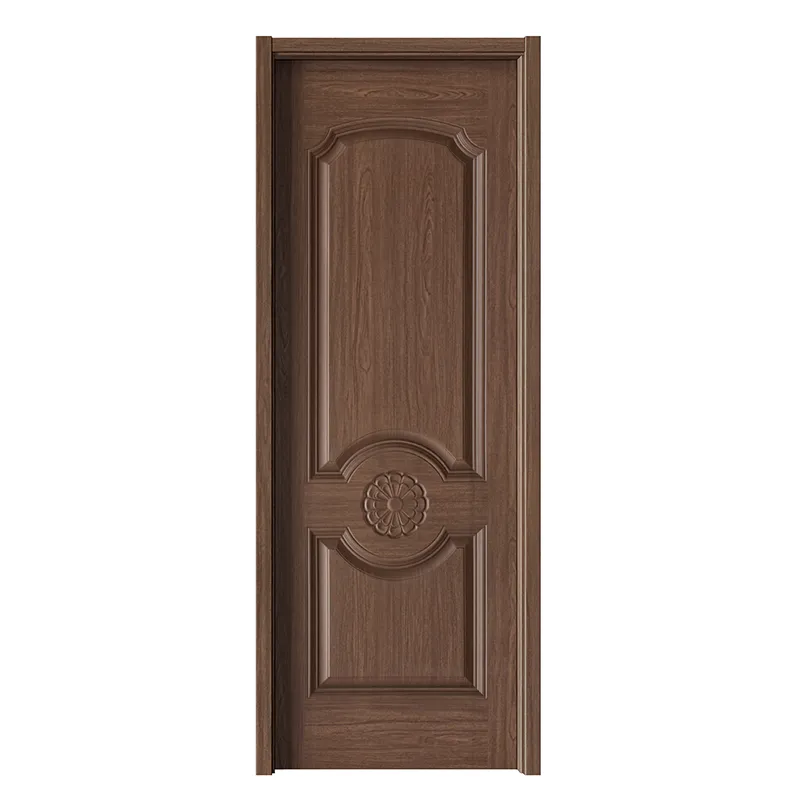 YST-212 Door North American Oak 2
 -
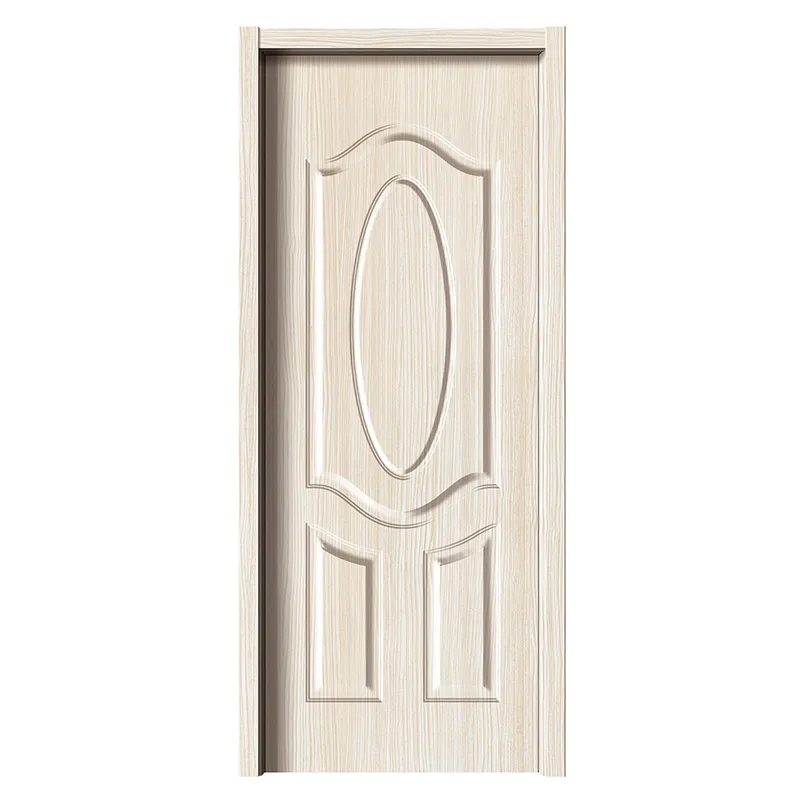 YST-216 Door White Maple
 -
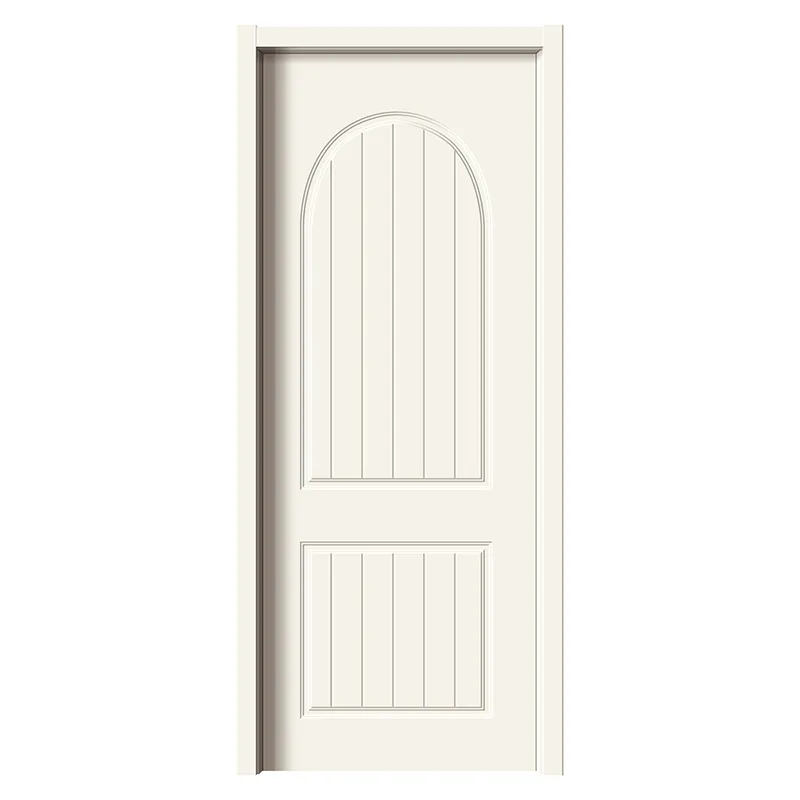 YST-236 Door White ivory
 -
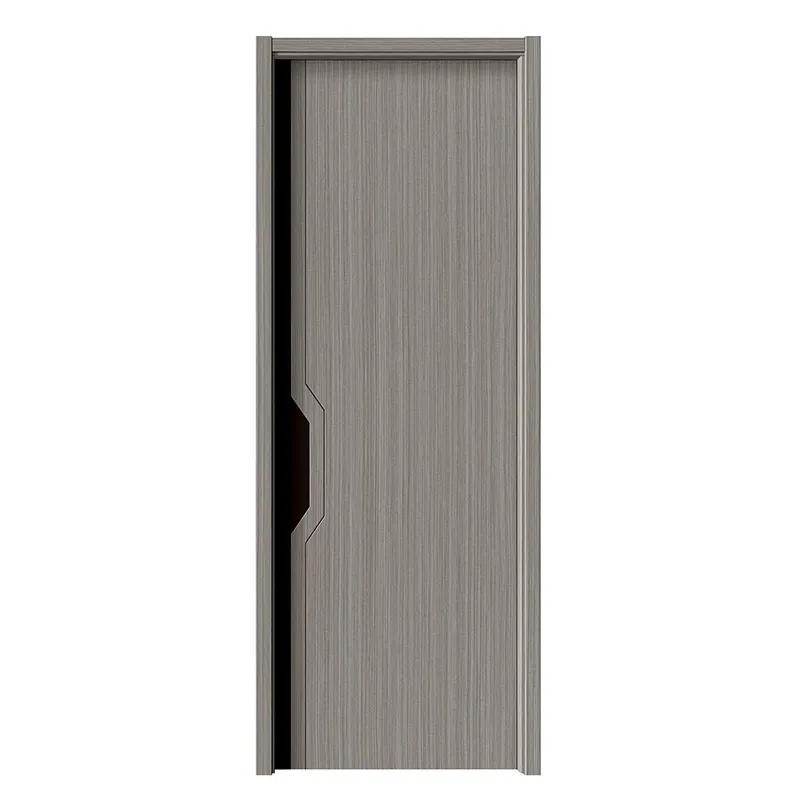 YST-1007 Technotree Door 2
 -
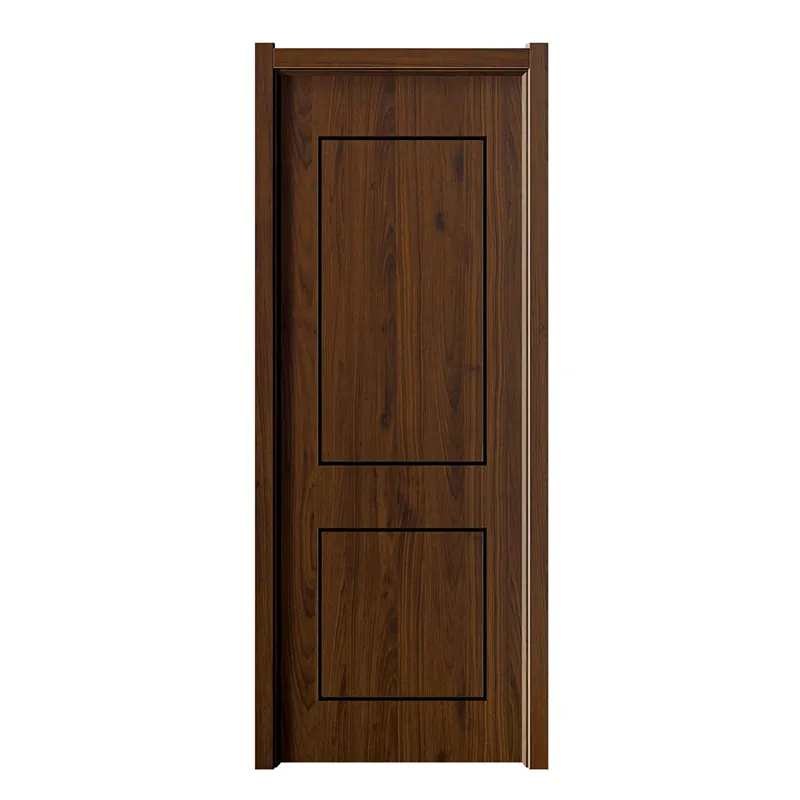 YST-WPC2 Door
 -
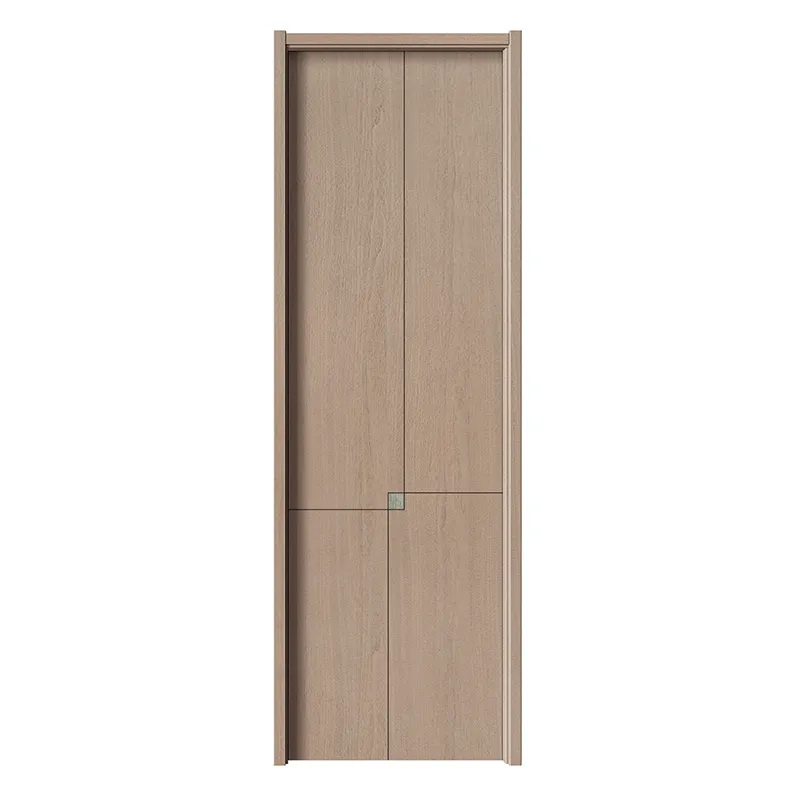 YST-1008 Door Natural walnut 2
 -
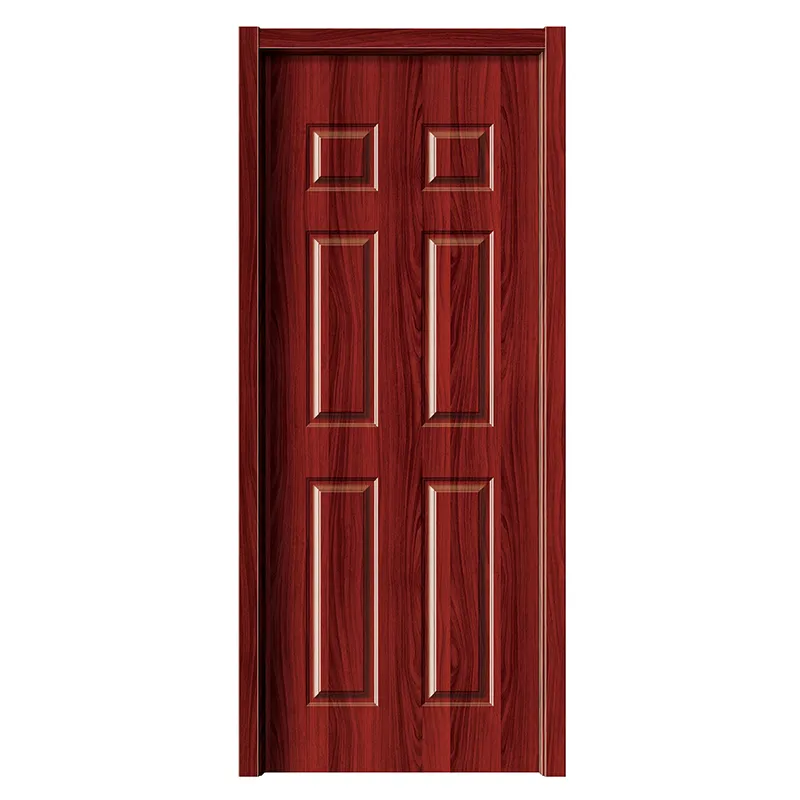 YST-201 Door Red team
 -
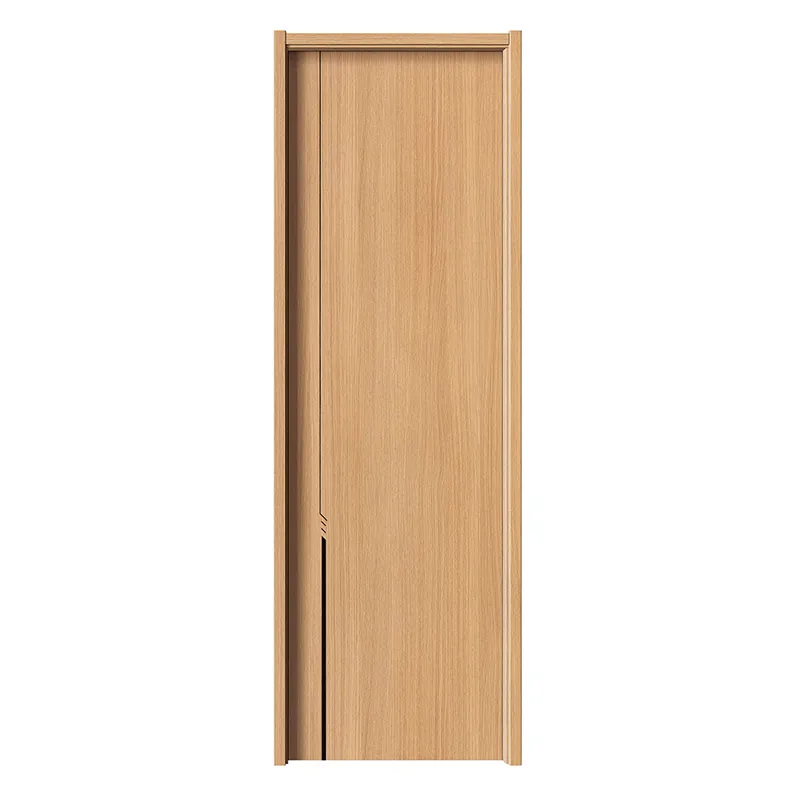 YST-1041 Door Oak Shutter
 -
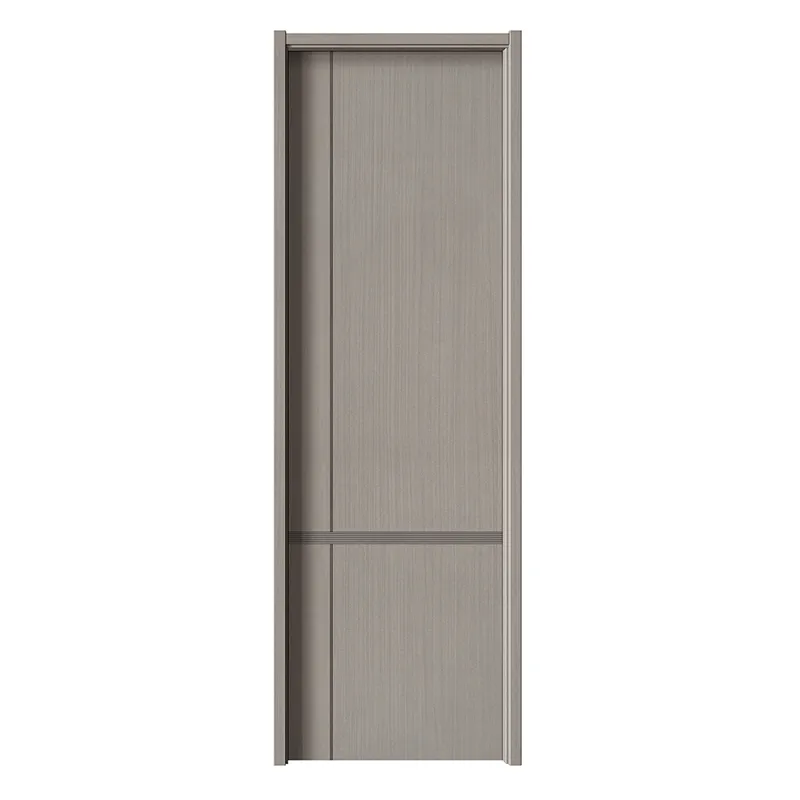 YST-1013 Door Cloud Walnut 1
 -
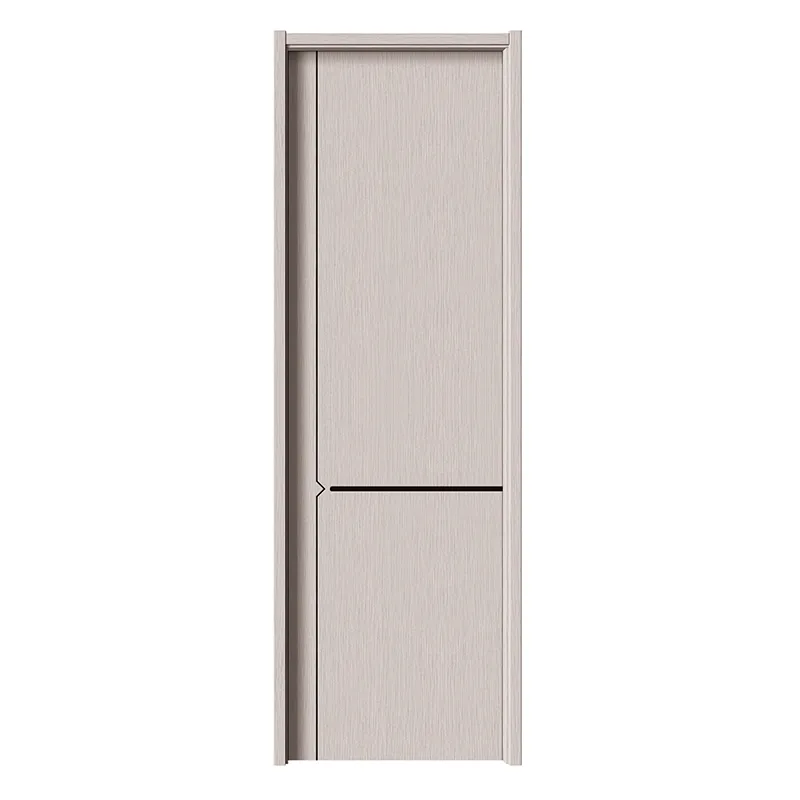 YST-1024 Door Chiaroscuro wood 1
 -
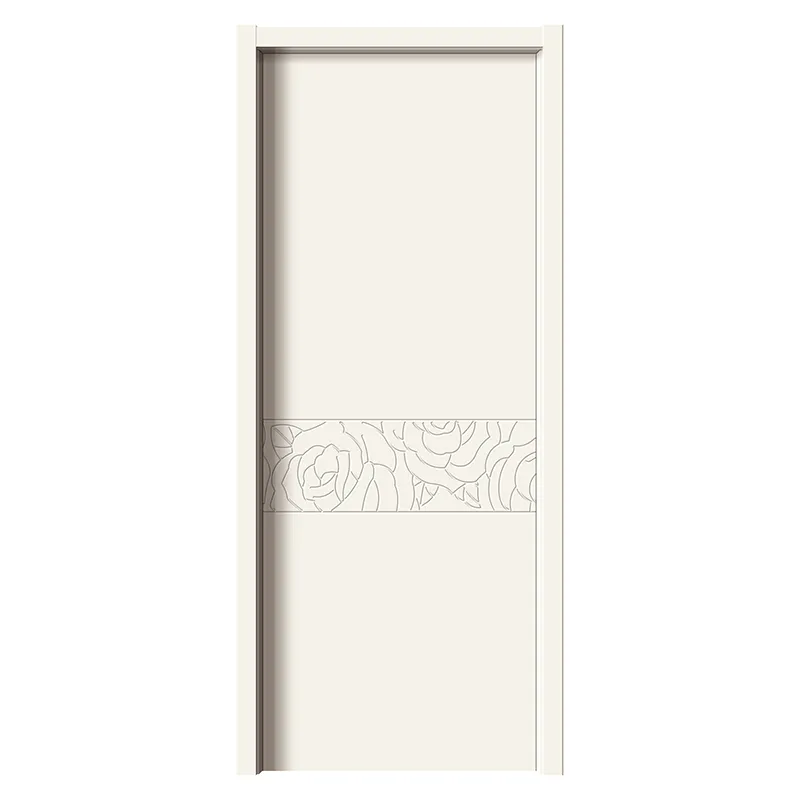 YST-238 Door White ivory