



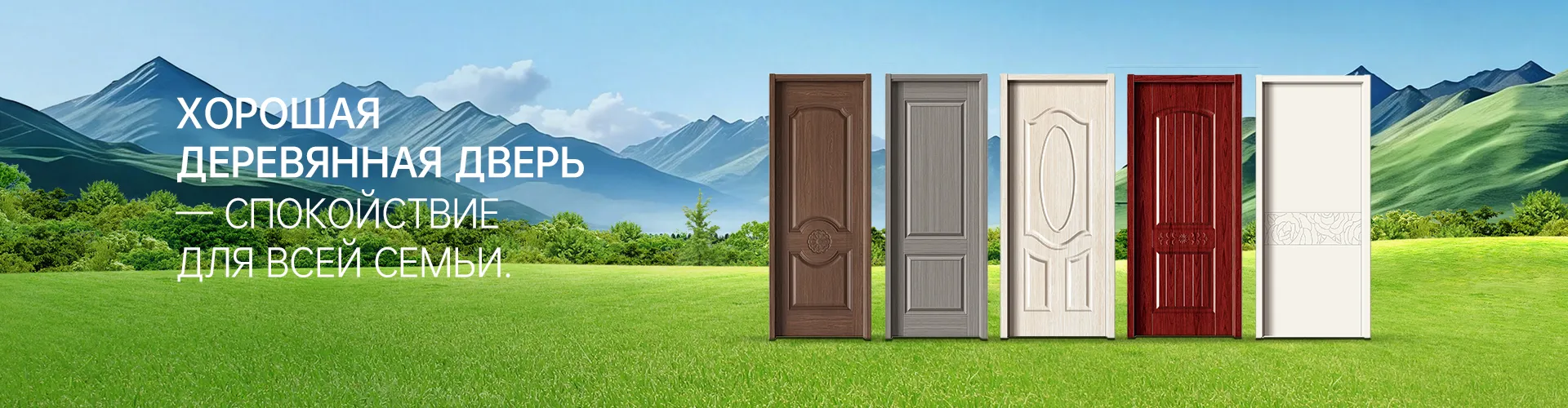
Interior doors with black edge
When clients ask aboutinterior doors with black edge, many people think that it’s just a matter of design - choose a color, order it and you’re done. In fact, there are a lot of nuances here that are not written about in glossy catalogues. For a long time I believed that the black edge was primarily a visual accent, until I encountered real objects, where this detail became the main headache or, conversely, the salvation of the project.
What does 'black edge' really mean in manufacturing?
In industry, this often means PVC edgebanding or body-dyed veneer. But here is the first pitfall: black color can be different. Charcoal matte, with a slight tint of graphite, deep gloss - and each behaves differently over time. Gloss, for example, looks great in advertising, but in practice it collects every speck of dust and scratch, especially if there are children or animals in the house.
The second point is the base material. Black edge on MDF and on solid wood are two big differences. On solid wood, especially on light-colored woods like ash, the contrast is dramatic, but requires fine-tuning. The slightest inaccuracy in the joint - and instead of a stylish accent, you end up with a crooked gap that cannot be corrected. It's easier on coated MDF, but here the question of perception arises: the door can look 'artificial' if the overall concept of the interior tends towards naturalness.
It is at the stage of selecting materials that I often think about suppliers likeAnhui Wantai Woodworking Co.,Ltd. Their approach to raw material control is not just empty words. When the edge must fit perfectly onto the end, the quality of the base is everything. An uneven, loose slab under a beautiful black edging is a guarantee of problems with geometry after six months of operation.
Editing errors that kill the entire effect
The most common problem I encounter on the road is installers who work with black edges as if they were regular ones. And it, especially contrasting, requires a different level of precision. A gap of a couple of millimeters at the white door can be covered with sealant to match the color, and it will not be noticeable. With black - any white filler or even a shadow from a loose fit catches the eye.
I've seen how expensive doors with graphite edges were installed at a customer's site, inspired by pictures from an online store, but saved on installation costs. The result was perfect canvases, but the cracks around the perimeter of the jamb glowed with dirty gray stripes. I had to dismantle it, order special dark silicone and reinstall it. The client was not happy with the overpayment.
Hence my rule: if you take itdoors with black trim, immediately include a percentage for “complicated installation” in the estimate. And look for a team that has experience with contrasting solutions, and does not just assemble boxes according to a template.
Where do they really work and where do they not?
From practice: such edging is best revealed in minimalist interiors with clear geometry. Loft, Scandinavian style with accents, modern classics with dark metal or graphite textiles. There the black edge does not scream, but becomes part of the composition, emphasizing the lines.
But in classic interiors with an abundance of stucco and warm shades of wood, it often looks foreign. We tried to somehow fit such a door into a project with oak parquet and cream walls - it turned out abruptly, the customer eventually refused, they replaced it with a profile to match the solid wood. It was a valuable lesson: a design picture and a living space are not always the same thing.
An interesting case was with a commercial premises - a coffee shop. There, the customer wanted to zone the space without blank partitions. We used glass sheets with a black aluminum profile. This, strictly speaking, is not quite an edge in the classical sense, but the visual effect is the same: a clear graphic outline. It worked perfectly because it matched the concept of the establishment - industrial chic.
About quality and durability: what to look for when choosing
Aesthetics aside, the main question is how this black streak will behave in five years. Cheap laminate edging can fade, especially in sunny conditions. PVC with a density of 0.8 mm and higher is more reliable, but it is important that the glue is of high quality. Peeling against a contrasting background is a disaster.
Now many manufacturers, includingAnhui Wantai Woodworking Co.,Ltd, offer solutions with edges made from body-dyed veneer. This, in my opinion, is one of the best options for projects where a natural look is important. The color is deep, UV-resistant, and tactilely it is still the same wood, not plastic. On their website (https://www.anhuiwantai.ru) it is clear that the emphasis on precision processing is exactly what is needed for such delicate work. Their philosophy of “building a business on precision, winning with quality” is not just a slogan here. When joining a dark edge and a light-colored fabric, the millimeter plays a role.
Another practical tip: be sure to ask the supplier for a sample of not just a color, but a sample of the finished end with an edge. Examine it in different light - daylight, warm and cold artificial. Sometimes beautiful anthracite in a showroom, in the light of a home chandelier, gives an unexpected purple or blue tint. Tested by bitter experience.
Bottom line: is the game worth the candle?
So is it worth getting involved with?doors with black edge? If you have a thoughtful modern interior, you are ready to invest in high-quality fabric and professional installation - of course, yes. This is a strong move that adds character to the space.
But if you are simply looking for something “not like everyone else” and at the same time counting on a standard budget and deadlines, it is better to consider more traditional options. Because there are no trifles here. Every step - from the choice of a manufacturer who truly controls the process, like the same company with its modern base and development team, to the final touch during installation - must be excellent.
Ultimately, such a door is not just a partition between rooms. This is a full-fledged design element that requires an appropriate attitude. And when done right, the results are worth it. It lasts a long time and does not disappoint, and this is perhaps the main assessment for anyone who works in this field.
Correspondingproducts
Related Products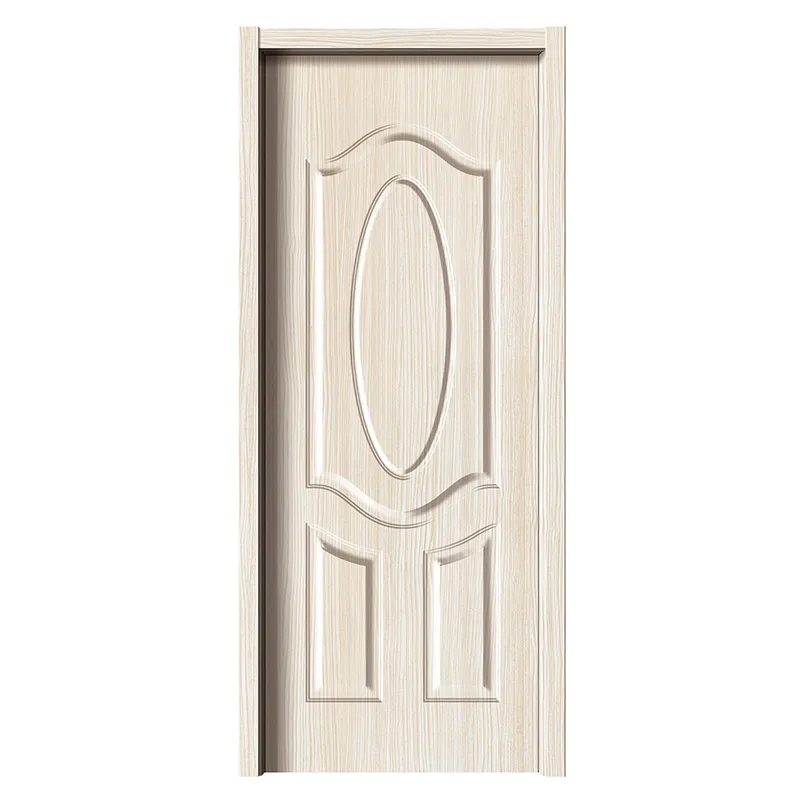
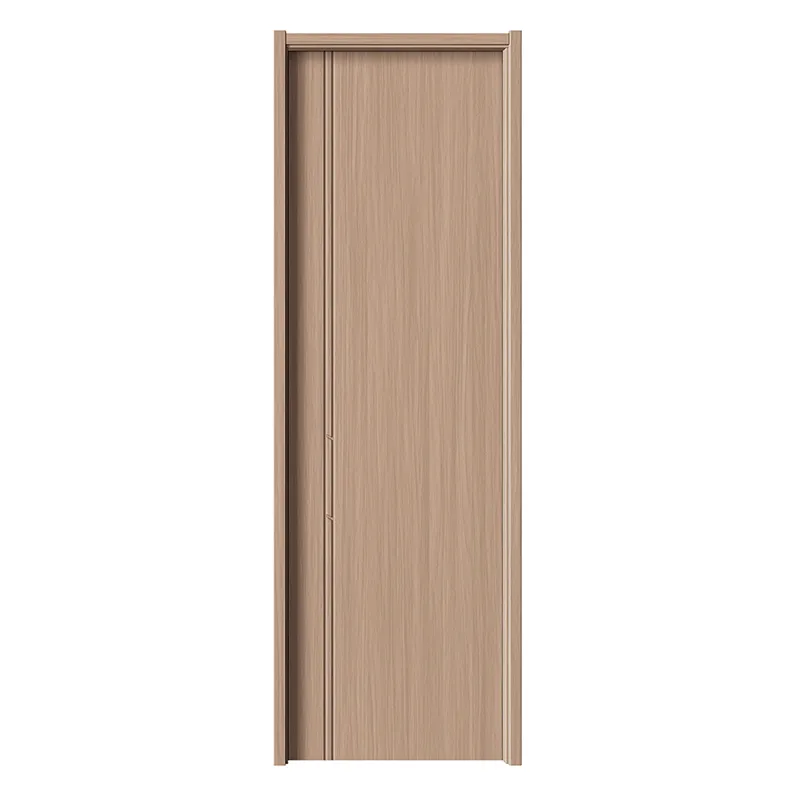
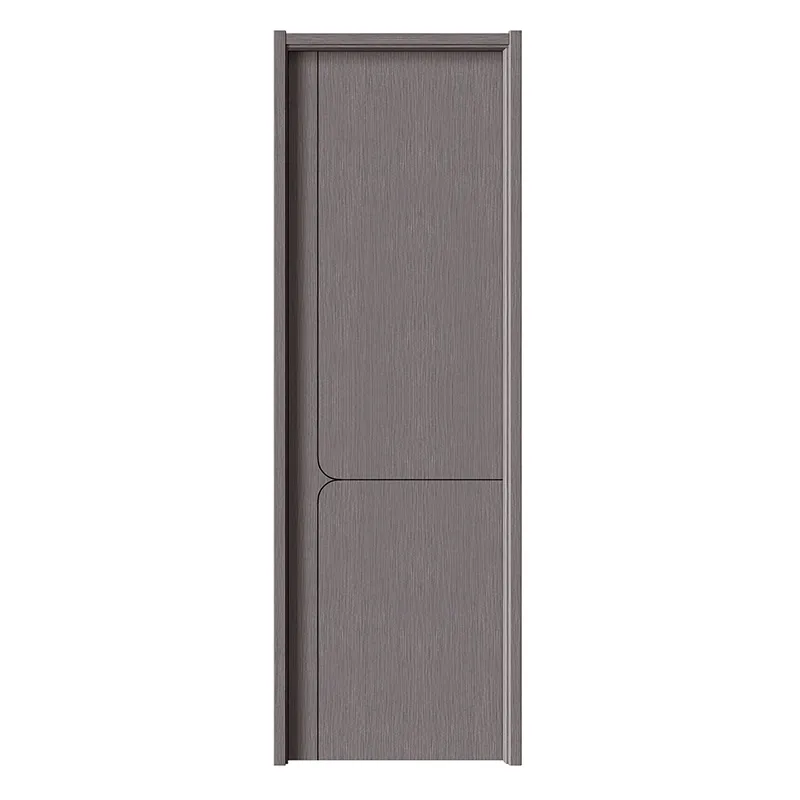
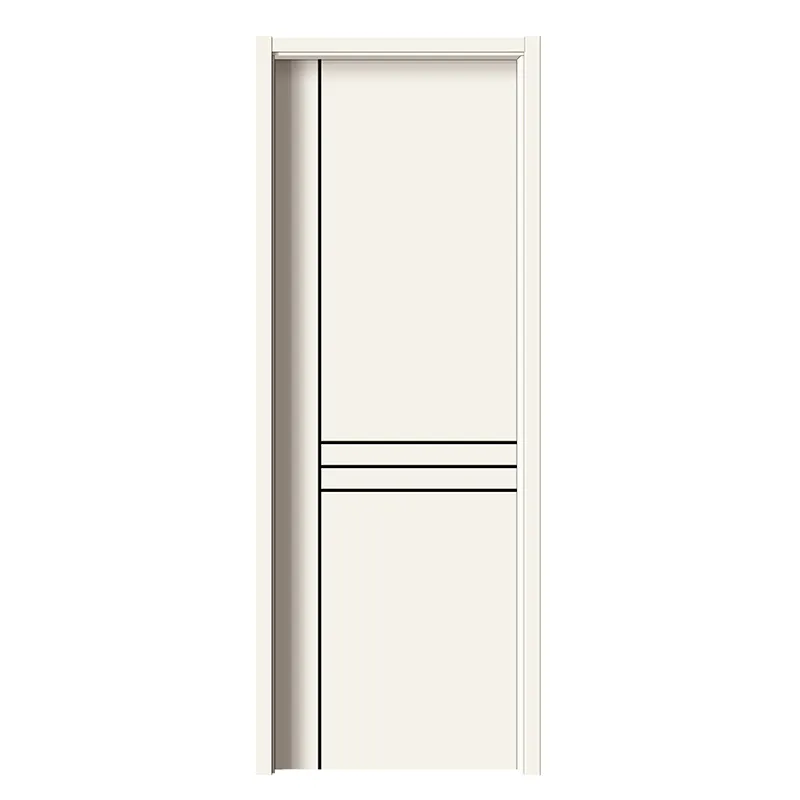
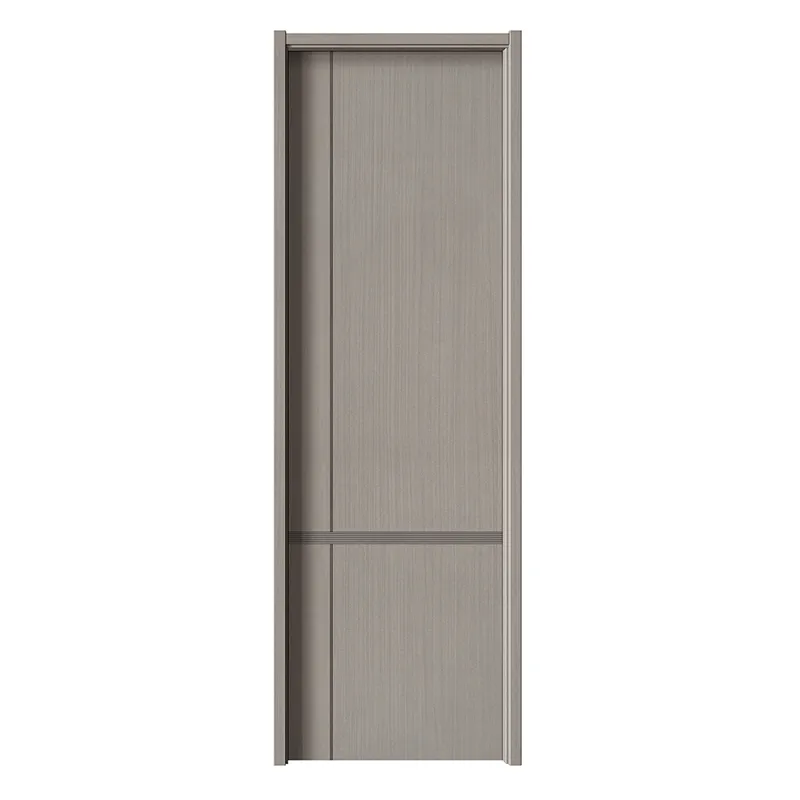
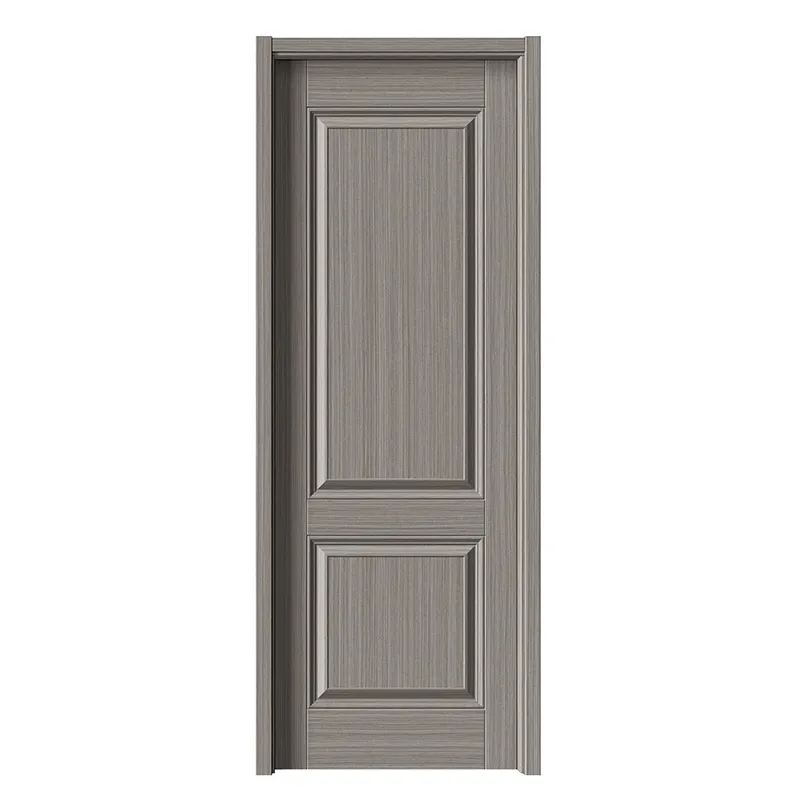
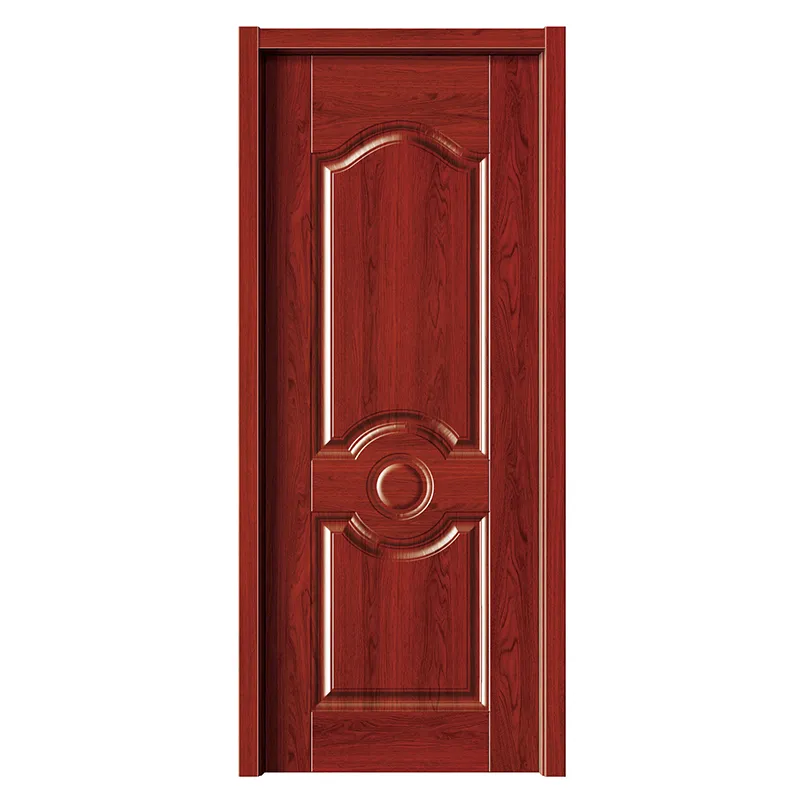
Best Sellingproducts
Best Selling Products-
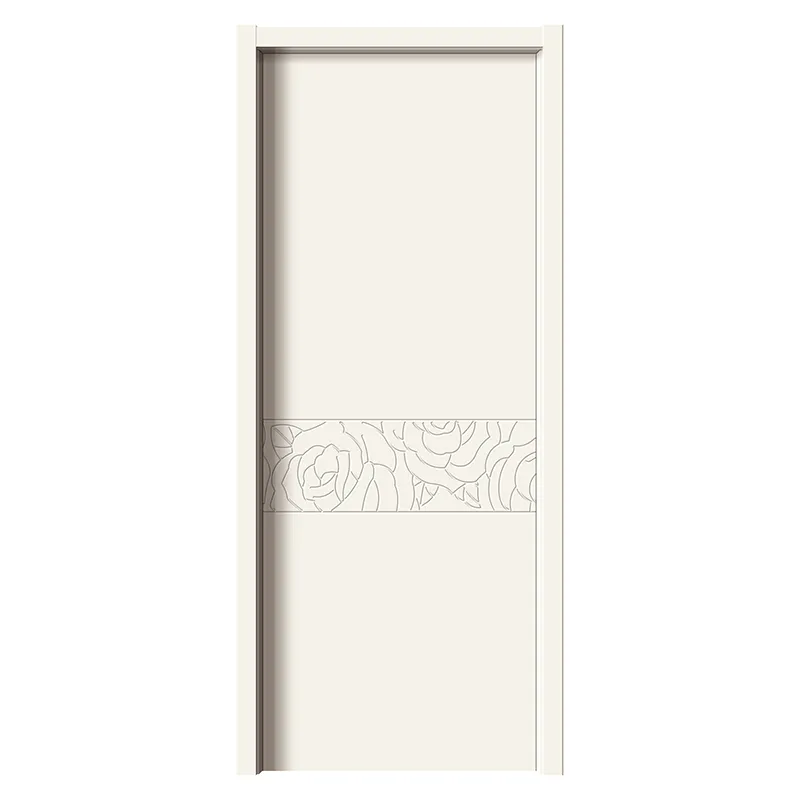 YST-238 Door White ivory
 -
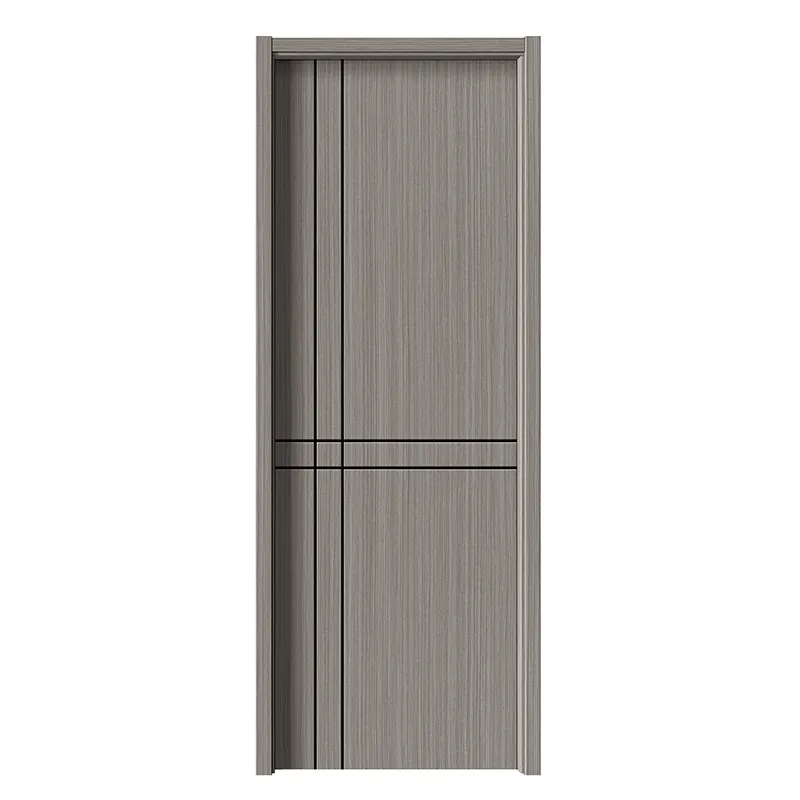 YST-1004 Door Technotree 2
 -
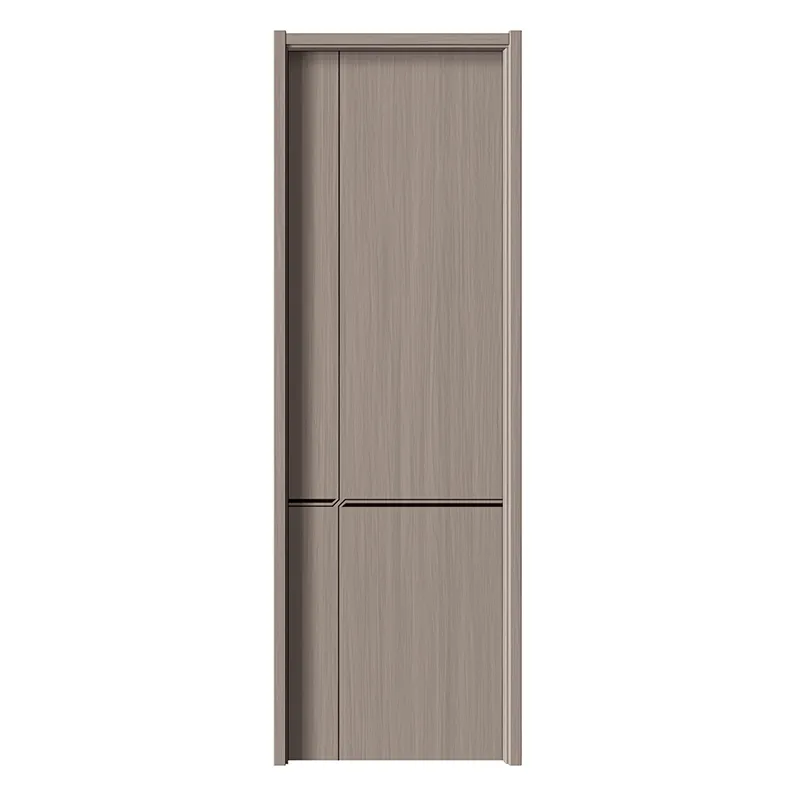 YST-1010 Door Translucent light shadow 3
 -
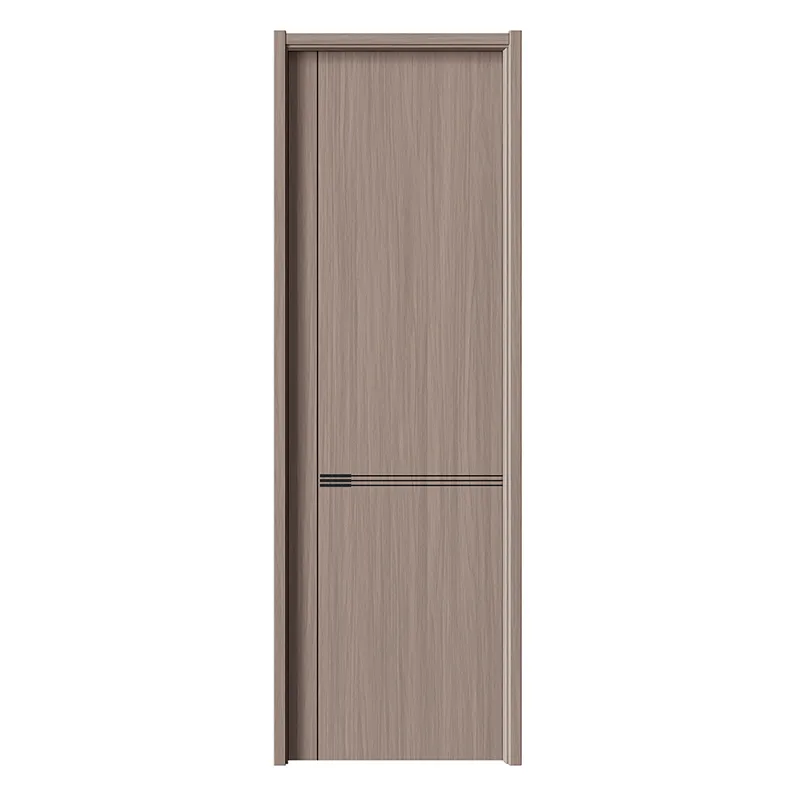 YST-1039 Door Translucent light shadow 3
 -
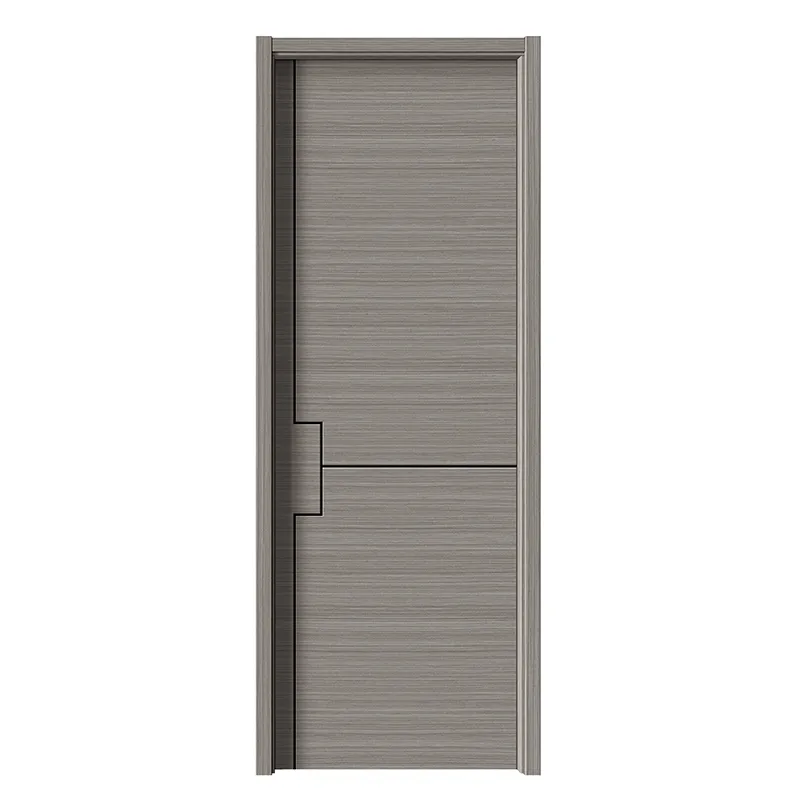 YST-1005 Technotree Door 2
 -
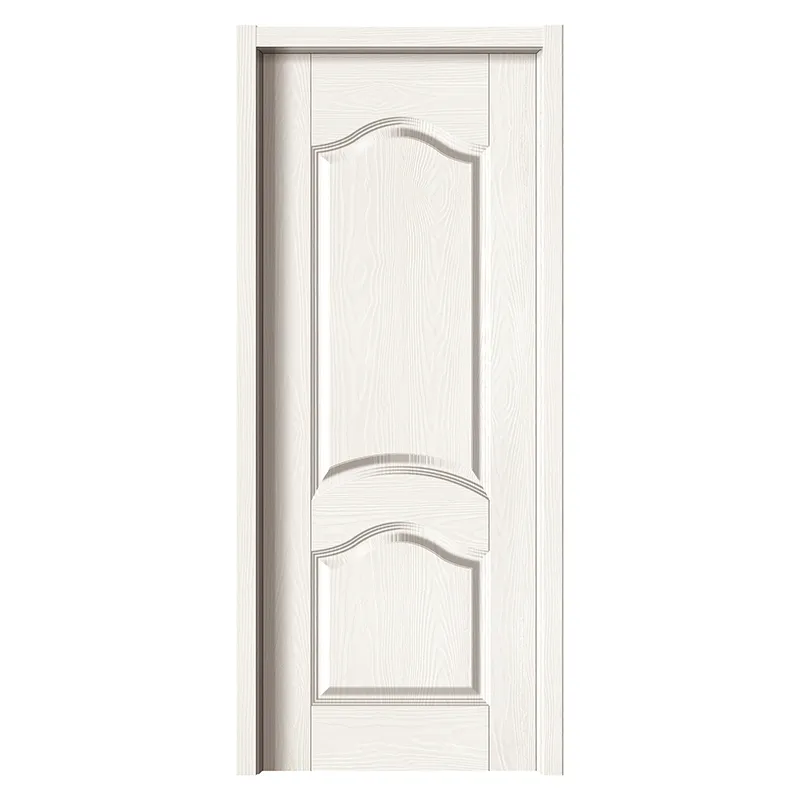 YST-224 Door Warm white with relief
 -
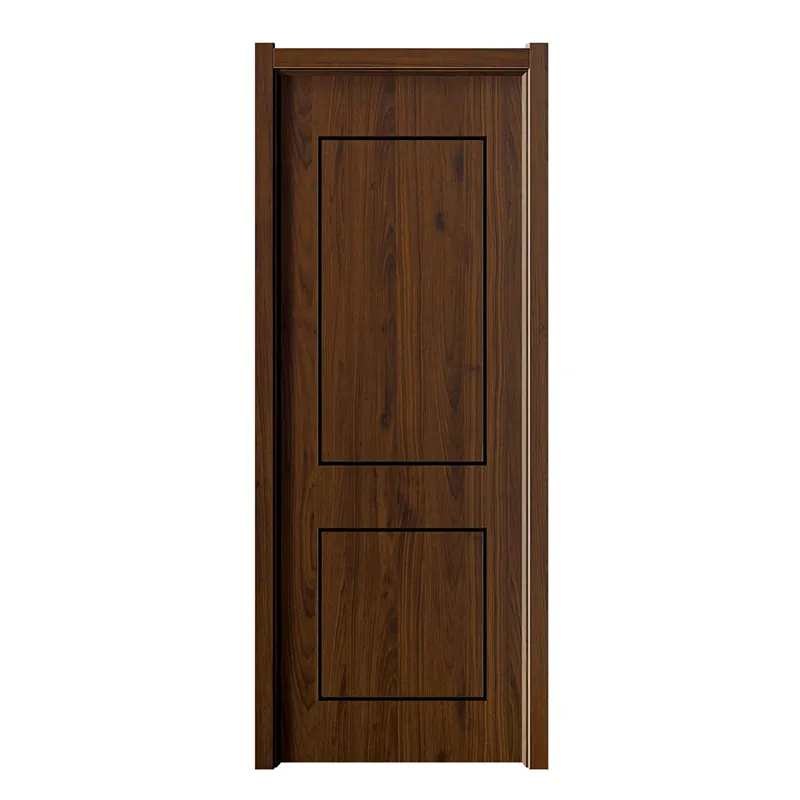 YST-WPC2 Door
 -
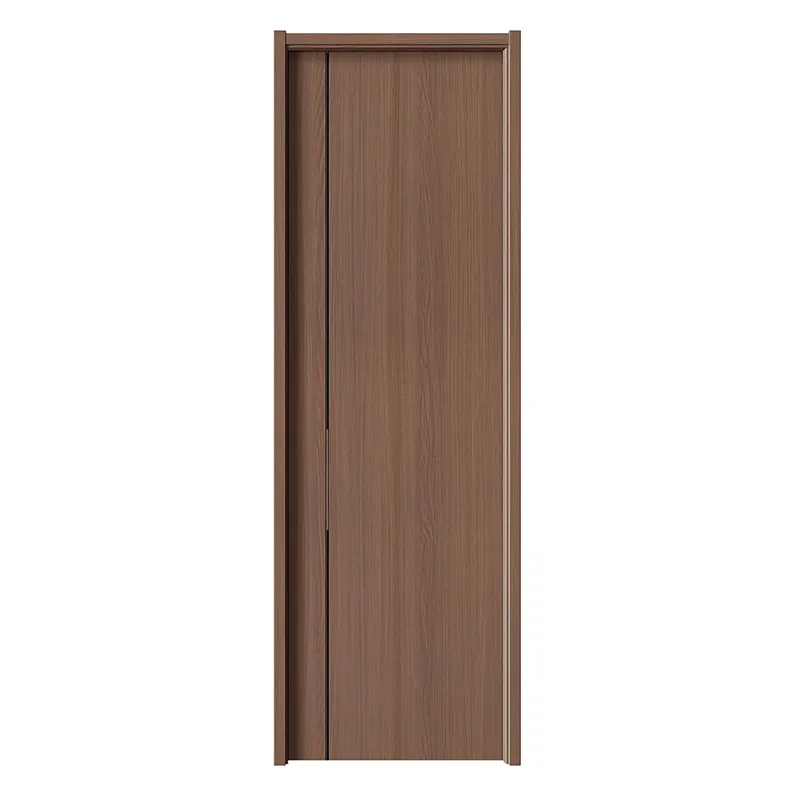 YST-1043 Door Techno-walnut 3
 -
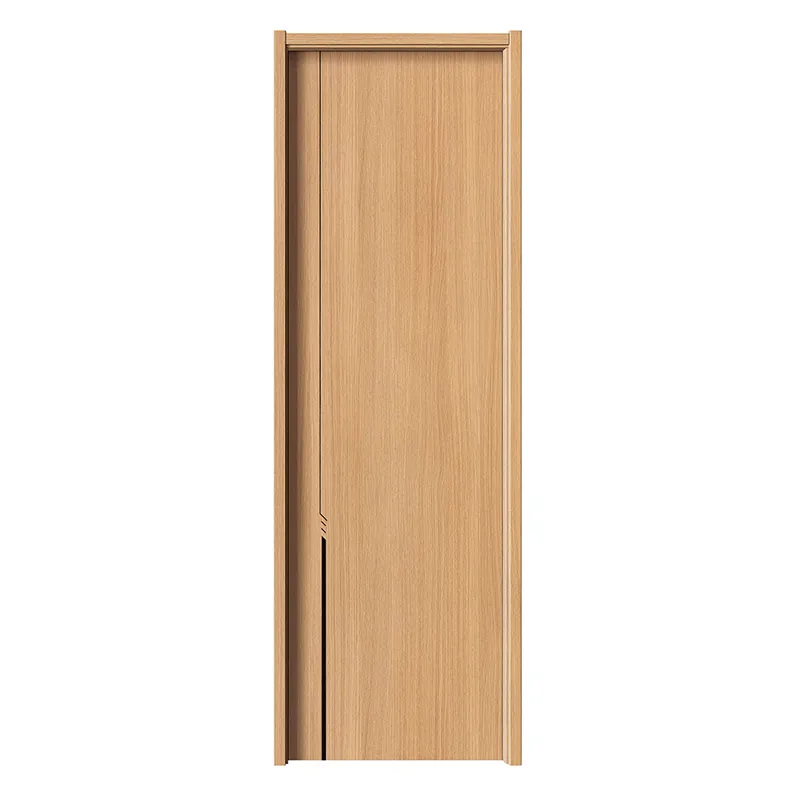 YST-1041 Door Oak Shutter
 -
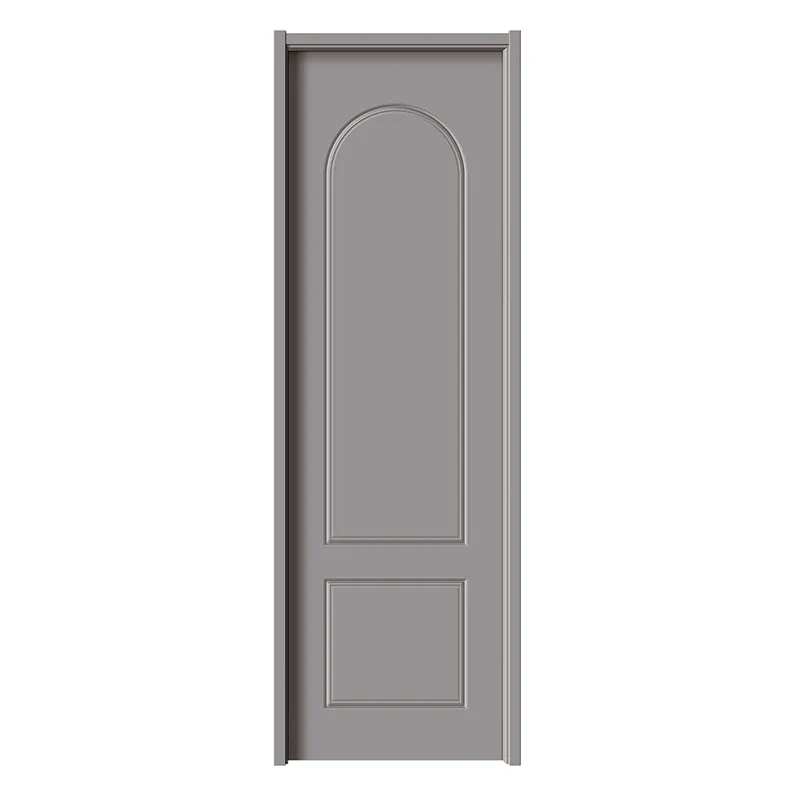 YST-241 French Door 1 soft stone gray
 -
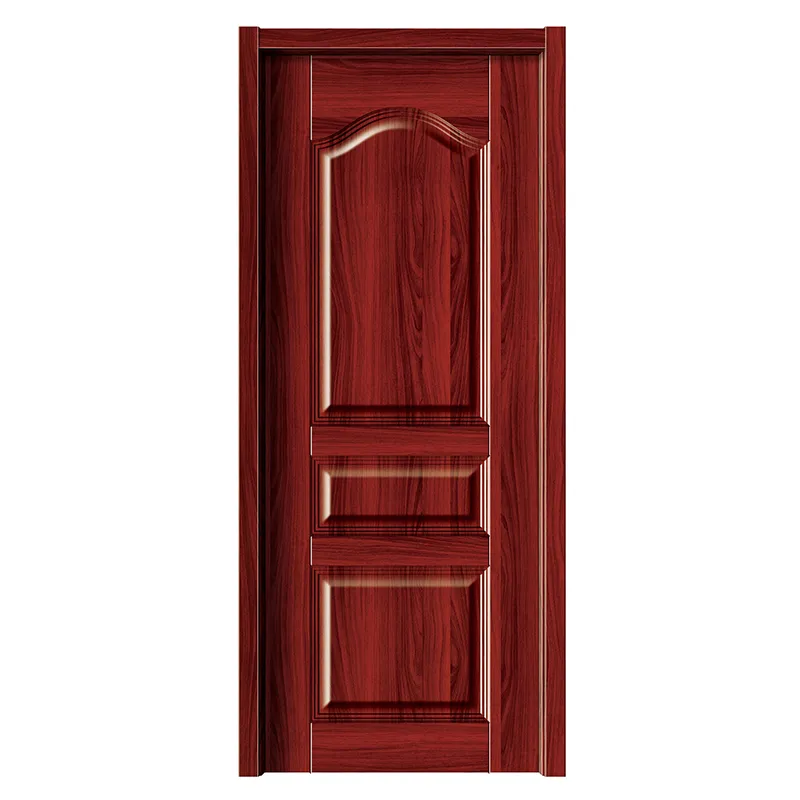 YST-203 Door Red team
 -
 YST-WPC4 Door