



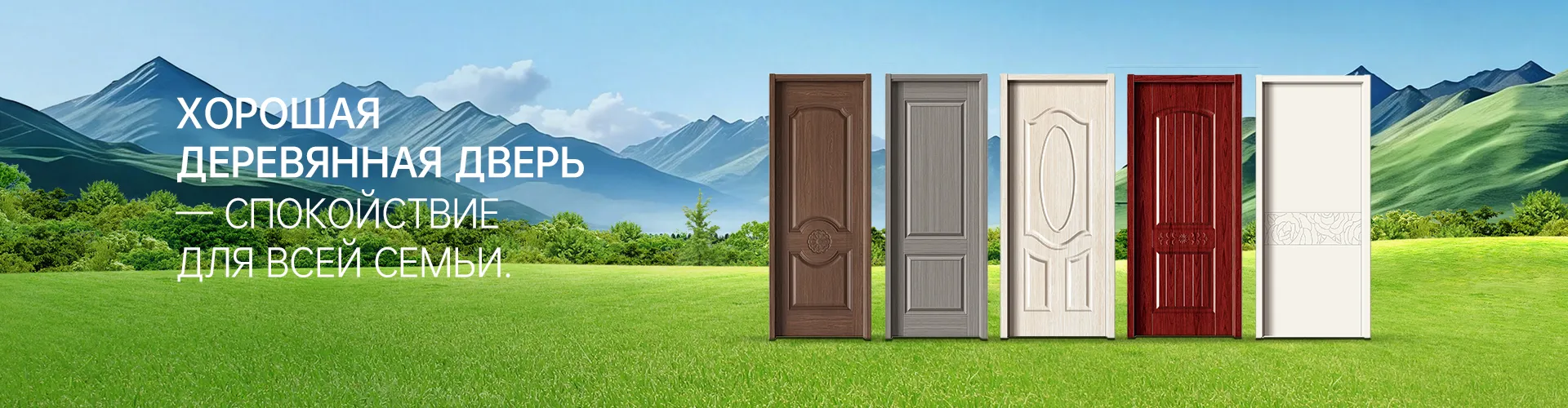
The hidden door is narrow
Here's a term that often evokes not entirely correct associations among clients and even some colleagues.The hidden door is narrow— many people immediately think of secret rooms or overly minimalist interiors. But in fact, the main difficulty and professional interest do not lie in “hiddenness?” as such, but in this very thing “narrow?”. Because when the opening is limited, and the requirements for seamlessness and durability remain the highest, the real work begins.
Why ?narrow? becomes problem number one
I won’t delve into the basic theory; everyone already knows that hidden doors are designed to blend into the wall. But when the width of the canvas is, say, 55-60 cm, and not the standard 80-90, nuances emerge that are not written about in textbooks. Frame. Its rigidity with such a proportion is a separate headache. A narrow canvas is more susceptible to “screwing”, the slightest distortion in the box - and the gap around the perimeter will be obvious, destroying the entire effect of invisibility.
Many people here, especially those who are looking for cheapness, try to save on mechanisms. They install regular hinges designed for wider and, therefore, more stable doors. The result is predictable: after six months of operationhidden doorbegins to sag, the bottom edge clings to the floor. The client is dissatisfied, the reputation is damaged. It was necessary to redo objects where the original contractor did not take this point into account.
Another point is sound insulation. In a narrow profile, there is simply physically less space to accommodate a high-quality sealing contour. If you don’t think through the multi-stage narthex system from the very beginning, you will end up with just a decorative panel behind which everything will be heard. In residential areas, especially in bedrooms or offices, this is a critical drawback.
Experience and materials: what success depends on
Working on such projects, we have long ceased to trust the array in one piece for narrow hidden structures. Yes, it is beautiful and prestigious, but the risk of deformation is too great. Now we consider engineered board or high-quality MDF with external veneer to be the optimal solution. The material must be stable, with minimal reaction to changes in humidity.
By the way, about suppliers. Not everyone is ready to work with non-standard sizes, and even with strict geometry requirements. Recently, for a number of projects we have turned to productsAnhui Wantai Woodworking Co.,Ltd. Their approach to quality control at all stages, from raw materials to finishing, is impressive. It is especially important when it comes to hidden systems - there any internal emptiness or heterogeneity of the adhesive layer can come out later. From their website,https://www.anhuiwantai.ru, you can clarify the technical capabilities of non-standard sizes, which saves time.
But even with good material, you can fail the project at the installation stage. The most common mistake is trying to fit a narrow hidden door into an unprepared opening. If the walls are “filled up” and the floor is uneven, no perfect door frame will save you. You have to spend the lion's share of time leveling the plane of the wall around the opening. Sometimes it's more expensive than the door itself. But there is no other way.
Mechanisms: invisible base of invisible door
If the canvas is the face, then the mechanism is its bones and muscles. For narrow hidden doors, classic swing hinges are often not suitable. We need special hidden hinges with adjustments in three planes. Or, as an option, sliding systems that go into the wall. But the latter are a different story with plasterboard boxes and load calculations.
I remember one commercial project, the manager’s office. The customer wanted a perfectly flat wall made of an expensive panel, in which it was supposed to “disappear?” door to the adjacent technical room. The opening width was only 58 cm. They installed a good door, but saved on fittings by choosing a simpler mechanism. Result: after a month of intensive use, a slight but noticeable knock appeared when closing. I had to open the panel and change the entire mechanism to a more reliable one, with a closer and precise adjustment. The lesson was learned - we don’t skimp on mechanisms.
Nowadays there are a lot of “no names” appearing on the market. solutions from Southeast Asia. They look solid, the price is attractive. But in the conditions of the Russian winter and heating season, when the humidity in the room fluctuates, their service life and stability are a big question. It is better to take proven European brands or those manufacturers who, likeAnhui Wantai Woodworking Co.,Ltd, declares strict adherence to international standards. Their philosophy is to “build a business on precision, win with quality?” - this is just what you need for capricious hidden systems.
Aesthetics vs. functionality: finding balance
Often, designers, carried away by the picture, draw a perfectly flat wall with an ultra-narrow, almost invisible line of the rebate. Looks fantastic on paper. In reality, such a line requires not only perfect installation, but also a special door and frame profile, which costs a lot of money. Sometimes you have to act as a translator between the designer and the customer, explaining that an increase in the budget by 30-40% will give an increase in aesthetics by only 5%, which only the designer himself will notice.
Handles. It would seem like a small thing. But forhidden narrow doorthis is a separate topic. Built-in push mechanisms (opens by pressing) are a popular solution. However, they require ideal clearance and precise operation of the return spring. If the door is narrow and light, the mechanism can work smoothly. But if the canvas is massive, even narrow, you need to calculate the force. There have been cases when people simply could not open the door without knowing the right point of application of force.
Finishing is the stage where the work of the carpenter, installer and finisher comes together. It is extremely important that the coating on the door and on the wall is as identical as possible in color, texture and, most importantly, in the coefficient of expansion of the material. Otherwise, seasonal changes will make the seam noticeable. We always insist that the final painting or veneering of the door and the adjacent section of the wall is carried out by one specialist, under the same conditions, from the same batch of material.
Bottom line: it's not a door, it's a system
So, to summarize.The hidden door is narrowis not just a product that can be ordered from a catalogue. This is a complex task, a system where every detail is important: from the stability of the material and the accuracy of the geometry to the choice of specialized fittings and the qualifications of the installer. This is the case when the synergy between a responsible manufacturer, such as a company striving to supply wooden doors that combine aesthetics and practicality to the international market, and a competent performer on site gives a truly high-quality result.
The main conclusion that I have come to over the years of work: there is no such thing as “just narrow?” hidden door. A system can be designed and implemented correctly or incorrectly. And its success is measured not immediately after installation, but after a year or two of operation, when all seasonal cycles have been completed, and the door still opens easily, closes tightly and remains part of the wall. That's when the work is considered done.
Therefore, when I am approached with such a request, the first thing I do is dissuade them from overly ambitious and impractical decisions. And I propose to start not with a beautiful render, but with a technical specification, where all the conditions and restrictions will be clearly stated. This will save everyone nerves and budget in the future. And ideal invisibility is often achieved not by maximum complexity, but by thoughtful simplicity of execution.
Correspondingproducts
Related Products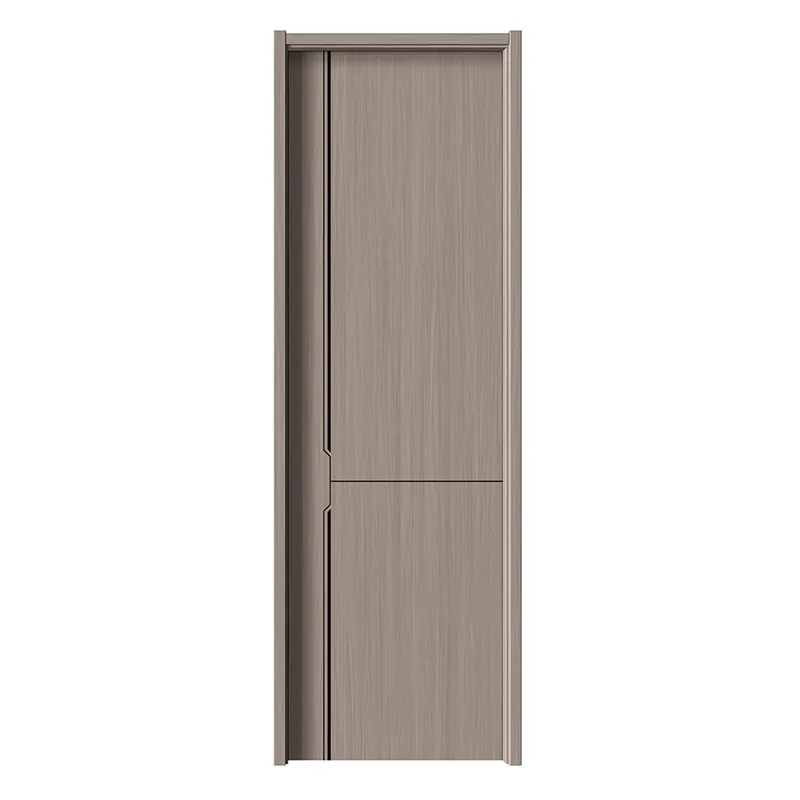
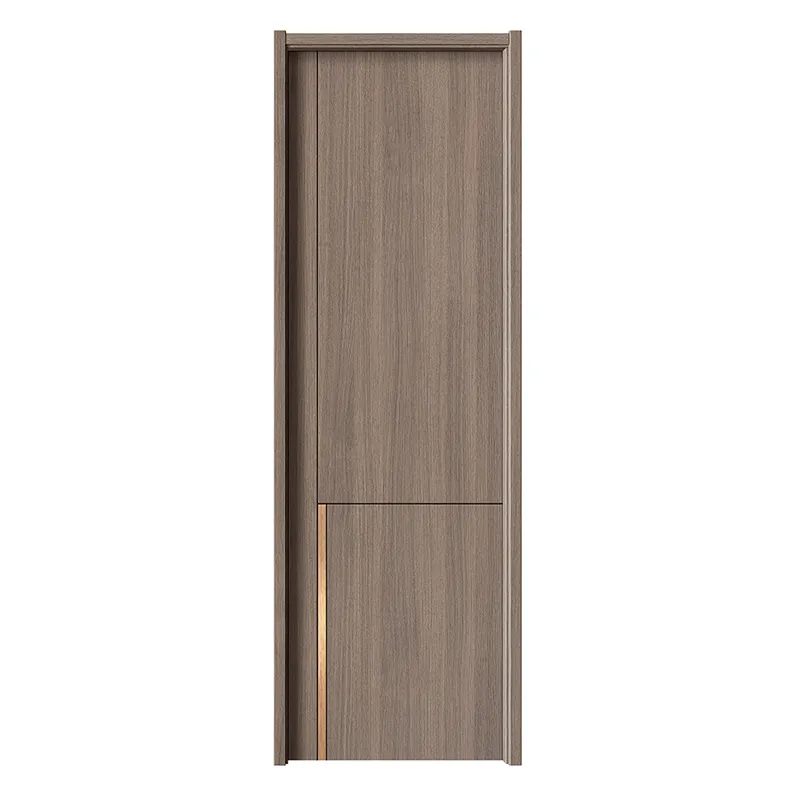

Best Sellingproducts
Best Selling Products-
 YST-1039 Door Translucent light shadow 3
 -
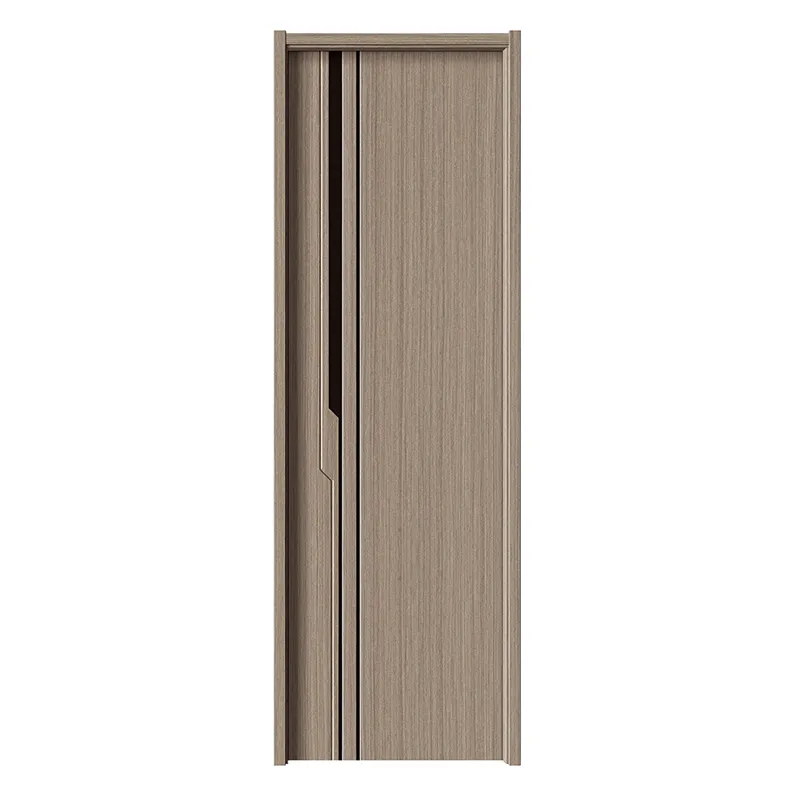 YST-1018 Technowood Door 1
 -
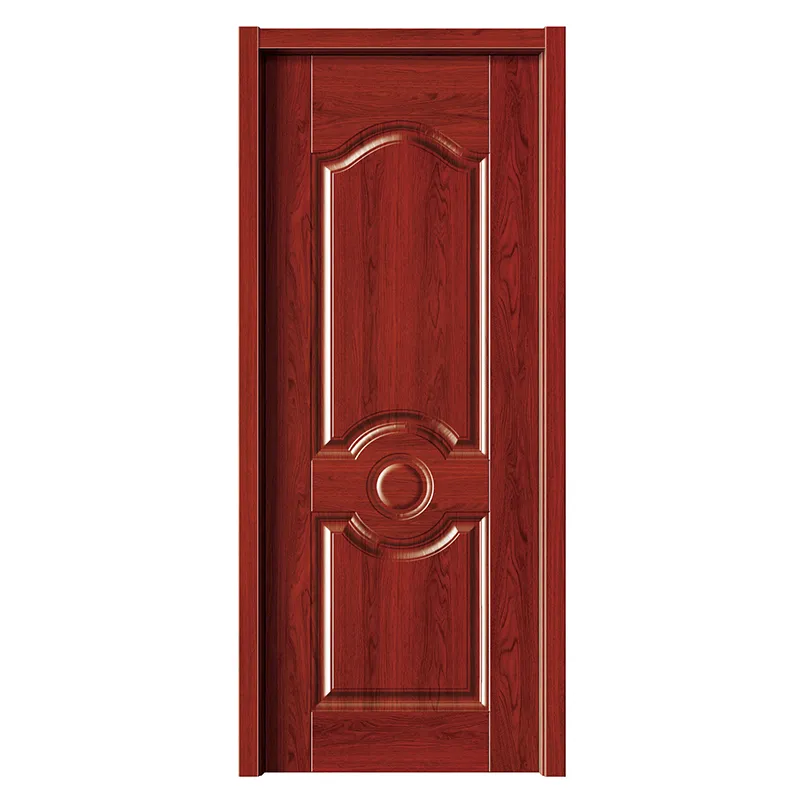 YST-208 Door Red Sandalwood
 -
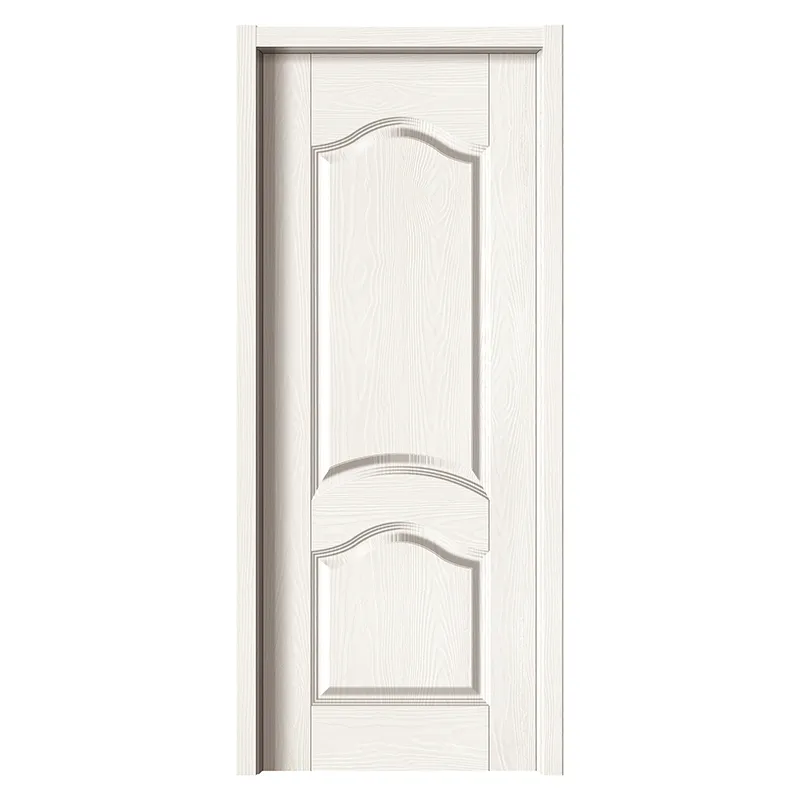 YST-224 Door Warm white with relief
 -
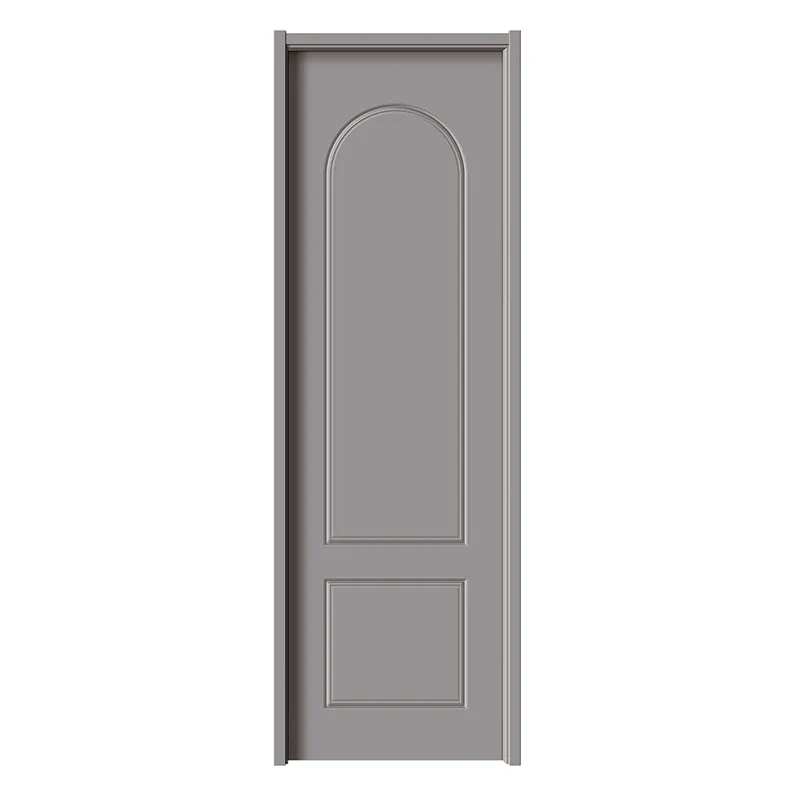 YST-241 French Door 1 soft stone gray
 -
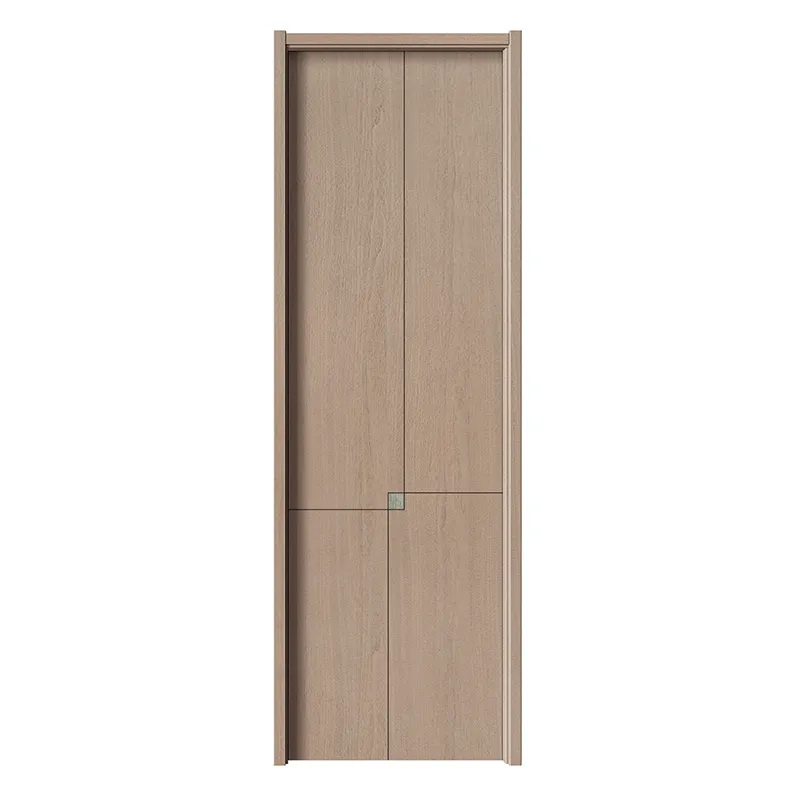 YST-1008 Door Natural walnut 2
 -
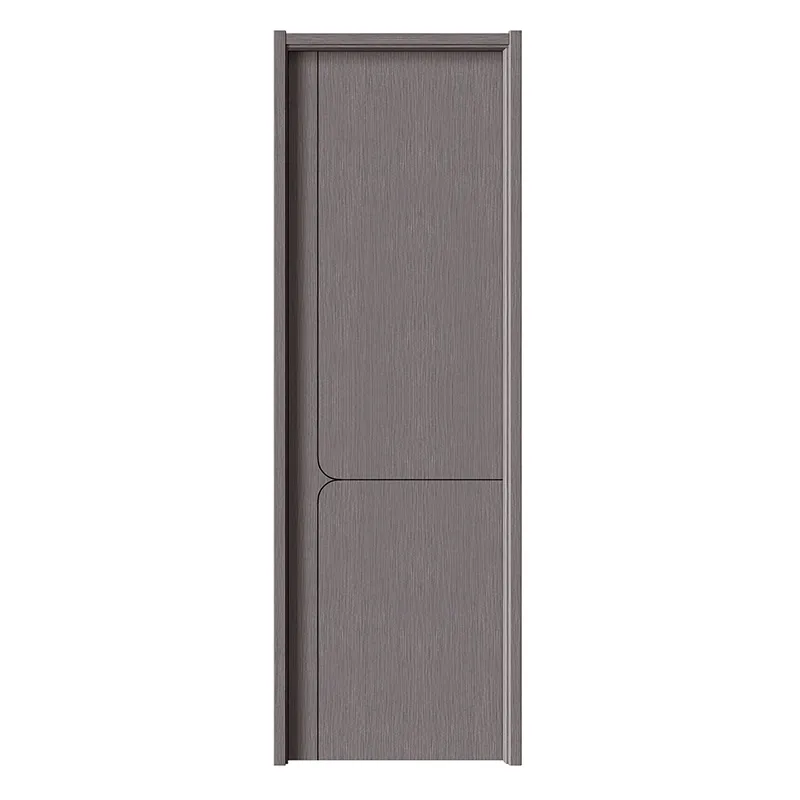 YST-1001 Door Chiaroscuro tree 2
 -
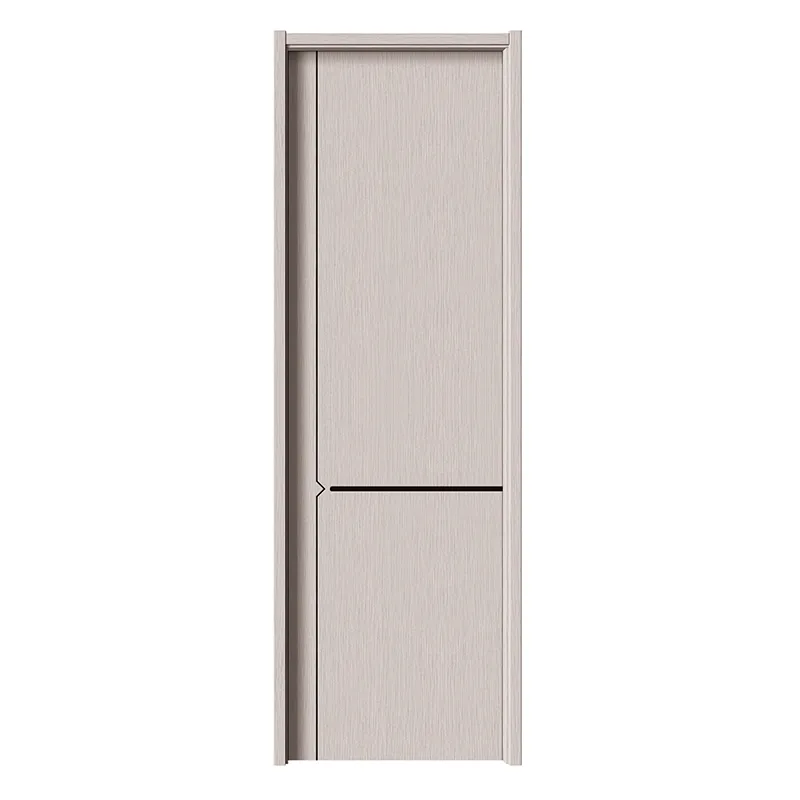 YST-1024 Door Chiaroscuro wood 1
 -
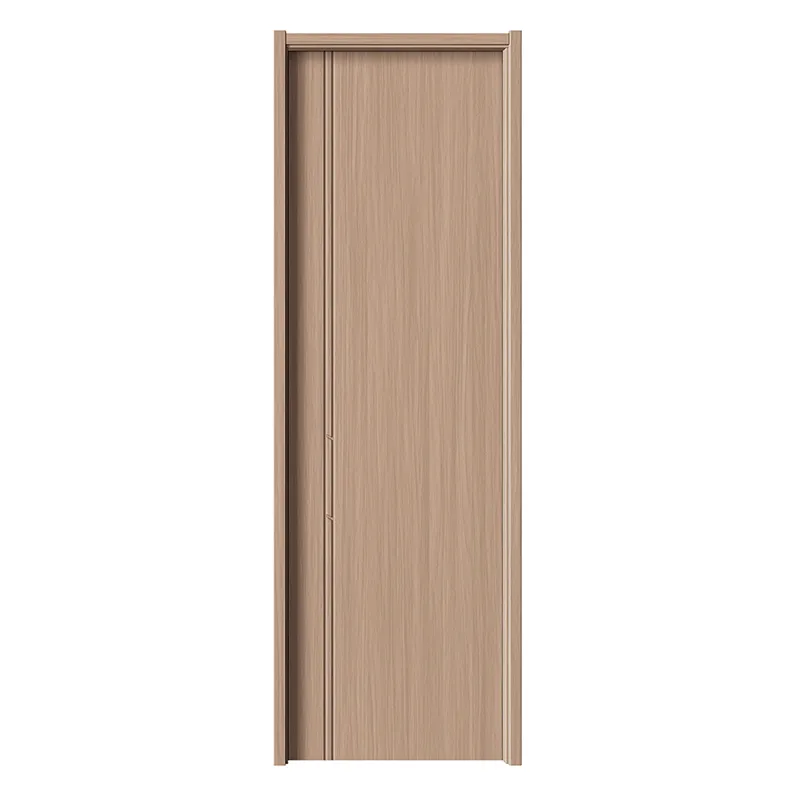 YST-1009 Door Translucent light shade 1
 -
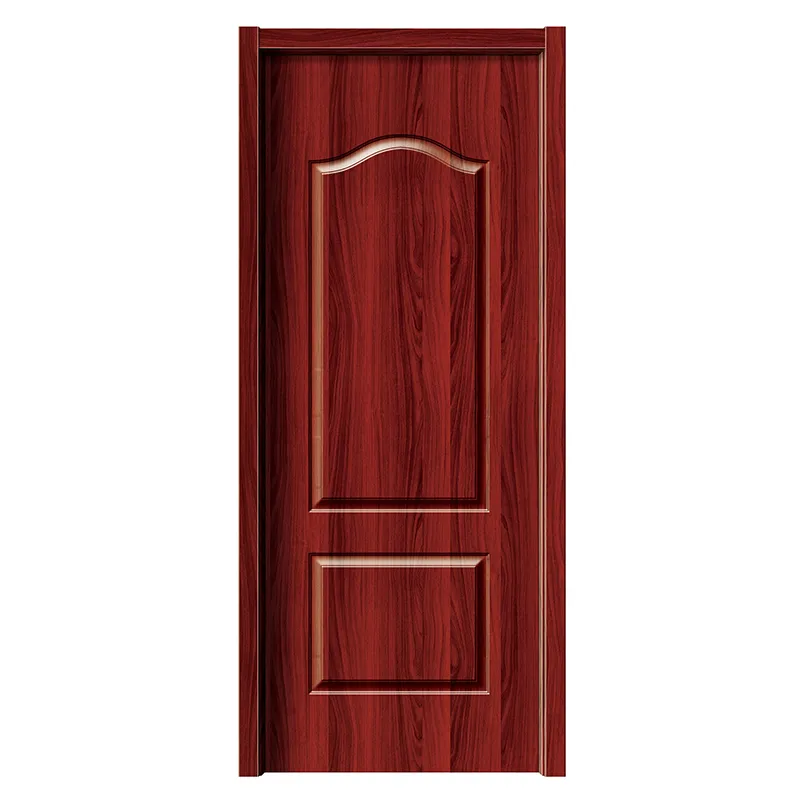 YST-207 Door Red team
 -
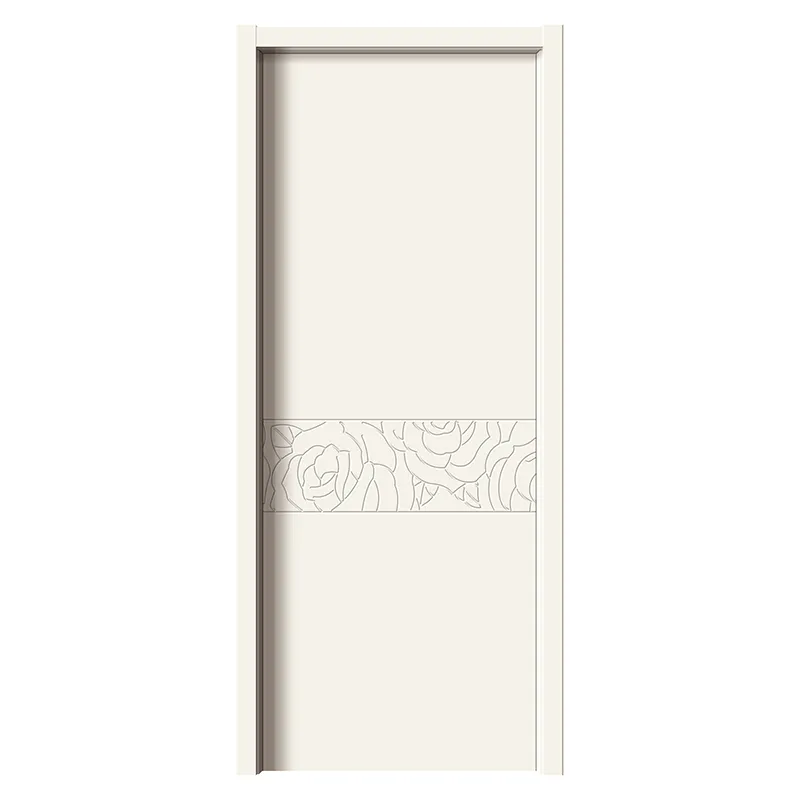 YST-238 Door White ivory
 -
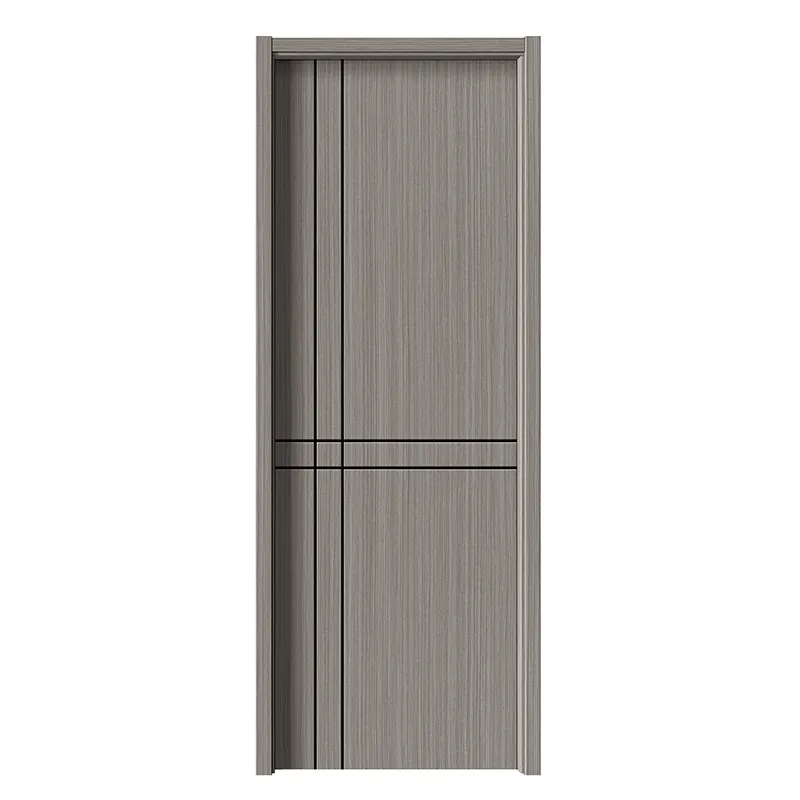 YST-1004 Door Technotree 2