




Plastic door assembly
When you hear “assembled plastic door?”, many people immediately imagine just a ready-made block of profile and double-glazed glass that just needs to be inserted into the opening. But this is where the first catch lies. In practice, especially when working with imported supplies or specific objects, this “assembly” may mean completely different levels of readiness and equipment. Often customers, especially those who are encountering this for the first time, think that they will receive a product completely ready for installation, including all extensions, thresholds and fittings in a pre-installed state. But in fact, a box with the main elements arrives, and the fun begins.
Analysis of the concept “assembled”: from label to reality
So what is usually meant by this? Ideally, this is a door frame, a leaf with already embedded hinges, possibly pre-installed basic fittings and a bead for a double-glazed window or sandwich panel. But is it possible? is the key word. I have encountered situations where a design came from a well-known manufacturer where the hinge group was simply attached in the box, and not installed. For the installer this is an extra hour of work, and for the customer it is an unexpected additional expense. Therefore, now I always clarify: “assembled?” according to your specification or after the fact? This is critical for calculating estimates and deadlines.
Another nuance is geometry. A plastic door assembled at the factory is a calibrated system. But during transportation, especially over long distances, no matter how well packed, there is always a risk of “behavior?” profile. Once we were accepting a shipment for a facility in Sochi, and several boxes arrived with a slight diagonal shift. It’s not critical, but I had to adjust the heat gun, which, you see, should not be a standard procedure for an “assembled” product. This is about logistics and supplier selection.
And of course, double-glazed windows. It can be installed and foamed around the perimeter, or it can lie separately. The second option, by the way, is often safer from the point of view of integrity during transportation, but for the client it looks like a “flaw”. We have to explain that this is more reliable. Here is a professional judgmental moment for you: what is better - visible readiness or practical safety? I often choose the second option, especially for complex delivery routes.
Practical pitfalls in installation and adaptation
Let's say the product has arrived. Installation begins. And here details come out that are rarely written about in catalogs. For example, preparing an opening. A standard plastic door assembly is designed for a relatively flat opening with a tolerance of a couple of centimeters. This does not happen in the old fund. You have to either order non-standard dimensions with a long waiting period, or resort to tricks with additional elements and polyurethane foam. The latter is a double-edged sword. If you over-foam, the box may move; if you under-foam, there will be cold bridges.
Fittings are a separate issue. Often the basic version comes with the simplest version of the lock and handles. For a balcony door in a private house, maybe it will do. And for a commercial facility with high traffic? You have to immediately plan an upgrade. And here it is important that the profile is designed for the installation of reinforced fittings. I remember a project where the customer saved on the equipment, and then demanded that a multi-locking anti-burglary system be installed. I had to mill the profile almost “in real life”, risking damaging it. Lesson: you need to discuss the purpose of the door at the stage of choosing the system itself, and not after.
And about the regulations. Many people think that plastic is set and forgotten. But any door, especially the entrance door or on a frequently used balcony, requires seasonal maintenance. Adjustment of sash pressure, lubrication of mechanisms. And if the door was initially assembled “at the joint”, without technological gaps for adjustment, then after a couple of seasons it will simply stop closing. I always look for the possibility of vertical and horizontal adjustment in an already assembled box. If it is not there, this is a bad sign.
Comparative view: plastic versus wood
When working with different materials, you involuntarily make comparisons. For example, a companyAnhui Wantai Woodworking Co.,Ltd(websiteanhuiwantai.ru), which supplies wooden doors to the international market, focuses on aesthetics and practicality. With plastic the story is different. Its main trump card is stability in conditions of changes in humidity and temperature, which is critical for many regions of Russia. Wood, even the highest quality, like that of Wantai, where standards are strictly observed from the selection of raw materials to production, may require more careful care.
But where an assembled plastic door often loses to a wooden one is the possibility of deep customization. It is easier to mill a wooden structure on site for non-standard fittings and change the geometry of the accessories. Plastic is, in fact, a ready-made system. If you want to change something, you need a factory approach. This imposes restrictions on architectural solutions, especially in restoration or design projects.
However, for mass construction, standard openings, where speed of installation and predictability of the result are important, the plastic door assembly is the undisputed leader. Especially when it comes to balcony blocks. Not only the door is important here, but also the connection with the window element. And if the entire unit is supplied assembled in a coordinated manner, this minimizes the risk of installation errors. Wood may have difficulties here due to the natural properties of the material.
Case study: when is it ready? doesn't mean ?ready?
I would like to give one example that well illustrates all the pitfalls. We had an object - a chain of pharmacies. The order is standard: entrance groups are made of plastic with a dark wood profile to look solid. We chose a seemingly reliable German supplier; the doors came “assembled”. According to the documents, everything is perfect: the reinforced profile, Roto fittings, and energy-saving double-glazed windows.
The first batch arrives. We unpack - the hinges are in place, the lock is embedded. Great. We begin to try on the openings, and as it turned out, on site they have a height difference of 3 cm between the extreme points. The passport for the door indicates a maximum adjustment tolerance of 1.5 cm. That is, factory “assembly”? turned out to be too tough. We had to urgently remove the sashes, disassemble the boxes and, in fact, reassemble them, this time for a specific opening, losing all the advantages of pre-factory assembly. Time and money.
The takeaway from this story? The term “plastic door assembly” must always be tied to the technical specifications. It is necessary in advance, before ordering, to know the exact parameters of the openings and the required functionality. And the main thing is to have a clear idea of what exactly this “assembly” includes. from a specific manufacturer. Now we always request not only certificates, but also detailed wiring diagrams indicating all adjustment ranges and intervention points.
Final Thoughts: How to Choose the Right One
So, to summarize the accumulated, sometimes bitter, experience. First, don’t trust just the name in the catalog. Ask questions: what is included in the kit, are the fittings installed, what are the adjustment tolerances, how is the product packaged for transportation. Second, always match the product to its operating conditions. For a warm vestibule and a cold entrance, the requirements for assembly and configuration will be different.
And third, consider alternatives. Sometimes, especially for non-standard solutions or projects where individuality is important, it is worth looking towards other materials. For example, for company productsAnhui Wantai Woodworking Co.,Ltd. As stated on their websiteanhuiwantai.ru, they combine aesthetic design with practical performance, with a state-of-the-art manufacturing facility. Perhaps their approach to quality control from raw material to process will produce a more predictable result for your specific application than a standard plastic block.
Ultimately, the "plastic door assembly" - This is a convenient and often optimal option. But its convenience is revealed only when you fully understand what is hidden behind this term, and you can apply this knowledge to the real conditions of the object. Without this understanding, even the best quality build can turn into a headache. Work with those who are willing to explain in detail, and not just sell fancy terms.
Correspondingproducts
Related Products

Best Sellingproducts
Best Selling Products-
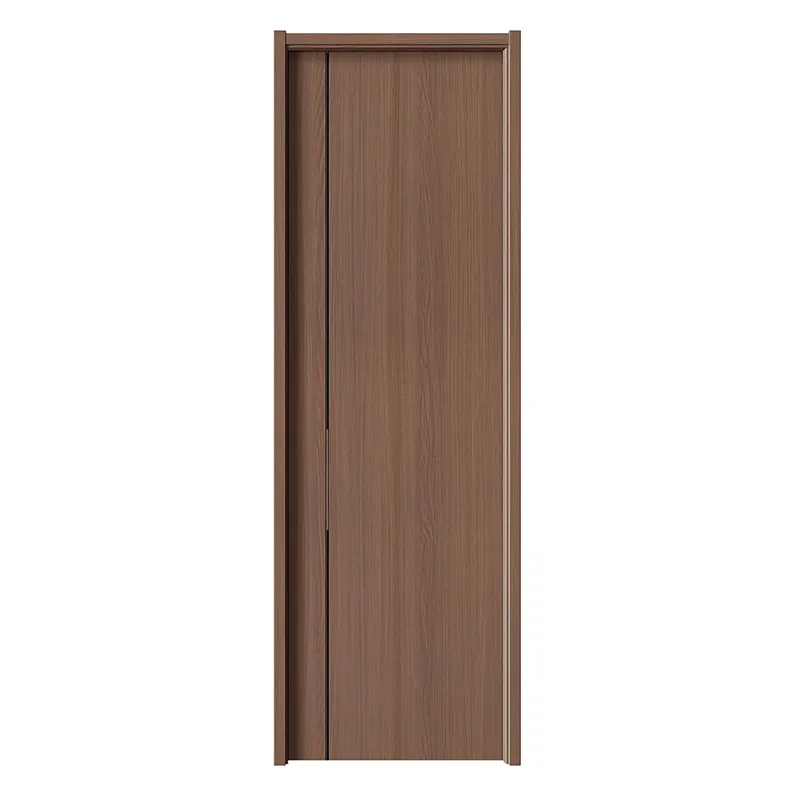 YST-1043 Door Techno-walnut 3
 -
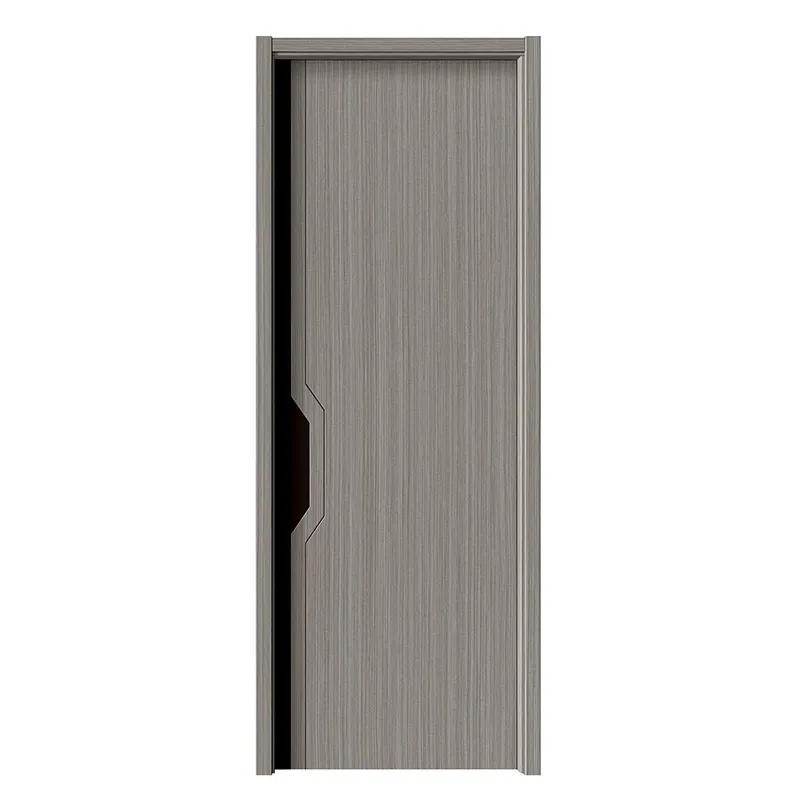 YST-1007 Technotree Door 2
 -
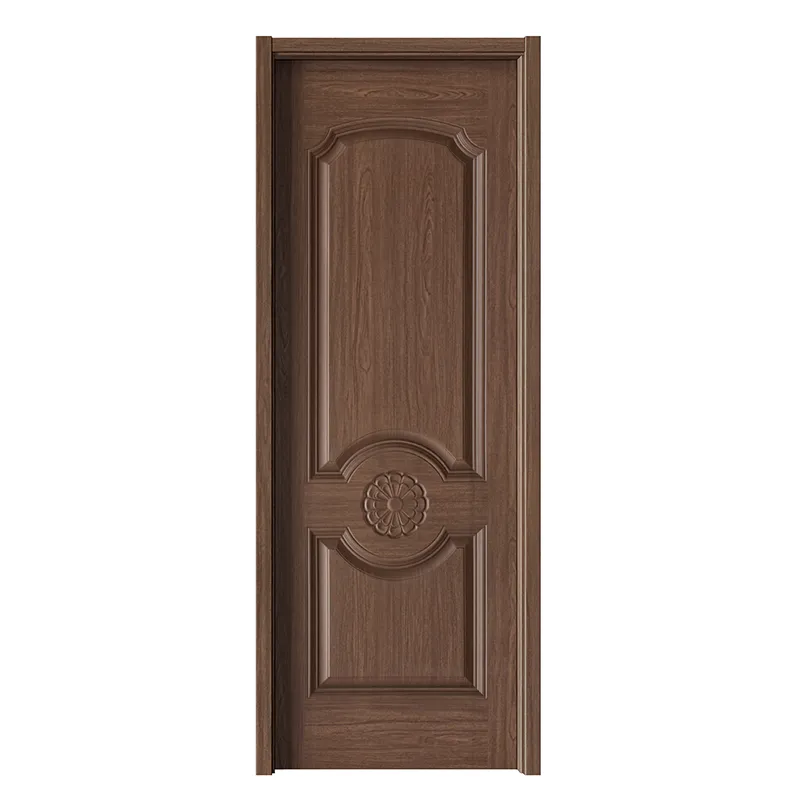 YST-212 Door North American Oak 2
 -
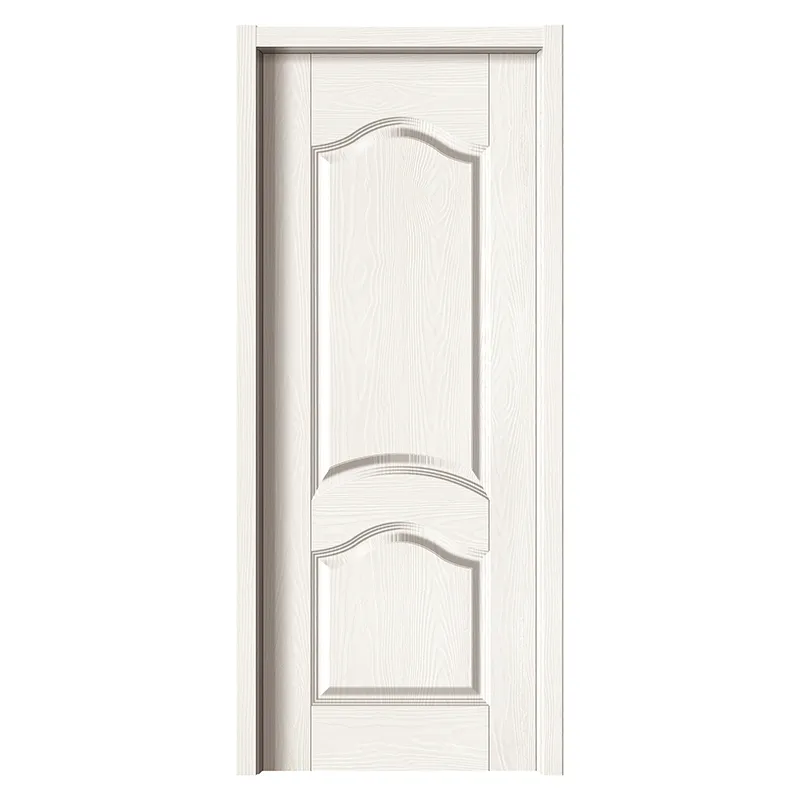 YST-224 Door Warm white with relief
 -
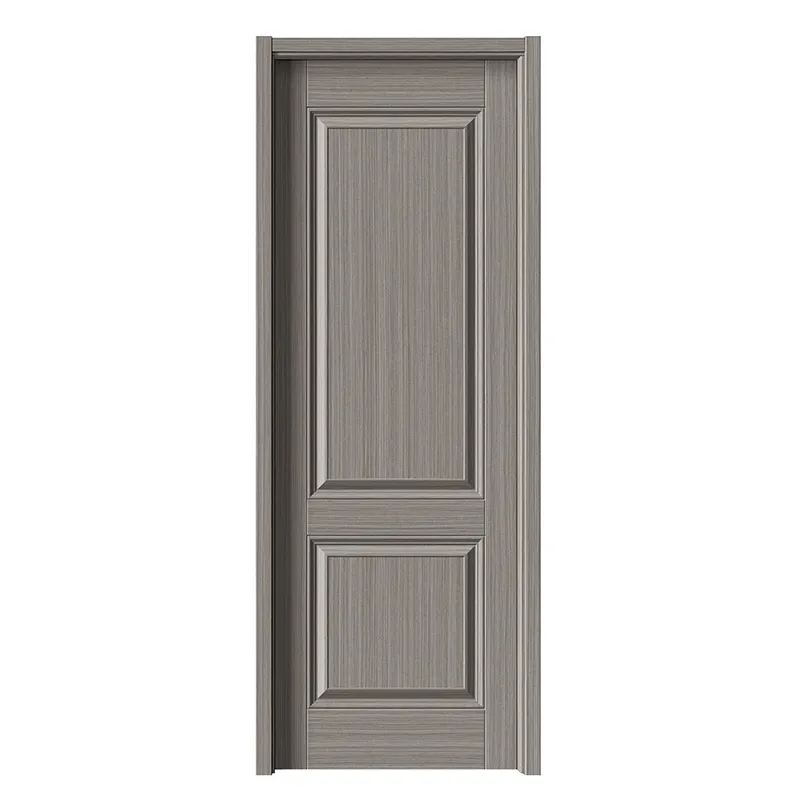 YST-214 Door Technowood 2
 -
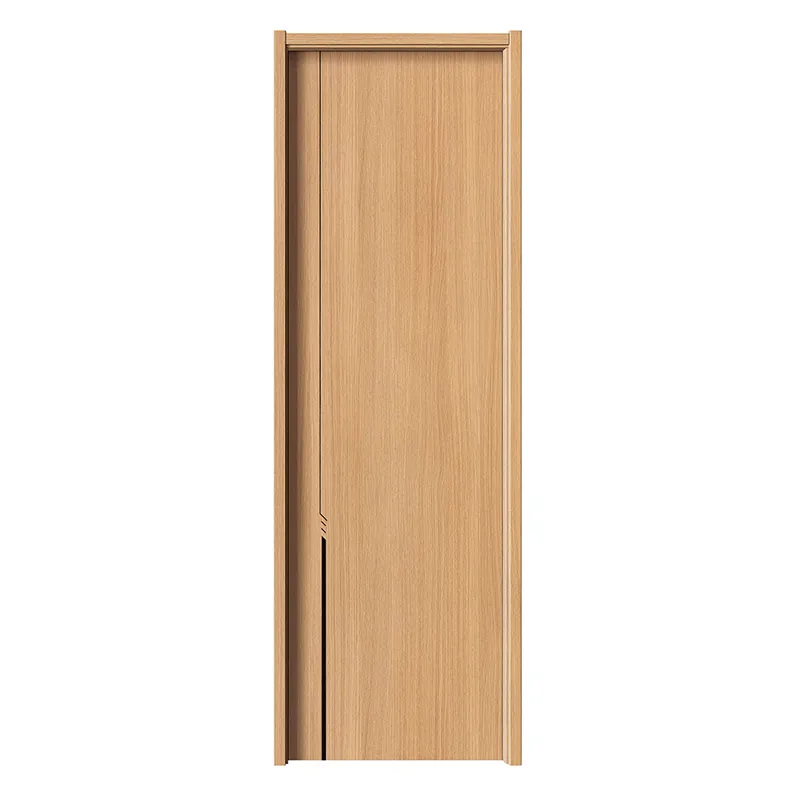 YST-1041 Door Oak Shutter
 -
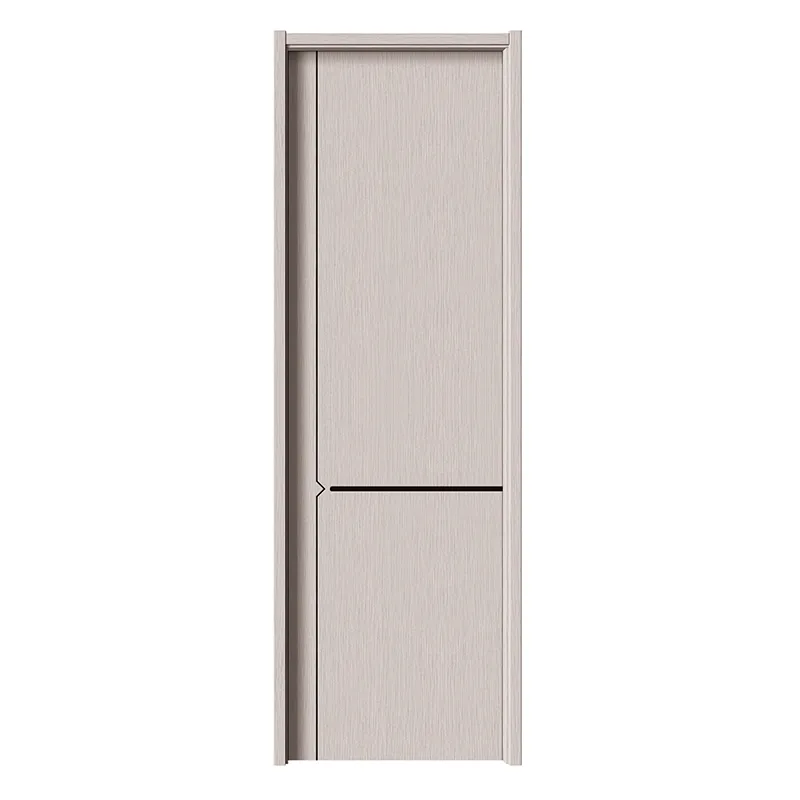 YST-1024 Door Chiaroscuro wood 1
 -
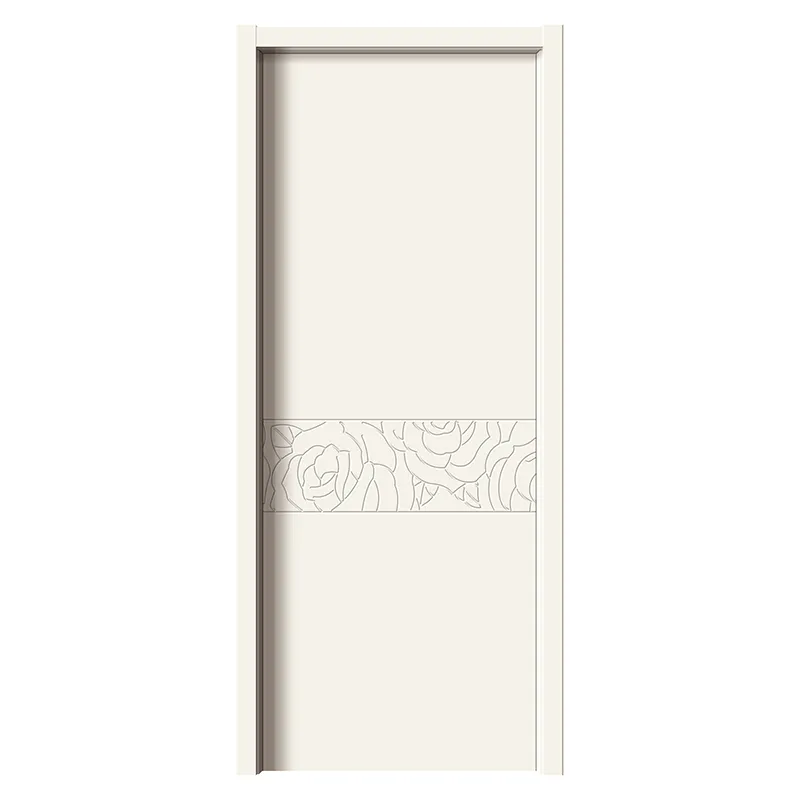 YST-238 Door White ivory
 -
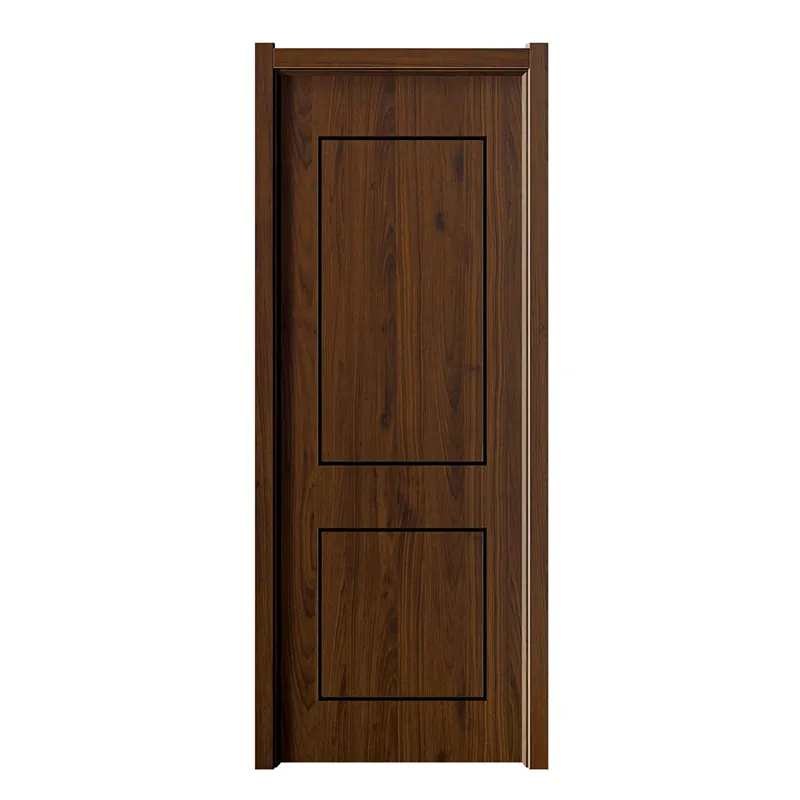 YST-WPC2 Door
 -
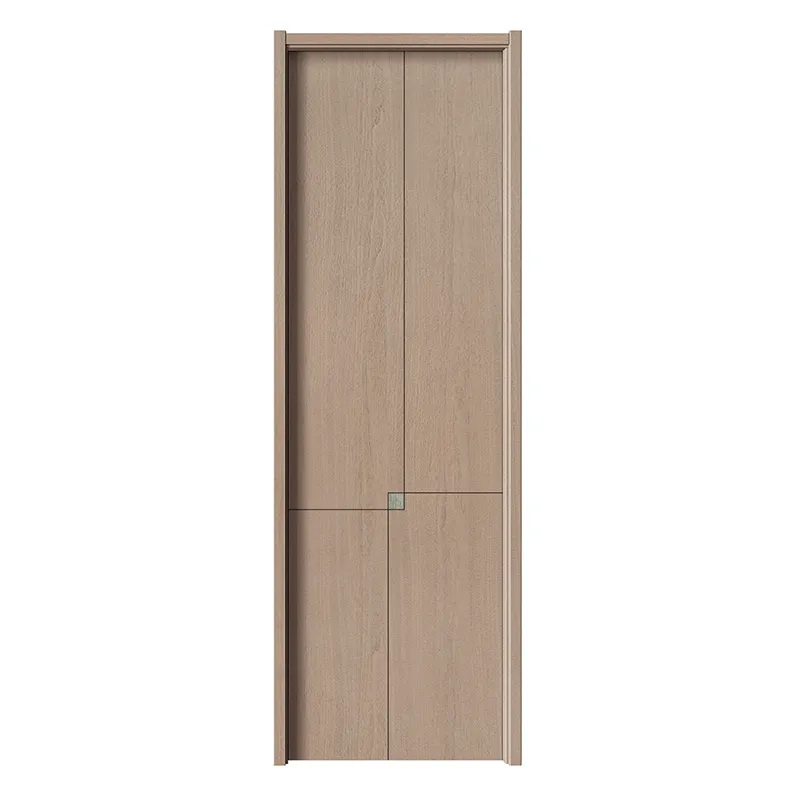 YST-1008 Door Natural walnut 2
 -
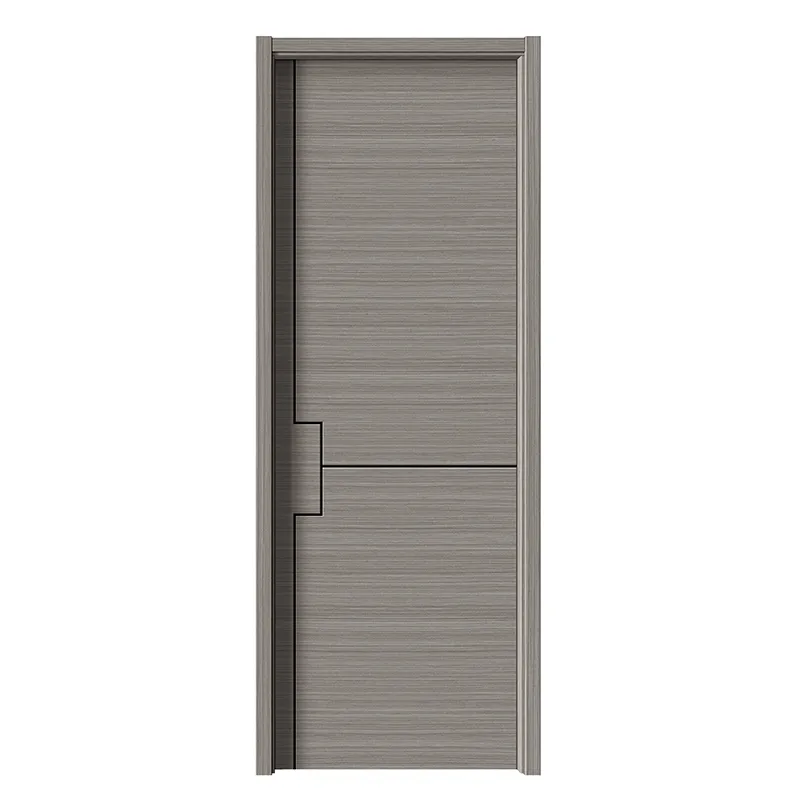 YST-1005 Technotree Door 2
 -
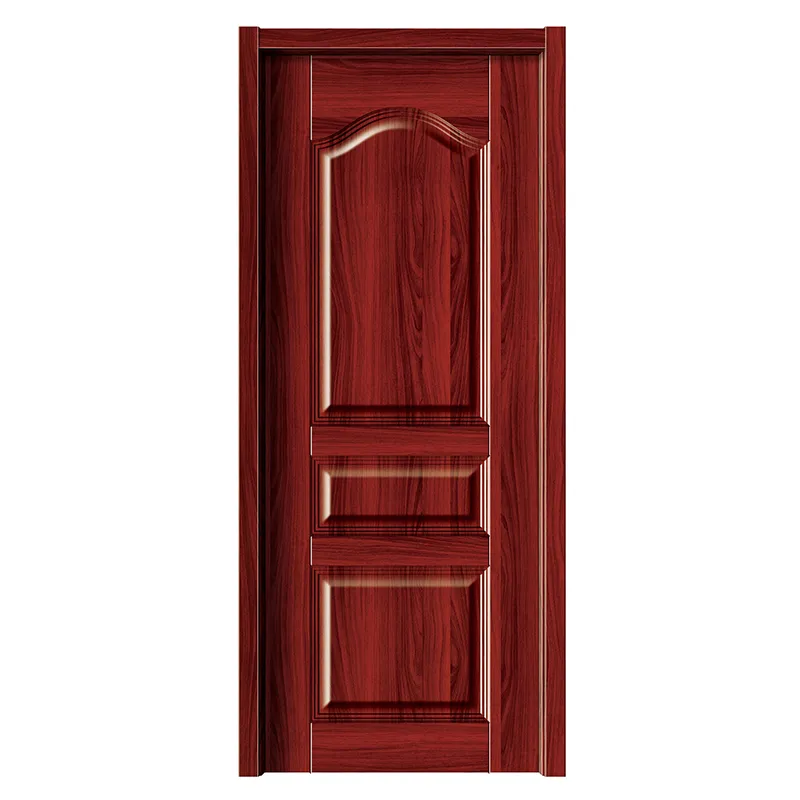 YST-203 Door Red team