




Composite doors GOST
When you hear “GOST composite doors,” the first thing that comes to mind is some kind of mandatory, reinforced concrete norm, a panacea for all ills. In reality, everything is more complicated. GOST, especially the old one, often lags behind modern materials science solutions. Many customers require strict compliance with, say, GOST 6629-88 for internal wooden doors, even when it comes to composite. But in a composite structure there may not be any wood as such - there is an aluminum profile, a honeycomb core, and cladding made of MDF or HPL. So begins the adjustment to the standard, which was written for completely different technologies. Personally, I have long believed that the main thing is the formal presence of a certificate. Until I encountered a situation where a door, which had perfectly passed all laboratory tests according to GOST for sound insulation and strength, began to “play” in a real apartment with an uneven floor. and vent. It turned out that the standard does not prescribe exactly how the box should behave under conditions of installation error. This was an important lesson.
What is hidden behind the term “composite”?
Marketing aside, thencomposite doors- this is, in fact, a prefabricated structure, where each layer performs its own function. The frame is usually made of laminated veneer lumber or aluminum profile for geometry stability. Inside there is filler. Here the spectrum is huge: from pressed cardboard (honeycomb core) to mineral wool or polyurethane foam to improve heat and sound insulation. And then - the cladding. There are veneers, eco-veneers, MDF panels for painting, and HPL plastic, which we often call “laminatin,” although this is not entirely true.
And here the question of GOST arises. Standards for wooden doors often do not regulate the behavior of this particular “pie”. in the long term. For example, how will the adhesive connection between the aluminum profile and the MDF overlay behave during changes in humidity? GOST can give general parameters for the strength of an adhesive joint, but does not simulate real operating conditions in a bathroom or on an unheated vestibule. Therefore, blindly following only one standard is a road to nowhere. A complex is needed: both the basic GOST for safety (fire safety, for example), and the manufacturer’s technical specifications (TU), which must be developed taking into account the specifics of composite materials.
In this regard, the approach of some manufacturers who rely on adapting standards to modern materials is interesting. I have seen the company's productsAnhui Wantai Woodworking Co.,Ltd(their website ishttps://www.anhuiwantai.ru). They position themselves as a supplier of wooden doors to the international market, but judging by the description of the technologies, their product range clearly includes composite solutions. Their principle is “to build a business on precision, to win with quality?” and strict control of the stages is exactly what is critical for the composite. Because here the slightest deviation in the proportions of the glue composition or pressing time can lead to delamination after six months. What is important is not so much the fact of the existence of GOST, but rather the production culture, which not only complies with this standard, but understands its limitations and complements it with its own strict regulations.
GOST as a tool, not a fetish
In practice, working withGOSTStandards for composite doors often come down to random checking of key parameters. For example, we always focus on: 1) the strength of the corner connections of the box and the canvas (here, reinforced steel spikes or at least 2-3 dowels per corner are often used, which exceeds the requirements of the old GOST), 2) moisture resistance of the cladding and the entire canvas (tests for cyclic changes in humidity), 3) resistance to deformation. The last point is the trickiest.
I had an order for doors for an office in a new building with active shrinkage. They installed seemingly excellent composite doors with a certificate. And after three months, several paintings failed. — a gap appeared in the vestibule above. We figured it out. It turned out that the manufacturer, in an effort to lighten the structure, used too light a honeycomb core and a thin outer layer of MDF. According to separate laboratory tests for static load, the door passed, but the constant stress from the skewing of the frame due to the shrinkage of the building led to deformation. The GOST they referred to did not provide for such a long cyclic stress. We had to change to doors with a more rigid aluminum frame inside and dense filler, although formally the first doors were “according to GOST”.
Hence the conclusion: a certificate is good, but you need to look at exactly what tests the product has passed. A good supplier is always ready to provide not just a piece of paper, but a detailed test report. As it notes on its websiteAnhui Wantai Woodworking Co.,Ltd, they comply with international standards at all stages - from raw materials to process control. This is a necessity for the global market. Their experience in meeting the diverse needs of residential and commercial spaces suggests that they have probably faced the problem of adapting products to different climatic and operating conditions, which is much more important than formal compliance with one domestic standard.
Pitfalls of installing composite doors
The most perfect door, made to all standards, can be hopelessly damaged during installation. CcompositeThis is especially true with doors. Their box is often lightweight, and the classic “wet” one. installation on foam and subsequent foaming of the gap can lead to its deformation if the foam expands too much. You need to use wedges and spacers, let the foam completely polymerize, and only then hang the canvas. This seems obvious, but how many times have I seen installers save time and ignore these steps!
Another nuance is preparing the opening. For heavy wooden doors, a distortion of a couple of centimeters can still be pulled out with anchors. For a lightweight composite box this is critical. An unaligned opening will create constant tension in the structure, and over time either the hinges will become loose or the canvas will “sag”. Therefore, our standard protocol now includes mandatory checking of the opening geometry with a laser level prior to installation. If the deviations are more than 5 mm diagonally, we require the builders to level them. Expensive? Yes. But it’s cheaper than reinstalling the doors after a year under warranty.
And here again we remember the principle of accuracy that the company declaresAnhui Wantai Woodworking Co.,Ltd. Their modern manufacturing facility and development team are likely to take this aspect into account as well. A good manufacturer doesn’t just make a door, he thinks about how it will be installed. Sometimes the kit comes with special adjustment plates or anchor plates of a special design that compensate for small unevenness in the wall. This is the very transition from simple compliance with the standard to a comprehensive engineering solution.
Choice in real conditions: what to look at besides GOST
So you choosecomposite doors. Here are samples and certificates. What to do? First, don’t be shy to ask uncomfortable questions. ?Which filler exactly? What is its density? What glue is used to join the layers? What is the water absorption coefficient of the outer panel??. A manufacturer who really understands his product will answer these questions without pause or reference to trade secrets.
Second, look at the ends and inner edges. This is where the build quality can be seen. Are there any gaps between the layers? Is the edge glued straight? Is the end of the blade cleanly processed? If everything is perfect in visible places, but there are glue sagging and chips at the ends, this indicates problems with quality control at the final stages.
Third, ask for a sample for testing. Not just a color card, but a real piece of the ?pie? in the section. You can carry out a simple test yourself: drop water on the end and on the front panel, see how quickly it is absorbed. Scratch the surface in an inconspicuous place with a key (with the manager’s permission!). Evaluate the weight of the canvas - too light may indicate savings on filler, too heavy - an unjustified use of materials, which is also bad for hinges. All this is the same “on-site examination” that provides more information than any, even the most correct, certificateGOST.
Instead of a conclusion: thinking out loud
Therefore, returning to the original request “GOST composite doors?”. Yes, the standard is important as a baseline of safety and a proven test procedure. But he is just a starting point. The essence of a high-quality composite door is a deep understanding by process engineers of the behavior of dissimilar materials in one bond, a production culture where there are no trifles, and a willingness to solve non-standard problems that are not specified in the standards. It is manufacturers such asAnhui Wantai Woodworking Co.,Ltd, with their focus on the international market and their emphasis on precision and quality, set the bar today. They are forced to take into account not just GOST, but a whole range of requirements from different countries, which ultimately gives rise to a more universal and thoughtful product. Ultimately, a good door can be felt not by the document, but by how it works in real life for years - without creaks, cracks or surprises. And, alas, no GOST can force you to do this; this is a matter of responsibility and competence of a particular plant.
Correspondingproducts
Related Products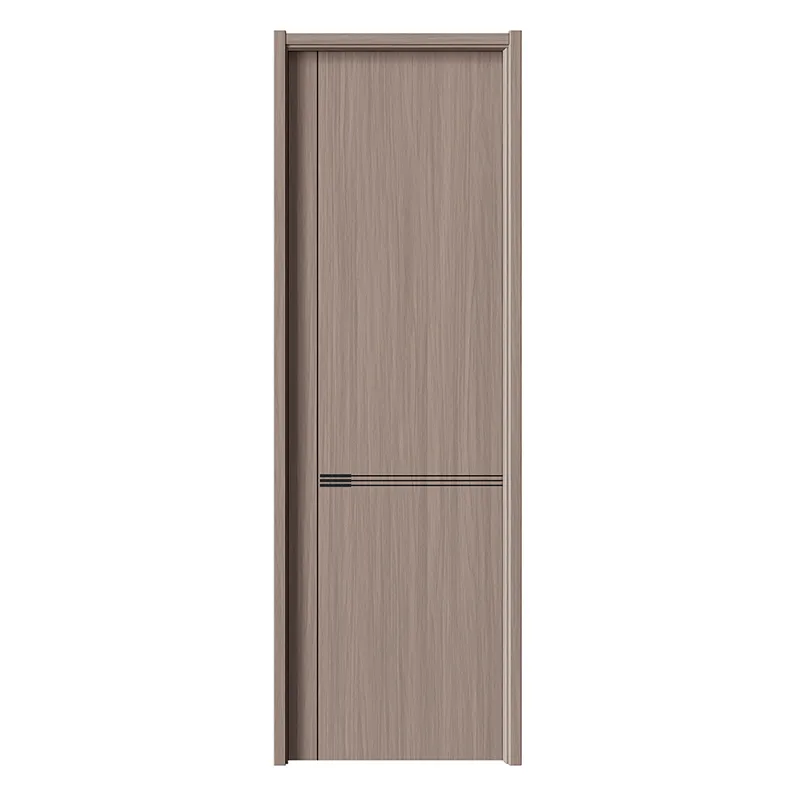
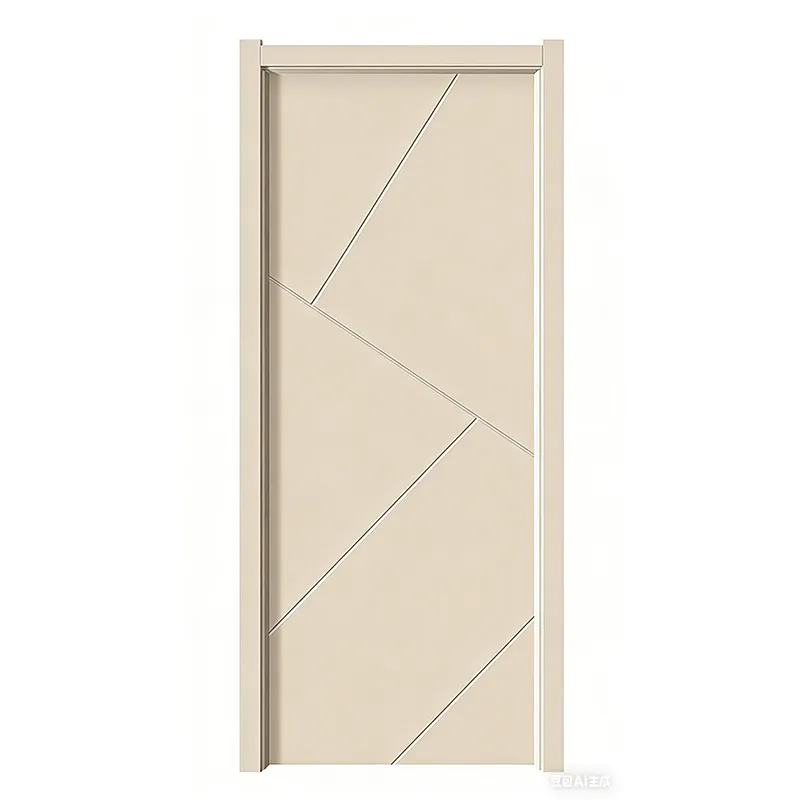
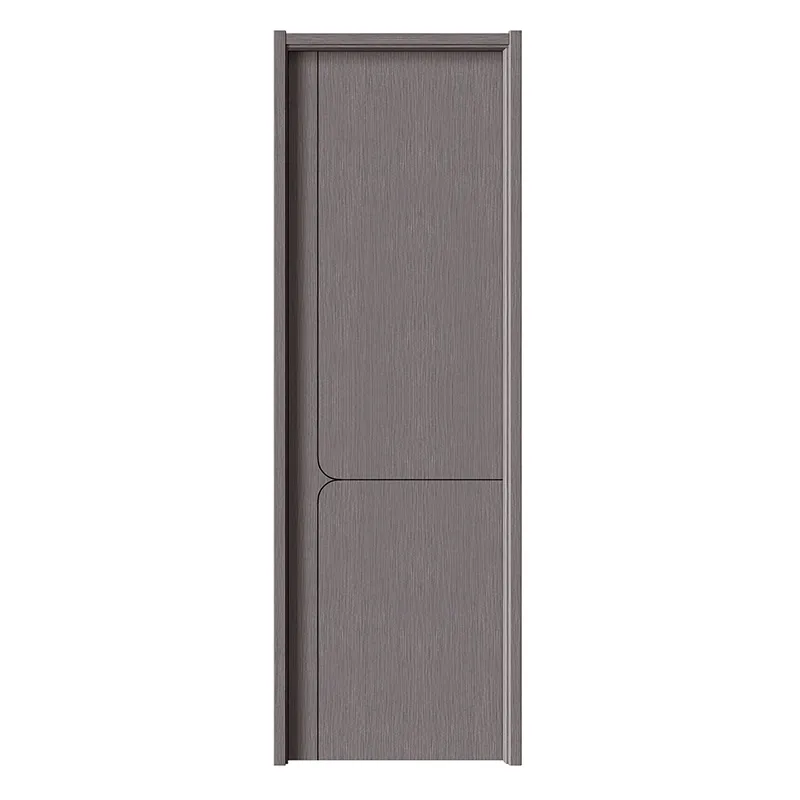
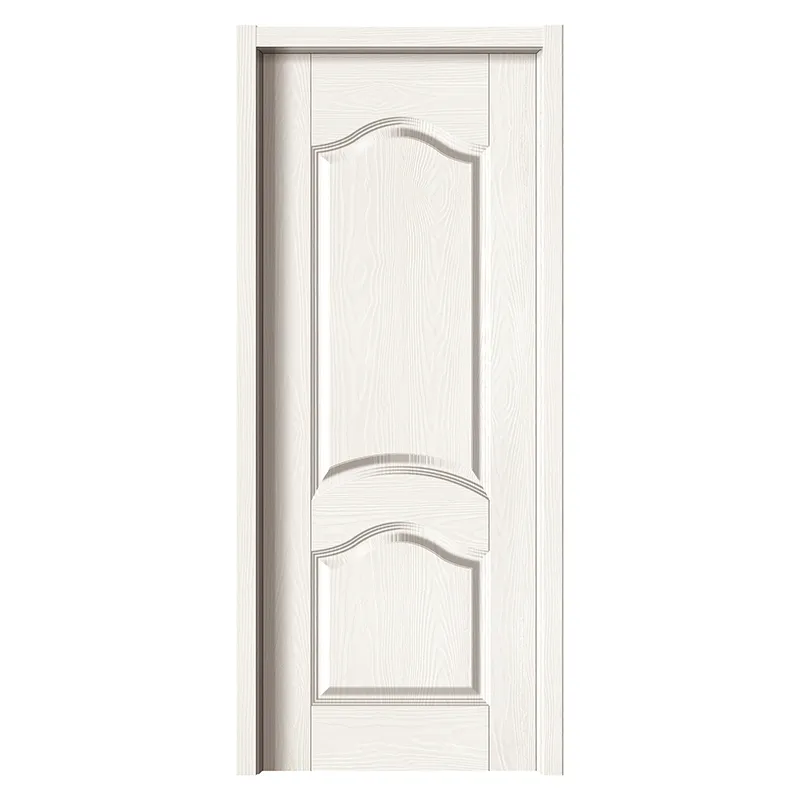
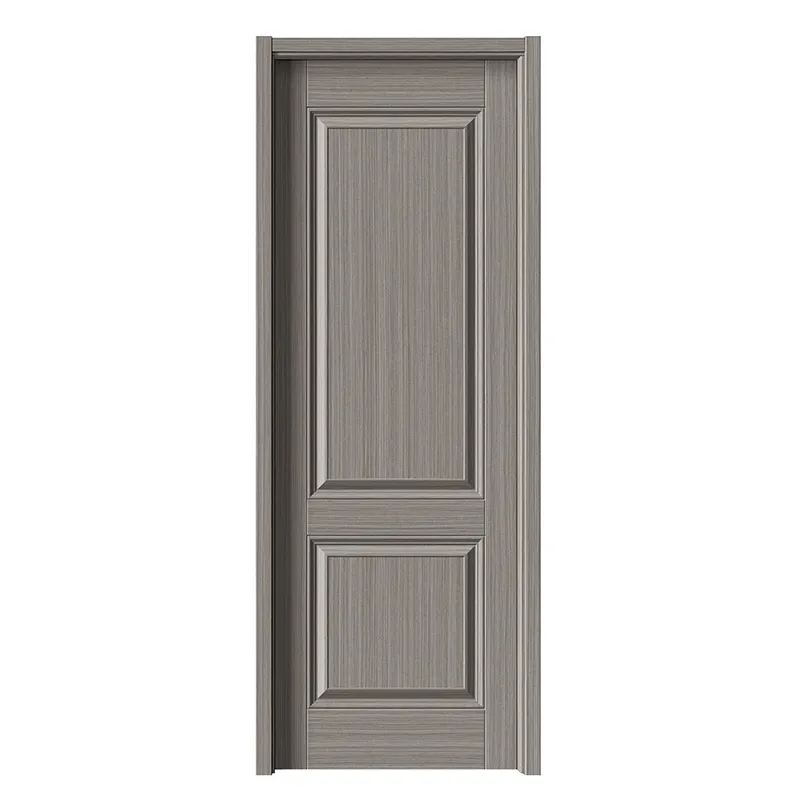

Best Sellingproducts
Best Selling Products-
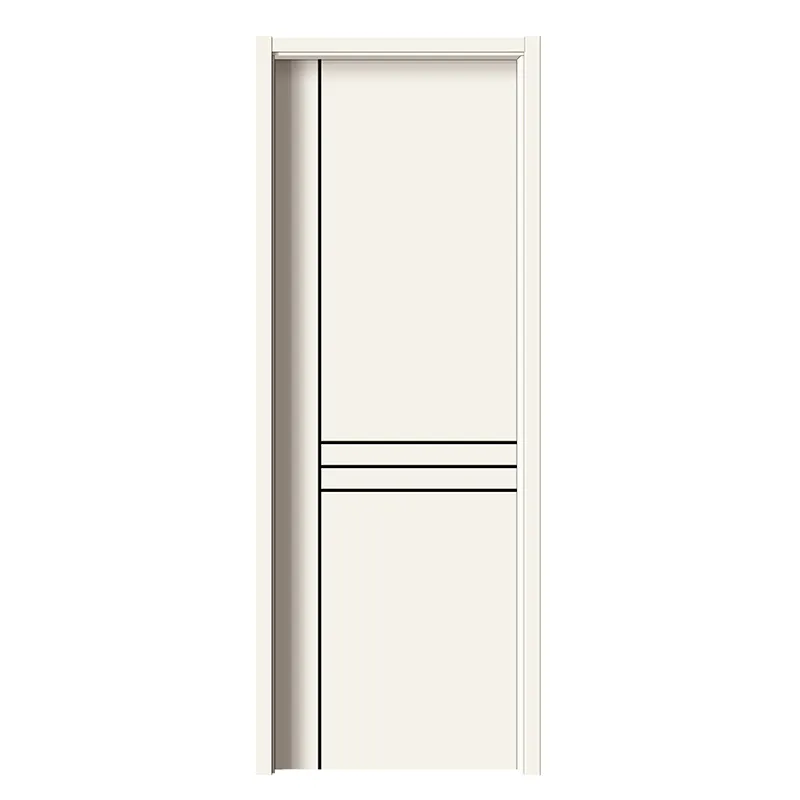 YST-220 Door Warm white
 -
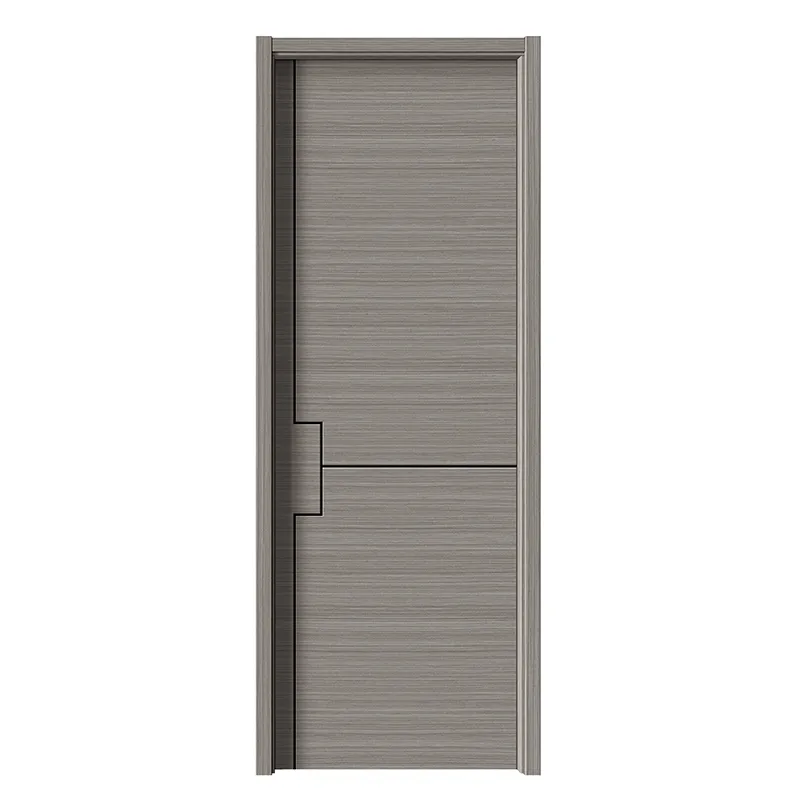 YST-1005 Technotree Door 2
 -
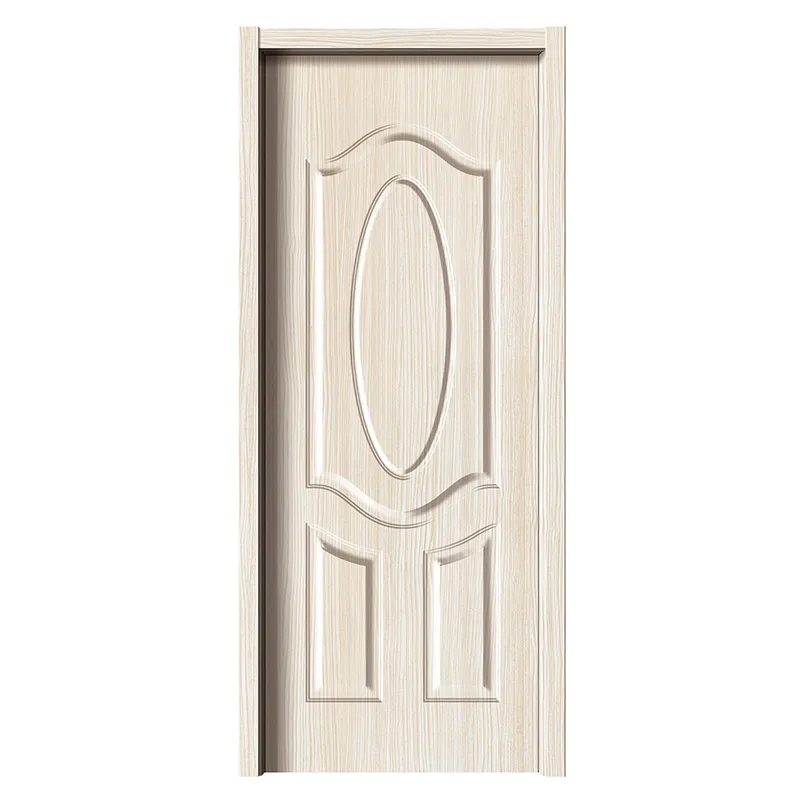 YST-216 Door White Maple
 -
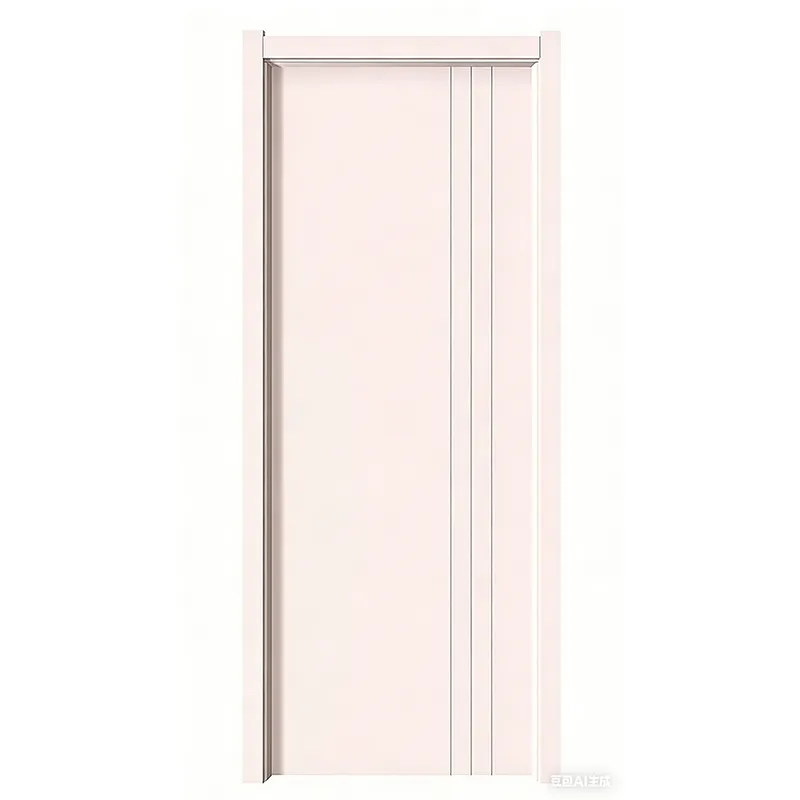 YST-WPC4 Door
 -
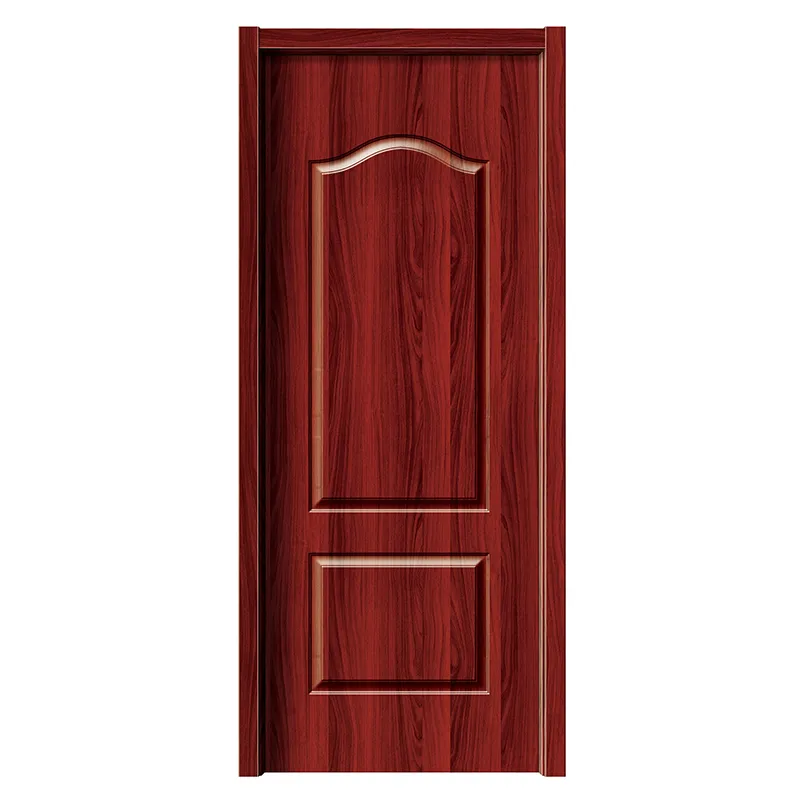 YST-207 Door Red team
 -
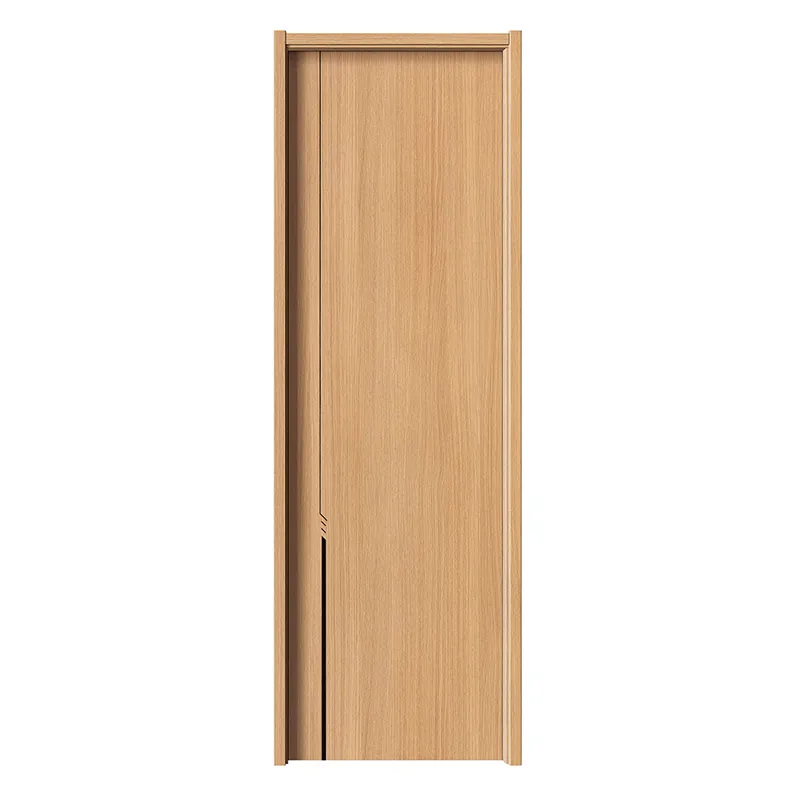 YST-1041 Door Oak Shutter
 -
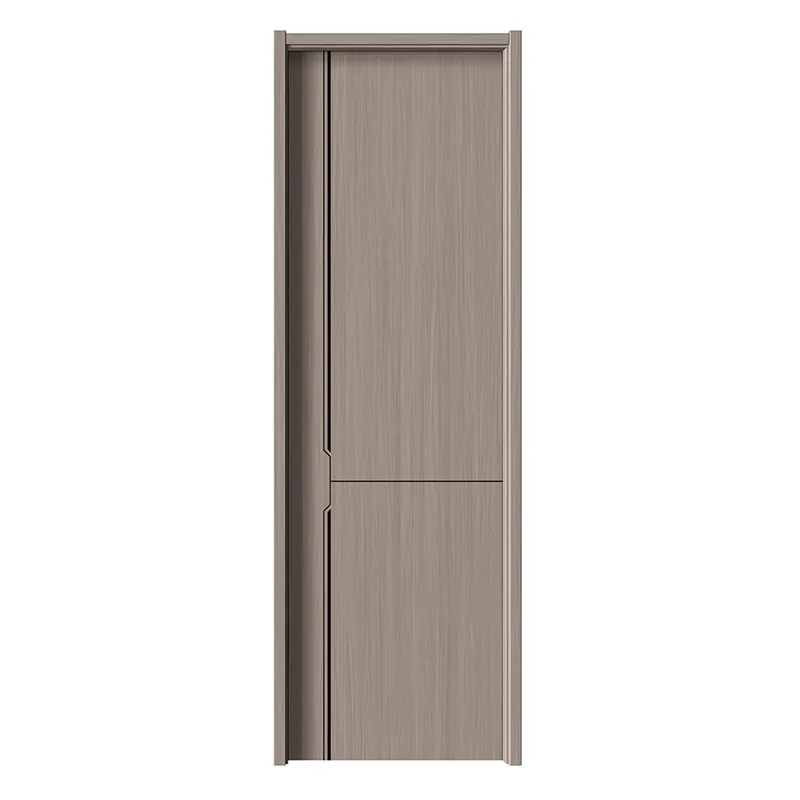 YST-1011 Door Translucent light shadow 3
 -
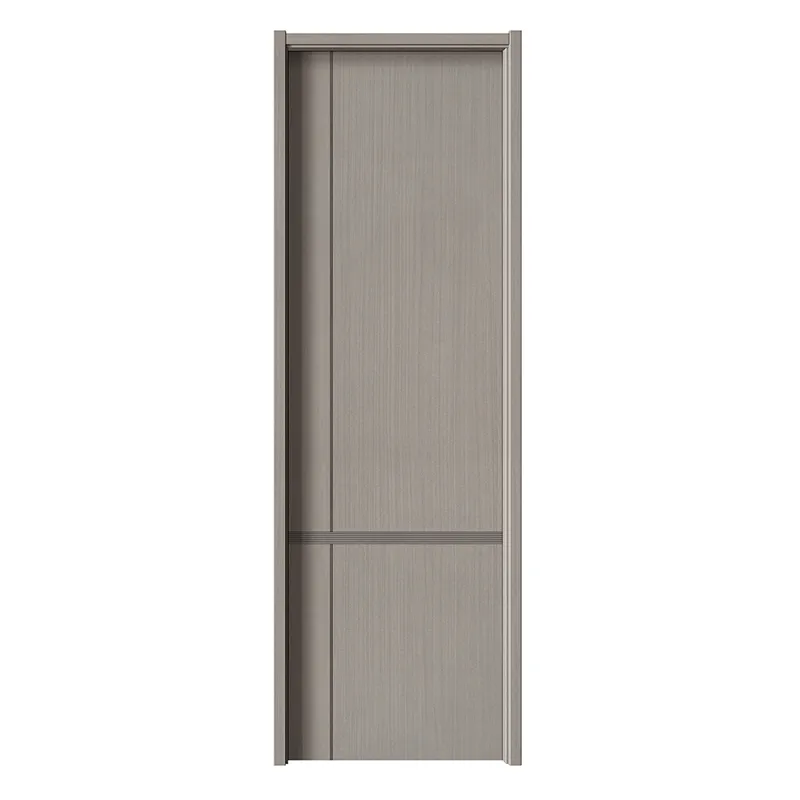 YST-1013 Door Cloud Walnut 1
 -
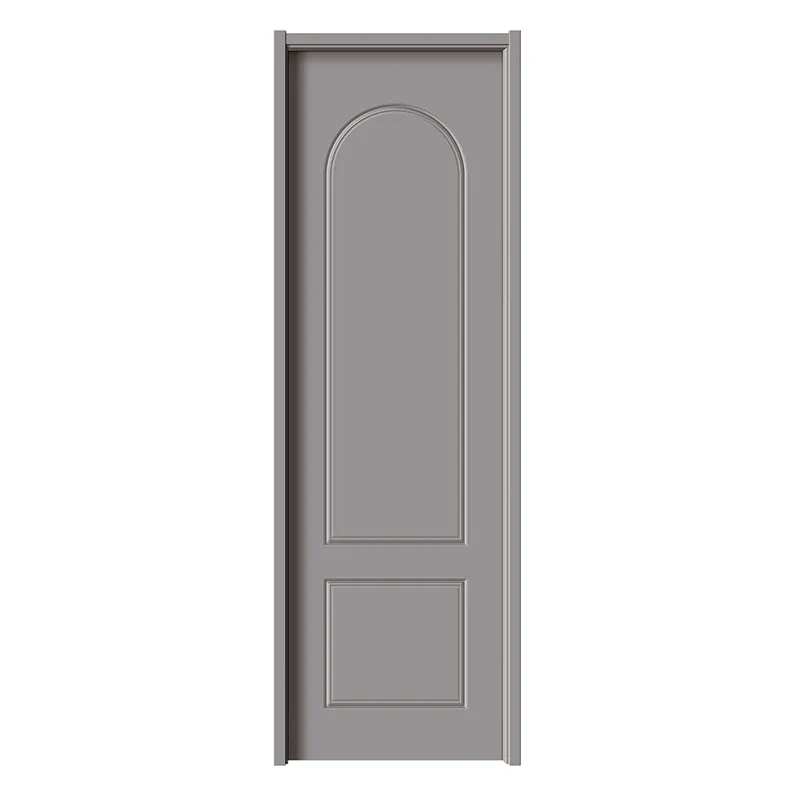 YST-241 French Door 1 soft stone gray
 -
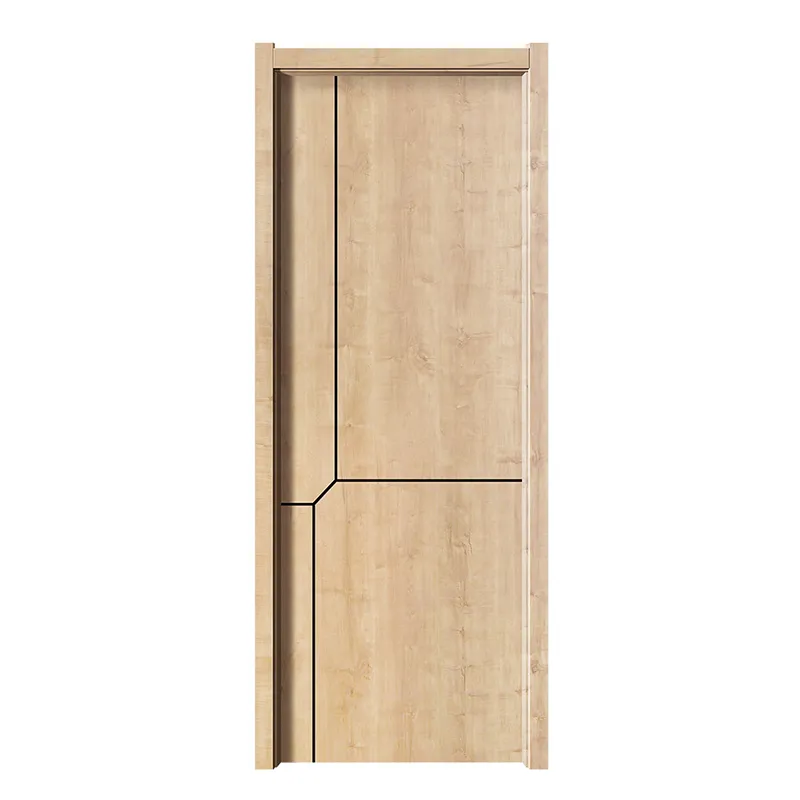 YST-WPC1 Door
 -
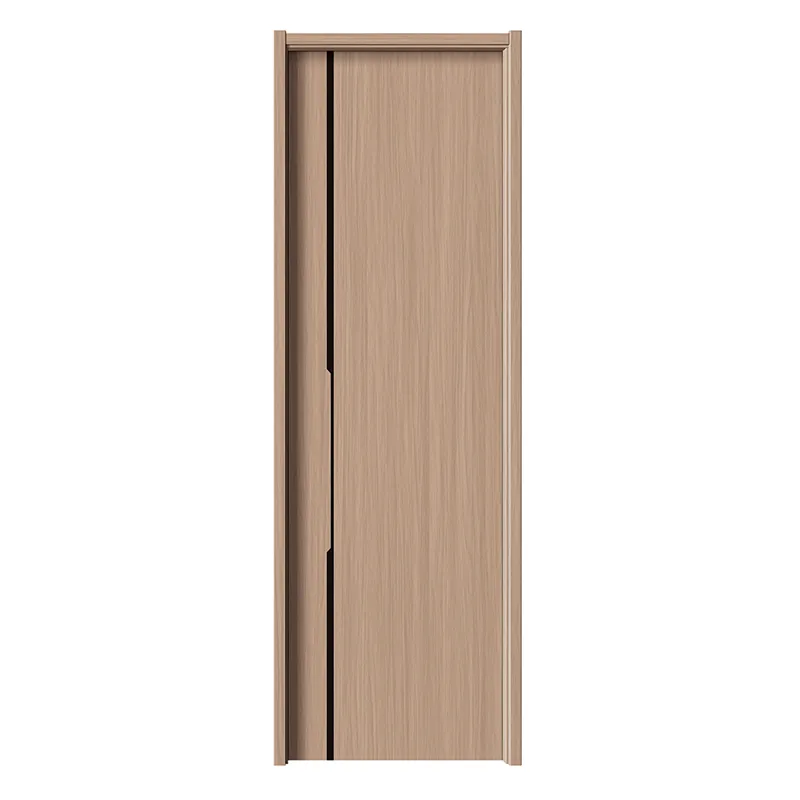 YST-1029 Door Translucent light shade 1
 -
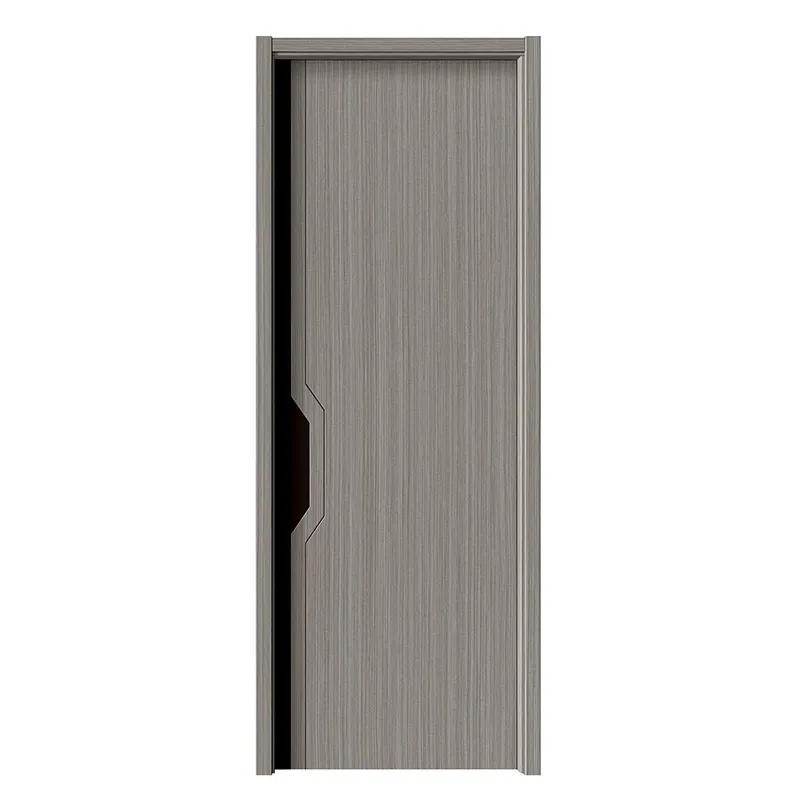 YST-1007 Technotree Door 2