




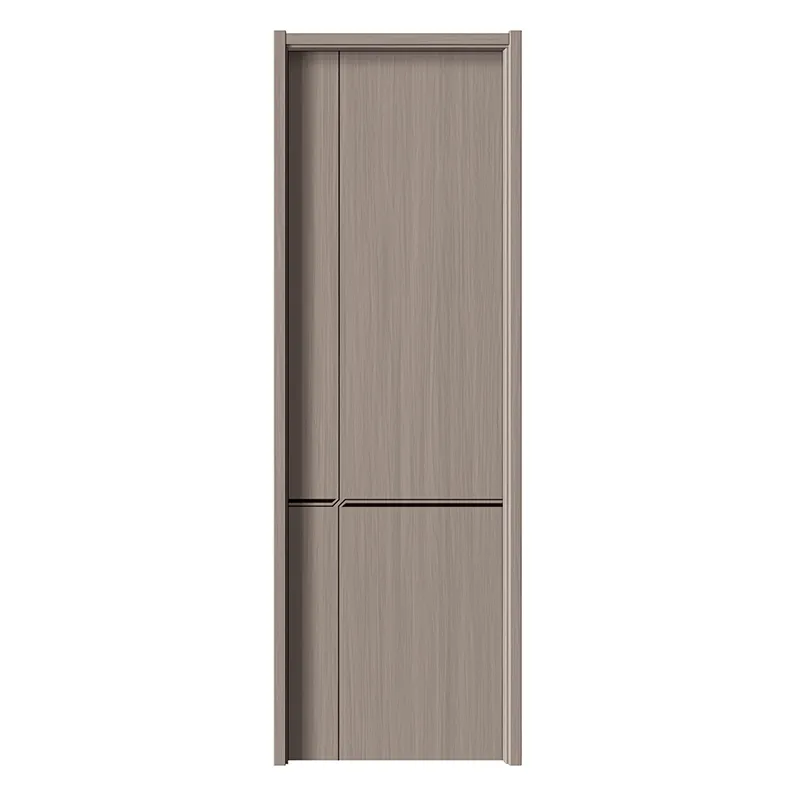
Wooden doors without windows
This is what is often overlooked when talking aboutwooden doors without windows- many people think that it’s just a blank panel, simpler and cheaper. In fact, this is a separate, very demanding category. The entire burden on aesthetics and perception falls solely on the wood texture, build quality and finishing. The slightest flaw in drying the wood or in painting on such a door is clearly visible. This is where the artisanal approach and the professional approach separate.
Raw materials and their vagaries: why array is not a panacea
Working, among other things, with products fromAnhui Wantai Woodworking Co.,Ltd, you see the difference in approach. The company claims strict selection of raw materials, and in the case of blind doors this is not marketing. Without a window opening, the door leaf is a large, solid area. If you use an array without proper aging and chamber drying, it will definitely fail. I have seen cases where a beautiful oak door, after six months in a city apartment with changes in humidity, received a gap of several millimeters at the bottom end. The client was naturally furious.
Therefore, now they often take the path of combined designs. Frame made of dried timber, jointed lengthwise for stability, and paneled inserts made from solid wood. This gives both stability of geometry and that very living texture. On their websiteanhuiwantai.ruthe emphasis on process control is just about this. It is important not just to buy dry wood, but to maintain climate control in the workshop at all stages.
And one more thing about breeds. Forwooden doors without windowsBright textures are often chosen: oak, ash, walnut. But there is a pitfall here. A large pattern on a large plane may be too active, “pressing?” in the interior. Sometimes it makes more sense to take a quieter, fine-pored wood like beech or even high-quality veneer, and play with the color and finish. This is already a matter of design decision, but the master should warn about this.
Construction: what's hidden inside
A blind door appears monolithic, but its weight is a critical parameter. Continuous filling with an array is very difficult, the load on the hinges and the box is colossal. Modern technologies offer cardboard honeycomb cores or engineered wood internal stiffeners. This is not a reduction in cost, but an engineering necessity to preserve the geometry and lighten the structure. Companies like Wantai, which have a modern production base, use such solutions, but carefully calculate them.
A mistake that some workshops make is saving on crossbars inside the canvas. It seems that since there is no glass, there is nothing to strengthen. But it is the large blank canvas without an internal strength frame that sags over time and begins to cling to the threshold. You need at least a Z-beam or two-beam frame.
And of course, the joining of elements. On doors without glazing, the eye immediately catches the lines connecting the panels to the frame or the places where the narthex is located. The gaps should be perfectly uniform around the entire perimeter. This can only be achieved using precision CNC equipment and using microtenon joints, and not just glue and screws. This is the same “precision” that is mentioned in the company’s concept.
Finishing: where all the craftsmanship (and all the mistakes) come into play
This is perhaps the most important stage for a solid wooden door. The coating should not just be beautiful, but durable and highlight the material. In my experience, water-based matte or semi-matte finishes work best for windowless interior doors. They do not create a glossy “film”, but allow the wood to “breathe”. and maintain tactility.
A common problem is trying to save money on primers. Wood is a hygroscopic material. Without a deep primer that seals pores, the finish may bubble or appear yellow over time, especially on lighter colors. I had to redo it. Now I’m looking at what primer and varnish systems the manufacturer uses. For serious players, as a rule, this is a multilayer system from one chemical brand.
Imitation of breeds is a separate issue. They often order a “blind oak door”. If it is high-quality veneer, then there are no problems. But if this is a print on MDF (the so-called “print?”), then on a large continuous surface the pattern may look flat and repeating. It’s suitable for commercial premises, but debatable for residential interiors. We must speak honestly about this to the client.
Installation and nuances that are not written about in the instructions
It would seem that installing a solid door is easier - you don’t have to bother with glass and glazing beads. But this has its own specifics. Due to the lack of glazing, such a door can create the feeling of a “blank wall”. Especially in small spaces. Therefore, it is important to immediately think about the gap under the door and, perhaps, use hinges with a closer that regulates the closing speed, so that there is no feeling of a vacuum cushion when slamming.
Another practical point is acoustics. A solid wooden panel without glazing better dampens sounds from the next room, but this is only true for massive structures with a seal around the entire perimeter. A light frame door with honeycomb filling may not differ much from a glazed door in terms of sound insulation. This needs to be specified.
And about the accessories. Handles and locks on such a door become the main accents. Their design should be in harmony not only with the style, but also with the scale of the large blank canvas. A small, graceful handle on a massive oak door will look lonely. Here we need proportional, weighty decisions.
Market and choice: what to look for besides price
When a client is looking forwooden doors without windows, it often filters offers by price and wood type. But the professional eye clings to something else. You need to ask about the thickness of the canvas (optimally 40 mm for interior), the type of internal filling, the method of connecting the frame (tongue and groove or just glue), the country of origin of the paints and varnishes. CompanyAnhui Wantai Woodworking Co.,Ltd, positioning itself on the international market, is usually ready to provide such technical details, which already indicates openness.
It is useful to request a sample - not just a piece, but an assembled fragment, with an end. It shows the quality of gluing the layers (are there any voids), the cleanliness of the edge processing, and the actual color of the coating. Often the color in the catalog and in reality differs due to the characteristics of the wood base.
In the end, the ideal solid wood door is all about balance. A balance between the stability of an engineering structure and the beauty of natural materials, between design ideas and practical functionality. This is not a simple product as it may seem. And when you find a manufacturer who understands this depth, and does not just churn out “blank canvases,” the work becomes predictable, and the result pleases both the client and you, as a specialist. This is the result, apparently, that is being sought inAnhui Wantai Co.,Ltd, focusing on precision and quality at all stages.
Correspondingproducts
Related Products
Best Sellingproducts
Best Selling Products-
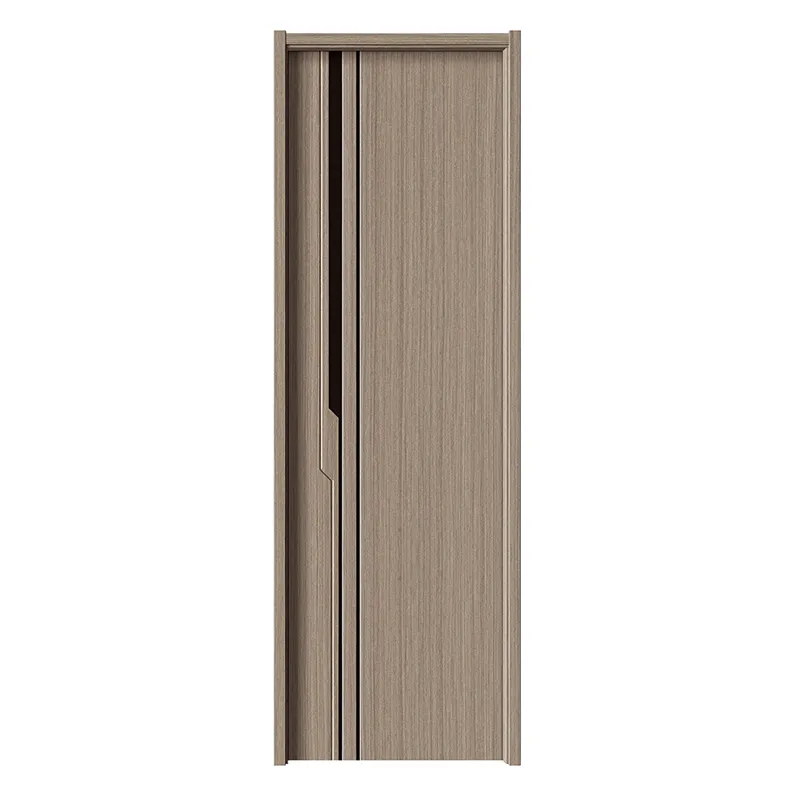 YST-1018 Technowood Door 1
 -
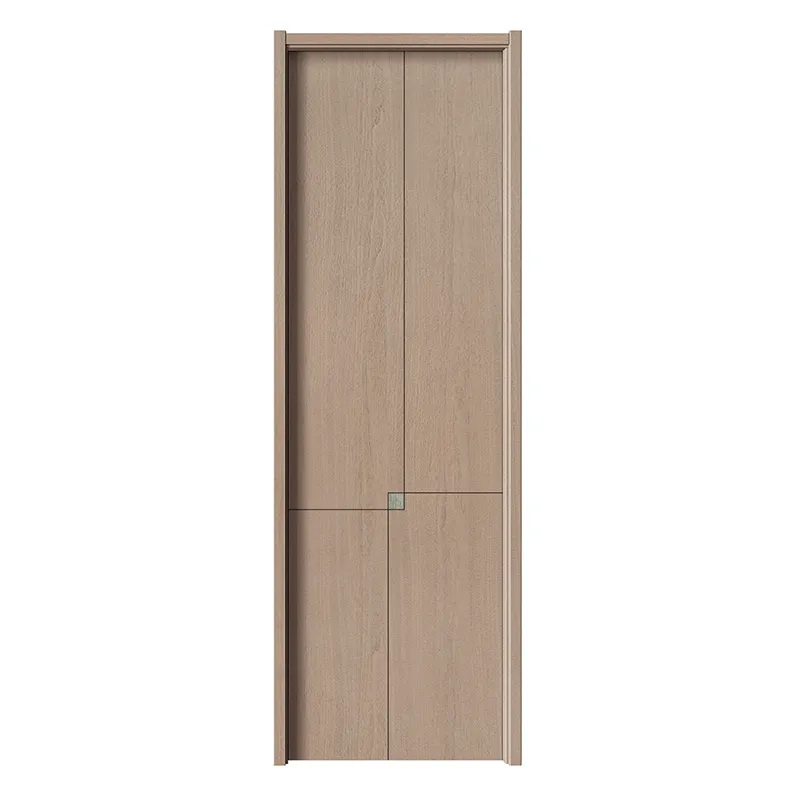 YST-1008 Door Natural walnut 2
 -
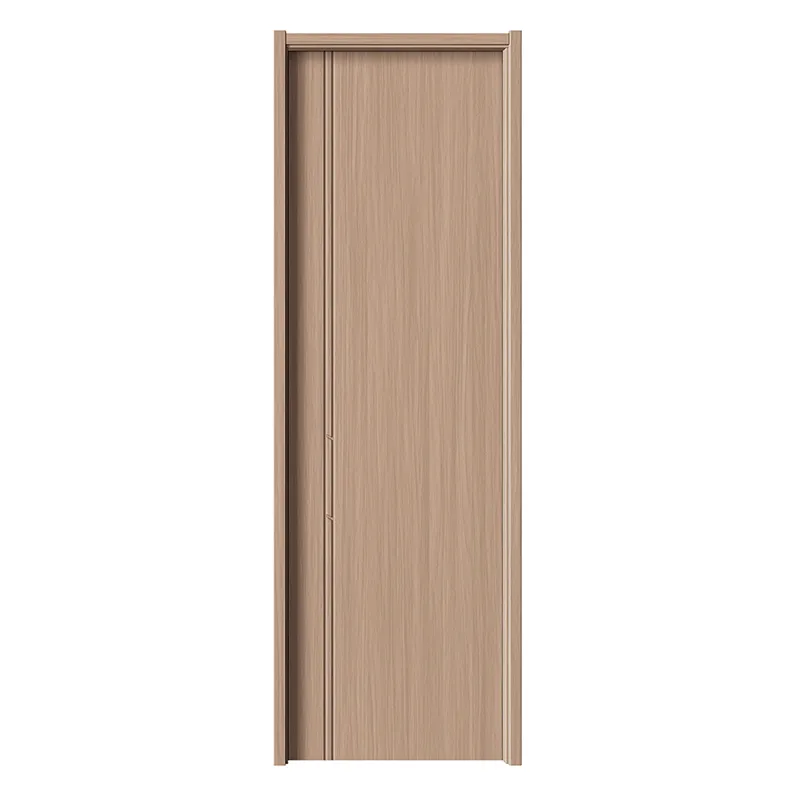 YST-1009 Door Translucent light shade 1
 -
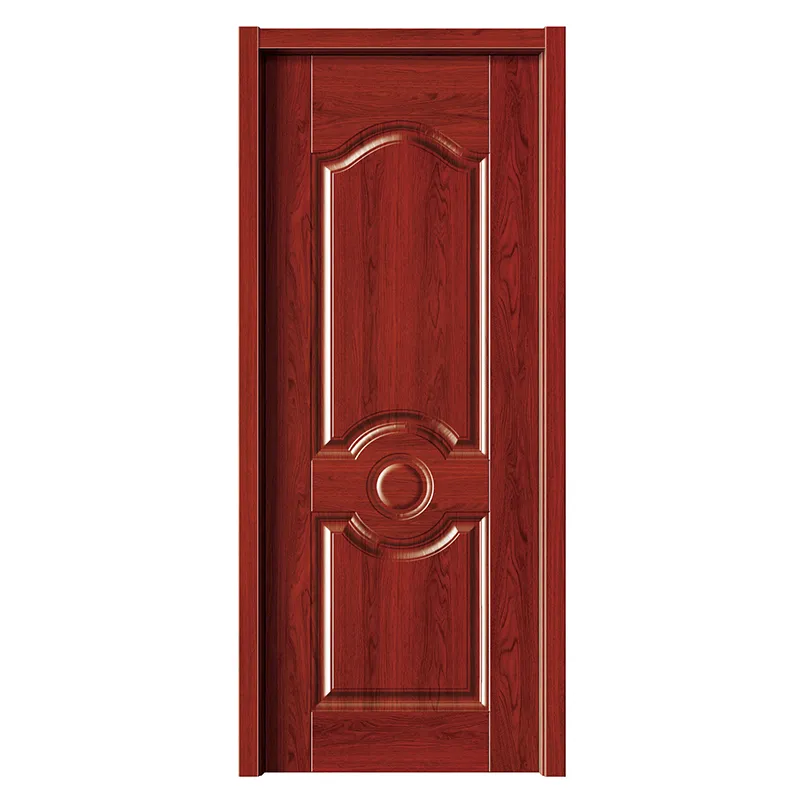 YST-208 Door Red Sandalwood
 -
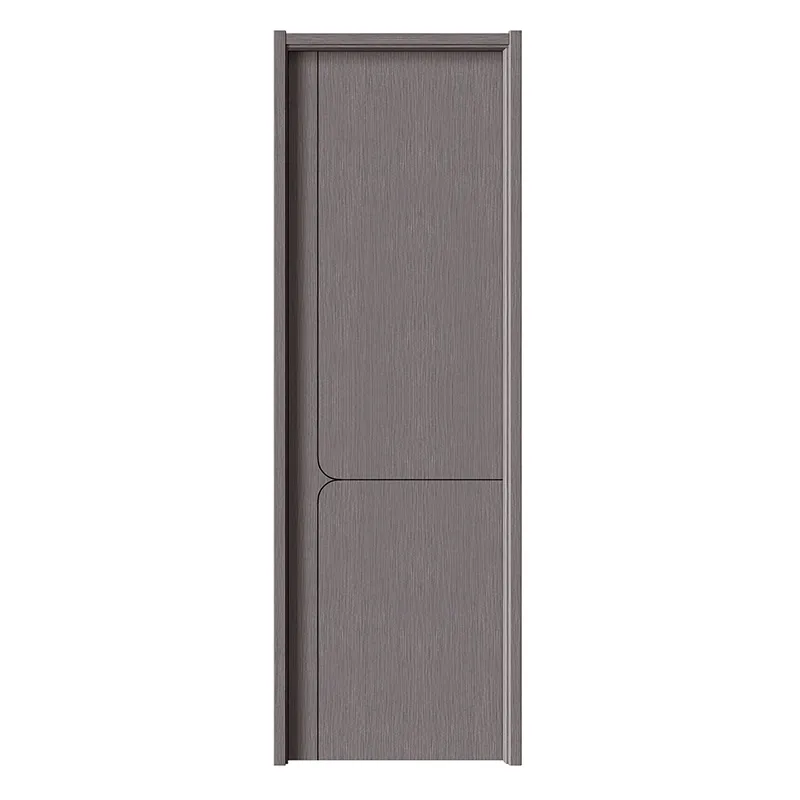 YST-1001 Door Chiaroscuro tree 2
 -
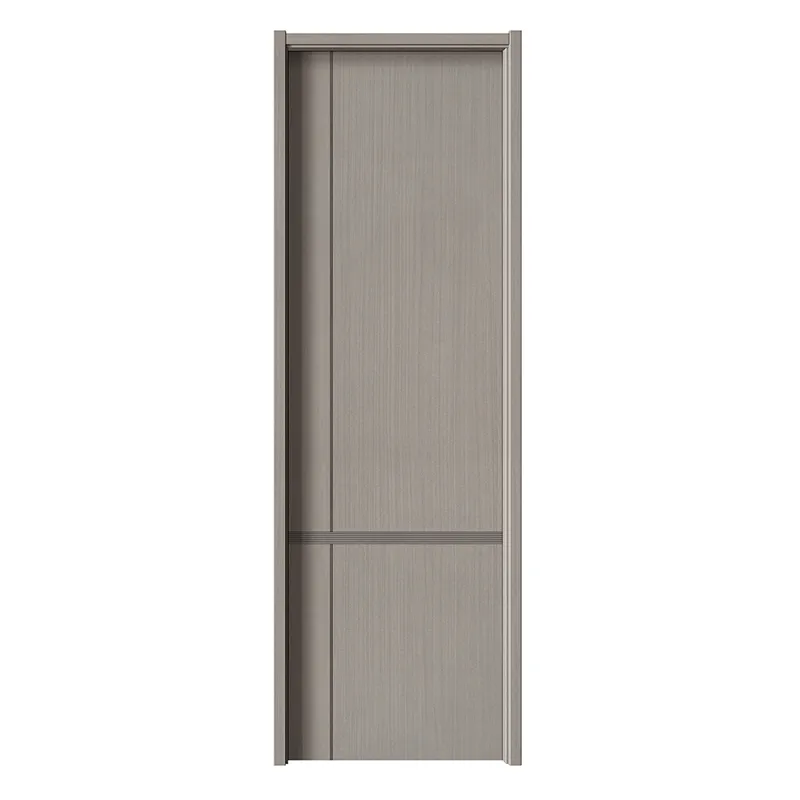 YST-1013 Door Cloud Walnut 1
 -
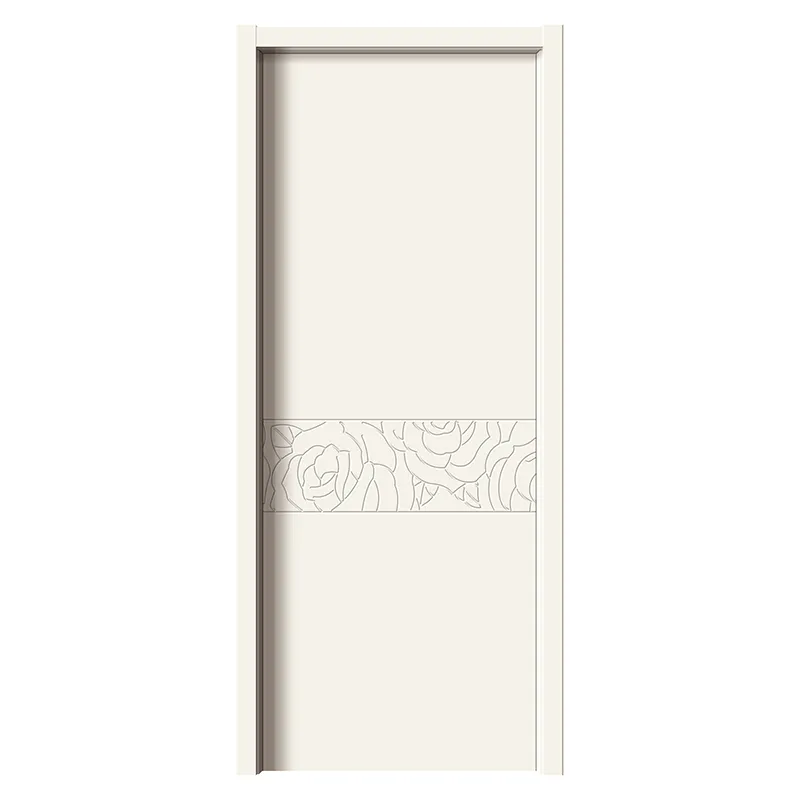 YST-238 Door White ivory
 -
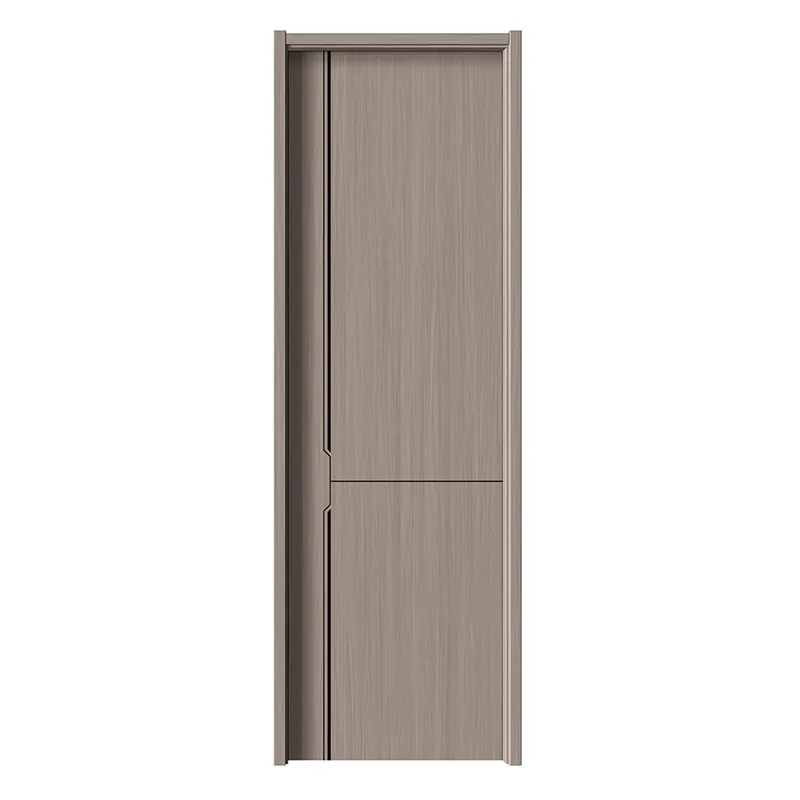 YST-1011 Door Translucent light shadow 3
 -
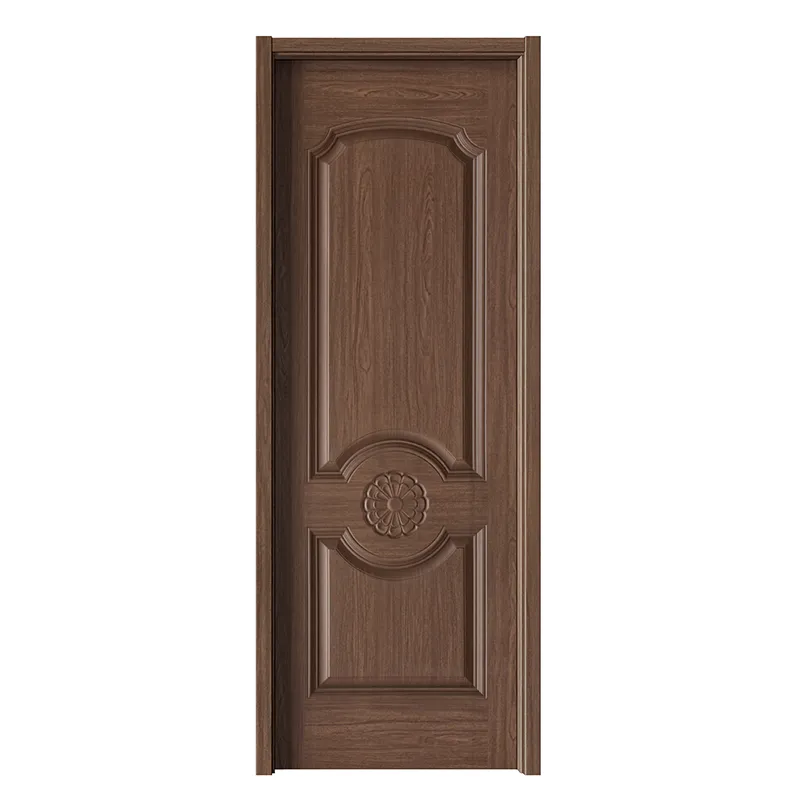 YST-212 Door North American Oak 2
 -
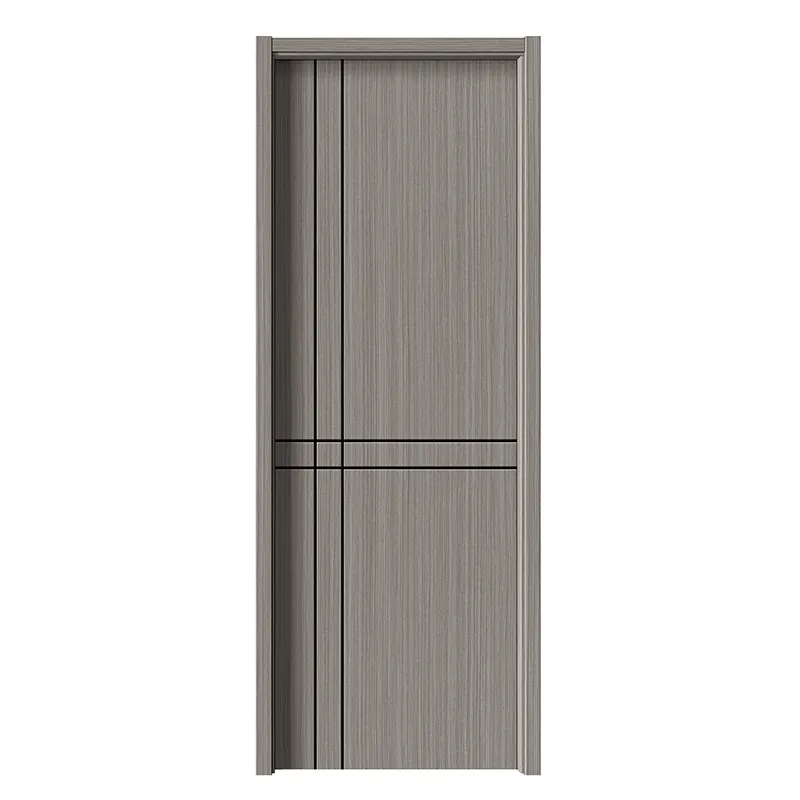 YST-1004 Door Technotree 2
 -
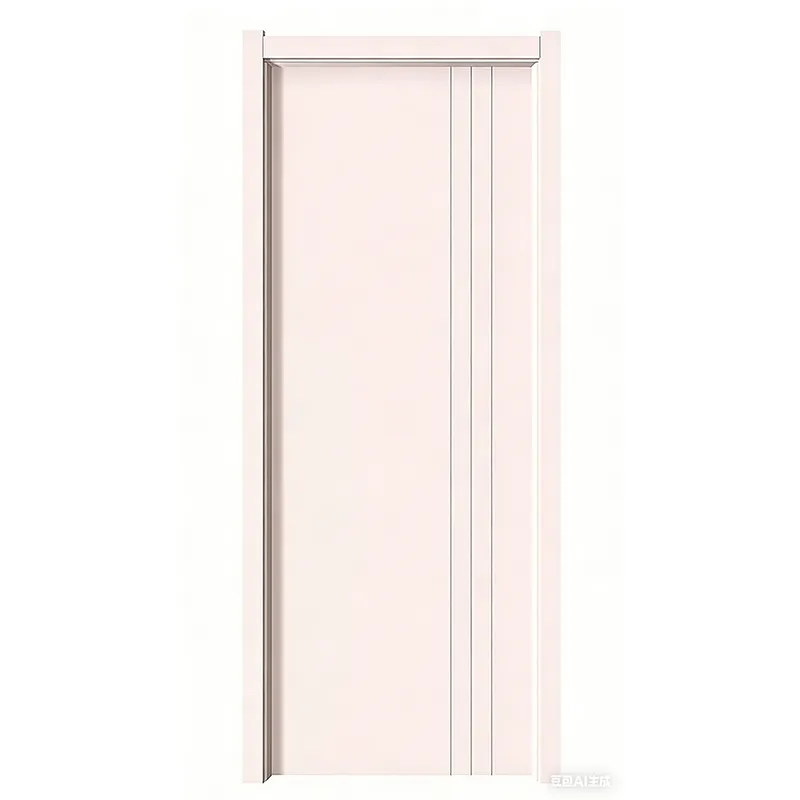 YST-WPC4 Door
 -
 YST-1010 Door Translucent light shadow 3