



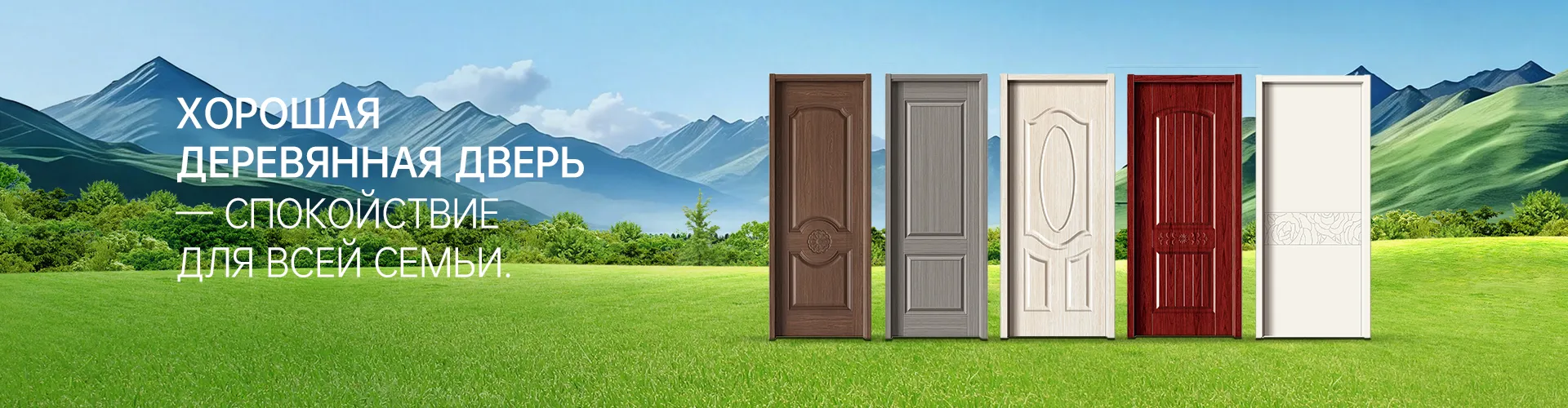
Wooden door in Scandinavian style
When you hear “Scandinavian style?”, many people immediately imagine something cold, minimalist to the point of asceticism, almost bare boards. This is the first thing you have to deal with. In fact,wooden door in Scandinavian styleis above all a story about light, texture and human scale. Not about emptiness, but about filling space with the right, “warm”? details. And the door here is a key element, and not just an opening for passage. Now I will explain why.
Scandinavian style: not just white
Let's start with the basics. The main principle is maximum use of natural light. Therefore, the door leaf is often made solid, with glazing. But not just like that. These are not huge stained glass inserts, but neat, often narrow and elongated glass panels. They let in light but maintain privacy. Frame material? Array only. Most often it is pine or oak, but processed in a special way.
This is where the common mistake of workshops lies: take a standard pine door, paint it matte white and consider the job done. It turns out faceless and cheap. Scandinavian aesthetics require highlighting the texture of wood, even under a layer of paint. Therefore, surface preparation, primer, and method of applying paint (most often in several thin layers with intermediate sanding) are 70% of success. The door should look tactile, I would like to run my hand along it.
I remember one project where the customer insisted on an absolutely smooth, “plastic” one. surface of a white door. I persuaded him to make a test sample while maintaining slight perceptibility of the fibers. When he saw how light fell differently on this texture throughout the day, his opinion changed. The door came to life. This is the very “practical characteristic” that is discussed inAnhui Wantai Woodworking Co.,Ltd— beauty is not for the sake of beauty, but to create a specific atmosphere.
Design: where reliability hides
Visual lightness should not mean flimsy construction. Scandinavian doors, especially entrance doors, are always a sandwich with thoughtful contents. The frame is made of laminated veneer lumber, high-quality internal insulation (mineral wool, less often polyurethane foam), and a mandatory windproof membrane. All this is necessary so that the door does not leak due to changes in humidity, for which Northern Europe and our Russian winter are famous.
Fittings are a separate issue. The hinges should be hidden or, conversely, become an expressive element - matte black, brass. Handles... Most often these are long, simple-shaped levers made of ferrous metal or forged brackets. No fancy gilded balls. The lock is also preferably a mortise one, with a face plate invisible from the outside.
In my own experience, I encountered a problem when a beautiful, lightweight door began to creak after six months. The reason is that they saved on hinges and installed standard hinges that were not designed for the weight of the insulated fabric. I had to redo and strengthen the box. Now I always advise my clientsAnhui WantaiDon't skimp on this unit. Their approach to control at all stages, from raw materials to assembly, eliminates such punctures.
Color and finish: palette beyond white
Yes, white, gray, black are the base. But the Scandinavian style has long evolved. Now the trend is warm natural shades: ?naked? solid, lightly tinted with oil or wax to reveal the year's pattern. Dark fumed oak or soft pastel colors are very popular - muted blue, green, even pink. The main thing is matteness. No gloss.
An interesting technique is contrasting painting. The outside of the door is a dark gray (for example, “charcoal”), and the inside is a light, warm beige. This works on a psychological level: from the outside the house looks restrained and modern, but inside it looks cozy and bright. Technically, this is more difficult; it requires perfect adjustment of the canvas so that there are no distortions.
The company we are talking about offers just such variability in its catalogs. This is not just production, but a combination of design and engineering. It is clear that the design team understands trends and does not churn out similar models.
Installation: perfect geometry as part of the design
The most beautiful door will be ruined by crooked installation. In a Scandinavian interior, where the lines are clean and the planes are even, a gap of 5 mm is a disaster. Installation must be jewellery. It is mandatory to use a laser level, professional installation systems, and high-quality mounting foams with minimal secondary expansion.
Opening preparation is often overlooked. In old houses it needs to be leveled almost from scratch, otherwise the door frame will move. Another nuance is the threshold. In Scandinavian countries, hidden or completely absent thresholds are often used to create a smooth transition between rooms. This requires a perfectly flat floor and precise cutting of the canvas.
I had a bad experience at an early stage, when I decided to save time and entrust the installation to “proven” ones. generalists. The result was cracks, misalignment, and the door did not close tightly. I had to remove it and re-install it, losing both money and reputation. Since then, I have only worked with narrow door specialists or demanded from the supplier, likeAnhui Wantai, installation supervision services or clear engineering installation maps.
Market and choice: what to look for besides price
Now the market is flooded with offers. How to distinguish qualitywooden door in Scandinavian stylefrom fake? The first is weight. A lightweight solid wood door is nonsense. Tap on the canvas - the sound should be dull, uniform, without voids. The second is edges and ends. They must be perfectly processed, the coating (paint, oil) must extend onto the end evenly, without smudges or gaps.
Be sure to request a slice of the pie. doors or at least detailed specifications. What the frame is made of, what kind of insulation, the type of glue used (it must be environmentally friendly, for example, class E0). Companies that operate on the international market, such asAnhui Wantai Woodworking Co.,Ltd, are usually open to such information because their production is certified and their philosophy is built on precision and quality.
And one last thing. A real Scandinavian door is not just a product, it is an element that lives in the house for decades. It can be restored, repainted, but its basis - good wood and honest assembly - will remain. Therefore, the choice should be made in favor of those who see the door as not just a product, but a long-term project. And judging by the way some manufacturers detail their processes, this idea is not alien to them.
Correspondingproducts
Related Products
Best Sellingproducts
Best Selling Products-
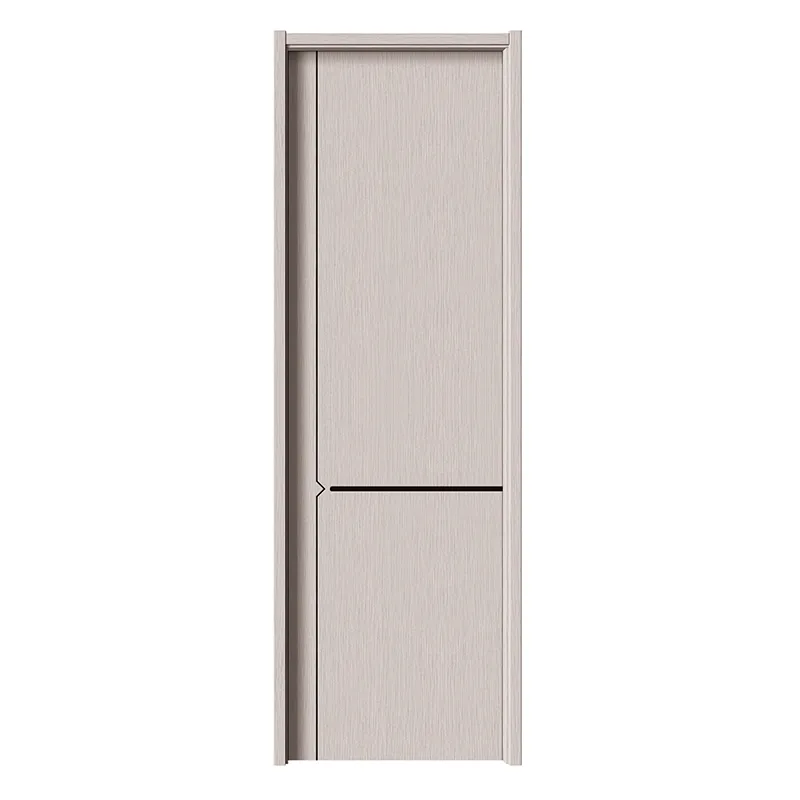 YST-1024 Door Chiaroscuro wood 1
 -
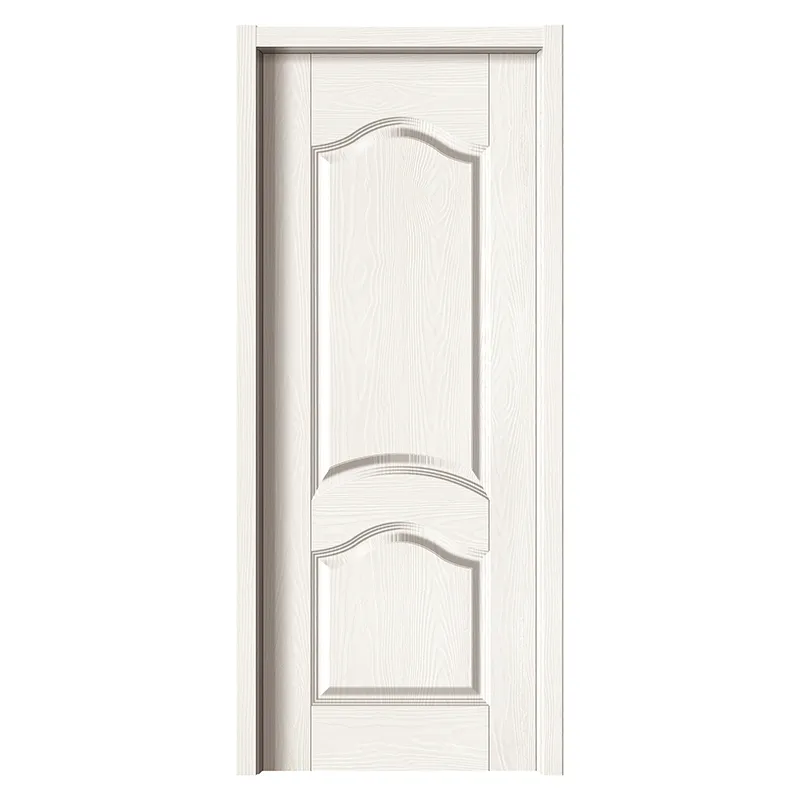 YST-224 Door Warm white with relief
 -
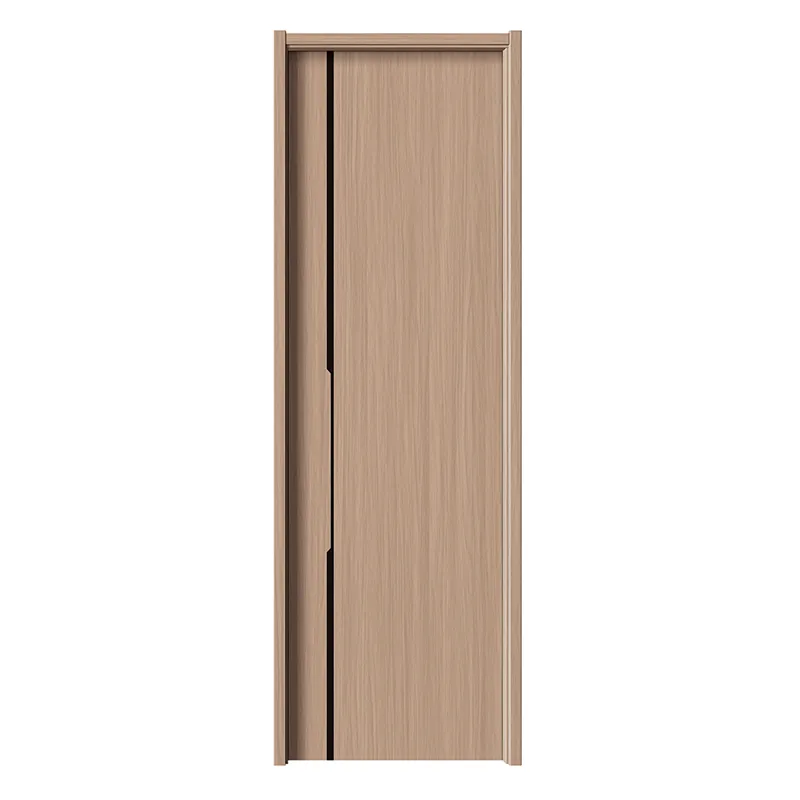 YST-1029 Door Translucent light shade 1
 -
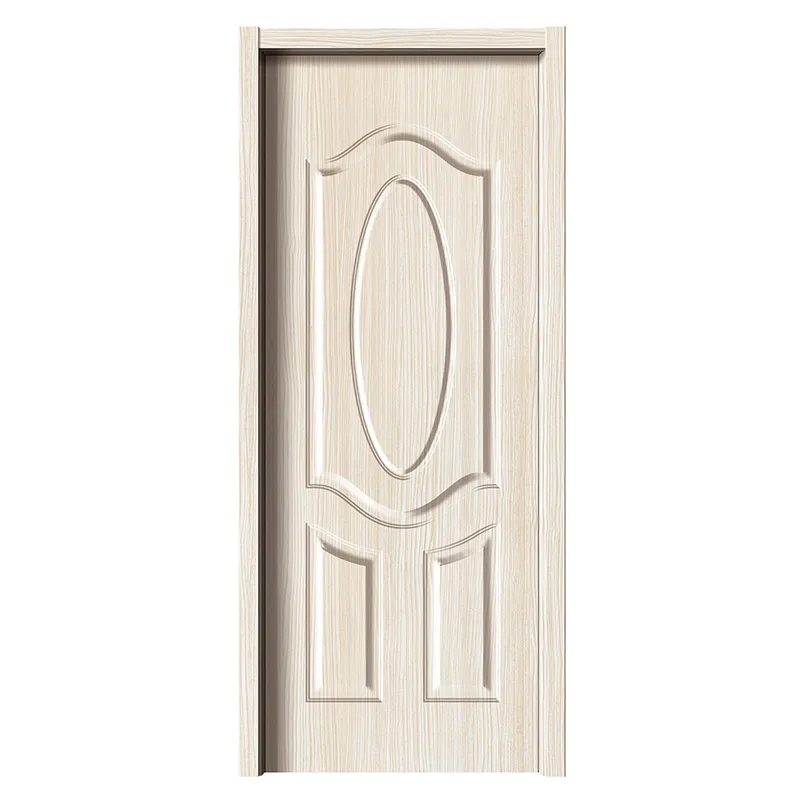 YST-216 Door White Maple
 -
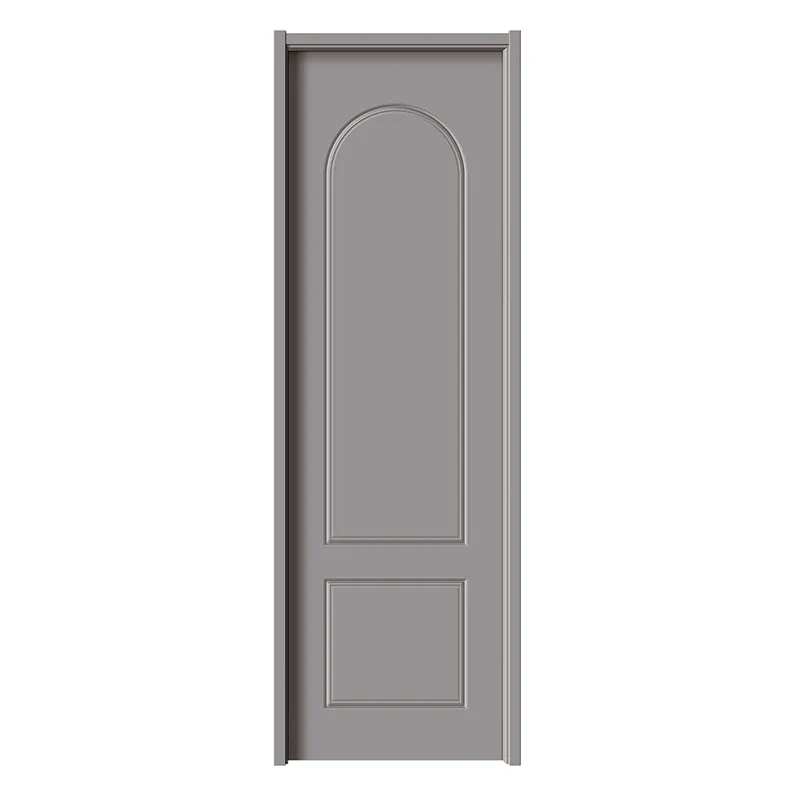 YST-241 French Door 1 soft stone gray
 -
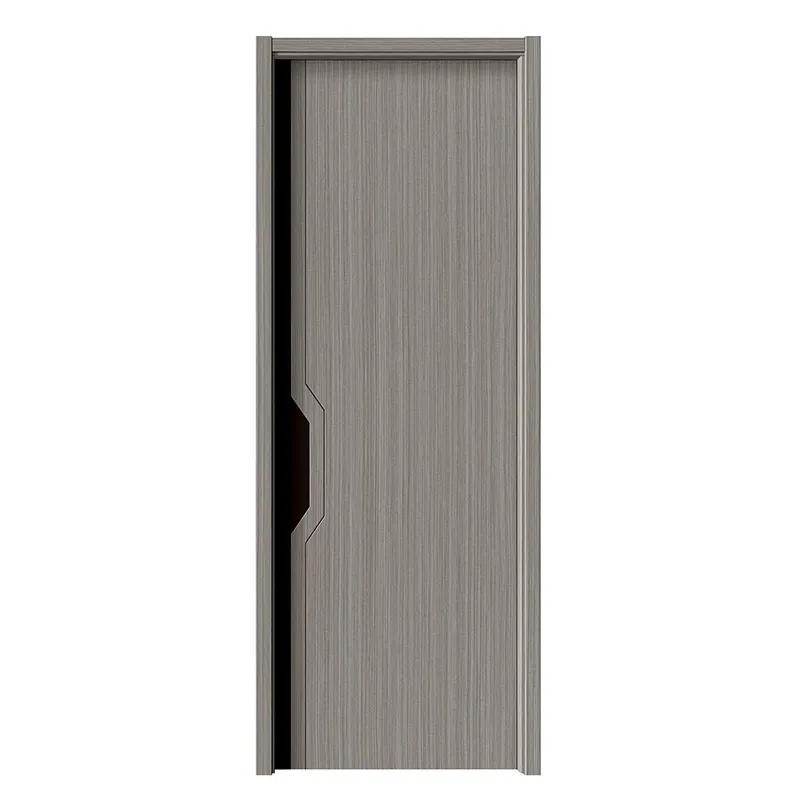 YST-1007 Technotree Door 2
 -
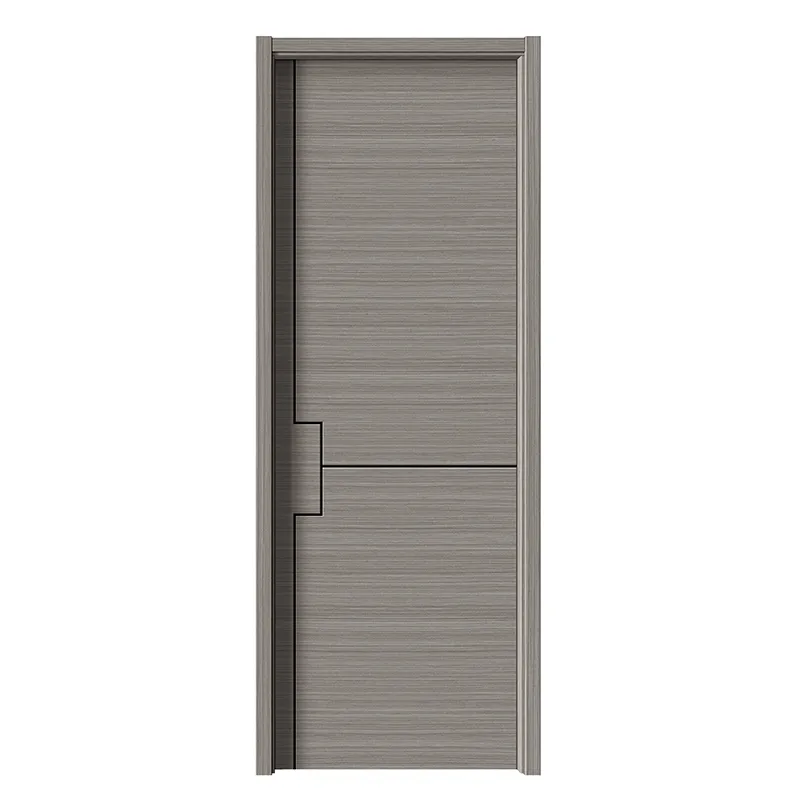 YST-1005 Technotree Door 2
 -
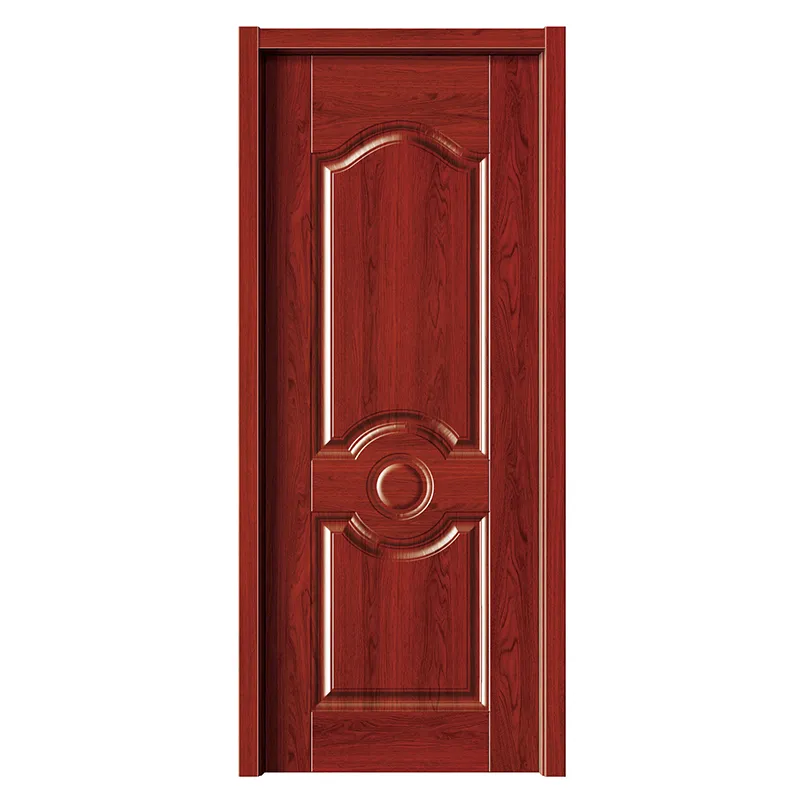 YST-208 Door Red Sandalwood
 -
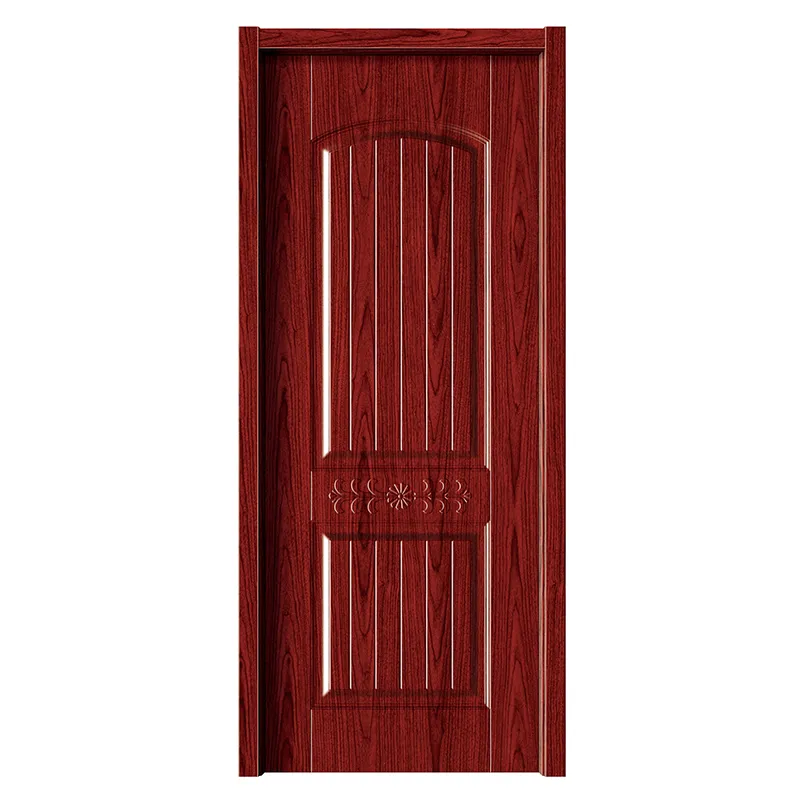 YST-233 Door Mahogany
 -
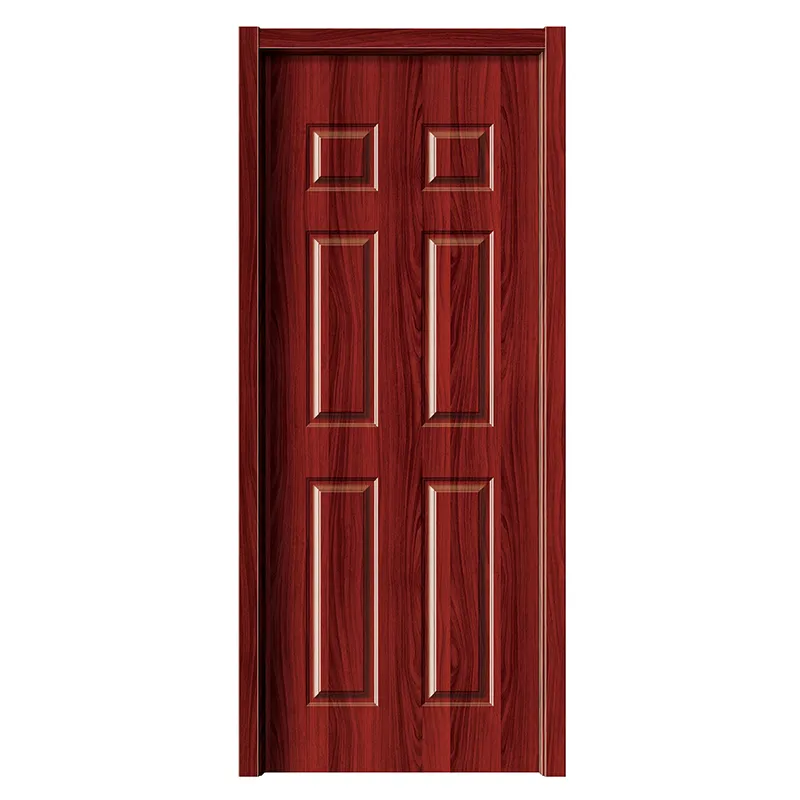 YST-201 Door Red team
 -
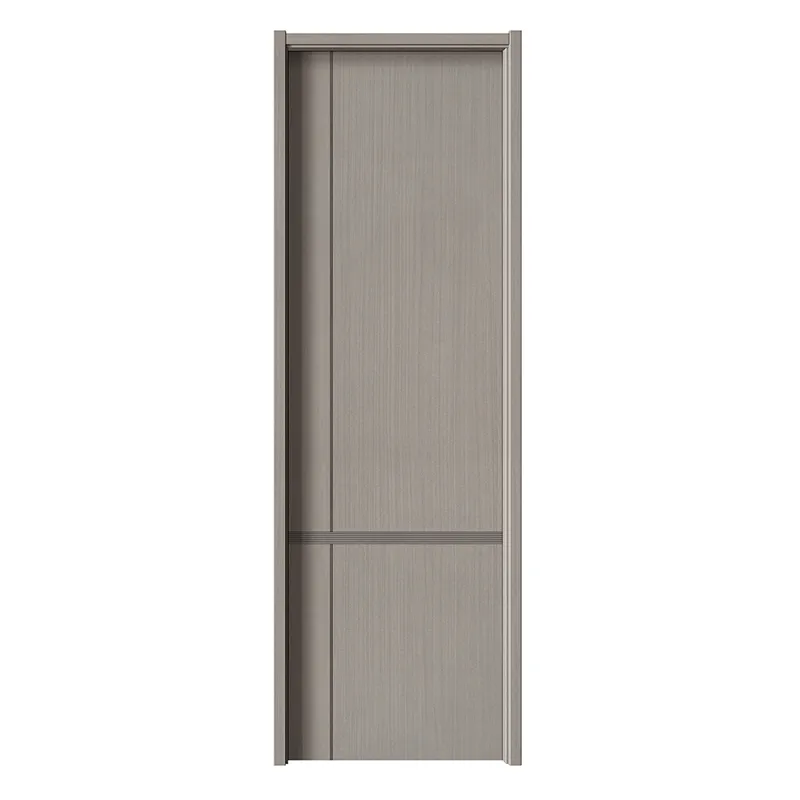 YST-1013 Door Cloud Walnut 1
 -
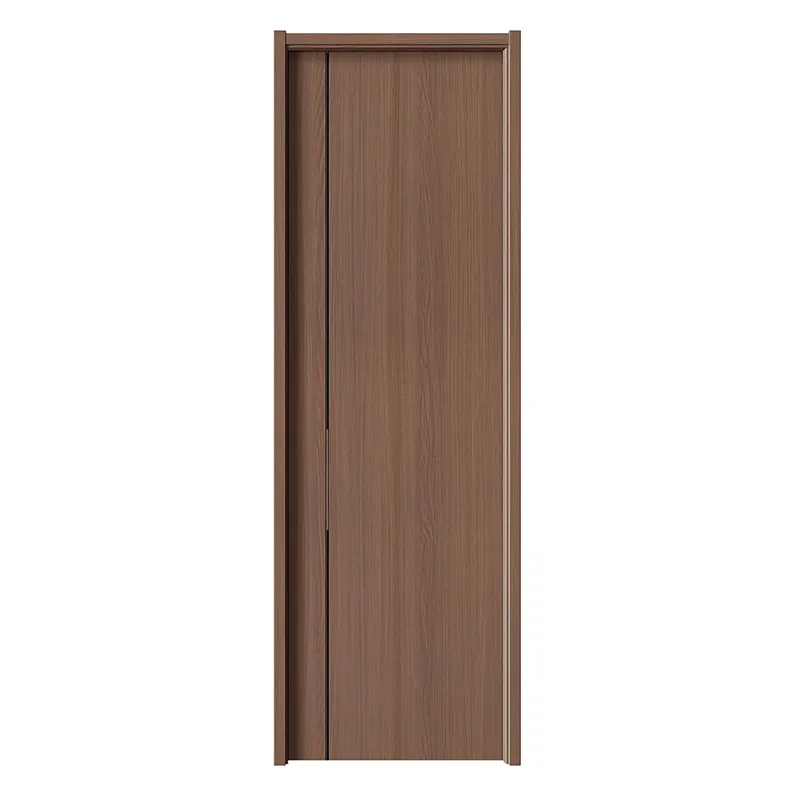 YST-1043 Door Techno-walnut 3