




Lacquered interior doors
When do you hear?varnished interior doors?, many immediately imagine just a glossy shiny surface. And therein lies the first big mistake. In fact, varnish is not just a “finish”, it is, first of all, protection, and how it is applied and which one is chosen determines whether the door will last ten years or will begin to shrink and become cloudy after a couple of seasons due to changes in humidity in the apartment. Many times I have encountered the fact that people are chasing the thickness of the canvas or the exotic type of veneer, and look at the varnish coating as the last thing. But in vain.
Not every varnish is suitable for “home” use. operation
Look here. There are varnishes for furniture, and there are varnishes specifically for doors. The difference is in elasticity. The door leaf, especially in our conditions, works: it absorbs moisture from the air, then releases it from the dryness of the heating season. If the coating is hard, like stone, microcracks will inevitably appear. I prefer to work with polyurethane compounds, although they are more expensive than nitro varnishes, but this “breathing gymnastics”? wood is tolerated much better. But there is a nuance here: one-component or two-component? For residential premises where there are no extreme loads, a good one-component product is often enough if applied in several layers with proper drying between layers.
I had a case where a client brought “super-resistant”? yacht varnish In theory - ideal. In practice, on the interior door in the bedroom he applied such a hard film that at the slightest bend of the canvas (and it was made of solid pine, which “plays?”) cobwebs appeared. I had to remove it completely. This is about the fact that the most durable is not always the most suitable.
That is why in production, such asAnhui Wantai Woodworking Co.,Ltd, special attention is paid to this stage. On their websiteanhuiwantai.ruIt is directly stated that control is carried out at all stages, and I am sure that the choice and technology of applying varnish there is not the last item on the list. Because a company that works for the international market and claims to combine aesthetics and practicality simply cannot produce a coating that will crack the first time it is tested under real conditions.
Surface preparation: 90% success
You can buy the most expensive varnish and apply it with the most modern equipment, but if the preparation is lame, everything will be in vain. The main enemy is dust. The workshop where sanding and varnishing takes place should essentially be a “clean zone”. After sanding, the blade needs to be blown, wiped with a sticky cloth (the kind used by car mechanics), and only then primed. A common mistake is poor intermediate sanding of the soil. The primer should be sanded almost to zero, until it feels like perfectly smooth matte silk. Any grain of sand remaining under the varnish layer will be clearly visible, especially under side light.
Another point about veneer. If the door is veneered, then special care is needed here. Veneer comes in different thicknesses and is easy to “wipe through.” through when sanding, especially on edges and chamfers. You will get an ugly whitish spot. You can't do this without experience - you need to feel the pressure of the machine.
This is the advantage of large manufacturers with an established process like the company mentioned. They have a modern base and, importantly, proven technological maps. That is, every stage - from grinding raw materials to the finishing coating - is prescribed and controlled. For the client, this is a guarantee that he will receive a smooth, uniform surface without “surprises”.
Application technology: handmade vs. automation
There's a lot of controversy here. Someone firmly believes that only by hand with a brush or swab you can achieve an ideal result. This is partly true for complex, carved surfaces or during restoration. But for a smooth canvas, a modern spray gun or pouring line gives a more stable and high-quality result. The main thing is to control the viscosity of the composition, the temperature in the workshop and humidity.
Automation allows you to apply a layer of ideal, uniform thickness without smudges. But drying is a critical stage. You can't rush things. Each layer must be dry not just to the touch, but completely polymerized. Otherwise, the next layer will “seal” solvents, and cloudy streaks or bubbles may appear over time.
From my own experience I will say: most problems with varnish coating are not due to poor material, but due to violations of the drying technology or application in inappropriate conditions. For example, varnishing in a cold or damp garage is an almost 100% guarantee of failure.
What gives a high-quality varnish coating in practice?
It's not just about beauty and mirror shine. A good varnish applied using technology creates a barrier. It protects the wood from quickly absorbing moisture and dirt. For example, fingerprints often remain on the door in the hallway or near the kitchen. With a high-quality coating, they can be easily wiped off with a slightly damp cloth, and nothing will happen. With poor quality, dirt eats into micro-irregularities.
Another practical point is UV resistance. If the door is opposite a window, over time many coatings turn yellow or become cloudy. Modern varnishes with UV filters solve this problem. When choosing a door, especially a light one (bleached oak, ash), you should pay attention to this. And, by the way, this is one of the markers of a serious manufacturer - the use of such durable compounds.
Returning to global suppliers such asAnhui Wantai Woodworking Co.,Ltd, their commitment to meeting the diverse needs of customers around the world means taking these nuances into account. Residential and commercial spaces in different countries have different climates and different intensity of use. There is no universal solution, but there is a technological discipline that allows you to adapt the process to the high quality standards described in their concept of “building a business on precision, winning with quality.”
Bottom line: what to look for when choosing
So how do you choose? Do not hesitate to ask the seller or manufacturer not only about the type of wood, but also about the coating. What kind of varnish is used? How many layers are applied? How is drying organized? Answers along the lines of “yes, normal, good?” should be wary. A good manufacturer knows the specifications of their materials.
Look at the door not only directly, but also at an acute angle to the light. This way you can see all the flaws: specks of dust, waves, uneven gloss. Feel the surface - it should be absolutely smooth, without roughness even at the ends and in the grooves.
Ultimately,varnished interior doorsis a long-term investment in the interior. Savings at this stage are almost always backfired by subsequent costs for replacement or an attempt to repaint, which for varnished doors is an extremely difficult and expensive procedure. It is better to once choose a product made with an understanding of all these technological subtleties, where the quality of the coating is on a par with the design and reliability of the structure.
Correspondingproducts
Related Products
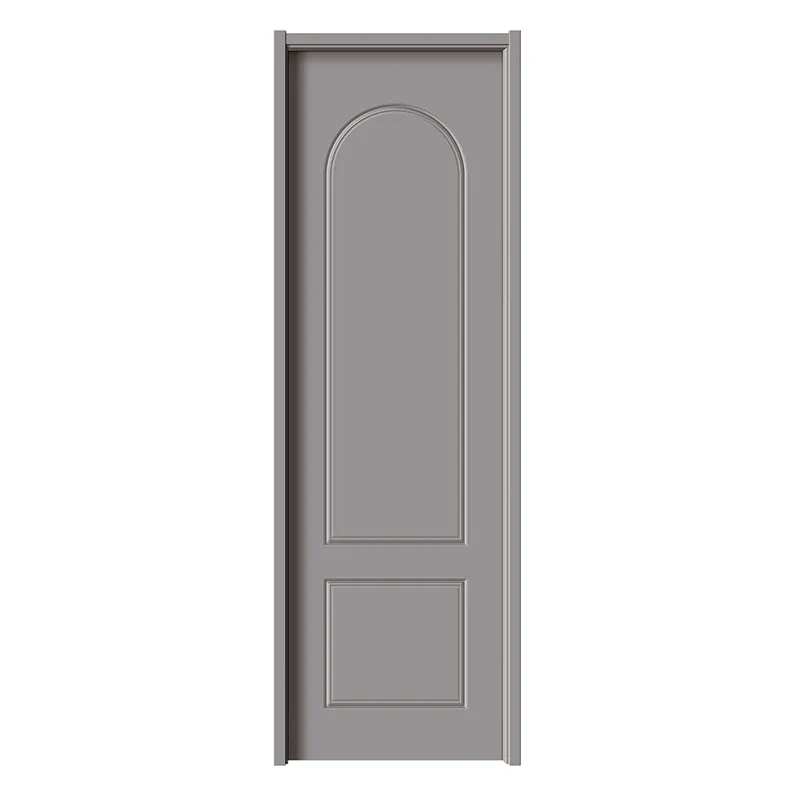

Best Sellingproducts
Best Selling Products-
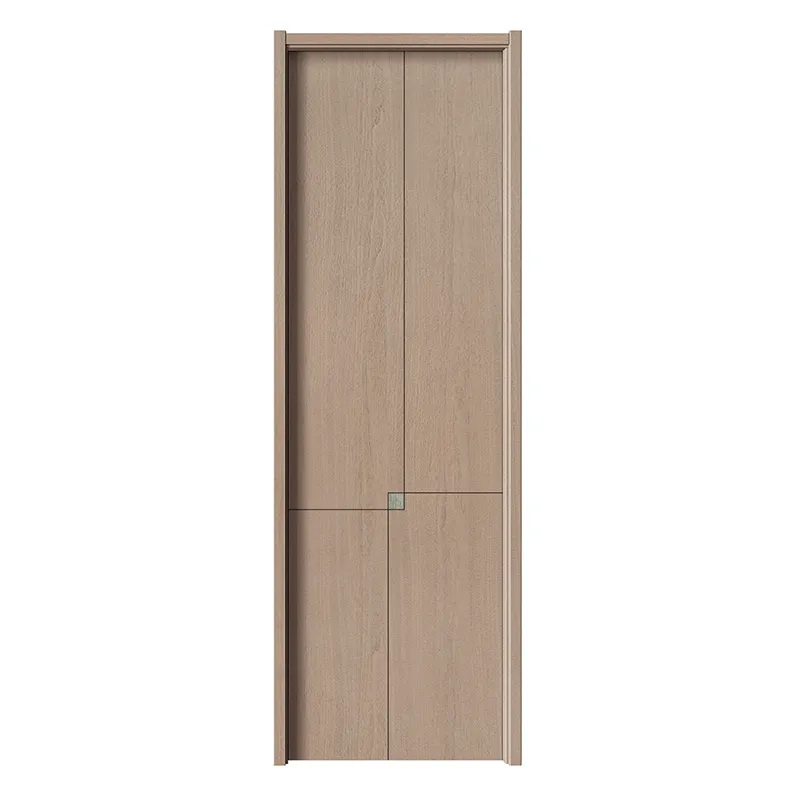 YST-1008 Door Natural walnut 2
 -
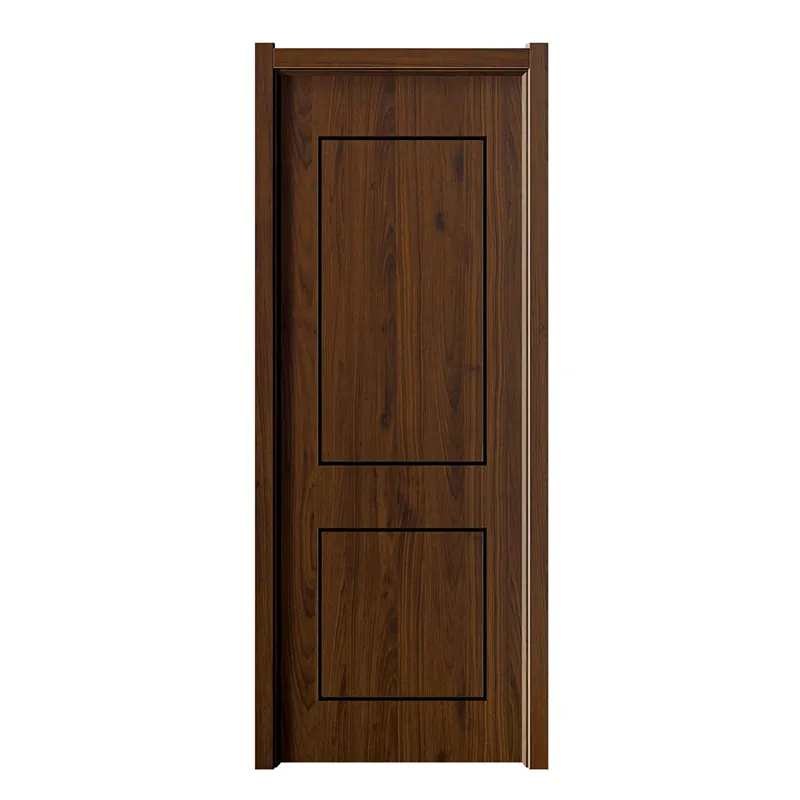 YST-WPC2 Door
 -
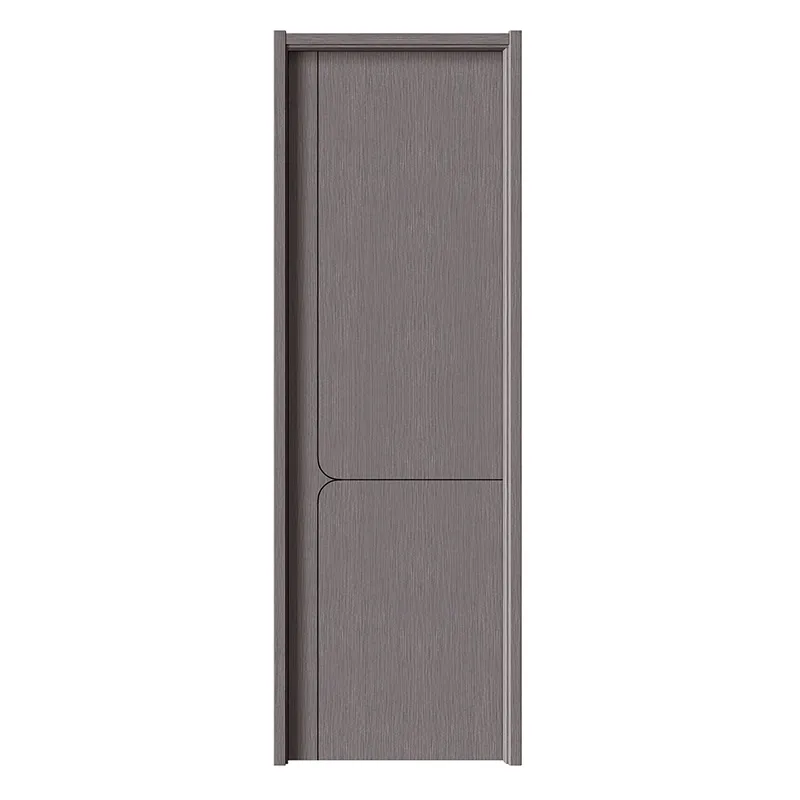 YST-1001 Door Chiaroscuro tree 2
 -
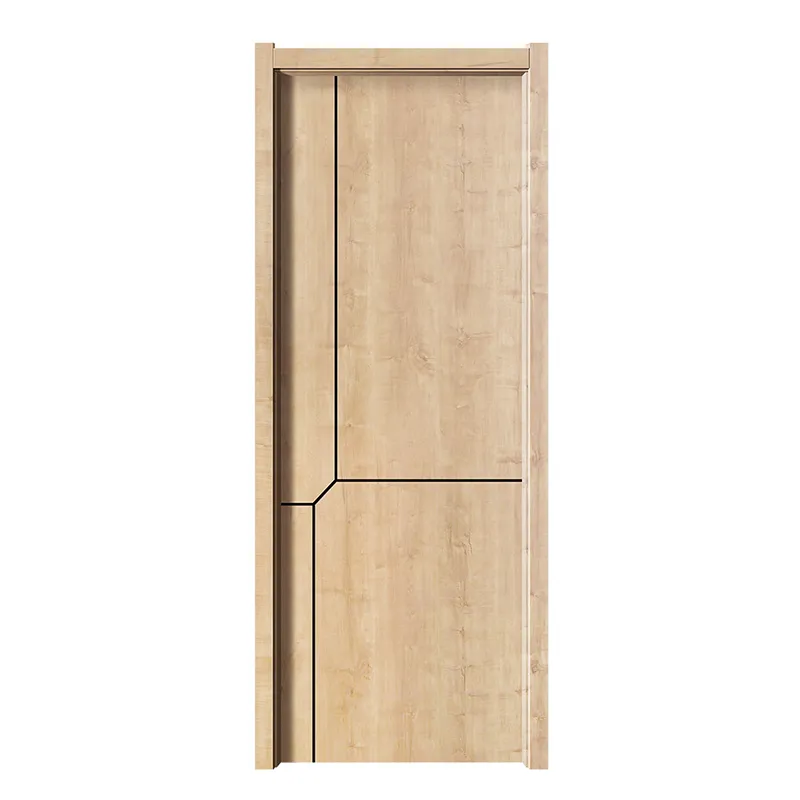 YST-WPC1 Door
 -
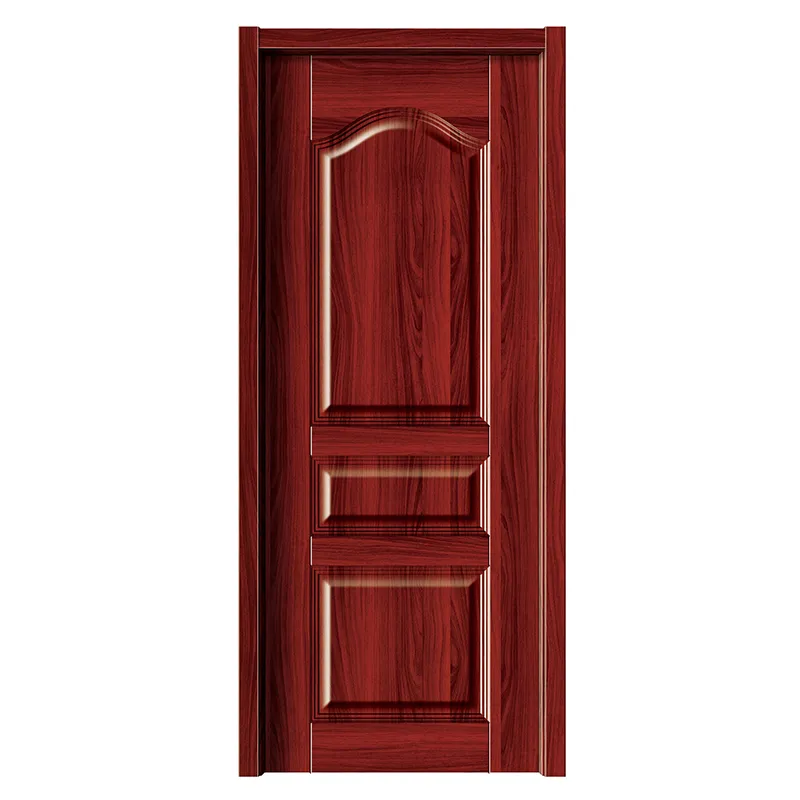 YST-203 Door Red team
 -
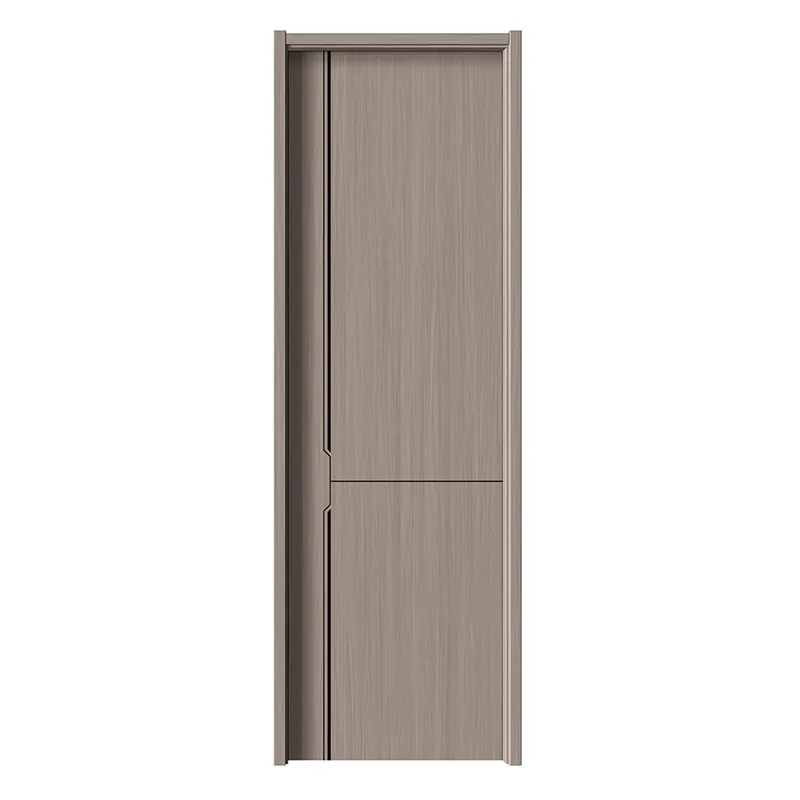 YST-1011 Door Translucent light shadow 3
 -
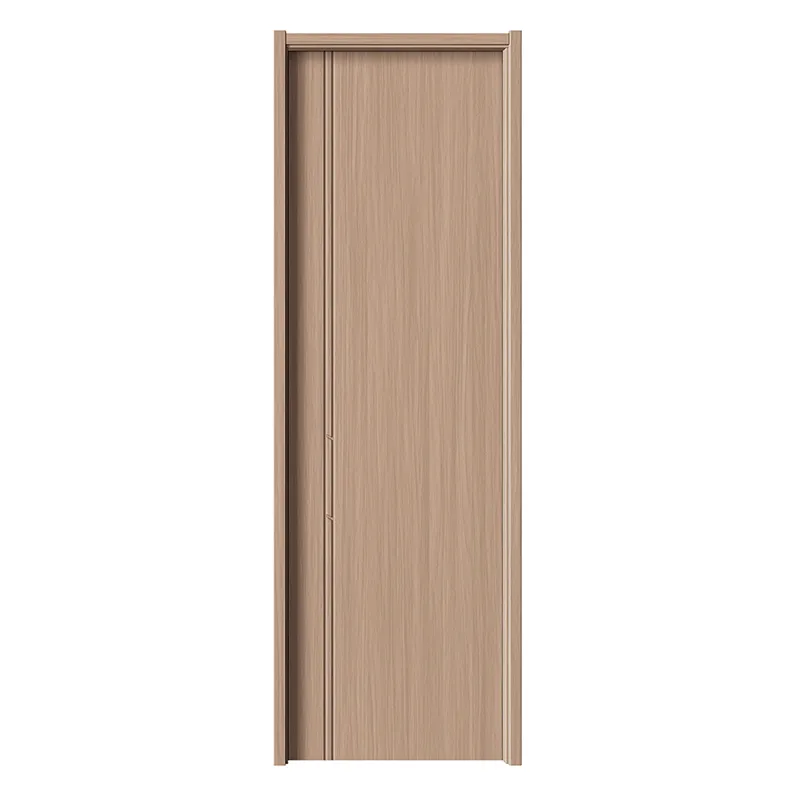 YST-1009 Door Translucent light shade 1
 -
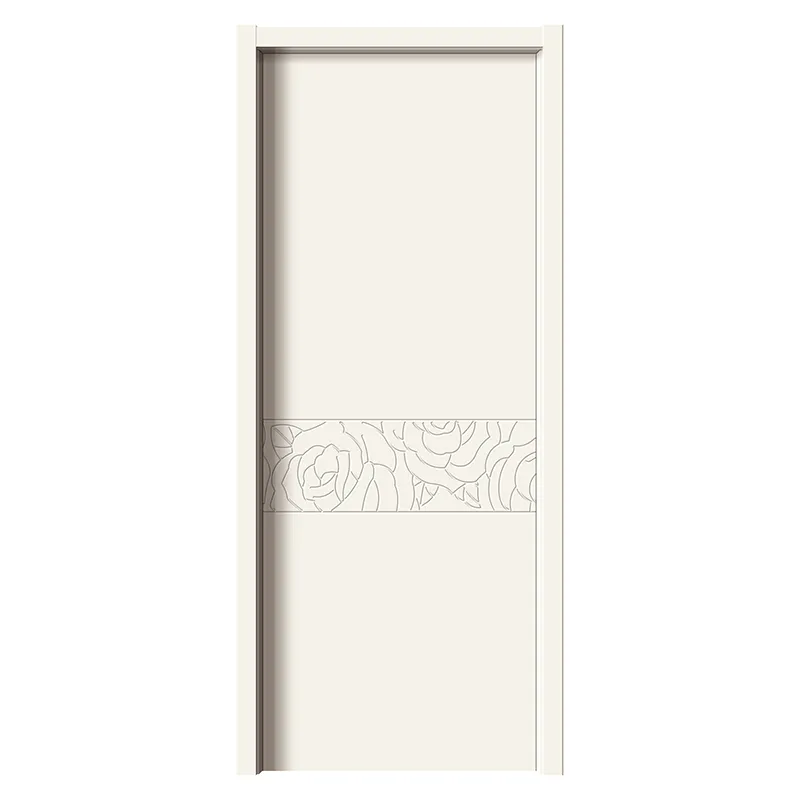 YST-238 Door White ivory
 -
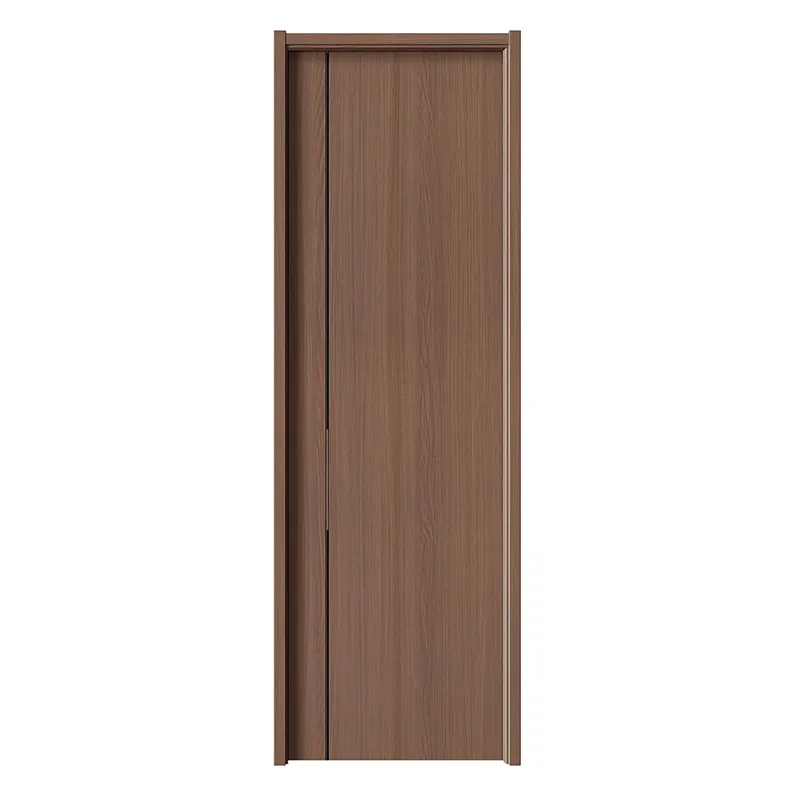 YST-1043 Door Techno-walnut 3
 -
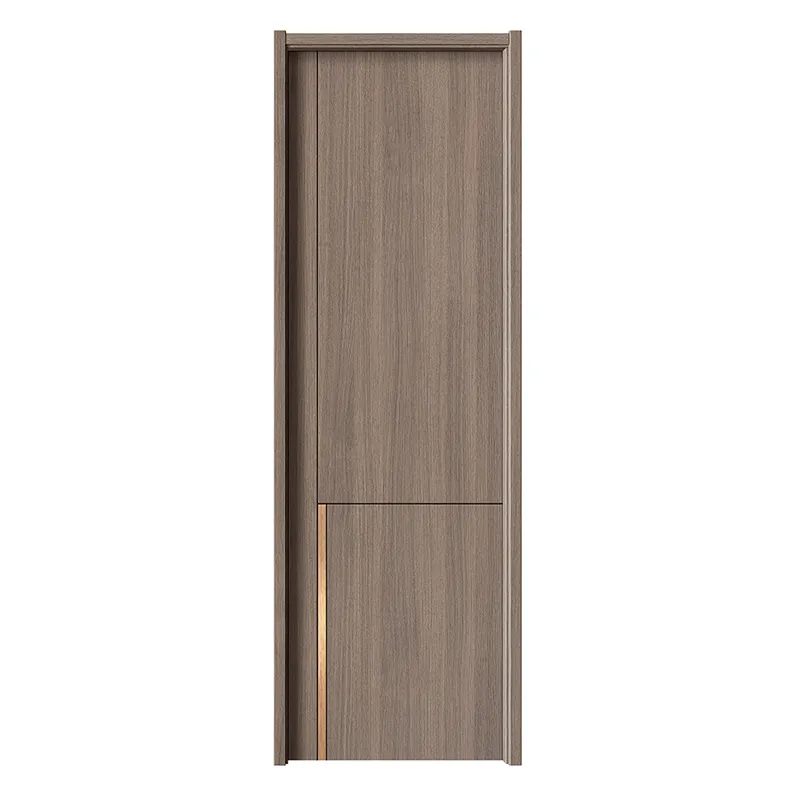 YST-1003 Door Oak gray
 -
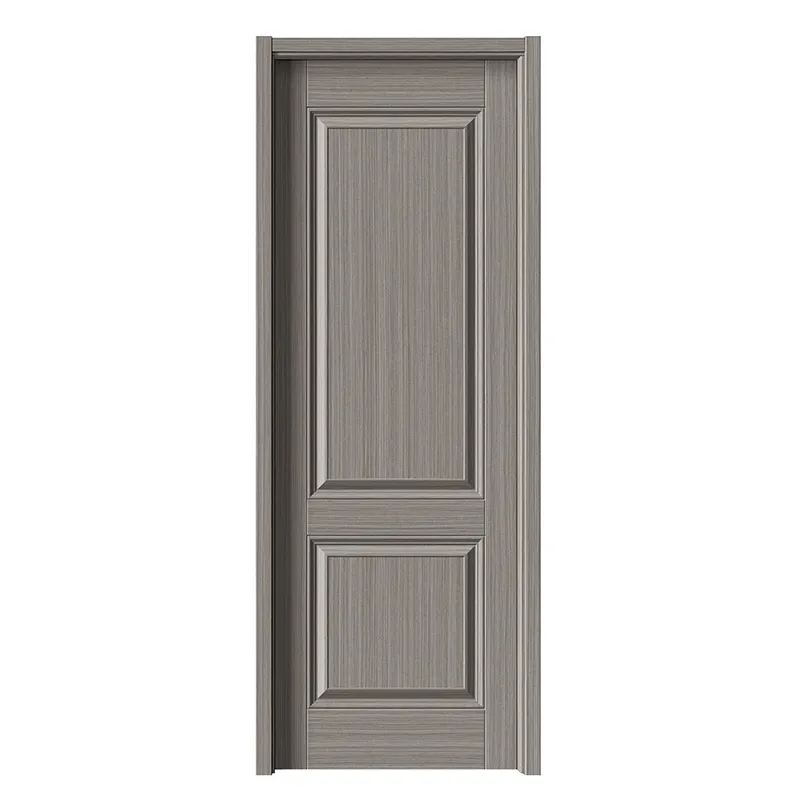 YST-214 Door Technowood 2
 -
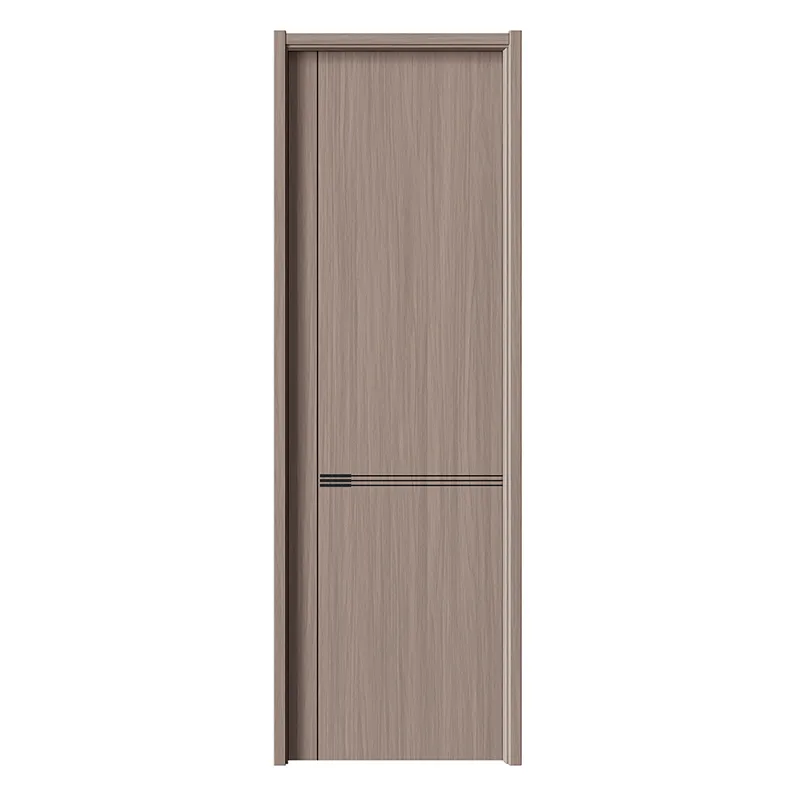 YST-1039 Door Translucent light shadow 3