




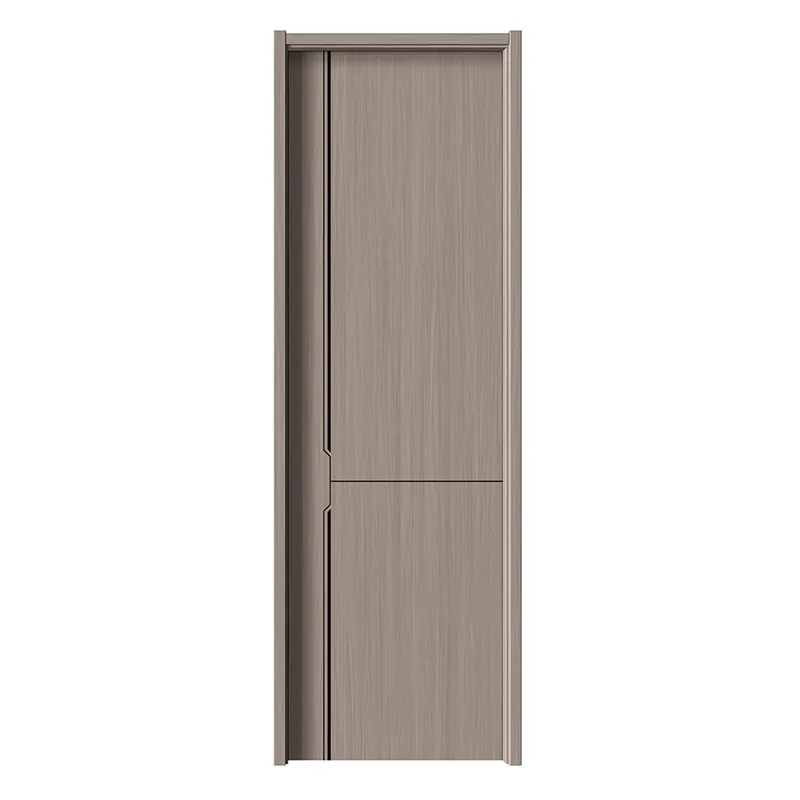
Wooden door flat
When you hear “wooden flat door?”, many people imagine just a smooth panel. But this is where the first professional catch lies. Flat does not mean primitive. This is a whole category where the aesthetics of minimalism meets the challenges of the stability of the canvas, the choice of veneer or solid slab, and, of course, the subtleties of operation. Too often, customers, and some colleagues in the shop, underestimate the nuances, considering such a door to be “just a shield”. And then - creaks, sagging, reaction to humidity. I’ll try to sort it out based on what I’ve seen in practice.
What's hidden behind the plane?
Design. The base is a frame made of timber, usually pine, and filling. There are several filling options: honeycomb cardboard filler for lightweight interior options, solid inserts made of MDF or spliced solid wood for a solid feel and better sound insulation. The flat surface is plywood or MDF, on which valuable veneer is then applied. Here is the key point: the quality of the base. If the slab is unstable or the frame “plays”, even the most beautiful oak veneer will eventually show all the internal stresses. I’ve seen doors where they skimped on glue for merging solid wood into the core – after a season, barely noticeable, but noticeable in the palm of the hand, joint lines appeared on the surface.
Surface. ?Flat? - this is the finishing geometry, not the texture. It can be coated with matte or glossy varnish, tinted, or brushed. But the main enemy of such a door is irrelevant preparation. Any speck of dust under a layer of veneer, any bubble in the ground on a perfectly flat plane will be clearly visible. The technology of pressing and finishing grinding comes to the fore here. Some manufacturers who rely on mass production have problems with the “wave?” on the surface - visually the door is flat, but under oblique light differences are visible. This is often a consequence of a violation of the drying regime or pressure in the press.
Edge. End processing is a calling card. A flat door can be made with a straight edge, with a rounded milling, or even with the finest chamfer. The latter, by the way, is not just decoration. A small chamfer visually reduces the joint with the frame and makes the line cleaner. But if the cutter is dull or the feed on the machine is too fast, a “fringe” appears at the end of the veneer. - microchips, which then rise during painting or varnishing, and the edge turns out to be imperfectly sharp. A trifle that hurts the eyes of a professional.
The myth of simplicity and practical pitfalls
It is believed that since there are no panels or relief, it is easier to care for. To some extent, yes, it is easier to wipe off dust. But scratches and impact marks on a completely smooth surface are much more noticeable than on a textured one. Glossy coating is a completely different story; it requires perfectly soft rags, otherwise there will be micro-scratches. In commercial premises with high traffic, I would think ten times before installing a flat, glossy door made of light oak - fingerprints and minor damage will be its constant companion. Matte or open-pore coatings are much more durable here.
Another practical point is installation. Due to the large, often continuous, canvaswooden flat doorcan be quite difficult. Standard hinges may not hold up, especially if the fabric is more than 80 cm wide. You need to calculate for reinforced ones, at least three hinges, not two. I had an experience when, when installing an old foundation in an opening where the frame was not ideal, a heavy flat door made of solid ash began to sag within a month. I had to re-hang it, install hinges with bearings and adjustments - extra work and a dissatisfied client. Now I always insist on assessing the opening and weight.
Response to climate. The solid base or solid veneer lives its own life. In the dry season it may “shrink” slightly, leaving minimal gaps at the edge of the paneled filling (if there is one inside), in the wet season it may “swell”. On a flat door this can manifest itself as a slight change in geometry if the frame is made without taking these movements into account. A good manufacturer always uses seasoned wood and makes a structure that compensates for these natural movements. For example, the sameAnhui Wantai Woodworking Co.,Ltdin its processes, judging by the information, it focuses on the control of raw materials and production stages, which is critically important for flat models. Unstable humidity of the workpiece is a guarantee of problems in the future.
Where does it really belong?
Modern interiors. Loft, Scandinavian style, minimalism - herewooden flat doorqueen. She does not draw attention to herself, she serves as a background. You can play on the contrast of textures: smooth wood against the background of a brick wall or concrete. Or, conversely, make an invisible door by painting it the same color as the walls. But here it is important to understand that the ideal varnish coating matches the color? - this is the highest aerobatics of colorists. The slightest change in tone will be visible.
Commercial spaces. Offices, conference rooms, boutiques. Conciseness and solidity are important here. Options with dark oak or walnut veneer and matte varnish are often used. But, again, you need to look at the load. Excellent for a director's office. For a common corridor with active traffic, it is worth considering more impact-resistant finishing options or even a combination (for example, a high-density MDF base with an acrylic coating).
Private interiors. Bedrooms, offices. Here you can afford more delicate and even experimental options. For example, a flat door made of solid alder with white matte oil looks incredibly warm and modern. Or the use of exotic veneers like zebrawood. But it is important that the door design does not conflict with the flooring and furniture. The flat surface makes it very dependent on the overall context of the room.
About choosing a manufacturer and personal experience
The market is flooded with offers. Frank consumer goods from loose MDF under a paper layer that imitates wood, to premium workshops. Criteria? The first is weight and smell. High qualitywooden flat doorhas a substantial weight (if not lightweight with a honeycomb construction) and smells of wood or varnish, but not of chemicals. The second is an inspection of the ends and edges. Smooth, without chips, tightly glued. Third - information about production. I like the approach when a company openly talks about standards. For example, on the websiteAnhui Wantai Woodworking Co.,Ltdit is stated about the modern base, process control and the concept of “building a business on precision?”. For flat doors, where there is no decor to hide flaws, such precision is not a slogan, but a necessity. Their focus on international standards also speaks volumes - the export market forgives mistakes much less willingly than the domestic market.
I had an order for a series of doors for a small hotel complex. The client wanted flat ones, paintable, and inexpensive. We chose, as it seemed then, the optimal supplier. The doors arrived, they seem to be good. But after the first heating season, a barely noticeable “bubbly” appeared on several canvases facing more humid areas (next to the winter garden). under the paint. The problem is poor-quality primer and preparation of the base, which did not level out the hygroscopicity of the material. I had to compensate. Since then, I have been looking not only at the façade, but also at how protective and preparatory coatings are stated.
There is no perfect flat door. It happens that it is correctly selected for the task. Need something lightweight and inexpensive for your pantry? Honeycomb infill and veneer are excellent choices. Do you need a solid, monumental door to your office? Here it’s worth looking towards solid wood or high-density MDF. And if the project is a design project and every millimeter is important, then it is worth turning to companies that work at the intersection of standard and customization, the same ones who, likeAnhui Wantai Woodworking Co.,Ltd, states the team of developers and designers. Perhaps they will be able to offer not just a standard solution, but adapt the thickness, fastening system or coating to specific conditions.
Instead of a conclusion: thinking out loud
So,wooden flat door- this is not a point in the catalog. This is more of a conversation starter with the customer. Talking about what will be around it, how to use it, what is more important - an impeccable appearance immediately after installation or durability after five years. This is a story about compromises that need to be seen and calculated in advance. And when all these nuances are taken into account, a seemingly simple flat panel becomes that seamless element of the interior that works for the overall picture without attracting unnecessary attention to itself. And this, if you think about it, is the highest skill - to make excellent work invisible.
Correspondingproducts
Related Products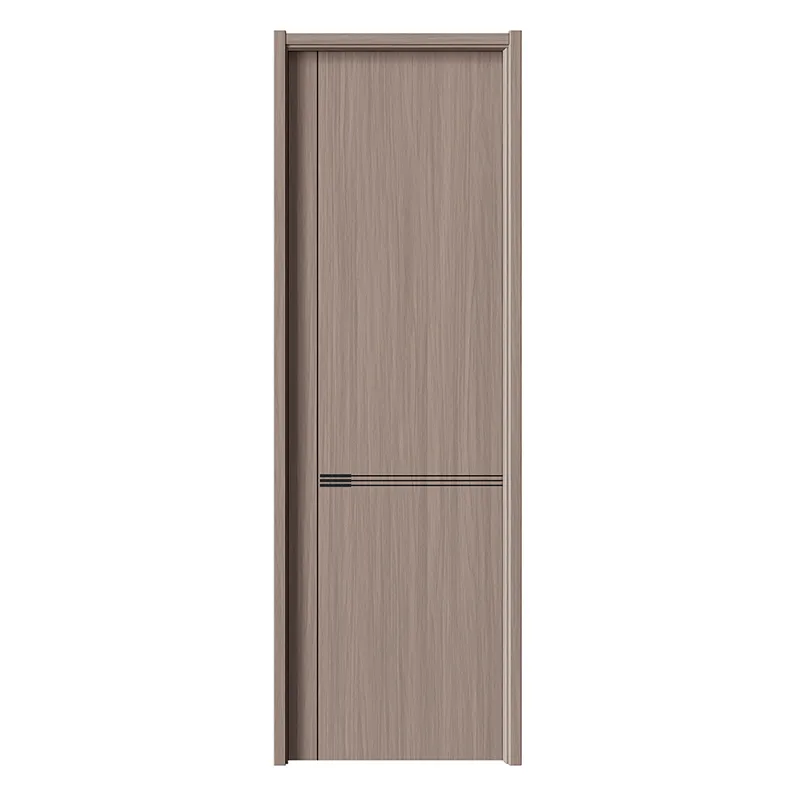
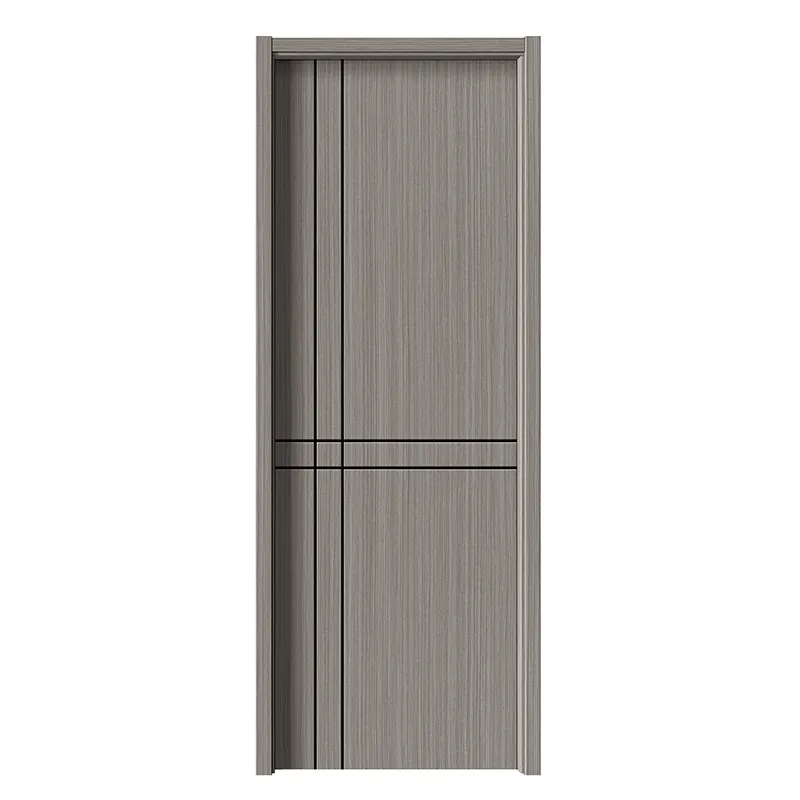
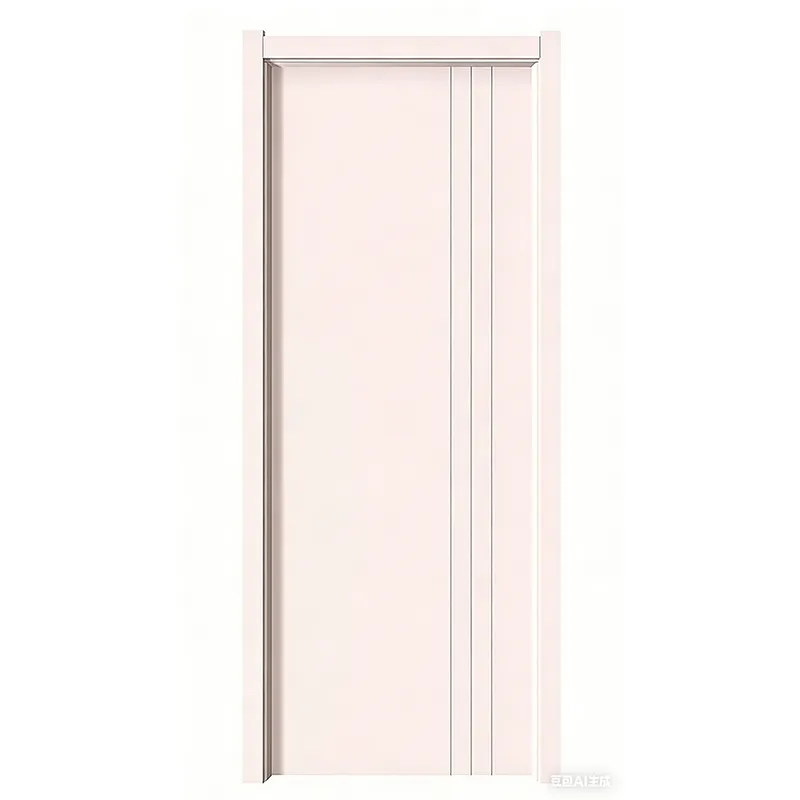
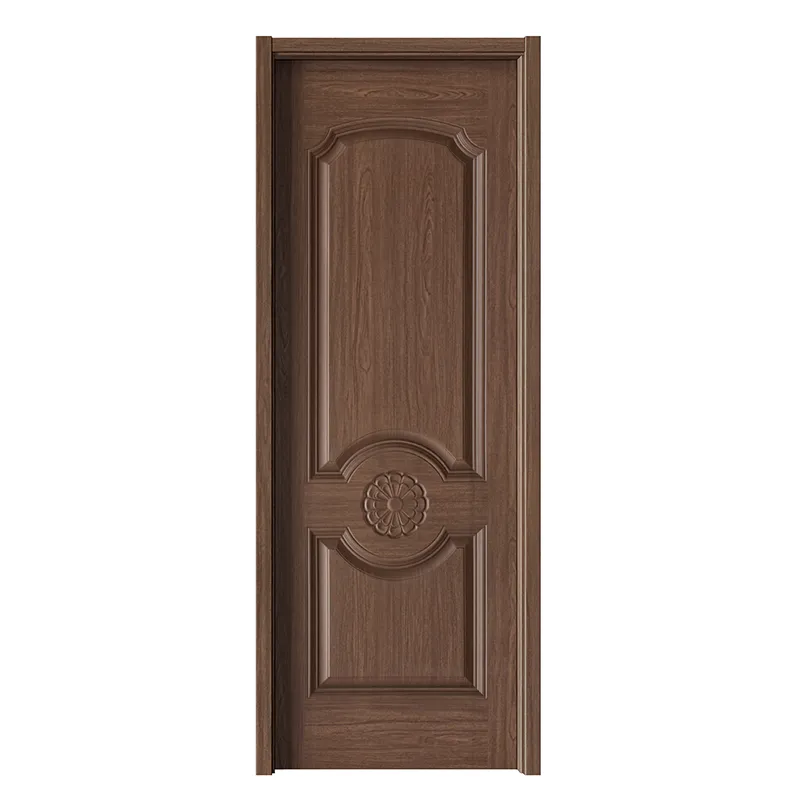
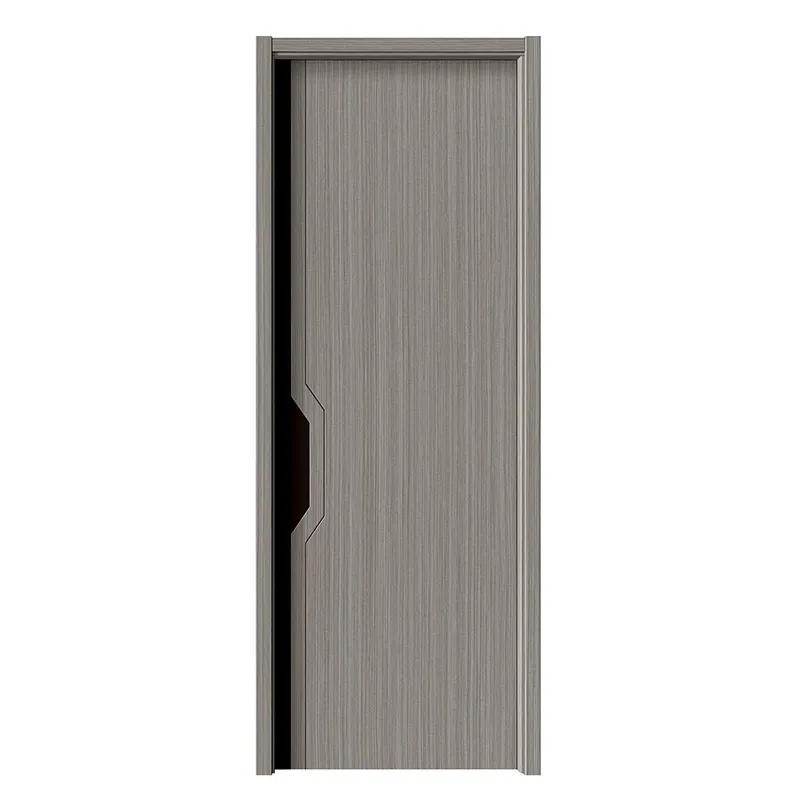

Best Sellingproducts
Best Selling Products-
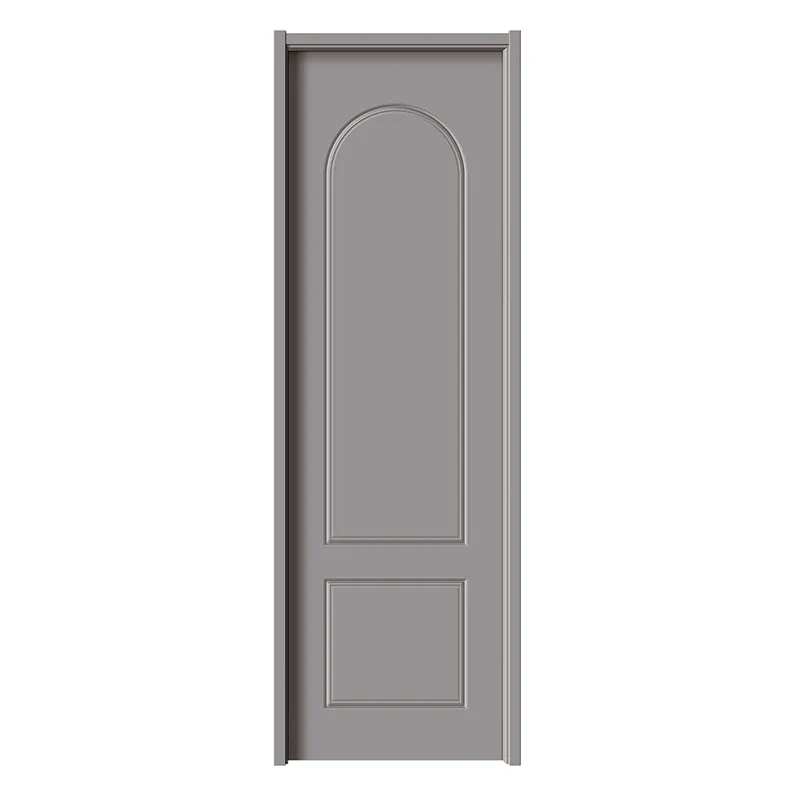 YST-241 French Door 1 soft stone gray
 -
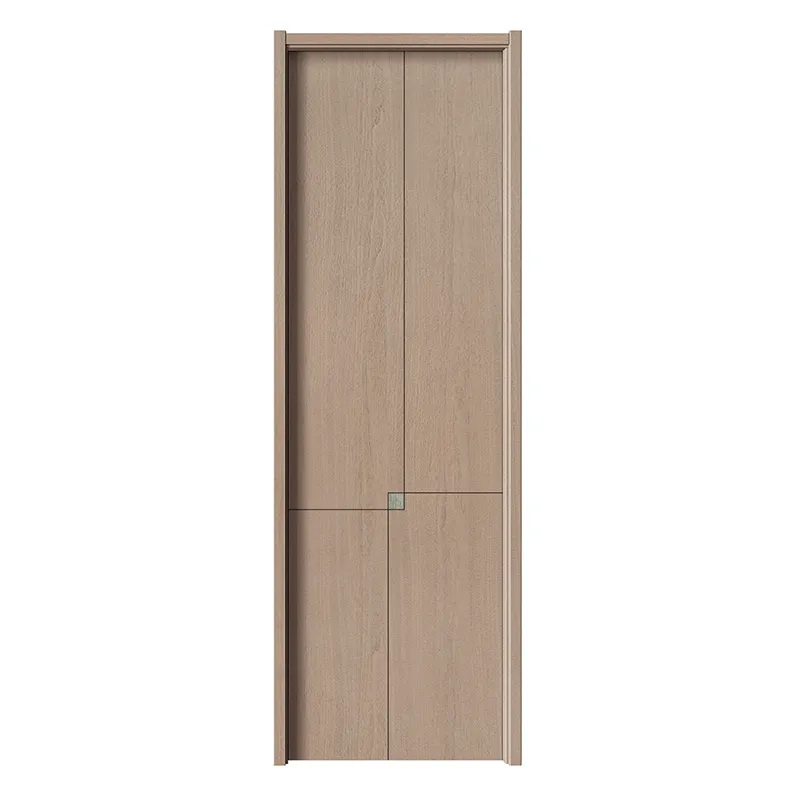 YST-1008 Door Natural walnut 2
 -
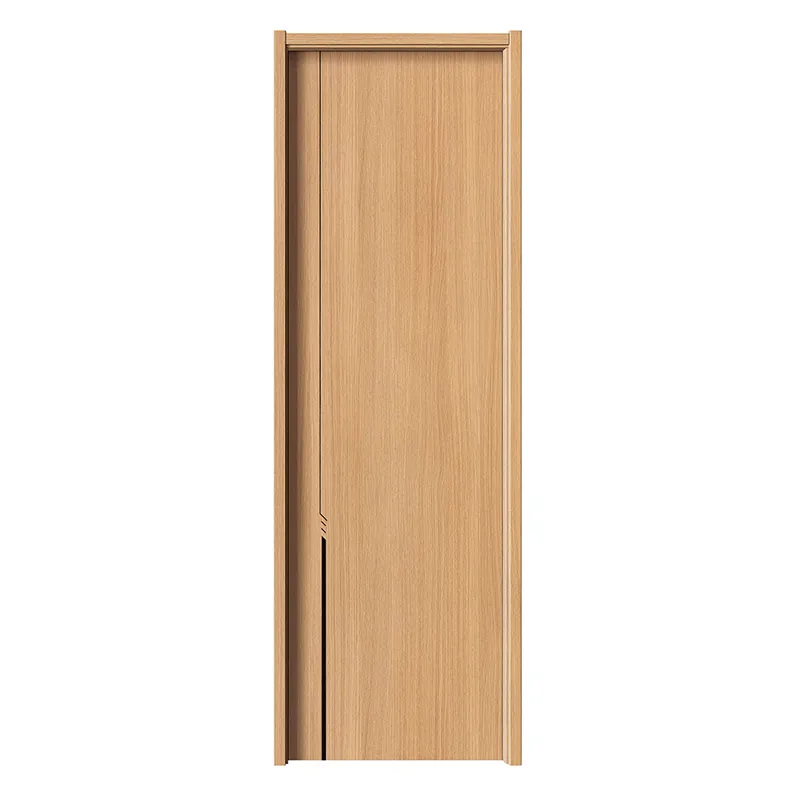 YST-1041 Door Oak Shutter
 -
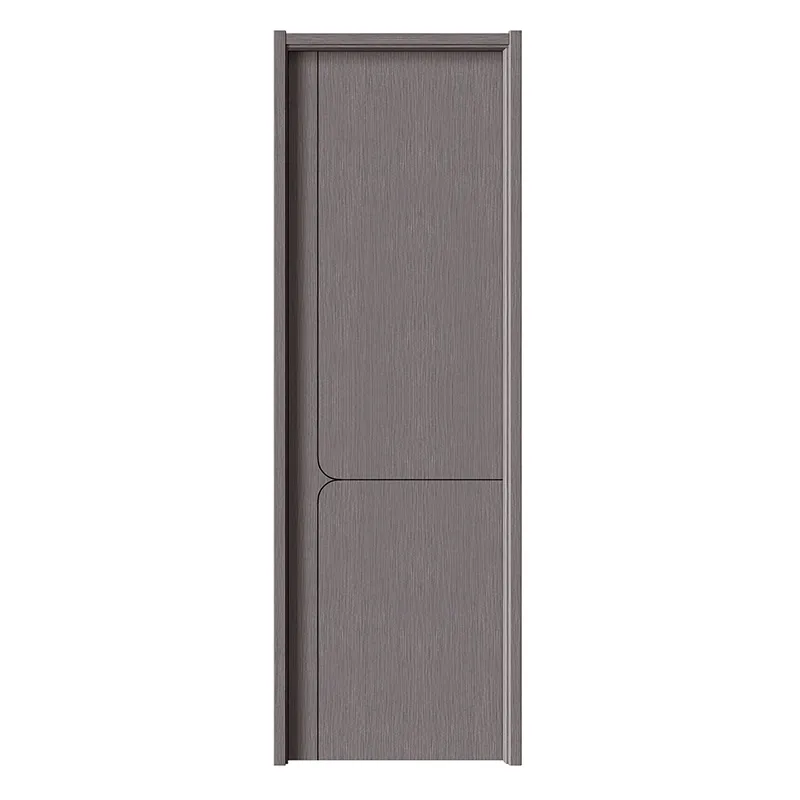 YST-1001 Door Chiaroscuro tree 2
 -
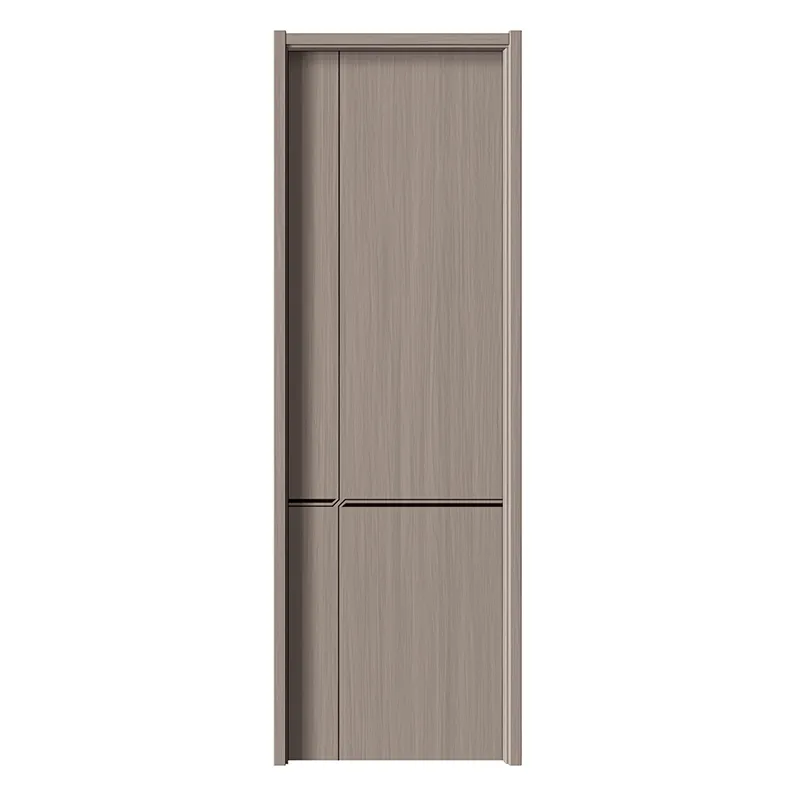 YST-1010 Door Translucent light shadow 3
 -
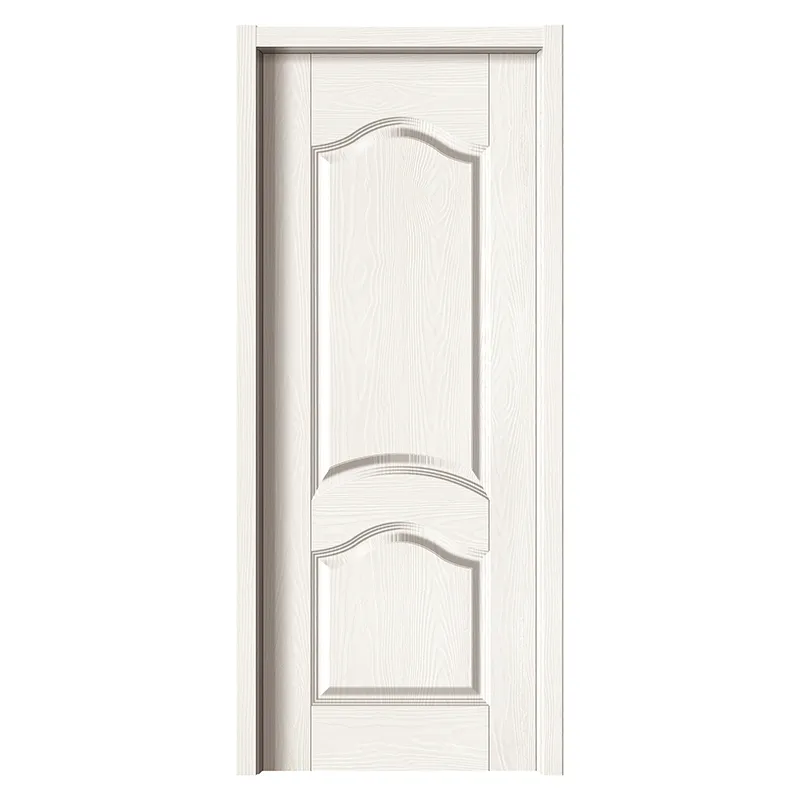 YST-224 Door Warm white with relief
 -
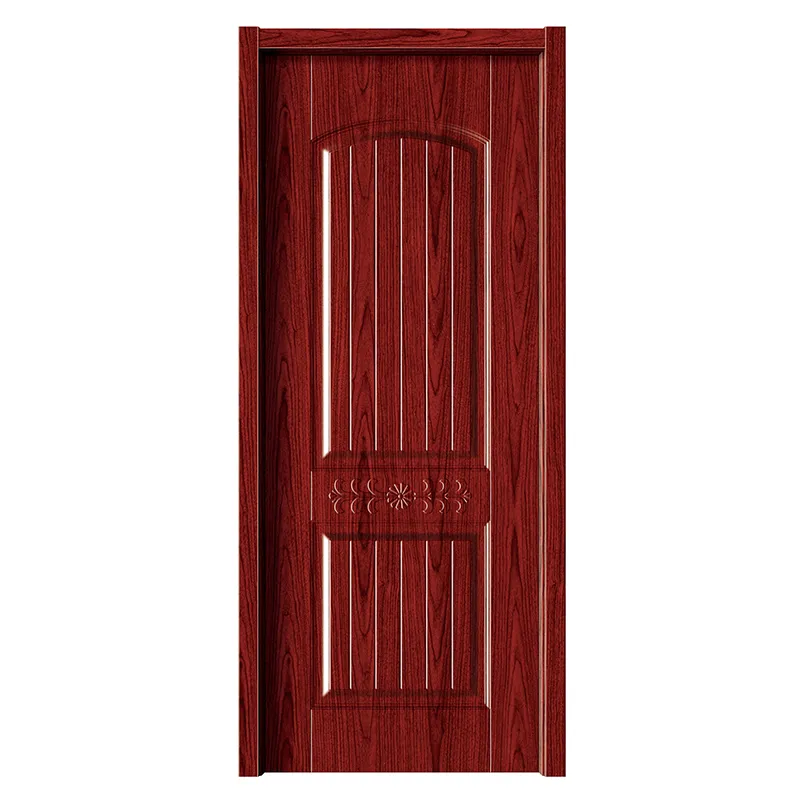 YST-233 Door Mahogany
 -
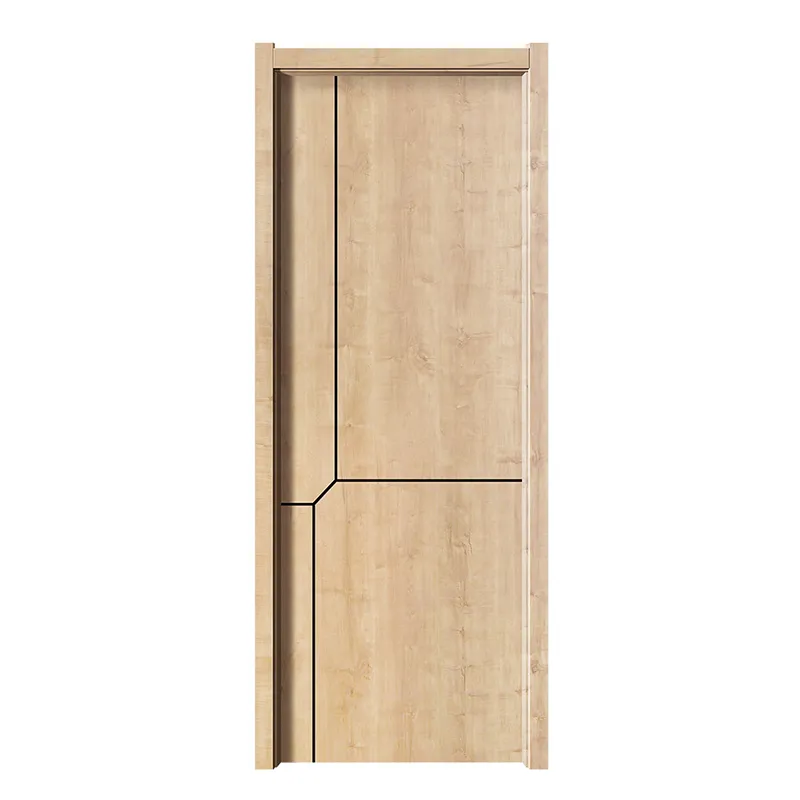 YST-WPC1 Door
 -
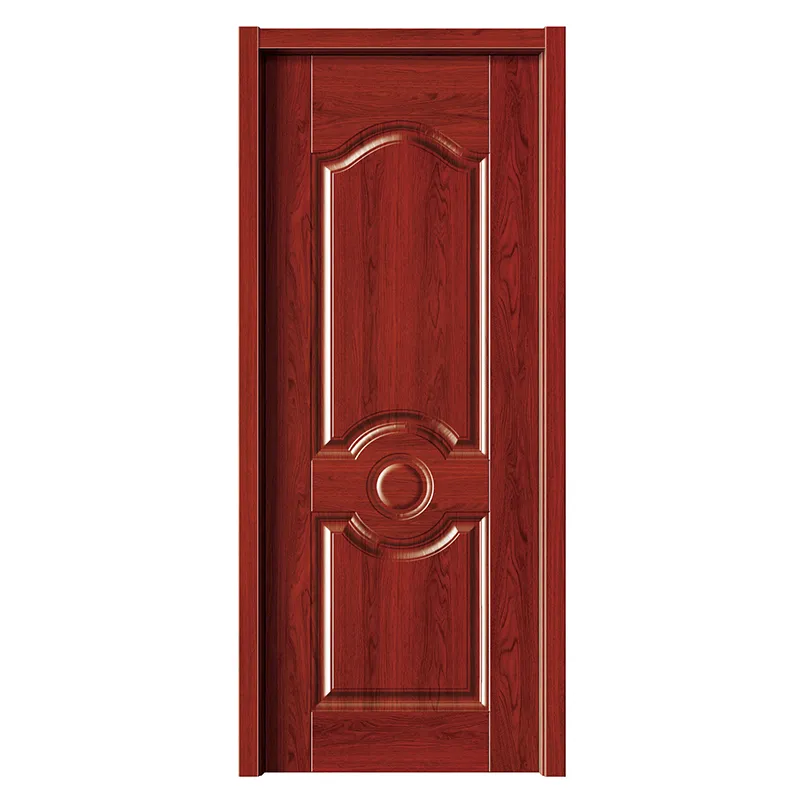 YST-208 Door Red Sandalwood
 -
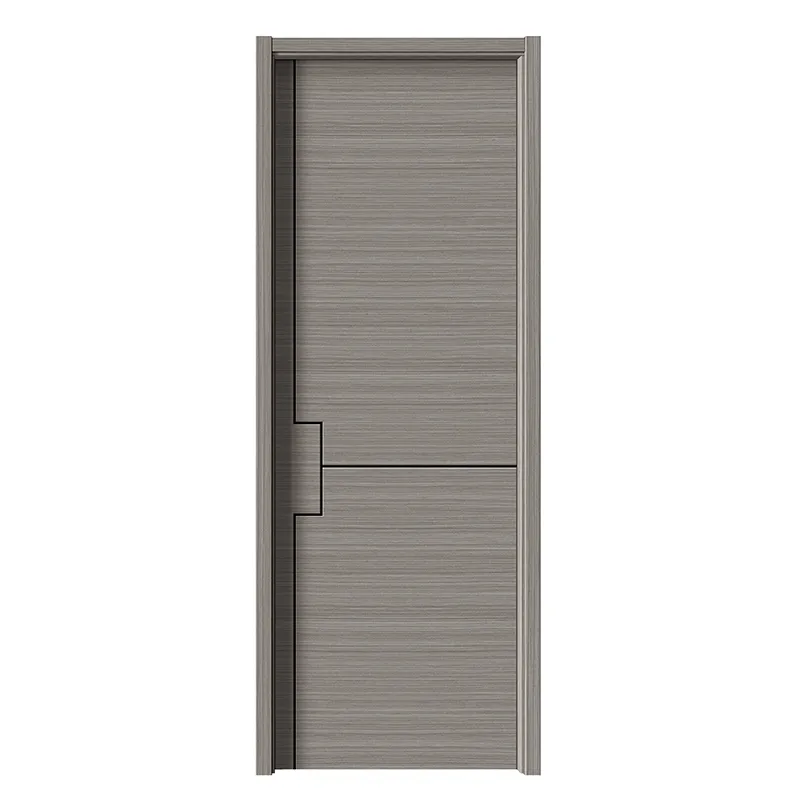 YST-1005 Technotree Door 2
 -
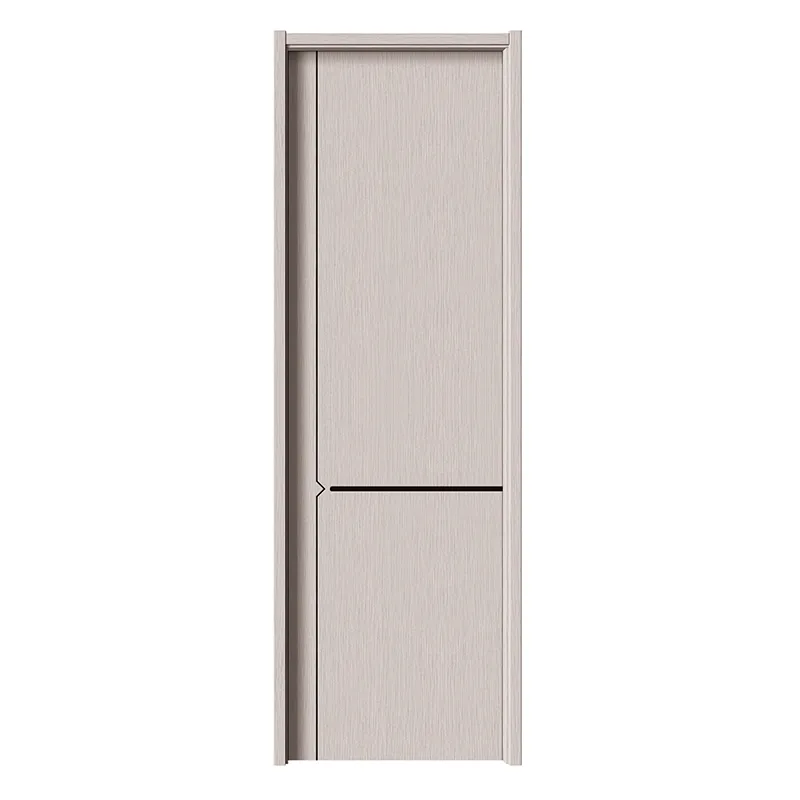 YST-1024 Door Chiaroscuro wood 1
 -
 YST-1011 Door Translucent light shadow 3