




Wooden slatted door
When you hear “slatted wooden door?”, many immediately imagine something simple, almost temporary - a shield made of bars, covered with something. But in practice, this is a whole class of structures, where the lath is not just a filling, but a load-bearing element of the fabric, which determines both the rigidity and the nature of the operation of the fittings. A common mistake is to think that because it’s a lath, it means it’s cheap for utility rooms. In fact, well put togetherwooden slatted doorwith the right breed and connection system it can last for decades even in intensive use, and the design... but more on that later.
What makes up the “correct” one? lath
It all starts with raw materials. You can take a chamber-drying pine slats - and this will be one option, budget-friendly, but quite suitable for dry rooms. Or maybe oak, with a radial cut, where the fibers run parallel to the length, which almost eliminates “torsion?” over time. The second option, of course, is several times more expensive, but the door is of a different category. I saw how a customer saved money on one property by installing pine slats in the bathroom of a cottage. Six months later there were cracks and the canvas began to sag. They converted it to oak with additional stabilization. So the first conclusion is: rack and rack are different.
Another nuance is the section and step. A solid array means overkill and weight, a sparse strip means a loss of rigidity. Optimally, in my opinion, this is a slatted width of 40-60 mm with a web thickness of 40 mm, with a pitch between the axes of the slats of no more than 100-120 mm. But this is not a dogma, it all depends on the dimensions of the canvas. For high doors, from 2.2 meters, an additional horizontal tie is often needed - a “crossbar?” from the same rock, otherwise sagging may appear over time. This is a detail that many craft manufacturers miss, making the canvas simply a set of vertical slats.
And a bunch. Glue plus dowels (wooden dowels) is a classic. But now they often use a micro-tenon (mini-comb) for tenoning, followed by pressing. This gives monolithicity. It is important that the glue is moisture resistant, especially for doors to dressing rooms or kitchens. I remember one supplier, it seems,Anhui Wantai Woodworking Co.,Ltd, in his materials focused specifically on adhesive systems that comply with European standards EN 204, which is critical for a rack structure - the gluing area is large.
From canvas to structure: strapping and filling
The slatted panel itself is not a door. It needs to be inserted into the harness - a frame made of more massive timber. And this is where a weak point often arises: connecting the corners. A simple end connection with glue is unreliable. The norm is a tongue and groove or, even better, a dovetail. This ensures that the box will not collapse due to changes in humidity. On their website,https://www.anhuiwantai.ru, by the way, in the description of the technologies, control at all stages is briefly mentioned, and for me, as a practitioner, this is an important signal - it means that they probably do not skimp on the piping connections.
What's between the slats? Sometimes they leave an air gap - the door turns out lighter, but the sound insulation is almost zero. More often, they are filled with honeycomb cardboard (corrugated cardboard) or, in more expensive versions, with MDF inserts. This increases bending rigidity and dampens sound. But there is a pitfall here: if the filling does not breathe, and technological holes are not made at the ends of the canvas, moisture may condense inside when there is a change in humidity. I saw such a case in a country house - the door began to “sweat?” from the inside, then a fungus appeared. I had to remove and drill the ventilation ducts.
Therefore, now for high-quality slatted doors, stabilized wood is often used or deep impregnation is used. This is no longer the level of mass market, but of premium solutions. The company I was talking about, in its philosophy, relies on accuracy and quality, and such technological nuances are exactly what distinguishes a serial product from a one-piece, but reliable one.
Installation practice and pitfalls
Installationwooden slatted door- a separate story. Due to the fact that the canvas has a pronounced structure and can “move” slightly. across the fibers, you need to be very careful when installing the loops. Standard doors with three hinges are often not enough. For a canvas with a width of 90 cm and a height of 210 cm, I would recommend four loops, preferably with adjustment. Otherwise, the bottom corner may sag.
Another point is preparing the opening. A slatted door, especially a massive one, is sensitive to distortions. If you screw the box into a crooked opening “by force”, after six months or a year you can get jammed or the same deformation. It is mandatory to check the level and diagonals, and it is better to fill the gaps around the perimeter not with polyurethane foam, which then expands and presses, but with polyurethane sealant with low expansion. It's more expensive, but quieter.
From personal experience: there was a facility being renovated in an old building. We ordered beautiful oak slatted doors. The openings were, to put it mildly, not ideal. The installers decided to save time and leveled the boxes with wedges and roughly tightened them. The result is that after a season the doors stopped closing. I had to remove it, strengthen the openings, and reinstall it. Conclusion: with wooden structures, especially slatted ones, where there are many elements, saving on preparation and installation comes at a cost. It’s better to invest time and resources for this right away.
Aesthetics and Application: Where It Really Appropriates
Often slatted doors are associated with country or rustic style. Yes, they look organic there. But modern processing allows you to make chamfers, roundings, combine wood types, and tint them in deep colors. It turns out to be quite a modern, even minimalistic object. For example, painted matte blackwooden slatted doorwith a thin slats profile - this is no longer a rustic style, but rather a loft or modern classic.
Where exactly are they good? In interiors where zoning is needed without solid partitions - say, between the kitchen and the dining room. They transmit light, do not visually burden the space, but at the same time give a feeling of separation. Also - as doors to technical rooms, boiler rooms, storerooms, where ventilation is important (if the slats are not solid). And, of course, in baths and saunas - but here only from certain species, like linden or abasha, and with special processing.
But for bedrooms or offices, where sound insulation is important, a classic slatted door without a special sandwich filling is not the best choice. Here you either need to thicken the canvas and use dense inserts, or choose a different type of construction. This is about the fact that there are no universal solutions. Just companies that work on the international market, likeAnhui Wantai Woodworking Co.,Ltd, usually offer different lines - for residential and commercial spaces, understanding that customer needs are different.
Instead of a conclusion: what to look for when choosing
So to summarize my experience. Choosingwooden slatted door, don't just look at the picture. Come up and knock on the canvas - the sound should be dull, uniform, without rattling. Inspect the end: is the structure of the slats visible, how are they connected? Are the lines straight and are there any traces of glue bubbles? Check the weight - a door that is too light may indicate hollow core or damp wood.
Ask the manufacturer or supplier about the type of wood, degree of drying (residual moisture should be 8-12%), type of strapping connection, and whether there is a guarantee on geometry. If they tell you general phrases about “environmental friendliness and beauty,” but cannot clearly answer technical questions, this is a reason to be wary.
Ultimately, a good slatted door is a balance between design, structural savvy and proper application. It does not pretend to be armored, but in its niche it is a durable, lively and warm element of the interior. And it’s precisely the approach that serious manufacturers declare—to build a business on precision and win with quality—that works one hundred percent here. Because in such a seemingly simple thing as a door made of slats, there are no trifles.
Correspondingproducts
Related Products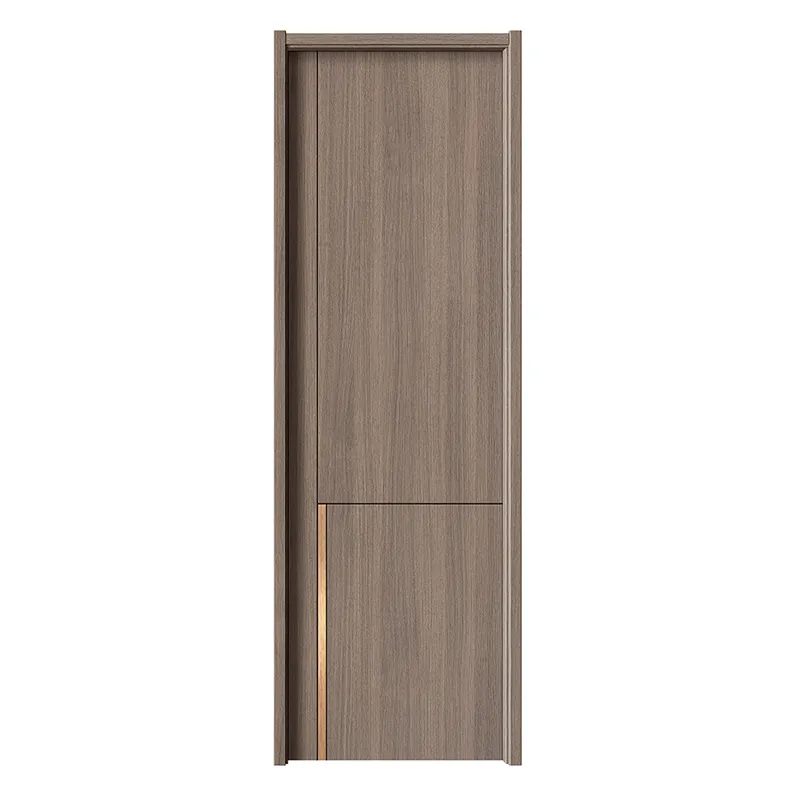
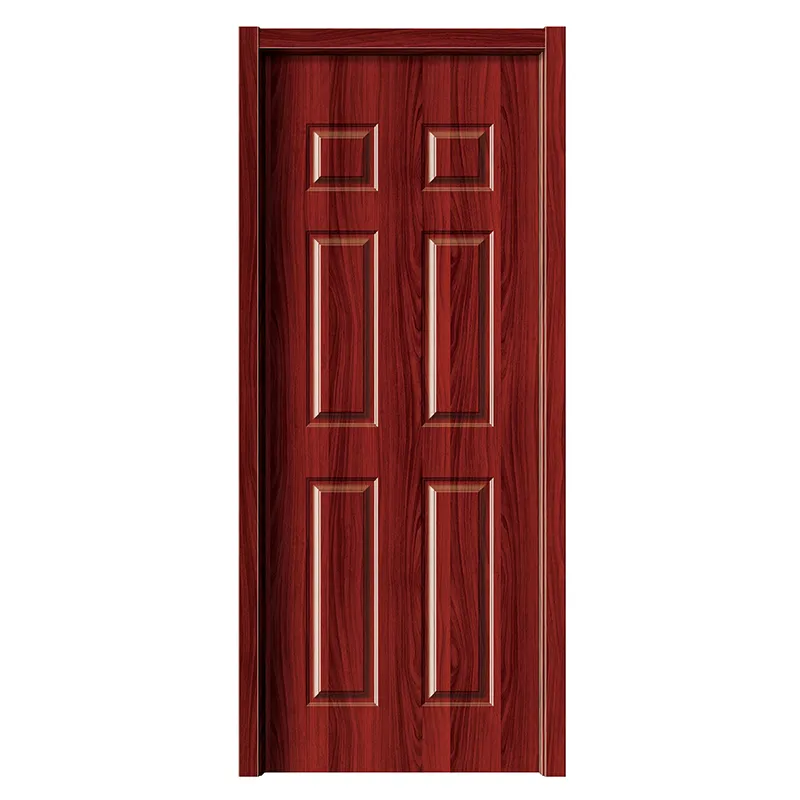
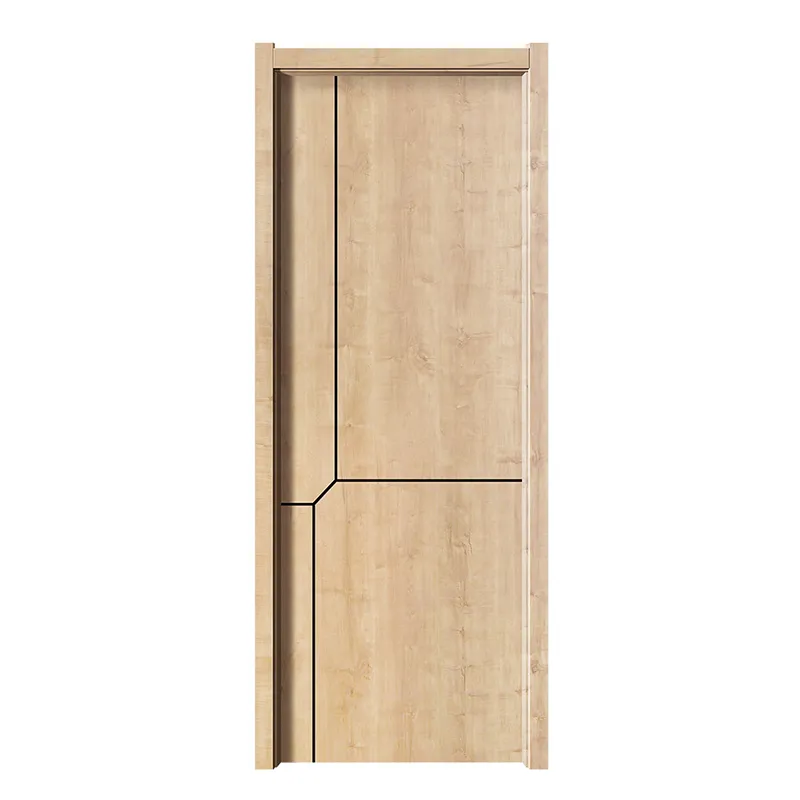
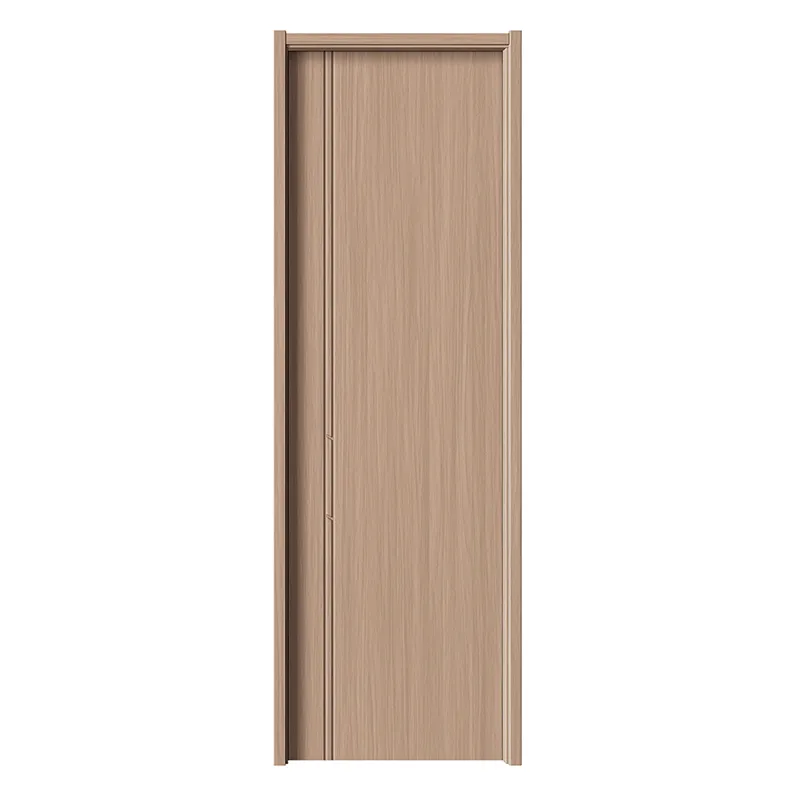

Best Sellingproducts
Best Selling Products-
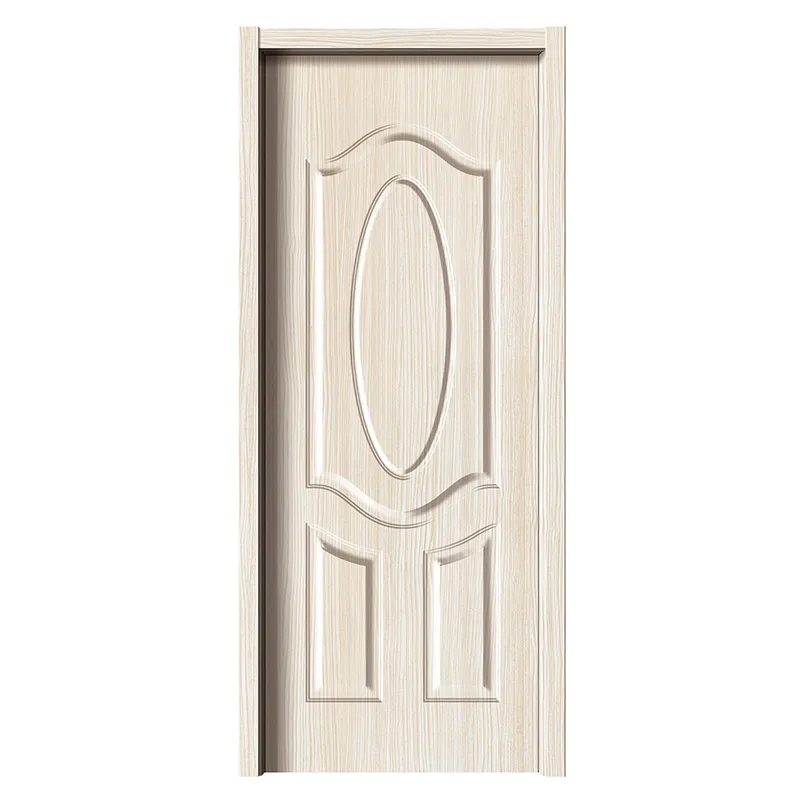 YST-216 Door White Maple
 -
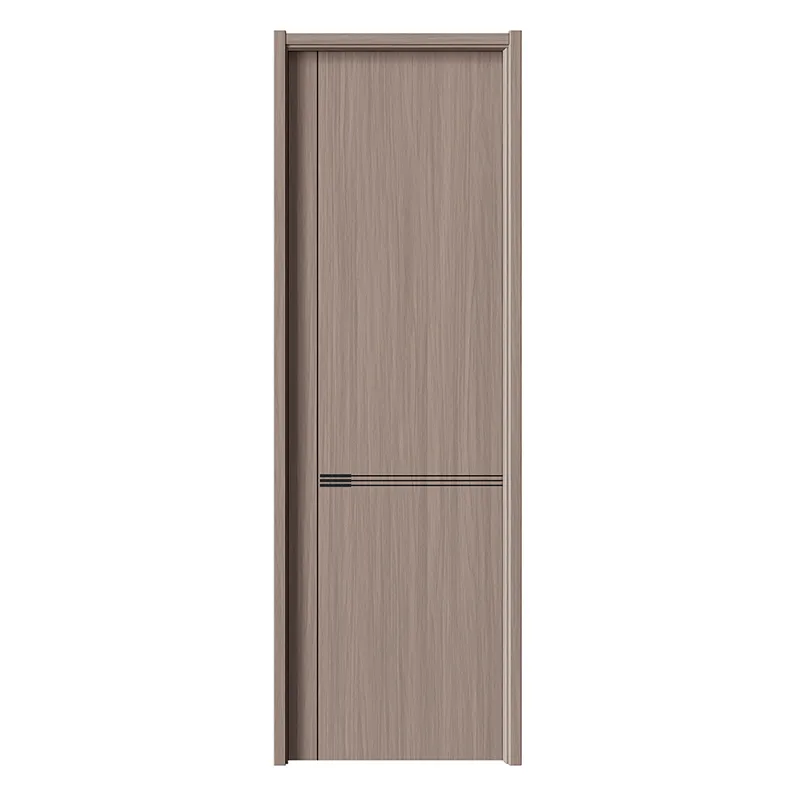 YST-1039 Door Translucent light shadow 3
 -
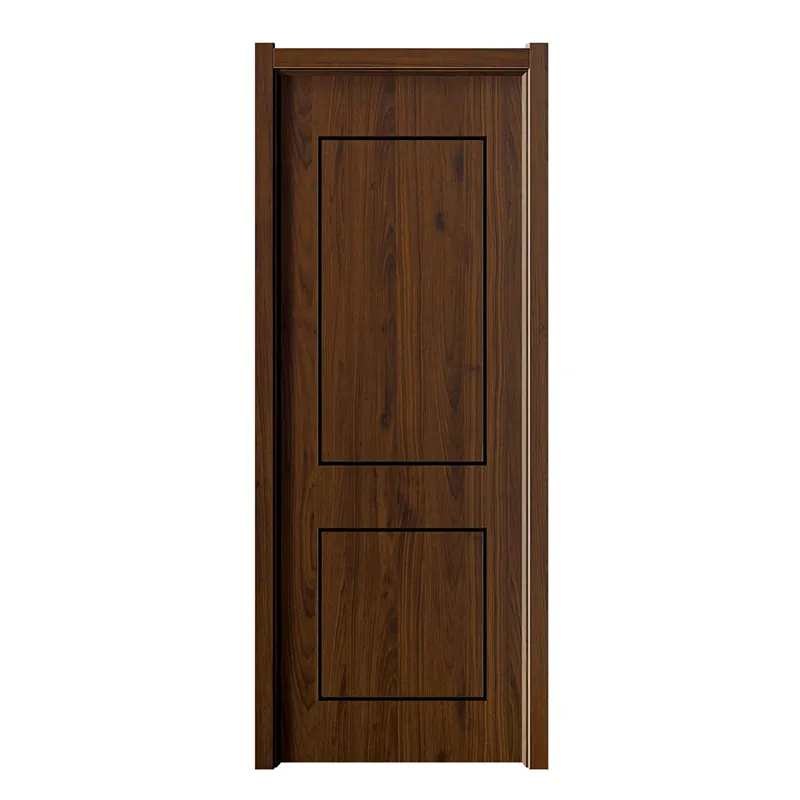 YST-WPC2 Door
 -
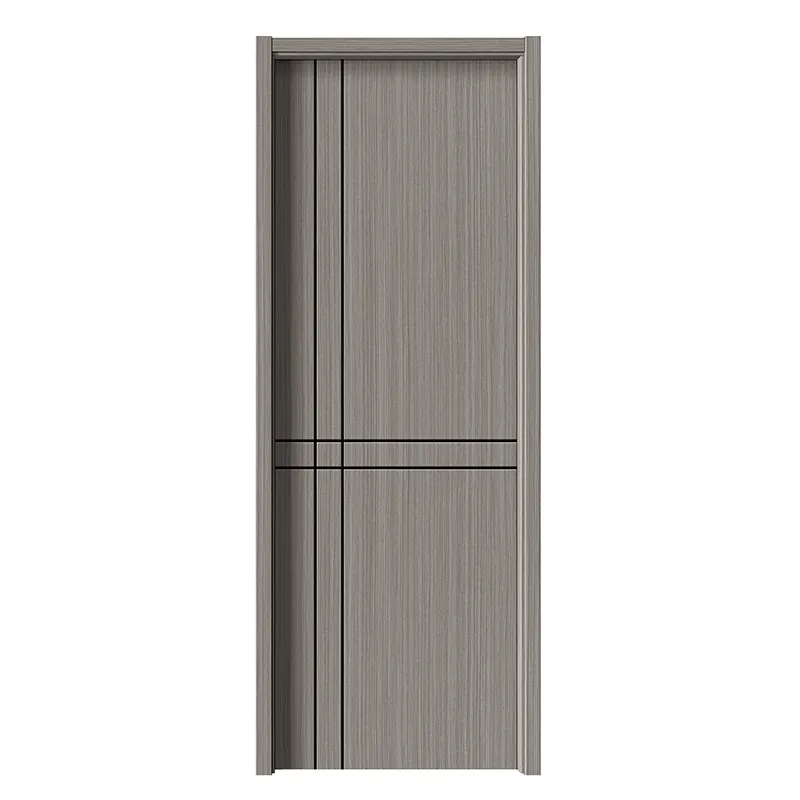 YST-1004 Door Technotree 2
 -
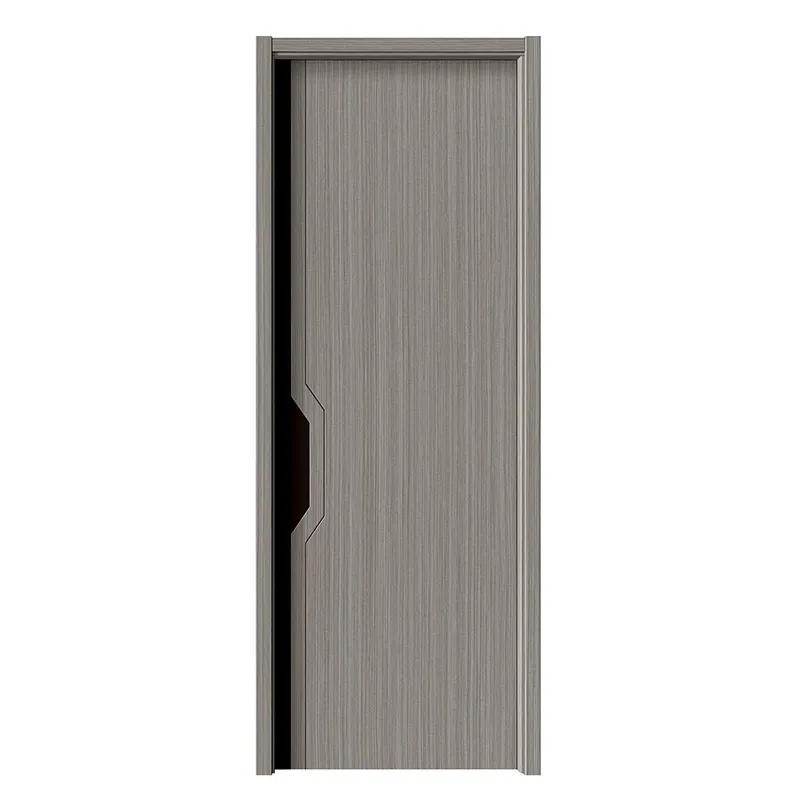 YST-1007 Technotree Door 2
 -
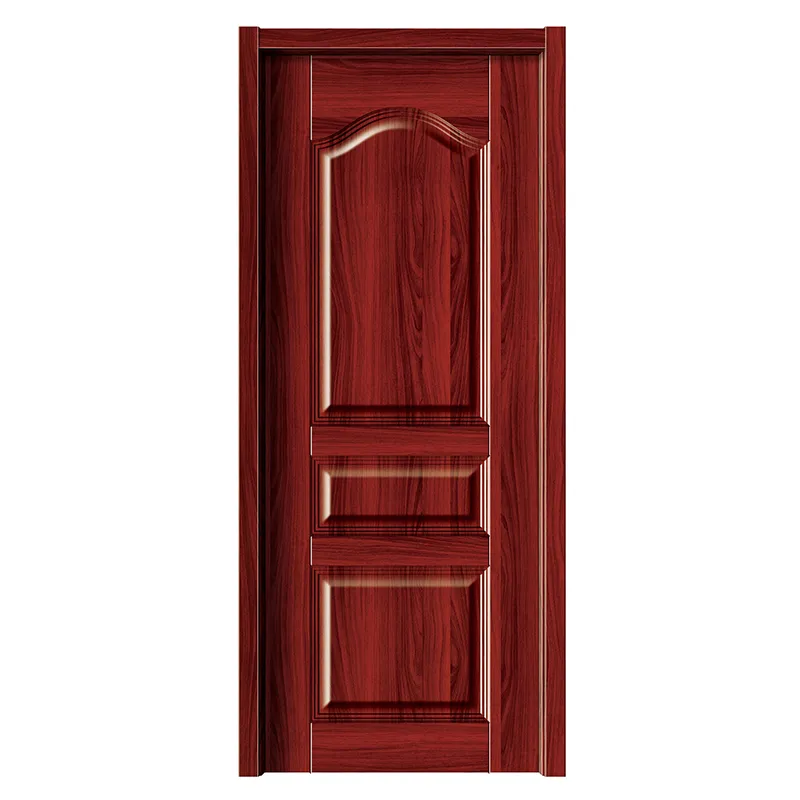 YST-203 Door Red team
 -
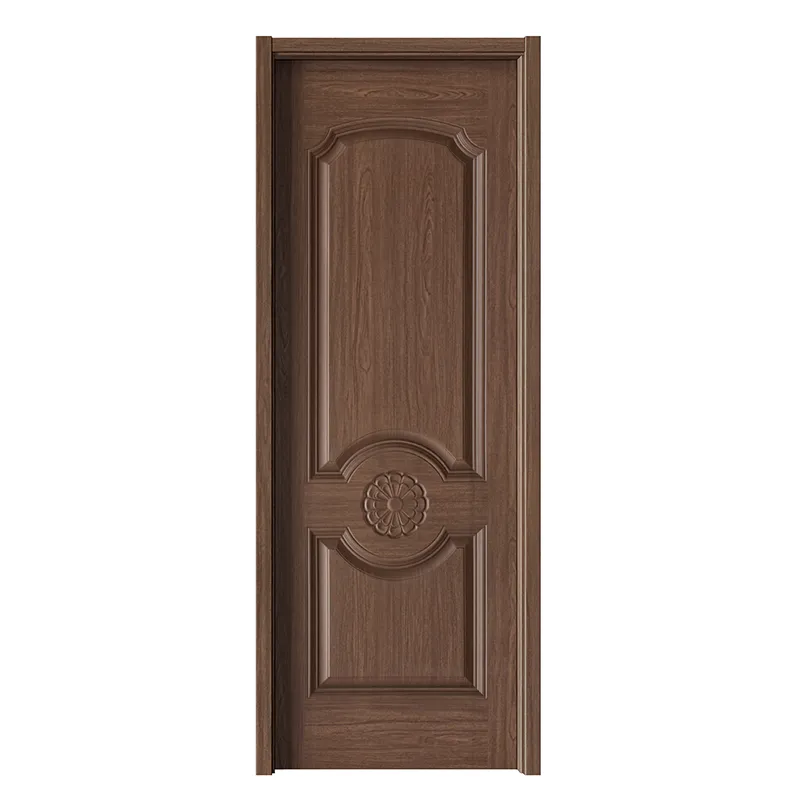 YST-212 Door North American Oak 2
 -
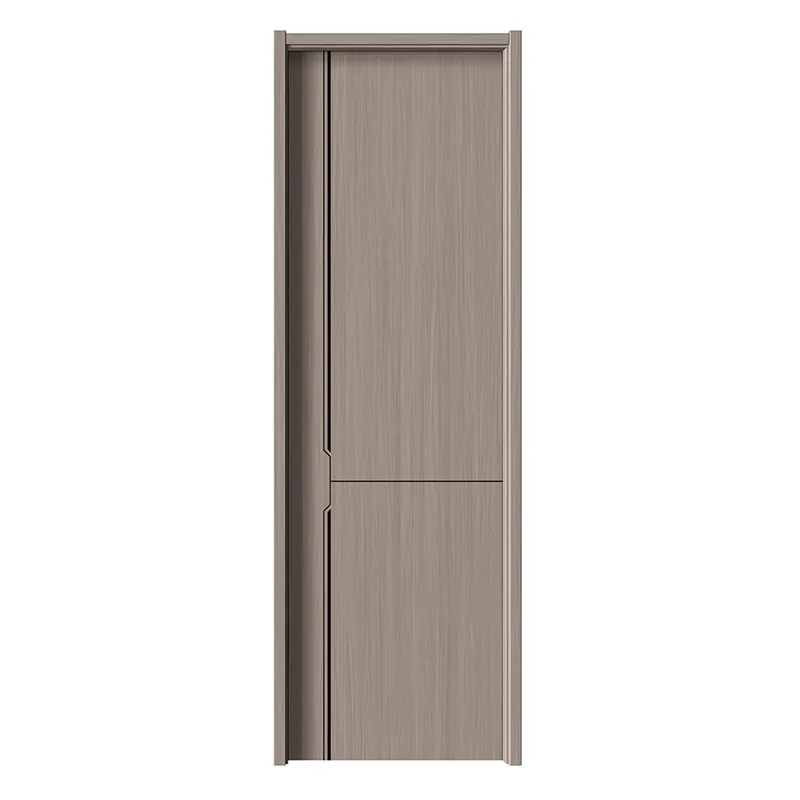 YST-1011 Door Translucent light shadow 3
 -
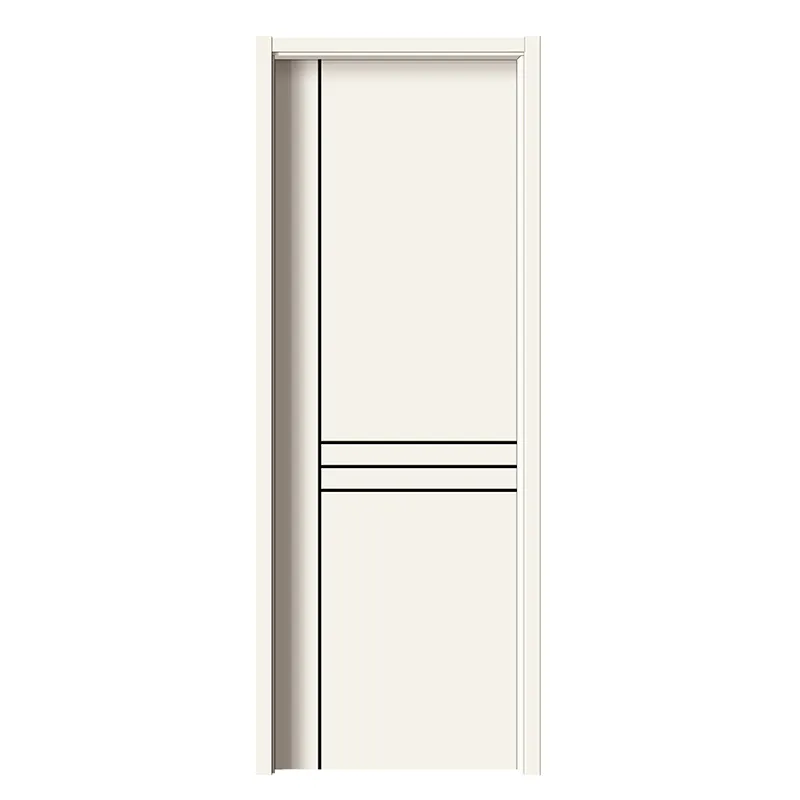 YST-220 Door Warm white
 -
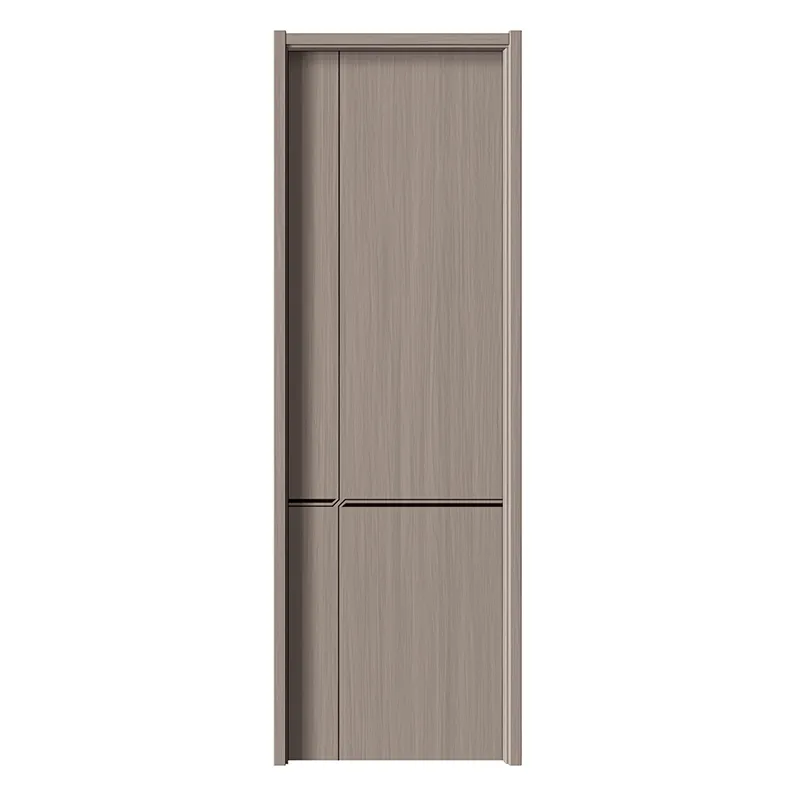 YST-1010 Door Translucent light shadow 3
 -
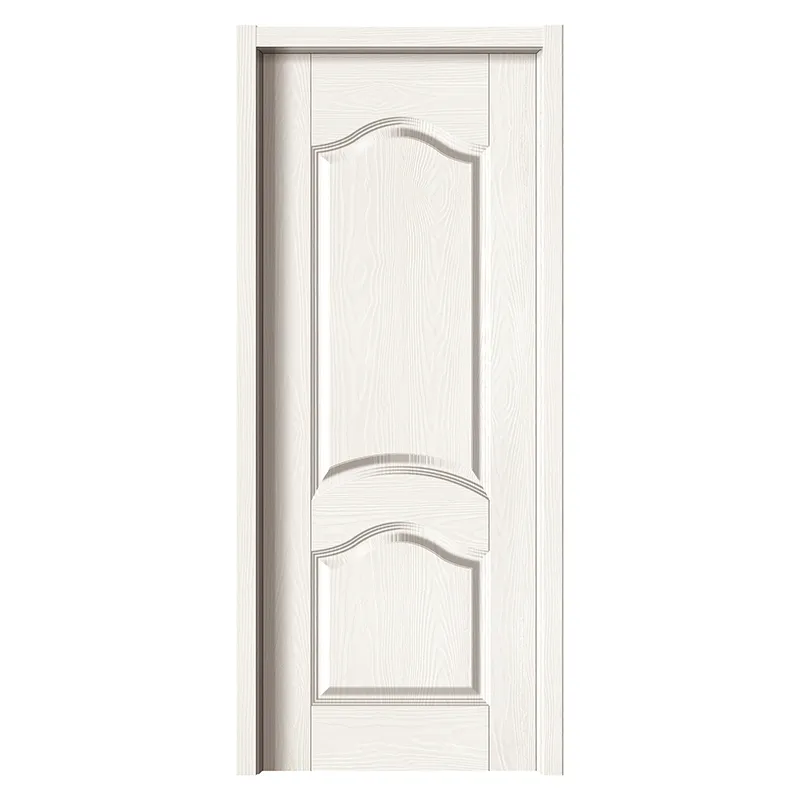 YST-224 Door Warm white with relief
 -
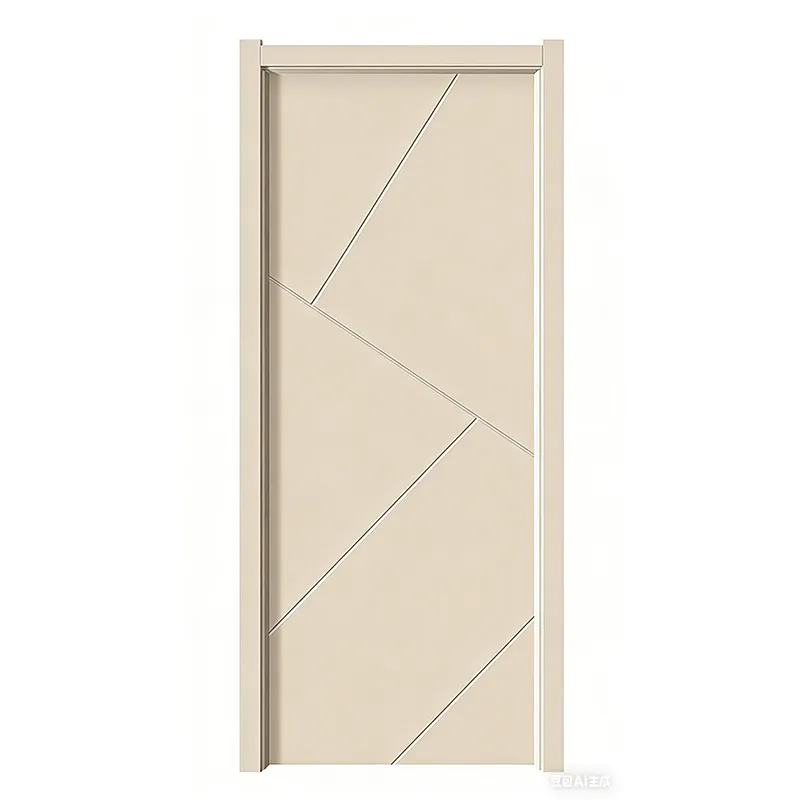 YST-WPC3 Door