




Plastic door to the street in a private house
When a customer says “need a plastic door to the street?”, they often simply mean “not wooden and not cold?”. But here lies the first pitfall. Plastic is different from plastic, and a street structure for a private house is not a balcony block made of sockets. This is an element that takes blows all year round: temperature changes from -30 to +30, humidity, ultraviolet radiation, wind loads. And if you approach the choice formally, after a couple of seasons you can get problems - from blowing and condensation to deformation of the sash.
How is an outdoor plastic door fundamentally different from an interior door?
Here it all starts with the profile. For the street you need at least a 5-chamber, and preferably a 6- or 7-chamber profile with reinforcement no thinner than 2 mm. I’ve heard opinions that for a dacha where people don’t go in winter, a thinner one would do. It won't do. Even in unheated mode, thermal cycles will not go away, the thin profile will “play out”, and the vestibule will depressurize. I checked it at sites in cottage communities near Moscow - the difference in the behavior of doors from a 3-chamber and a 6-chamber profile after two winters was striking.
The second key point is the double-glazed window. A single-chamber package for a street door is a gross mistake, although they often try to offer it as an “economy option”. The minimum is a two-chamber double-glazed window with energy-saving i-glass and chambers filled with argon. Otherwise, the dew point will be on the inner glass, and in winter the door will constantly “cry”, or even become covered with frost. There was a story when a customer saved money on a package by installing a single-chamber package. During the first frosty winter, condensation flowed onto the floor, a puddle formed, and the threshold began to rot. I had to replace the entire block.
Accessories are a separate story. Hinges and multi-locking systems (crossbars) must be designed for increased load. Cheap fittings on a street door will quickly become loose from frequent opening and closing and wind. I recommend immediately looking at products from brands like Roto or Siegenia. Yes, it is more expensive, but replacing faulty fittings almost always means dismantling the sash and serious work.
Installation: where do generalists most often make mistakes?
The most common mistake is installation on polyurethane foam without proper preparation of the opening and without taking into account linear expansion. Does plastic “breathe”? when the temperature changes. If you rigidly foam it around the entire perimeter, without leaving technological gaps and without using spacer wedges, the profile may fail. I saw the consequences at one site - the door was warped so that the bottom corner came off the seal, creating a finger-thick gap.
The correct installation pie looks like this: leveling and waterproofing the opening, installing the block on anchor plates or anchors (not only from the hinge side!), foaming with the obligatory use of spacers, checking the geometry by level after each stage. And it is mandatory to install an external flashing and a protective waterproofing tape (PSUL) along the top seam so that moisture does not flow under the foam. Many people neglect this, and then wonder why over time the seam on the street side darkens and collapses.
Another nuance is the threshold. For an outdoor door, it should be aluminum with a thermal break, not plastic. The plastic threshold at the entrance quickly wears out, gets scratched, and loses its appearance. Aluminum with a rubber seal is much more durable. And pay attention to the height of the threshold - too high will be inconvenient, too low may not resist drafts well.
Alternatives and hybrid solutions: when plastic is not the only option
Sometimes clients ask: what if we combine? For example, a plastic door with wooden lining on the inside. There are such solutions; they are designed to combine the energy efficiency of plastic with the aesthetics of wood. But here it is important that the wooden linings are made of high quality, with a groove for ventilation, otherwise deformation is possible due to changes in humidity inside the house. I myself treat such hybrids with caution - more junctions, more potential problems.
If we talk about a clean alternative, then modern wooden doors are worth considering for a private home. Yes, they require more care, but when properly designed, they are not inferior to good plastic in terms of thermal insulation. For example, a companyAnhui Wantai Woodworking Co.,Ltd (https://www.anhuiwantai.ru), which supplies the market with wooden doors that combine design and practicality. Their approach shows an emphasis on precision and quality at all stages - from raw materials to process control. For a client who values natural materials and is willing to take care of them, this may be a worthy option. Although, I repeat, for purely street use in harsh climates, plastic with its stability often remains a more practical choice.
There are also steel doors with a thermal break, but this is a different price category and a different aesthetic - more suitable for the front entrance, where an increased protection class is important.
Details to pay attention to when accepting work
When the door is already standing, do not rush to pay in full. Check a few things. The first is smoothness. The sash should open and close without effort, jerking, and not sag. in the corners. The second is the porch. Close the door and look at the opening around the perimeter. The gap should be uniform. You can try inserting a sheet of paper in the closed state - if it is pulled out with great resistance, it means that the seal is pressed well.
Be sure to check the operation of locks and bolts on all sides. All locking points must operate clearly. Pay attention to the condition of the seals around the perimeter - they should lie flat, without kinks or wrinkles. And, of course, the appearance: no chips, scratches on the profile or glass unit.
Ask the installers to show how the hinges and sash pressure are adjusted. This will come in handy in the future; after a year or two, a little adjustment may be required - this is normal for any door that experiences temperature changes.
Summary: what you definitely shouldn’t save on
To sum it up, I’ll say that saving money on a plastic outdoor door almost always backfires. You cannot save on the thickness and chamberness of the profile. You cannot save on double-glazed windows - only two-chamber energy-saving ones. You absolutely cannot save on accessories. And you can’t trust the installation to “schemers”? without verified reviews and understanding of the specifics of street structures.
goodplastic door to the street in a private houseis a system where all components work together. A weak profile will not hold a heavy double-glazed window, poor fittings will not ensure tightness, and poor-quality installation will negate the benefits of even the most expensive design. Choose not just a “plastic door”, but a comprehensive solution for the specific conditions of your home.
Ultimately, such a door is an investment in the comfort and warmth of your home for years to come. And, like any investment, it requires a balanced approach, not immediate gain. It’s better to invest once in a reliable system than to patch up problems and lose heat every year.
Correspondingproducts
Related Products

Best Sellingproducts
Best Selling Products-
 YST-1004 Door Technotree 2
 -
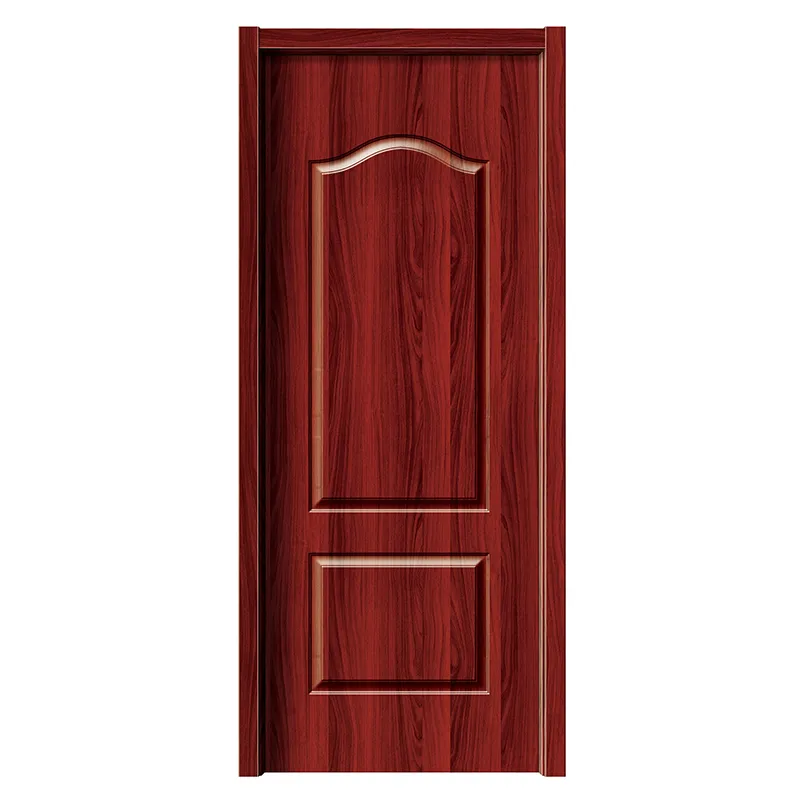 YST-207 Door Red team
 -
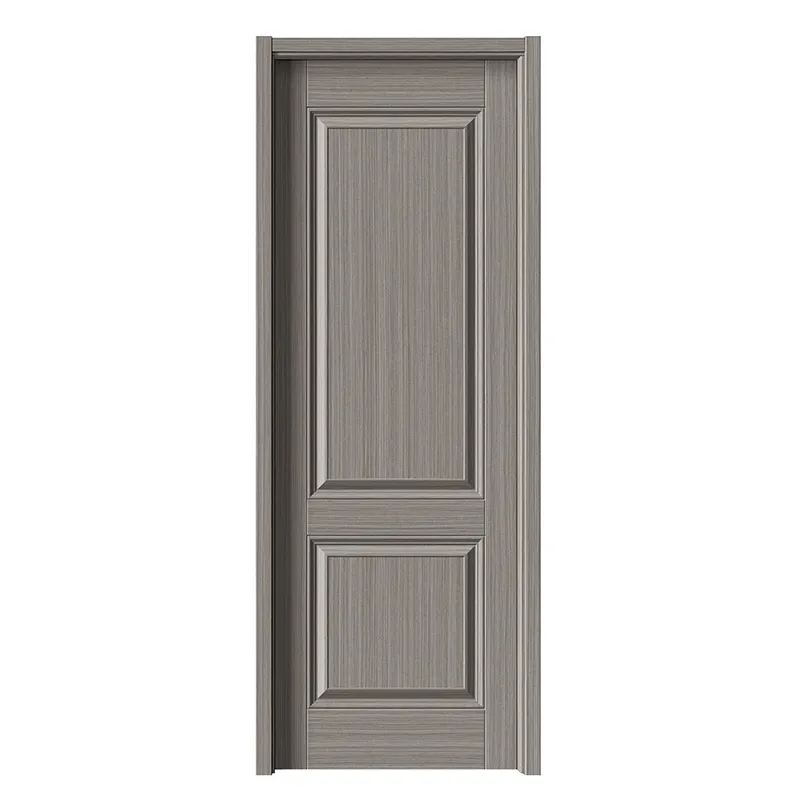 YST-214 Door Technowood 2
 -
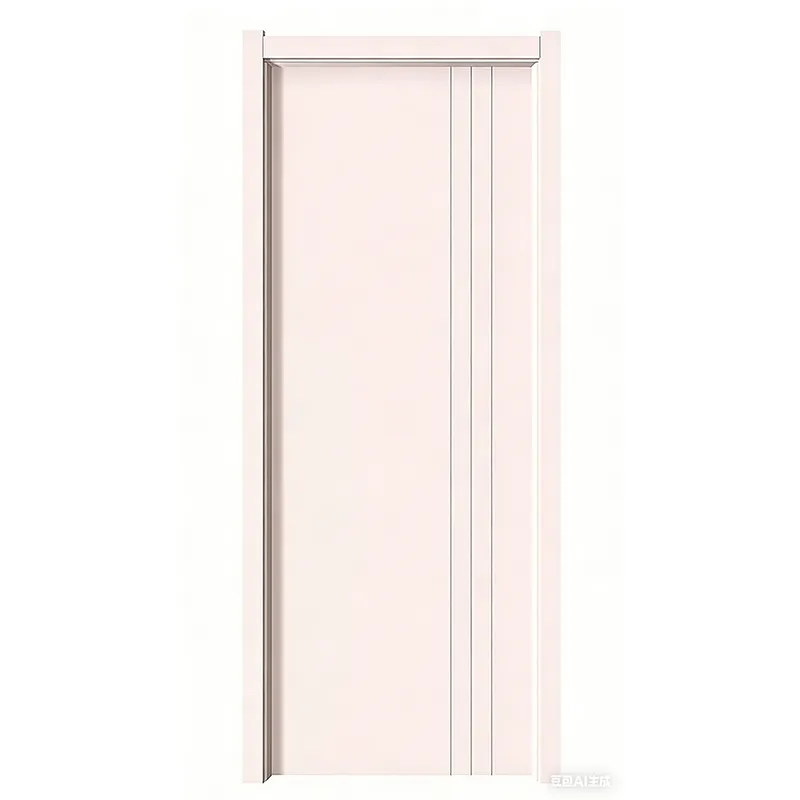 YST-WPC4 Door
 -
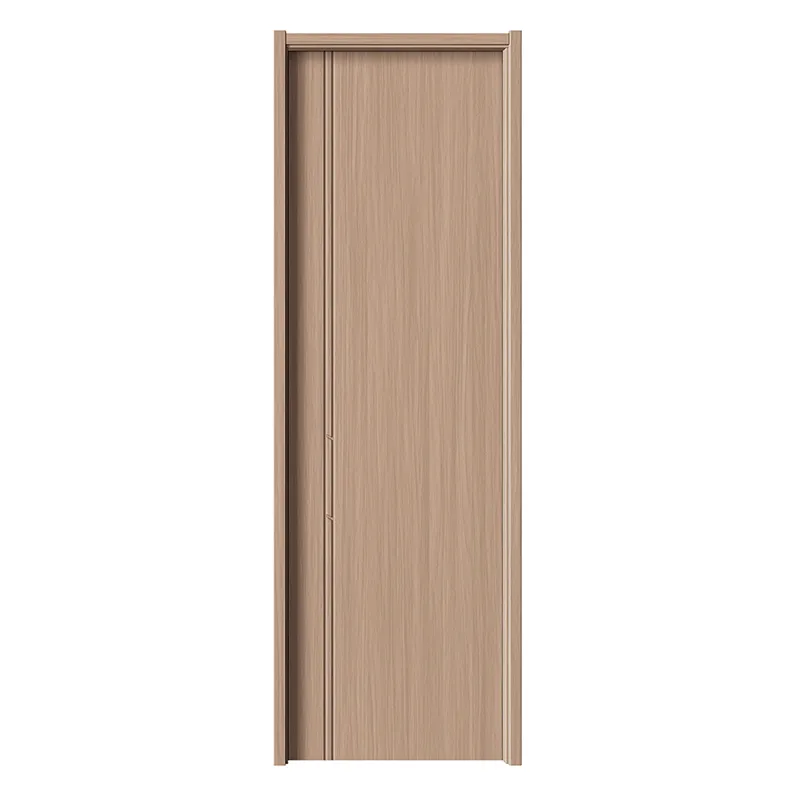 YST-1009 Door Translucent light shade 1
 -
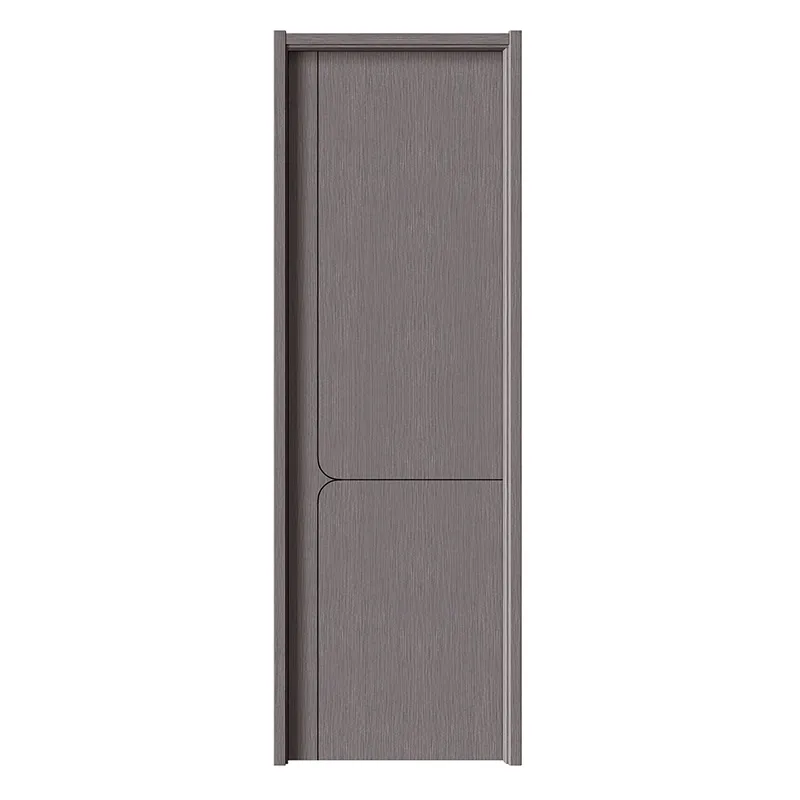 YST-1001 Door Chiaroscuro tree 2
 -
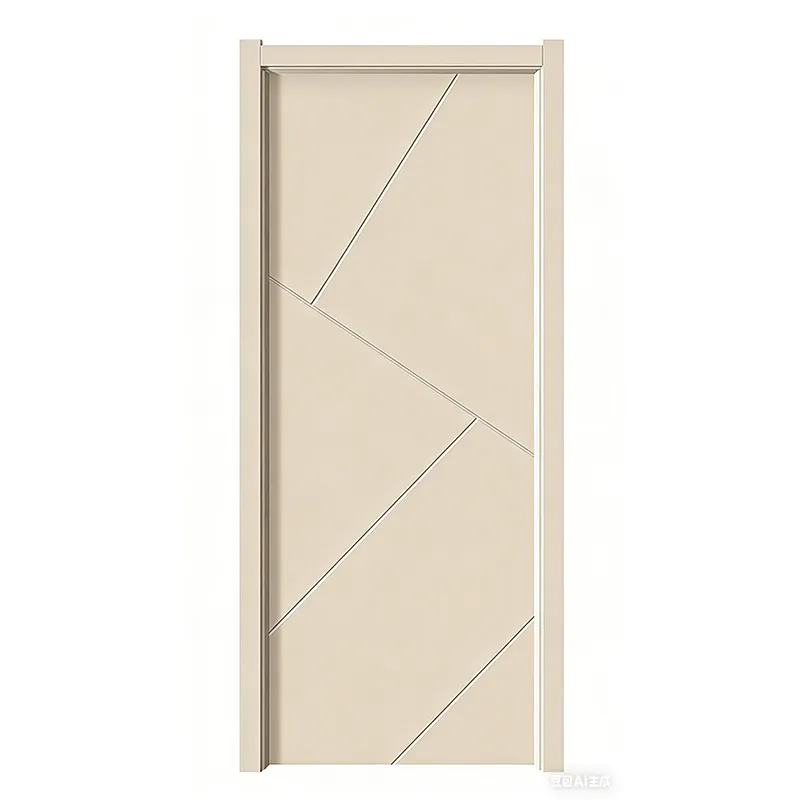 YST-WPC3 Door
 -
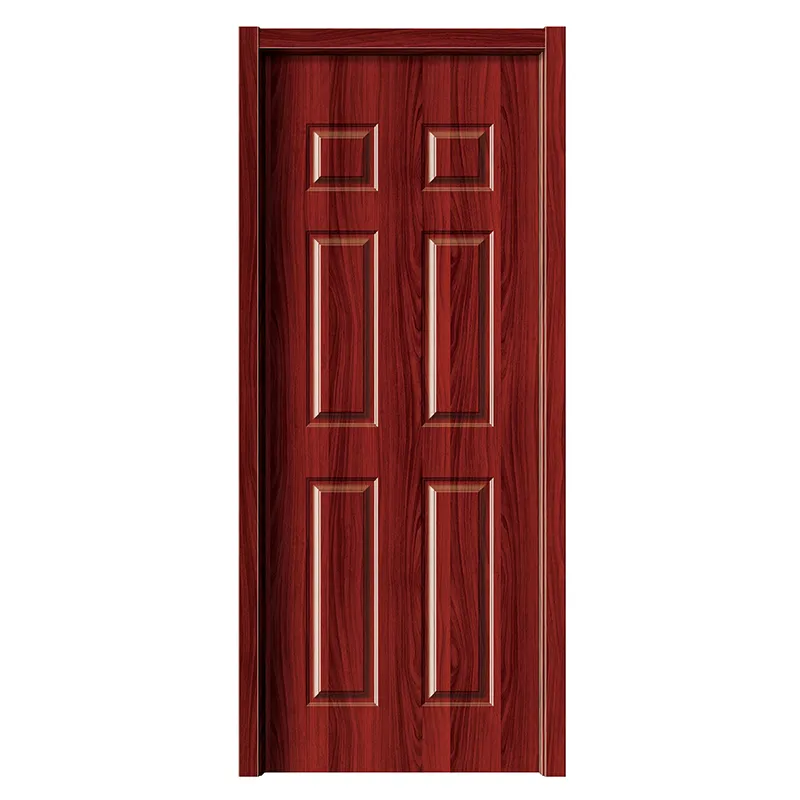 YST-201 Door Red team
 -
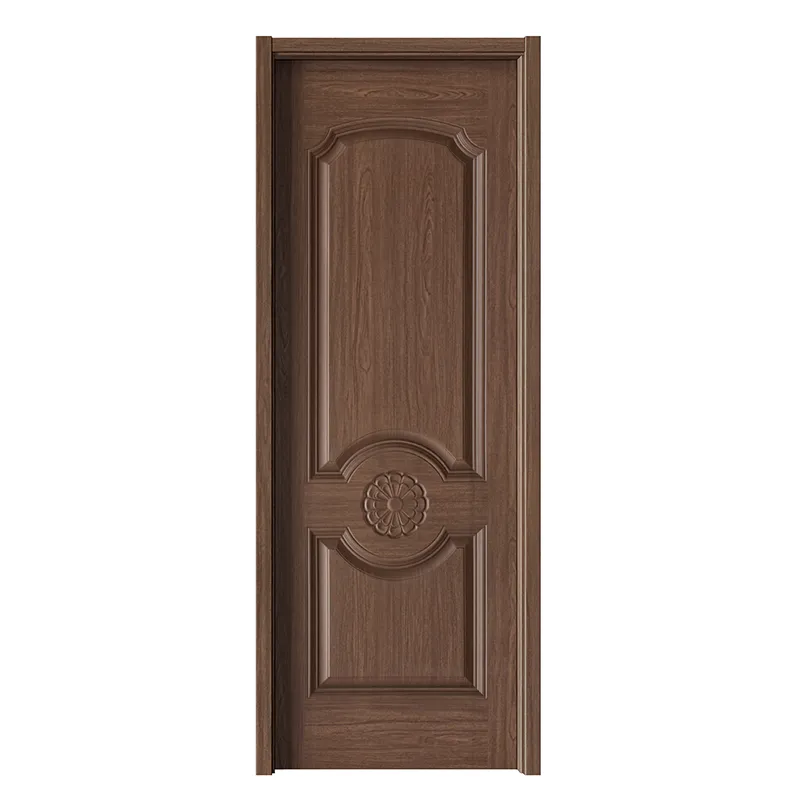 YST-212 Door North American Oak 2
 -
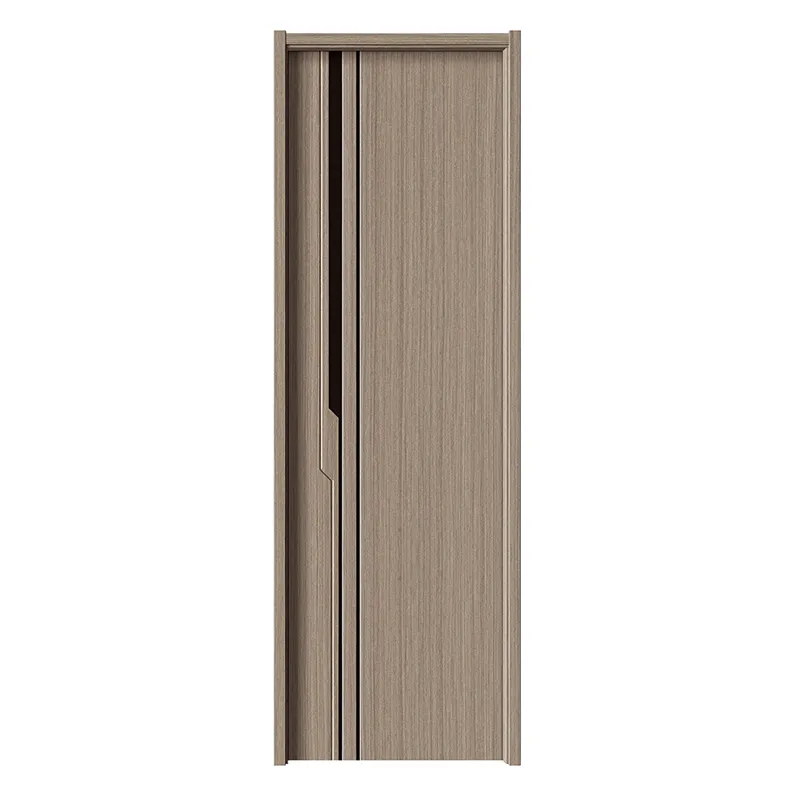 YST-1018 Technowood Door 1
 -
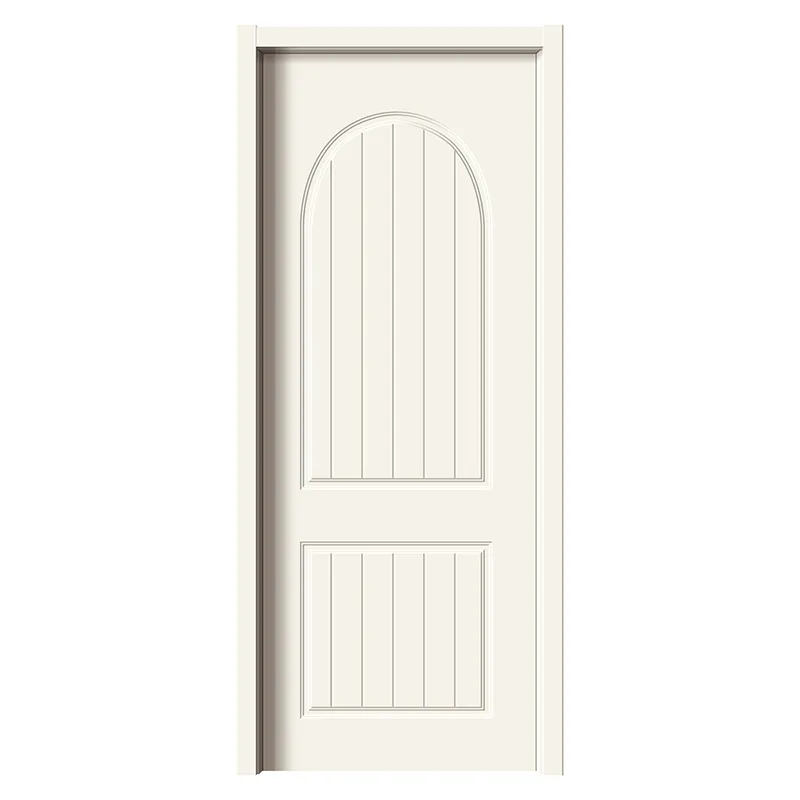 YST-236 Door White ivory
 -
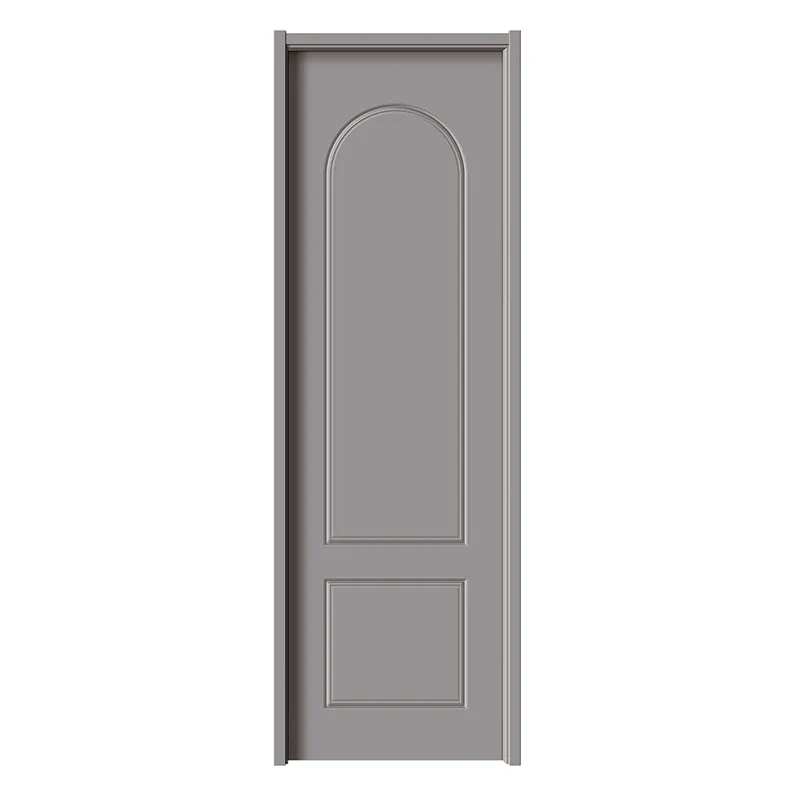 YST-241 French Door 1 soft stone gray