




Hidden wood door
When you hear “hidden door under wood?”, many people immediately imagine a beautiful panel that merges with the wall. But in practice, if you have been involved in installation, you know that this story is not about finishing, but about mechanics, tolerances and proper preparation of the opening. The main mistake of customers and even some contractors is to think that the main thing is the appearance of the finishing layer “like wood”. In fact, 90% of the problems later - creaks, distortions, difficulties with opening - rest on an incorrectly assembled hidden box and an ill-conceived hinge system. This is where artisanal assembly and professional approach are separated.
Concept and common misconceptions
The whole idea of a hidden door is to create the illusion of a solid wall. The key word is “illusion”. It is destroyed not only by the visible gap, but also by the sound: the dull, regular knock when closing a high-quality hidden door differs from the dull blow of a poorly fitted structure. It is often thought that for ?hiding? overhead hinges and a thin box are enough. This is a dead end path. You need a special hidden box, often reinforced, and corresponding hidden hinges that hold the weight of the canvas without distortion.
As for the wood finish? — there is also a nuance here. This is not necessarily an array. More often it is an MDF panel with high-quality veneer or even a modern film with a precise texture. The choice depends on the conditions: in a dry residential space you can work with veneer, but for a commercial space with changes in humidity, stable engineering solutions are often more reliable. For example, some manufacturers, likeAnhui Wantai Woodworking Co.,Ltd, offer solutions where the decorative panel is ?wood? - this is a separate element attached to a prepared, stable canvas. This is a smart move as it allows you to repair or change the finish without removing the entire door from its hinges.
And another myth is versatility. There is no identical hidden door for a plasterboard partition and for a solid brick wall. In the first case, the strapping and mortgages under the box are critically important, otherwise the entire structure will wobble. The second concerns the accuracy of gating and anchoring. These are basic things, but they are the ones most often “stumbled over”.
Critical components: box, hinges and preparation
Let's start with the box. A standard U-shaped box is not suitable here. You need an L-shaped or telescopic one, which allows you to recess the canvas into the plane of the wall. Its installation requires ideal vertical and horizontal alignment. A laser level is not a whim, but a necessity. The slightest distortion, and the door will either open/close spontaneously, or the porch will not meet along its entire length. I have seen projects where installers tried to level the box with polyurethane foam. The result is predictable: the foam, when drying, creates stress, the frame moves, and after six months the door warps.
Loops. Hidden loops are a separate science. They must be selected strictly according to the weight of the canvas. Saving 500 rubles here leads to the fact that after a year the hinge becomes loose and the door sag. Good hinges have adjustments on three axes, which saves the situation in case of imperfect installation. But it's better to mount it perfectly. An interesting point: sometimes for very heavy panels (for example, with a massive finish), it makes sense to consider a system of sliding hidden doors, where the load is on the top rail. But that's a different story and a different budget.
Preparing the opening is 70% of success. The walls around should be level. It is ideal if the hidden door is installed at the rough finishing stage. Trying to fit it into a finished renovation always means compromises and additional work to restore the finish of the wall around the frame. Soundproofing is often forgotten. A hidden door, especially in a partition, must maintain its insulating properties. This means that sealing contours around the perimeter are needed, and they must also be hidden. Sometimes magnetic locks with a hidden door are used for this - expensive, but effective.
Material “wood”: a practical choice
Let's get back to the finishing. ?Under the tree? is a client request. The task of a professional is to offer the optimal technical solution. Natural wood veneer is beautiful, but it is sensitive to the microclimate and requires special care. If the object is a country house with inconsistent heating, there is a risk that the panel will “work”. An alternative is a high-quality laminate or textured film. Modern materials, especially from serious suppliers, are visually almost indistinguishable from natural ones, but stable.
Here it is worth noting the approach of companies that work on the international market, such asAnhui Wantai Woodworking Co.,Ltd. Their philosophy, if you look attheir website, is built on a combination of aesthetics and practical characteristics. This is the key point for hidden doors. Their products for residential and commercial spaces often involve just such an engineering approach: the design panel is separate, the supporting base is separate. This allows, for example, to use a moisture-resistant MDF base in a bathroom, and attach a decorative panel with an oak texture to it.
I came across from my own experience: the customer wanted a hidden door in the wall made of clinker tiles “like a brick?”. The task is to make a door “like wood”, but so that it matches. The solution was to use not a blank panel, but a composite one, with a decorative insert that matches the color of the tile grout. This is to the question that a hidden door is a design element, and its design should be part of the overall finishing project, and not “an insertion at the last stage?”.
Cases and problematic issues from practice
I will give one illustrative case, rather unsuccessful. Object - office, loft style. We ordered hidden doors in plasterboard partitions over a metal frame. The canvases are light, with an aged oak finish. Installed and delivered. Three months later - complaints: the doors are creaking, some are hitting the threshold. We arrived and opened it. The problem turned out to be in the frame: it was not rigid enough, “played?” when walking on the floor. The loops, accordingly, also began to move. We had to strengthen the frame through technological holes, which was extremely inconvenient. Conclusion: for lightweight partitions, the weight of the door and the rigidity of the frame must be calculated with a margin.
Another example, already successful. Private house, concrete walls. Hidden doors to the office and dressing room. The key here was precise gating of the frame and its flawless anchoring with chemical anchors. Finishing: veneer panels, matched to match the wall panels. After installation and painting, the joint was practically invisible. The sealing loop around the perimeter ensured silence in the office. This project was a success because all stages - from the design of the opening by the builders to the finishing - were agreed upon.
A common problem that is not talked about much is access to fittings. In a hidden door, the lock or latch is also often hidden. What if it breaks? Therefore, competent manufacturers and installers always leave technological access: either a removable plug at the end of the canvas, or a hatch in the decorative panel. This is a small thing, but it saves you from having to disassemble the entire structure in case of breakdown.
Integration with systems and future directions
Today, the demand is increasingly shifting from just a hidden door to an intelligent hidden element. This can be a door with an automatic closer built into the threshold, or with a touch-to-open system. But any automation requires even more careful installation and power supply. The laying of cables must be provided for during the construction phase of the wall. This is the next level, where it is not carpenters who work, but complex teams together with electrical engineers.
If we talk about the market, then companies that rely on precision and quality at all stages - from raw materials to process control, as stated in the missionAnhui Wantai Woodworking Co.,Ltd, are winning. Because the market is becoming saturated, and the client begins to distinguish not just a “wood door”, but the quality of assembly of the unit, the stability of the geometry and the durability of the fittings. A hidden door is a product where you can’t hide flaws behind beautiful fittings. Everything here is visible, or rather, should be invisible, but work flawlessly.
In the end, back to the beginning.Hidden wood door- this is not a product, but a project. Its success depends on the triad: a well-designed and manufactured canvas with finishing, correctly selected and installed hidden fittings and, most importantly, impeccable preparation of the opening and installation. Skipping any of these steps turns an elegant design element into a headache for the owner. And yes, sometimes it’s worth looking towards ready-made solutions from manufacturers who have already integrated all these components into their products; this can save time and nerves on site.
Correspondingproducts
Related Products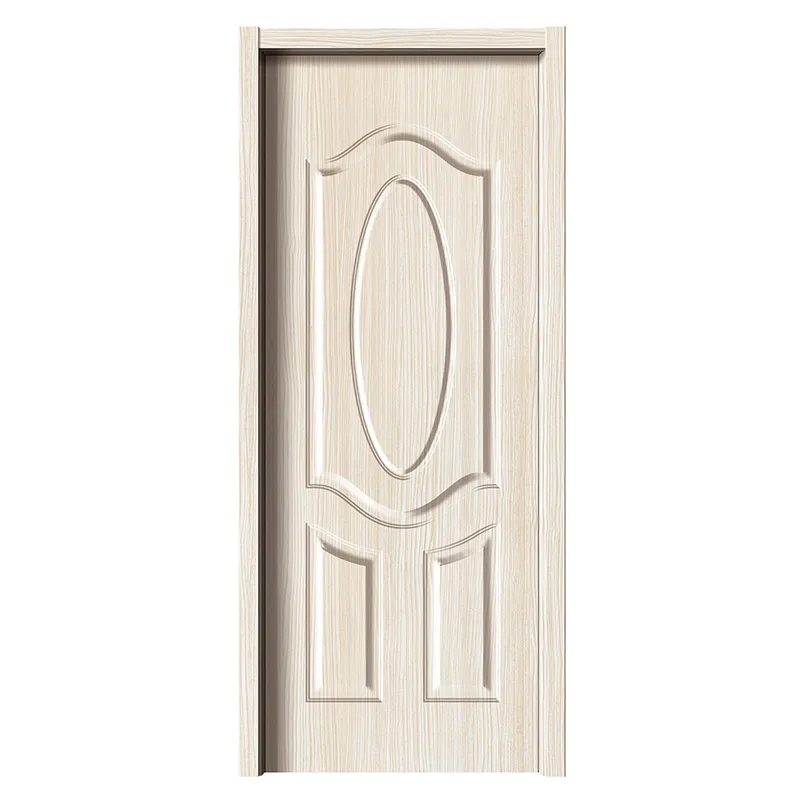
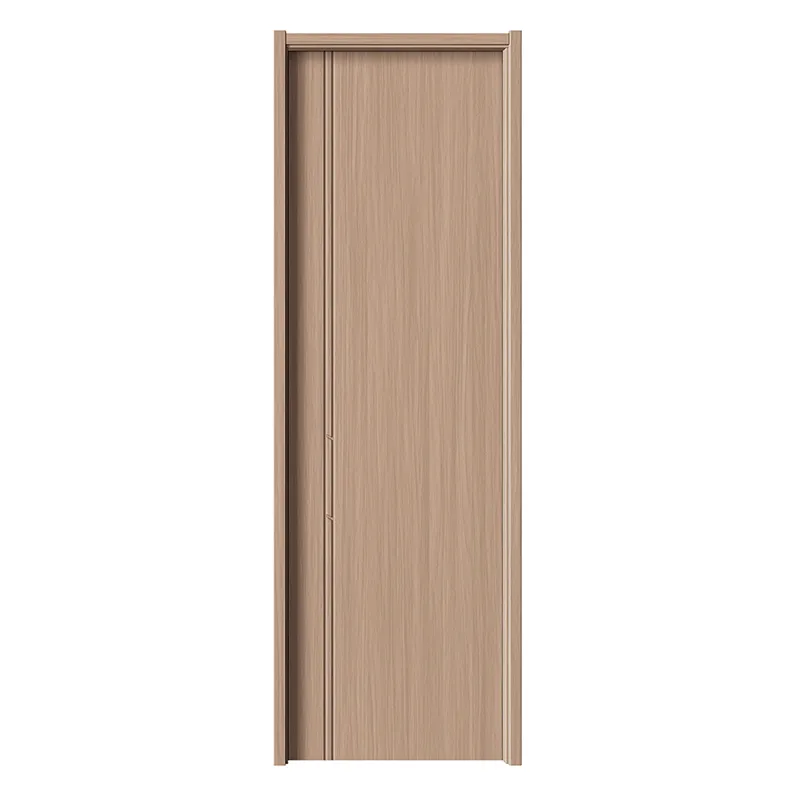
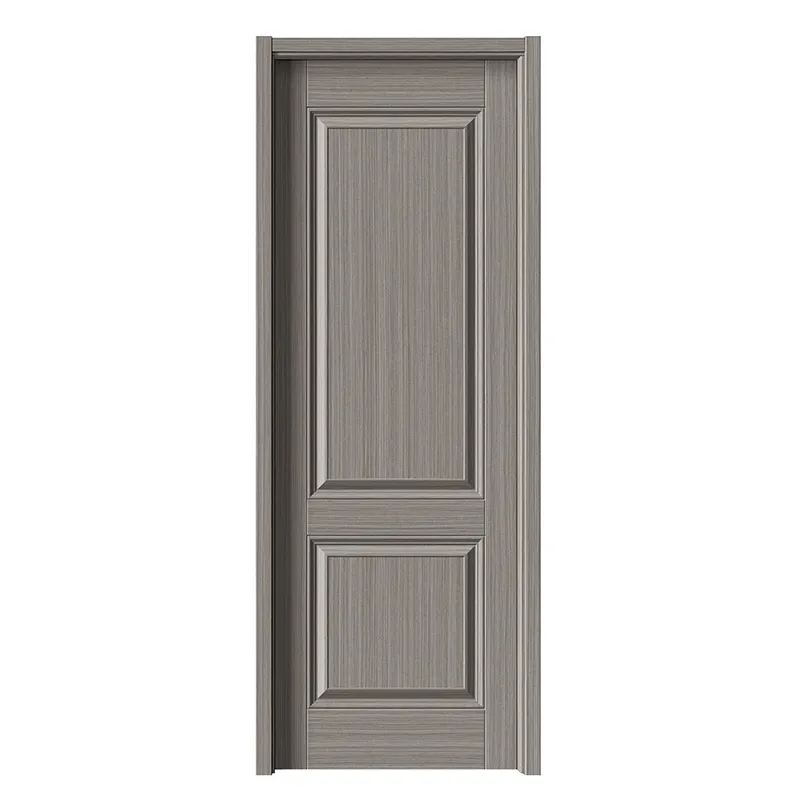
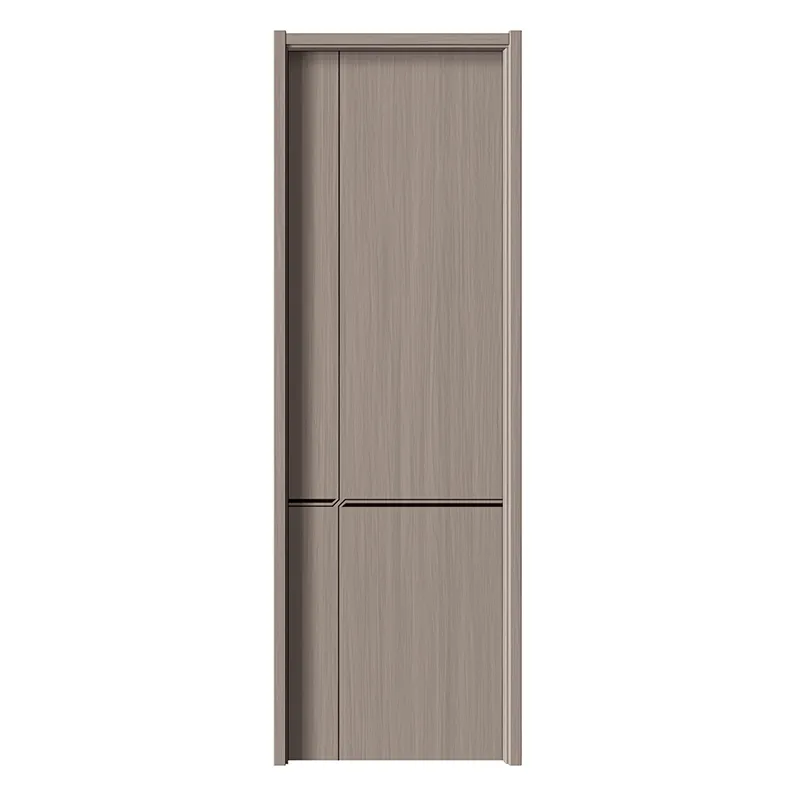

Best Sellingproducts
Best Selling Products-
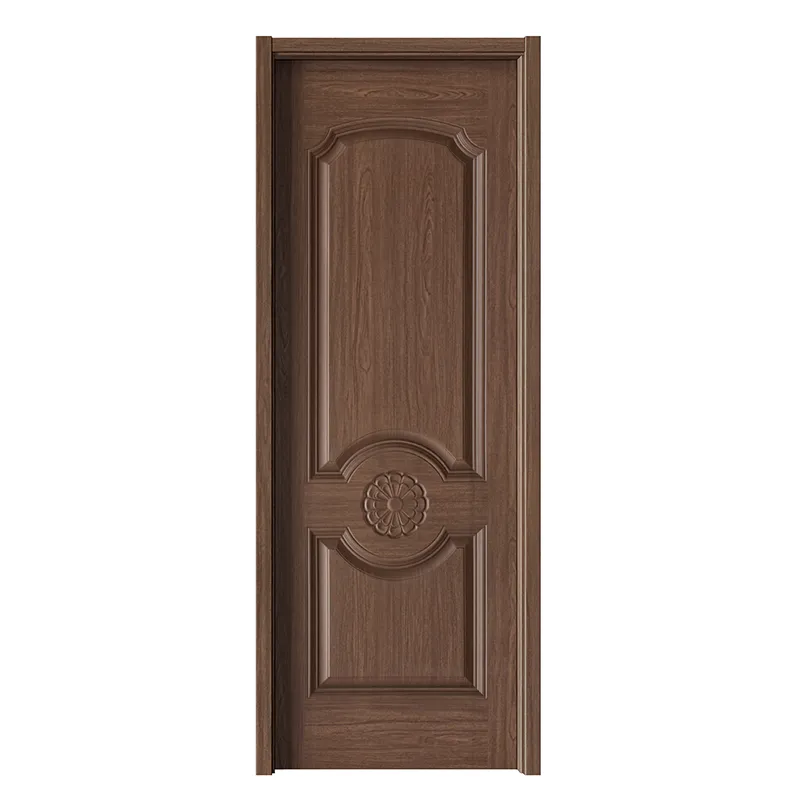 YST-212 Door North American Oak 2
 -
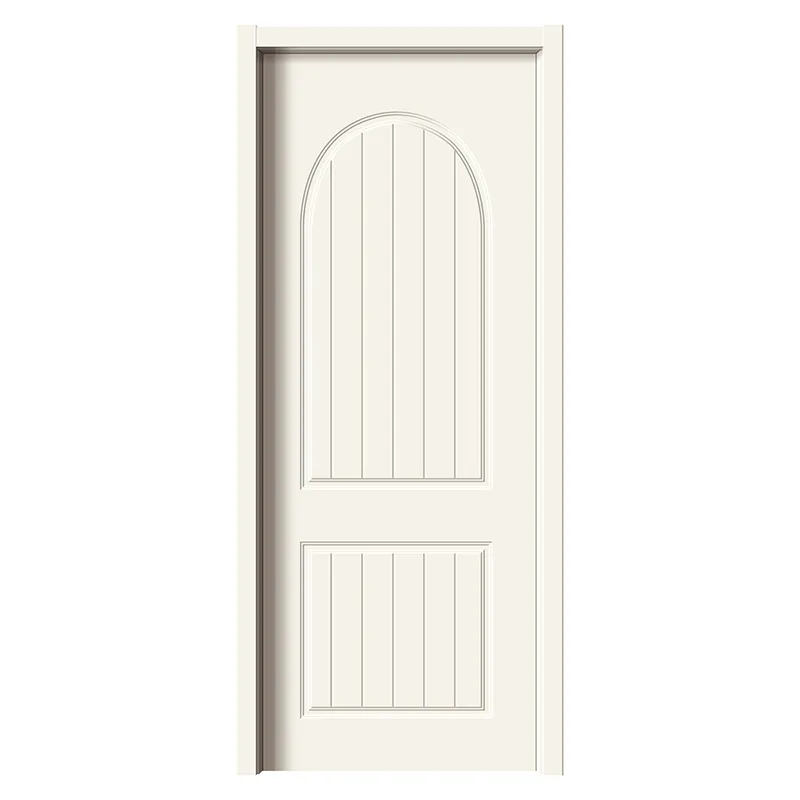 YST-236 Door White ivory
 -
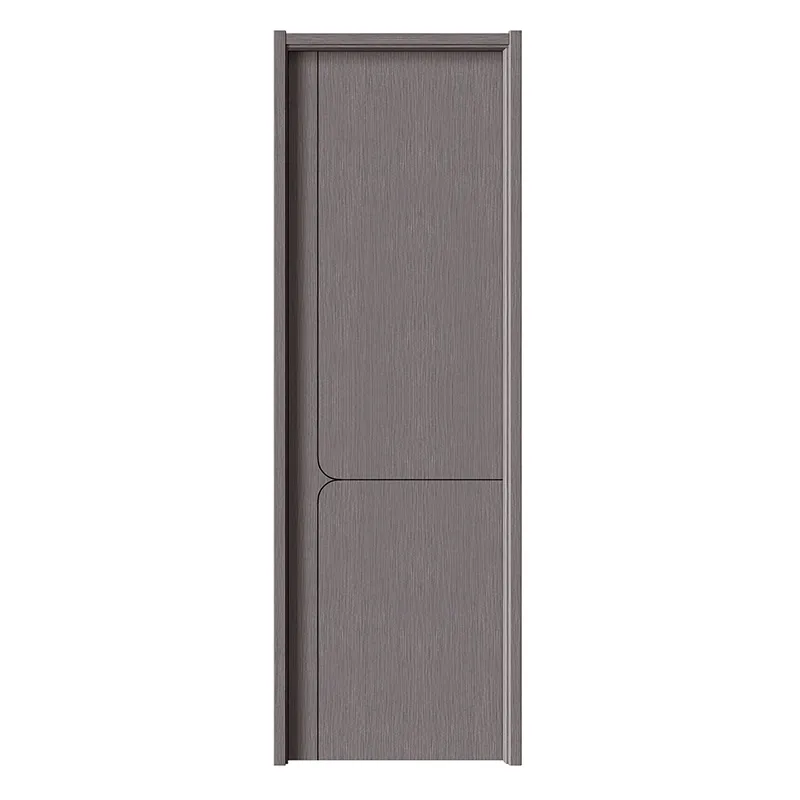 YST-1001 Door Chiaroscuro tree 2
 -
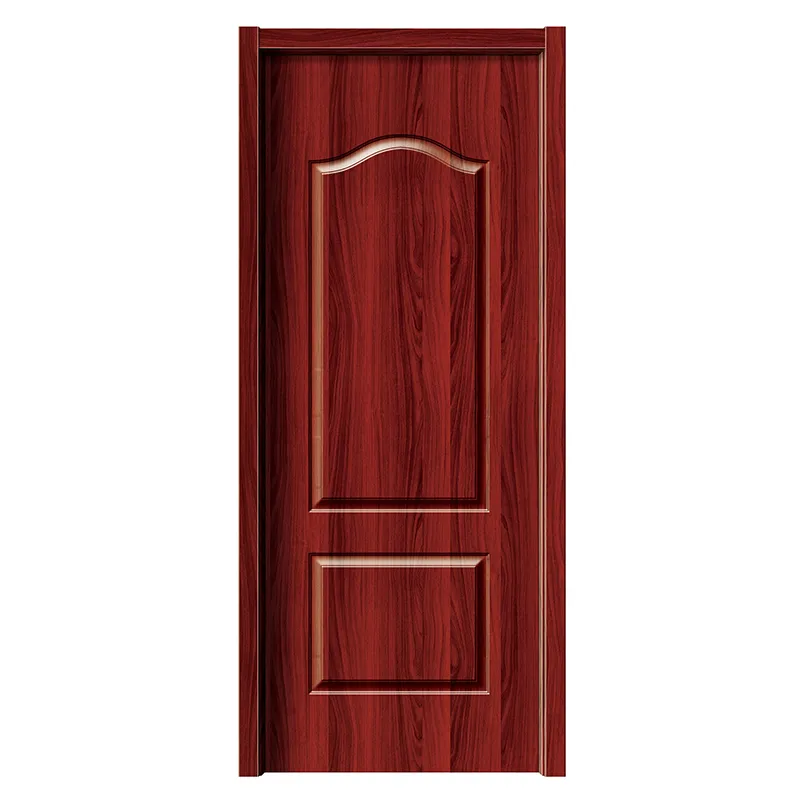 YST-207 Door Red team
 -
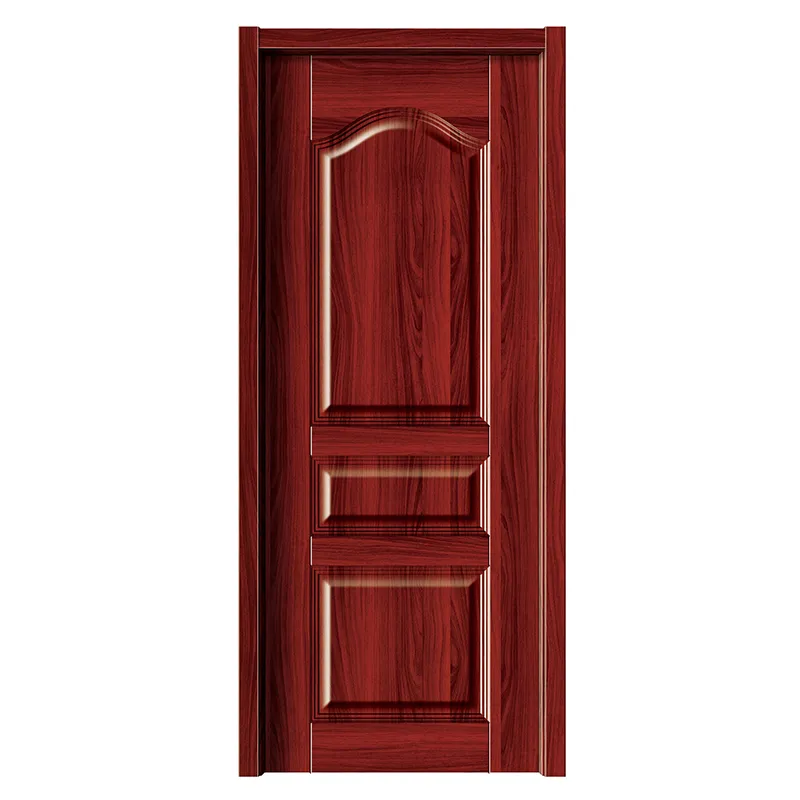 YST-203 Door Red team
 -
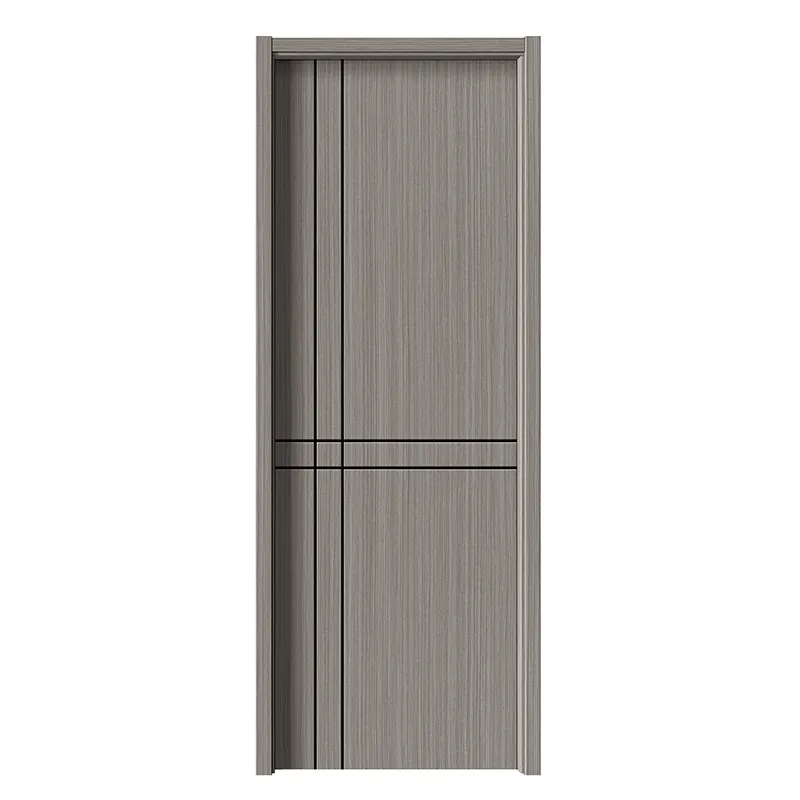 YST-1004 Door Technotree 2
 -
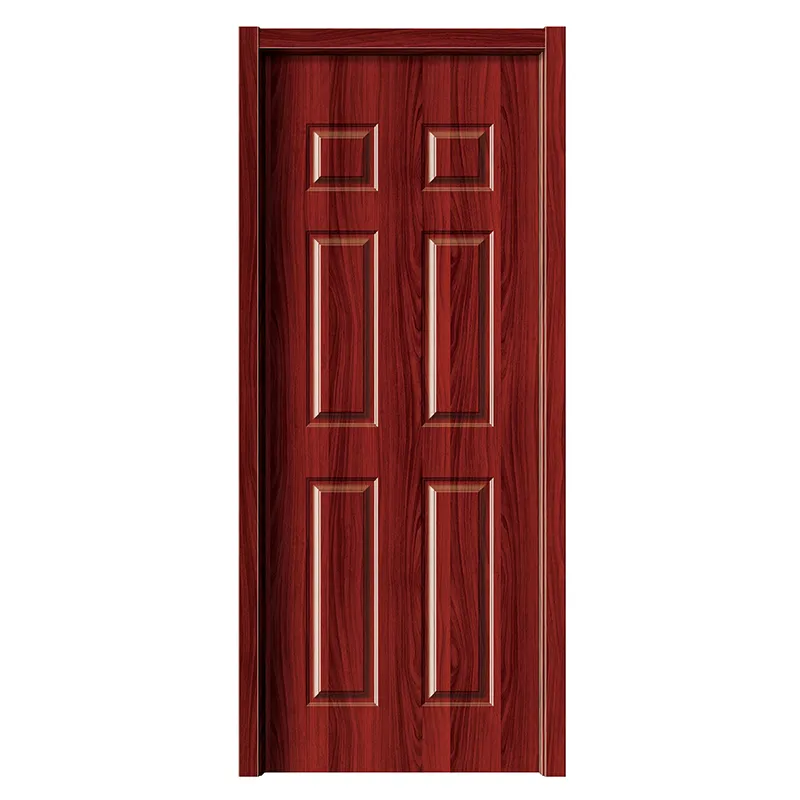 YST-201 Door Red team
 -
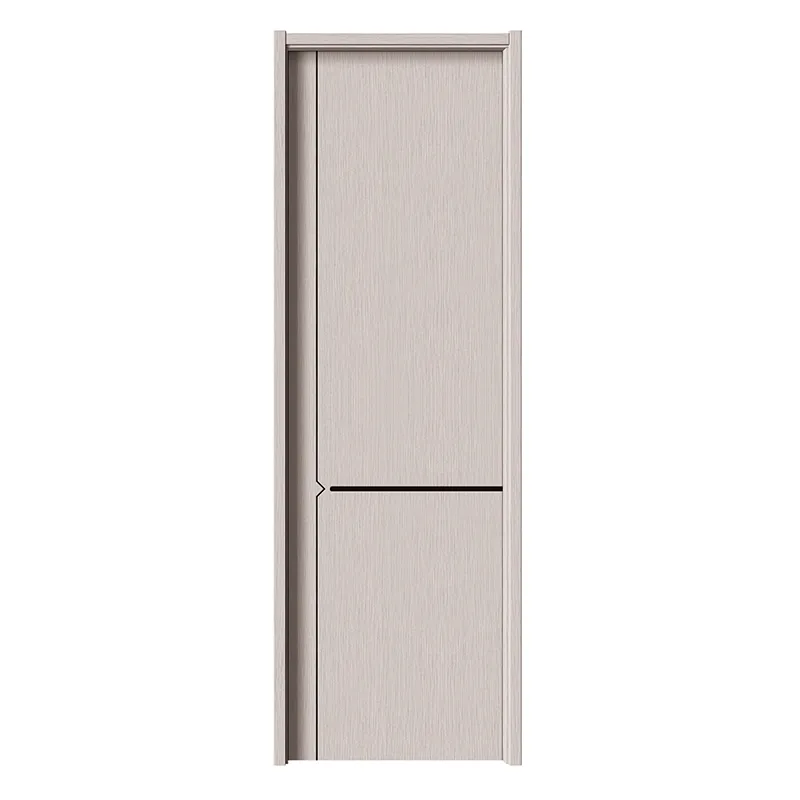 YST-1024 Door Chiaroscuro wood 1
 -
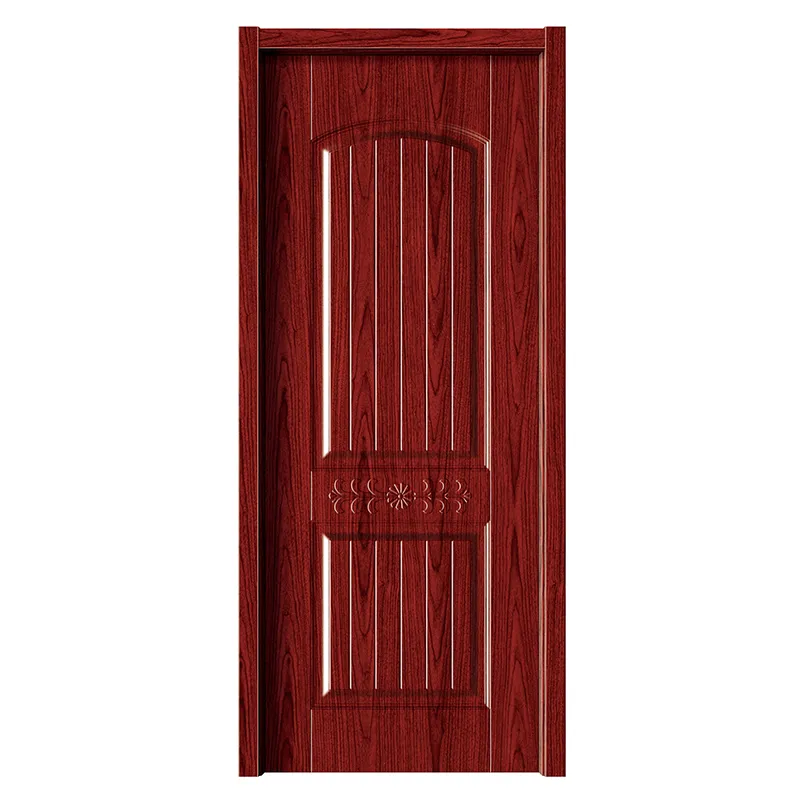 YST-233 Door Mahogany
 -
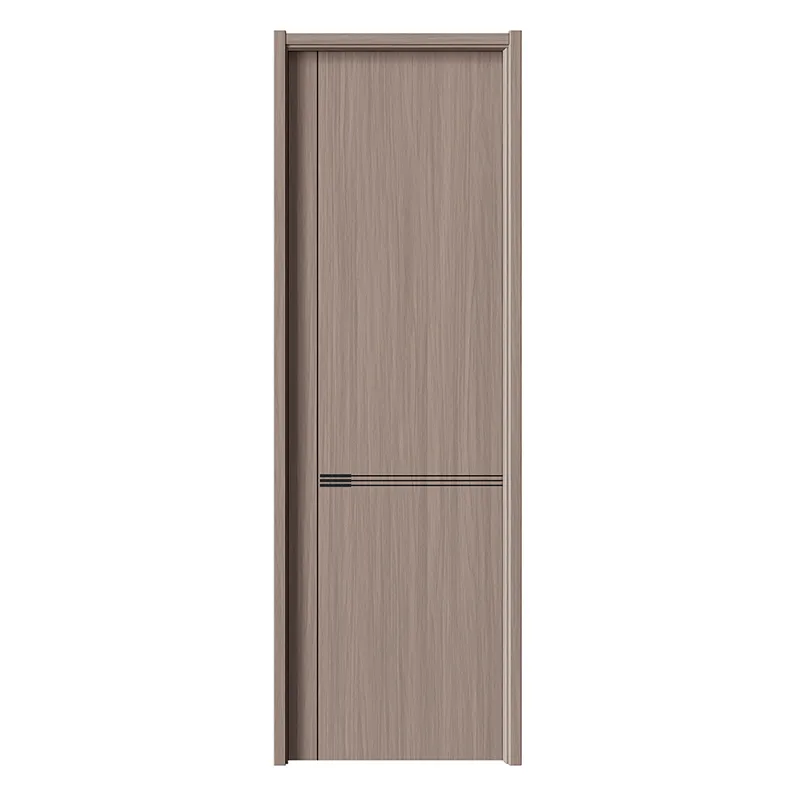 YST-1039 Door Translucent light shadow 3
 -
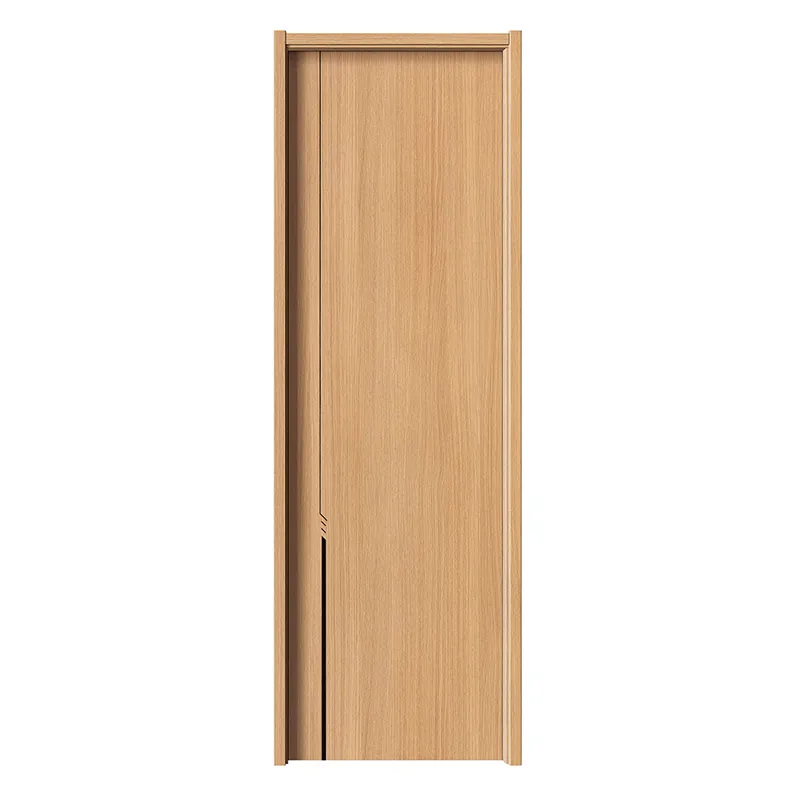 YST-1041 Door Oak Shutter
 -
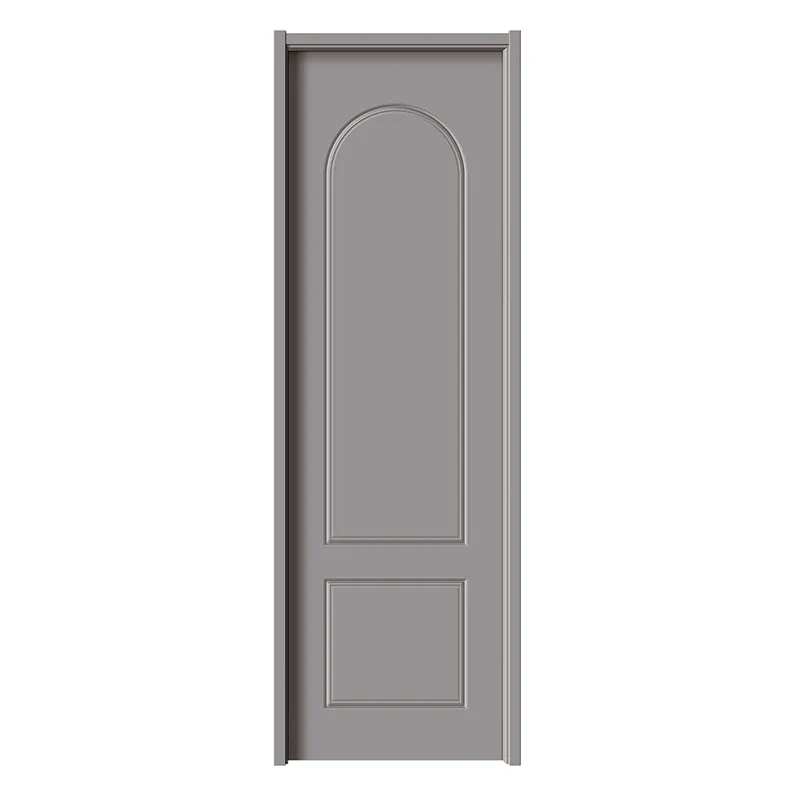 YST-241 French Door 1 soft stone gray