




Hidden door with veneer
When it comes to hidden doors, many people immediately imagine bare MDF painted to match the color of the wall. But this is perhaps the simplest and not always successful way. Much more interesting and complex -hidden door with veneer. Here we are not just talking about camouflage, but about complete integration into the interior, where the door becomes part of the wall, lined with, say, oak lining or veneer panels. And this is where the real pitfalls begin, which are not written about in glossy magazines.
The illusion of integrity: why veneer is a challenge
The main task is to ensure that the texture, color and even gloss of the veneer on the door perfectly matches the finish of the wall. It sounds simple, but in practice it means working with live material. Each batch of veneer, even from the same part of the tree, can have a different shade. If the customer brings ready-made wall panels, and we make a door for them, the selection becomes a jeweler’s work. You can't just pick 'natural oak' from a catalog and hope for a match.
I remember one project in a Moscow apartment where the wall was covered with veneer panels with a brush effect. The customer wantedhidden doorin this wall. We took a sample and sent it to production, but when the finished canvas arrived, the difference in tone at a certain angle of light was noticeable. I had to remove the canvas, re-select and tint the veneer on site, almost by hand. This was a valuable lesson: with such high demands on aesthetics, it is necessary to stock material from the same batch for both the wall and the door.
Another nuance is the joining of the drawing. If the veneer has a pronounced texture (for example, ash or oak with large pores), the direction of the grain on the door should logically continue the pattern on the wall. This requires precise measurements and markings at the opening design stage. An error of a couple of millimeters and the visual integrity is destroyed.
Design: what is hidden under the beautiful cladding
Under the thin layer of veneer there must be an absolutely stable base. Typically this is a multilayer glued board (MLP) or a solid wooden frame with a honeycomb core. The main thing is to avoid deformation. Veneer, unlike paint, will not hide the 'behavior' of a poor-quality base. If the frame has moved, a gap will appear at the junction of the canvas and the wall or a wave will be visible.
Particular attention to the ends. The end of a hidden door is its most vulnerable spot. Often it is simply painted to match, but for greater inconspicuousness it is better to use the same veneer carefully placed at the end. Technologically, this is more complicated and requires precise milling and gluing. Some manufacturers, likeAnhui Wantai Woodworking Co.,Ltd, pay special attention to this stage, understanding that the durability of hidden installation depends on the little things. On their website (https://www.anhuiwantai.ru) it is clear that the emphasis is on complete control of the cycle - from raw materials to finishing, which is critically important for veneered products.
The fittings are a different story. The hinges must be hidden (butterfly or bar), and the opening mechanism must be either push-button or with a closer built into the floor. A common mistake is skimping on loops. Poor-quality hidden hinges begin to creak or sag after six months, and it is almost impossible to repair them without opening the finish.
Editing: where theory diverges from practice
Installationhidden door with veneer- this is aerobatics for the installer. The opening must be perfectly aligned and vertical. Any distortion, and the door either will not close or the incognito joint will be broken. We always require that the rough opening be prepared according to our technical drawings, with tolerances of no more than 1-2 mm.
The most nerve-wracking part is the final installation and fitting. The canvas is hung and adjustment begins. Sometimes you have to remove microns of veneer at the end with a grinder to achieve a uniform gap. The work is dusty and risky - one wrong move and the veneer is damaged. In such circumstances, the principle of 'building a business on precision', which the Anhui Wantai team adheres to, is not just a slogan, but the only possible methodology. Their approach to quality control at all stages is precisely aimed at minimizing such risks on site.
After installation, final tinting of the joints is often required. Even with a perfect lining, due to the different angle of incidence of light, the seam can be read. We use professional glazing compounds to 'bind' the door and wall into a single whole. This is no longer carpentry, but art.
When is it better to refuse such a door?
Not every project and not every wall material is suitable for concealed installation with veneer. If the walls have a strong unevenness or the finishing is made of slatted veneer with a pronounced relief, repeating this relief on the door and joining it precisely is a titanic and very expensive task. Sometimes it is more honest to offer the client a painted option or to completely abandon the hidden solution in favor of a high-quality swing door with extensions.
Humidity conditions are another limiter. In bathrooms or unheated loggias, even varnished veneer on a stable base can change geometry over time. We always warn customers about the risks. A company that values its reputation, like the one mentionedAnhui Wantai Woodworking Co.,Ltd, focuses on providing solutions that combine aesthetics and practicality, which means adequately informing the client about the limits of applicability of the product.
We had a case when a customer insisted on a hidden veneer door in the opening between the living room and kitchen. After a year of operation, due to constant changes in humidity, a barely noticeable, but still crack, appeared at the junction. I had to reinstall the blade with an additional compensation gap. Conclusion: the technical specification must take into account the realities of operation, and not just the picture from the design project.
Instead of a conclusion: a hidden door as a level indicator
By the way it is made and installedhidden door with veneer, I can say a lot about the level of all the finishing on the property. This is a complex work of the designer, manufacturer and installers. Success here depends on attention to details that the client ultimately should not notice.
Now more and more companies are appearing on the market ready to take on such orders. But the key difference is whether they have real experience and understanding of all technological chains. Just covering the canvas with veneer is one thing. And ensuring its stability, precise selection to the existing interior and flawless installation is already the major league. It is on this, judging by the description of their approaches, that serious players working on the international market with its high standards concentrate.
So, if you are planning such a door, get ready for careful planning, choosing a trusted supplier who controls the process from start to finish, and a budget that will be higher than that of standard solutions. But the result, when the door actually disappears into the wall, leaving only a subtle seam line, is worth it. This is the very magic for which we engage in this craft.
Correspondingproducts
Related Products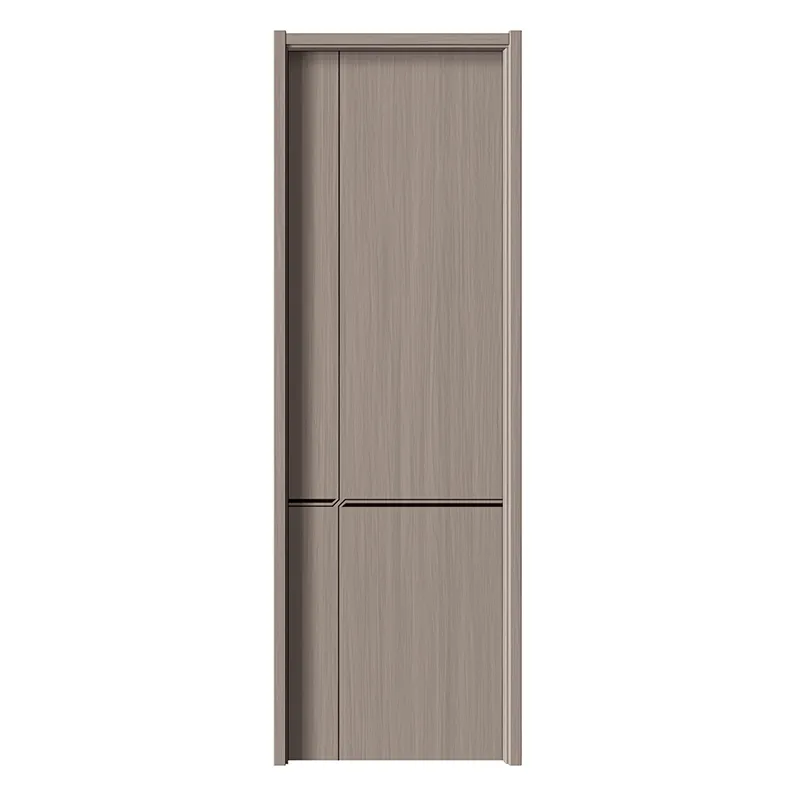
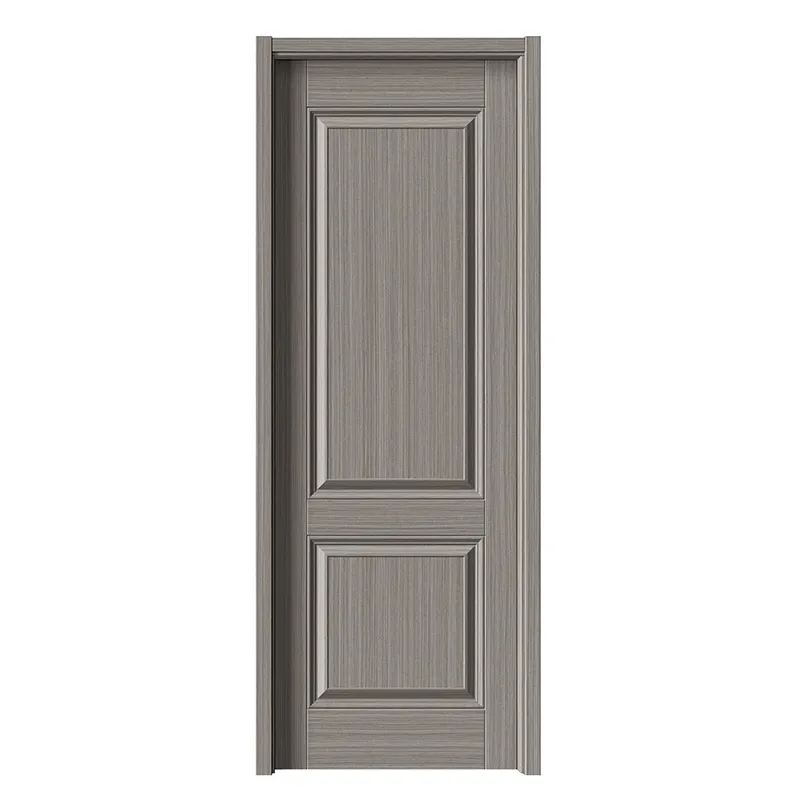
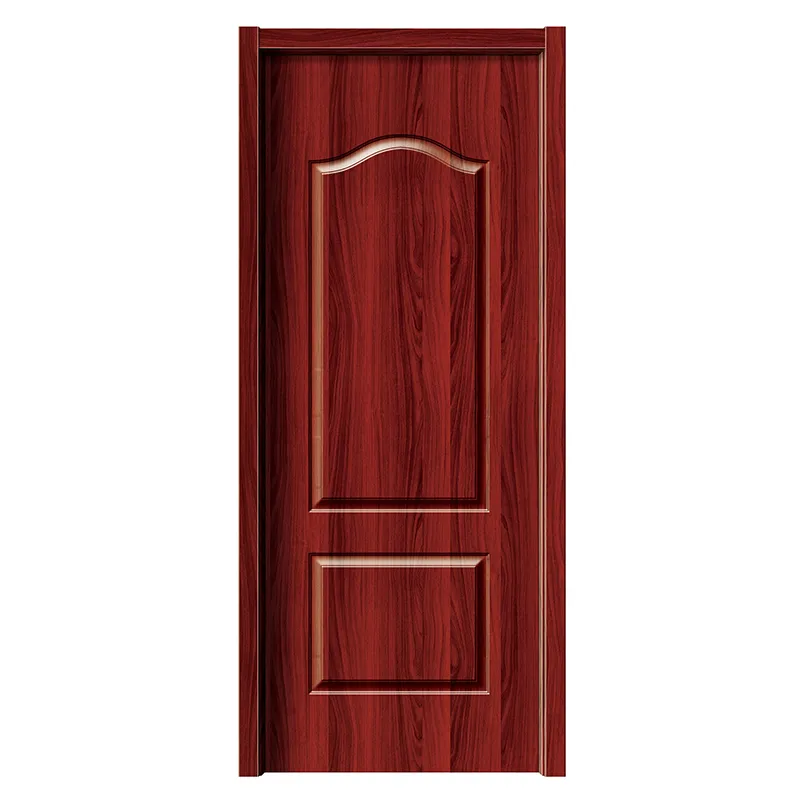
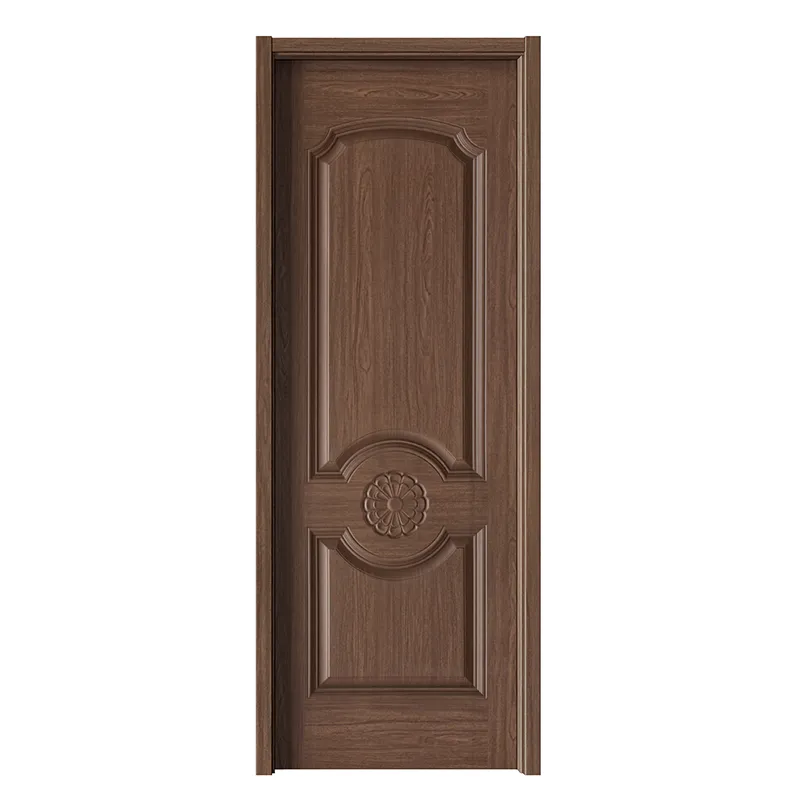
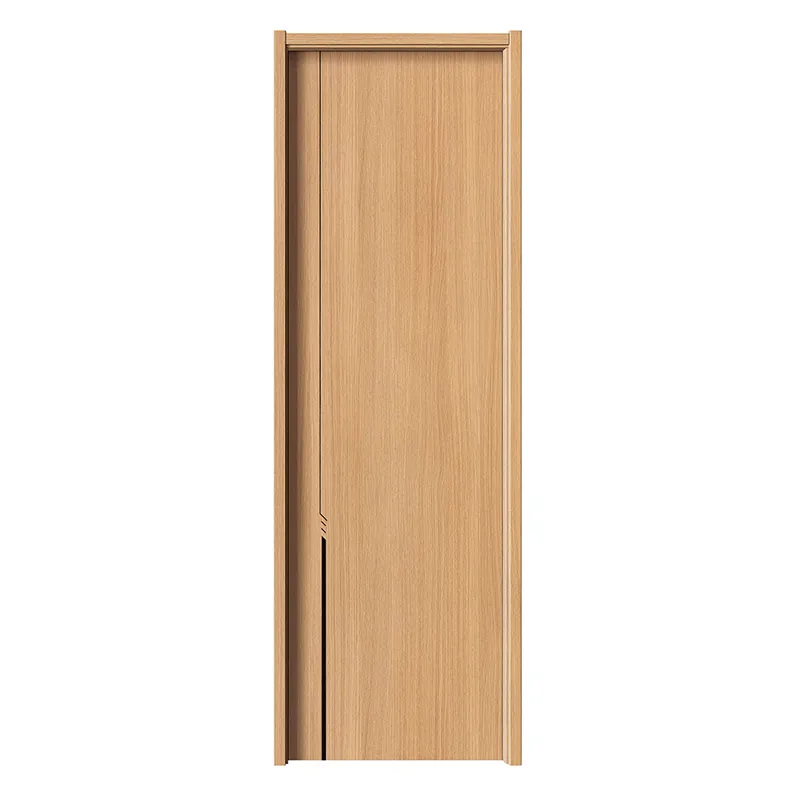

Best Sellingproducts
Best Selling Products-
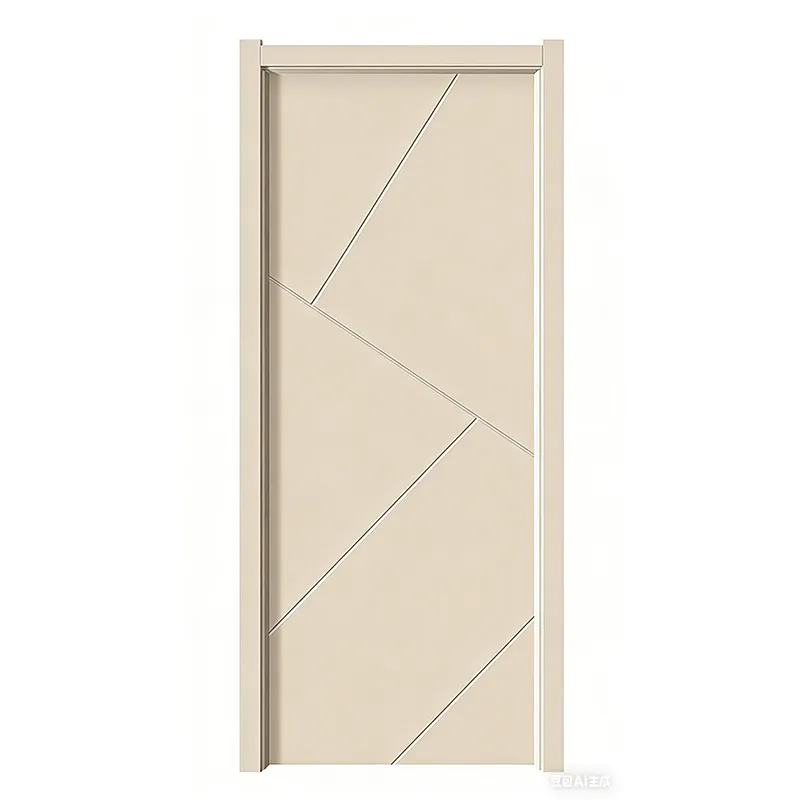 YST-WPC3 Door
 -
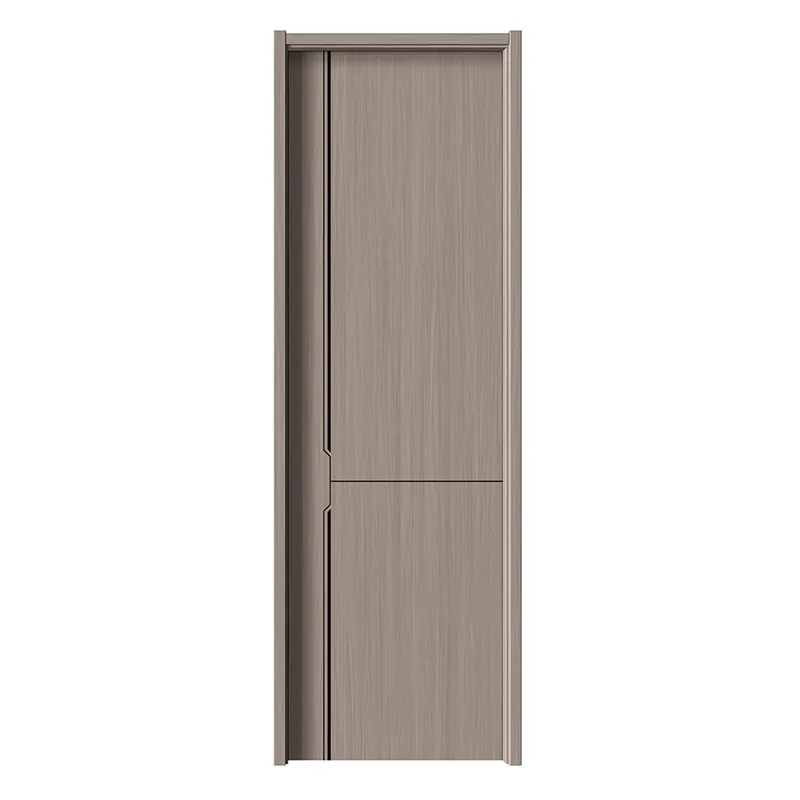 YST-1011 Door Translucent light shadow 3
 -
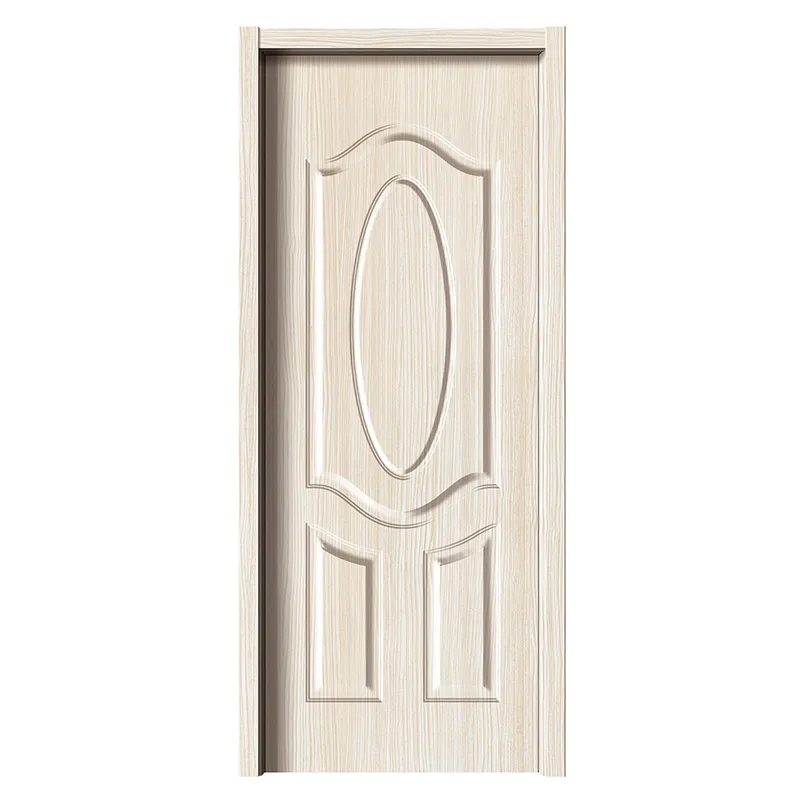 YST-216 Door White Maple
 -
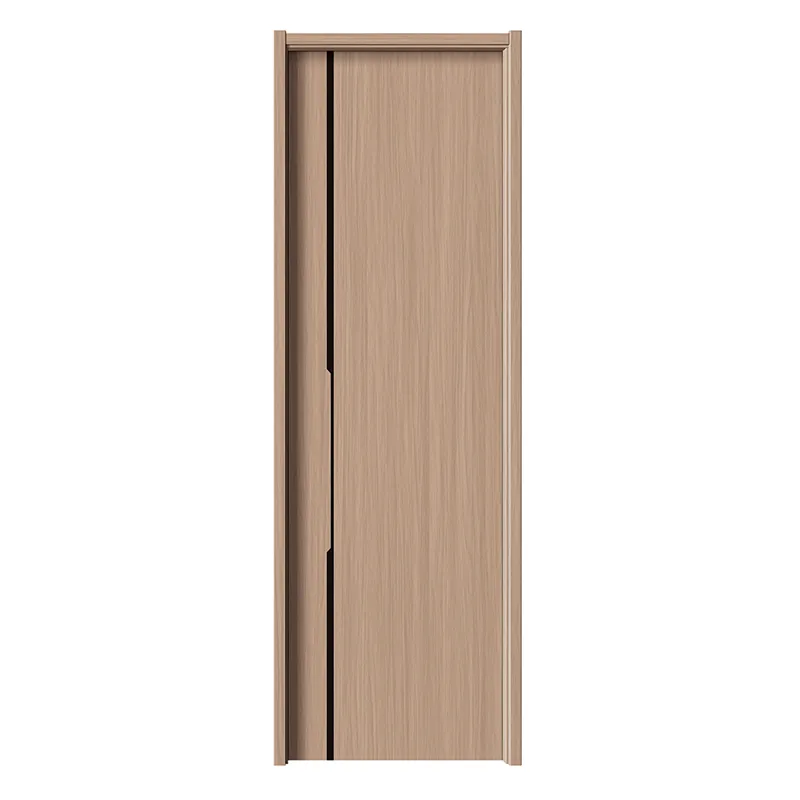 YST-1029 Door Translucent light shade 1
 -
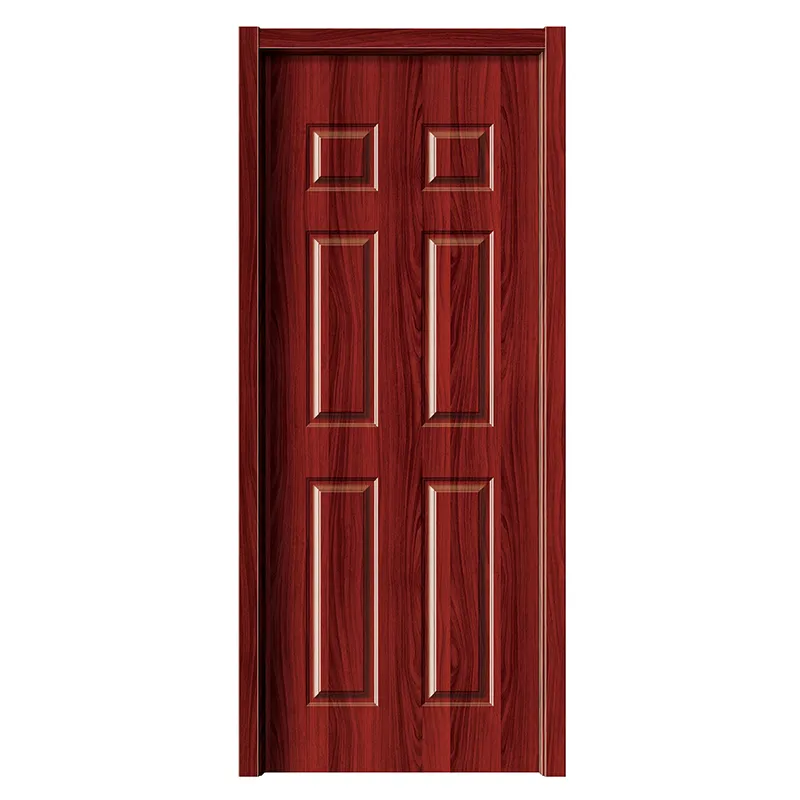 YST-201 Door Red team
 -
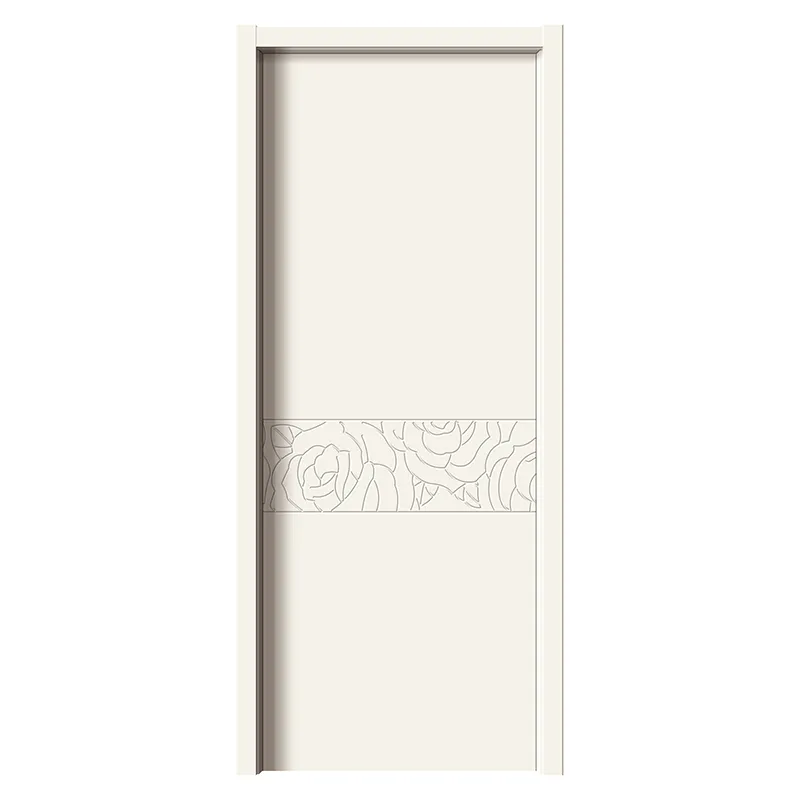 YST-238 Door White ivory
 -
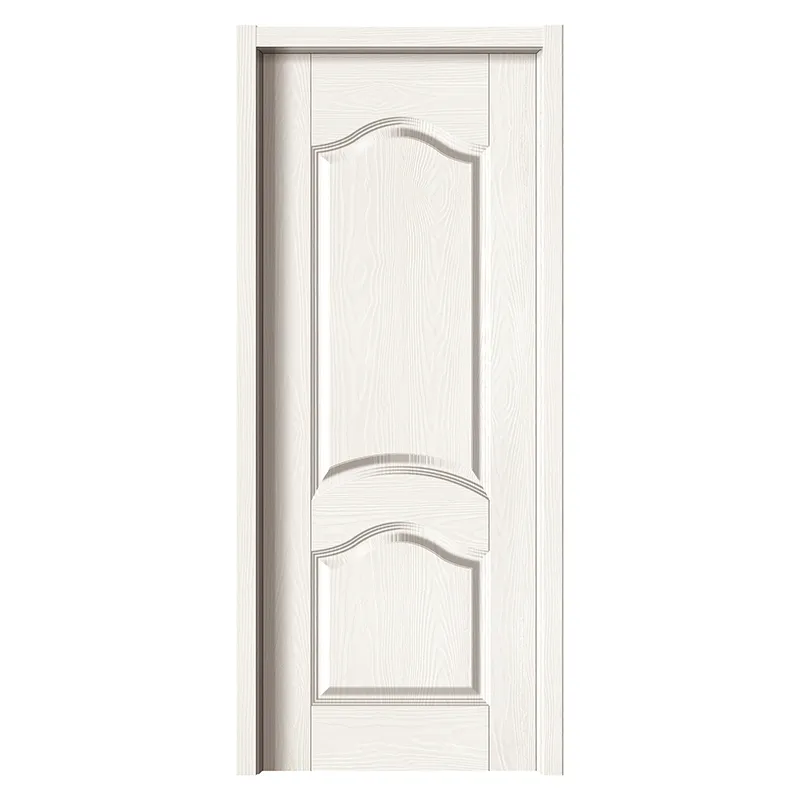 YST-224 Door Warm white with relief
 -
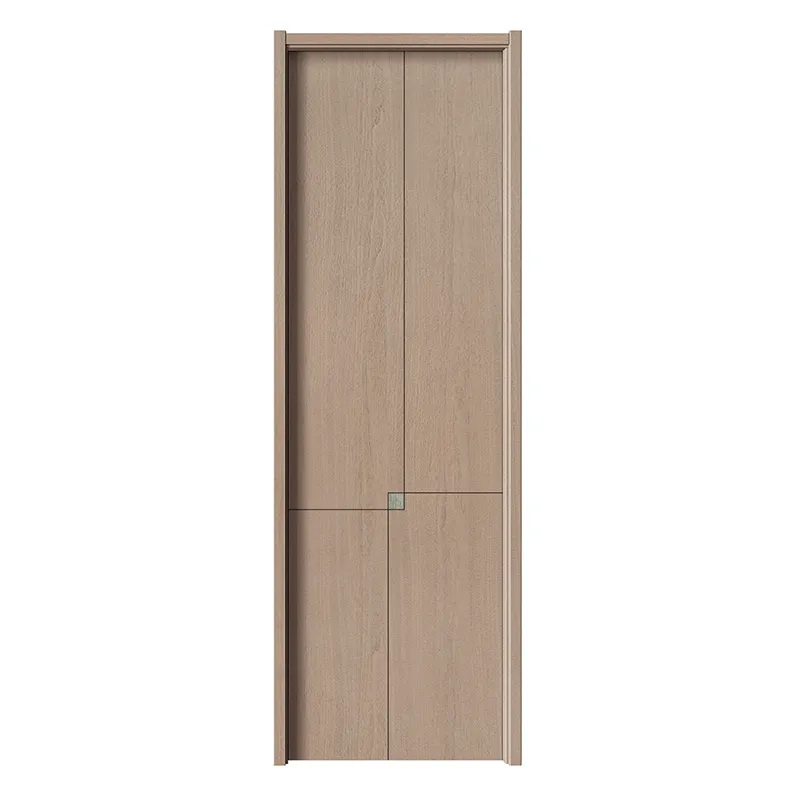 YST-1008 Door Natural walnut 2
 -
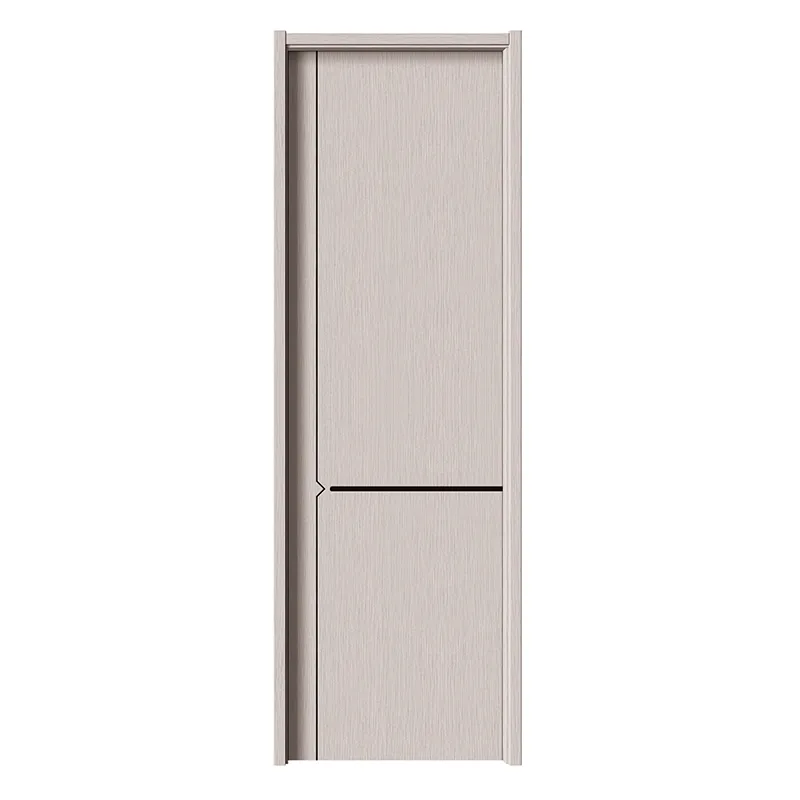 YST-1024 Door Chiaroscuro wood 1
 -
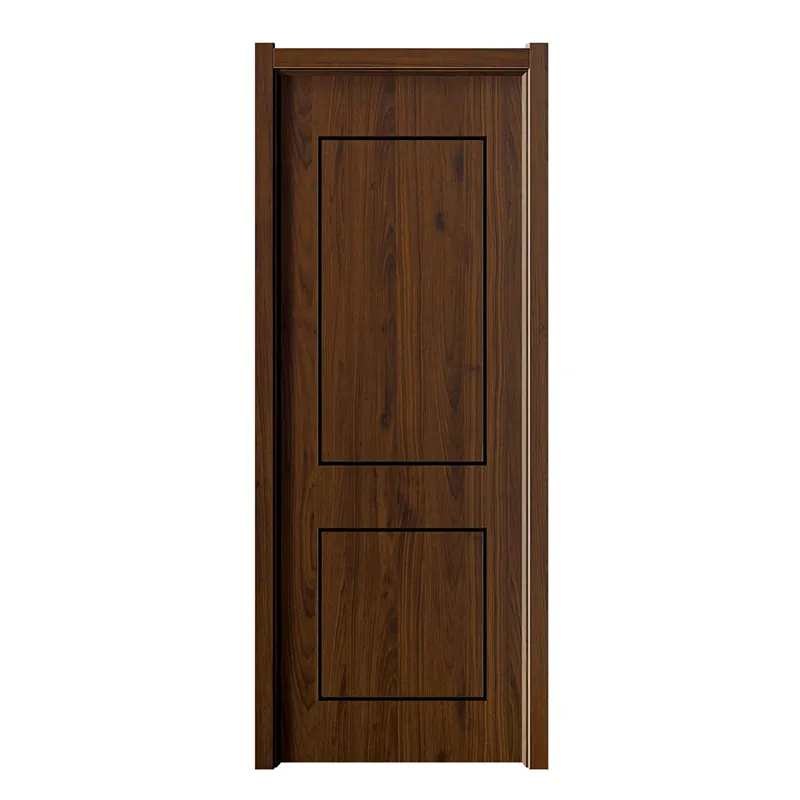 YST-WPC2 Door
 -
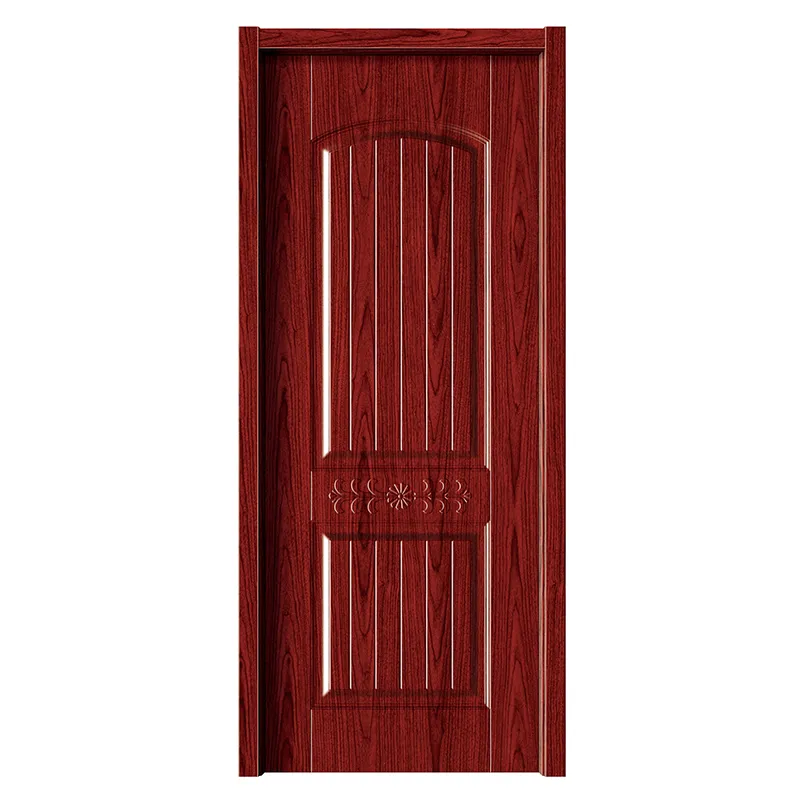 YST-233 Door Mahogany
 -
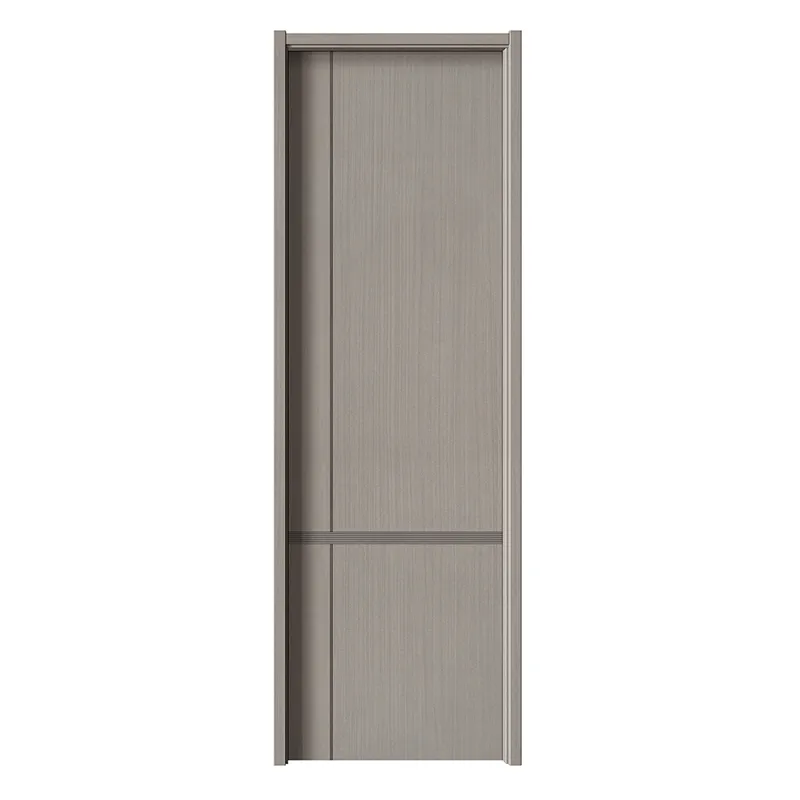 YST-1013 Door Cloud Walnut 1