




Smooth wooden doors
When you hear “smooth wooden doors?”, the first thing that comes to mind for many customers is simply a smooth, shiny surface, varnished to a mirror finish. But this is where the main professional catch lies. Smoothness is not a finishing touch; it is, first of all, the result of working with solid wood, its preparation, drying and primary mechanical processing. If there were flaws at the stage of calibrating and gluing the shield, no varnish, even the most expensive, will hide waves or micro-irregularities at a certain angle of light. I myself saw how clients refused batches that looked perfect from the outside, but when lit from the side, “ripples” appeared in the corridor. This is exactly the case when the formal criteria are met, but the feeling of quality is not.
From raw material to shield: where true smoothness is born
It all starts with the wood, and there is no rush here. For example, oak or ash must not only have a certain moisture content, but also uniform drying throughout the entire batch. In production, we always devote more time to acclimatizing the material than standard standards dictate. I remember once they installed a batch of beech doors, which seemed to be perfectly dried. But after installation in a heated room, after a couple of months, barely noticeable shadows appeared on the panels - traces of internal stress. This was not a technological error, but rather an underestimation of the specifics of a particular batch of lumber. I had to explain to the customer and make a replacement. Since then, for critical facilities, we have introduced an additional cycle of control exposure of the assembled canvases in a climate chamber.
Gluing a shield is a separate science.Smooth wooden doorsmade of solid wood - this is almost always a spliced shield. Not only the glue is important, but also the direction of the fibers in the lamellas and the pressure during pressing. Ideal smoothness at this stage is when, after milling and sanding, the joints between the lamellas are not detectable either by touch or under the varnish coating. Many small workshops save on pressing time or use simplified clamps, hence the problems with “looks through”.
Here we can draw a parallel with the approach of some serious suppliers, for example,Anhui Wantai Woodworking Co.,Ltd. Judging by their materials and the apparent logic of production, they focus specifically on controlling the chain of raw materials. On their websitehttps://www.anhuiwantai.ruit is indicated that the company strives to supply to the international market products that combine design and practicality. But the key phrase for a professional is to “build a business on precision.” In the context of smooth doors, this is precisely about the stage of calibration and preparation of the shield. Without this very “precision” It’s basically impossible to get a flawless surface at the start.
Sanding: a step that should never be skipped
After shaping the canvas and milling it (if we are talking about paneled or decorative models), the most important routine begins - sanding. And this is not just one pass with a tape machine. Standard practice is a minimum of three stages, with a gradual reduction in abrasive grain size. A common mistake is trying to remove a large layer with coarse grain and then quickly “smooth it out.” small. Wood is a living material; during rough processing, the fibers may not be cut, but crushed. Then, under the soil layer, they will rise, and the smoothness will be disrupted.
Sanding is especially critical for woods with a pronounced texture, such as oak. Here you need to work along the fibers, changing the lighting angle for control. Sometimes after the first primer another, fine sanding is carried out to remove raised lint. If you skip this step, the finishing varnish will not form an ideal film, but will have micro-roughness. For projects in the style of minimalism, where the door is a large plane, such flaws are like death.
In this context, it is logical that a company positioning itself on the international market asAnhui Wantai Woodworking Co.,Ltd, must have clearly verified technological maps in this regard. Meeting the diverse needs of global customers as stated in their description begins with such invisible but fundamental processes. Because an architect from Germany and a customer from Moscow will equally keenly notice a defect in the finishing surface.
Finish: varnish or oil? It's not just a matter of aesthetics
Actually, the finishing coating creates that same visual and tactile image of a smooth door. There is an eternal debate here: varnish or oil? The varnished surface is a classic glossy or matte film. It gives the maximum feeling of synthetic, almost glassy smoothness. But its disadvantage is its vulnerability to impacts and the difficulty of local repairs. If it’s scratched, you’ll have to sand and repaint the entire surface.
Oil with hard wax penetrates into the pores, creating a feeling of more natural, silky smoothness. It masks small chips and is easier to restore. But such a door cannot be called “smooth?” in the same sense as varnished. This is a different philosophy. The choice depends on the installation location. For a busy commercial environment, a matte varnish may be better. For living spaces that value tactility, use oil.
It is interesting how large export-oriented manufacturers cope with this. SameAnhui Wantai Woodworking Co.,Ltd, apparently, offers different options. Their experienced team of designers and developers, mentioned in the description, should work out these nuances: what type of coating will be optimal for a humid climate, which one for high-traffic areas. This is the very “practical characteristic” inherent in their philosophy.
Editing: the last enemy of smoothness
You can make the perfect door at the factory, and ruin everything on site. Incorrect installation is the main reason for the appearance of distortions, stresses and, as a result, changes in the geometry of the canvas. And any change in geometry inevitably affects the perception of the surface. The door may begin to “play”, and in certain positions the same waves that were not present in the workshop will be visible.
Everything is important here: preparation of the opening, correct assembly of the box, and precise adjustment of the hinges. Heavy massive canvases are especially capricious in this sense. The hinges must be designed to withstand the load, and the fastening must be reliable. A common mistake made by installers is over-tightening the screws when assembling the box, which leads to its twisting.
Therefore, serious companies do not limit themselves only to production. They either have their own trusted installers, or provide customers with the most detailed, almost engineering installation instructions. This is part of quality control. When you see that the manufacturer describes the installation steps in detail, it inspires confidence. This suggests that he cares about how his products will look in the end, and not just shipping goods from a warehouse.
Bottom line: smoothness as a systemic result
So, back to the beginning.Smooth wooden doors- this is not a characteristic of the coating, but an indicator of the quality of the entire production chain. From the selection and drying of wood, through precise gluing and multi-stage sanding, to the competent selection of finish and correct installation. If you skip or skimp on one of the stages, the ideal will be unattainable.
There are many offers on the market, and they often differ not in design, but in the depth of elaboration of these stages. When you see products from companies that, likeAnhui Wantai Woodworking Co.,Ltd, they focus on a modern base and compliance with standards at all stages, you understand that these are not just words for a catalogue. This is a necessary condition for creating a truly high-quality product that will serve for years, maintaining its flawless surface. After all, the door is the face of the interior, and its smoothness is a silent calling card of the skill of those who created and installed it.
In the end, it all comes down to a simple thing: if you want to get a perfectly smooth surface, you need to control every millimeter of the process. And trust those who consider this control to be their main task, and not a marketing ploy. The rest is just details.
Correspondingproducts
Related Products

Best Sellingproducts
Best Selling Products-
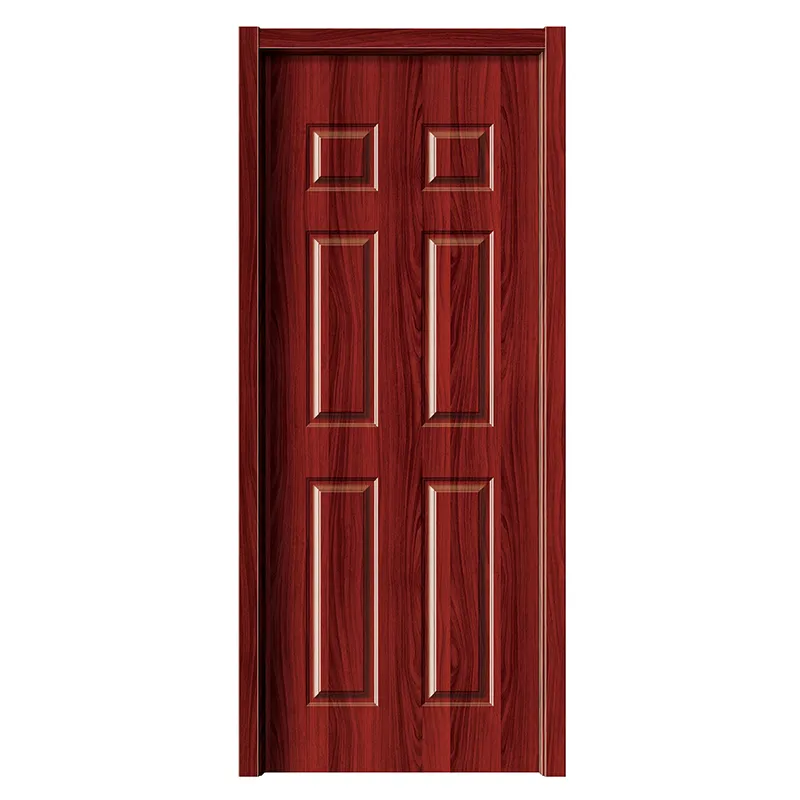 YST-201 Door Red team
 -
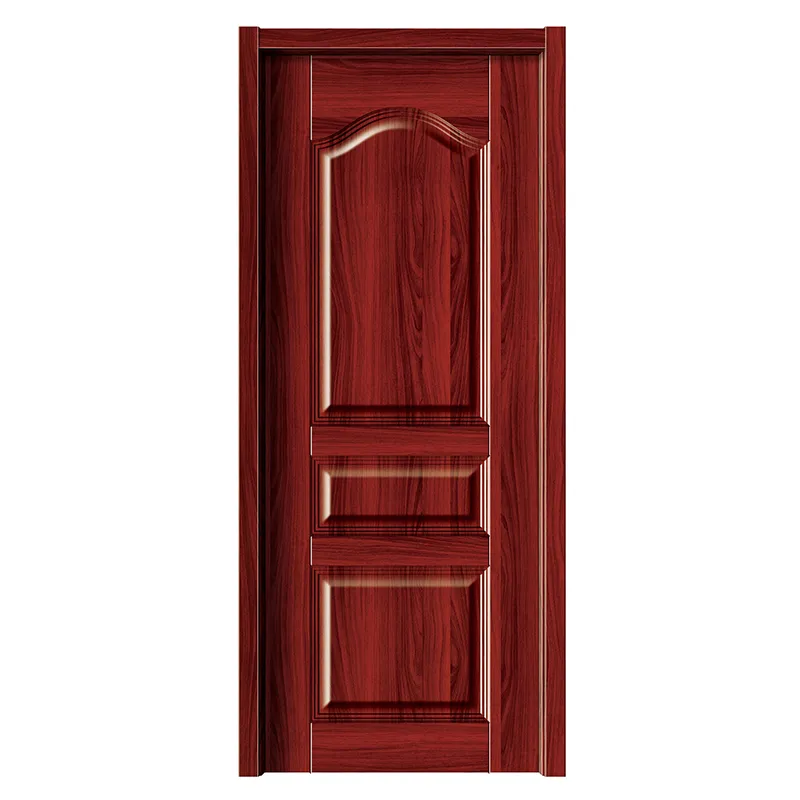 YST-203 Door Red team
 -
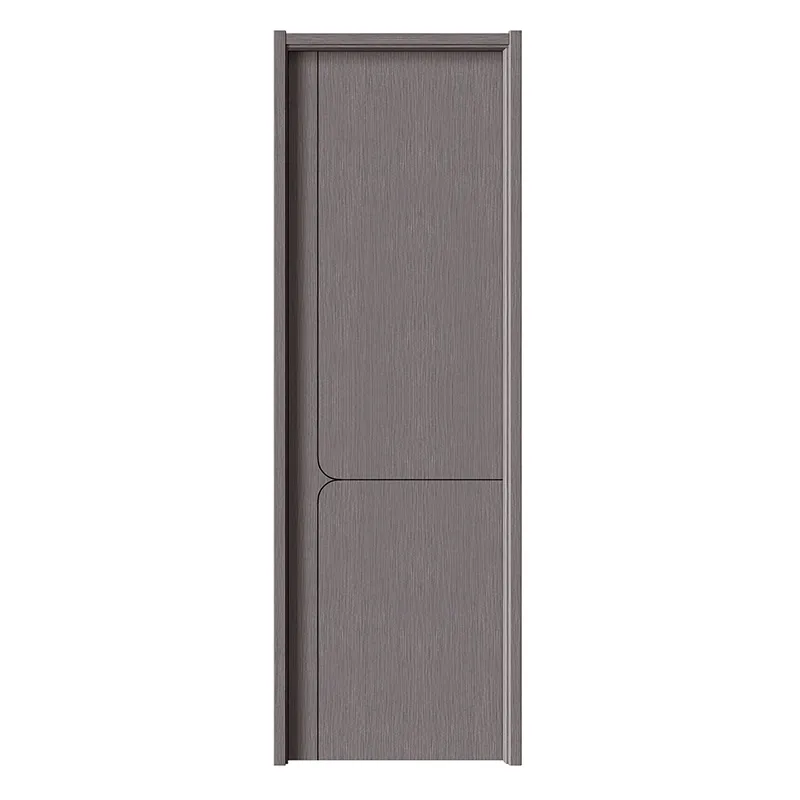 YST-1001 Door Chiaroscuro tree 2
 -
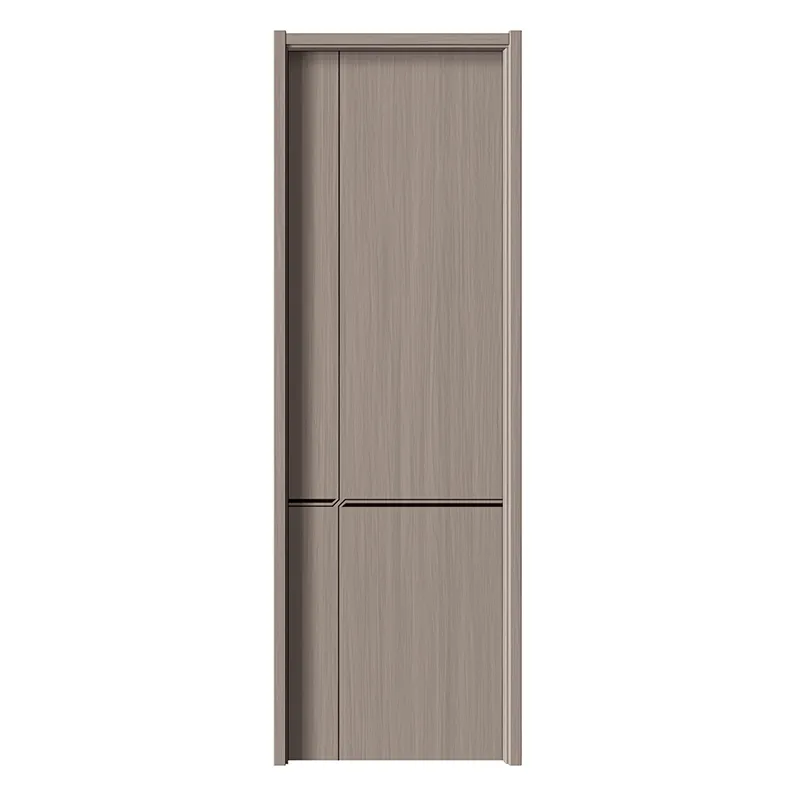 YST-1010 Door Translucent light shadow 3
 -
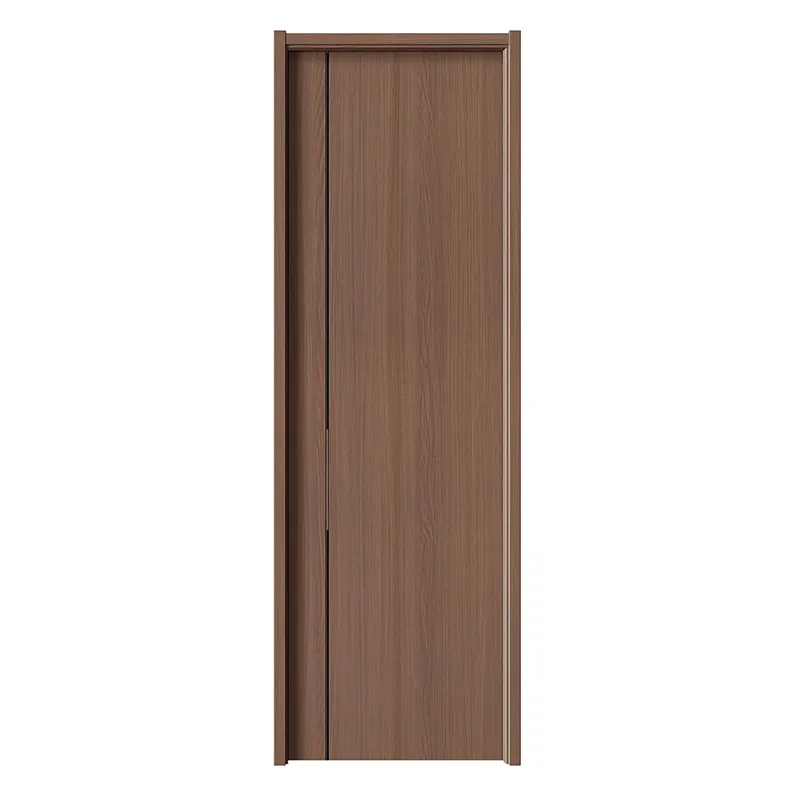 YST-1043 Door Techno-walnut 3
 -
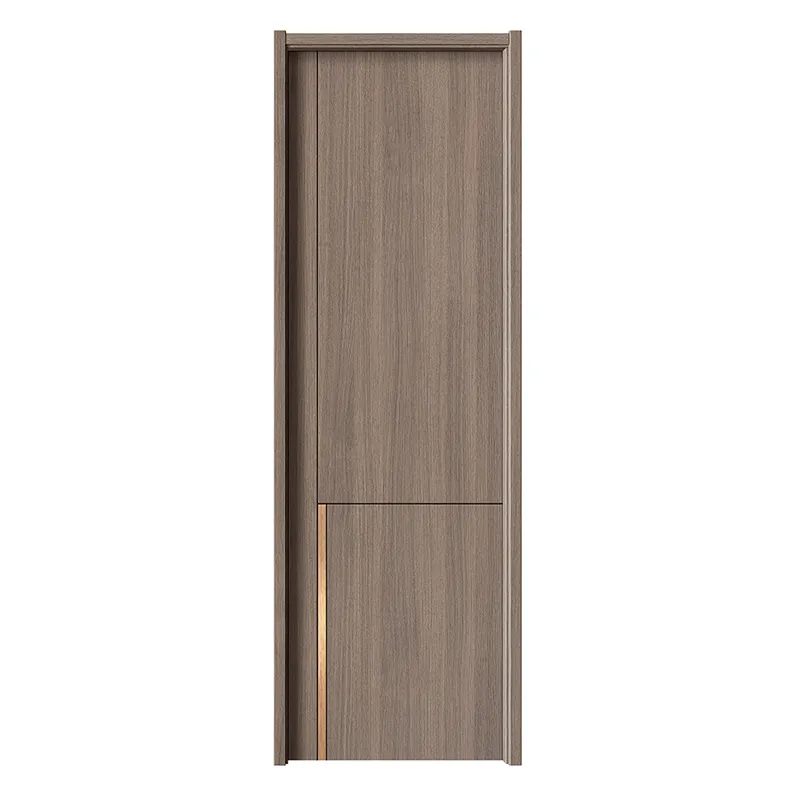 YST-1003 Door Oak gray
 -
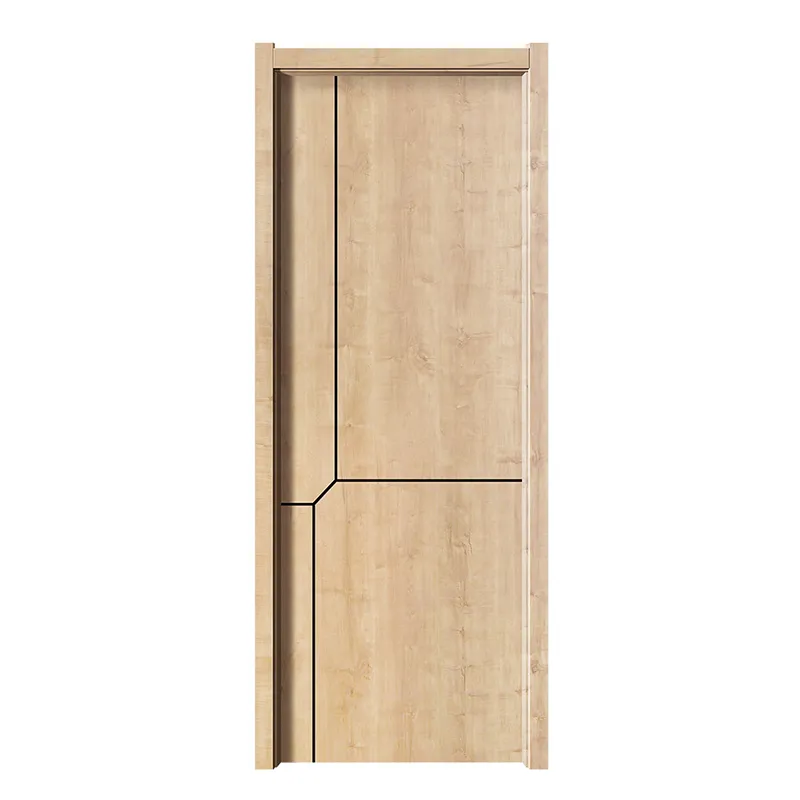 YST-WPC1 Door
 -
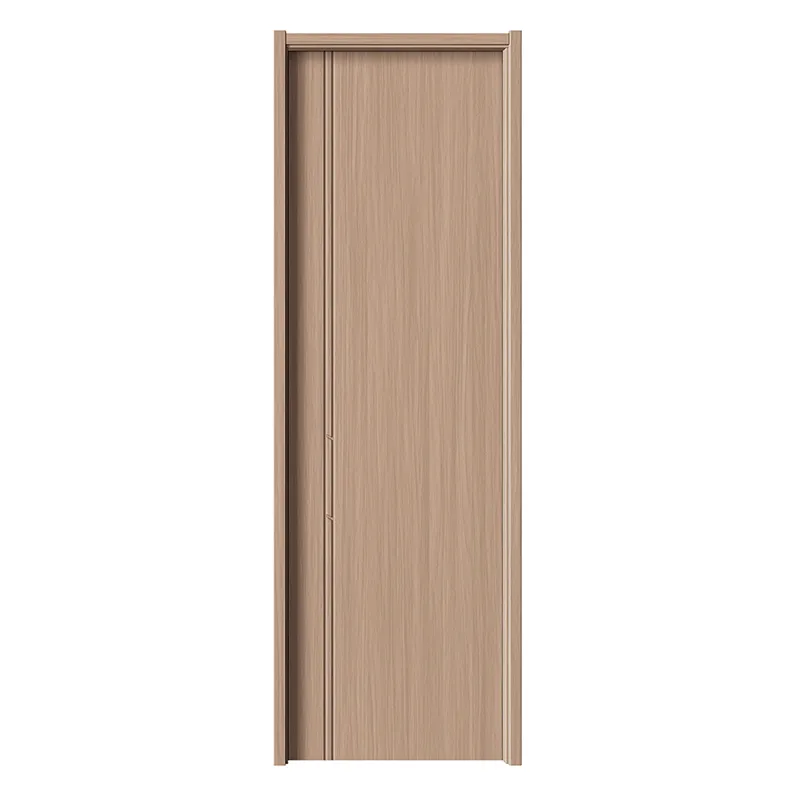 YST-1009 Door Translucent light shade 1
 -
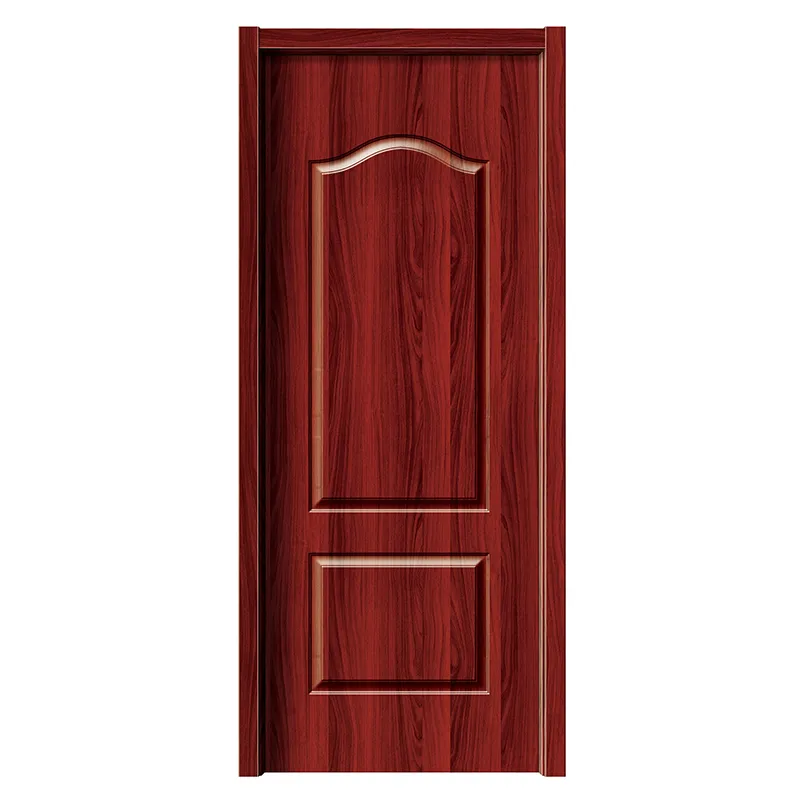 YST-207 Door Red team
 -
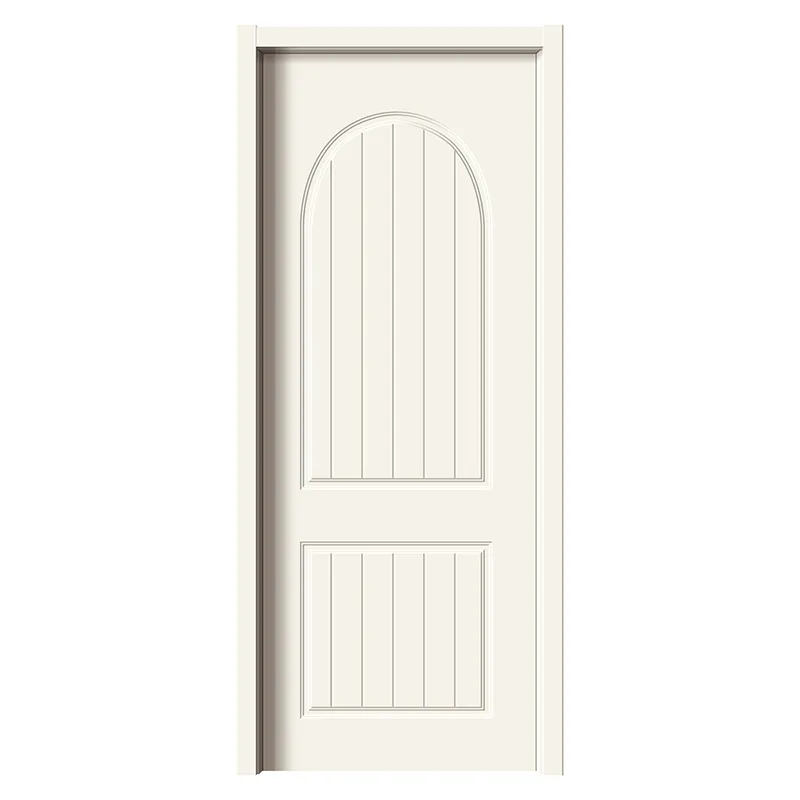 YST-236 Door White ivory
 -
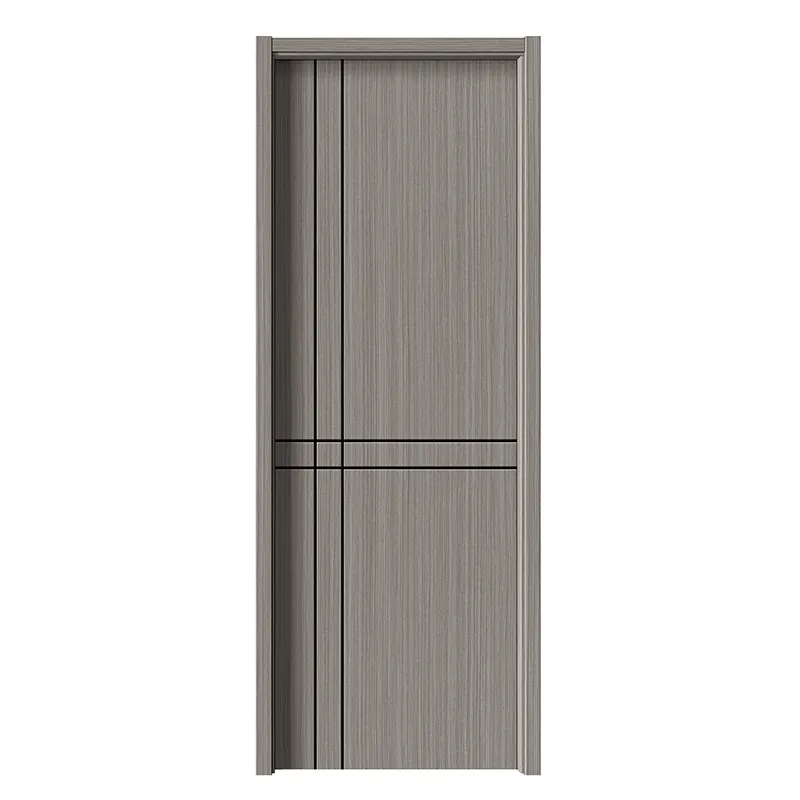 YST-1004 Door Technotree 2
 -
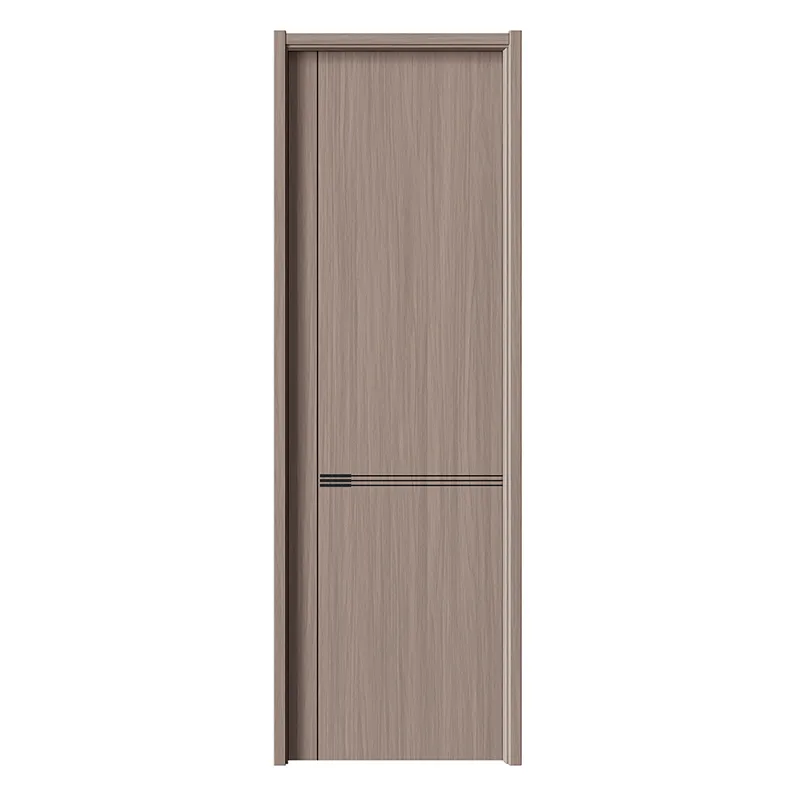 YST-1039 Door Translucent light shadow 3