




Smooth wooden door
When they say “smooth wooden door?”, many people immediately imagine a perfectly smooth surface, like glass. But in real work with an array or even with a high-quality laminated board, this is an almost unattainable abstraction. Wood is a living material, it breathes and reacts to the humidity in the room. And that same “evenness?” - this is not an absolute geometric parameter, but rather a complex indicator: structural stability, quality of finishing and, most importantly, visual perception in the interior. A common mistake customers make is to demand absolute flatness from a door made of oak or ash, like a metal or laminated MDF panel. This is a recipe for disappointment. The real evenness of a good wooden door is when there are no dips, waves from poor polishing, when the panels or solid panel do not “propeller” over time, and when the varnish lays down evenly, without highlighting hidden preparation defects.
What does this “evenness” consist of?
Let's start with the base - the canvas. If it is an array, then the technology of drying and gluing the slats is critical. An insufficiently dried workpiece will certainly behave later, no matter how you sand it. I have seen cases when a beautiful oak door, after six months in a dry apartment, gave a gap of 3-4 mm along the adhesive seam - this is a failure in evenness in the most fundamental sense. Therefore, serious manufacturers, likeAnhui Wantai Woodworking Co.,Ltd, rely on moisture control at all stages. On their websitehttps://www.anhuiwantai.ruit is stated that they adhere to the principle of “building a business on accuracy?” - and this is just about such things. Without strict adherence to technological pauses and drying parameters, there can be no talk of any long-term evenness.
Another layer is surface treatment. There is a hellish chain here: sanding, priming, sanding again, painting or varnishing. If you missed one step, was in a hurry, all your sins will appear under a layer of varnish. The ends and panels are especially treacherous. Often the central field seems smooth, but the edges, where the structure of the wood may be different, begin to flock after the first impregnation. It takes experience to predict the behavior of different breeds. A company positioning itself as a supplier to the international market should have this experience in working with a variety of climatic conditions, as is indirectly evidenced by their profile described onhttps://www.anhuiwantai.ru— meeting the needs of global customers.
And the third point is the design. Even the smoothest canvas can be damaged by an incorrectly assembled box or weak hinges. The door will sag by 2 millimeters - and for the eye this is already a distortion, a loss of that very “ideal line”. Therefore, assessing evenness is always a check of the assembly, in the opening, and not just an inspection of the canvas in a warehouse.
Practical pitfalls and how to avoid them
In your work you constantly come across situations where theory breaks down into practice. For example, the customer brought “flat” the door was from another supplier, and after installation and the first heating season, a longitudinal wave appeared on it. Cause? Most likely, the fabric was assembled from lamellas with different directions along the fibers without proper compensation calculations. Or the topcoat was applied in one too thick layer, which then pulled off. This is a classic.
Hence the conclusion: reliablesmooth wooden door- this is the result of systematic work, not luck. From my own experience, I was convinced that it is better to work with manufacturers who openly talk about technology. For example, if we take the company from the description -Anhui Wantai Woodworking Co.,Ltd. Their statement about strict adherence to standards at all stages, from raw materials to process control, is not just nice words for the site. In reality, this means that they must have regulations for sanding with different grains, for interlayer drying of varnish, and for testing samples in climate chambers. Without this, consistent quality for different markets (residential and commercial spaces, as they indicate) cannot be achieved.
One of the most common pitfalls is skimping on the finish line. It seems that the door is already ready, and you can cover it with a good varnish in two layers. But if exposure and fine sanding after priming are not done, micro-pile will rise after the first layer of varnish. The surface will become rough rather than smooth. I have to sand it again, dust it, and reapply it. Waste of time and materials. The right way is a multi-layer application with mandatory intermediate sanding with fine sandpaper. This is labor-intensive, but it guarantees that same tactile and visual evenness.
Case: when exactly? doesn't mean ?good?
I had a project where the customer insisted on an absolutely smooth, glossy surface of a walnut door. We achieved the ideal - the door looked like a mirror. But in operation it turned out that every fingerprint, every speck of dust on such gloss is visible to the naked eye. For a living space with children, this was a nightmare. Evenness - yes, but practicality - zero. I had to explain that a matte or semi-matte finish with a light texture is better for everyday use. It visually hides micro-irregularities and is much more practical. This case illustrates well that a professional approach is not just about fulfilling technical specifications, but about anticipating operational nuances. A manufacturer who thinks about practical characteristics, as stated in the missionAnhui Wantai Woodworking Co.,Ltd, should offer the client finishing options, and not just one gloss.
Another point is the geometry of the opening. You can make a perfectly flat canvas, but if the wall is curved, the installers will align the box with a level, and the gaps will turn out wedge-shaped. Visually the door will look uneven. Therefore, you often have to make a compromise: either prepare an opening, or, less often, make a canvas with a small design tolerance. This is already aerobatics.
This is why descriptions of serious companies like the one in the example often mention a team of designers and developers. Their task is not just to draw a door, but to design a product that will remain stable and visually consistent under real, not ideal, conditions.
Equipment and “human factor”
The modern production base mentioned in the context of the company is primarily CNC precision calibrating and grinding machines. They provide basic, repeatable geometry. But then man comes into play. It is an experienced craftsman who sees where a curl may appear on the oak cut, which needs to be additionally filled, or feels that the soil is not ideal and additional processing is needed. No robot can replace this eye and instinct. Therefore, having an experienced team is no less important than new equipment.
Output control is also a story about people. The standard method is to lay the rule on the canvas and look at the light. But an experienced inspector will also move his hand at an angle and by touch find those defects that the eye might miss in certain lighting. This is the very “victory by quality” that many manufacturers, including the mentioned company, write about in their principles. Without this manual, almost artisanal control at the final stage, even the best assembly line can be defective.
As a result, returning to the keyword,smooth wooden door- it's always a balance. A balance between technological discipline and the skill of performers, between ideal drawings and material behavior, between aesthetic requests and the realities of operation. This is not a stamped part, but a complex product where evenness is synonymous with quality workmanship in the broadest sense. And when you choose a product, you should look not at the picture, but at how the manufacturer describes its processes. If you see attention to stages, control, adaptation to conditions - as, for example, in the company descriptionAnhui Wantai Woodworking Co.,Ltdon their website - that is, a chance to get a truly reliable and, in a good sense, smooth door.
Correspondingproducts
Related Products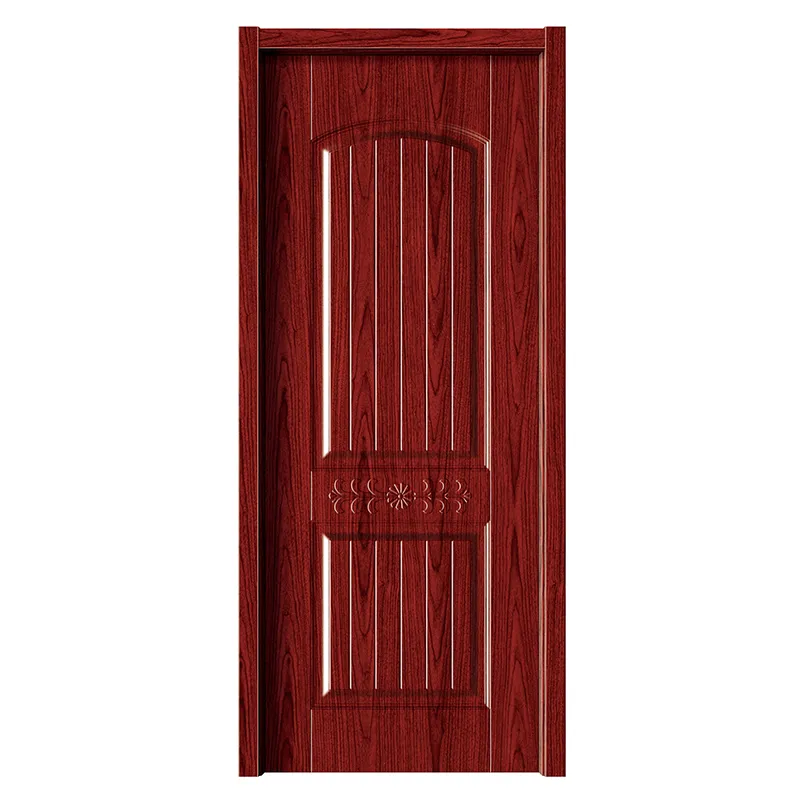
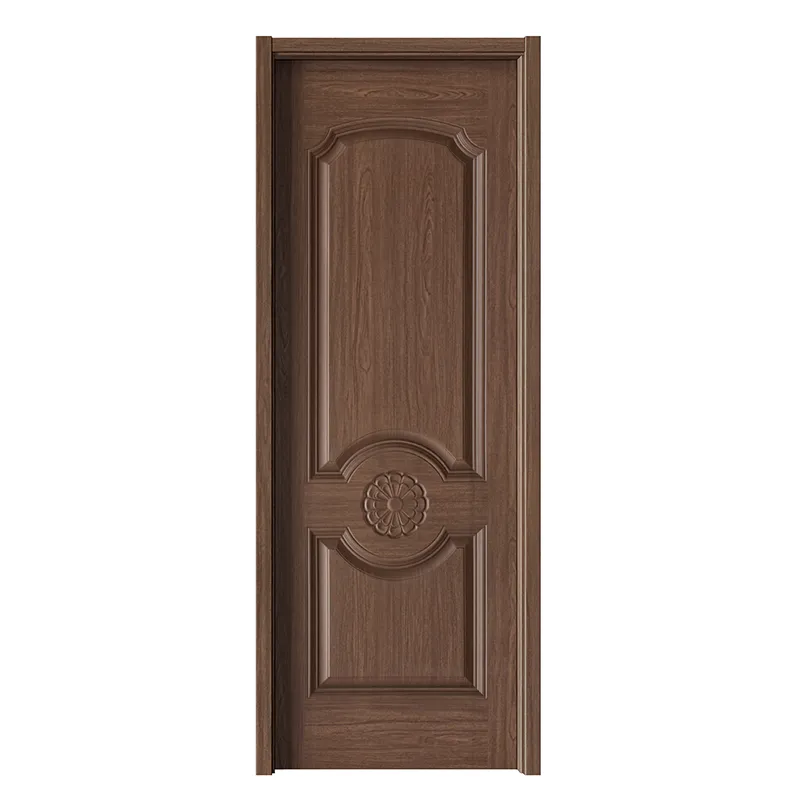
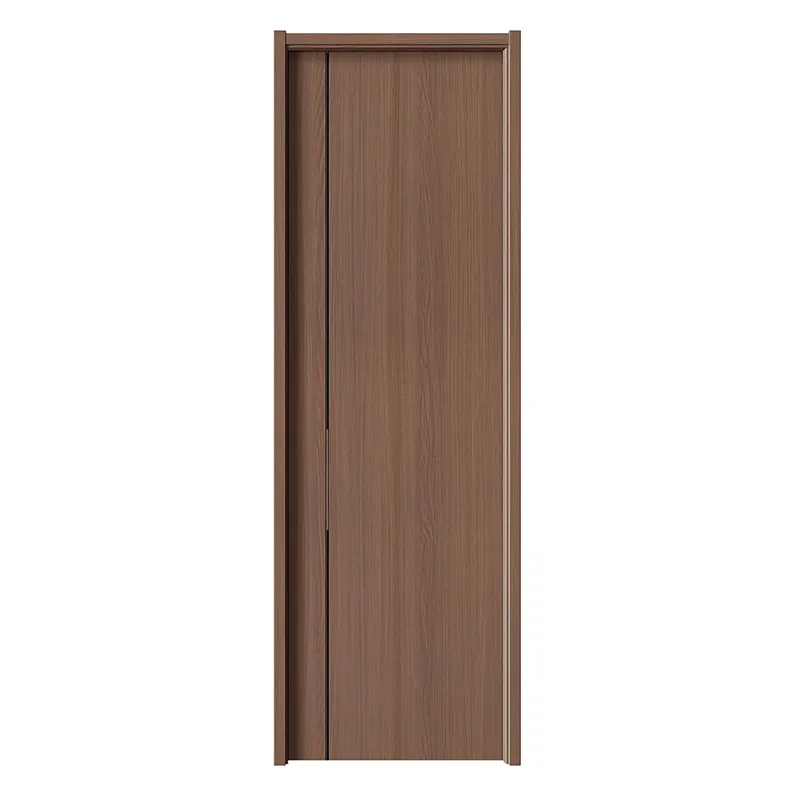
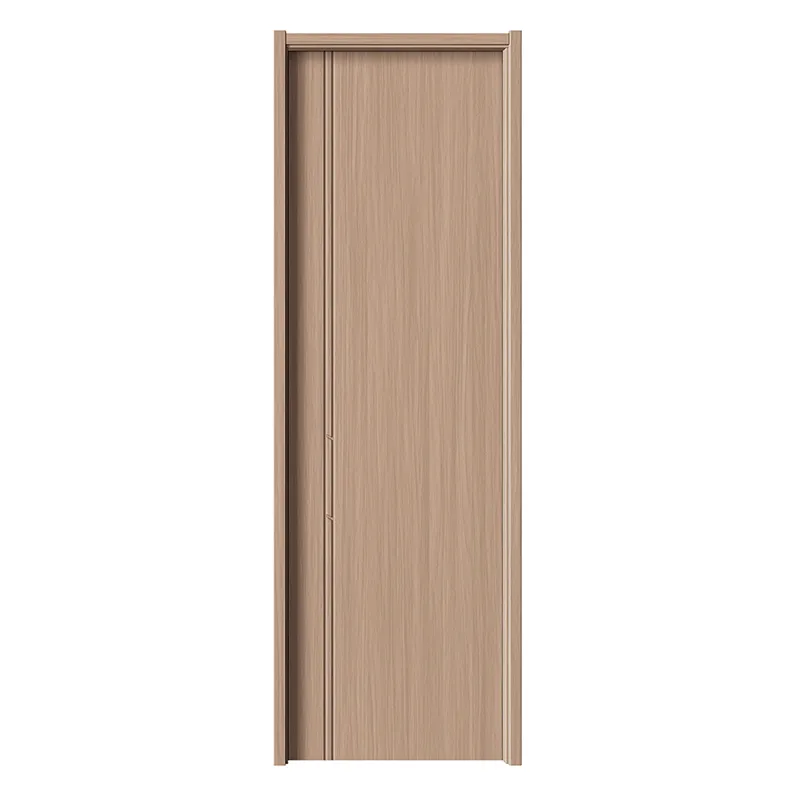
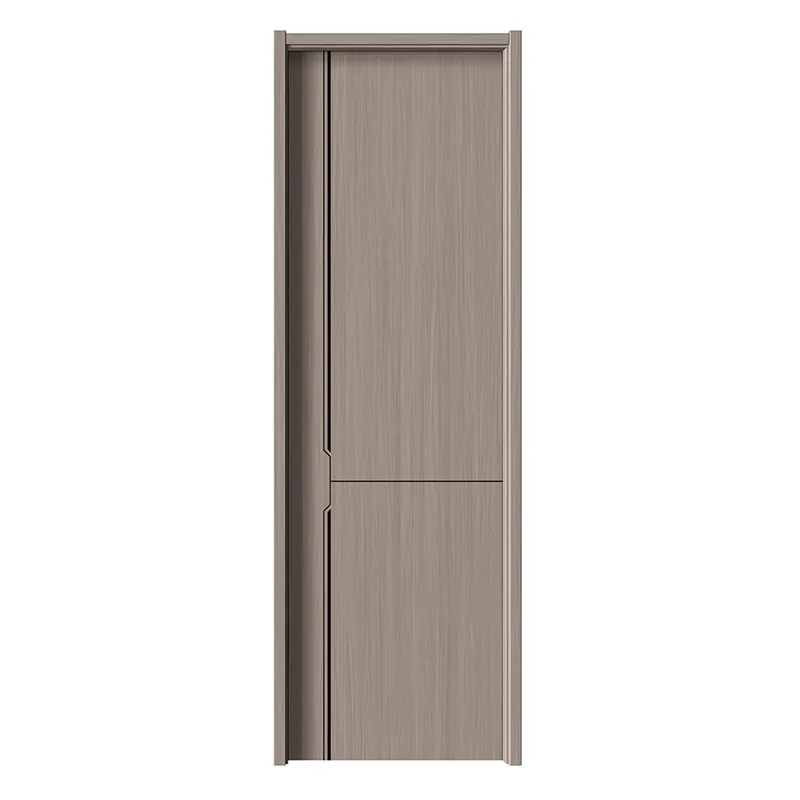
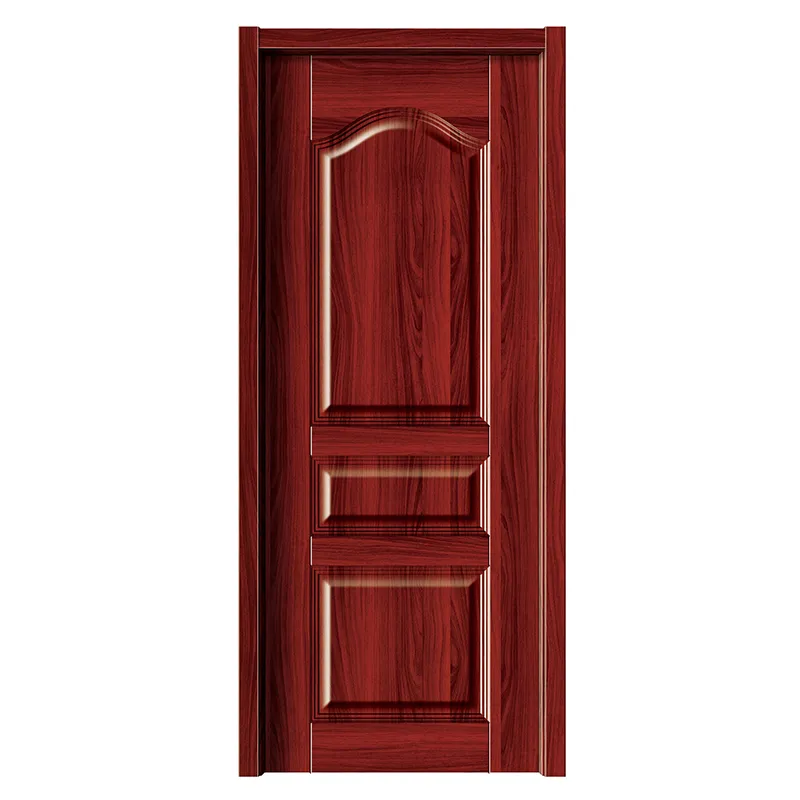

Best Sellingproducts
Best Selling Products-
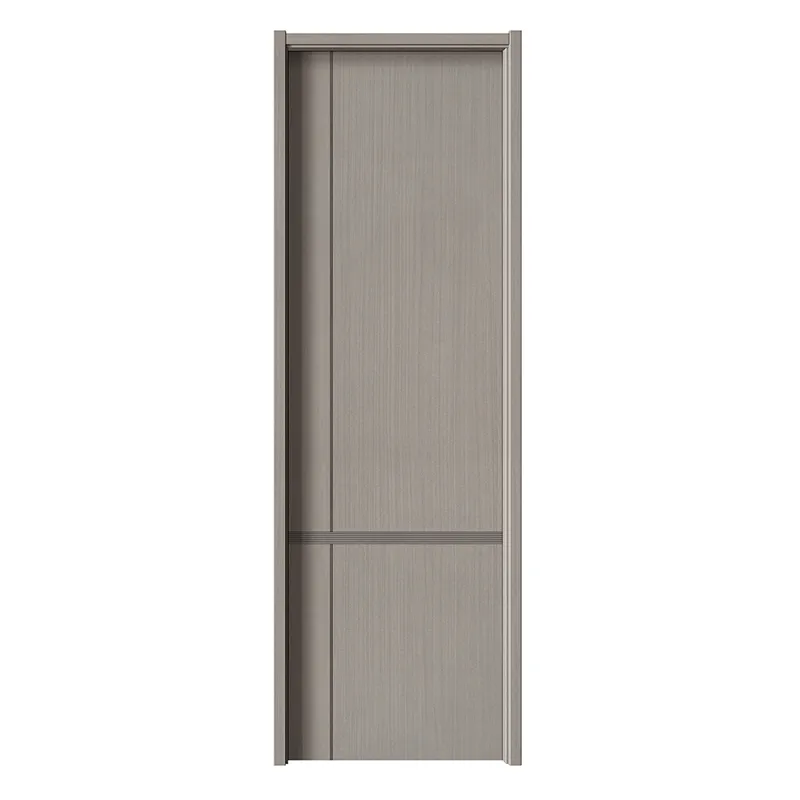 YST-1013 Door Cloud Walnut 1
 -
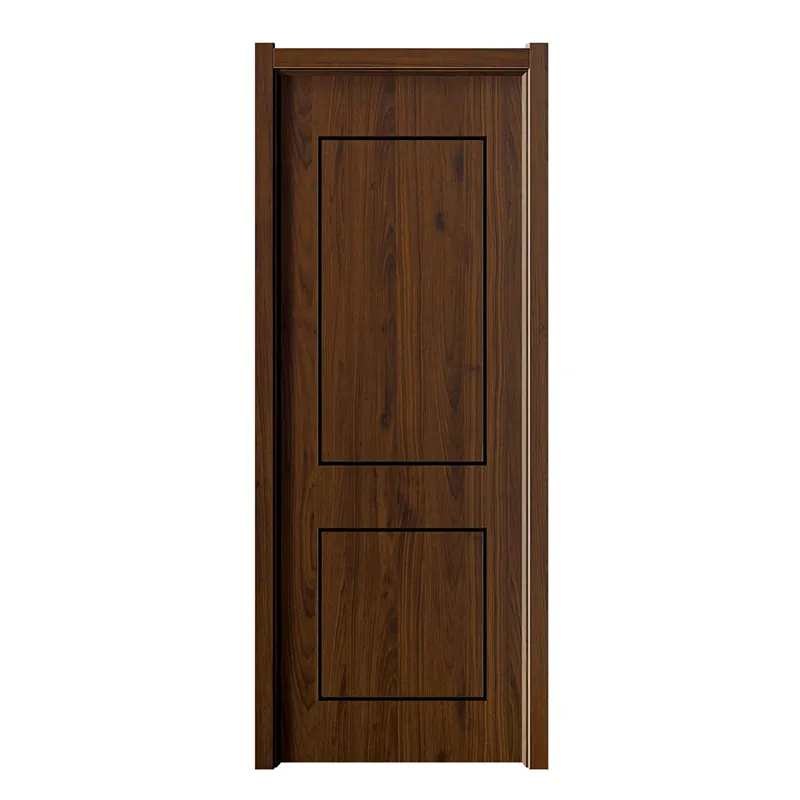 YST-WPC2 Door
 -
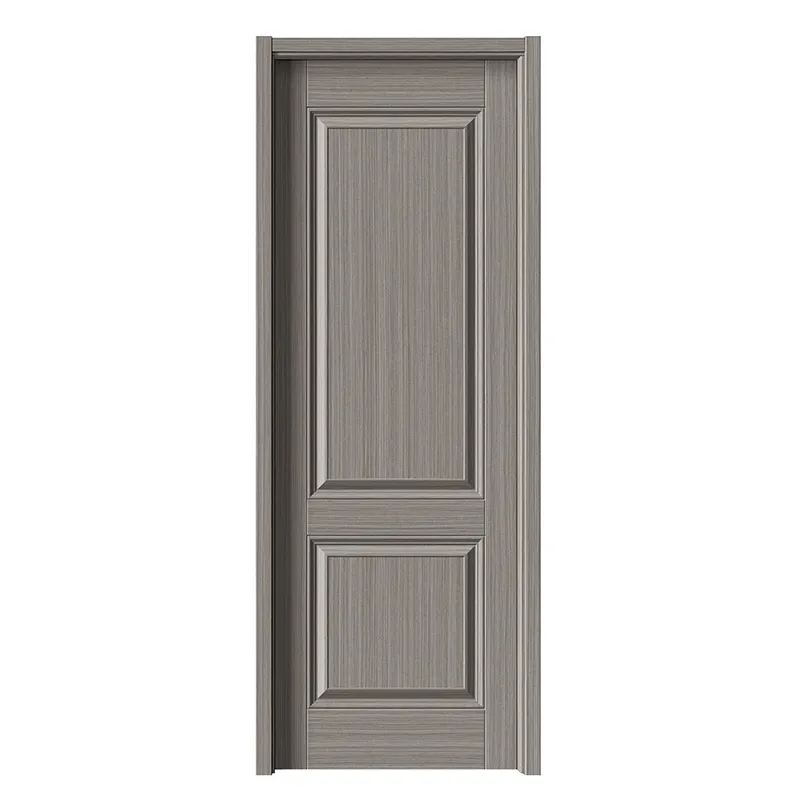 YST-214 Door Technowood 2
 -
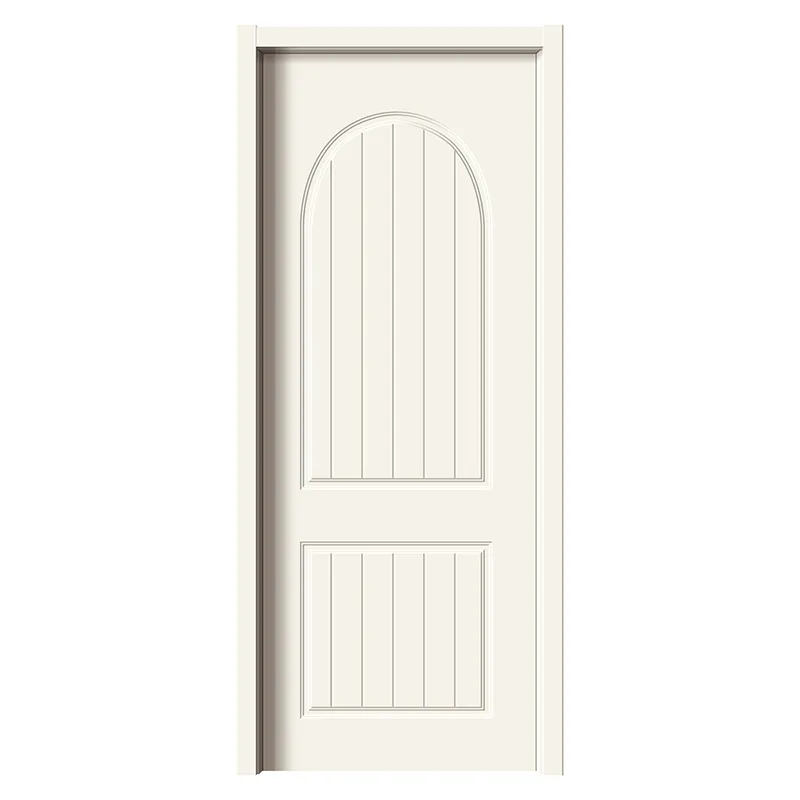 YST-236 Door White ivory
 -
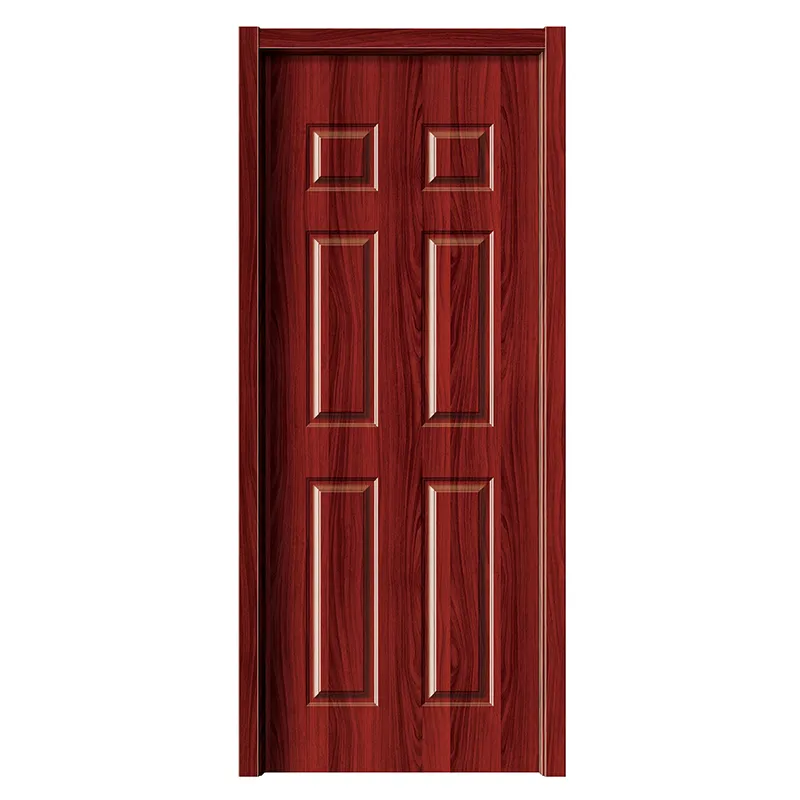 YST-201 Door Red team
 -
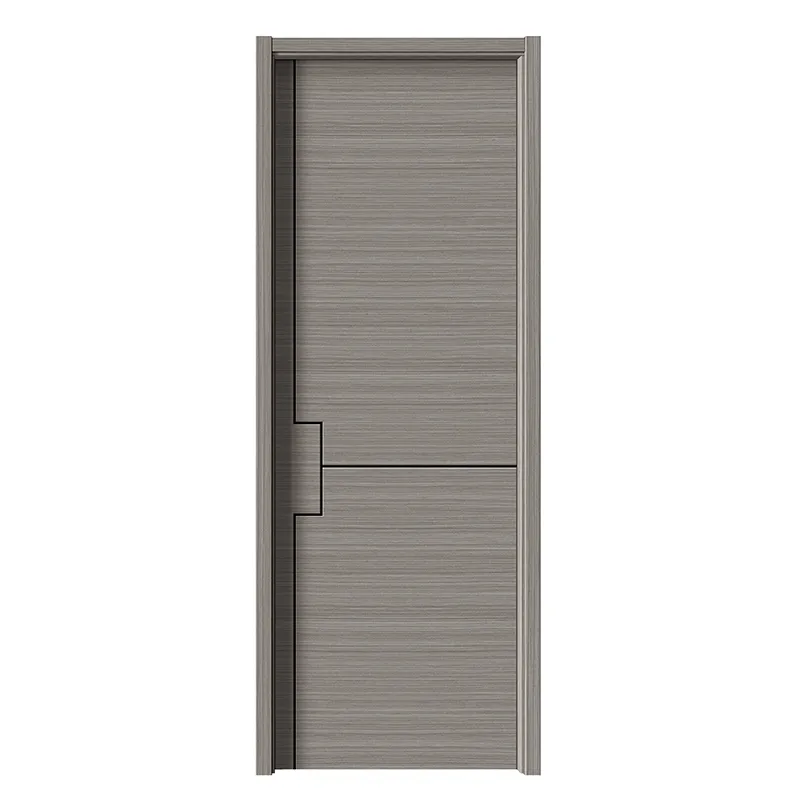 YST-1005 Technotree Door 2
 -
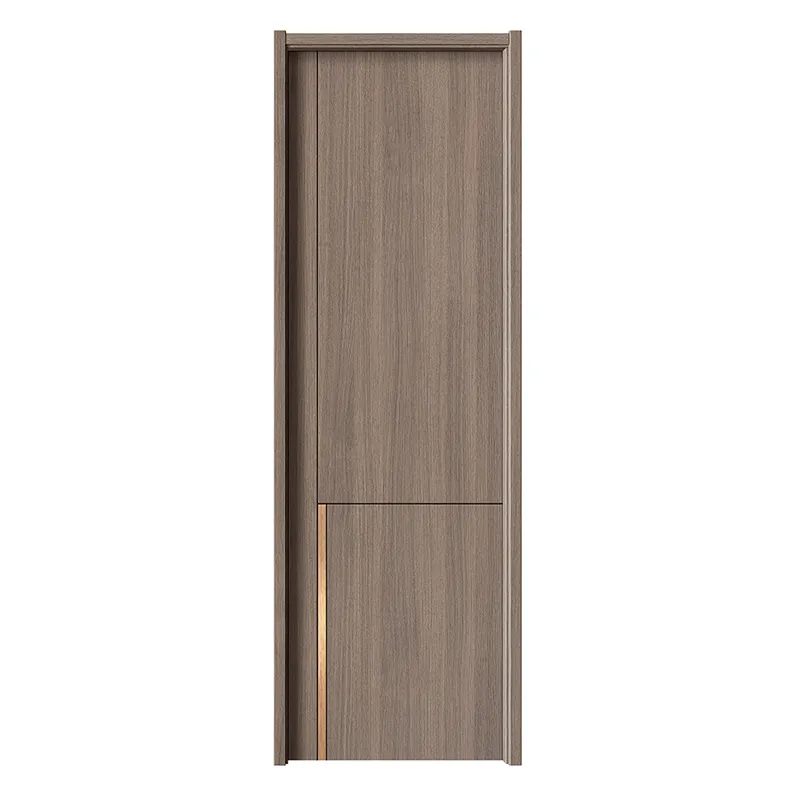 YST-1003 Door Oak gray
 -
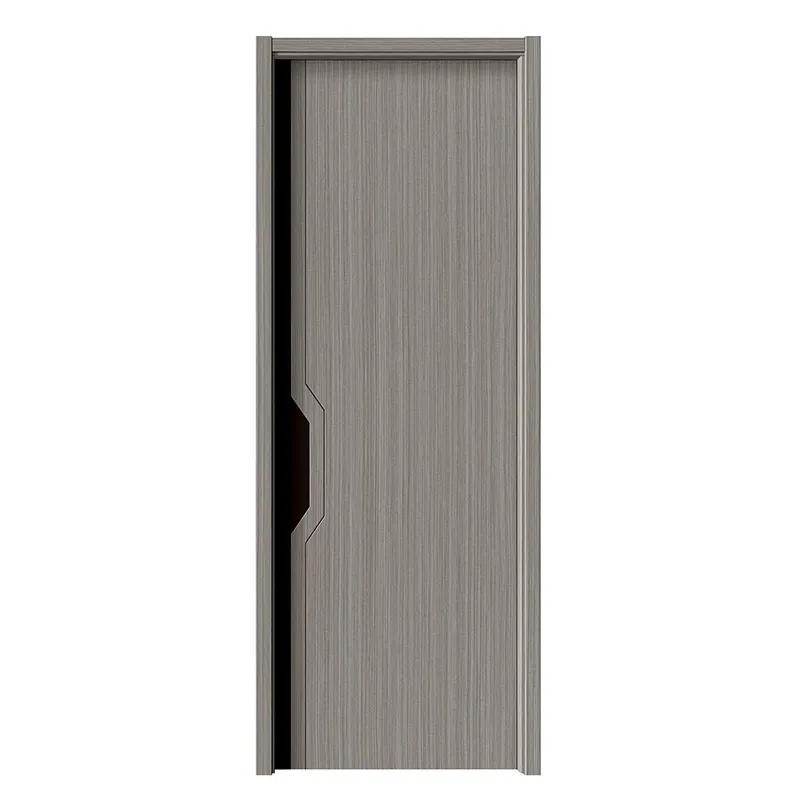 YST-1007 Technotree Door 2
 -
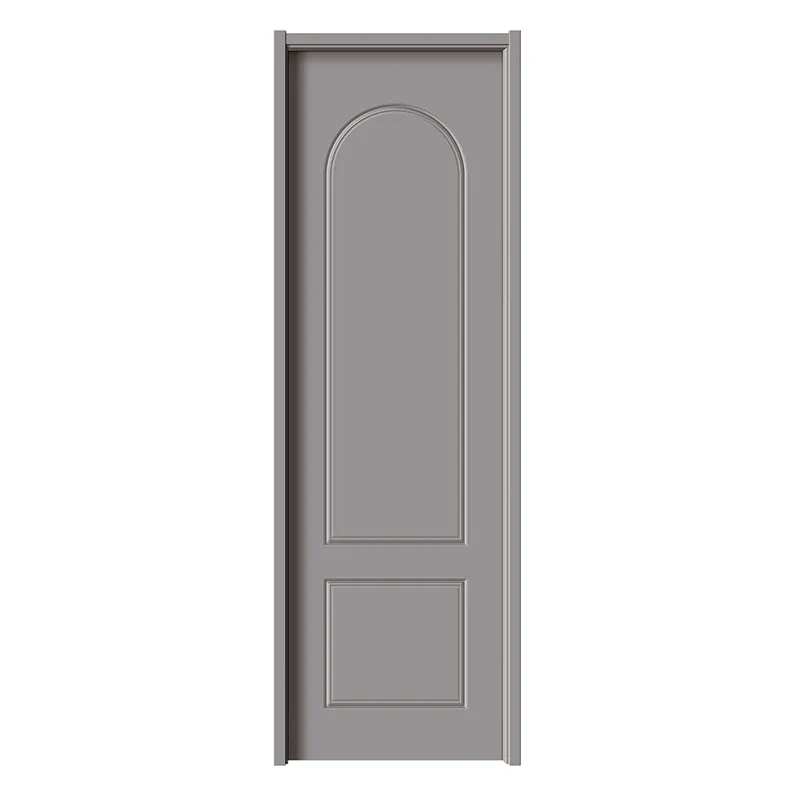 YST-241 French Door 1 soft stone gray
 -
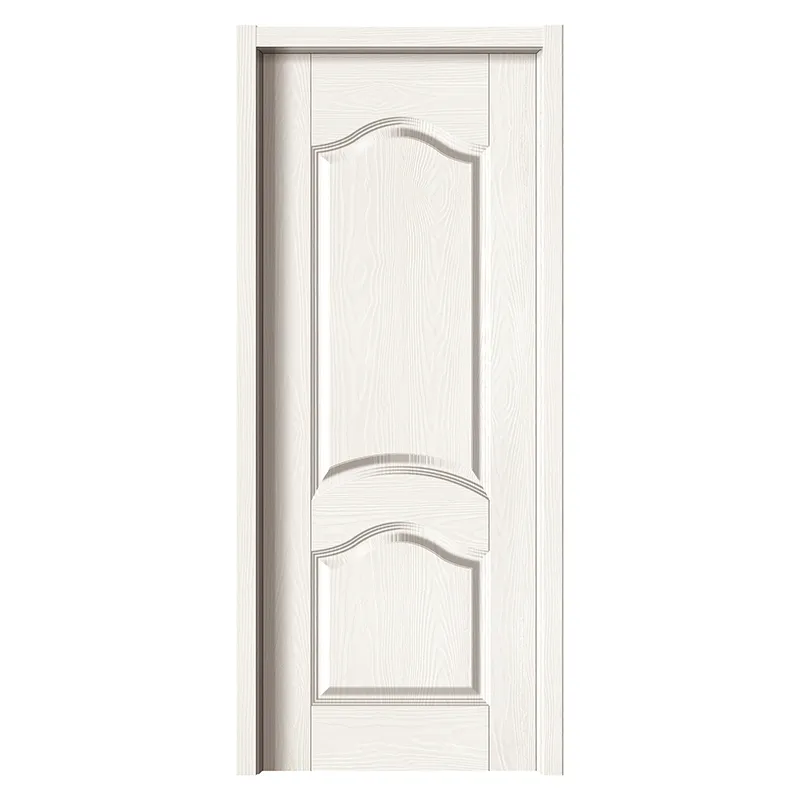 YST-224 Door Warm white with relief
 -
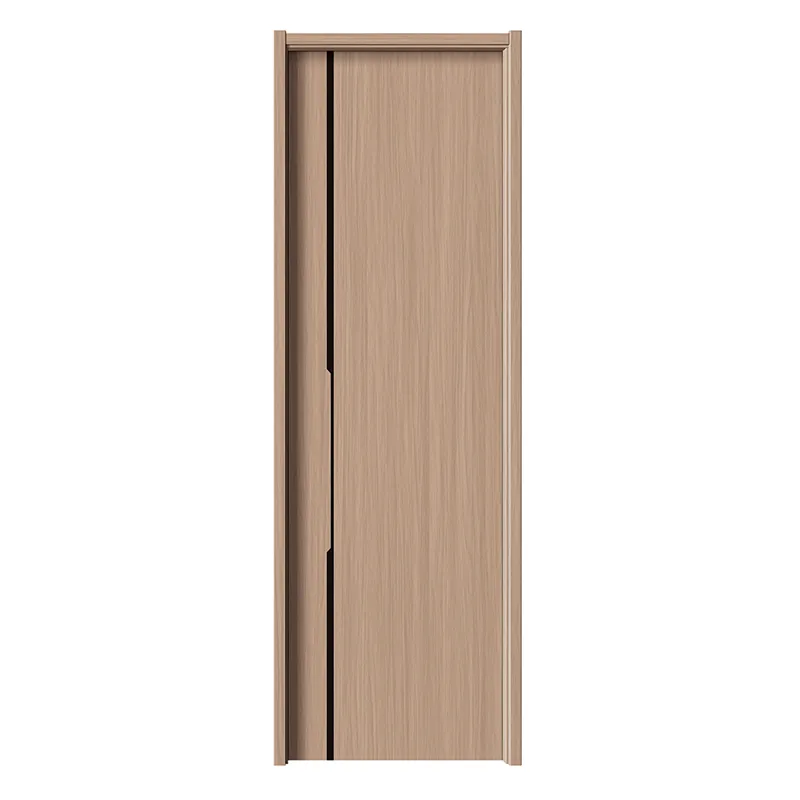 YST-1029 Door Translucent light shade 1
 -
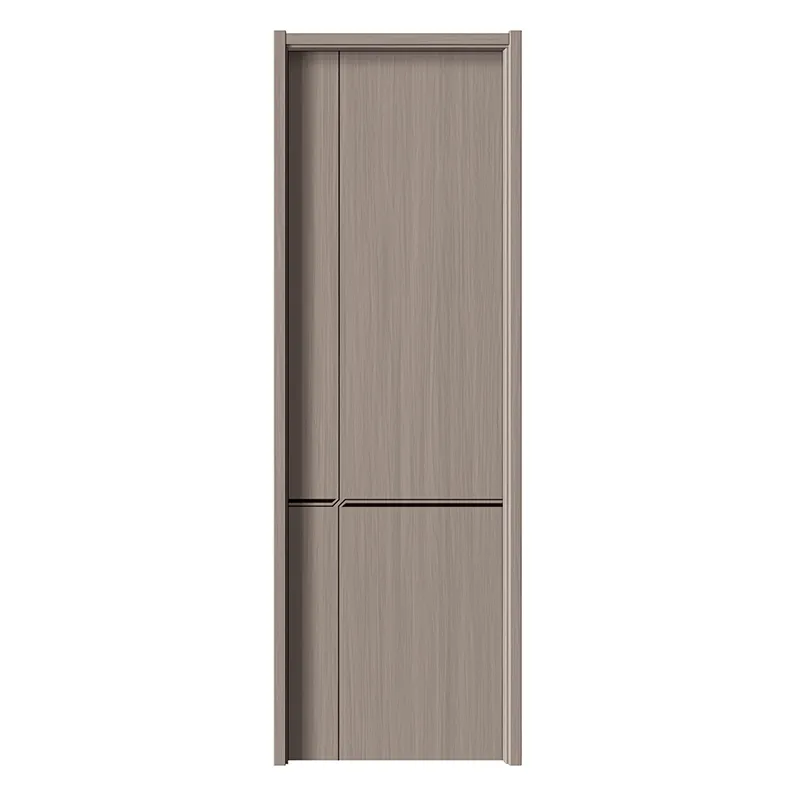 YST-1010 Door Translucent light shadow 3