




Solid wood door
When you hear “solid wood door,” the first thing that comes to mind for most is just a thick, heavy, “natural” door. and therefore supposedly automatically good. In fact, this is one of the biggest simplifications in our industry. Array is not the same as array, and this is where 80% of the problems that both the customer and the installer later face lie. I myself have worked with different suppliers, and the difference in approach to what they call “array” is colossal. Let's take Chinese manufacturers for example. Previously, there was a prejudice, they say, only Europe or Russia. But now some companies are setting the bar very high. HereAnhui Wantai Woodworking Co.,Ltd(their website ishttps://www.anhuiwantai.ru) - they are just one of those who break stereotypes. The company positions itself as a supplier to the international market of doors that combine design and practicality. But what is behind these words? In practice, this means that they are forced to meet strict standards for different markets, and this is already a serious application.
What actually hides behind the ?array??
Look here. Often, solid wood means a solid slab of wood. But a door leaf made from a single piece is rather exclusive, expensive and risky from the point of view of stability. In the mass quality segment we are talking about laminated wood. And here is the key point. The technology for gluing lamellas (these are bars) is not just knocking them together. The direction of the fibers, the moisture content of each lamella before gluing, the pressure... I once saw how a door from an unknown manufacturer gave a “helicopter” performance after six months in a dry room. — twisted like a propeller. The reason is that the lamellas were glued with multidirectional fibers without proper consideration of tension.
Companies that export have the sameAnhui Wantai, this process is usually verified to the point of automation. On their website they state the principle of “building a business on precision, winning with quality?” and maintaining standards from raw materials to inspection. In practice, this often means using kiln-drying wood to a specific, stable moisture content (usually 8-12%) and a multi-axis gluing press. This is not a 100% guarantee, but the risks of a ?helicopter? fall significantly. Their team of designers and developers are not just artists, but often engineers who calculate these stresses.
And another nuance - the breed. Oak, ash, walnut - these are classics. But they often offer “solid pine”. Pine is a soft material, and a solid pine door will be vulnerable to dents. It's not a bad thing, it's a feature. But the client must be warned. A good supplier always clearly indicates the species and its properties, and does not simply write “natural wood”.
Construction: where it’s thin, it breaks
The canvas itself is only half the battle. The frame, the stiffening ribs inside - this is what determines whether the door will sag in five years. Cheap solid wood doors often have a primitive lattice design with large voids. It looks heavy, but inside there is emptiness. When installing heavy fittings or simply over time, loosening may begin at the attachment points.
The correct design is most often a solid or engineered wood honeycomb core, or a cross-rib system. This adds weight, but also radically more stability. Looking at the products of serious factories, you will notice that they often show exactly this “filling” in a cross-section. This is no accident. For residential and commercial spaces, as statedAnhui Wantai, different solutions are needed. In commercial environments, the door slams more often, which means the structure should be more resistant to vibrations.
Personal experience: we once installed a solid oak door to an office. The fabric is excellent, the array is dry. But the manufacturer saved on internal jibs. After a year of active use, a subtle play appeared in the hinges. I had to remove and strengthen the frame. Conclusion: array quality and design quality are two different control items, and failure in any of them kills the entire product.
Finishing and finishing: the finishing touch that makes all the difference
A perfectly glued array can be ruined by poor finishing. Coating is not only beauty, but also protection. Oil, varnish, wax - each has its own nuances. The varnish creates a hard film and protects well, but a scratch on it is visible as a white stripe. The oil is absorbed and the scratch can be locally retouched, but it requires periodic updating.
It is important here that the plant has modern application lines. Hand varnishing is good for something exclusive, but for a series it is fraught with unevenness. Automated spraying and drying chambers, as part of the modern production facilities of many international suppliers, provide more consistent results. The coating is applied evenly, without smudges, and at the required thickness.
Another point is tinting. Solid wood is a living material, and even within the same batch there may be differences in shade. Good manufacturers sort the lamellas by tone before gluing them so that the fabric is uniform. And if patina or brushing is done, then it is important that the texture appears equally over the entire surface. This cannot be done without an experienced development team who understand the chemistry of the compositions and the physics of the process.
Installation: the Achilles heel of even an ideal door
You can buy a magnificent solid wood door, but kill it during installation. Weight is the main enemy. Standard hinges may not hold up. You need to calculate - at least three loops per canvas with a height of 2 meters, and preferably four. And the hinges must have a bearing, not simple card hinges.
Box. A common mistake is to place a heavy, massive canvas in a weak, thin pine box. She won't live long. The frame must be of comparable strength, ideally made from the same solid wood as the door, and properly secured in the opening not only with polyurethane foam, but also with anchors.
Gaps. Wood breathes, especially when the seasons change. It is necessary to leave sufficient technological gaps (usually 3-5 mm around the perimeter), otherwise the door may rest and stop closing during a wet period. This is often forgotten when doing a push-to-fit installation. for beauty. Beautiful, but short-lived.
Results: what to look for when choosing?
So, to summarize.Solid wood dooris a complex product. You need to look not at the loud name of the breed, but at: 1) The technology for manufacturing solid wood (glued, chamber drying). 2) Internal structure (stiffeners, filling). 3) Quality of finish (uniformity, type of coating). 4) Complete set (hinges, box).
Working with suppliers who are focused on international markets, such asAnhui Wantai Woodworking Co.,Ltd, often makes life easier. Their forced rigor to standards is a plus for the end installer and user. Their claim to combine aesthetics and practical characteristics is exactly the balance that is needed in real life, and not in a catalogue.
In the end, a good solid door is not a luxury item, but a long-term investment in the interior. It must go through more than one renovation. And for this to work, it is important to understand that you are not just buying a piece of wood, but a complex engineering product. And the approach to choice should be appropriate - not based on the first impression of the picture, but with questions about the technology. This is exactly what we do when we want to deliver something really worthwhile.
Correspondingproducts
Related Products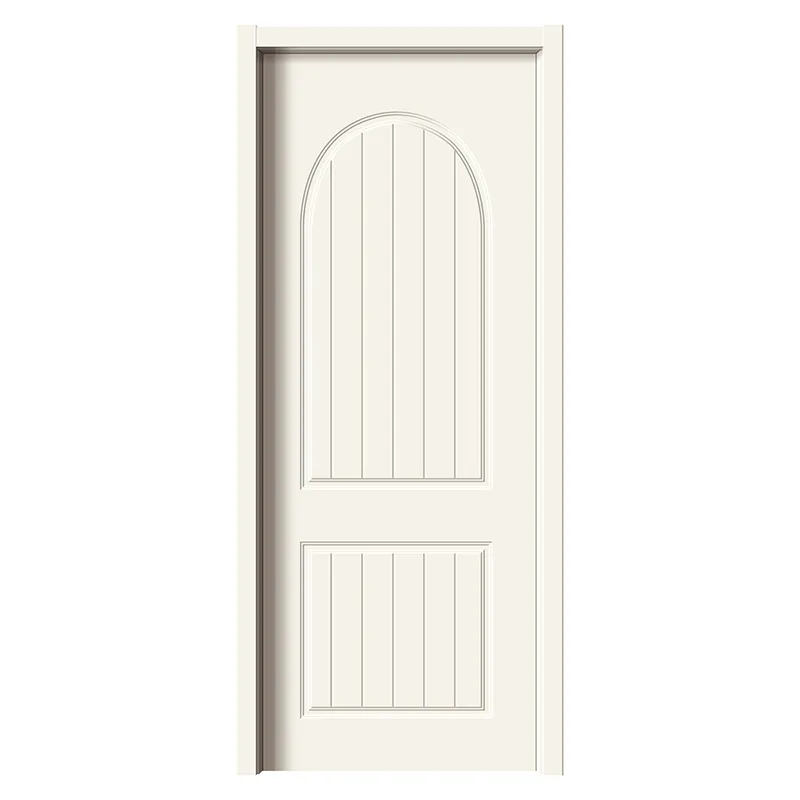
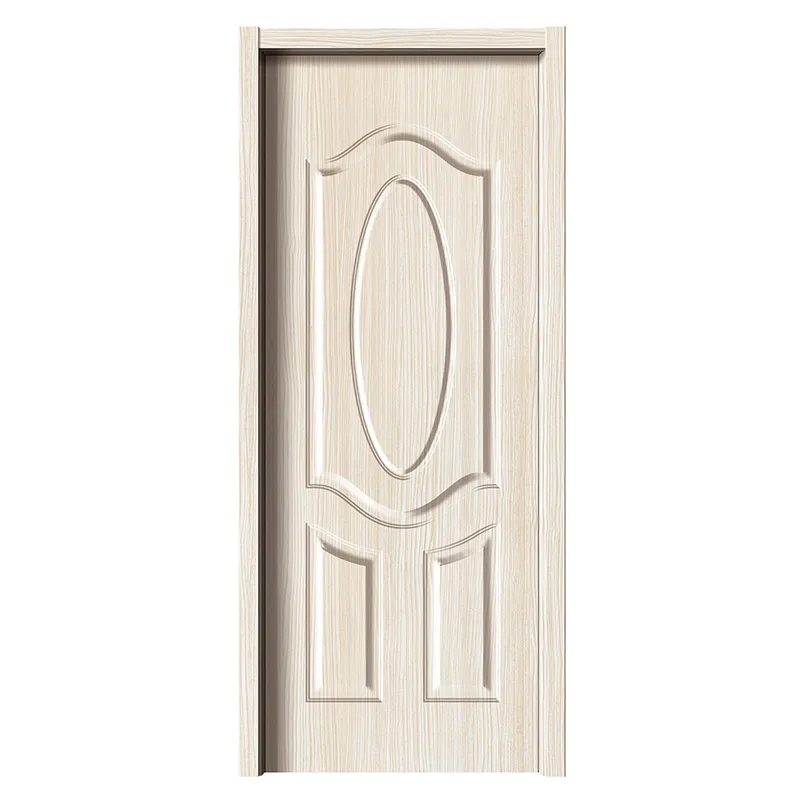
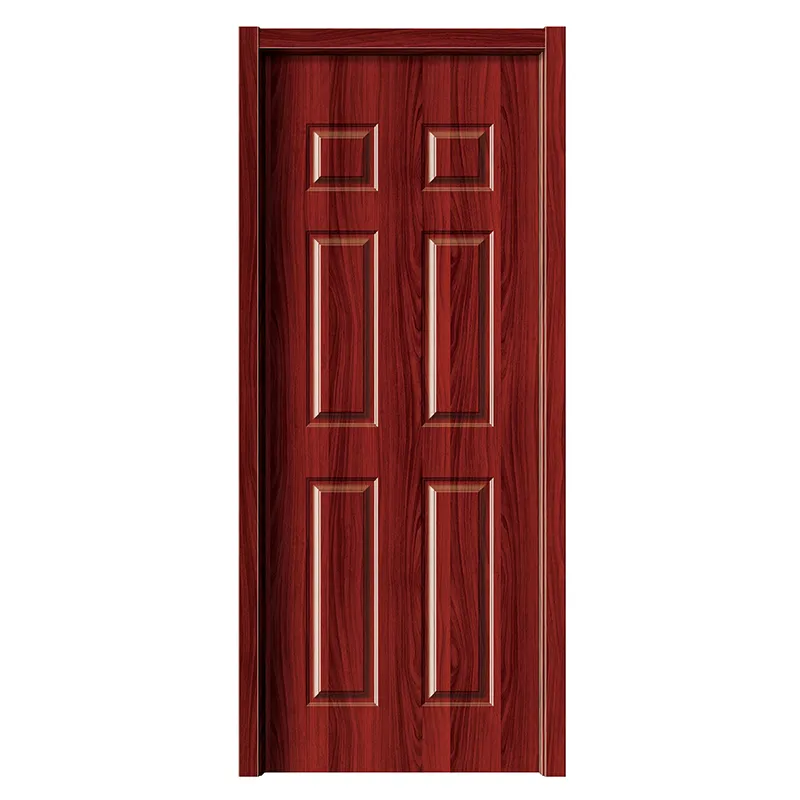
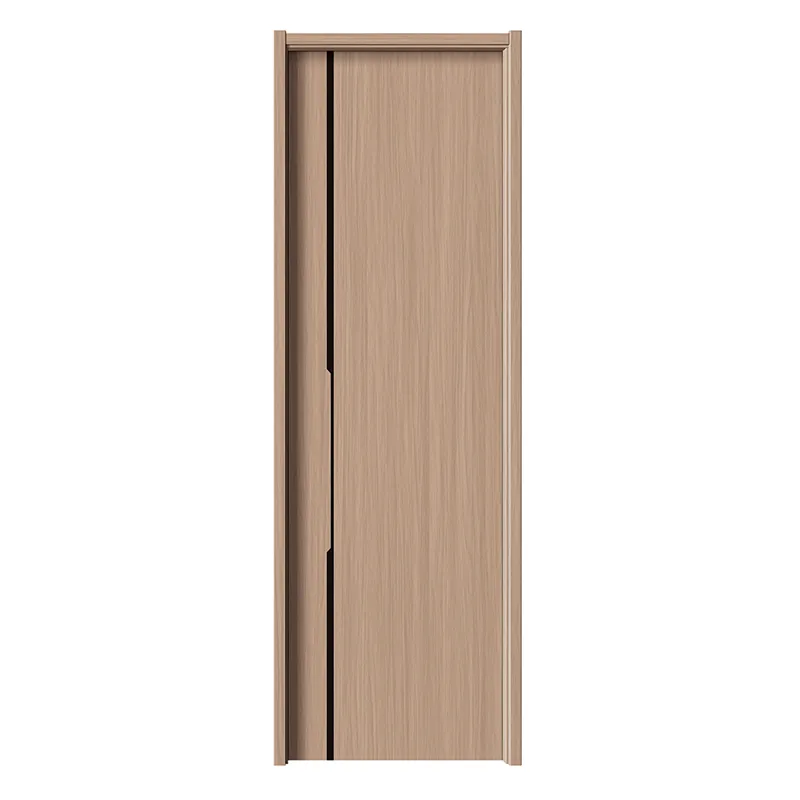
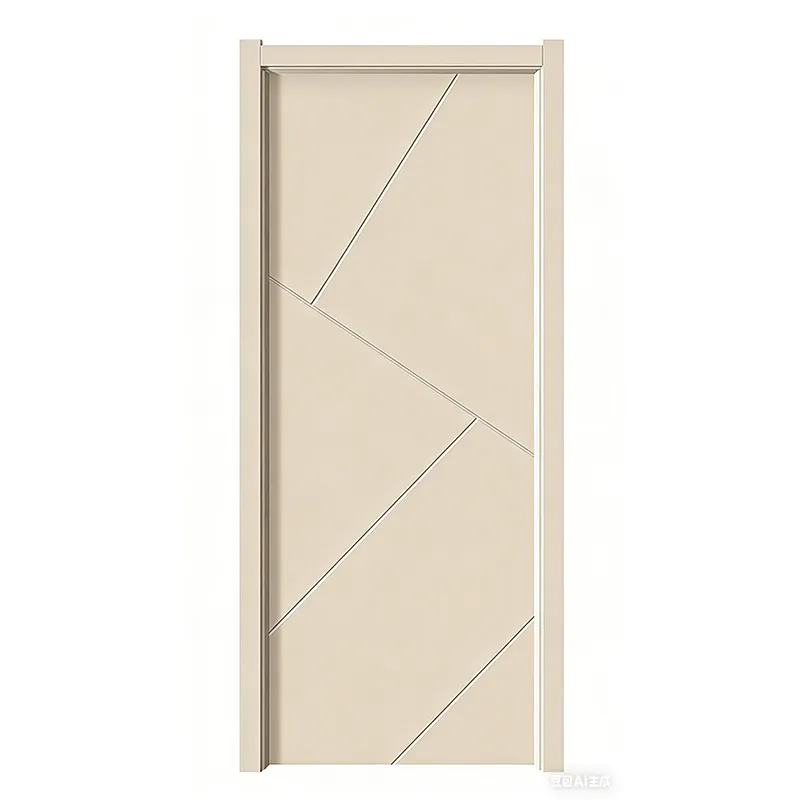

Best Sellingproducts
Best Selling Products-
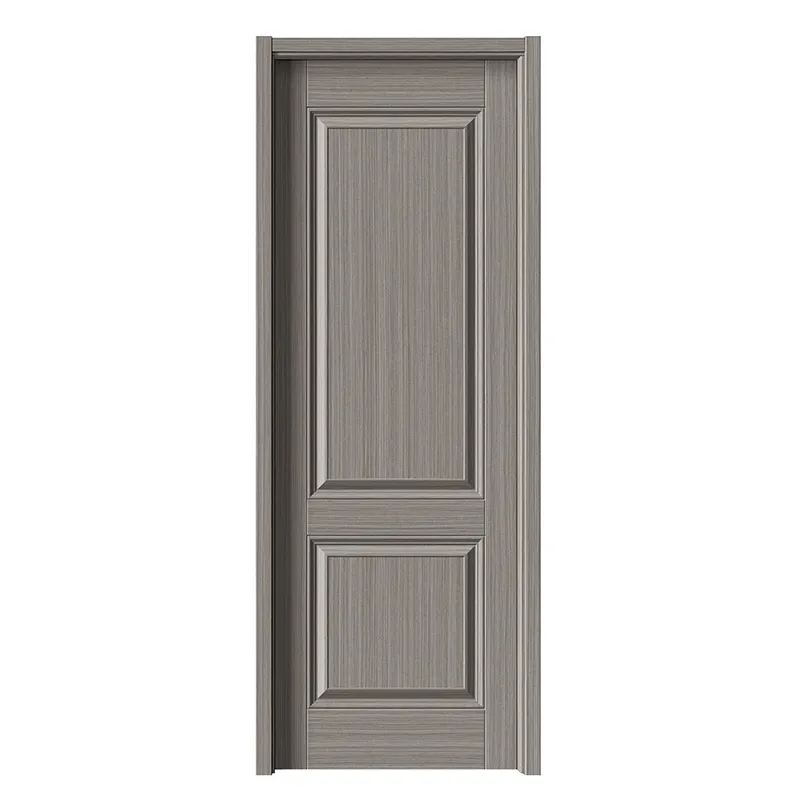 YST-214 Door Technowood 2
 -
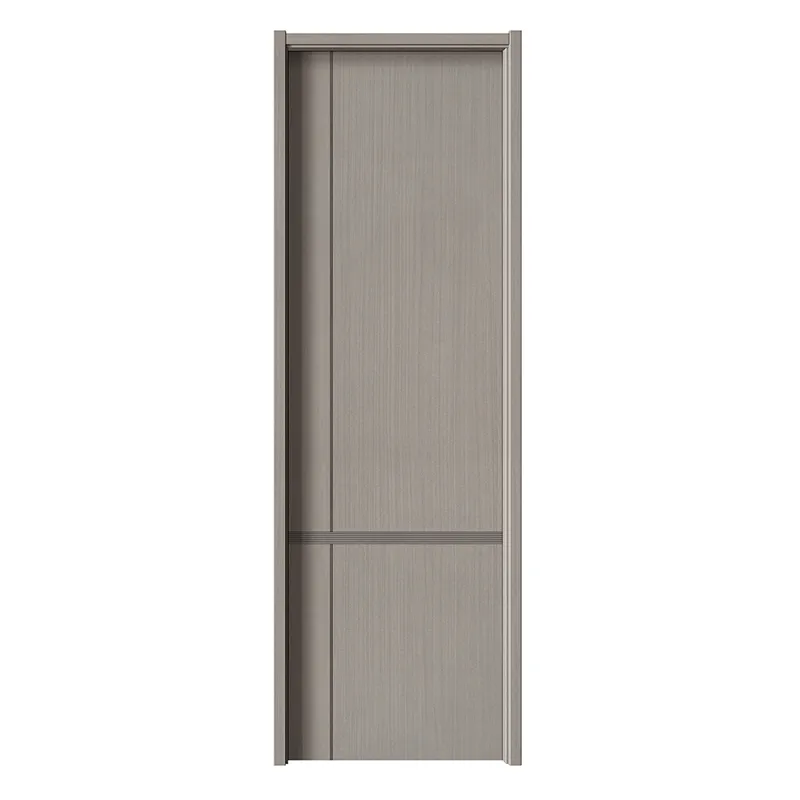 YST-1013 Door Cloud Walnut 1
 -
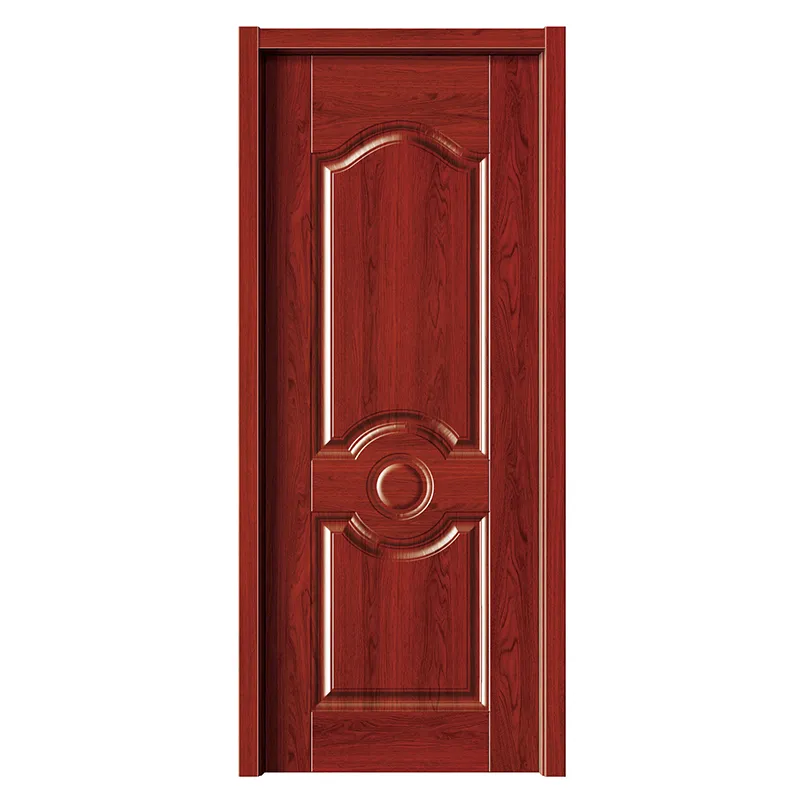 YST-208 Door Red Sandalwood
 -
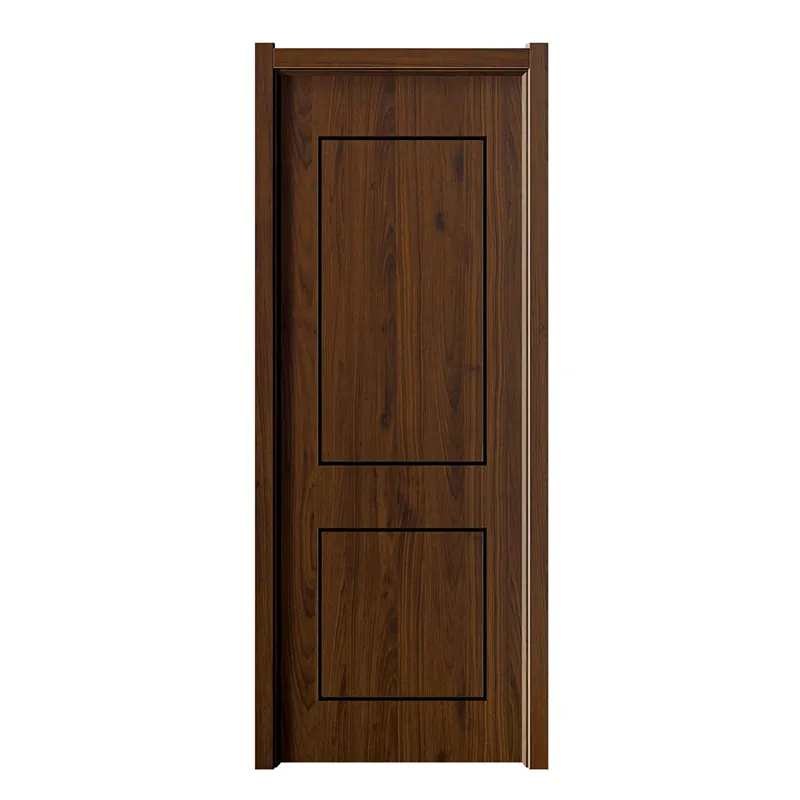 YST-WPC2 Door
 -
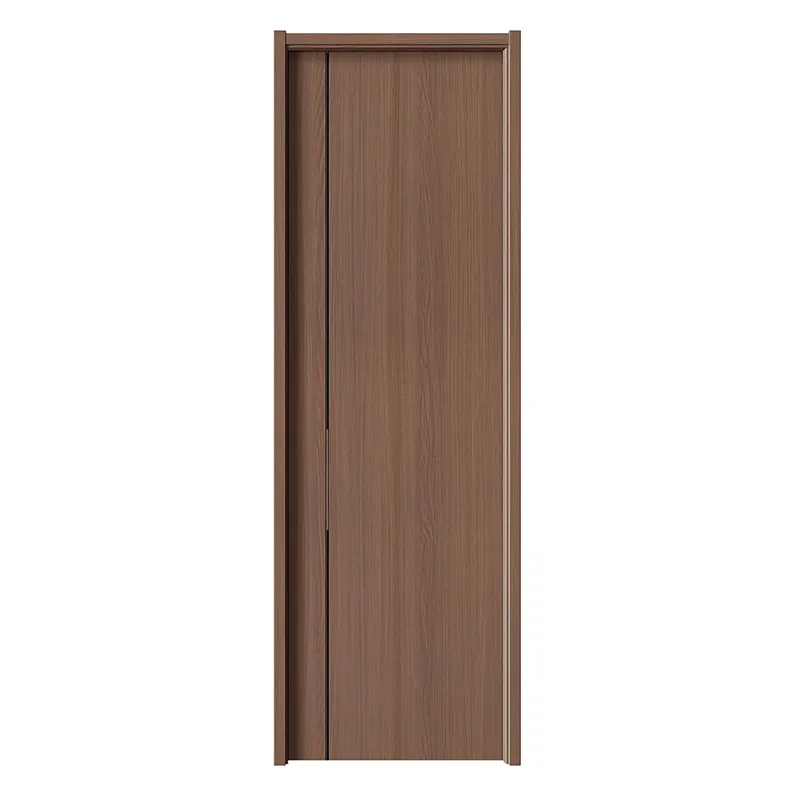 YST-1043 Door Techno-walnut 3
 -
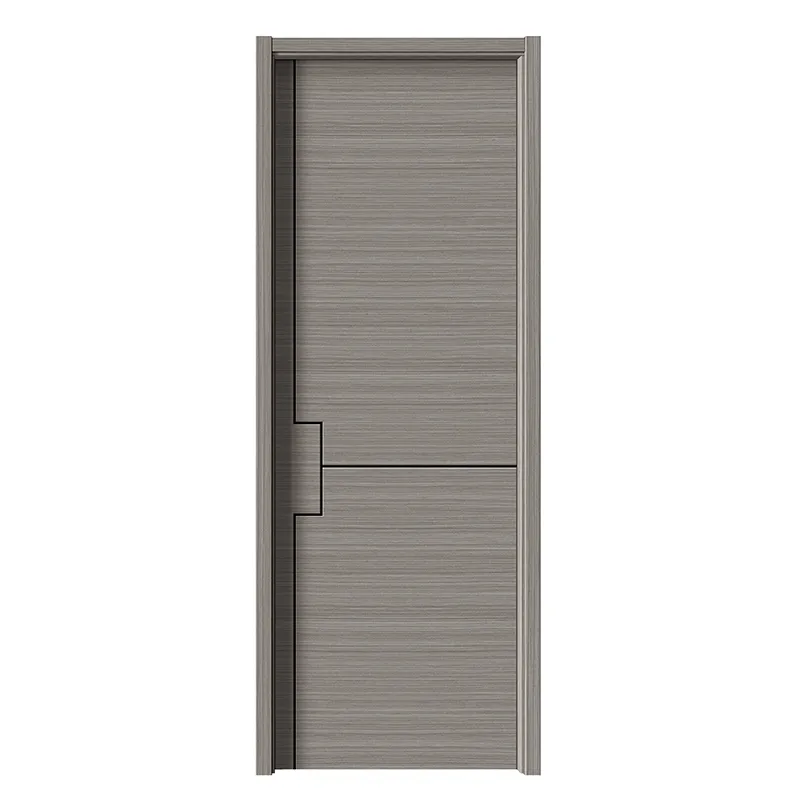 YST-1005 Technotree Door 2
 -
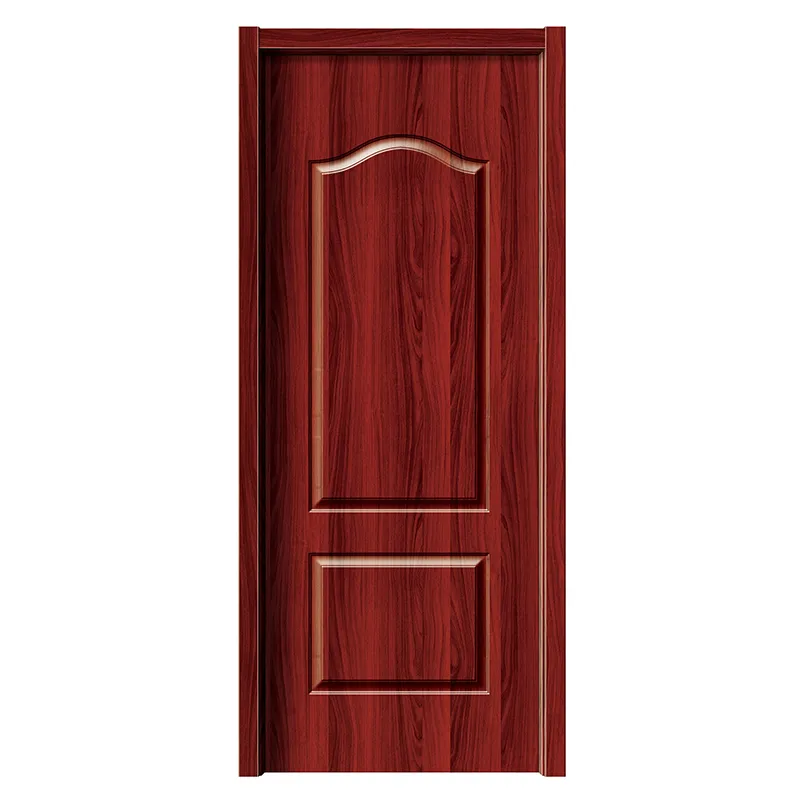 YST-207 Door Red team
 -
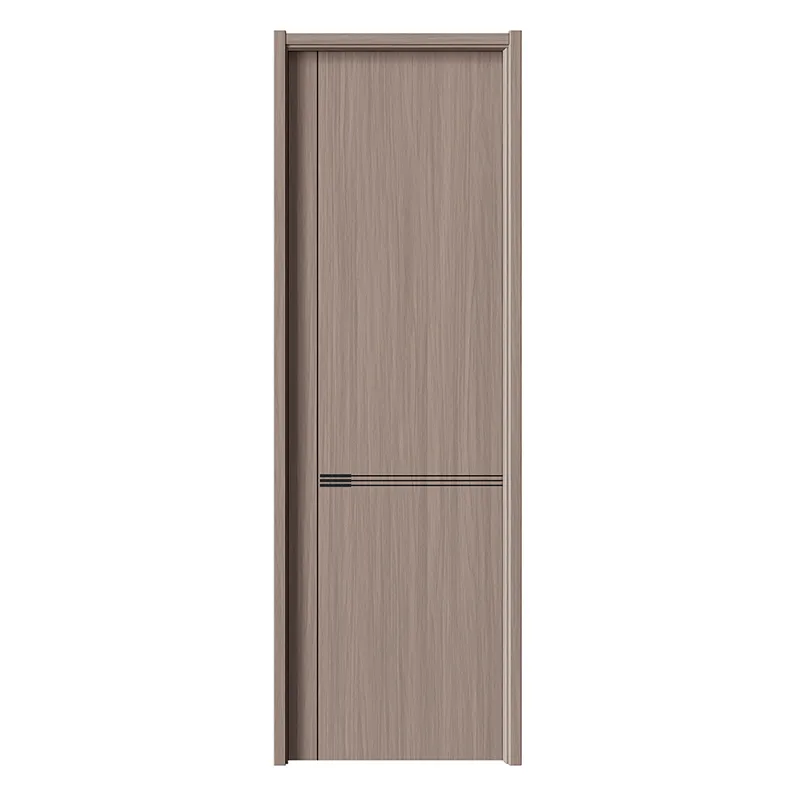 YST-1039 Door Translucent light shadow 3
 -
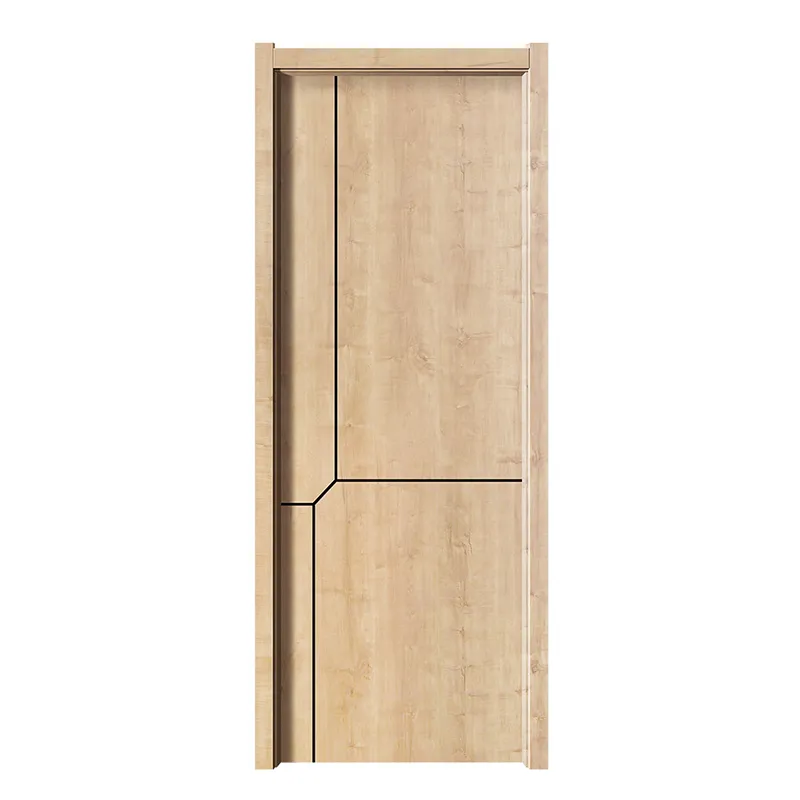 YST-WPC1 Door
 -
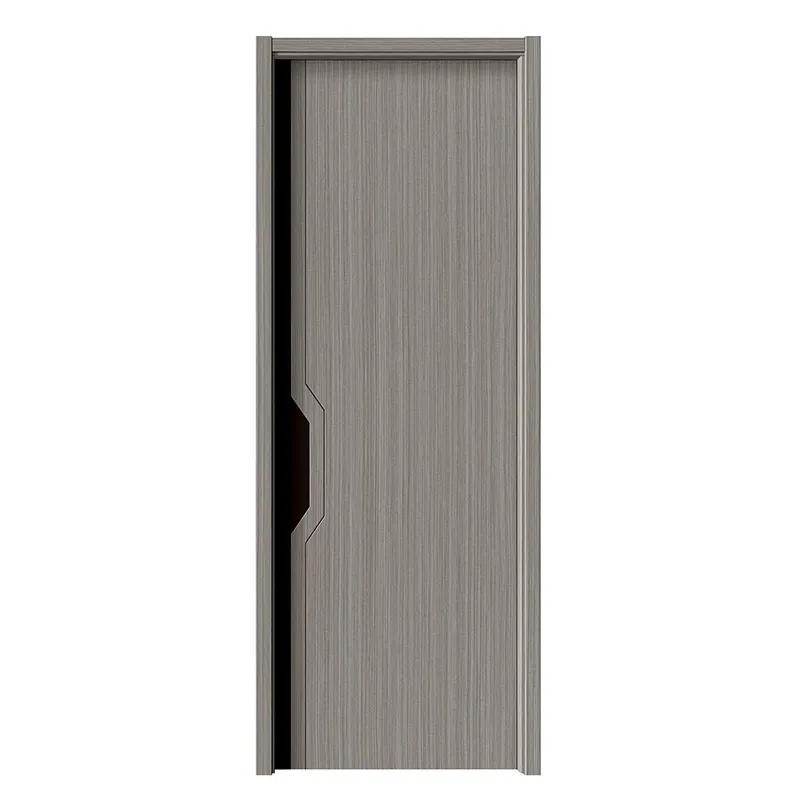 YST-1007 Technotree Door 2
 -
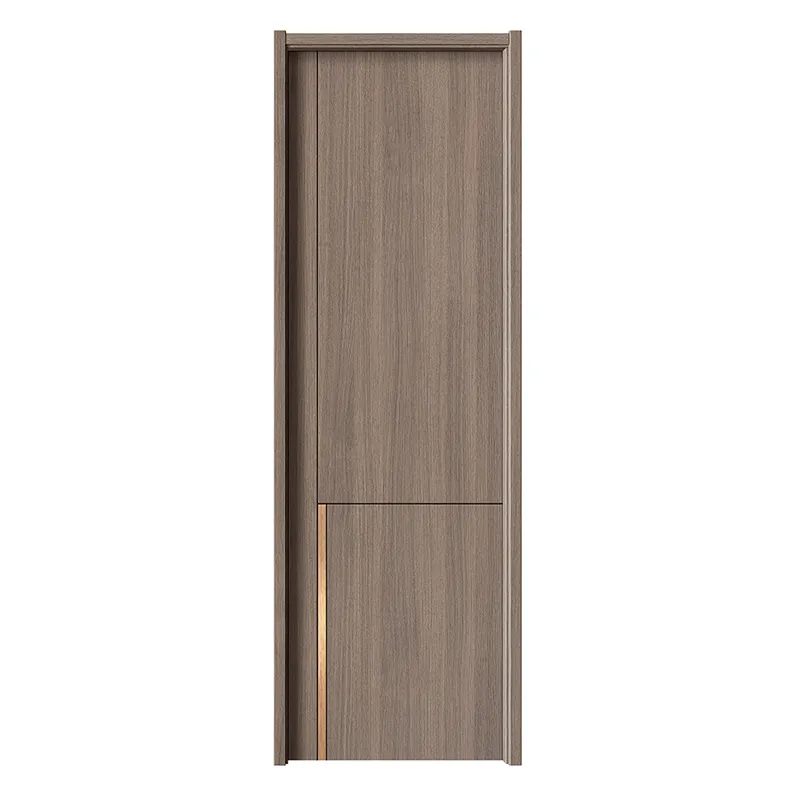 YST-1003 Door Oak gray
 -
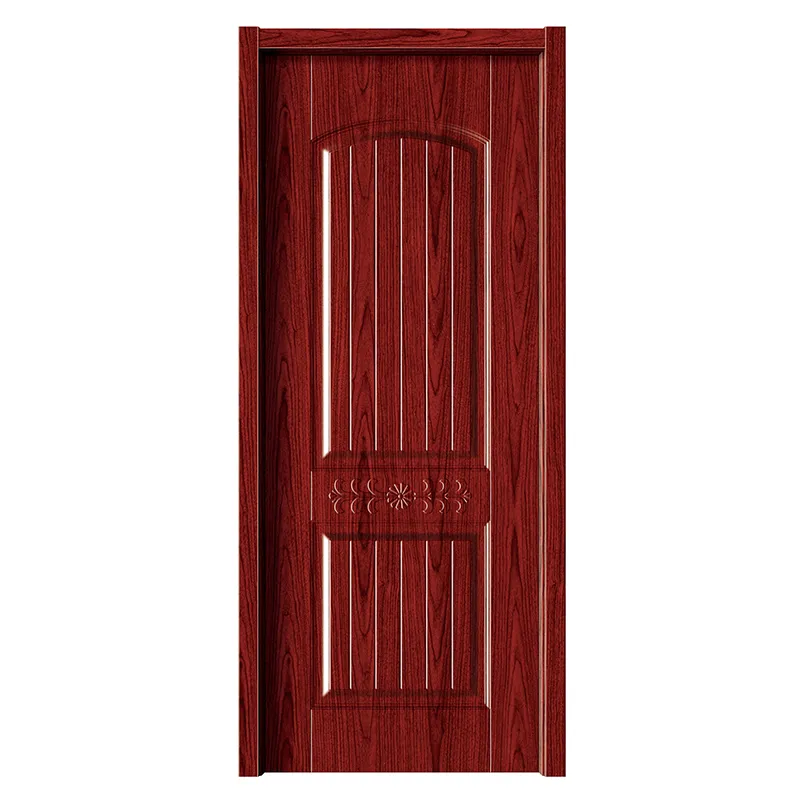 YST-233 Door Mahogany