



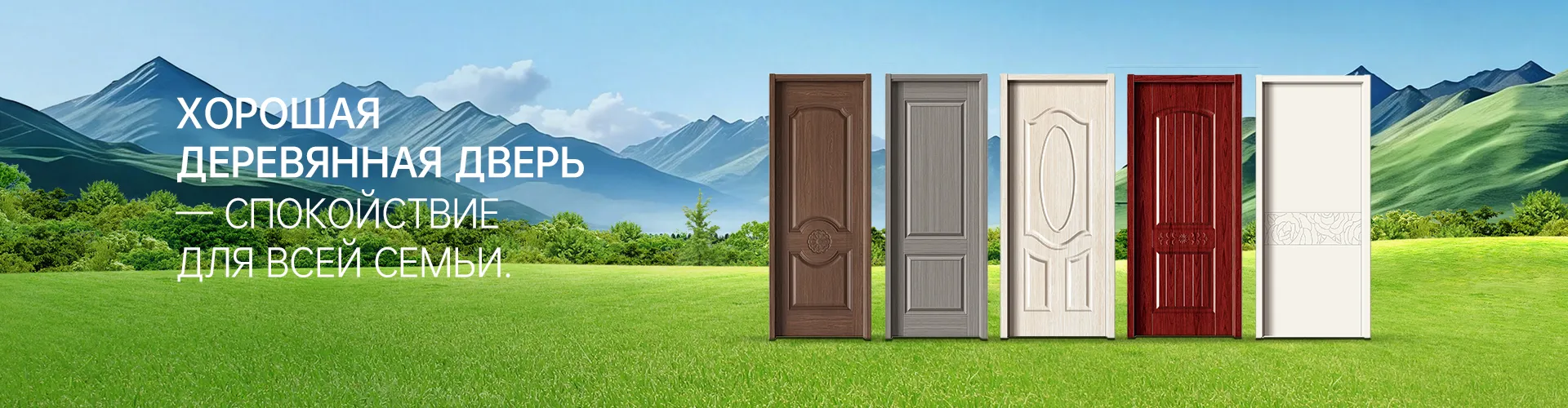
Non-standard wooden door
When a client says “non-standard”, many people immediately think about the sizes - wider, taller, thicker. But in fact, inwooden non-standard doorsOften there are many more nuances hidden: a curved opening, an unusual opening angle, specific antique fittings or, say, the need to integrate glazing of a complex shape. The most common mistake is underestimating the shrinkage of the array. Even well-dried wood “breathes,” and if the design does not include a technological gap for the specific climate of the room, after six months you can end up with either a gap or a door that rubs against the frame.
Not only size: what is hidden behind the word “non-standard”?
For example, there was an order for a country house - an opening in a stone wall with uneven edges, plus the owner wanted a folding door, but made of solid oak. Standard systems for folding doors are designed for lightweight panels, but here the weight of each wing is under 40 kg. I had to combine: strengthen the frame of the canvas, select special hinges with high-load bearings, and make a sliding mechanism with an upper rail to remove the load from the floor. This is no longer just a door, but an engineering unit.
Or another case - a door to a boiler room with fire safety requirements and a non-standard threshold for height differences. You can't get away with size alone. It was necessary to select wood species with a certain density, use special seals that are resistant to temperature, and think through the design of the threshold so that it does not interfere, but ensures tightness. Often such tasks require custom drawings and trial assemblies.
Therefore, when to visit usAnhui Wantai Woodworking Co.,LtdWhen they request a custom door, the first thing our team does is not ask for dimensions, but try to find out the context. For what room? What wall finish? What load is expected? Will there be a source of moisture or heat nearby? Without this conversation, any work blindly is doomed to modifications, or even rework.
Raw materials and preparation: the basis that is not visible
With non-standard products, the issue of material stability arises especially acutely. You can take a beautiful board with an expressive pattern, but if the drying was uneven, after a few months internal stresses will appear in the structure. We are in our production, which can be studied in more detail athttps://www.anhuiwantai.ru, have long worked out multi-stage humidity control. For critical projects, wood sometimes “rests” in the workshop after initial processing to show its character before final assembly.
The type of wood is a different story. For a wide canvas (say, from 110 cm), pine may be too soft and prone to sagging, even with a reinforced frame. Here it is better to look towards oak, ash or beech. But they also have their own quirks. Oak is hard, but heavy - this is a load on the hinges and the frame. Ash is resilient, but difficult to process. The choice is always a compromise between aesthetics, durability, weight and budget.
A mistake we made ten years ago was saving on adhesives for a massive panel assembly. It seemed that since it was an array, it would hold. In fact, changes in humidity and temperature test the strength of every seam. We now use specialized adhesives that have a certain elasticity after polymerization, allowing the wood to move slightly without breaking the bond. This is a small thing that the client does not know about, but which determines the life of the product.
Constructive subtleties: from frame to fittings
The frame of a custom door is its skeleton. For high openings (from 2.3 m), a simple rectangular timber frame is often not enough. A "screw" may appear. or deflection in the center. We often use lattice construction or web reinforcement in a specific pattern, depending on the grain direction of the cladding panels. It's like stiffening ribs - you can't see them, but you can't live without them.
Fittings are a separate headache. Hinges for a heavy leaf, handles for a frequently used door, closers for a non-standard opening angle - all this is rarely in stock. We have to work proactively with suppliers, and sometimes adapt serial models. I remember how for one panoramic door to the winter garden they were looking for hidden hinges that could withstand constant high humidity. We eventually found it from a German manufacturer, but had to wait almost a month for delivery.
Embedding glass or other inserts always poses a risk of stress. Wood and glass (or metal) have completely different coefficients of thermal expansion. If you simply cut a glass unit into a groove, over time a creaking or even crack in the glass may appear. The correct solution is to create a damping layer, a special sealing groove that compensates for micromovements. This is not taught in standard carpentry textbooks, it comes with practice and, alas, with the analysis of failures.
Editing: Where theory meets reality
The most beautiful and technologically advancedwooden custom doormay be damaged during installation. A non-standard opening is rarely perfectly level and vertical. Often an old house shrinks, or the builders left it skewed. The first rule is to never rely on “spray foam to straighten it out.” We always take detailed measurements not at three, but at least at six to seven points of the opening in order to understand its geometry.
The frame for such an opening is often assembled on site, adjusted with wedges, and not simply leveled. Sometimes you have to make a box composite or with adjustable elements. This is painstaking work that takes time. Clients sometimes wonder why it takes a whole day or even two to install a door. But it’s better to spend a day now than to redo it in a year when cracks or misalignment are discovered.
One of our principles, which is reflected in the company philosophy onhttps://www.anhuiwantai.ru- “build a business on precision?”. This is especially evident in editing. After installation, we make sure to check not only the ease of movement, but also the uniform fit of the seal around the entire perimeter, the operation of the lock on all sides, and the absence of squeaks. This often requires several loop adjustment cycles.
Question price and conversation with the client
The cost of a non-standard product is always the subject of a long conversation. It is necessary to honestly explain to the client what it consists of: an individual design project, work with non-serial drawings, possibly the production of special tools or equipment, test samples of components, manual selection of veneer or solid wood according to texture, complex installation. When a person understands that he is paying not just for wood, but for dozens of hours of engineering and manual work, there are fewer questions.
It happens that a client comes with a picture from a magazine, but his budget is for a standard door. Then our task is not to refuse, but to offer a reasonable alternative. Maybe make the door a standard size, but with a custom panel pattern? Or use a less expensive type of wood, but it’s interesting to stain it? Compromise is almost always possible if there is dialogue.
The main thing we try to avoid is misunderstandings. It is better to clarify the details ten times at the discussion stage than to redo the finished product once. Experience suggests that the most successful projectswooden non-standard doorsare born in collaboration with the client, when he is involved in the process and understands its stages. As they say, our credo is to win with quality, and quality begins with understanding.
Correspondingproducts
Related Products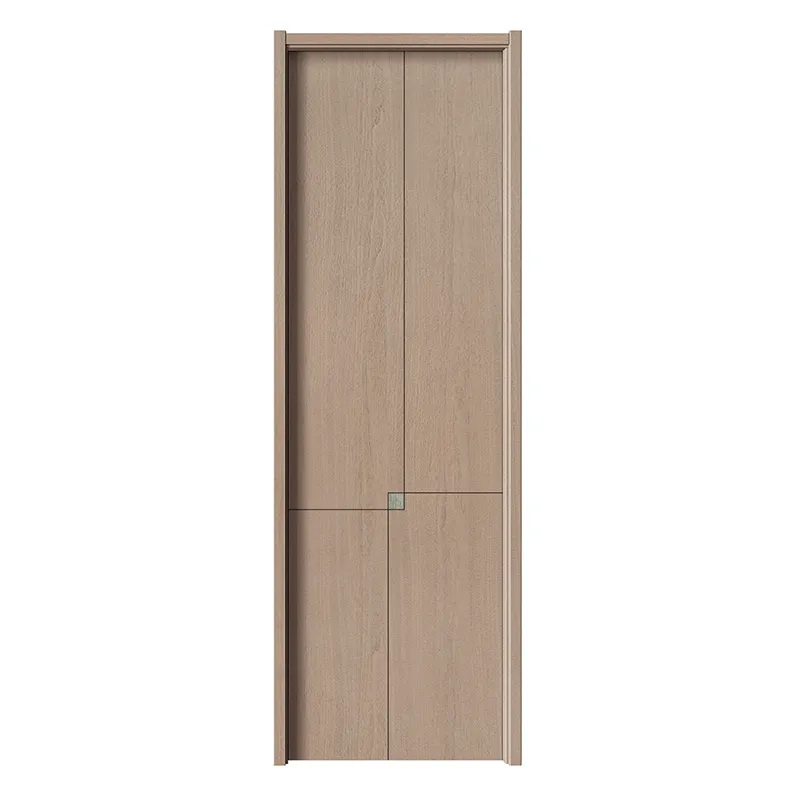
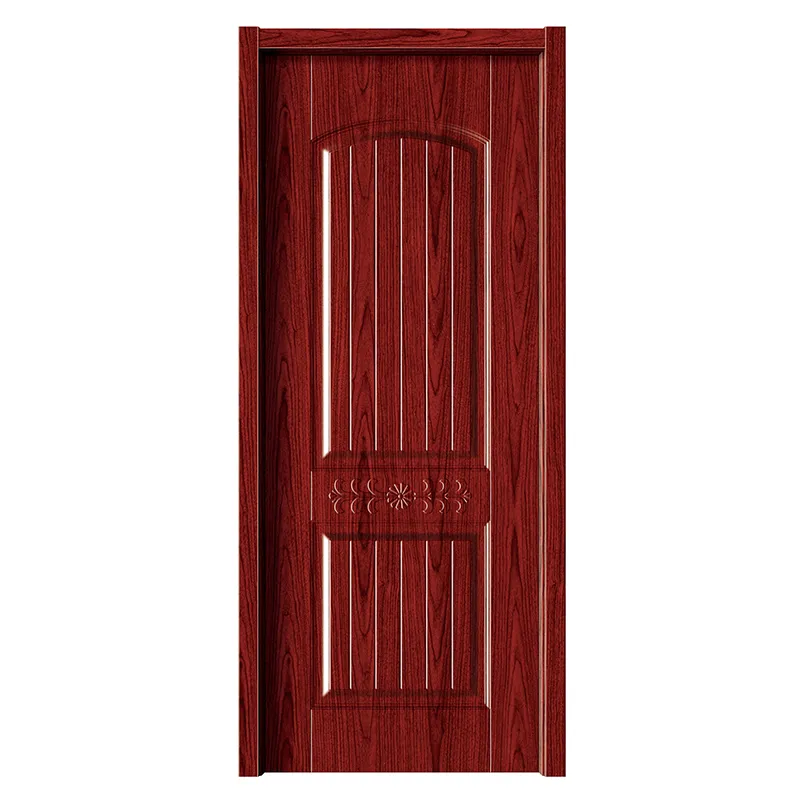
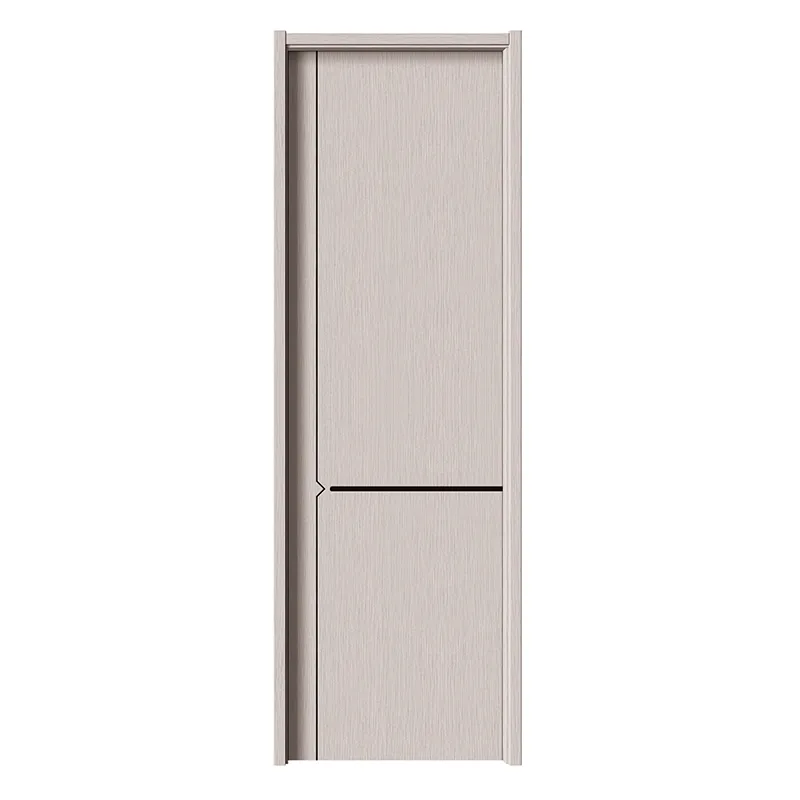
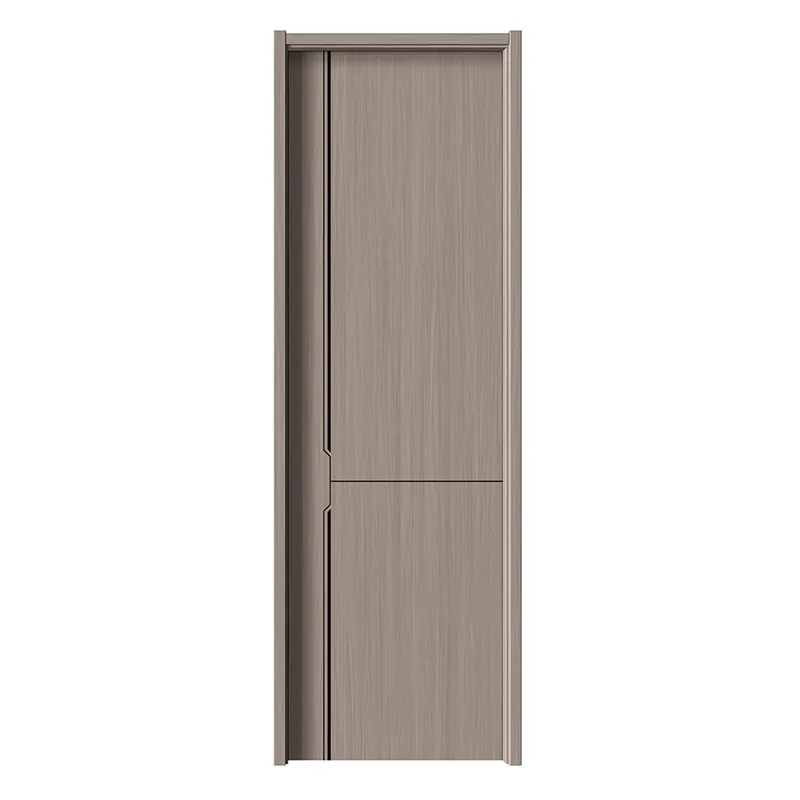
Best Sellingproducts
Best Selling Products-
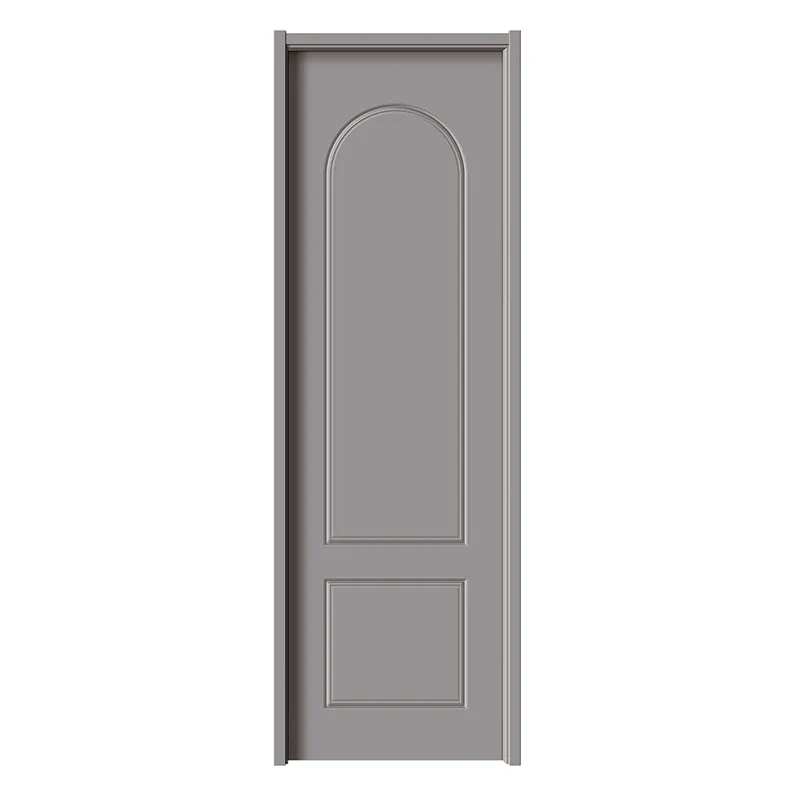 YST-241 French Door 1 soft stone gray
 -
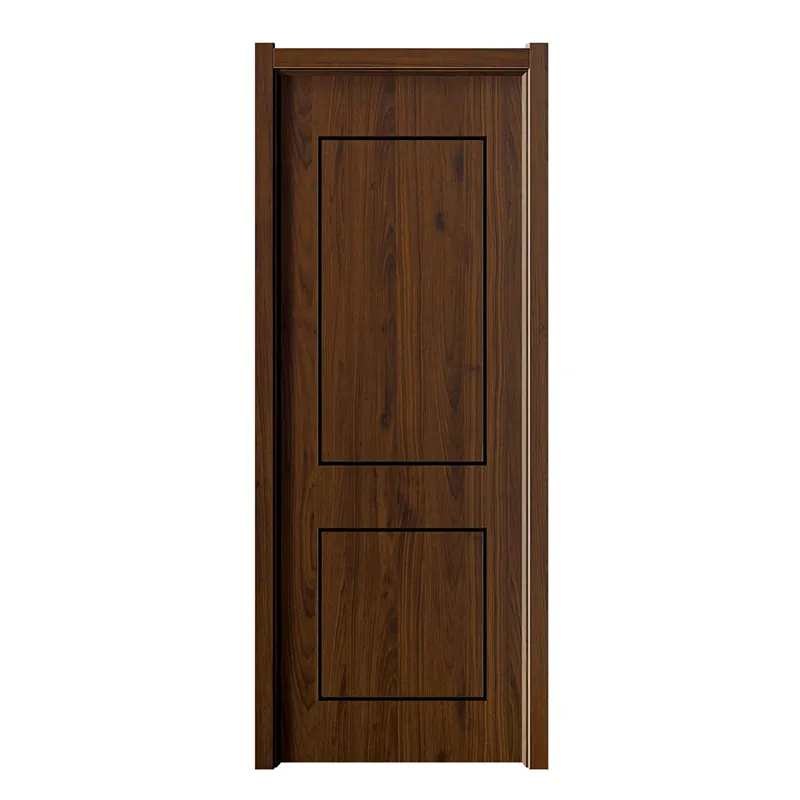 YST-WPC2 Door
 -
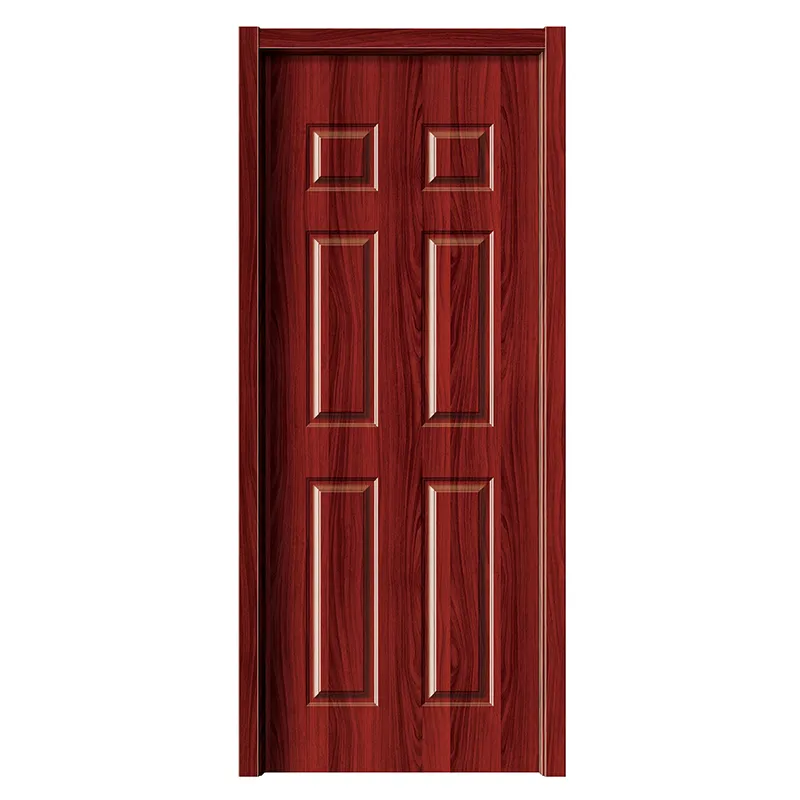 YST-201 Door Red team
 -
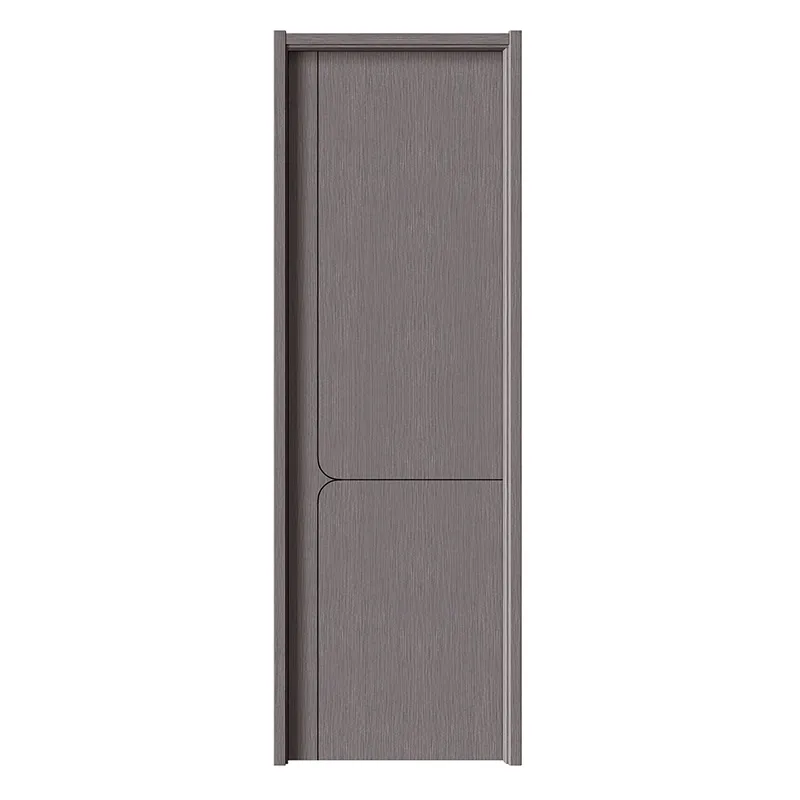 YST-1001 Door Chiaroscuro tree 2
 -
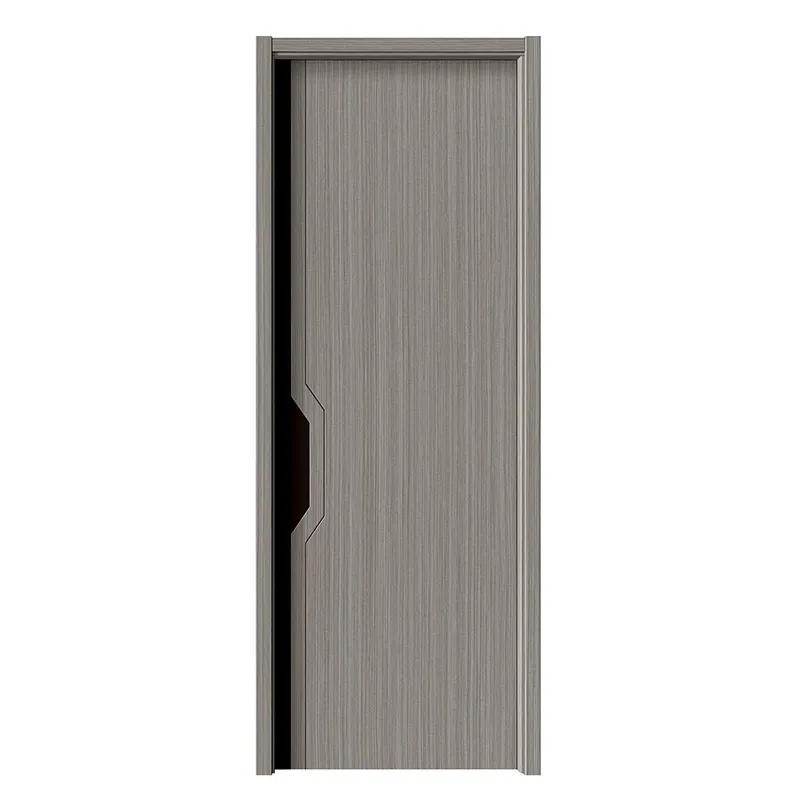 YST-1007 Technotree Door 2
 -
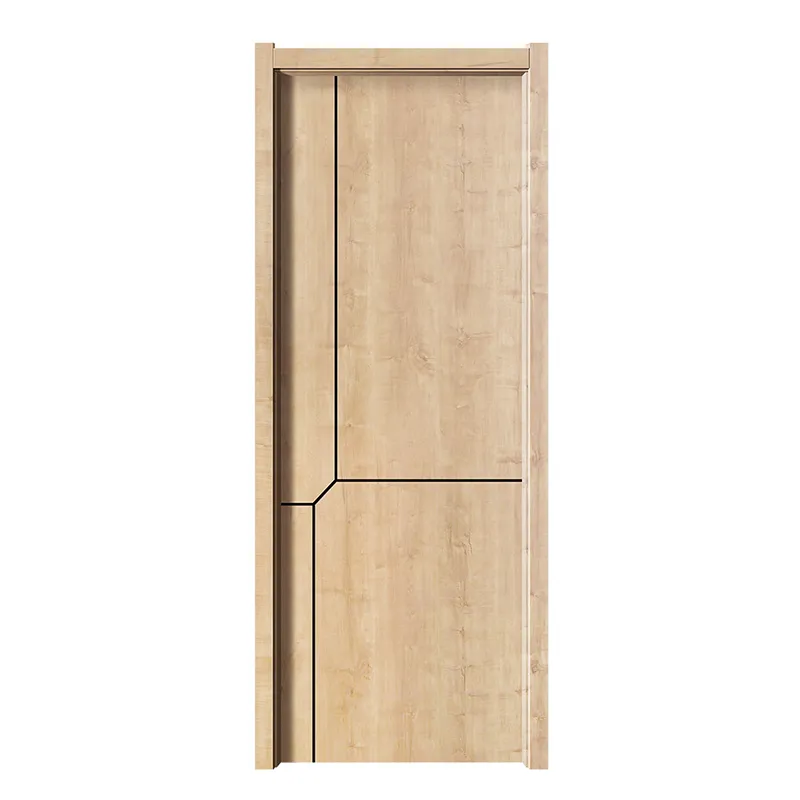 YST-WPC1 Door
 -
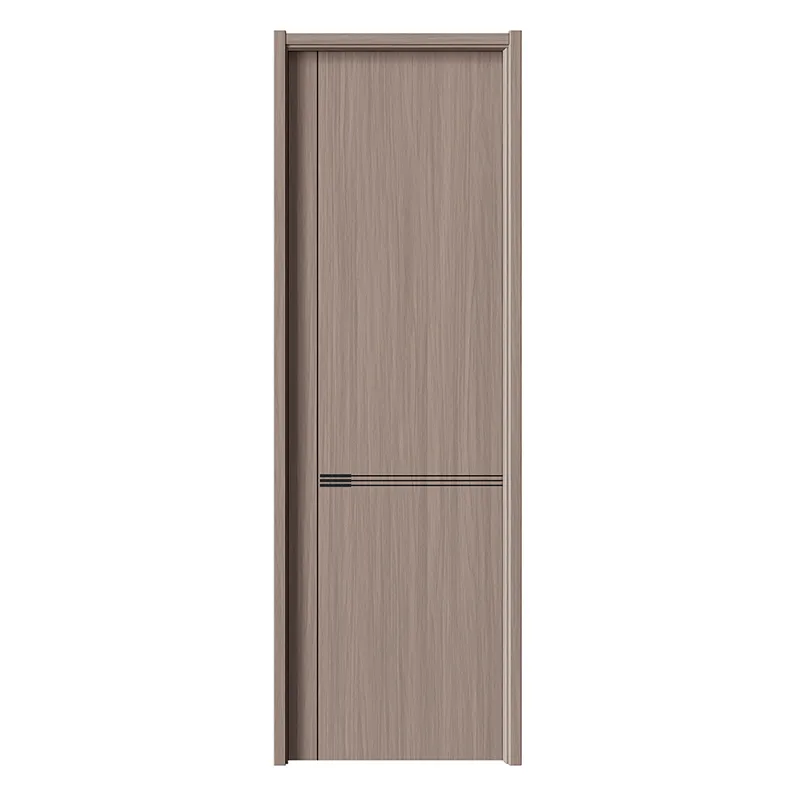 YST-1039 Door Translucent light shadow 3
 -
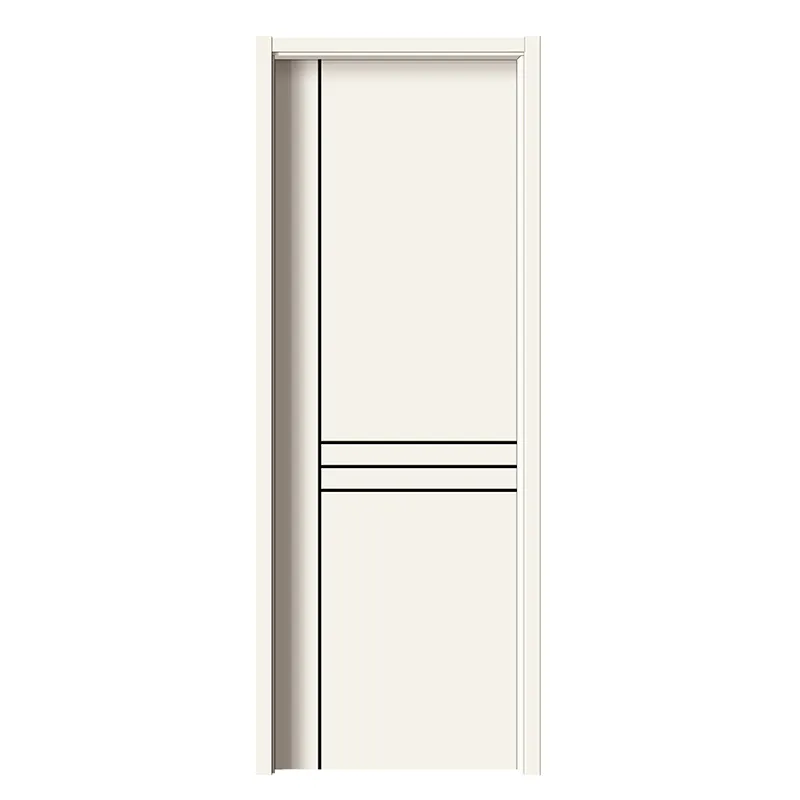 YST-220 Door Warm white
 -
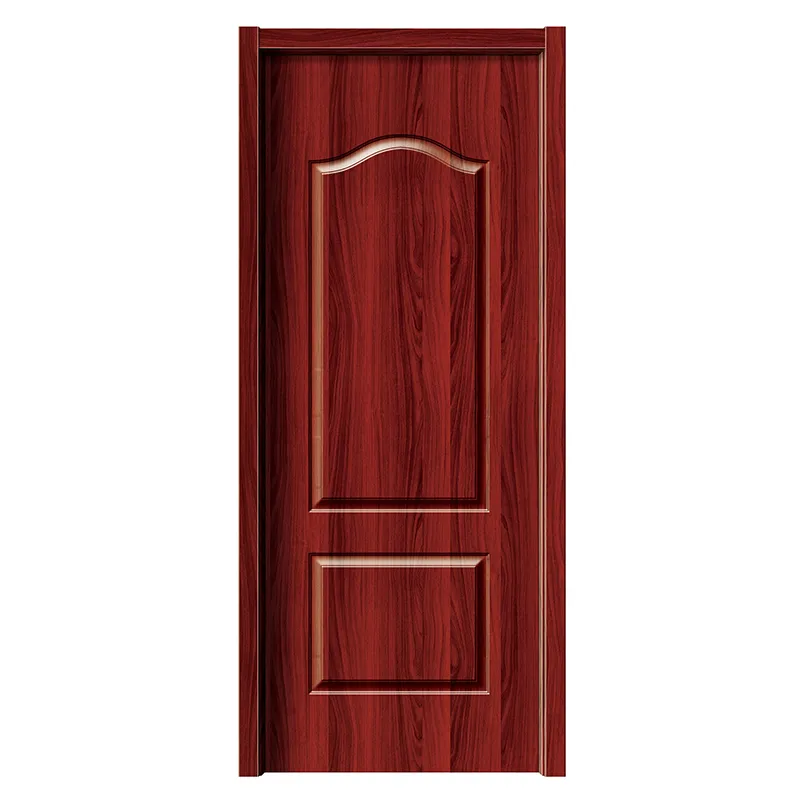 YST-207 Door Red team
 -
 YST-WPC4 Door
 -
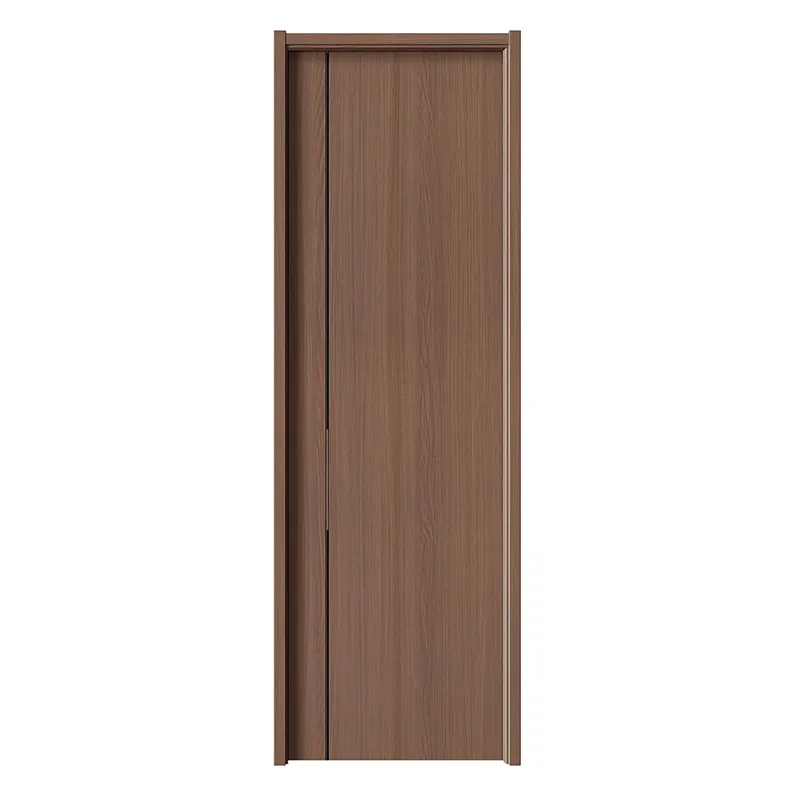 YST-1043 Door Techno-walnut 3
 -
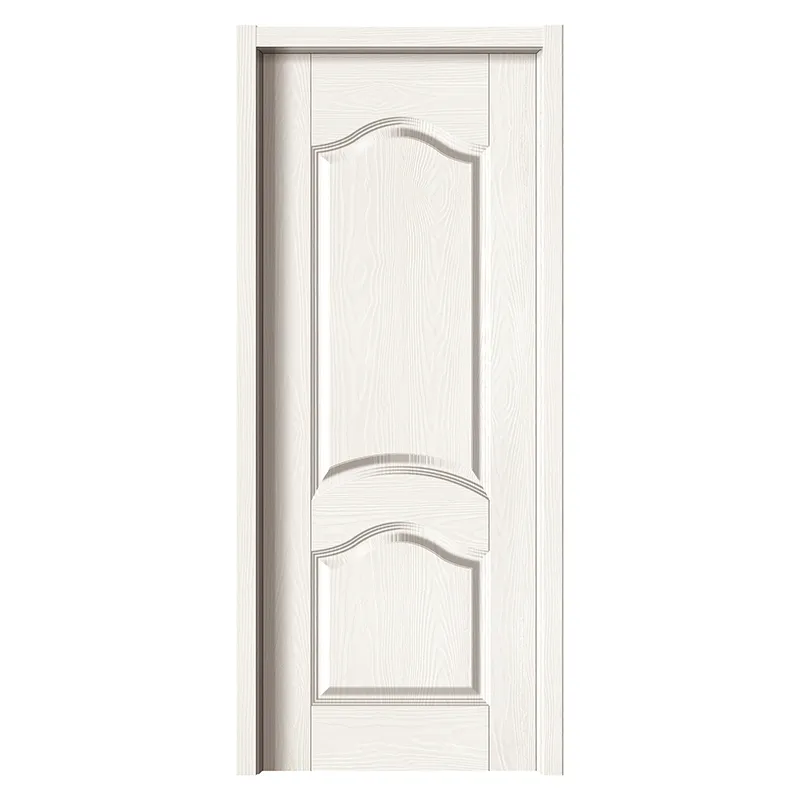 YST-224 Door Warm white with relief