




Plastic doors house interior doors
I often hear clients confuse concepts when asking for “plastic interior doors?” for residential premises. It is immediately obvious that the person has listened to enough advertising or superficial advice. Plastic is a specific material, and for internal openings in a residential building its use is always a compromise and not a universal solution. Many people think that since plastic windows are good, then PVC doors will be ideal everywhere. But the interior space is a different world, with its own requirements for acoustics, tactile sensations, aesthetics and even microclimate. I’ll try to sort it out based on what I’ve seen in practice.
Where is plastic really appropriate and where is it not?
I'll start with the obvious:plastic doorsundoubtedly reign as entrance groups to balconies, loggias or unheated passages. There, their tightness, resistance to temperature changes and moisture are the main trump cards. But transferring this logic inside an apartment or house is a mistake. Imagine a bedroom or living room. What is important here is “warm”. texture, sound insulation from the next room and just a pleasant appearance. A plastic door, even the most expensive one, often gives a feeling of lightness, even flimsiness, and is cold to the touch. It dampens sound worse than an array or a high-quality panel version.
I had a case: a client insisted on installing white deafplastic doorsbetween the kitchen and dining room in a private house. The argument is that it is easy to clean from grease and steam. Six months later he called: “You know, it seems practical, but when we get together as a family, it feels kind of “office-like”, not cozy? This is just about the aesthetics and psychology of space. For the kitchen, it might be all right, especially if it’s a sliding system in a niche. But for living rooms it’s debatable.
Another nuance is the installation itself. The PVC profile for interior doors is often less rigid than that of window systems. If the opening is wide, over time a sag or creaking may appear. And it’s okay if it’s a storage room, but if it’s an office or a children’s room, it’s annoying. We have to install more powerful and, accordingly, more expensive fittings and strengthen the box. And this already negates the initial savings.
Alternatives that are often overlooked
This is where I always pause and ask the client: “What exactly attracts you to plastic?” Price, moisture resistance or just a modern look??. If it’s a matter of budget, then there are a lot of laminated MDF doors that look more solid, have better sound insulation, and are comparable in price. If the key factor is resistance to moisture (for a bathroom, for example), then you should look at special models made of moisture-resistant MDF or even aluminum-glass structures. They will cost more than plastic, but will also last longer, will not turn yellow or lose their appearance.
I often remember a project where it was necessary to make a distinction between a winter garden (high humidity) and a living area. The client wanted plastic. We suggested considering the option of a door made of heat-treated pine with high-quality varnish. More expensive? Yes. But five years have passed - the door is like new, and most importantly, it fits perfectly into the interior made of natural materials, which could never be achieved with a white PVC profile.
It is in situations like this that it is useful to know about manufacturers who specialize in wood solutions. For example, a companyAnhui Wantai Woodworking Co.,Ltd (https://www.anhuiwantai.ru), which supplies the market with doors that combine design and practicality. Their philosophy is to “build a business on precision, win with quality?” - this is just about that very balanced approach to choosing a material for a specific task. Their products are an example of how there is often a more harmonious alternative to plastic for living spaces.
Practical rake: what to look for when choosing
Let's say you decide toplastic doorsfor the home, say, for a technical room or a dressing room. What's critical? Firstly, the thickness of the profile and the number of chambers. Don’t take the thinnest and lightest ones - they won’t last long. Secondly, the quality of the seals. They are responsible for the absence of drafts and muffling sounds. Cheap sealant quickly dulls and crumbles.
Thirdly, accessories. Hinges and locks (if they are needed) should be designed specifically for the door leaf, and not for the window sash. I saw how the ?masters? We installed ordinary window fittings on the interior door - after a month everything became loose. And finally, the appearance. Matte plastic is preferable to gloss - scratches and fingerprints are less visible. It is better to choose a neutral color, white or wood-like, but keep in mind that the film is “wood-like”. on plastic it always looks cheaper than natural veneer on the same wood.
One of the most unpleasant moments I have encountered is sagging of the sash due to poor-quality reinforcement inside the profile. The door began to touch the threshold, it had to be adjusted once a season. A good manufacturer always uses a steel reinforcing profile around the entire perimeter. Ask the seller about this. If he starts to get confused in his answers, that's a red flag.
When plastic is a conscious and right choice
I don't want to demonize the material. For modern interiors in high-tech or minimalist style smoothplastic doorcould be a design move. Especially if it is a large sliding system zoning the living-dining room. Or if the apartment has very high traffic and you need maximum wear resistance and hygiene (conditionally, a home office with a flow of clients).
This can also be a solution for rental housing, where low price and the ability to quickly replace without high costs are important. But even in this case, I would advise you to pay attention to combined options - for example, an aluminum frame with MDF or glass inserts. They are stronger and more solid than pure plastic ones.
The key word here is “conscious”. Choose plastic not because it is “cheap and cheerful”? or “like everyone else?”, but because its technical characteristics (moisture resistance, weight, geometry) are ideal for your specific task. And always keep in mind that for most classic and cozy interiorsinterior doorsmade from wood or its derivatives is a more natural and warm choice.
Instead of a conclusion: thinking out loud
To sum it up, I’ll say this: the market is overflowing with offers, andplastic house doors- just one of the tools in the arsenal. Blindly following a trend or, conversely, completely rejecting the material is unprofessional. You need to start from the task: for what room, what loads, what microclimate, what style of interior and, importantly, what is the budget in the long term (taking into account possible repairs or replacements).
Sometimes the best advice is not to sell what is easier, but to spend time on a consultation, perhaps even refuse the order if you understand that the client is wrong in basic expectations. Reputation is more valuable. This is why in serious projects I often recommend turning to specialized manufacturers likeAnhui Wantai Woodworking Co.,Ltd. Their approach, described on the website - modern production, control from raw materials to the finished product - guarantees that the door will serve for decades, and will not become a source of problems in a couple of years.
After all, a door is not just a barrier. It is an element that influences the comfort, soundscape and feel of the home every day. And to the choiceinterior doors, whether they are plastic, wooden or anything else, you should approach without fuss, with a cool head and an understanding of how this part will work in real life, and not just in a catalog.
Correspondingproducts
Related Products
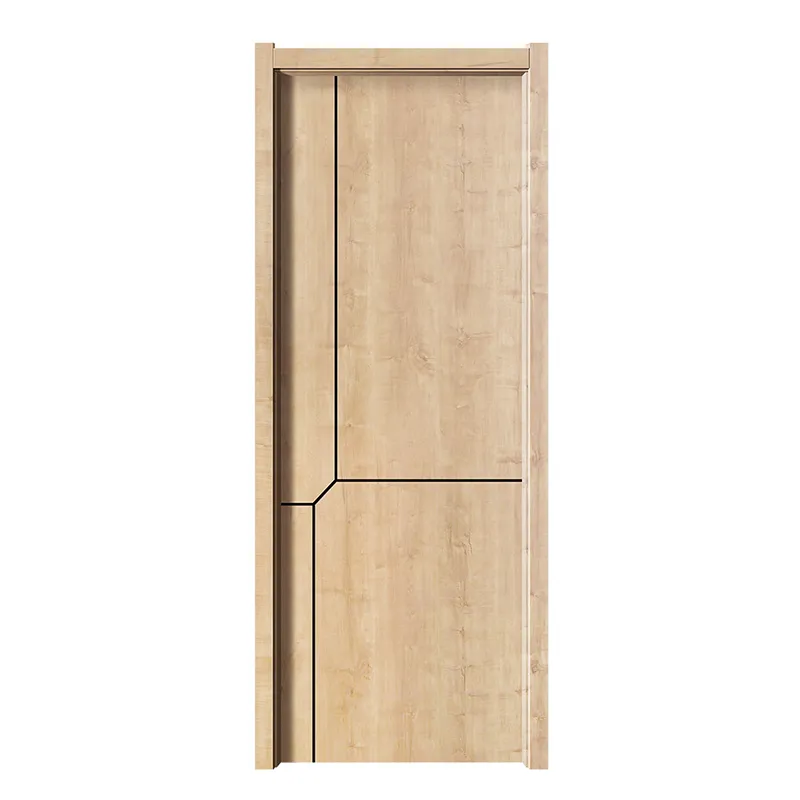

Best Sellingproducts
Best Selling Products-
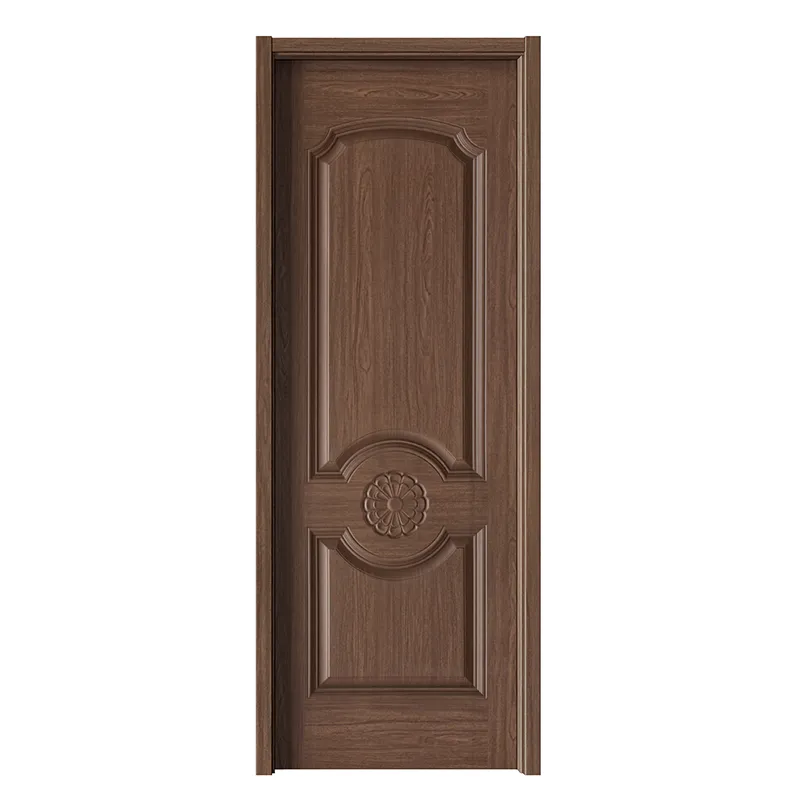 YST-212 Door North American Oak 2
 -
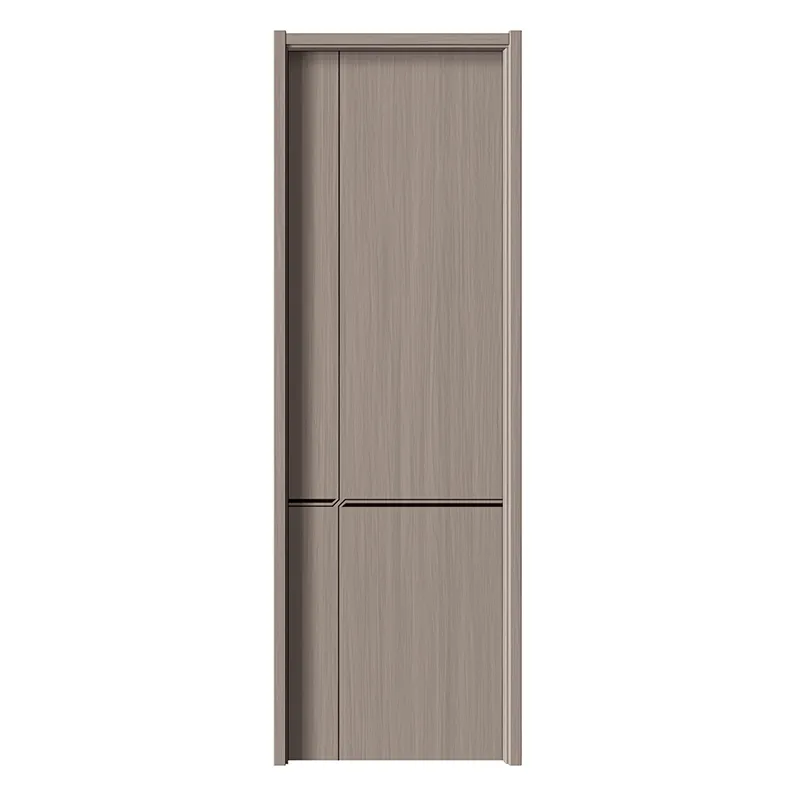 YST-1010 Door Translucent light shadow 3
 -
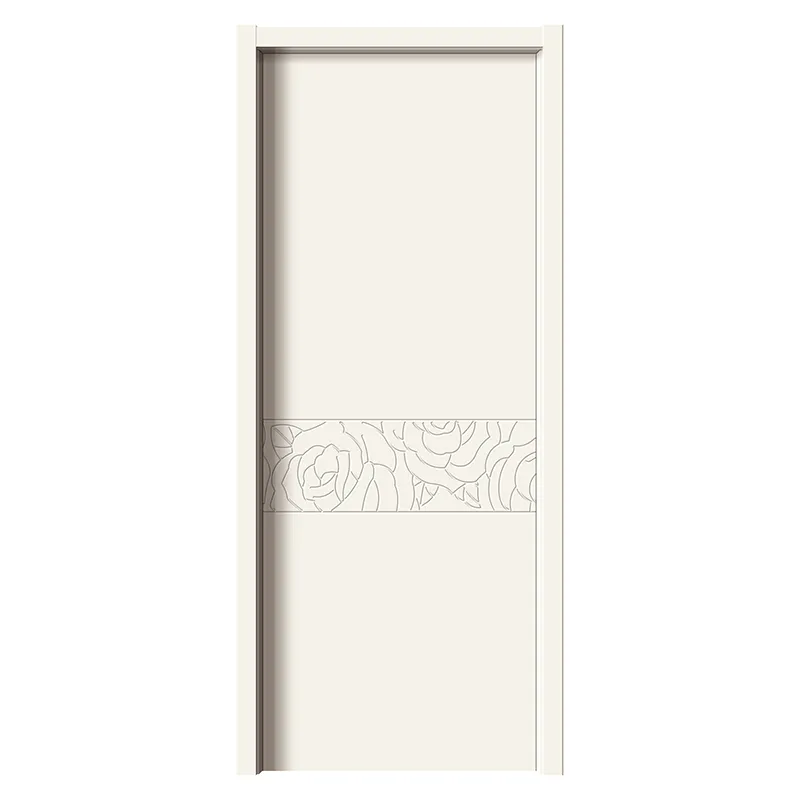 YST-238 Door White ivory
 -
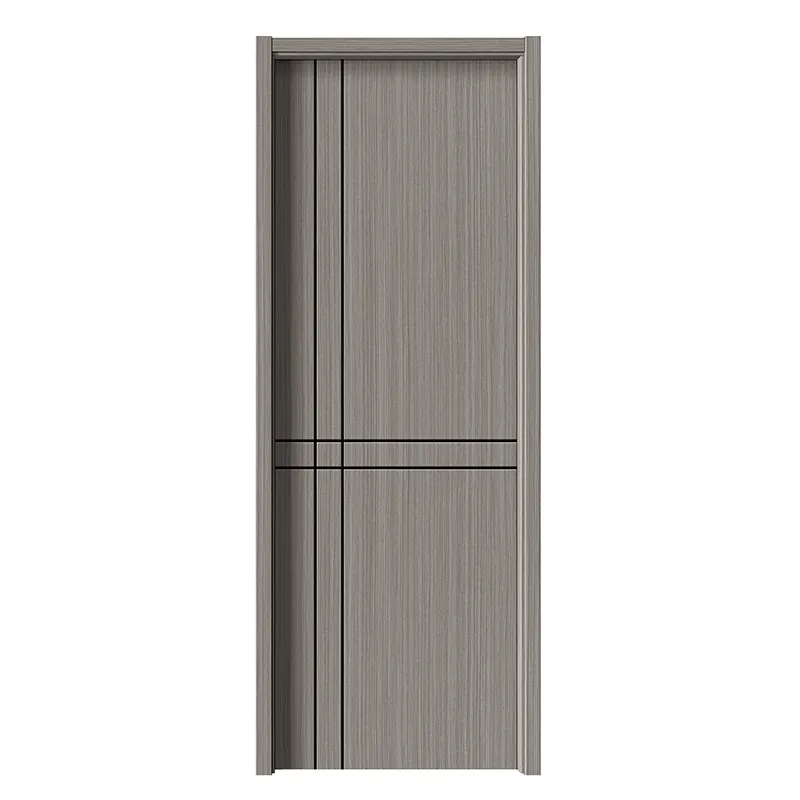 YST-1004 Door Technotree 2
 -
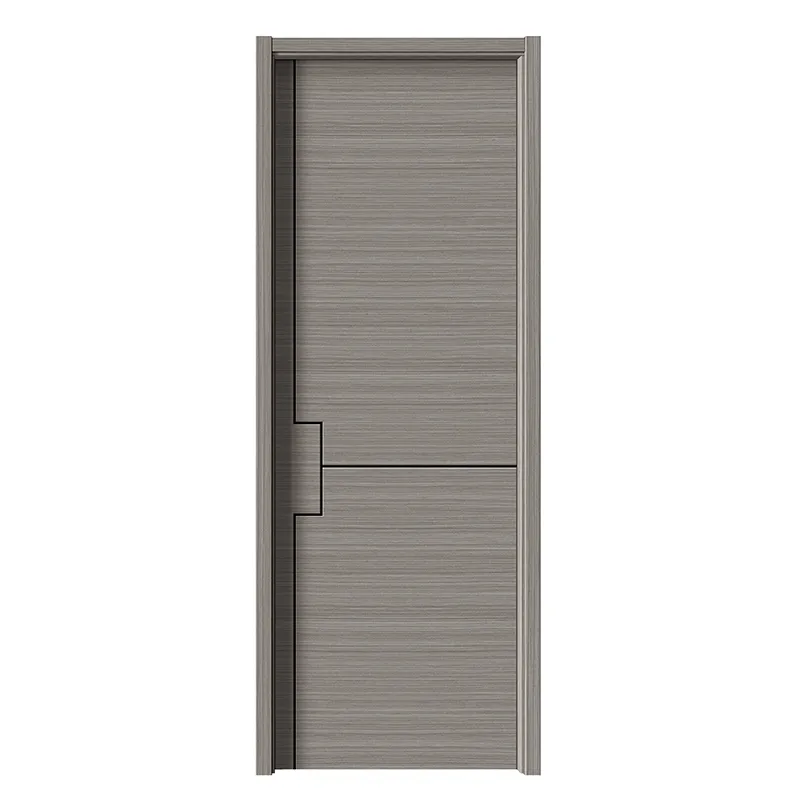 YST-1005 Technotree Door 2
 -
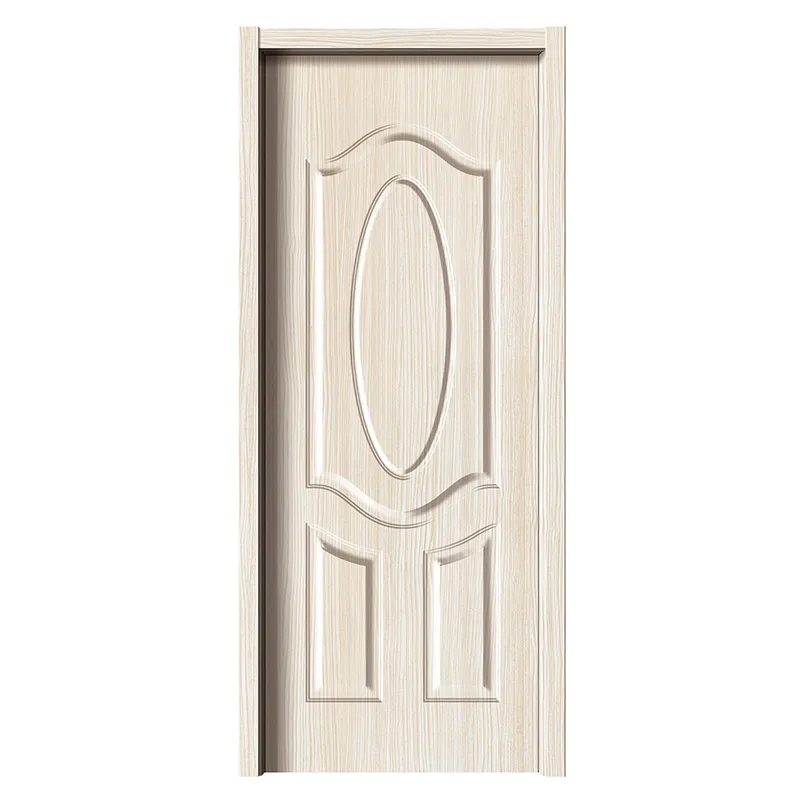 YST-216 Door White Maple
 -
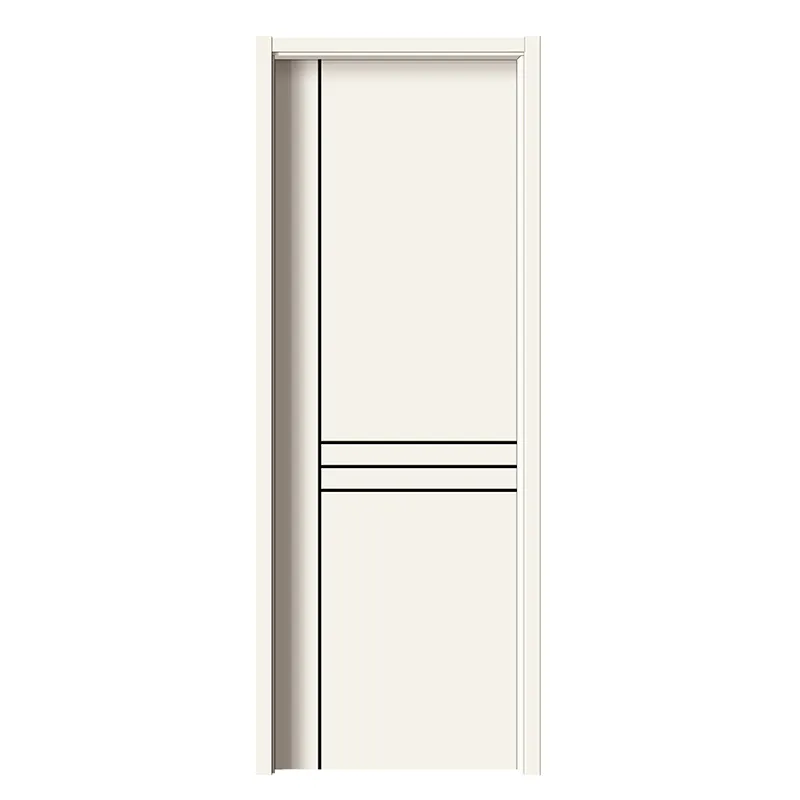 YST-220 Door Warm white
 -
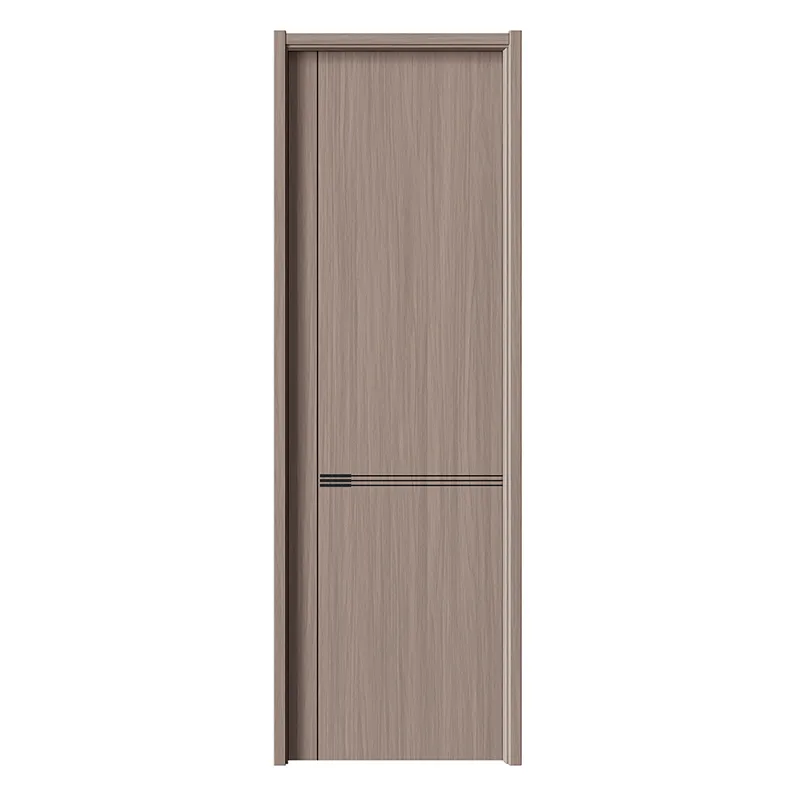 YST-1039 Door Translucent light shadow 3
 -
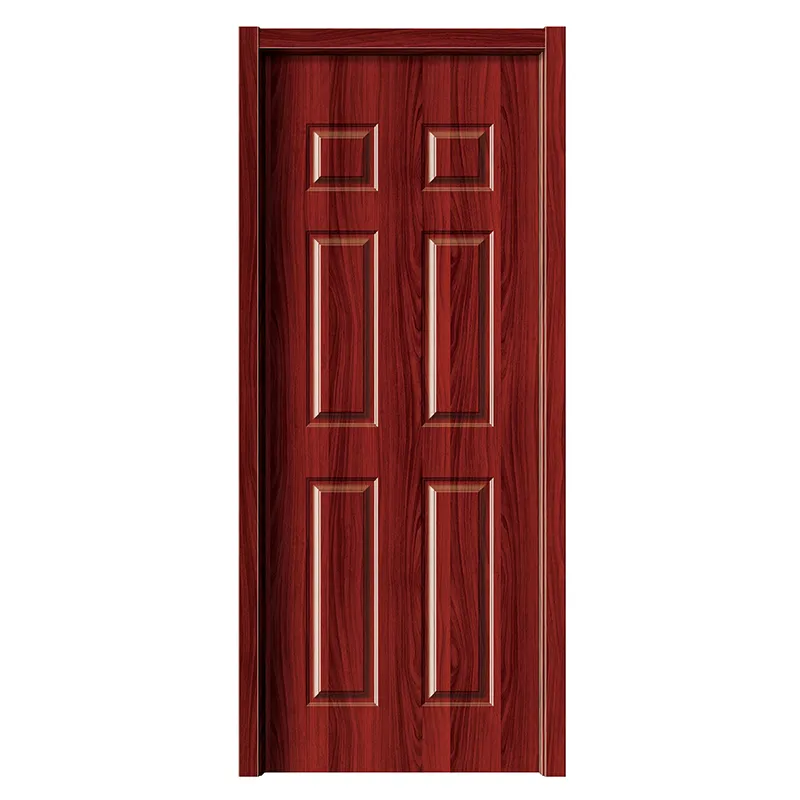 YST-201 Door Red team
 -
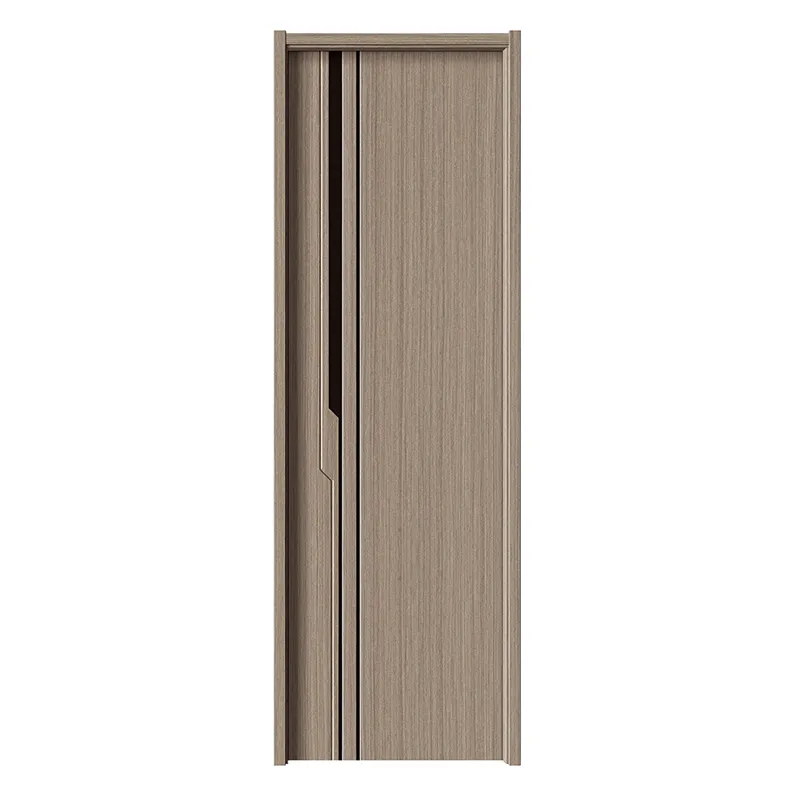 YST-1018 Technowood Door 1
 -
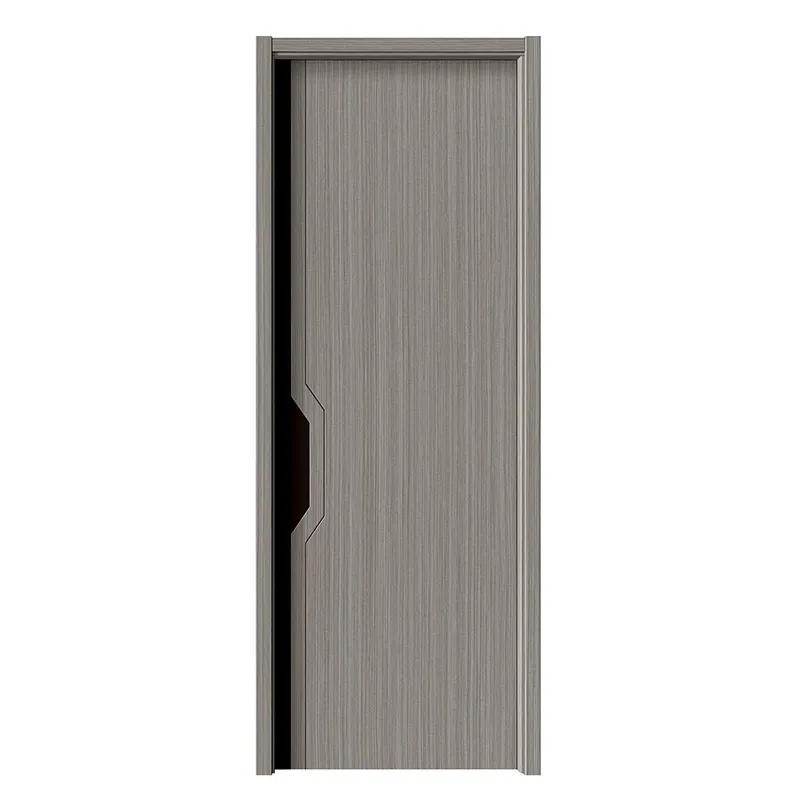 YST-1007 Technotree Door 2
 -
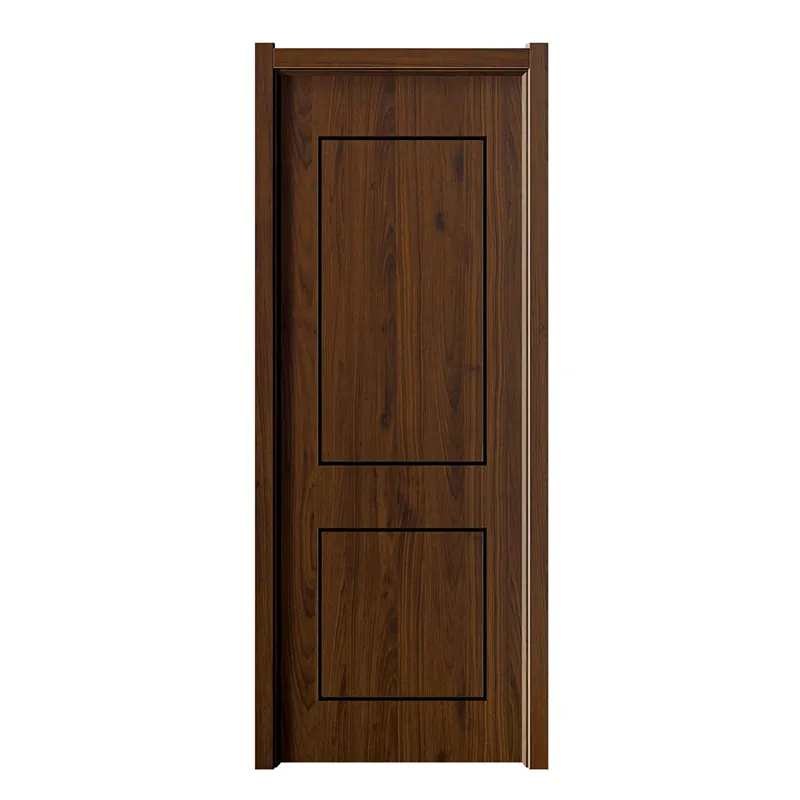 YST-WPC2 Door