




Wooden doors in a log house
When they talk aboutwooden doors in a log house, many immediately imagine a picture from a magazine: a perfectly inscribed canvas in a massive log house. In fact, this is one of the most difficult points in construction. The main mistake is to assume that any good quality wooden door will do. But the log lives its own life: it sits down, “breathes,” and changes its geometry. And if this factor is ignored, in a year or two you can end up with a skewed structure that cannot be opened or, worse, cracks in the junction. I went through this myself at early projects.
Why a standard log door is a bad idea
Here you need to start not from design, but from the physics of the material. Let's take, for example, laminated veneer lumber or rounded logs. Their shrinkage varies and can reach 5-8% of the wall height in the first years. If you insert a door frame rigidly into such an opening, securing it with anchors directly to the logs, it will simply turn out. I have seen cases where customers, trying to save money, installed massive panel doors from a regular manufacturer. The result is expensive repairs and dismantling.
Hence the first rule of thumb: the box must be able to move relative to the load-bearing wall. For this, a sliding or floating casing is used. It takes on the load from the shrinking upper crowns, and the door leaf is already attached to it. This is not just a block around the perimeter - it is an engineering unit. By the way, many small workshops skimp on its correct execution by making the groove too small or forgetting about the compensation gap on top.
In this context, by the way, the work of companies that specialize specifically in doors for wooden house construction comes to the fore. They initially put these parameters into the design. For example,Anhui Wantai Woodworking Co.,Ltd (https://www.anhuiwantai.ru), which supplies the international market with doors that combine design and practicality, faces precisely these technical challenges in its work. Their approach - to build a business on accuracy and win with quality - is very useful here, because without an accurate calculation of shrinkage and appropriate tolerances, a door in a log house will not last even a season.
Choice of canvas material: solid wood, laminated board or something else?
We've sorted out the box, but what about the canvas itself? The debate here is endless. Someone vehemently advocates a solid slab of oak or ash - they say it is reliable and solid. But an array, especially a thick one, has significant weight. This creates additional stress on the hinges and, more importantly, on the casing itself. In conditions of constant, albeit small, movement of the log house, a heavy canvas can aggravate deformations.
On the other hand, a laminated board made of the same oak is an excellent compromise. It is more stable, less prone to warping, and weighs less. But the quality of gluing and drying of the lamellas is important here. If the technology is broken, joints may appear over time. Personally, I lean towards quality laminated board for most projects. He's predictable.
There is also a nuance with paneled structures. They are lighter and have some “play” built into them. due to the floating fastening of panels in glazing beads. This can be a plus for the log house. But again, if the glazing beads are firmly seated on glue, they can tear when the humidity changes. We need a correct, thoughtful design, and not just a beautiful chamfer.
Sealing and protection: what is often forgotten in the pursuit of beauty
The biggest headache after installation is cracks and ventilation. A log wall will never be perfectly level like drywall. Its surface is wavy, with differences. Standard rubber seals around the perimeter of the vestibule often do not help here - they are designed for a flat plane.
We have to use combined solutions. For example, along the perimeter of the box, on the street side, silicone or acrylic sealant with a high elasticity coefficient is often installed. It should stretch and contract as the wall moves. Inside, on the room side, you can use felt or polyethylene foam tapes. But their installation is a piece of jewelry: too thick a layer and you won’t be able to close the door; too thin and it will show through.
And of course, we must not forget about processing.Wooden doors in a log houseoutside are subject to the same influences as the walls themselves: ultraviolet radiation, moisture, temperature changes. Impregnation and paint coating should be not just decorative, but professional, for outdoor work. Otherwise, in a couple of years cracks and blackening will appear. This is where the experience of global suppliers who operate in different climate zones is invaluable. Same teamAnhui Wantai Woodworking Co.,Ltdwith its modern production base and experience of designers, it was probably faced with the need to select a coating composition for both Siberian frosts and the humid European climate. This is the kind of practical experience that you won’t find in textbooks.
Hinges and fittings: the spool is small, but expensive
It would seem like a small thing. But it is the hinges that take on all the weight and dynamic load every time they open. For heavy wooden panels in conditions of possible distortions, I categorically do not recommend standard detachable hinges. The best choice is adjustable hidden hinges or powerful one-piece hinges (canopies) with support bearings. They allow you to adjust the position of the door vertically and horizontally within small limits, which is a must have in a log house.
The locking system is a separate issue. Mortise locks with a long bolt in a moving structure are a risk. At the slightest misalignment, the crossbar may begin to touch the striker. Often, a more reliable solution is rim or inset locks, or modern systems with roller latches, which are less sensitive to displacement.
And one more practical piece of advice: never skimp on the installation of fittings. The fasteners must be appropriate, and the holes for them must be drilled accurately, with preliminary countersinking. I saw for myself how the “masters” they screwed massive hinges to the box with wood screws that barely fit into the body of the casing block. Six months later, the door was literally hanging on my word of honor.
Bottom line: it's a system, not just a product
So where have we come to?Wooden door in a log houseis not a separate product that can be bought in a store and inserted into the opening. This is a whole system, including competent calculation of shrinkage, properly manufactured casing, specially designed and processed canvas, and reinforced, “smart” accessories. Trying to simplify any of these elements leads to problems.
Therefore, the choice of supplier or manufacturer is critical here. You need to look not just for a carpentry factory, but for a company that understands the context of wooden house construction and has experience in creating products for specific conditions. It is the desire to provide solutions to the international market that combine aesthetics and purely practical characteristics, like the mentioned company, that is the right path. Because their doors are likely to be tested not only for beauty, but also for resistance to real-life operational tests in different parts of the world.
After all, a good log door is one that you forget about after installation. It does not creak, does not jam, closes tightly and retains its appearance for years. This can only be achieved when at all stages - from raw materials to installation - there is accurate calculation, quality and, most importantly, respect for the nature of the material itself, be it a wall log or a solid door.
Correspondingproducts
Related Products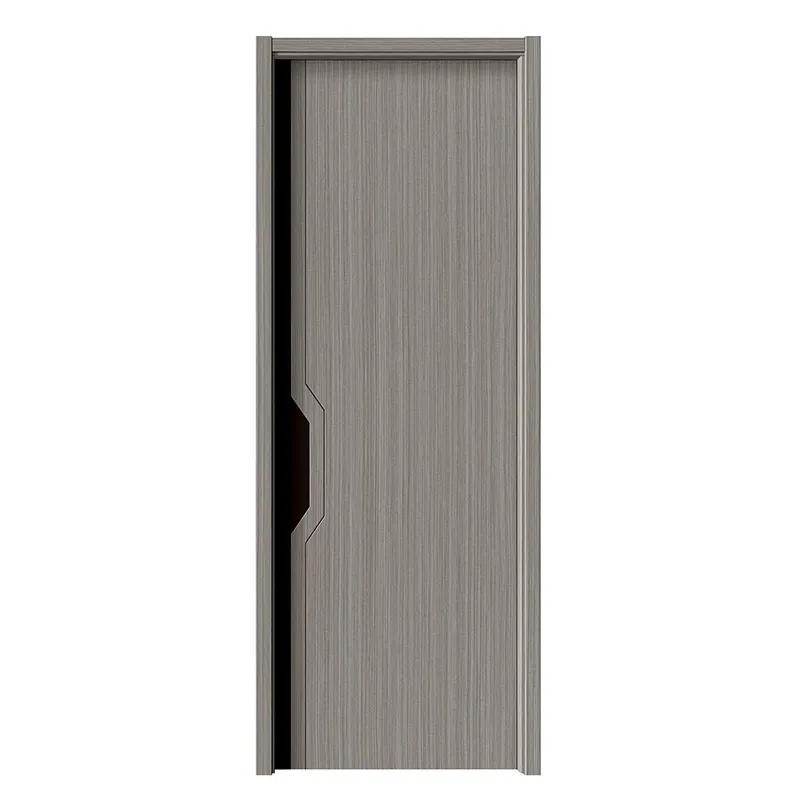
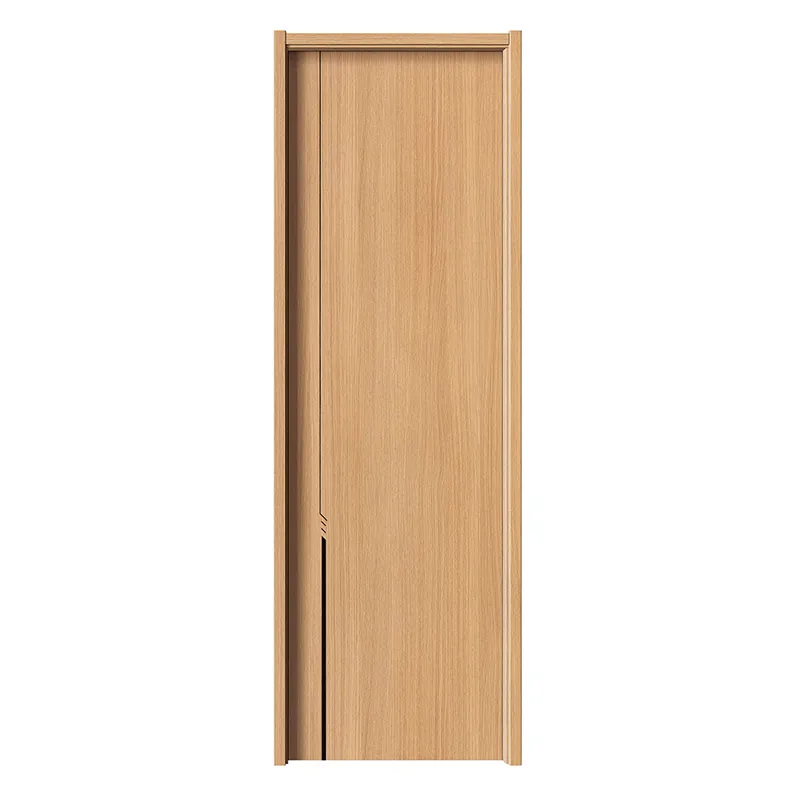
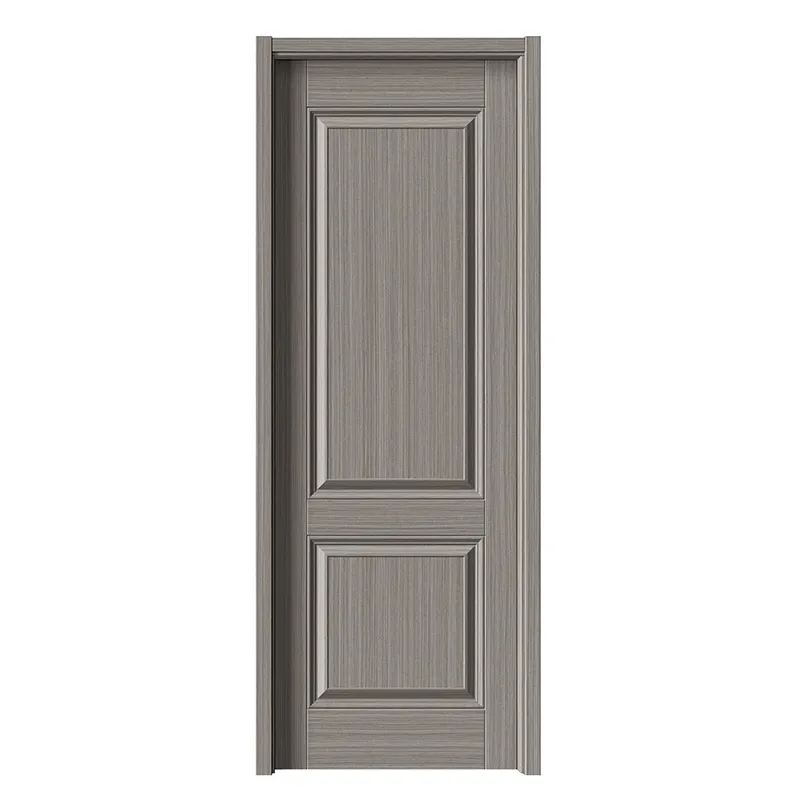
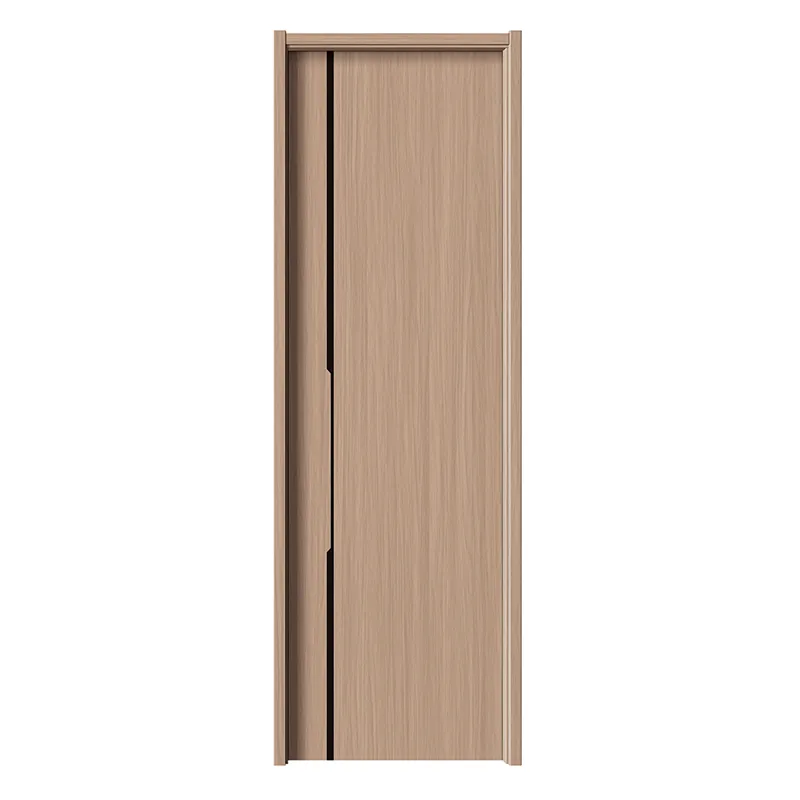
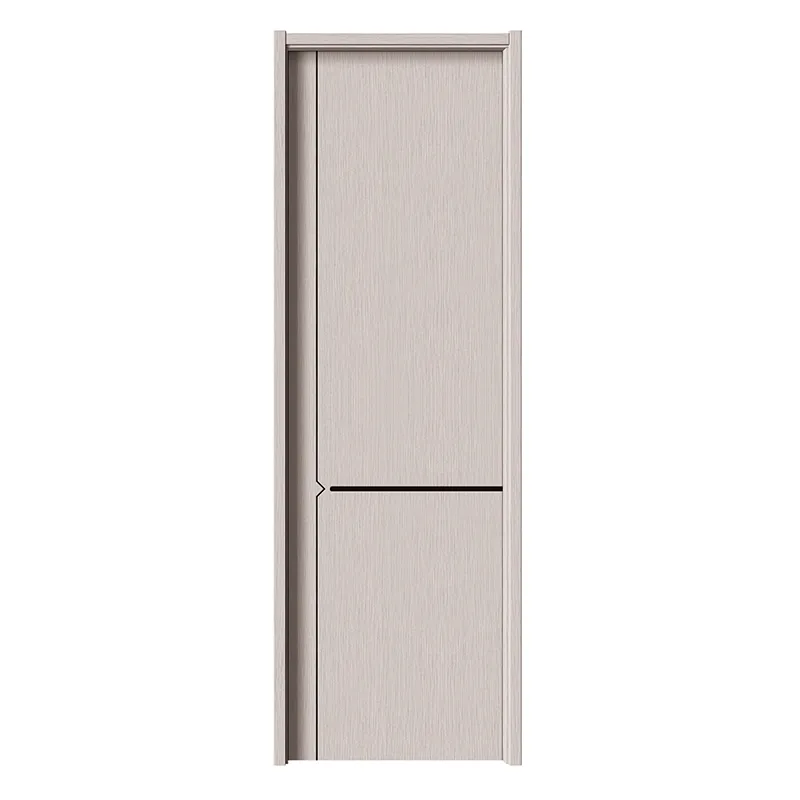

Best Sellingproducts
Best Selling Products-
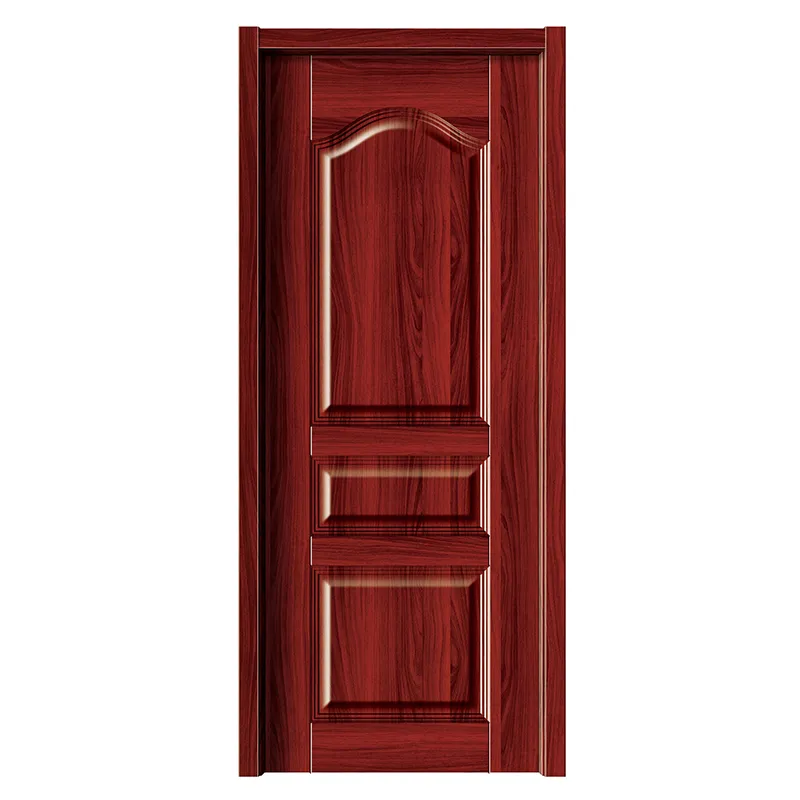 YST-203 Door Red team
 -
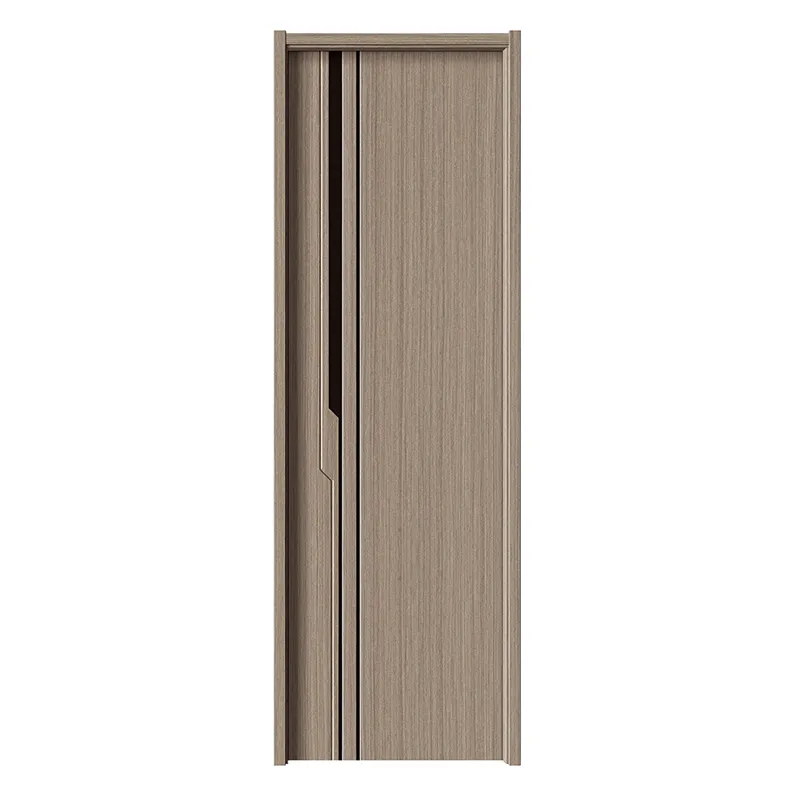 YST-1018 Technowood Door 1
 -
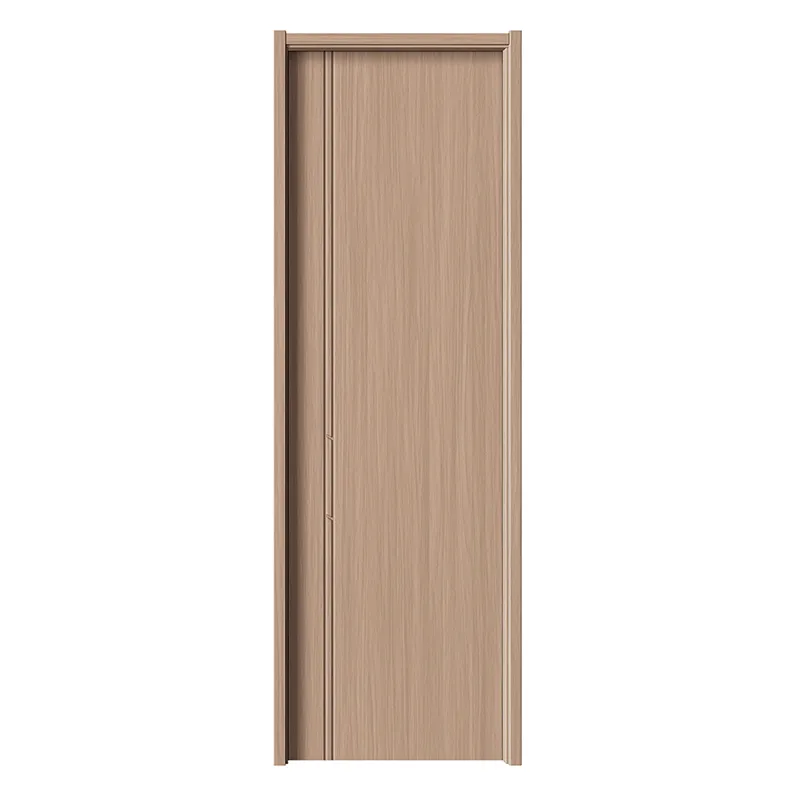 YST-1009 Door Translucent light shade 1
 -
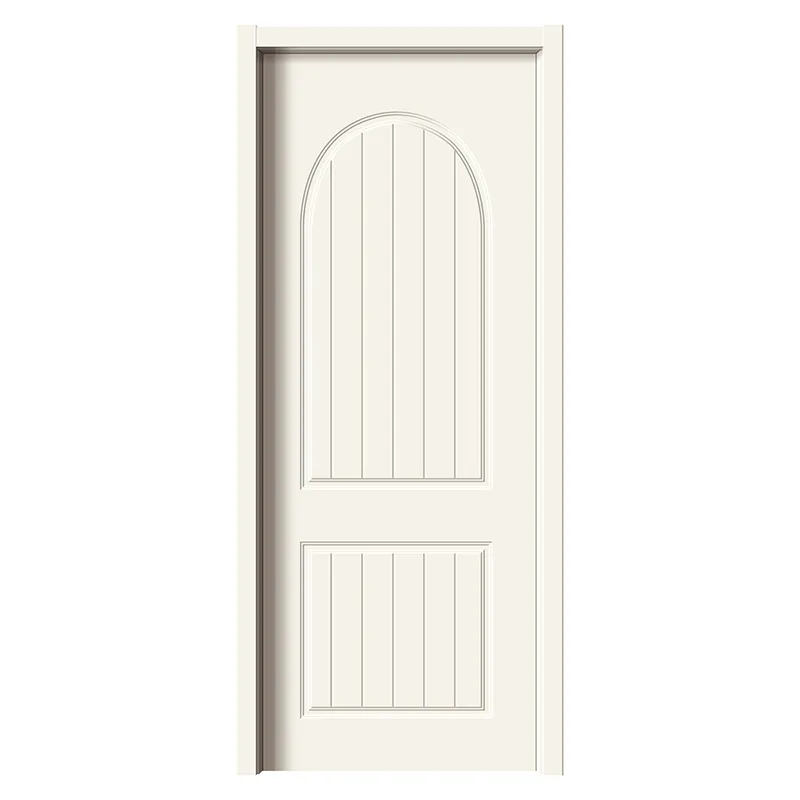 YST-236 Door White ivory
 -
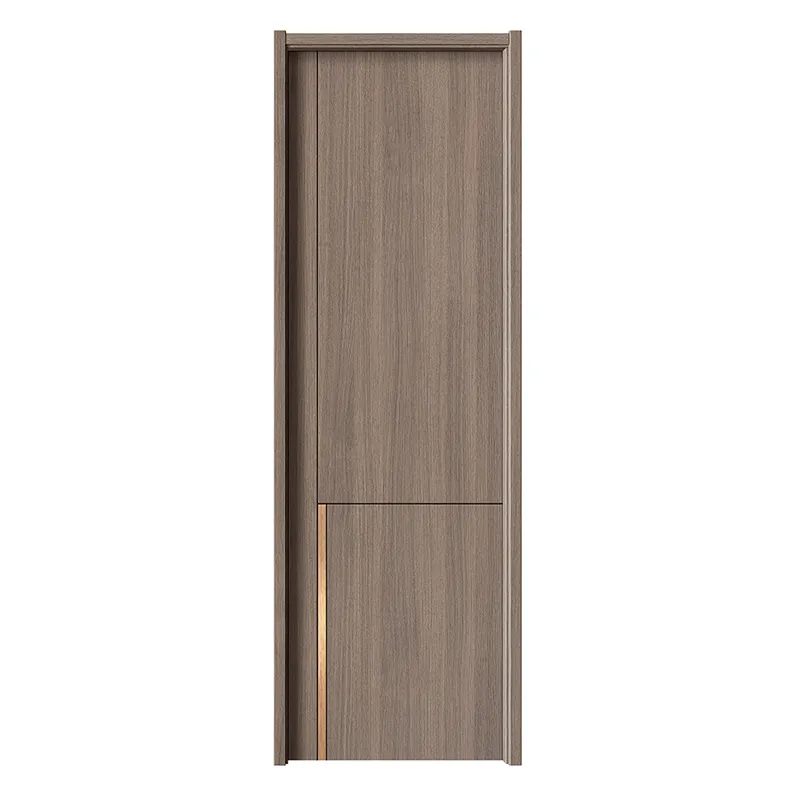 YST-1003 Door Oak gray
 -
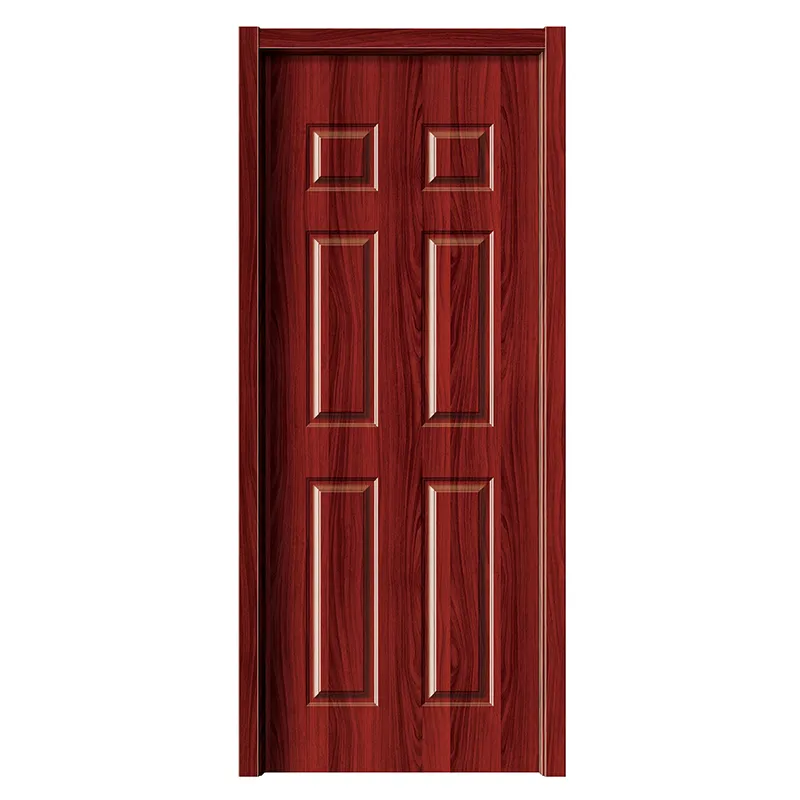 YST-201 Door Red team
 -
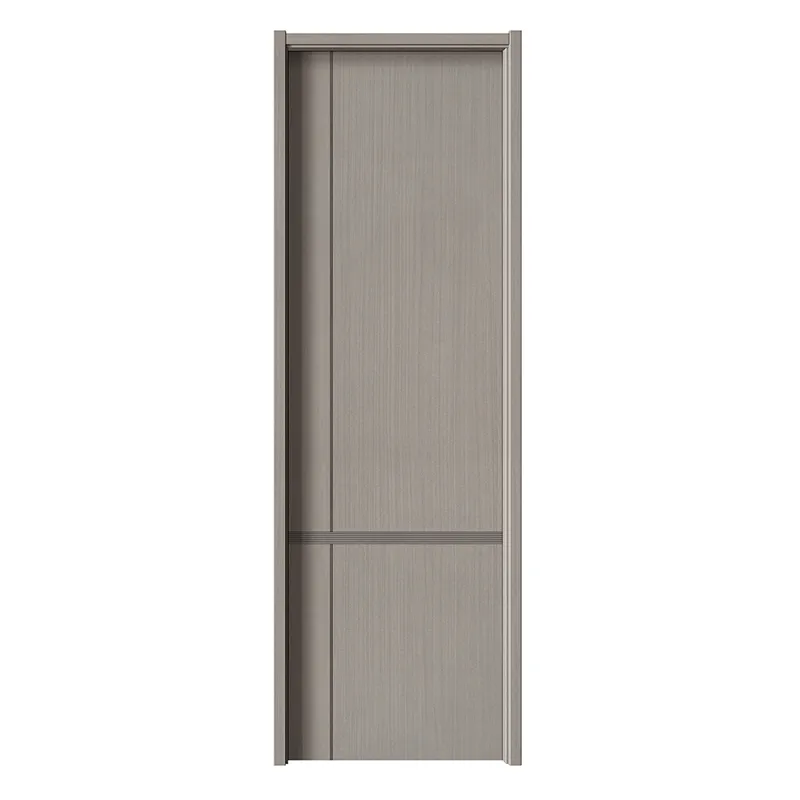 YST-1013 Door Cloud Walnut 1
 -
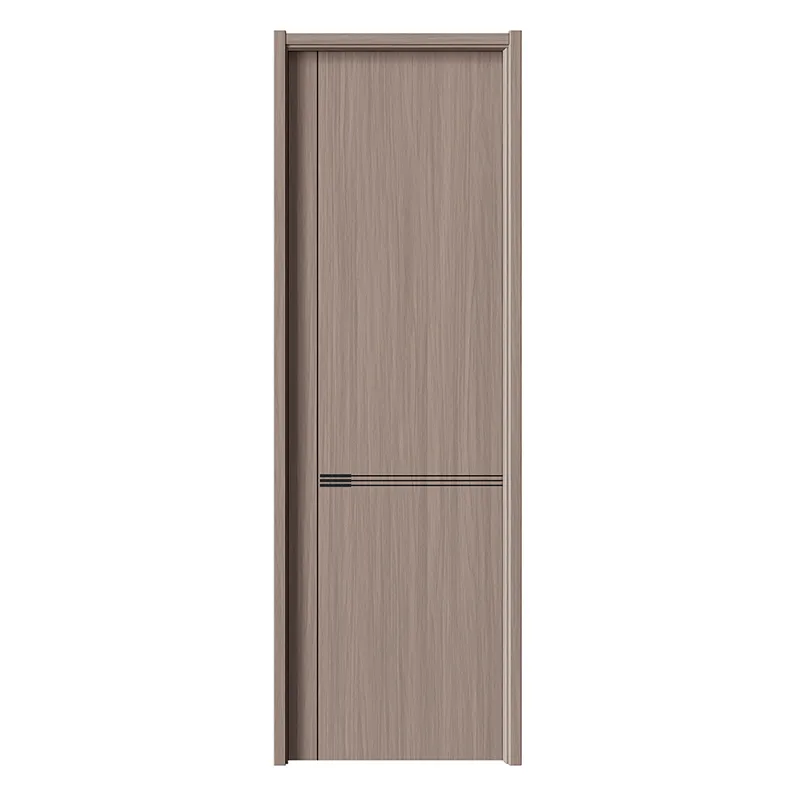 YST-1039 Door Translucent light shadow 3
 -
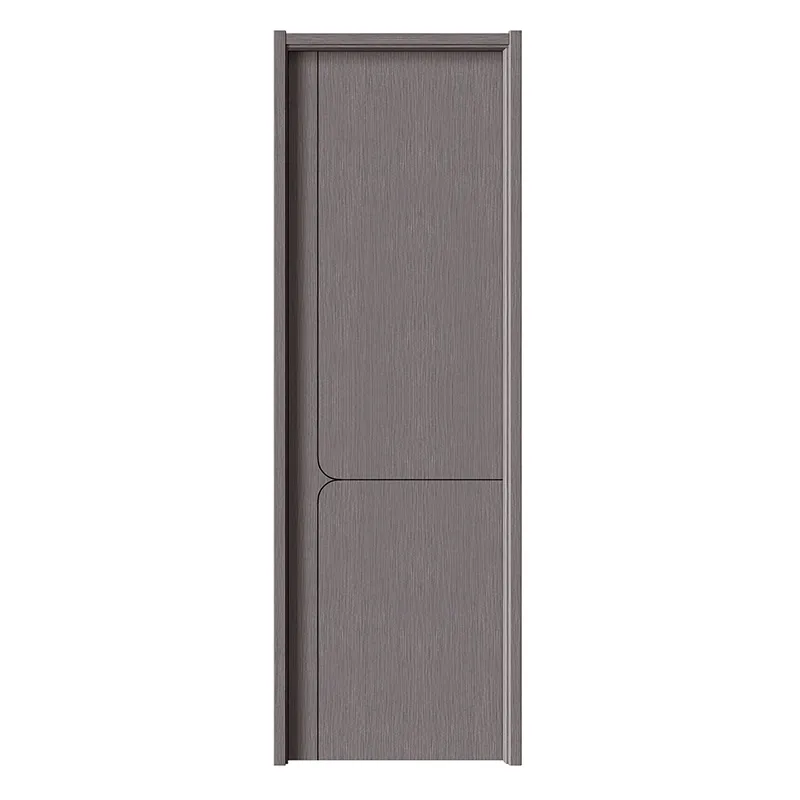 YST-1001 Door Chiaroscuro tree 2
 -
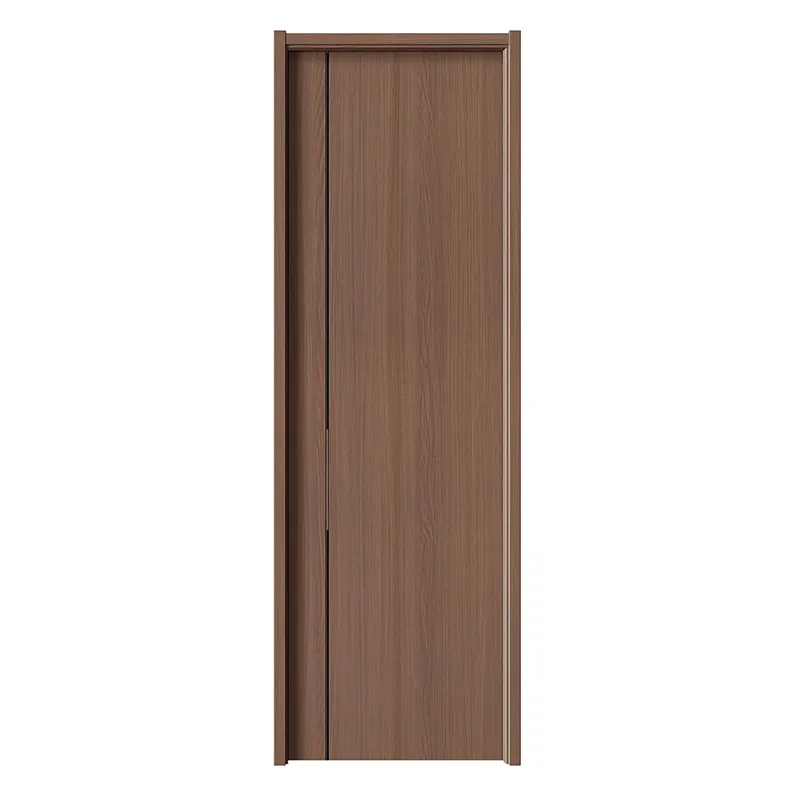 YST-1043 Door Techno-walnut 3
 -
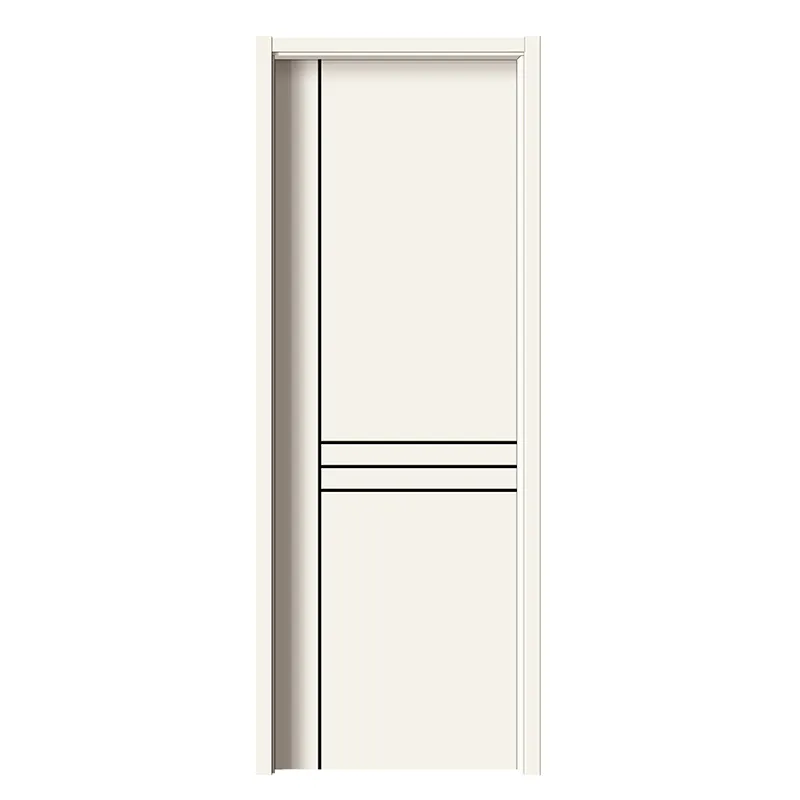 YST-220 Door Warm white
 -
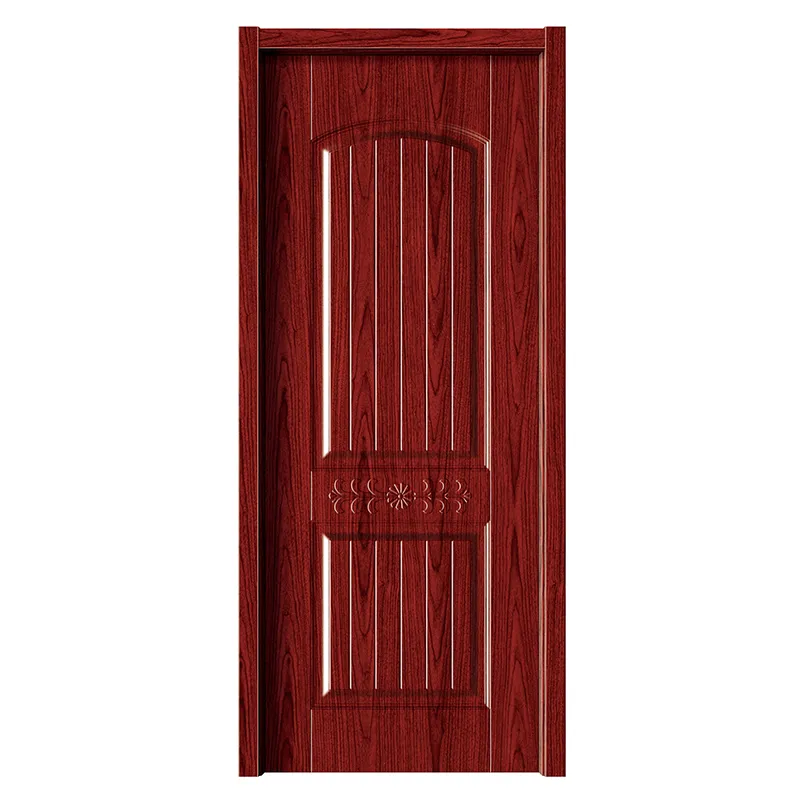 YST-233 Door Mahogany