




The door to the house is plastic insulated
When do they speak?insulated plastic door to the house?, many people immediately imagine just a PVC sheet with a pair of sealing contours. But in practice, especially in our realities with temperature changes, everything turns out to be much more subtle. A common mistake is to chase the thickness of the profile, forgetting about the reinforcement, fittings and the very principle of assembling the narthex assembly. Now I’ll explain why sometimes even an expensive-looking door begins to blow after a season.
Construction: not just plastic, but a system
So, the basis is the profile. Multi-camera, yes. But the key thing is the internal steel reinforcement. It must be closed, along the entire perimeter of the sash and frame, otherwise the geometry will float. I have seen cases where they installed U-shaped reinforcement, saving pennies, but after the winter the sash warped, and the lower corner moved away from the seal. It was really cold.
The vestibule assembly itself. What is important here is not only the two- or three-circuit seal (usually EPDM), but also how the fittings are adjusted. If the trunnion does not fit tightly into the counter strips, no contour will save you. A common problem with cheap kits is weak fittings, which do not allow uniform pressure to be achieved around the entire perimeter. As a result, it is tight at the top and a gap at the bottom.
And double-glazed windows, of course. For the entrance door, at least a two-chamber one, with an energy-efficient coating (i-glass or at least argon). But the main thing is its correct installation in the sash. If the spacer frame is not sealed at the corners, condensation will appear in the glass unit, and this is a cold bridge. I checked it with a thermal imager - sometimes the profile itself is warm, but there is a cold edging along the perimeter of the glass.
Editing: theory and harsh practice
This is a completely different story. You can buy the perfect door, but kill it with the installation. The main thing is preparing the opening. If you simply place it on mounting foam, without rigid mechanical fastening with anchors through mounting plates, the box will move. Especially in new houses where shrinkage is taking place. Foam is only a sealant and partly a fixative; it does not perform a load-bearing function.
The gap between the box and the wall. Optimally 15-25 mm. Less means it won’t foam properly, more means the foam, which loses its elasticity over time, may not withstand it. It is important to foam in several stages, on both sides, and be sure to install spacers while the foam is polymerizing so that the box does not swell.
And about the slopes. After installing the doors, they need to be insulated from the inside, at least with extruded polystyrene foam. Otherwise, the dew point will be on the inner edge of the wall, and the corners of the opening will get wet and freeze. This is not a flaw in the door, but an installation error, but the client then blames the design.
Experience and failures: what makes up understanding
Previously, we tried to install doors with the so-called “thermal break”. in a plastic profile - an insert made of a material with low thermal conductivity. The idea seems good, but in practice, if the overall package is not balanced, the effect is negligible. Once there was an order for a cottage, they installed these, and the thermal imager showed that the main losses were through the narthex and the double-glazed windows. We concluded: the system should be holistic, not point-based.
Another point is the fittings. We switched to using kits with adjustment in three planes (for example, from Roto or Siegenia). More expensive, but more durable and allows you to compensate for small structural movements. On cheap fittings, the adjusting screws quickly become loose and the door begins to slam.
There was also a funny incident. The customer demanded the warmest possible door, but at the same time a giant glazed door. They installed everything according to technology. And then he complains that in the cold it’s cool near her. He explained that glass, even super energy-efficient glass, will always have a lower heat transfer resistance than the blank part with a sandwich panel. We had to add a heated supply ventilation system to avoid the feeling of a draft. Conclusion: you need to take into account not only the door, but also the microclimate around it.
Market and alternatives: where does plastic belong?
A plastic insulated door is often the choice for a vestibule, balcony or as a second door in a private house. For the main entrance, steel or wooden structures are still more often used - a matter of perception of reliability and design. Although modern plastic with wood lamination looks good.
But if we talk about wooden doors as a full-fledged alternative for residential spaces, then it’s worth paying attention to manufacturers who focus on quality and precision. For example, a companyAnhui Wantai Woodworking Co.,Ltd (https://www.anhuiwantai.ru). They supply the international market with wooden doors that combine aesthetics with practicality. They have modern production and a team that adheres to the principle of “building a business on precision, winning with quality.” This is important because wood is a capricious material, and it cannot be done without strict control from raw materials to assembly. Their approach to compliance with standards is exactly what is often lacking in the mass segment of plastic doors, where they are chasing volume at the expense of details.
Returning to plastic: its main advantages are stability of geometry (it will not swell or shrink), resistance to moisture and, often, a more affordable price with good thermal insulation properties. But you need to choose not by the picture, but by the content: profile system, type of reinforcement, fittings set, double-glazed window equipment.
Final considerations: what to put pressure on when choosing
So, to summarize for the one who choosesinsulated plastic door to the house. First, ask for a data sheet indicating the heat transfer coefficient (U) for the entire door, and not just for the profile. There must be numbers. Second, look at the weight of the sash. A light sash often means weak reinforcement. Third, test the fittings right in the store, open and close them several times, check the movement, smoothness, and whether there are any backlashes.
Don't hesitate to ask about installation. A good supplier will provide detailed instructions or even recommend trusted installers. Because, I repeat, 50% of the result is editing. And be sure to discuss the warranty on both the door itself and the work.
Ultimately, a good insulated plastic door is not the cheapest, but a reasonable compromise for many situations. It does not require constant maintenance like wood, and is not as susceptible to corrosion as steel. But its effectiveness is always the sum of the details: engineering in the design, quality of components and competent hands during installation. If one element falls out, the whole system works worse. This is what you need to remember.
Correspondingproducts
Related Products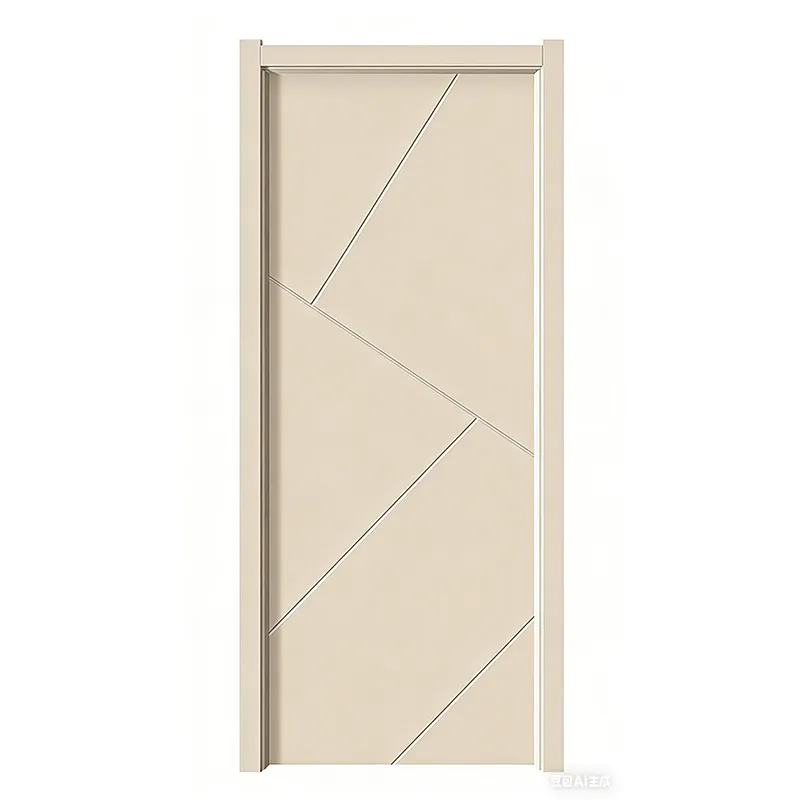
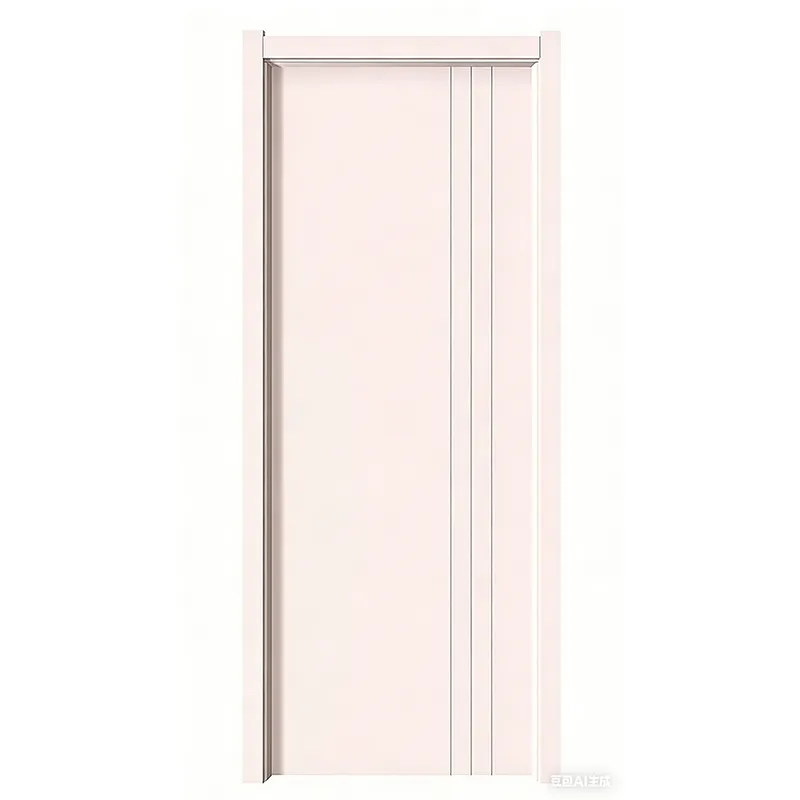
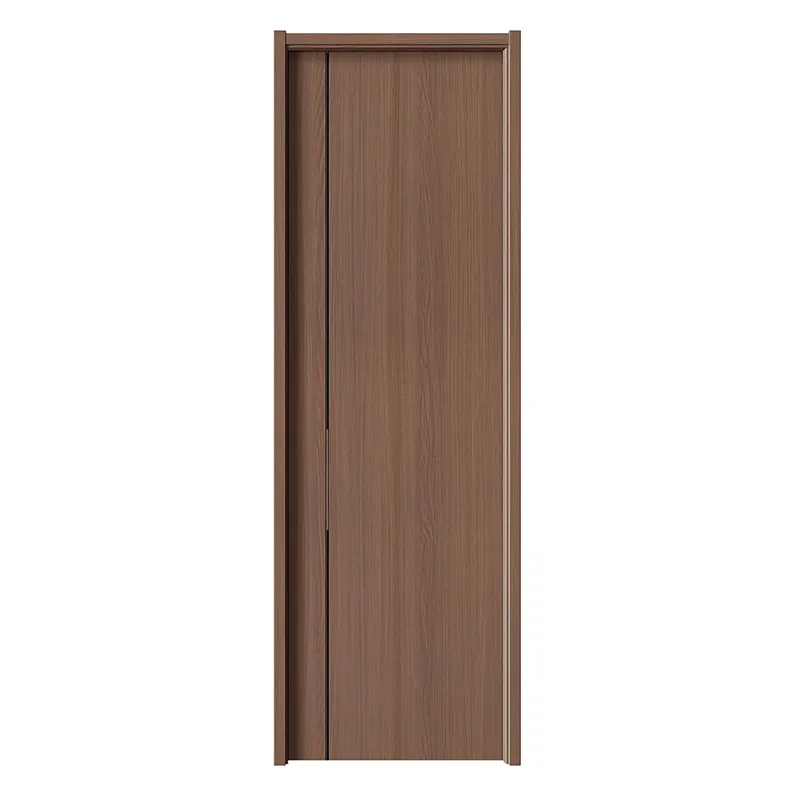
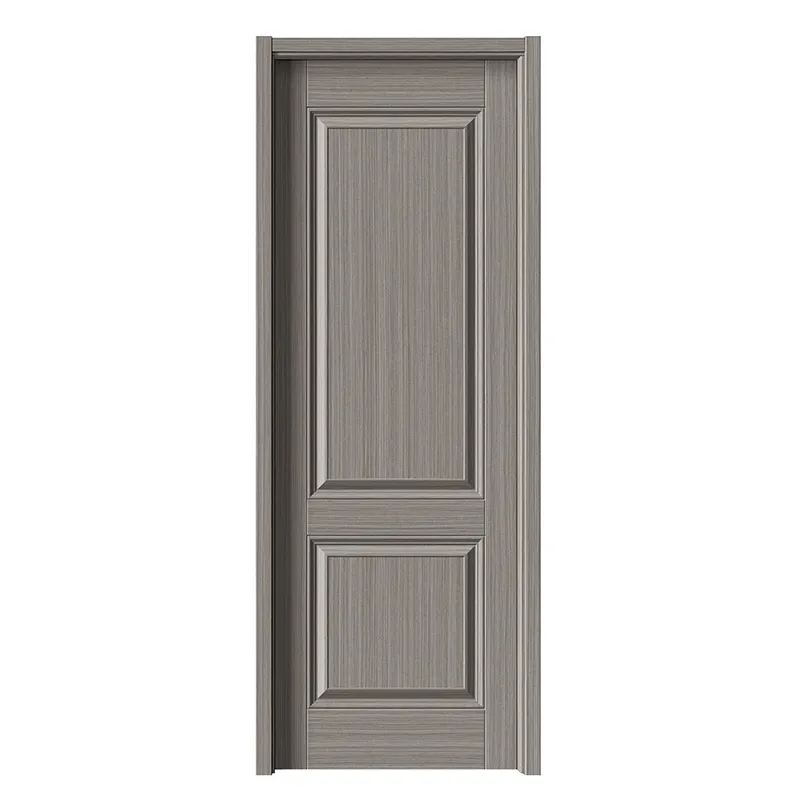

Best Sellingproducts
Best Selling Products-
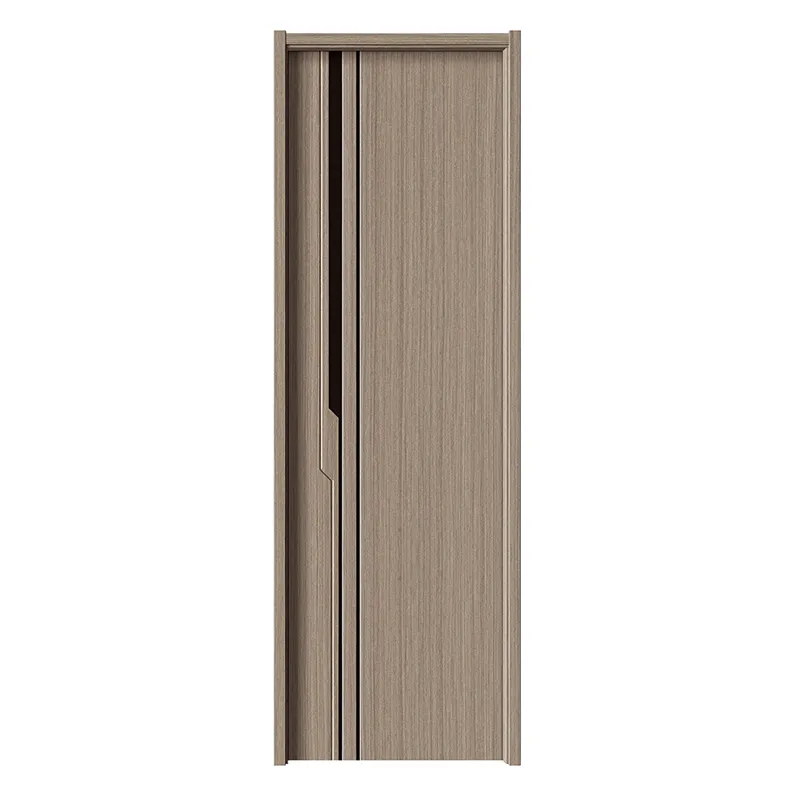 YST-1018 Technowood Door 1
 -
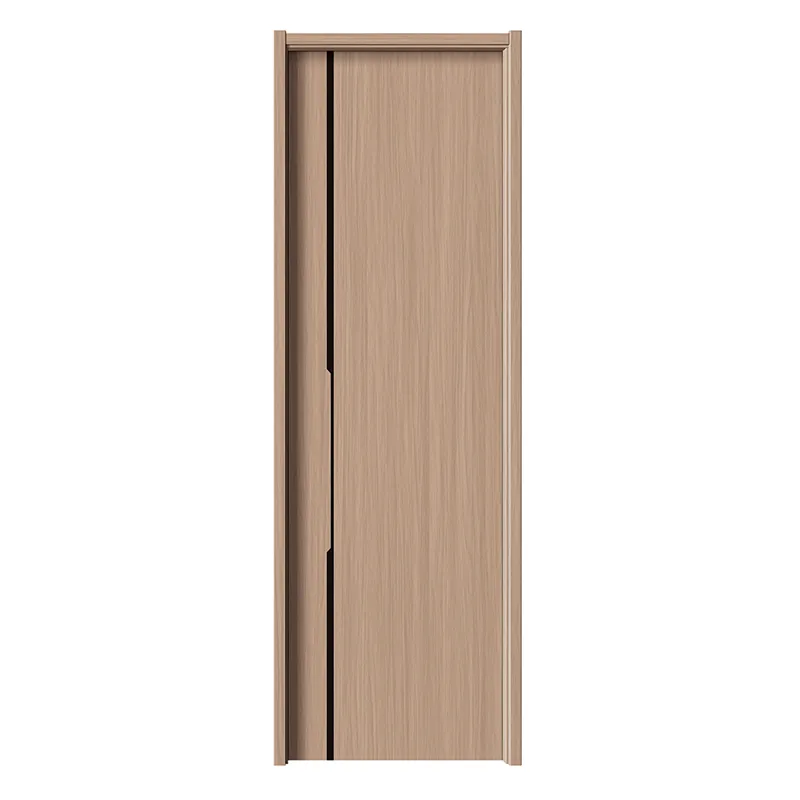 YST-1029 Door Translucent light shade 1
 -
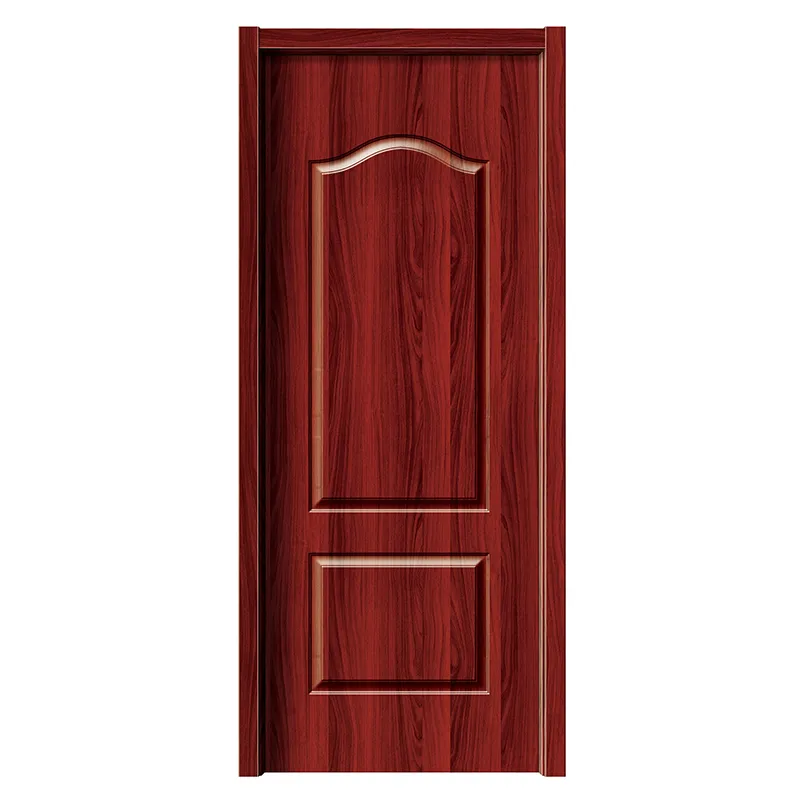 YST-207 Door Red team
 -
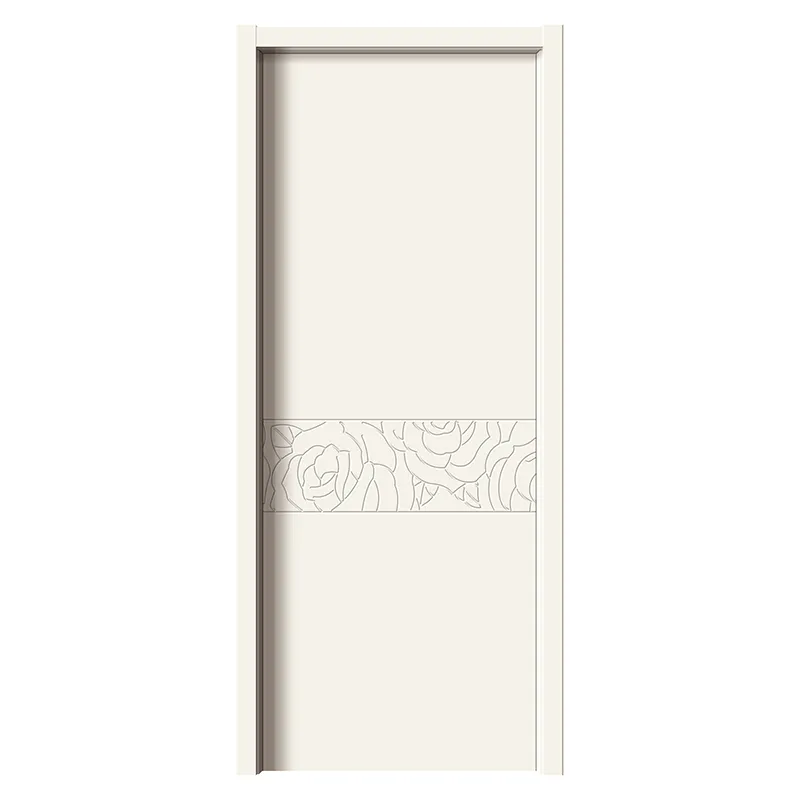
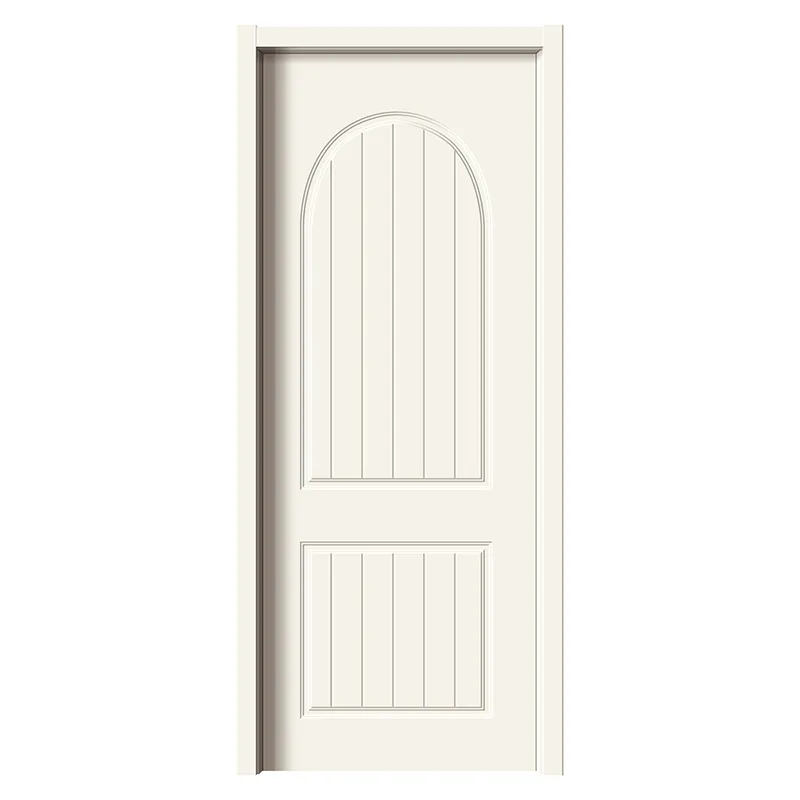 YST-236 Door White ivory
 -
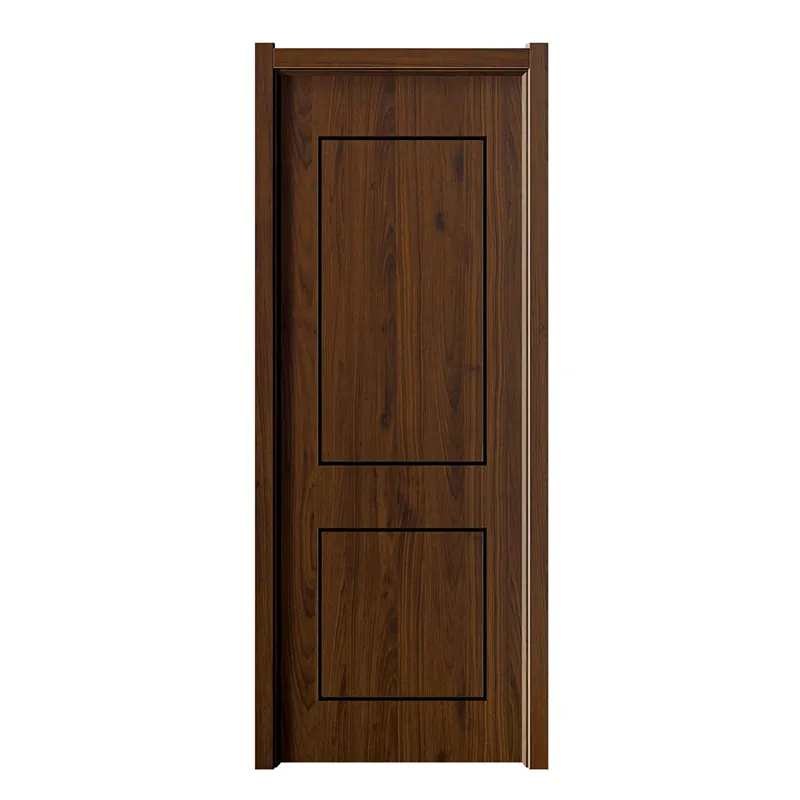 YST-WPC2 Door
 -
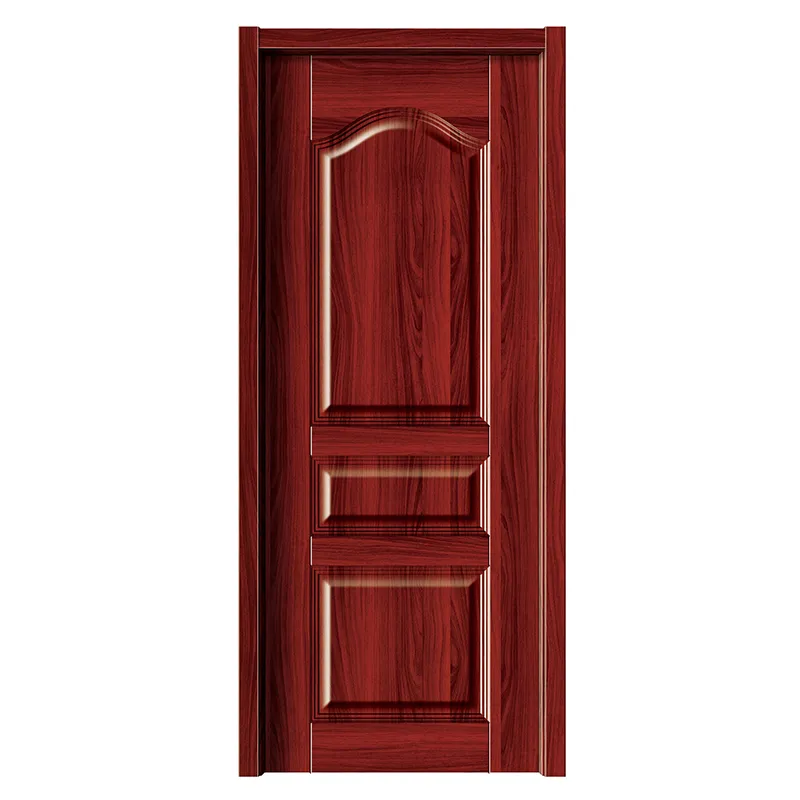 YST-203 Door Red team
 -
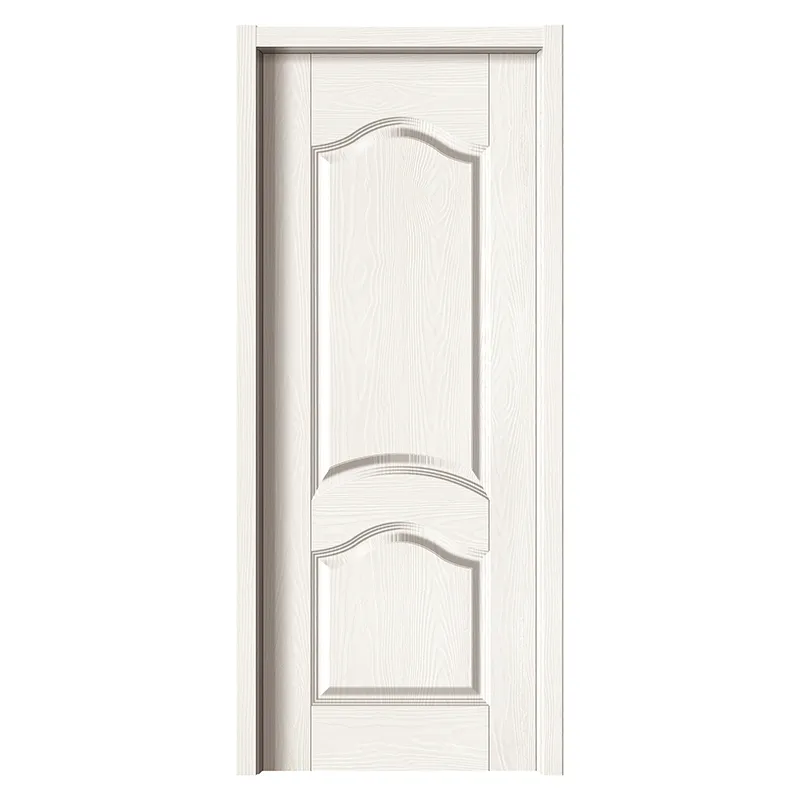 YST-224 Door Warm white with relief
 -
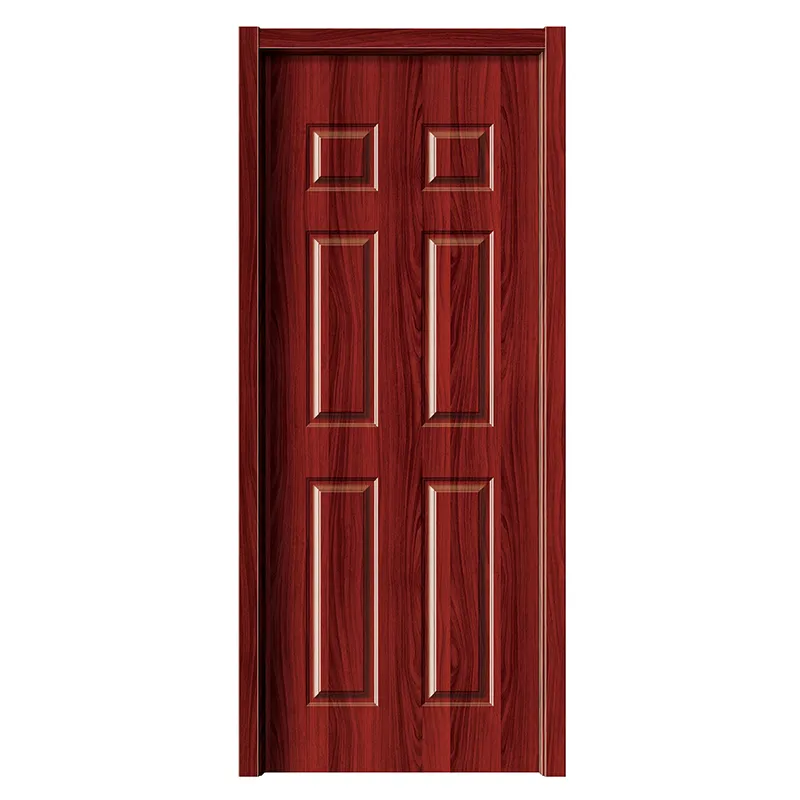 YST-201 Door Red team
 -
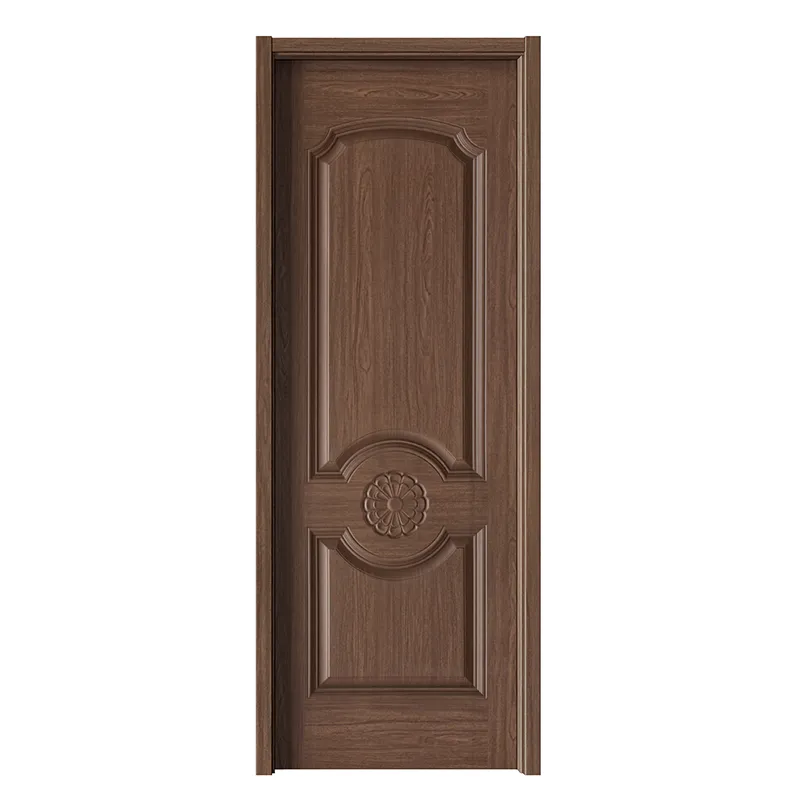 YST-212 Door North American Oak 2
 -
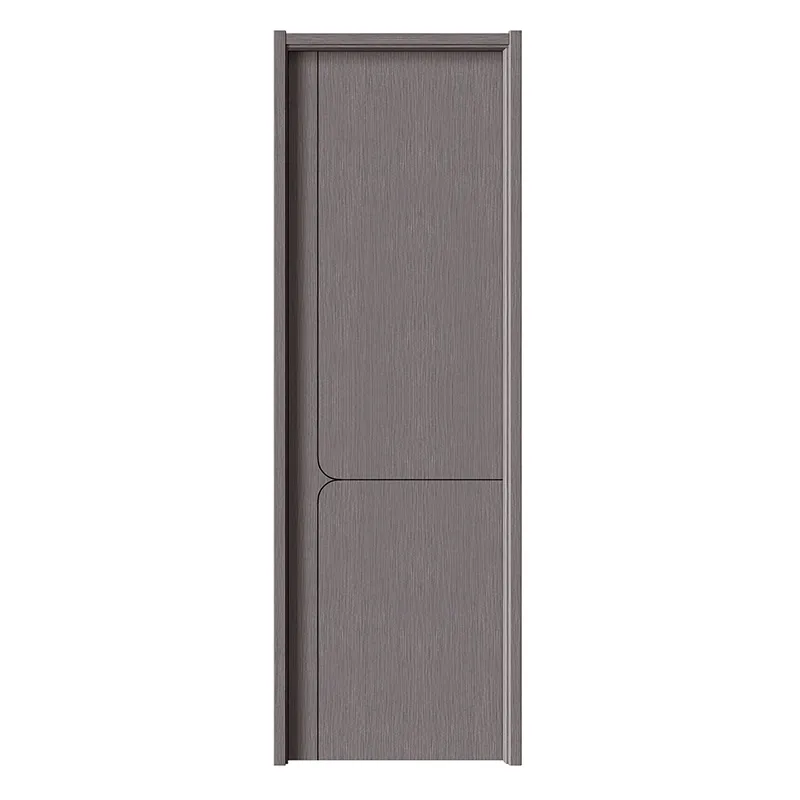 YST-1001 Door Chiaroscuro tree 2
 -
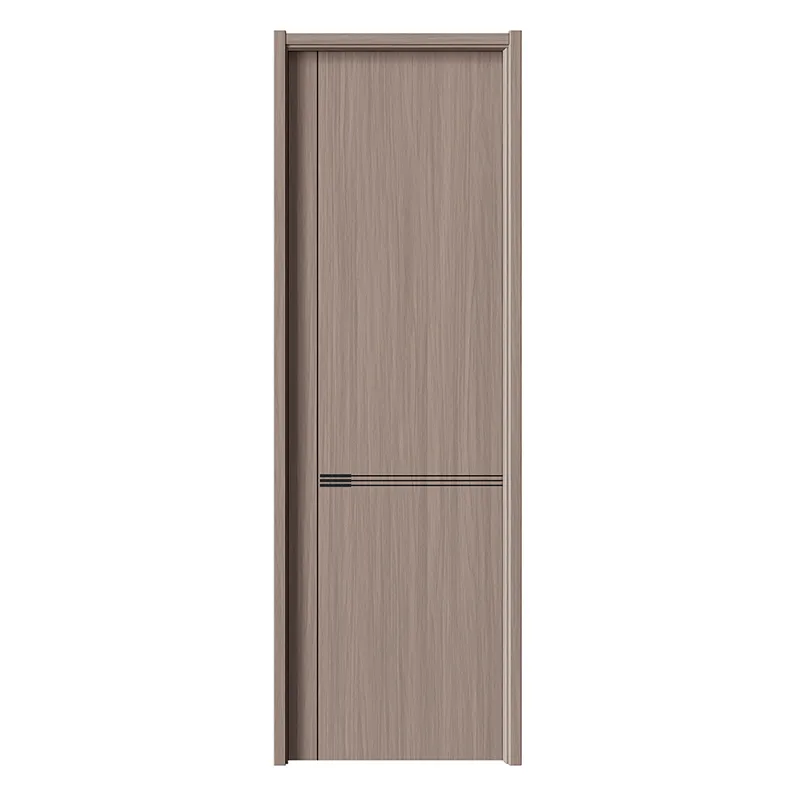 YST-1039 Door Translucent light shadow 3
 -
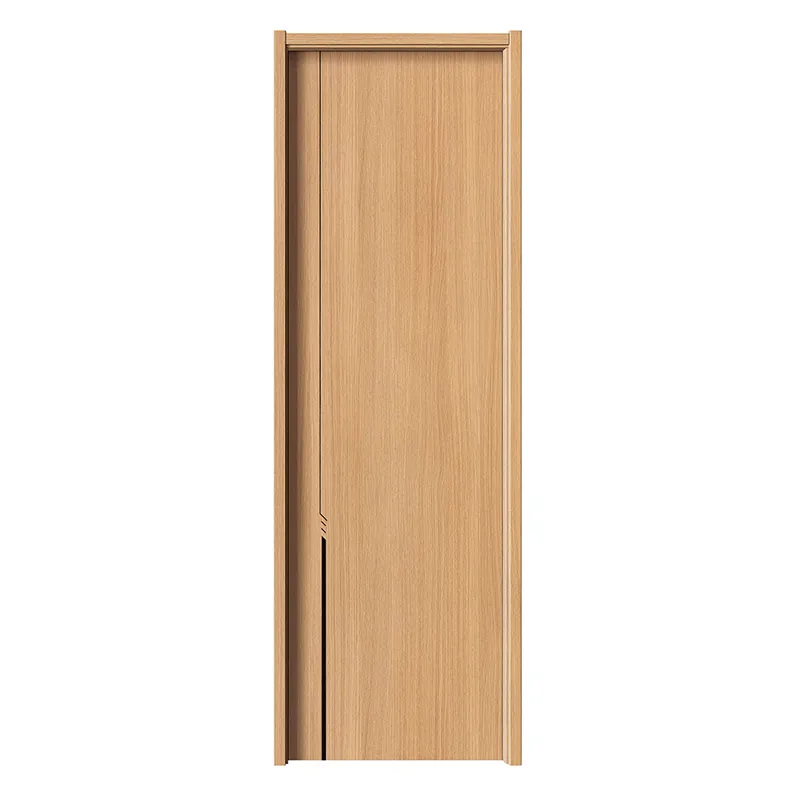 YST-1041 Door Oak Shutter