




Door without varnish
When a customer asks for a “door without varnish”, they often mean simply a matte, non-glossy surface. But therein lies the first professional catch. Realdoor without varnish- this is not just an aesthetic choice, but a fundamentally different approach to finishing wood, which has its pros, cons and a whole bunch of technical nuances that are silent about in catalogs.
What actually lies behind the “natural”? finishing
In practice, I often come across the fact that clients want to “feel the texture of the wood?”, believing that any varnish is a plastic film that kills the naturalness. They are partly right, but it is important to differentiate here: there are oils, waxes, impregnations - they also form a protective layer, but in a different way. Adoor without varnishin the strict sense, this is wood processed only mechanically, by grinding, possibly tinting, but without applying any film-forming composition. Such products are rare for the mass market; they are capricious.
Take, for example, solid oak. Without protection, it will actively absorb moisture, get dirty, and fingerprints will remain on it. I have seen projects where such doors were installed in hallways - after six months a dark spot formed around the handle. The customer was shocked and thought it was a defect. And this is just the natural behavior of unprotected material. Therefore, when a company seemsAnhui Wantai Woodworking Co.,Ltd (https://www.anhuiwantai.ru) talks about a combination of aesthetics and practicality, it’s just about finding a balance. Their philosophy is to “build a business on precision?” implies that the consequences of such a choice must be honestly explained to the client.
There are also compromise options. For example, deep impregnation with oil and hard wax. The surface remains matte and tactilely warm, but the resistance to moisture and dirt is many times higher. But this is not a panacea - such a canvas requires regular updating, every few years. For some reason people often forget to mention this.
Production difficulties and quality control
From a technological point of view, produce high-qualitydoor without varnishsometimes more difficult than with a coating. The varnish hides a lot of small sanding flaws and uneven tone. Without it, all the shortcomings are clearly visible. Ideal surface preparation is required, and this is where “precision” is critically important. at all stages, which it claimsAnhui Wantai Woodworking Co.,Ltd. The selection of raw materials must be impeccable - knots and color variations become part of the design, and they need to be played up, not disguised.
In my experience, I found that when grinding the ends, the fibers rise, creating micro-roughness. For a varnished door this is not a problem, the varnish will “knock them down”. For the uncovered, this is marriage. It is necessary to use special finishing sanding methods, sometimes by hand. This makes the process more expensive, but there is no other way if you want to get a truly premium product.
Control in such production must be selective, almost selective. Each canvas must be inspected under different lighting. I remember an incident at one of the factories when a batch of ash doors went into packaging, and only during the final inspection, under a side light, they saw barely noticeable traces of shipping suction cups on the end. For a lacquered product - nonsense. For the unprotected it is unacceptable. I had to send the entire batch for additional polishing.
Where does it work and where does it fail?
Context is everything.Door without varnishcan become the highlight of the interior in a dry, stable climate zone, in an office or library. But sending it, for example, to the bathroom or kitchen, even with a good hood, is a direct path to complaints. Wood breathes and changes geometry with changes in humidity.
I had a sad experience with an order for a country house. The client insisted on unclad beech doors for the entire first floor, including the area next to the kitchen. He justified this by environmental friendliness and love for natural materials. After a season (winter-summer), the door in the opening to the kitchen noticeably “began” and a small gap appeared. The material itself darkened unevenly. I had to dismantle and redo it, but using intensive oil impregnation. The lesson is expensive, but indicative.
On the other hand, for commercial spaces—loft-style boutiques or some office meeting rooms, for example—this rugged, authentic look can be part of the concept. But even there you need to set aside an increased budget for maintenance and be prepared for the fact that the material will age, acquiring a patina. This should not just be accepted, but made part of the design.
The myth of ?environmental friendliness? and durability
One of the most frequent requests is “an eco-friendly door without chemicals?”. An important clarification is required here. Yes, the absence of polyurethane or nitrocellulose-based varnishes reduces the emission of volatile substances. But the wood itself, especially if it is tinted with stains, may also contain components. And most importantly - durability.
Varnish is primarily protection. Without it, the door ages faster and is more vulnerable to scratches, moisture, and UV rays. Is it possible to call a product that requires replacement or serious restoration after 5-7 years environmentally friendly? The question is controversial. A door with a high-quality, certified water-based varnish that will last 20 years without problems may be much more environmentally friendly.
Companies that, likeAnhui Wantai Woodworking Co.,Ltd, operate on the international market and usually offer a range of solutions. Their task is not just to sell the canvas, but to satisfy various needs, and therefore provide advice. Their website shows that they focus on modern production and design. This means that in their line there will be both doors with ultra-matte, tactilely pleasant coatings that imitate natural wood, and, possibly, options with an oil finish that preserve the naturalness as much as possible, but provide protection.
Practical advice when ordering
So, if the client still wants the most natural look, what would you recommend? Firstly, do not give up protection completely, but choose modern oils or waxes. They come in matte and semi-matte finishes and do not have a glossy finish. Secondly, check with the manufacturer exactly what kind of processing they mean by “natural finishing”. The technical specification is your best friend.
Be sure to ask for a sample, and not a small one, but one so that you can evaluate the texture in person, run your hand over it, drop water and see the reaction. A responsible manufacturer that strictly adheres to the standards as stated in the missionAnhui Wantai Woodworking Co.,Ltd, will not refuse this. Moreover, he must be interested in this to avoid misunderstandings.
And the main advice is to realistically assess operating conditions. For a bedroom or living room with a stable microclimate - yes, you can consider options with minimal protection. For active zones, look for a compromise. Ultimately,door without varnishin its pure form, it is a niche, almost one-piece product for connoisseurs who are ready to care for it. And for most real-life projects, a reasonable hybrid will be optimal: natural aesthetics, supported by modern and discreet protection technologies. It is this approach that allows us to create products that truly satisfy both aesthetic and practical needs in the global market.
Correspondingproducts
Related Products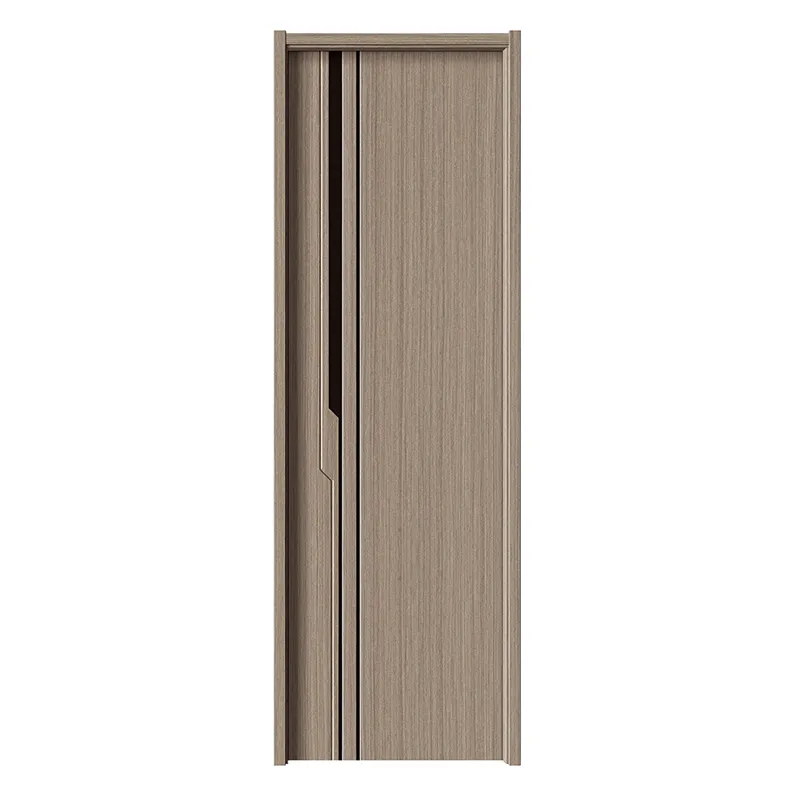
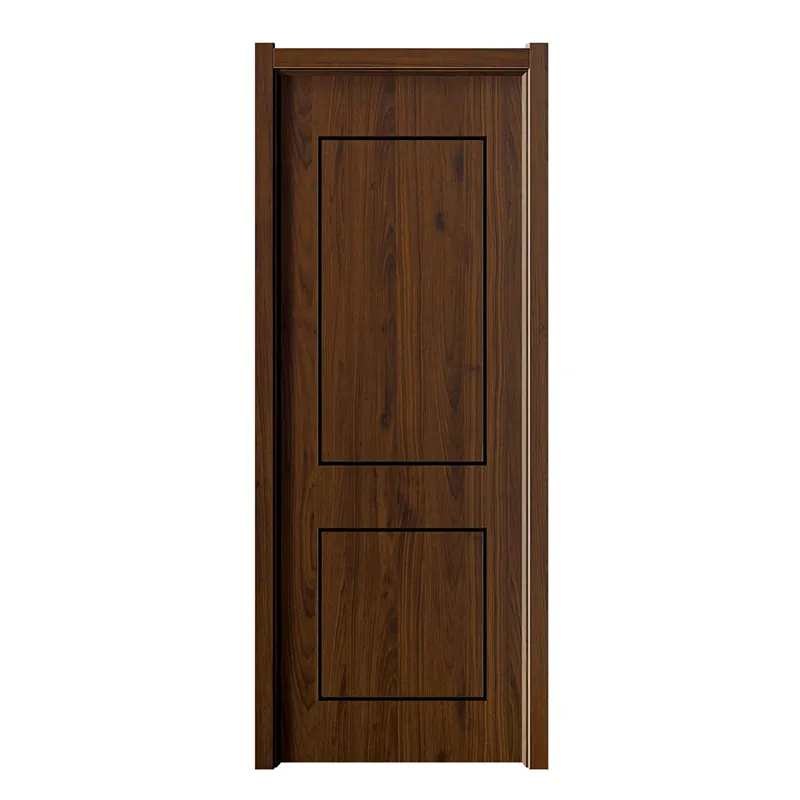
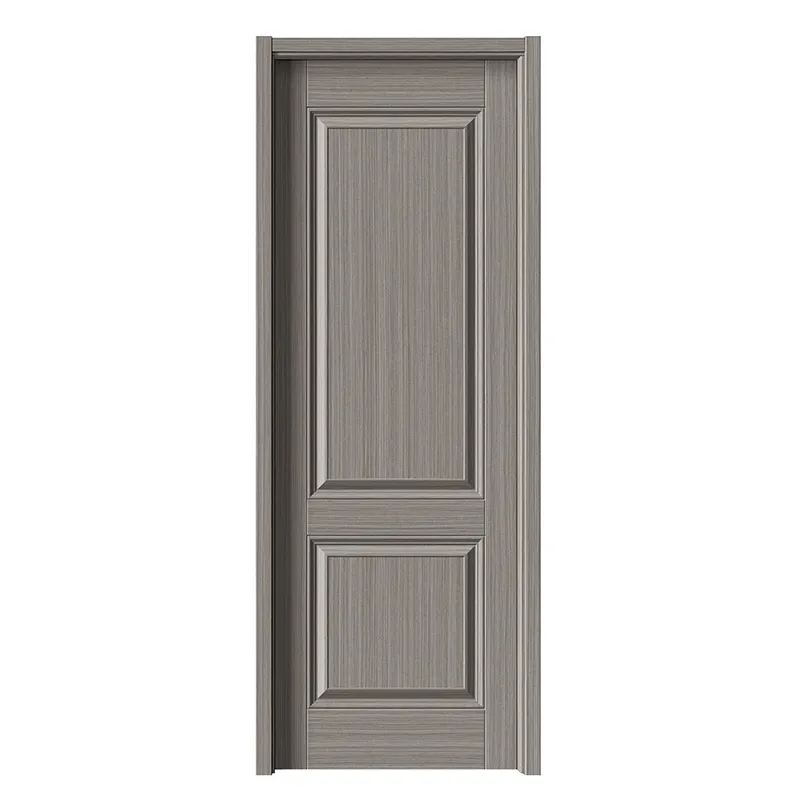
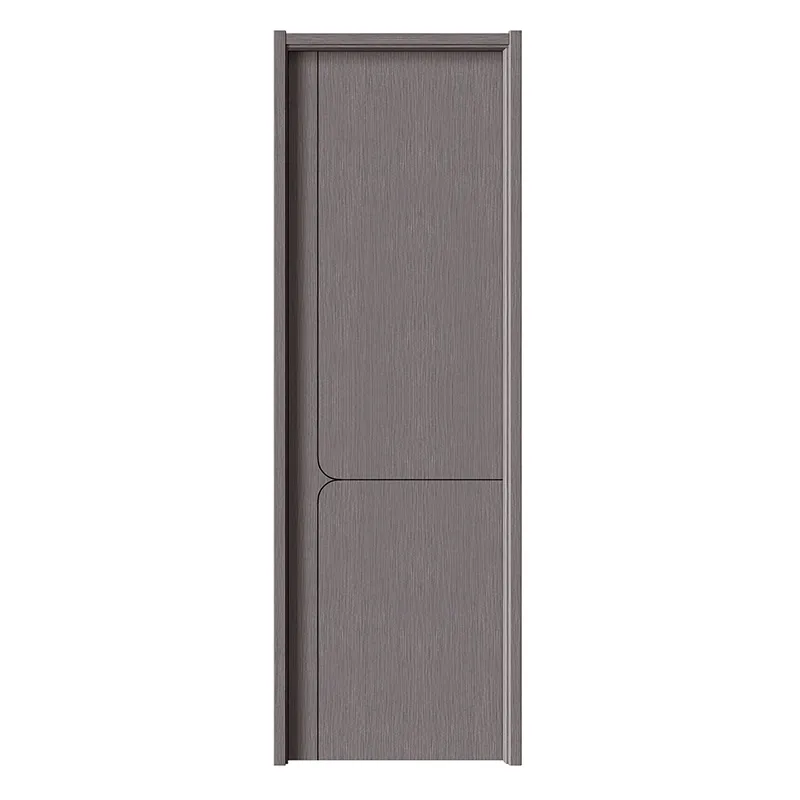
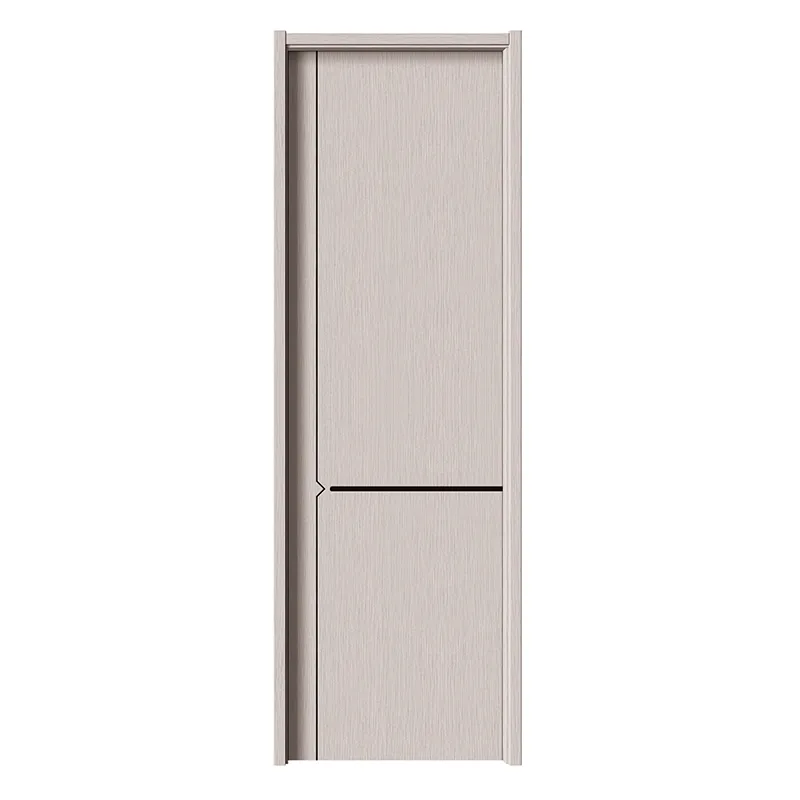

Best Sellingproducts
Best Selling Products-
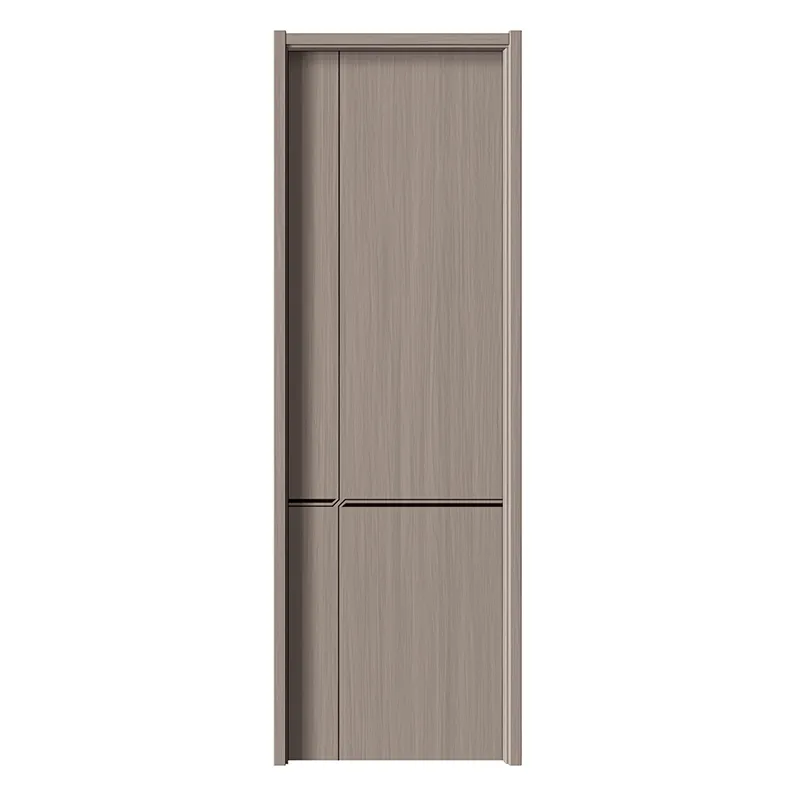 YST-1010 Door Translucent light shadow 3
 -
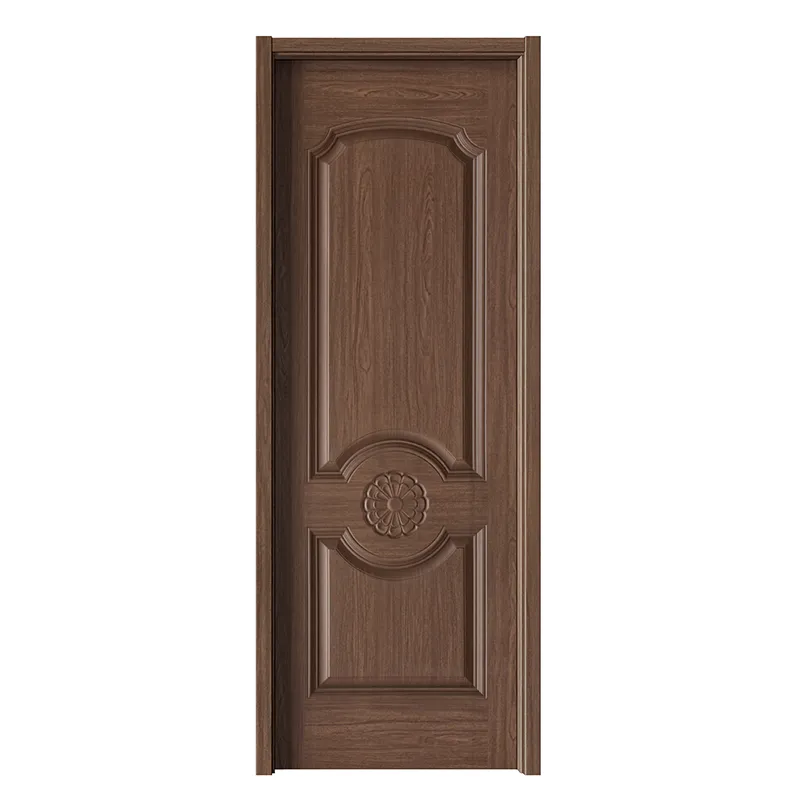 YST-212 Door North American Oak 2
 -
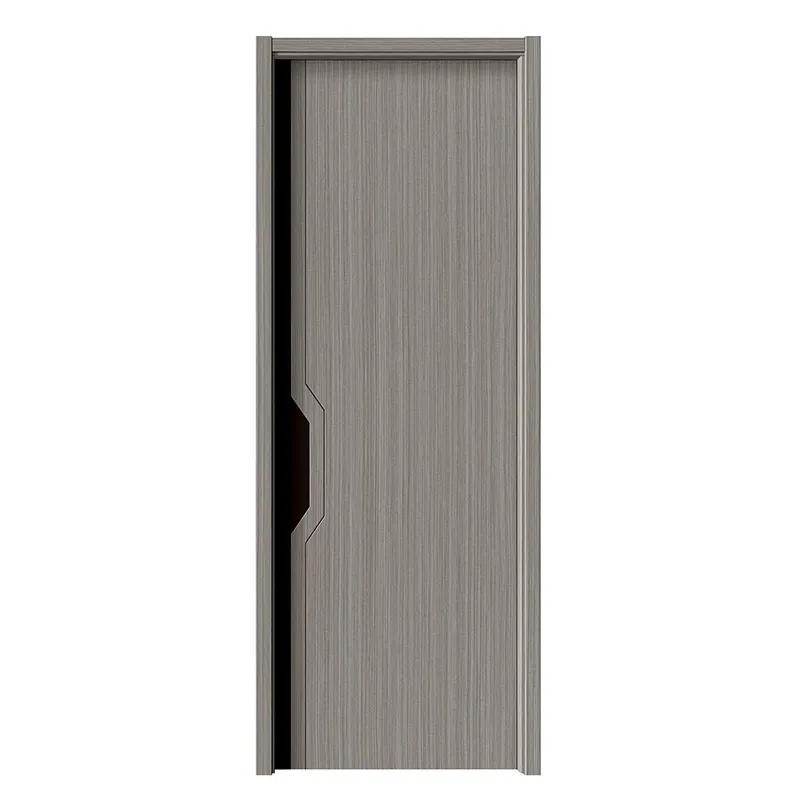 YST-1007 Technotree Door 2
 -
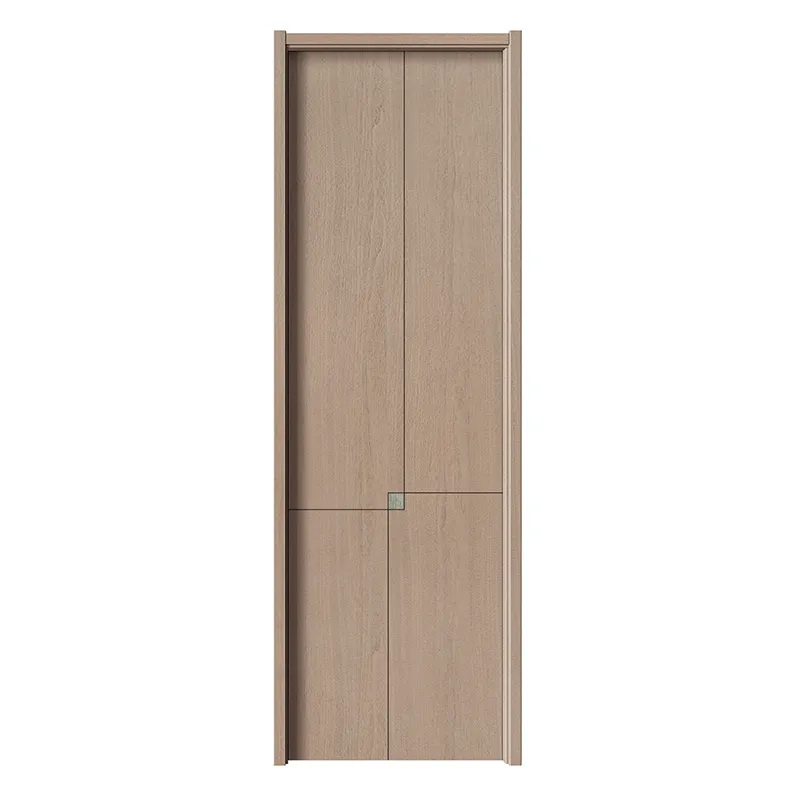 YST-1008 Door Natural walnut 2
 -
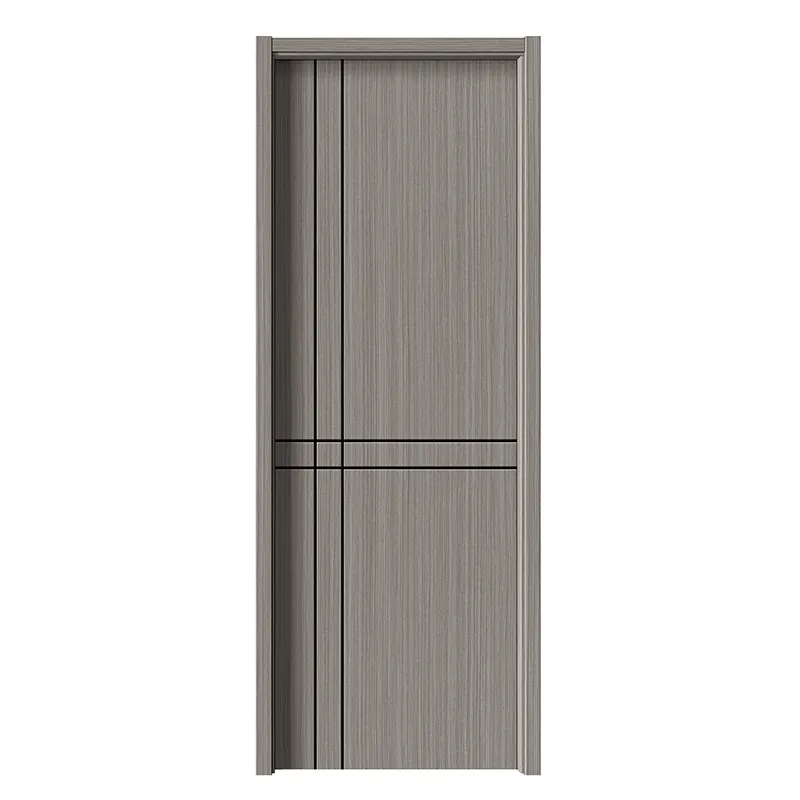 YST-1004 Door Technotree 2
 -
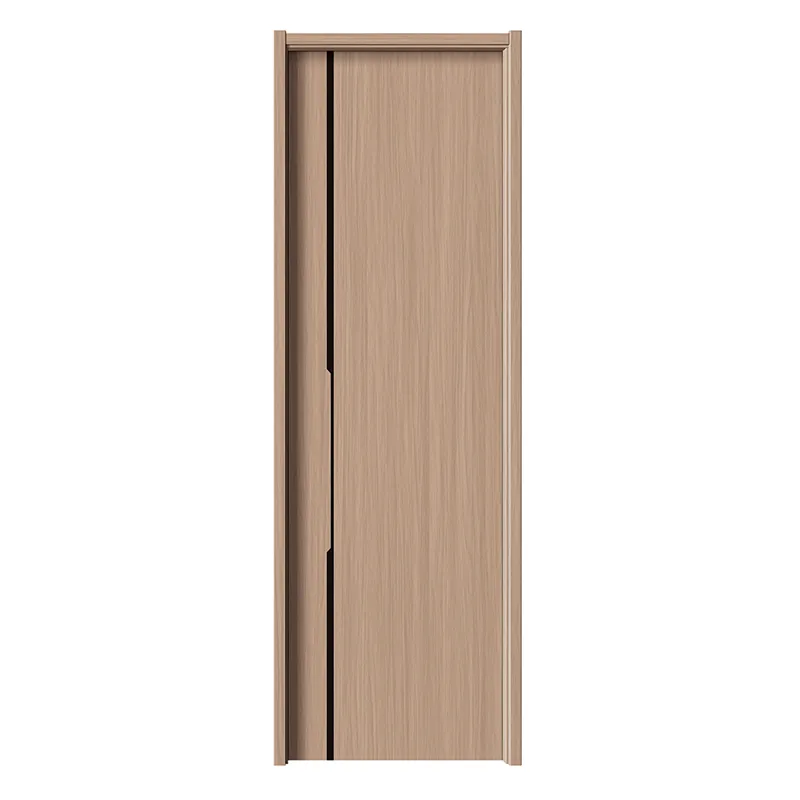 YST-1029 Door Translucent light shade 1
 -
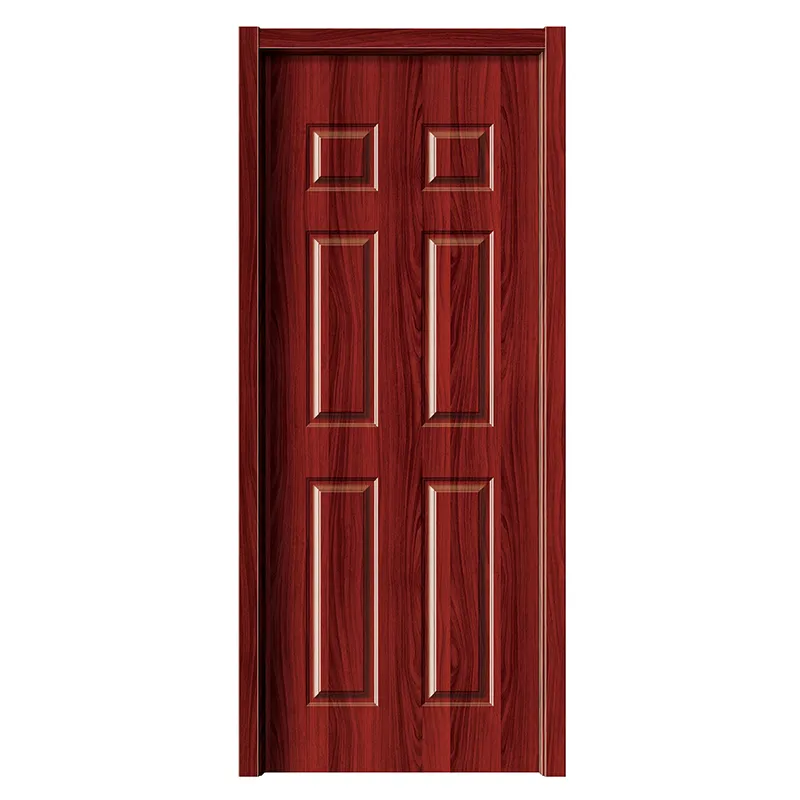 YST-201 Door Red team
 -
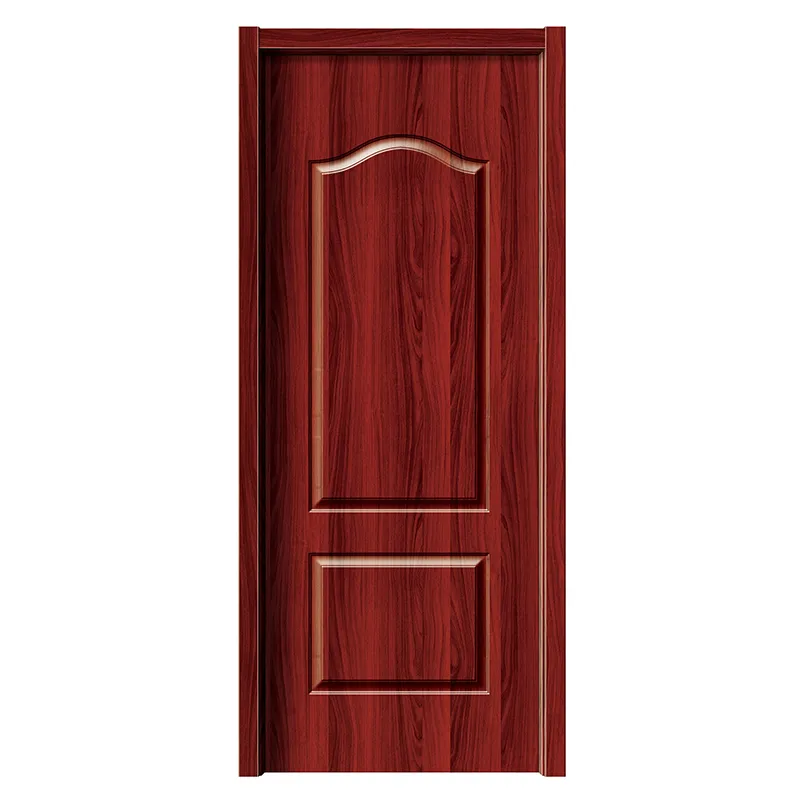 YST-207 Door Red team
 -
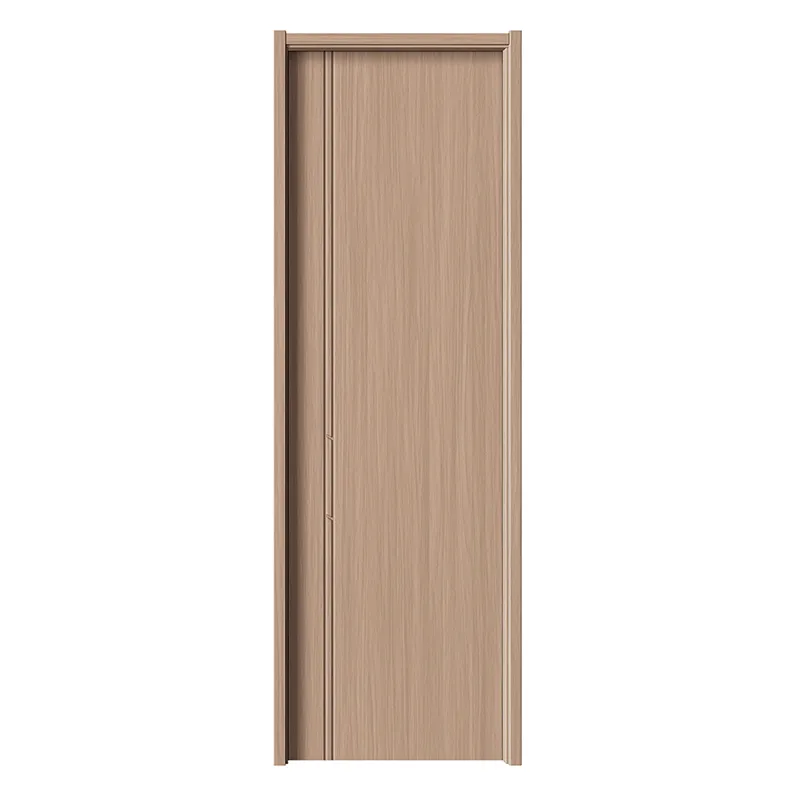 YST-1009 Door Translucent light shade 1
 -
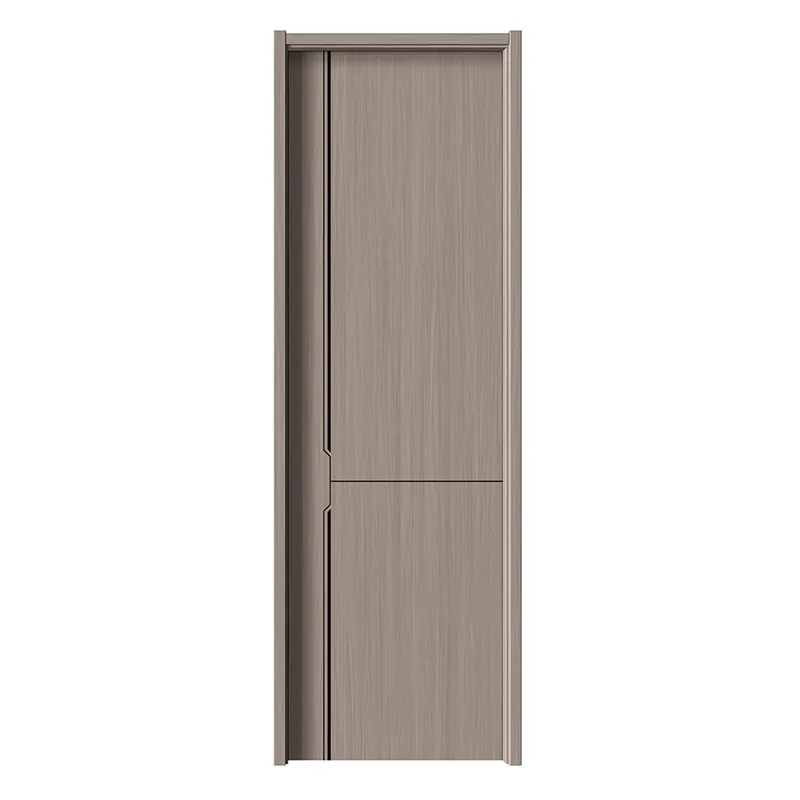 YST-1011 Door Translucent light shadow 3
 -
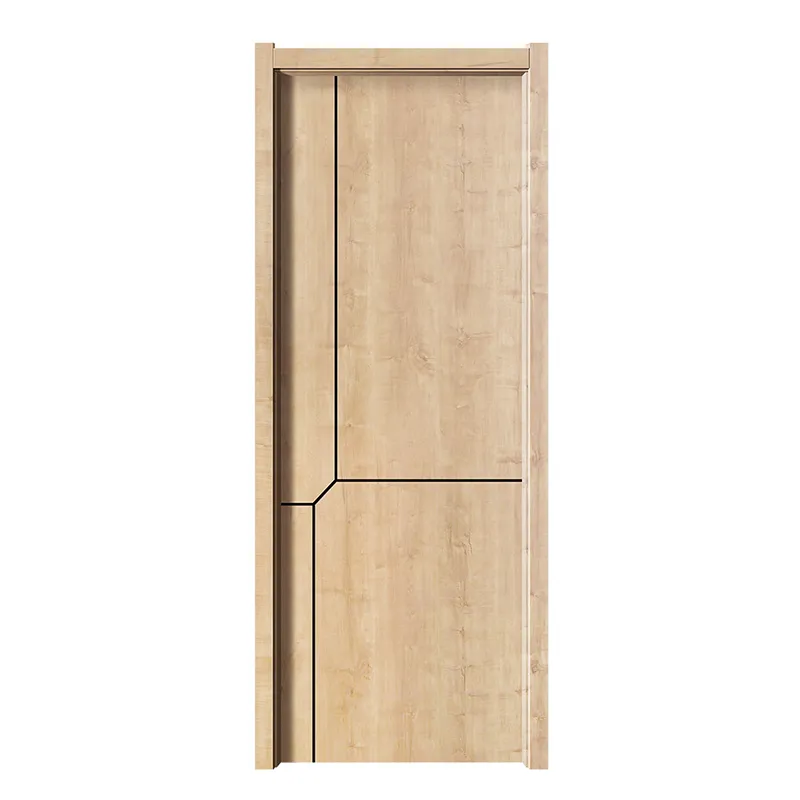 YST-WPC1 Door
 -
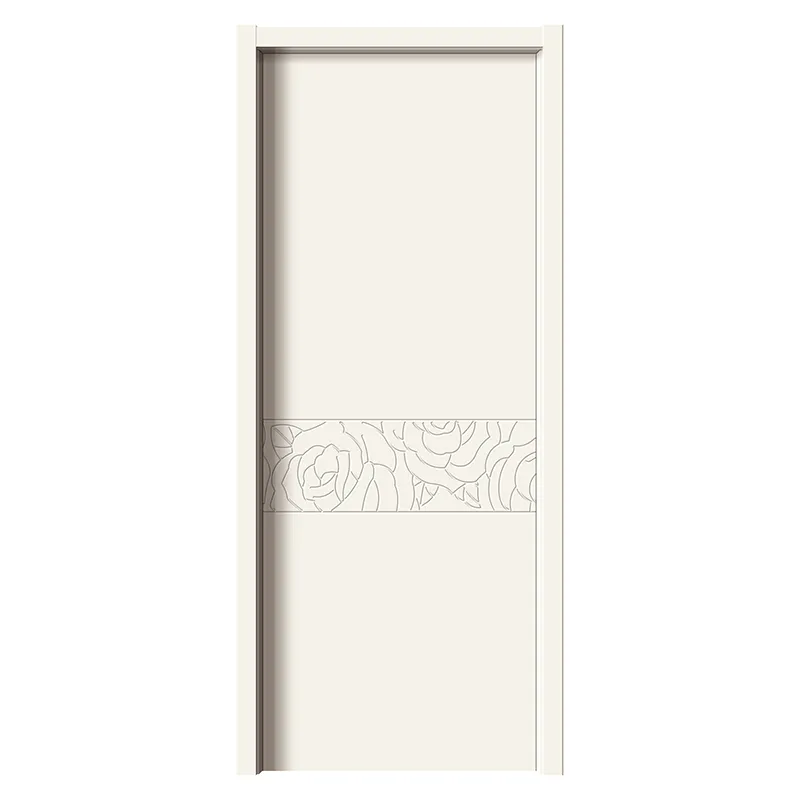 YST-238 Door White ivory