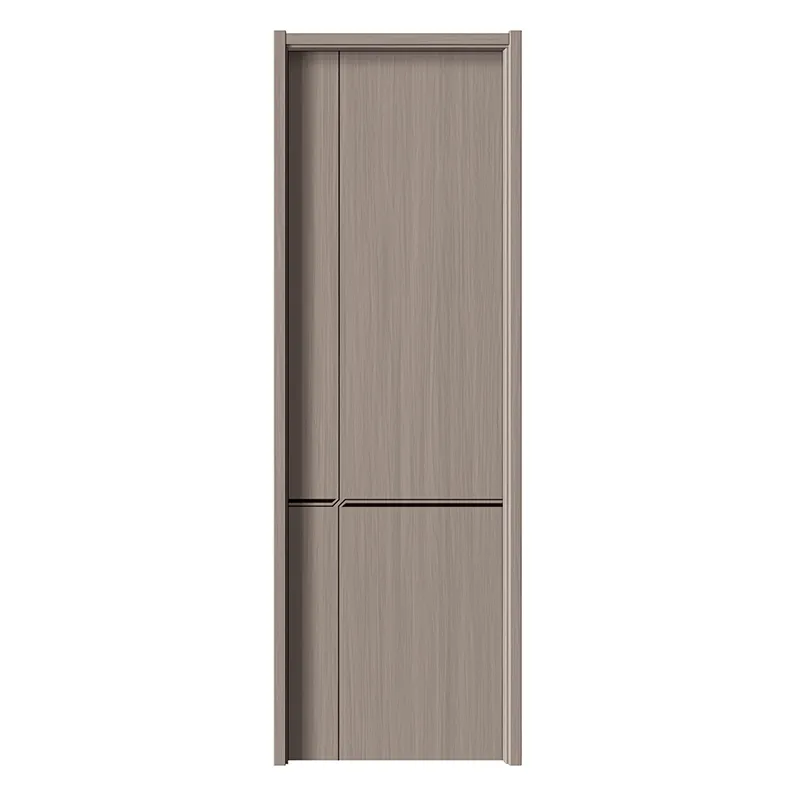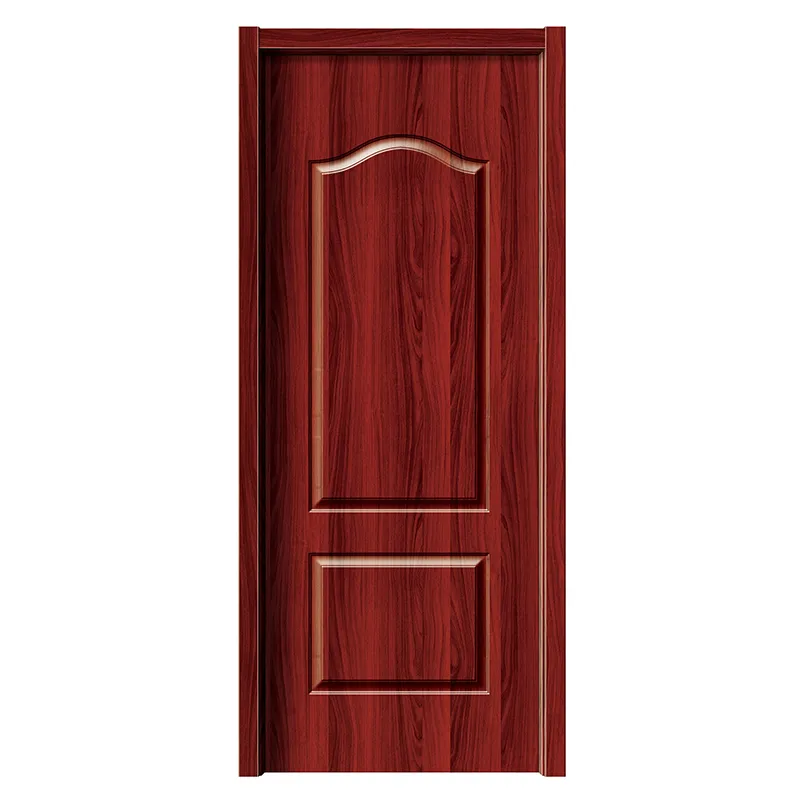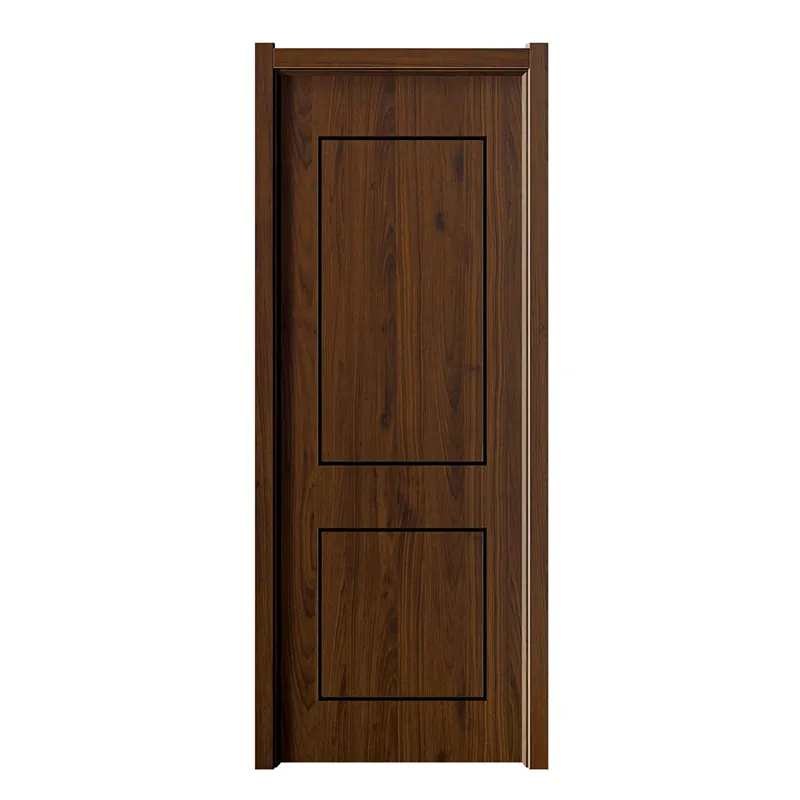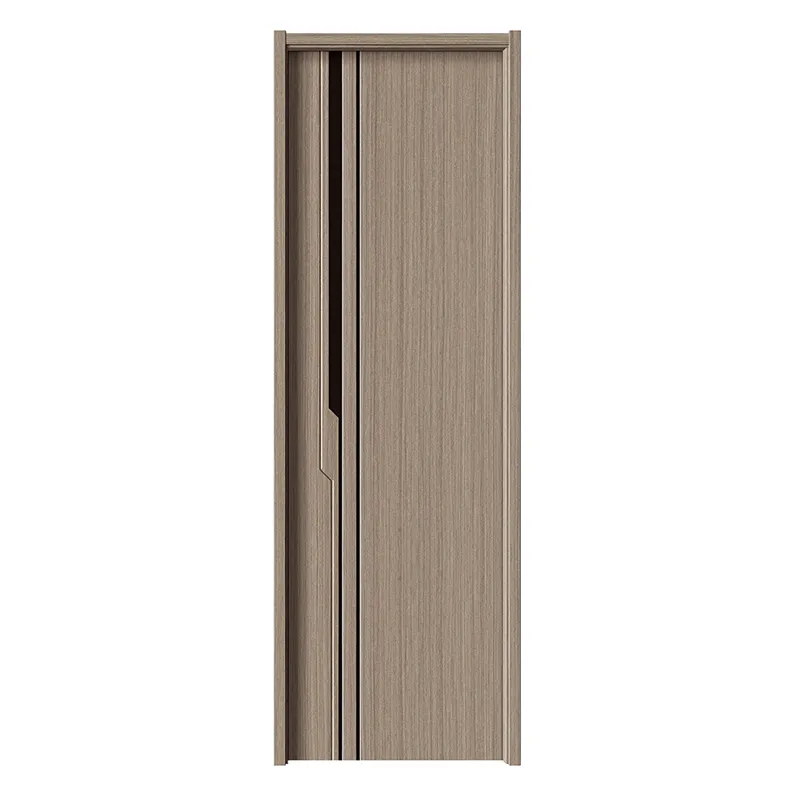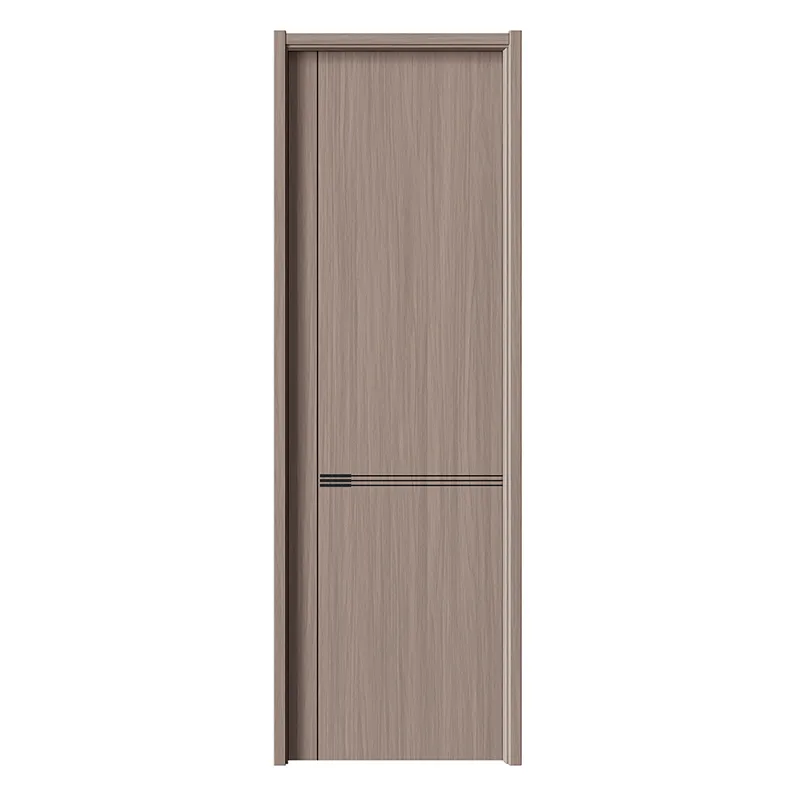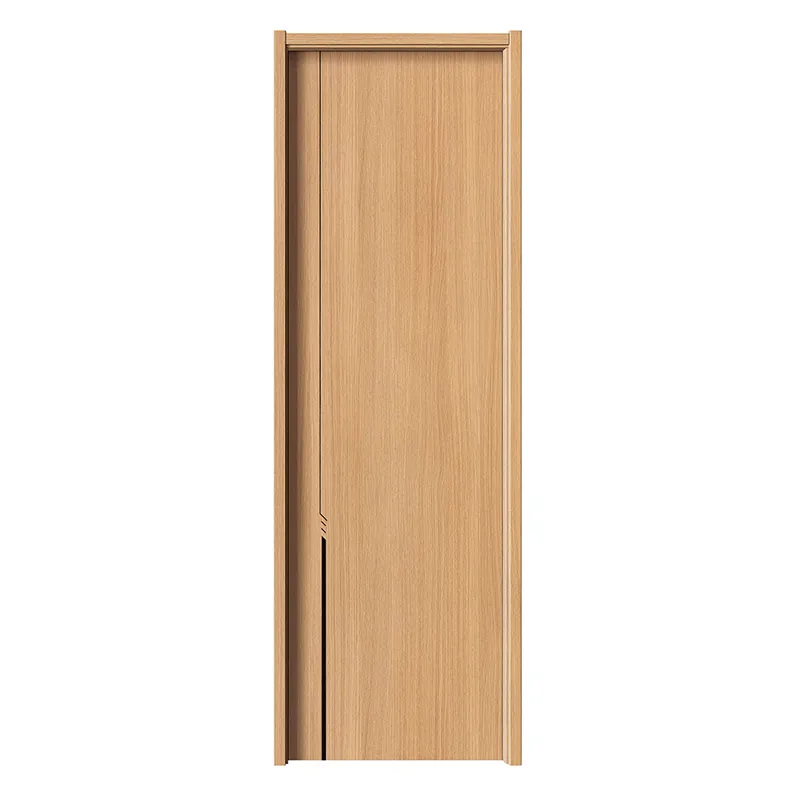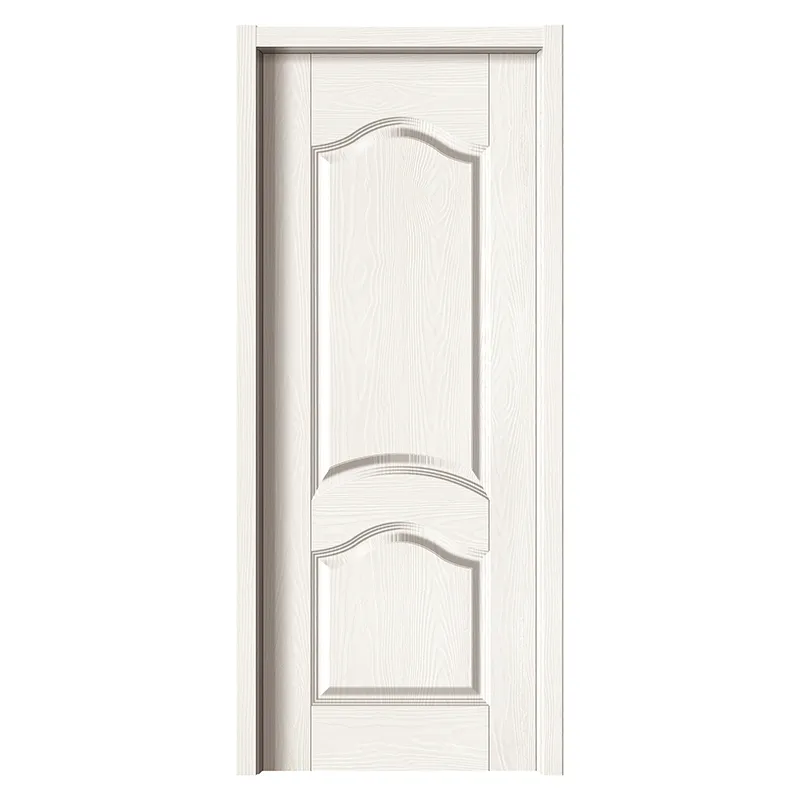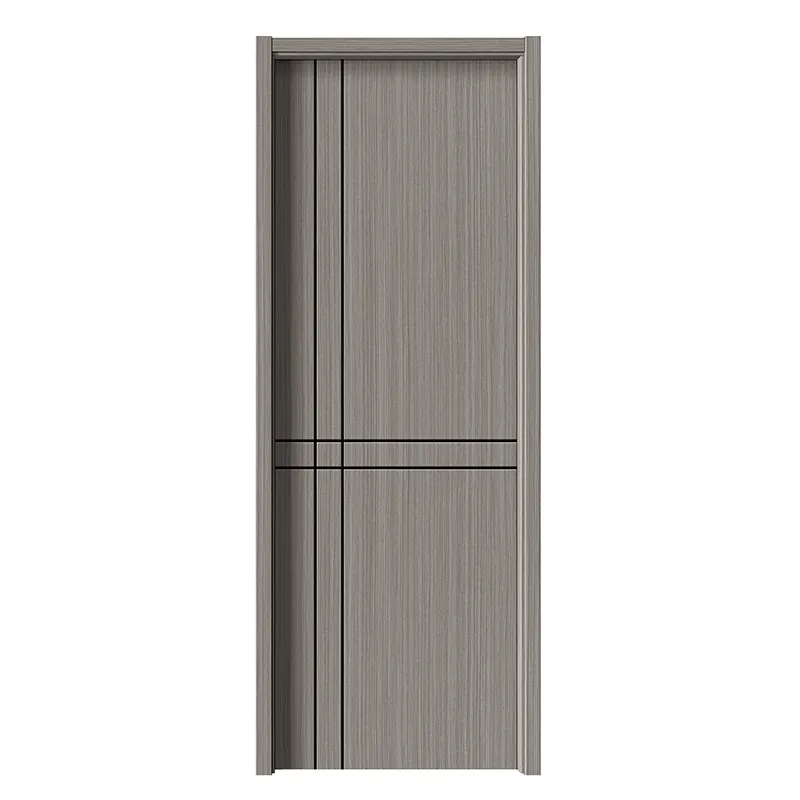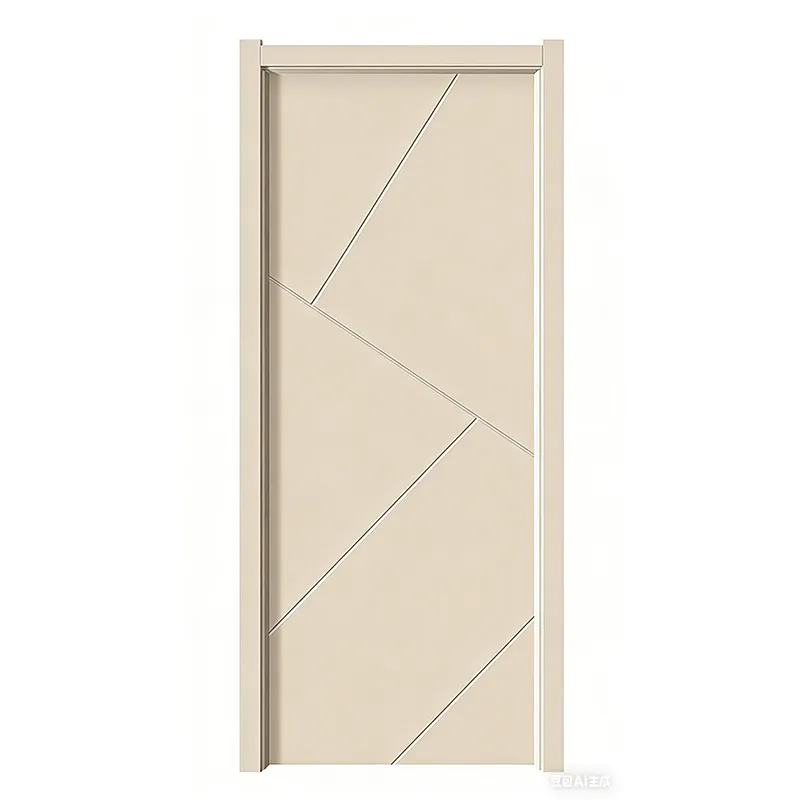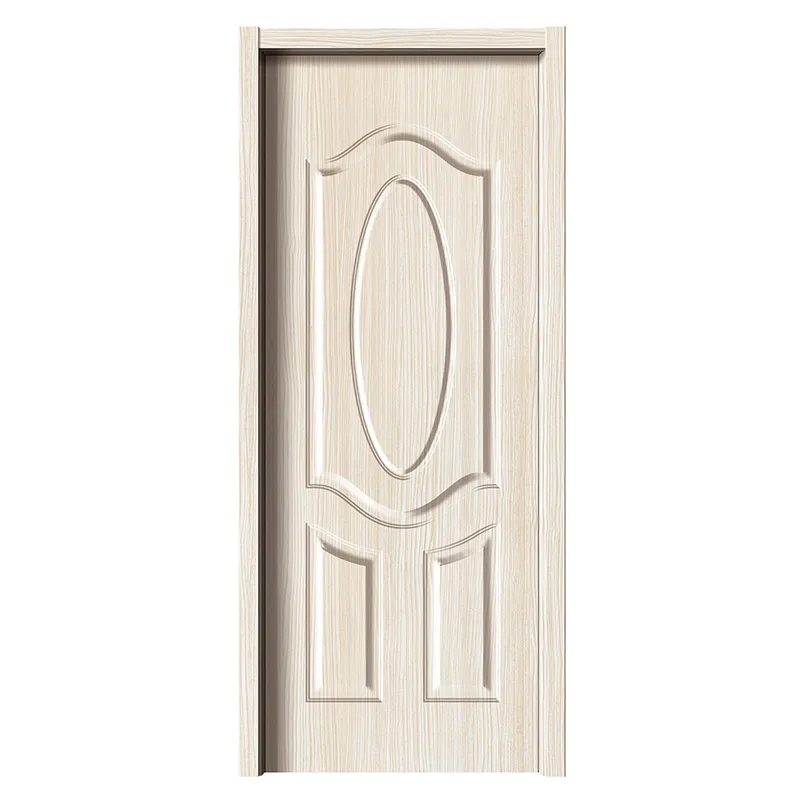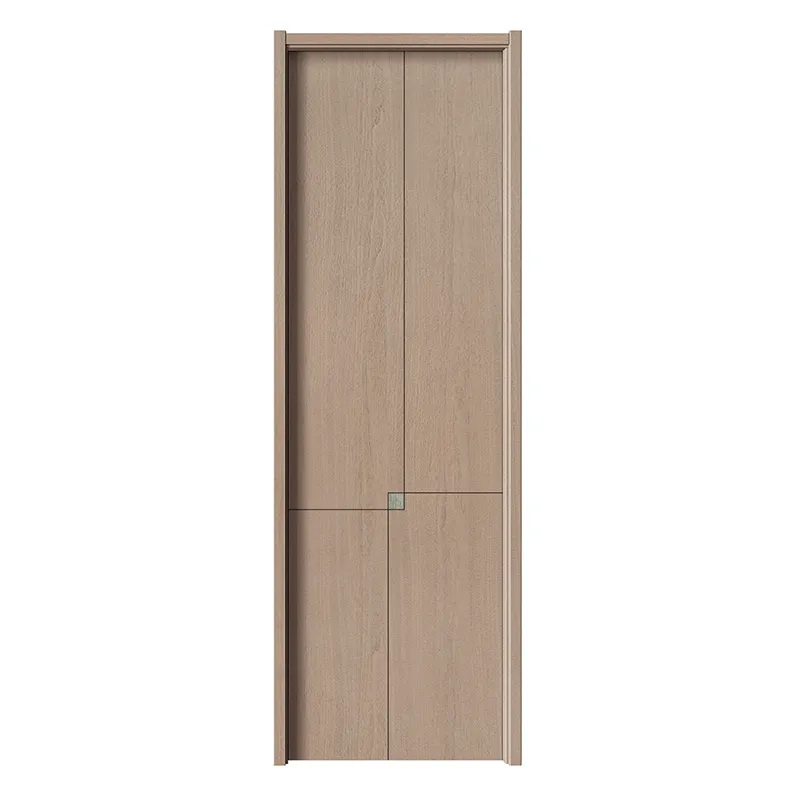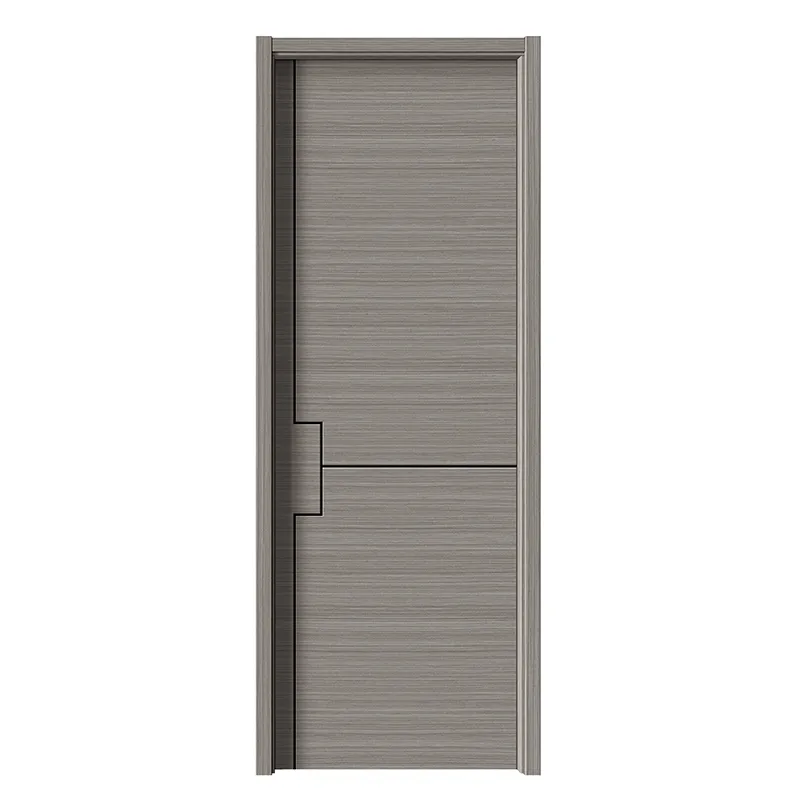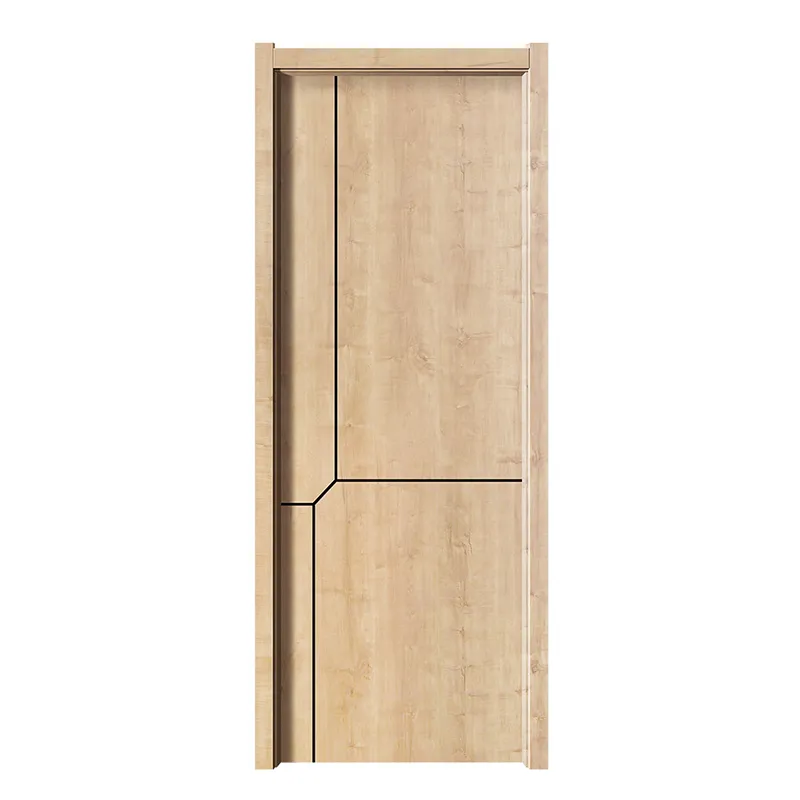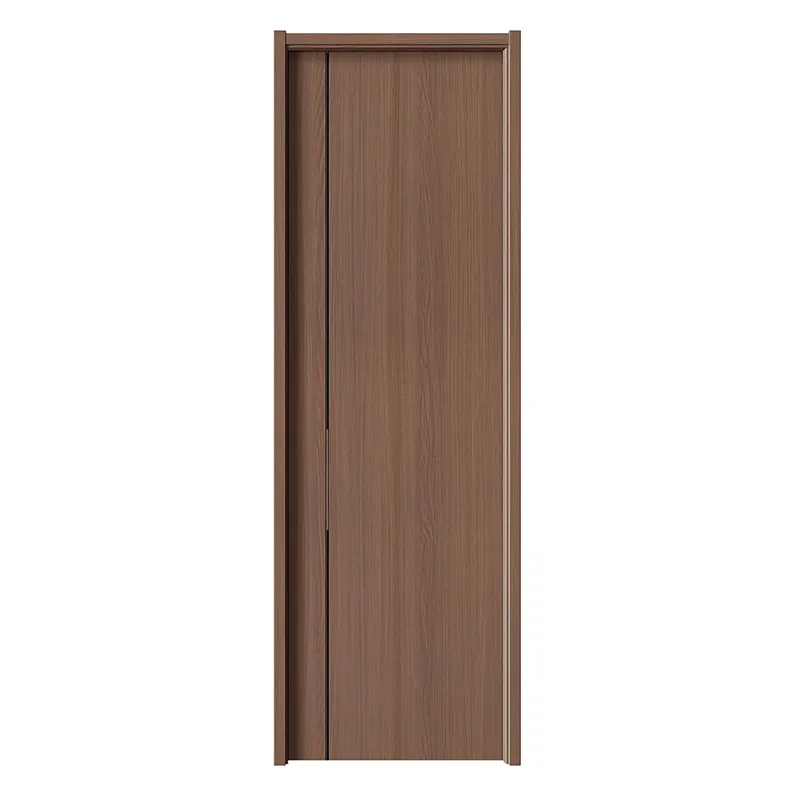



Wooden door in natural color
When a customer asks for a 'natural colored wooden door', 80% of the time what they mean is not what the manufacturer thinks. Often hidden behind this phrase is the desire to get “wood like in the picture” - warm, with a lively texture, without “chemicals”. But here’s the catch: raw wood without a coating on the door is nonsense; it simply won’t last long. Natural color is not a lack of processing, but a competent emphasis and preservation of that very natural aesthetics. Many colleagues make the mistake of offering just a light varnish or, worse, a white oak stain under this term. This is fundamentally wrong and kills the very idea.
Raw materials: the basis that cannot be hidden
It all starts with an array. If you take wood with a pale, inexpressive texture for “natural color,” everything is lost. The result will be boring, the door will look cheap, even if it is an expensive variety. Here we need species with character: oak, ash, walnut. But there is also a nuance here - oak can be cut radially or tangentially. For a natural design, where it is important to emphasize the pattern, the tangential one is often better suited - it gives those very expressive waves and growth rings. However, he is also more capricious in stability.
Working with suppliers likeAnhui Wantai Woodworking Co.,Ltd, I always pay attention to their approach to the selection of raw materials. On their websiteanhuiwantai.ruit is stated about strict control from the selection stage, and these are not just words. For a door in a natural color, it is critical that the lamellas in the laminated panel are matched not only by color, but also by the direction of the texture. Otherwise, the result will not be a picture, but a mess. Once I received a batch of shields, where this point was missed - I had to use them for less important projects where a covering coating was planned.
Humidity. It’s trite, but if the massif is not dried to the standard 8-10%, all the work is in vain. After installation, such a door will “lead”, cracks will appear, and microcracks will appear on the varnish. Natural color, unlike covering enamels, will not hide all these sins, but will put them on display. Therefore, you should trust only those whose process of drying and acclimatization of wood has been adjusted to automaticity.
Defense: Invisible Art
This is where the main professional secret lies. Natural color is not 'uncoated'. This is a multi-layer protection system that remains transparent. The average person thinks: 'It's been varnished'. In reality - a primer, perhaps a tinting composition (glaze) to enhance the texture contrast, and only then a varnish. And each layer affects the final shade.
We have previously experimented with oils for such tasks. Looks amazing, tactilely pleasant. But for an interior door in an active area, say in the kitchen, oil is not the best choice. It resists stains less well and requires more careful care. For commercial projects mentioned in its missionAnhui Wantai Woodworking Co.,Ltd, focusing on practical characteristics, modern varnishes with a matte or satin effect are still more reliable. They give less glare, which is beneficial for the natural texture.
The key point is the UV filters in the coating. Without them, any tree, even oak, will darken or turn gray over time under the sun. And it will no longer be the “natural color” that was originally wanted. The client must be warned about this. There is no perfect recipe: for south-facing windows it is sometimes worth considering a varnish with a higher UV block, even if it slightly gives a 'lens' effect. It's a compromise between here-and-now aesthetics and durability.
Design and Construction: Form Follows Content
If the door is conceived in a natural color, its design should be subordinate to this. Too elaborate, small panels can 'break' the integrity of the wood pattern. Classic large panels made of solid wood, tongue and groove - a win-win option. But there is also a trap here: a laminated board can give a difference in tone on a large plane if the lamellas are not selected ideally.
I would like to draw your attention to the approach to design of the mentioned company. Their description talks about the combination of aesthetics and practicality, as well as about the development team. This is important. Because a door in natural color is not a primitive shield. It can also be a complex design with glass inserts, where wooden elements act as a natural accent. The designer’s task is to make sure that wood and glass (or metal) do not argue, but complement each other.
Accessories. Handles, hinges. For doors in natural colors, I often recommend matte chrome, black mat or, in the classics, patinated bronze. Shiny polished brass can look too flashy and cheap. The hinges are better recessed (hidden) or, conversely, massive decorative ones - but this is already a matter of style. The main thing is that the fittings do not draw attention away from the main character - the texture of the wood.
Montage: where theory meets practice
You can make the perfect door and ruin everything during installation. Gaps. For natural color they are especially critical. If the door is hung with an uneven gap around the perimeter, the shadow will lie unevenly, and this will immediately catch the eye. Jeweller's precision is required, the same principle of 'building a business on precision', which is declared by serious manufacturers.
Lighting. This is a point that is often forgotten. The same onenatural colored wooden doorin a bright hallway with warm LED lighting and in a corridor with cold fluorescent light it will look like two different doors. I always ask the client to send a photo of the future installation site in daylight and artificial light. Sometimes, for harmony, you have to slightly adjust the shade of the glaze towards warmer or cooler tones.
Acoustics and weight. A solid oak door in a natural color carries serious weight. The hinges and box must be designed accordingly. And if we are talking about an office or room where silence is important, a solid wooden door itself is a good sound insulator. But the joints and the porch need to be thought out especially carefully, perhaps using special seals to match the wood.
The market and the final choice: what reality offers
Now there are many ready-made solutions 'natural wood' on the market. Often this is veneer covered with a textured film. For budget projects - an option, but not relevant to our topic. We are interested in solid wood or high-quality solid veneer. The price range is huge. Here it is important to understand what you are paying for: for the type of wood, for the complexity of the design, for the quality of the coating and, most importantly, for pre-sale preparation and logistics.
When you see in the portfolio of a company focused on the international market, howAnhui Wantai Woodworking Co.,Ltd, a variety of models for residential and commercial spaces, this speaks of adaptability. A door for a hotel and a door for a private villa in natural color are different doors in design and tolerances, even if they are made from the same oak. The hotel has higher requirements for wear resistance of the coating and standardization.
Final advice? Don't be afraid.Wooden door in natural color- this is not a museum exhibit, but living material. It will change over time, darken, and small marks may appear on it. And this is its beauty. The main thing is to start with an honest dialogue with the manufacturer or supplier, clearly defining the operating conditions and your expectations. And then this door will become not just a partition, but a real accent that will only look better over the years.
Correspondingproducts
Related Products