




Decorative wooden doors
When they talk about decorative wooden doors, many people immediately imagine something pretentious, fragile, almost a museum piece. This is perhaps the most common myth. In fact, a real decorative door is not just a piece of wood with carvings, but a complex product where aesthetics must go hand in hand with functionality. I often come across orders where the client wants something “beautiful”, but does not think about how this beauty will behave in a specific opening, with changes in humidity, or after five years of active use. It’s probably worth starting with this contradiction.
What is hidden behind the word 'decorative'?
It's not just panels and carvings. Decoration begins with the choice of solid wood - the texture of oak, ash, walnut is already a decoration in itself. Then comes work with the form: arched openings, hidden thresholds, glass inserts. But the key point that many people miss is proportions. You can take a beautiful type of wood and ruin everything with inappropriate, rough milling or an overly massive chamfer. A sense of proportion is everything here.
I remember one project for a country house near Moscow. The customer insisted on a complex Gothic ornament on a canvas made of light ash. It looked impressive in the sketch, but in real life, in a loft-style interior, the door turned into an alien, oppressive element. I had to explain for a long time that the decor should not scream, but conduct a dialogue with the environment. In the end, we settled on minimalist panels with an emphasis on the natural grain of the wood - and the room began to breathe.
Here, by the way, the philosophy of companies that work for the international market is clearly visible, likeAnhui Wantai Woodworking Co.,Ltd. Their website (https://www.anhuiwantai.ru) directly indicates the desire to combine aesthetic design and practical characteristics. These are not empty words. A global client, be it in Europe or Asia, no longer buys a pretty picture - he needs a guarantee that the door will not dry out or warp.
Practice: where mistakes are most often made
The main mistake is saving on preparing the opening. The most expensive, perfectly assembled door can be ruined by crooked slopes and incorrectly positioned frames. Cracks, drafts, difficult movement of the canvas - all these are consequences of haste at the installation stage. I always require my teams to check everything to the level with fanaticism, even if it takes an extra day.
Another subtle point is processing and finishing. Stain, varnish, oil... Clients sometimes choose a coating based only on the color catalog. But you need to take into account the load. A kitchen or hallway needs a durable, easy-to-clean coating, often at the expense of tactile sensations. For a bedroom or office, you can afford matte oil, which will emphasize the warmth of wood, but will require more careful care.
I had an unpleasant experience with a batch of doors made from the so-called 'thermowood'. The manufacturer promised increased stability to moisture. But in intense sunlight (south side, panoramic windows), the coating on several canvases faded unevenly over two years. I had to figure it out and change it. Conclusion: even with modern materials you cannot let your guard down. You need to ask for real reviews and, if possible, test samples.
Production nuances that are not visible in the photo
Qualitydecorative wooden doorslaid in the workshop. A modern production base is not just machines, but above all humidity control. The lumber must be properly dried and acclimatized in the room where assembly takes place. Otherwise, even the most accurate milling will give a gap after a season.
The assembly of the shield is very important. If the canvas is paneled, then the grooves and tenons must be perfectly adjusted, taking into account the possible movement of the wood. Some manufacturers save money by attaching panels to the glue 'tightly'. This is a grave mistake - the tree must 'breathe', otherwise it will tear. Correct design requires technological gaps hidden from view.
The design and development team he talks aboutAnhui Wantai Woodworking Co.,Ltdin its description, it is important precisely for this purpose - so that a beautiful sketch is correctly translated into working drawings, where all carpentry components and tolerances are taken into account. Without this step, even an experienced on-site technician may encounter an insoluble problem.
Case: integration into a finished renovation
Often you have to work with a situation where the renovation is almost complete and you need to fit a door. This is aerobatics. Here, it is not so much production that comes to the fore, but rather accurate measurements and non-standard solutions. For example, the walls may not be vertical, and the floor may have a slope. A standard box will not fit.
In this case, we go to the manufacture of additional parts of complex shapes or use adjustable boxes that allow us to level out small differences. The color of the coating also has to be selected 'live', based on a sample, since lighting in the workshop and in the apartment can radically change the perception of the shade.
Working for the international market and meeting the diverse needs of global clients is precisely about the ability to solve such non-standard problems. In residential and commercial spaces in different countries there are different standards of openings, climatic conditions, and aesthetic preferences. There is no universal recipe, flexibility is needed.
Bottom line: price, value and smart choice
In the end it's a choicedecorative wooden doordepends on understanding its value, and not just the price. A cheap door with deep milling can turn out to be an expensive pleasure if it has to be replaced after three years. An investment in high-quality fabric from a trusted manufacturer who adheres to the concept of “building a business on precision, winning on quality” pays off over many years of service.
Strict adherence to standards at all stages - from the selection of raw materials to process control - is not marketing, but a necessity. As a specialist, I always advise clients to be interested not only in the gallery of works, but also in technological maps, methods of drying wood, and warranties for fittings.
The door is the face of the room and its protection. And when decorativeness comes from an understanding of the nature of the material, and not from the desire to simply decorate, the result is a truly durable and harmonious product. It is precisely this balance, in my opinion, that is worth striving for, whether you are a private master or a large company entering the international arena.
Correspondingproducts
Related Products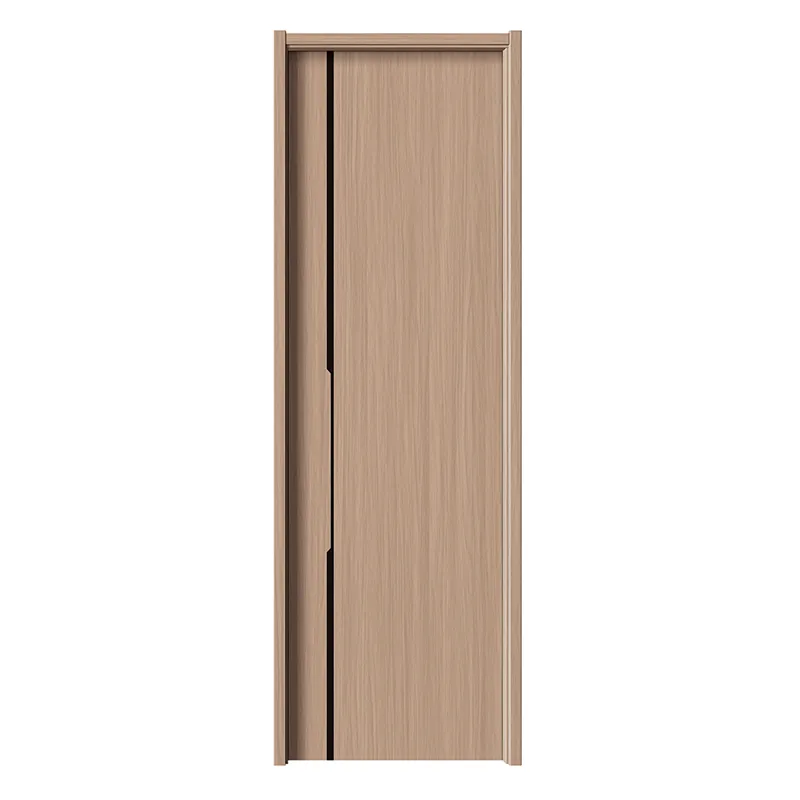
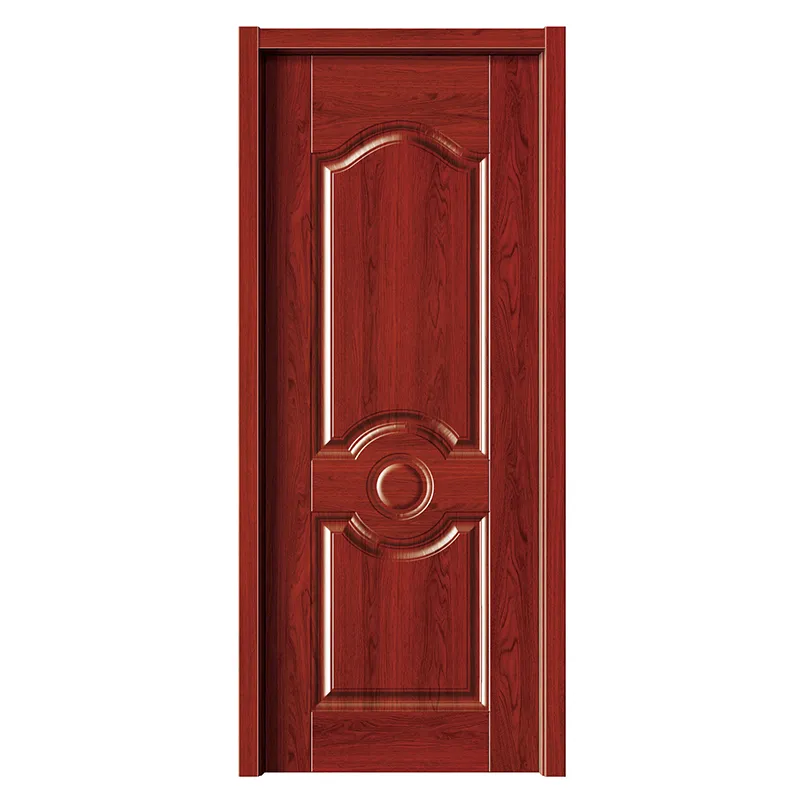
Best Sellingproducts
Best Selling Products-
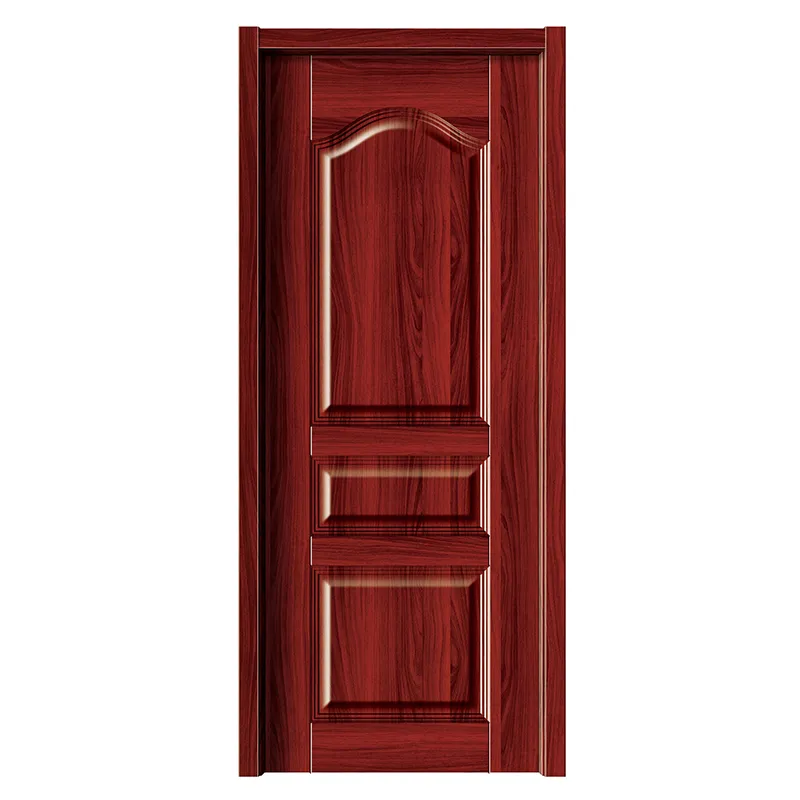 YST-203 Door Red team
 -
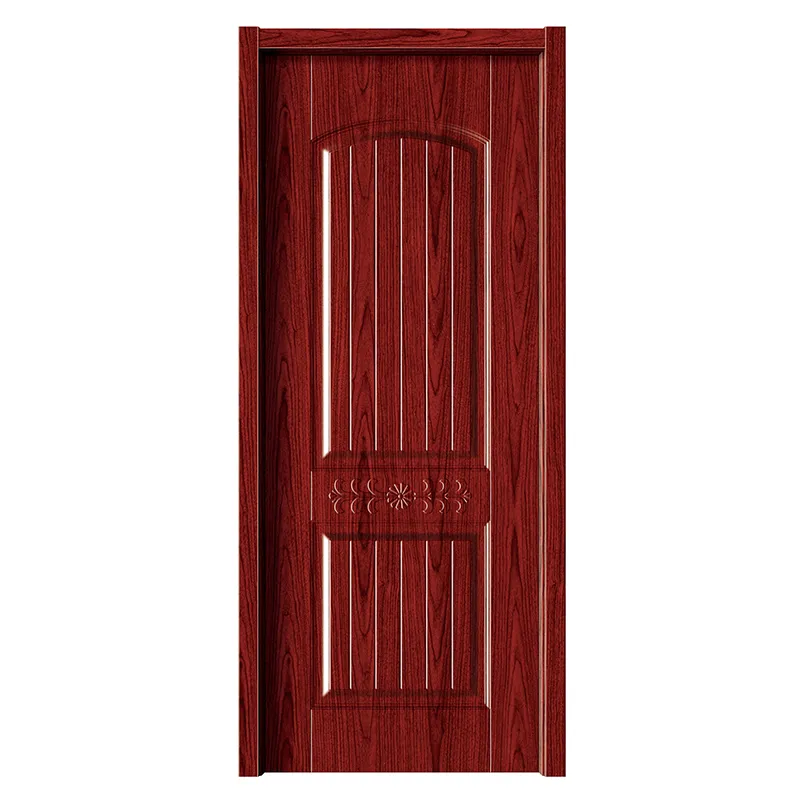 YST-233 Door Mahogany
 -
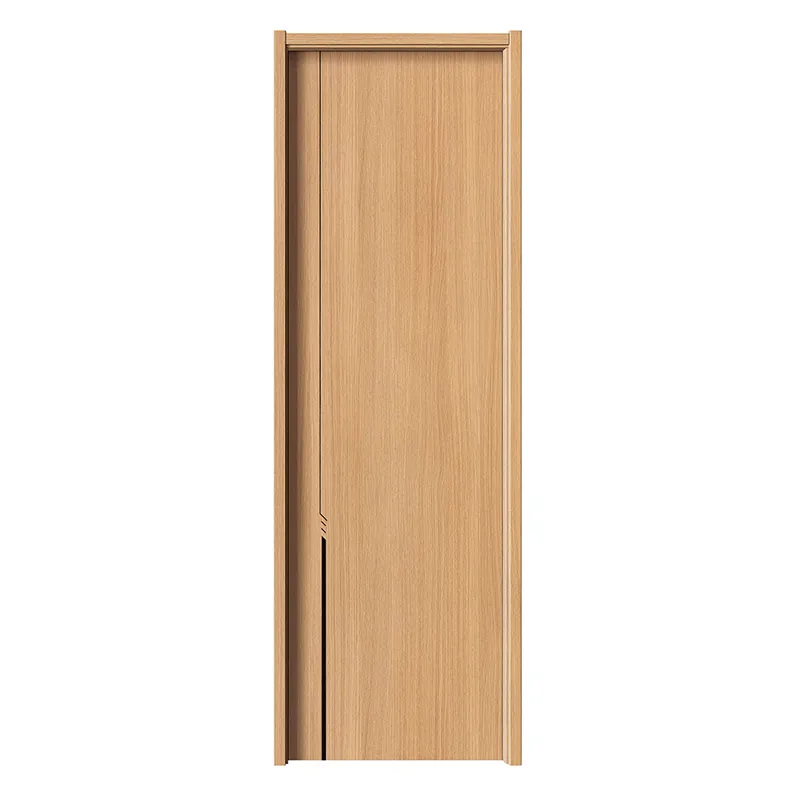 YST-1041 Door Oak Shutter
 -
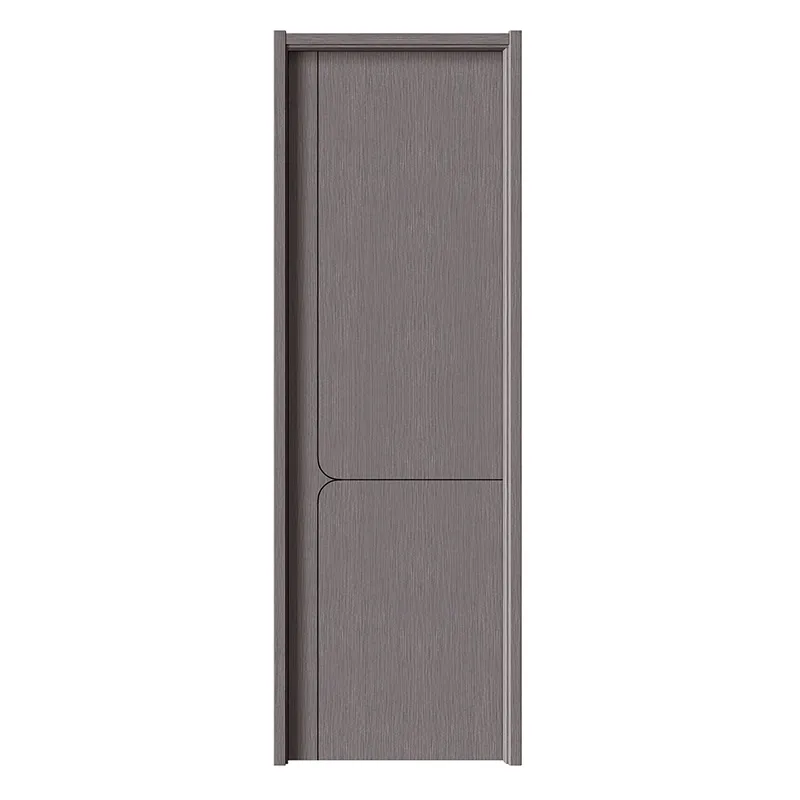 YST-1001 Door Chiaroscuro tree 2
 -
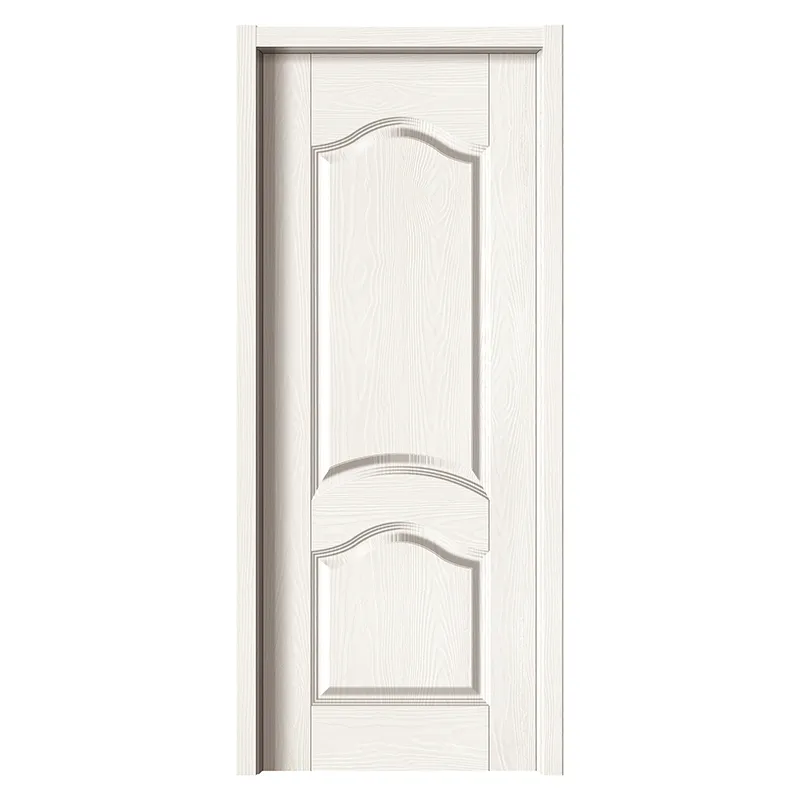 YST-224 Door Warm white with relief
 -
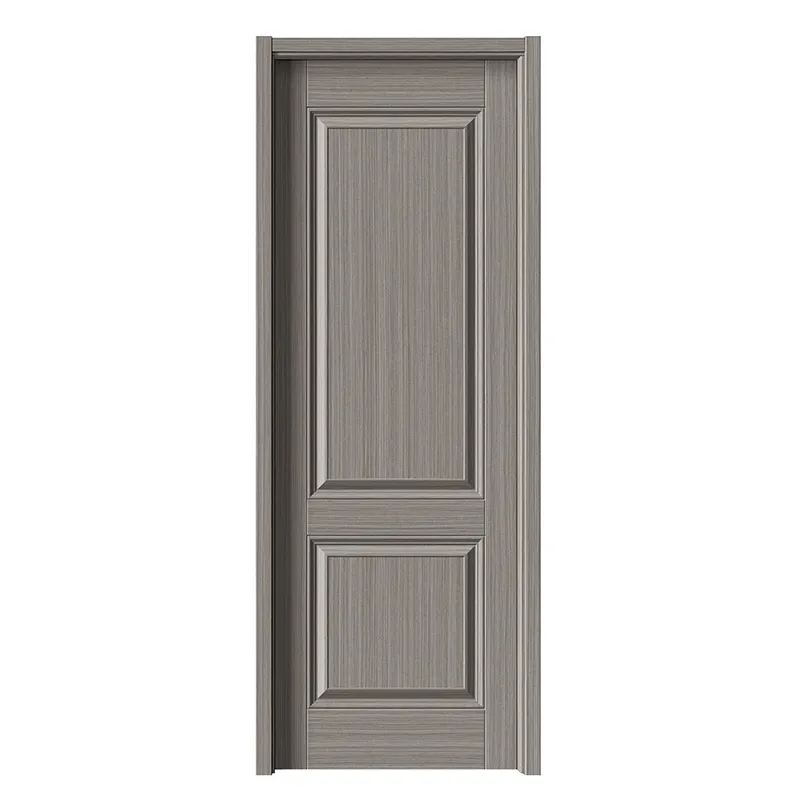 YST-214 Door Technowood 2
 -
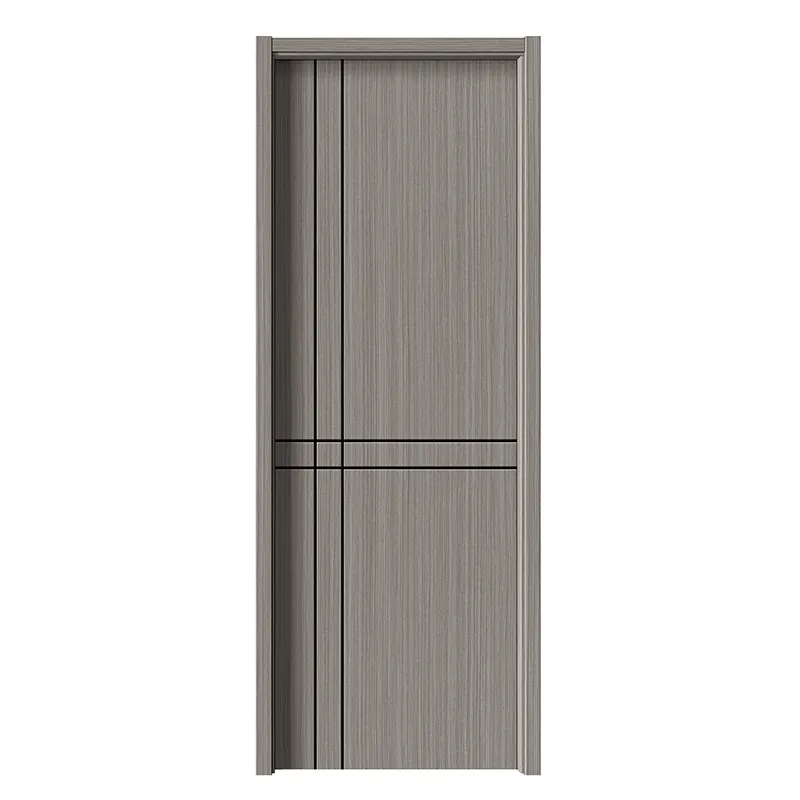 YST-1004 Door Technotree 2
 -
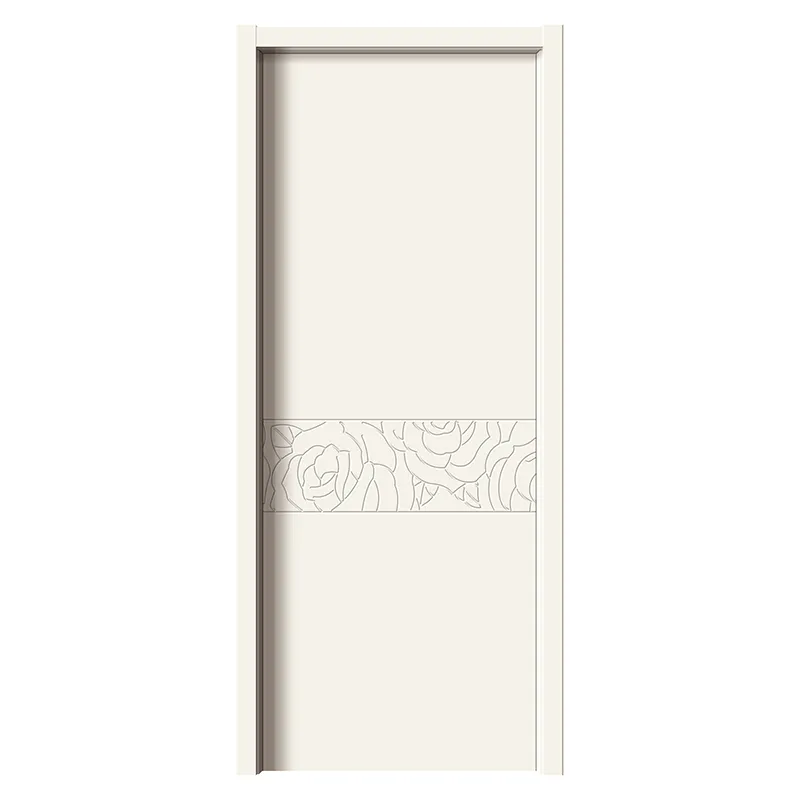 YST-238 Door White ivory
 -
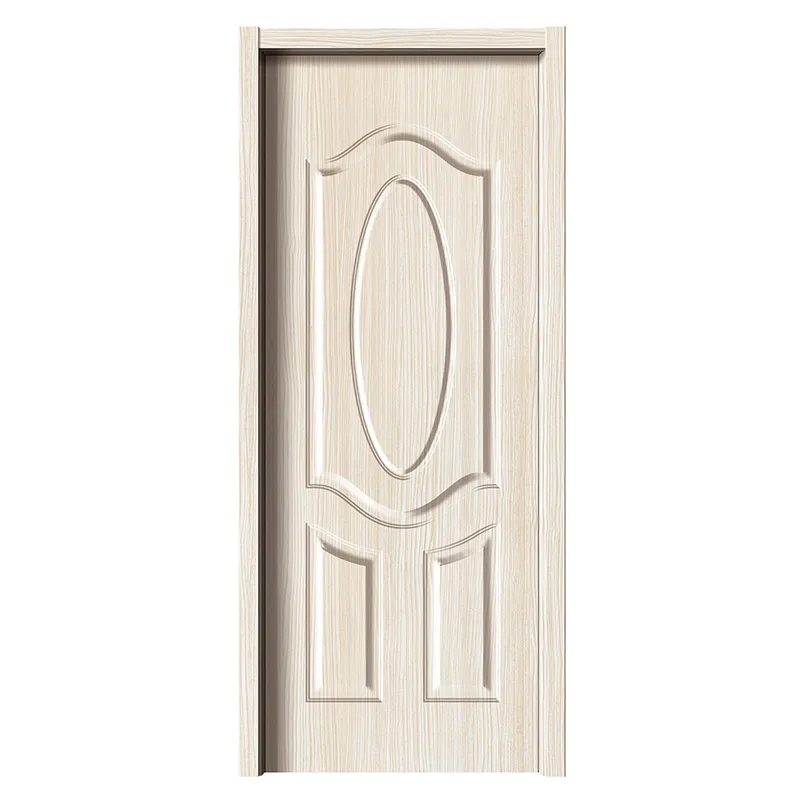 YST-216 Door White Maple
 -
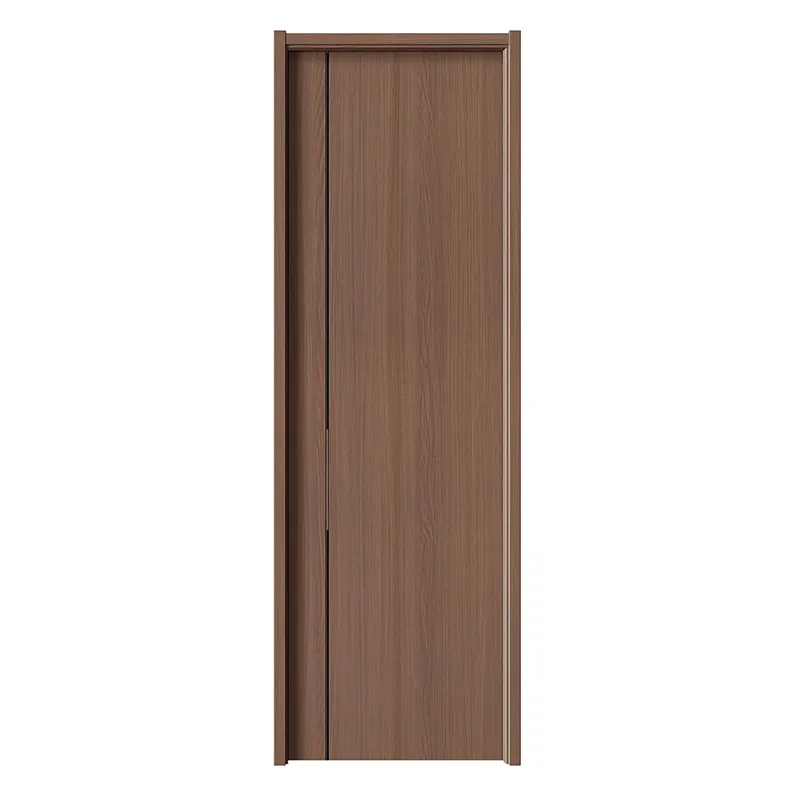 YST-1043 Door Techno-walnut 3
 -
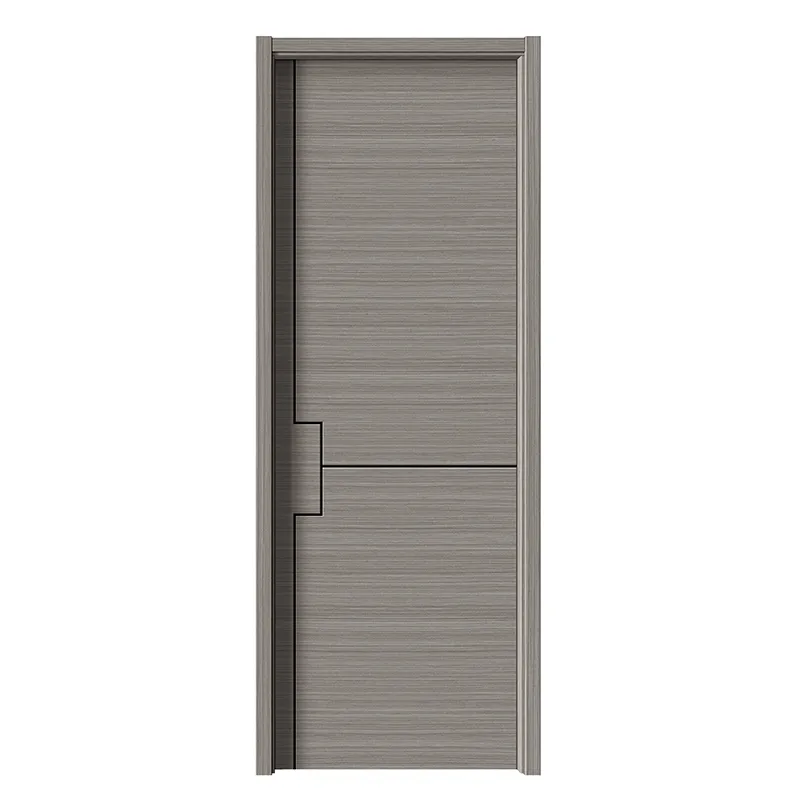 YST-1005 Technotree Door 2
 -
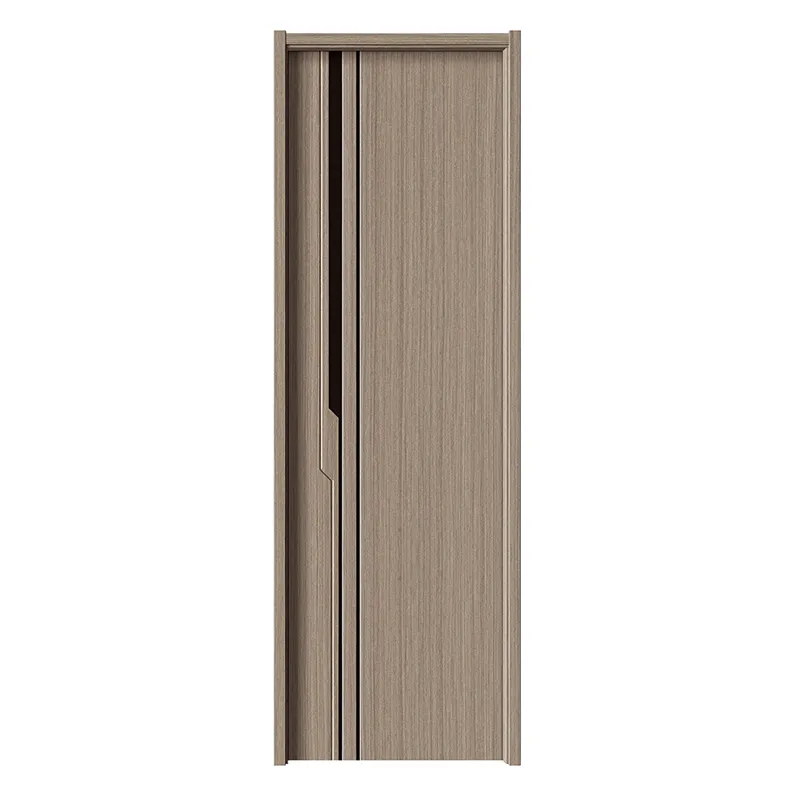 YST-1018 Technowood Door 1