



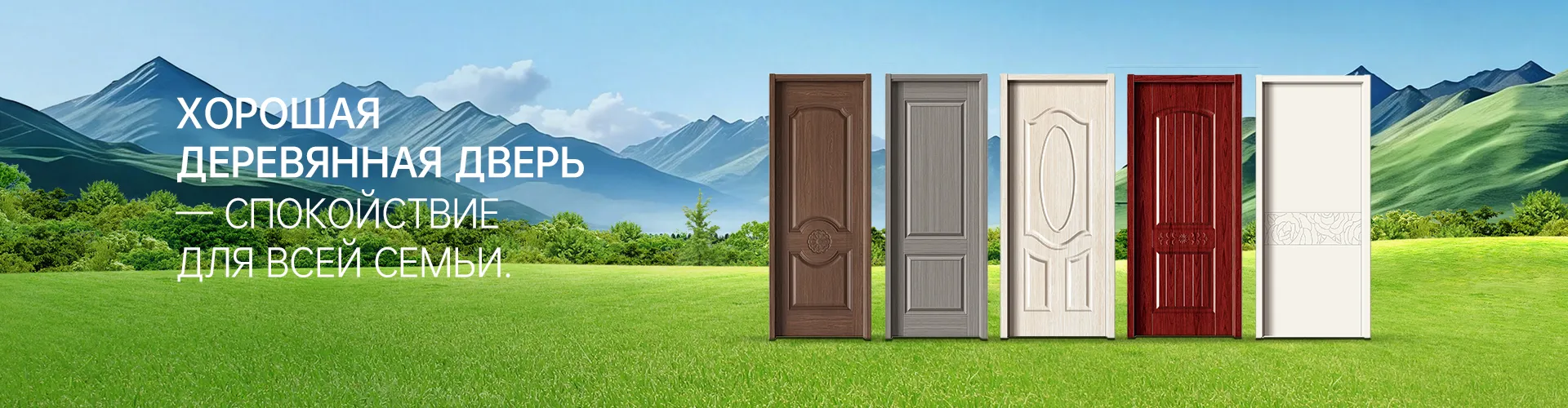
Wooden door in a light luxury style
When a customer asks for “light luxury?” in a wooden door, he often has a glossy picture in his head: perfect matte oak, the finest milling, expensive fittings, but at the same time a feeling of airiness, and not massive palace chic. The problem is that many, especially those who are experiencing this for the first time, confuse “light luxury”? just with an expensive door. But this is not entirely true. It's more about balance: the materials should be premium, but the design should be restrained, the lines should be clean, and the overall impression should be unobtrusive but flawless. Let me tell you right away that achieving this in production is more difficult than it seems. It's not enough to take good wood and paint it a trendy color. Every detail is important here: from the choice of wood species and the method of cutting it to the depth of patination and the type of matte varnish.
What is actually hidden behind the term?
In my practice, “light luxury” - these are often doors made of solid oak or ash, but not rough, but with a polished, almost silky surface. Color - natural shades: gray oak, light walnut, bleached ash. The fittings are matte black or aged brass, but without being too pretentious. And most importantly - the profile. It can be thin, with neat panels or even hidden panels. The goal is not to overload the door with decor, but to give it character. For example, shallow hand-picking along the edge of the panel creates a play of light and shadow, which already adds depth.
A common mistake in workshops is to try to achieve this effect through cheap imitations. They apply the film under oak? on MDF, they put simple fittings and call it “economy luxury”. The result is always disappointing: there is no tactility, warmth of wood, or durability.Wooden door in a light luxury styleby definition cannot be budgetary. Its value is as raw materials and hours of painstaking handwork. I saw how on one of the projects the customer, having saved on the door, then spent three times as much on correcting the acoustics - the cheap hollow structure simply did not hold the sound.
Here, by the way, it is worth mentioning companies that work with this consciously. Here, for example,Anhui Wantai Woodworking Co.,Ltd(website -anhuiwantai.ru). They position themselves as a supplier to the international market, and their approach shows this focus on global trends. From their description it is clear that the emphasis is on a combination of aesthetics and practicality, which is precisely the essence of “light luxury”. It is important that they have their own production base and development team - this allows them to control the process from raw materials to final control, and not just assemble doors from ready-made components.
Raw materials and their “character”: why the breed is just the beginning
Everyone says "oak". But oak is different from oak. Radial cutting will give a stable, noble texture with medallions. Tangential - more picturesque, wavy. For "light luxury" the first option is often chosen - it is stricter. But there is a nuance here: the wood must be well dried, otherwise after six months the door may begin to leak and cracks will appear. We once worked with a batch of ash where the drying was carried out in violation of the technology. It seems that the doors looked perfect when they left the factory, but after installation in a cottage with panoramic windows (sun, humidity changes), after a few months a fine network of internal cracks appeared under the varnish. I had to change it.
Another key point is surface treatment. Matte finishes, which are currently in trend, are technically more demanding than glossy ones. Any scratch, any stain on matte varnish is more noticeable. Therefore, finishing coatings must be of the highest quality, resistant to abrasion and UV radiation. Sometimes oil-wax is used to achieve the desired tactile sensation, but this is less practical for doors in active areas, such as the kitchen.
CompanyAnhui Wantai Woodworking Co.,Ltdin his philosophy he mentions the principle “build a business on precision, win with quality?”. In the context of raw materials, this means careful selection and control at the input. Without this, all talk about luxury, light or not, is meaningless. The modern production facilities they describe usually include both climate chambers for drying and laboratories for testing samples.
Construction and fittings: invisible work
Luxury is in the details that are not immediately apparent. Loops. For a heavy wooden door, ordinary card hinges are not suitable - they will sag over time. You need hidden or screw-in hinges with adjustment in three planes. Their installation requires high precision marking and milling. A mistake of a couple of millimeters and the door will be warped. I had a case where installers, accustomed to working with lightweight doors, did not take into account the weight of an oak door and installed weak hinges. A month later they began to be torn out of the box.
Locks and handles are a separate issue. Matte black steel is all the rage right now. But it is important that the coating is durable and not just painted. Otherwise, after a year of active use, abrasions to shiny metal will appear. The lock mechanism should operate silently and smoothly. A creaking or sharp click kills the entire feeling of quality. In the segmentlight luxuryHidden-mounted closers built into the floor or hinges are often used. It's a clean, minimalist solution.
The design of the canvas itself is also important. To ensure that the door is both strong and not too heavy, sometimes combined technologies are used: the frame is made of solid wood, and the internal panels are made of high-density engineered wood. This ensures geometry stability. Companies that work for export, likeAnhui Wantai, are usually forced to comply with strict international standards for sound and thermal insulation, which also affects the internal filling of the door.
Montage: where theory meets practice
You can make a perfect door at the factory and completely ruin it on site. Installation is 50% of success. The wall must be level, the opening must be properly prepared. A common problem in old houses is skewed openings. If you simply push a frame into them, the door will never close perfectly. You need to either plaster the walls again, or use adjustable boxes, which, by the way, is an excellent solution for repairs without global destruction.
Gaps. According to the standard, they should be 2-3 mm around the perimeter. If more, there will be drafts and poor sound insulation. If it is less, the door may rub due to seasonal swelling of the wood. After installation, you need to let the door ?acclimatize? in the room for at least a day before final adjustment of the fittings. We always do this, but not all installers consider it necessary.
And more about the installation. When a company supplies products to the international market, howAnhui Wantai Woodworking Co.,Ltd, it must provide for the installation to be carried out by different people in different countries. Therefore, ideally, the door should come with clear, detailed instructions, and the design itself should be thought out for relatively simple and error-free installation. This is also part of quality.
Bottom line: light luxury as a result of a systematic approach
As a result,wooden door in light luxury style- this is not a specific product, but a result. The result of the right choice of materials, precise design, quality production and professional installation. This is a story about when a door does not scream about its price, but every element of it, from tactile sensations to quiet movement, speaks of thoughtfulness and quality.
This segment is interesting because you can’t cheat here. A client who chooses such a solution usually understands quality or trusts professionals. Therefore, for the manufacturer it is a challenge and an opportunity to show their skills. Working with such projects, be it a private home or a commercial space, requires a full control cycle.
So when I see company websites likeanhuiwantai.ru, which claims modern production, a design team and control at all stages, I understand that they are aimed specifically at this demanding segment. Their goal is not just to sell a door, but to provide a complete solution that will satisfy the need for aesthetics, functionality and durability. And this, perhaps, is the modern understanding of light luxury in the interior - this is a conscious choice in favor of genuine quality, which lasts for years and brings daily pleasure from use.
Correspondingproducts
Related Products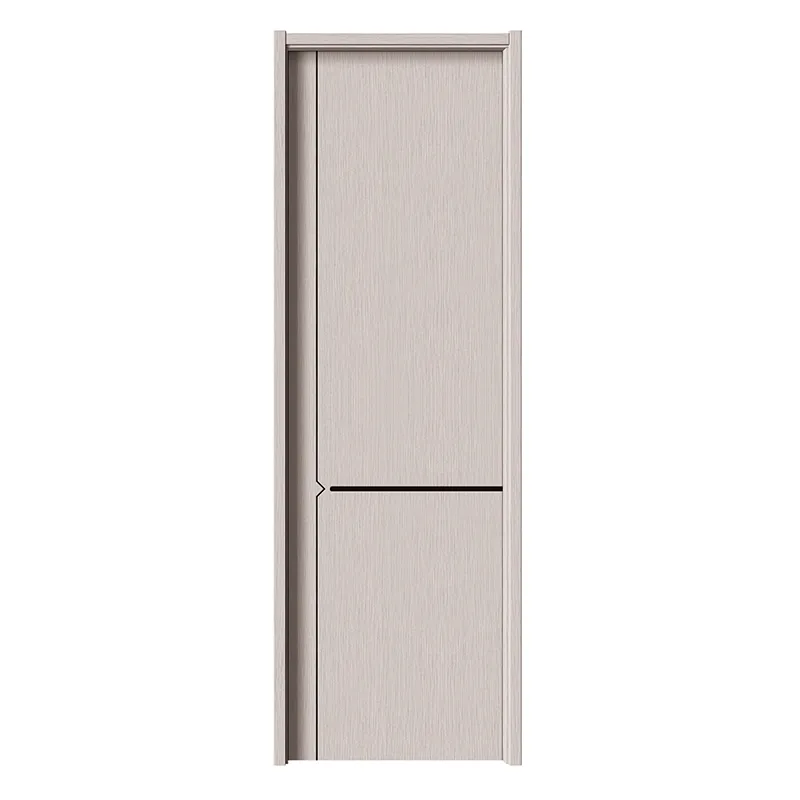
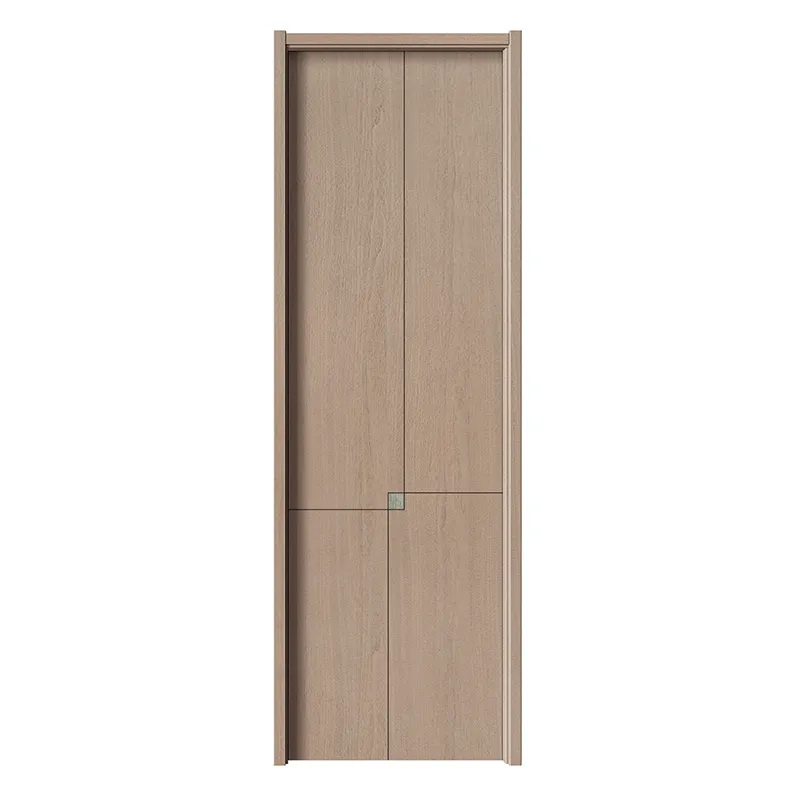
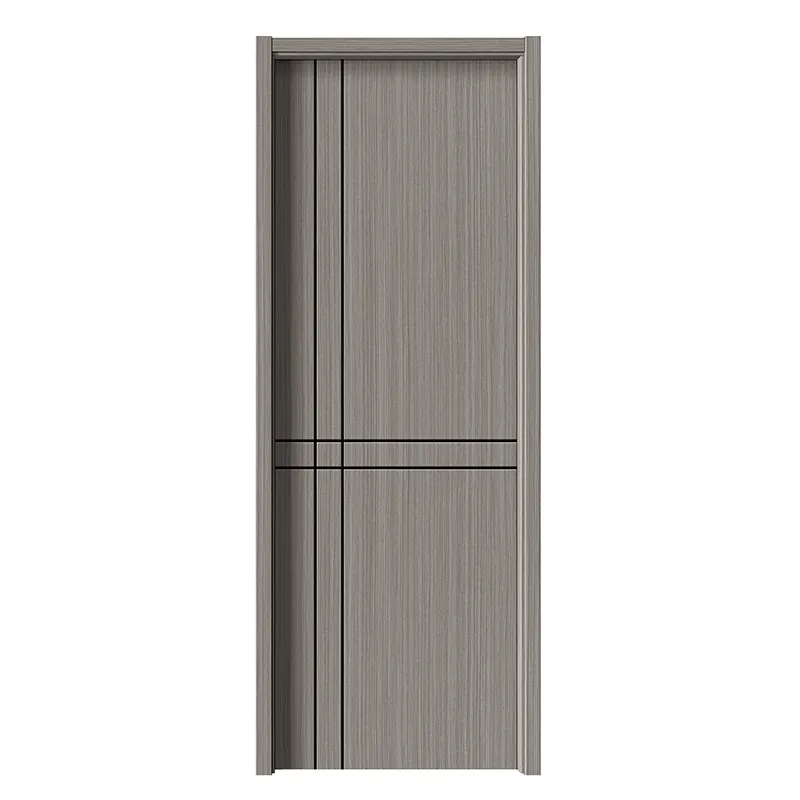
Best Sellingproducts
Best Selling Products-
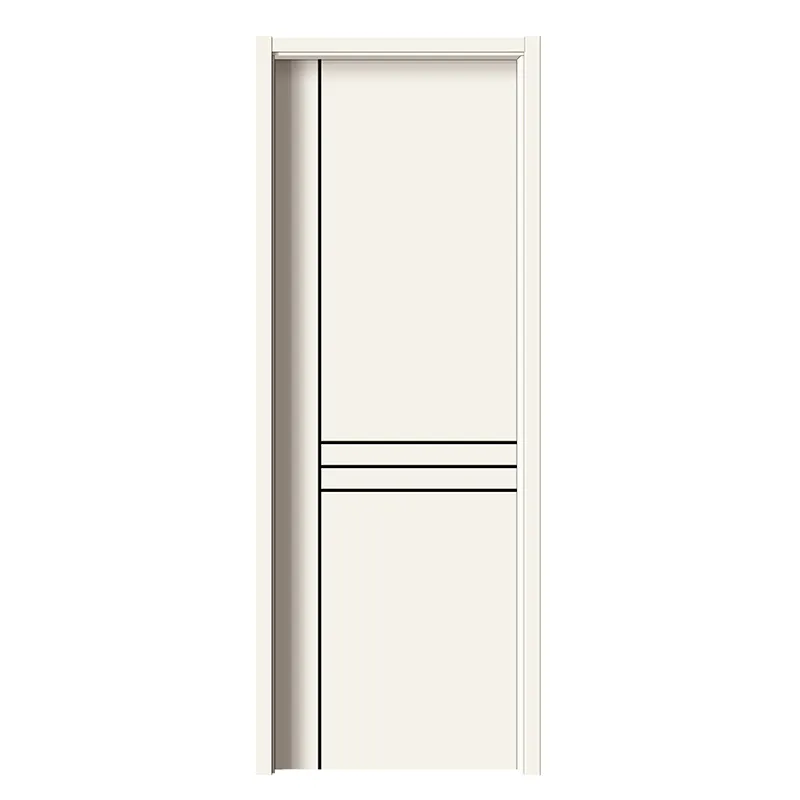 YST-220 Door Warm white
 -
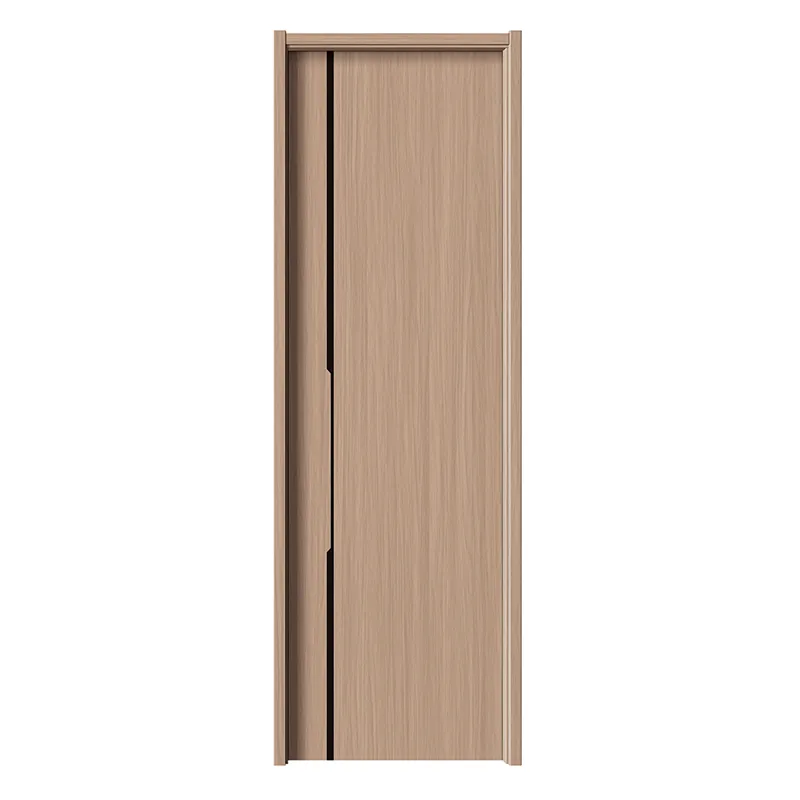 YST-1029 Door Translucent light shade 1
 -
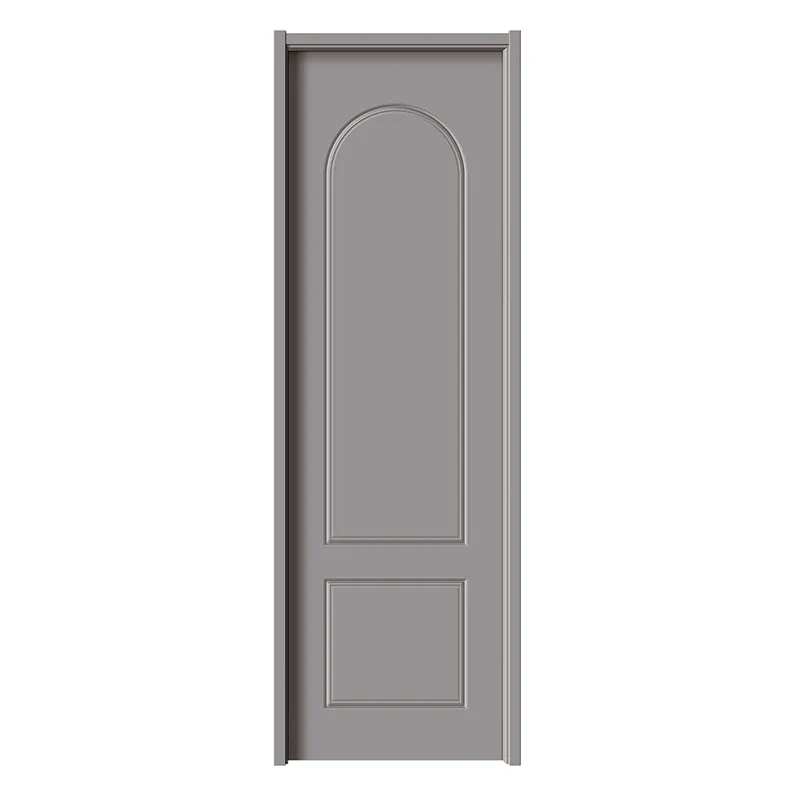 YST-241 French Door 1 soft stone gray
 -
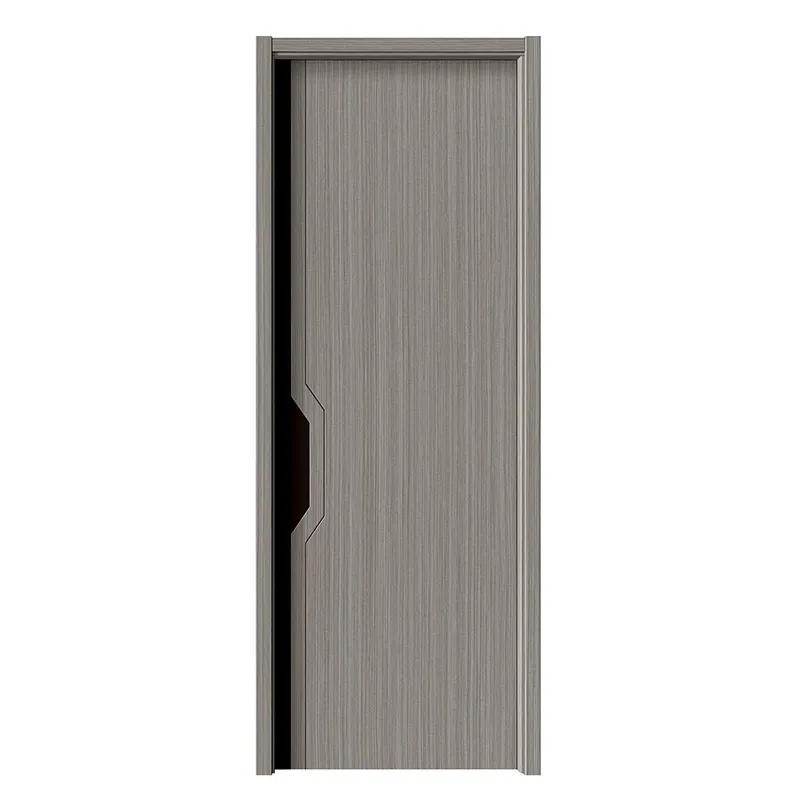 YST-1007 Technotree Door 2
 -
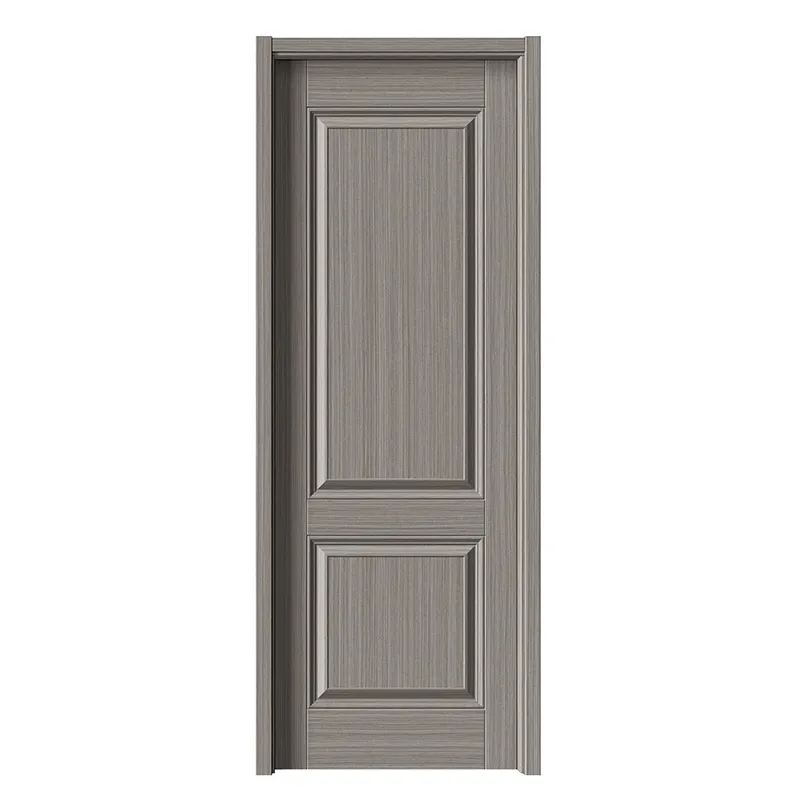 YST-214 Door Technowood 2
 -
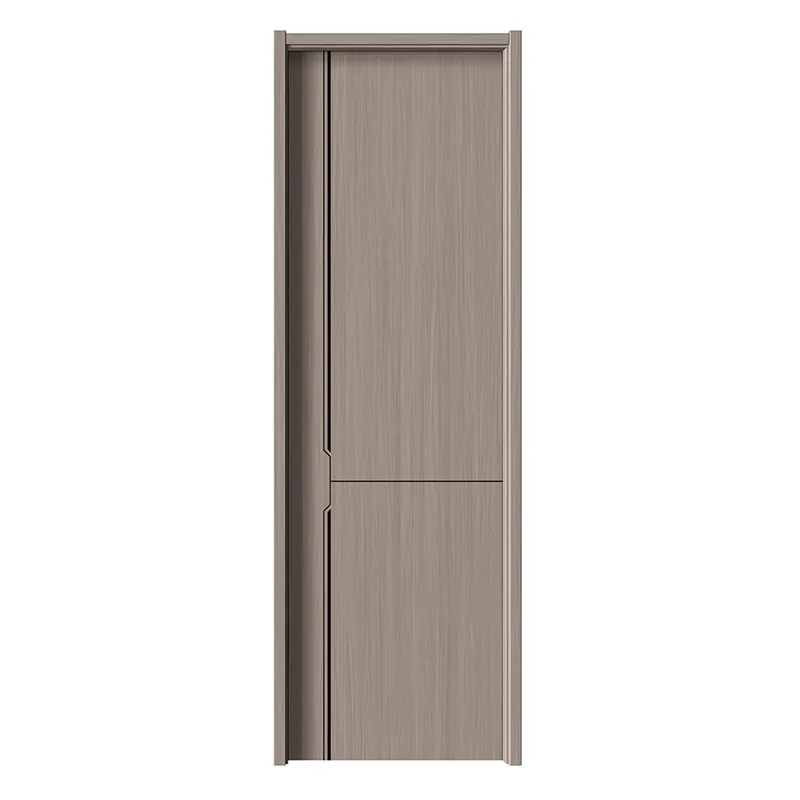 YST-1011 Door Translucent light shadow 3
 -
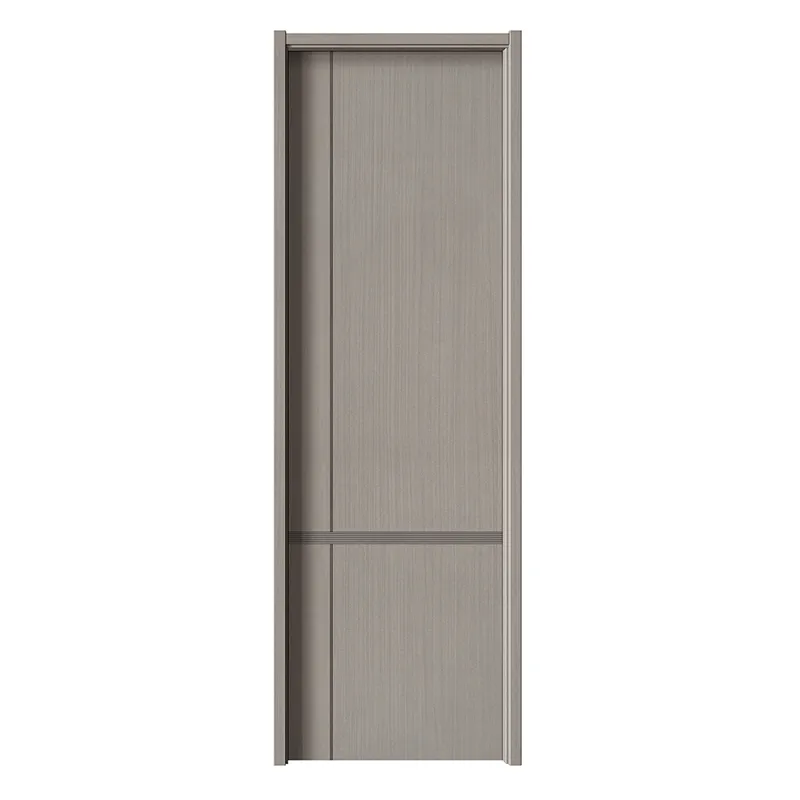 YST-1013 Door Cloud Walnut 1
 -
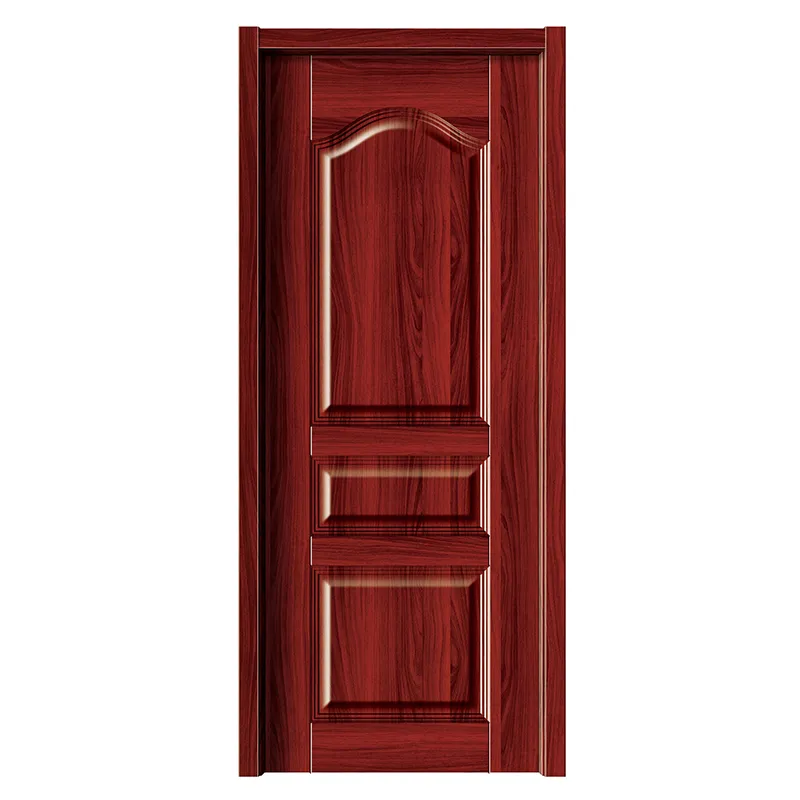 YST-203 Door Red team
 -
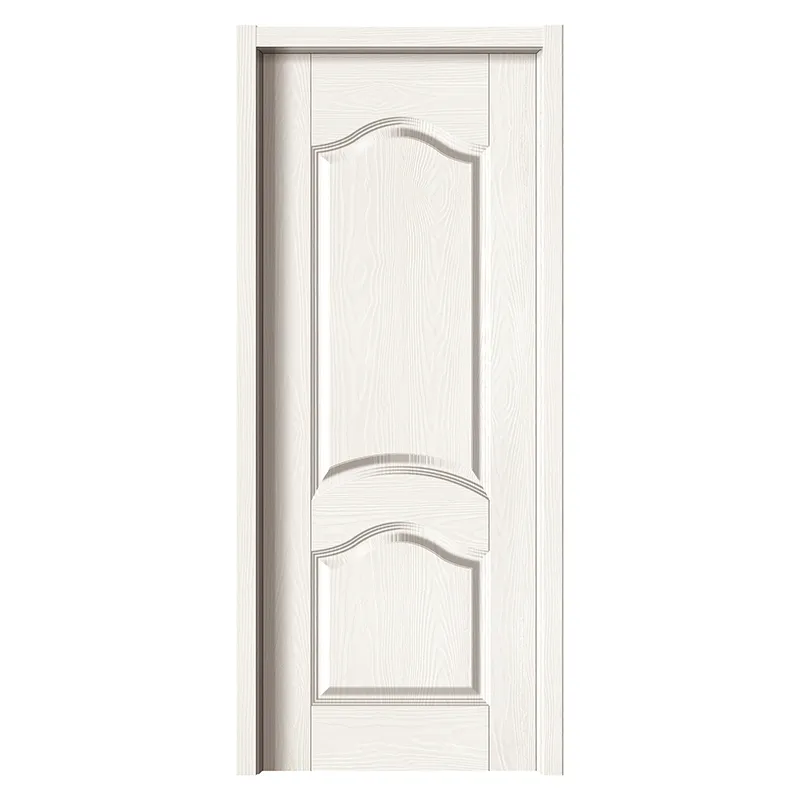 YST-224 Door Warm white with relief
 -
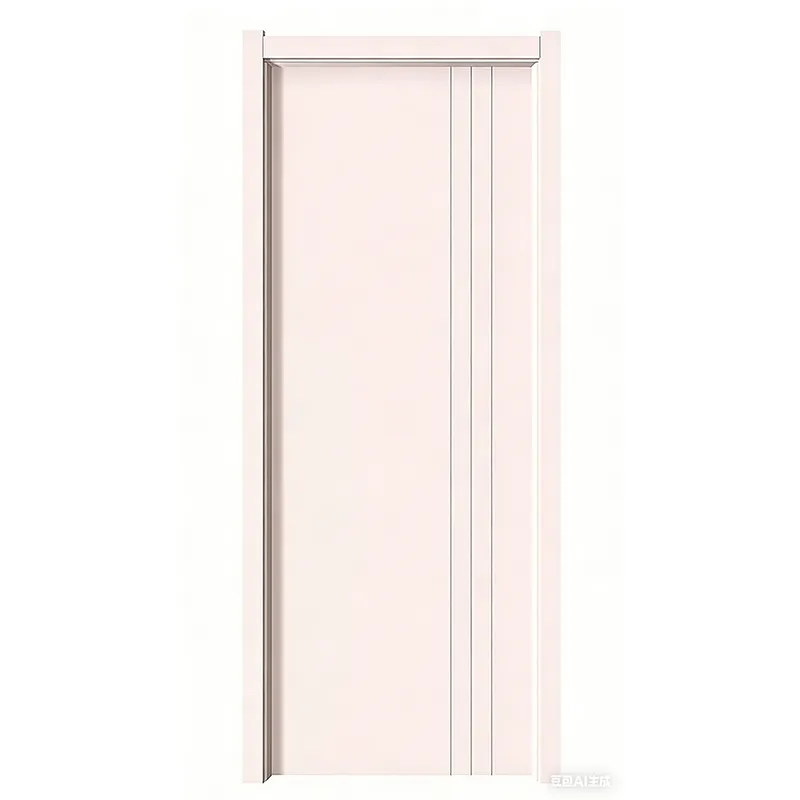 YST-WPC4 Door
 -
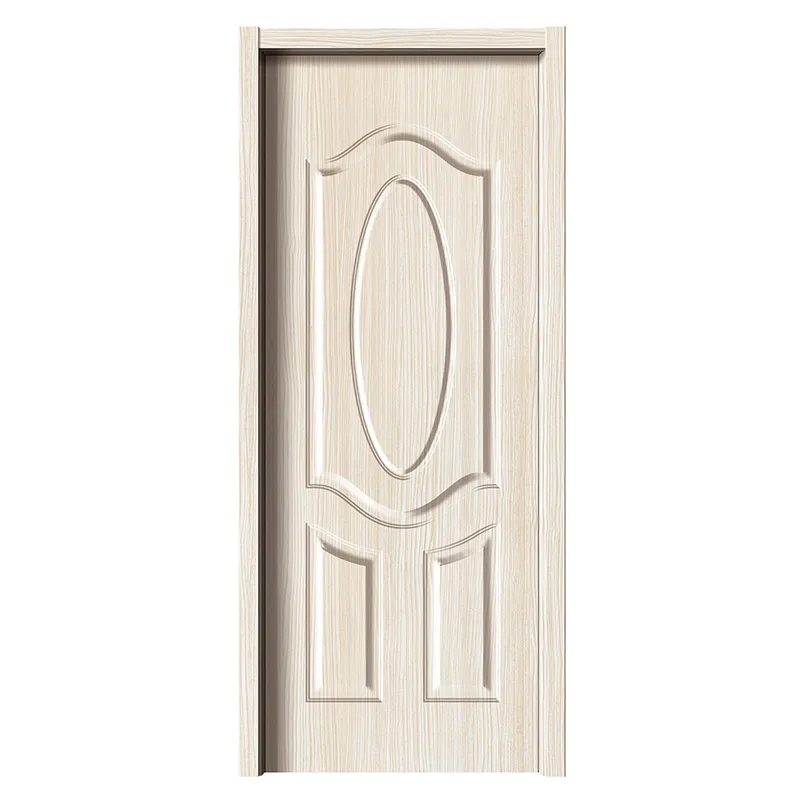 YST-216 Door White Maple
 -
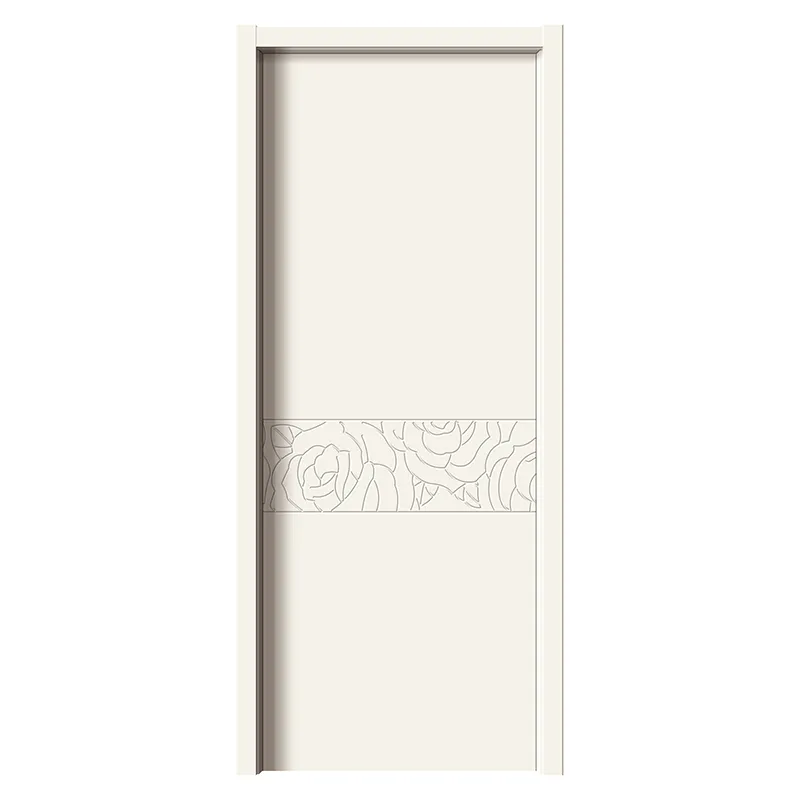 YST-238 Door White ivory