




Plastic attic door
When you hear “plastic attic door?”, many people immediately imagine something temporary, cheap - they say, set it and forget it. In practice, this is one of the most capricious units in a private house, where any mistake in selection or installation will come back to haunt you with drafts, condensation or deformation of the sash. For a long time I thought that everything was simple with plastic: a standard block, a quarter of an hour for installation. Until I encountered real objects, where the temperature difference between the residential floor and the unheated attic reaches 30 degrees, and the wind load at the height is completely different from that below.
Why plastic for the attic is not always the obvious choice
This is where the first disputes often begin. Wood “breathes”, metal is stronger, and plastic... Its main advantage is the stability of the geometry during changes in humidity, which is critical for an unheated or rarely visited attic. But not every PVC profile will do. For an attic opening, especially if it leads directly to the street, you need at least a 5-chamber profile with reinforcement, otherwise the door may fail after the first winter. I have seen cases where customers installed lightweight window profiles - after a year they had to change the entire structure.
Another nuance is the fittings. Rarely does anyone pay attention to the attic door, but it must withstand frequent, albeit mild, opening and closing cycles. Cheap fittings on such objects fail faster than on the front door. We have to explain that saving in rubles on hinges and locks will result in a replacement in a couple of seasons.
And yes, about the seals. They are often underestimated. For an attic where strong drafts are possible, a contour seal is needed not only around the perimeter of the sash, but also in the vestibule. Better - two circuits. Once they installed a door with the usual seal, as for interior openings - in winter, such cold air came from the attic that frost formed on the flight of stairs. I had to redo it, adding a second sealing loop and a thermal break in the threshold.
Installation: where even experienced professionals most often make mistakes
The most common mistake is treating the attic opening as secondary. It is rarely prepared thoroughly: uneven surfaces, remnants of old insulation, unleveled slopes. A plastic door, unlike a wooden one, does not tolerate curved planes. If the frame is rigidly fixed into a skewed opening, over time, stresses in the profile will lead to cracks in the corner joints or to jamming of the sash.
Gaps. They are often either made too large (then foamed with half a can of polyurethane foam) or too small, hoping for a “tight fit”. Both are destructive. The optimal gap around the perimeter is 15-25 mm for high-quality filling with foam and taking into account thermal expansion. Less - you risk deformation, more - the foam will not work as a full-fledged insulator, cold bridges will form.
Fastening. Anchors or plates? For lightweight structures, sometimes mounting plates are enough, but for an attic door, especially if it is external, I always insist on through-anchor fastening through the frame. This gives rigidity that plates will not provide, especially under wind loads. But here it is important not to overtighten - a tightened anchor creates a stress point, and the profile may burst. I saw this at a site where installers worked out of habit with metal doors.
Case study and work with suppliers
There was a project, reconstruction of an old house with an attic. The customer wanted to create an exit to the attic terrace. We needed a lightweight, but UV and shock resistant plastic door. Standard white models were not suitable - they faded. We found a profile with a dark wood finish, but there was a question about the reliability of the fittings for frequent use.
In such cases, you begin to analyze not only the product, but also the supplier. What is important is not just the price, but the opportunity to get technical support and a guarantee for the profile geometry. Now there are many players on the market, but not everyone understands the specifics of attic solutions. Sometimes you have to combine: take a profile from one, fittings from another. It's more complicated, but the result is more reliable.
By the way, about combining. It was an interesting experience with the companyAnhui Wantai Woodworking Co.,Ltd (https://www.anhuiwantai.ru). They, of course, specialize in wooden doors, but their approach to quality control - from the selection of raw materials to the final inspection - makes you think. Their philosophy is to “build a business on precision, win with quality?” - this is exactly what is often lacking in the mass plastic segment. When you see how someone strictly adheres to standards on another material, you begin to be more demanding of your plastic suppliers.
Thermal insulation and condensation - problems that are noticed too late
The attic is a buffer zone. If the door leads to a heated attic, the requirements for thermal insulation are the same. If in a cold attic - others. But this is often ignored by installing a standard door. The result is condensation along the inner perimeter of the box in winter, and sometimes freezing. The reason is that the dew point is on the inner surface of the profile or in the area adjacent to the wall.
What to do? Firstly, be sure to use a profile with a thermal break or increased installation depth (from 70 mm). Secondly, carefully fill the gap not just with foam, but with a combination: foam + vapor barrier tape from the inside, foam + waterproofing tape from the outside. This will prevent moisture from the room from penetrating into the insulation and freezing there.
Another point is the glass unit. If the door has glazing, it must be energy-saving (at least i-glass). Otherwise, all the heat will escape through it. Once we dealt with a case where condensation accumulated on the glass, although the profile was dry. It turned out that the customer saved money and installed a single-chamber double-glazed window. I had to change to a two-chamber one with argon.
Results: what to look for when ordering a plastic attic door
So, to summarize.Plastic attic door- this is not something you should skimp on. Its choice should be conscious: a profile from 70 mm, 5 chambers, reinforced with reinforcement, fittings for intensive use (preferably with a closer so that the sash does not slam in a draft).
Installation - only on a prepared opening, maintaining clearances and using high-quality foam and tapes. It is mandatory to check the operation of the sash before and after foaming, and adjust it vertically and horizontally.
And most importantly, you need to clearly understand the operating conditions: temperature, humidity, wind load, frequency of use. Without this, even the most expensive door may not live up to expectations. As practice shows, it is on such seemingly minor elements as an attic door that people most often save money, and then spend three times as much on remodeling. It’s better to do it once, but thoughtfully, taking into account all the nuances that are known only to those who have already stepped on this rake.
Correspondingproducts
Related Products

Best Sellingproducts
Best Selling Products-
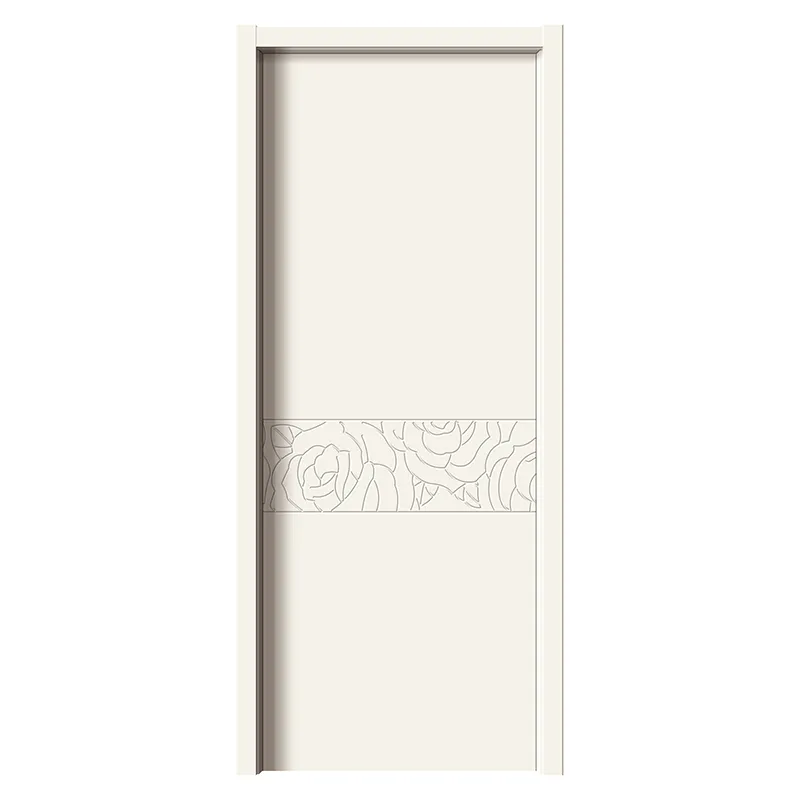 YST-238 Door White ivory
 -
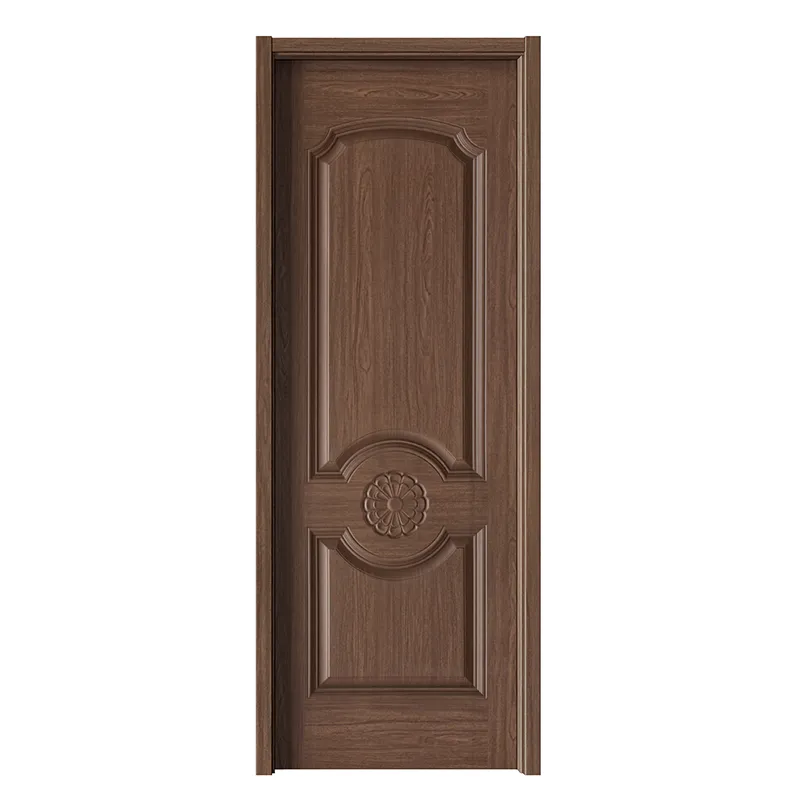 YST-212 Door North American Oak 2
 -
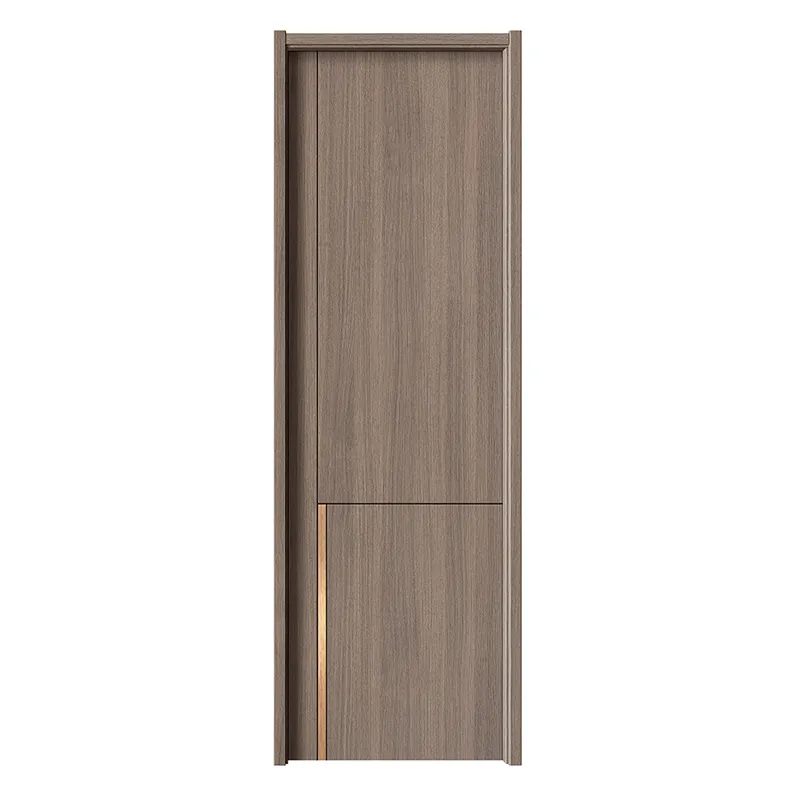 YST-1003 Door Oak gray
 -
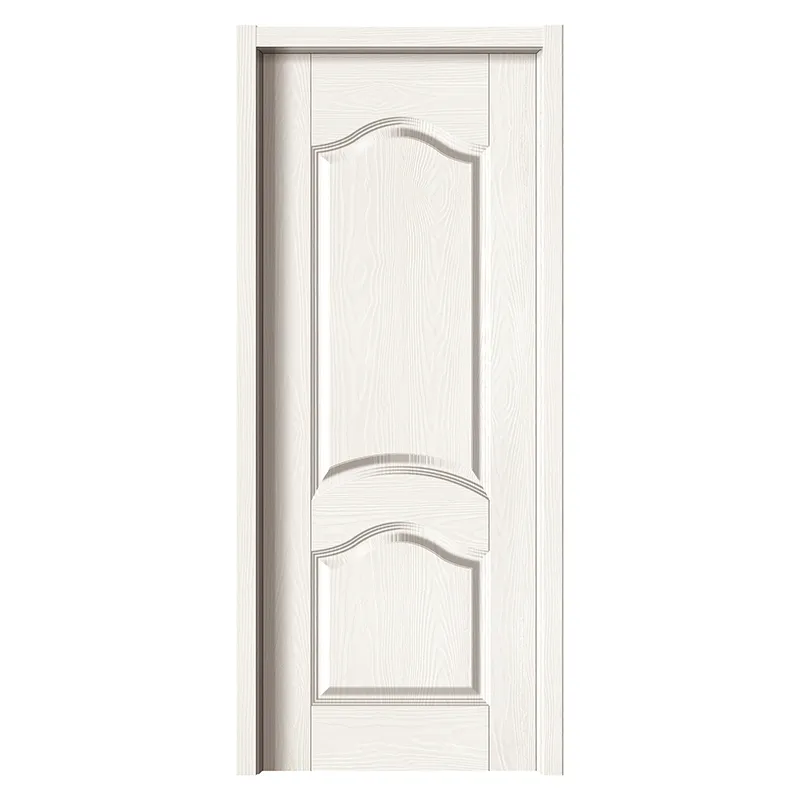 YST-224 Door Warm white with relief
 -
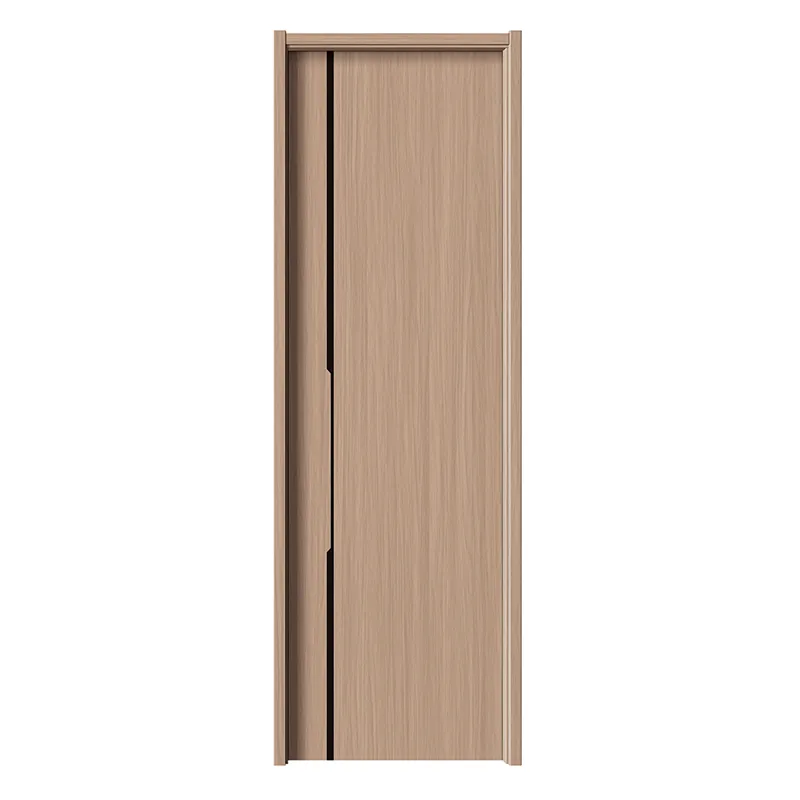 YST-1029 Door Translucent light shade 1
 -
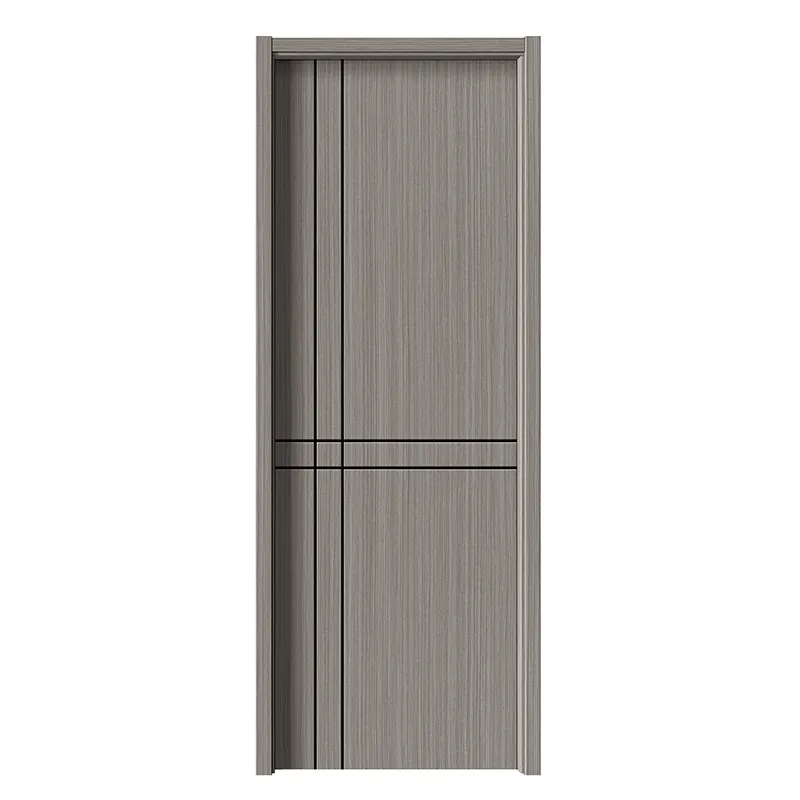 YST-1004 Door Technotree 2
 -
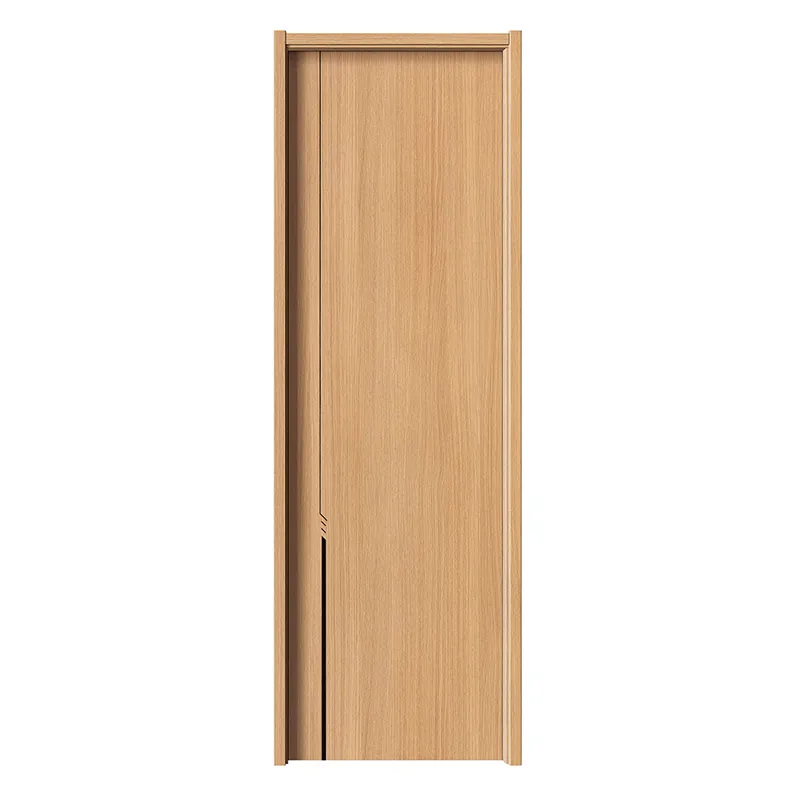 YST-1041 Door Oak Shutter
 -
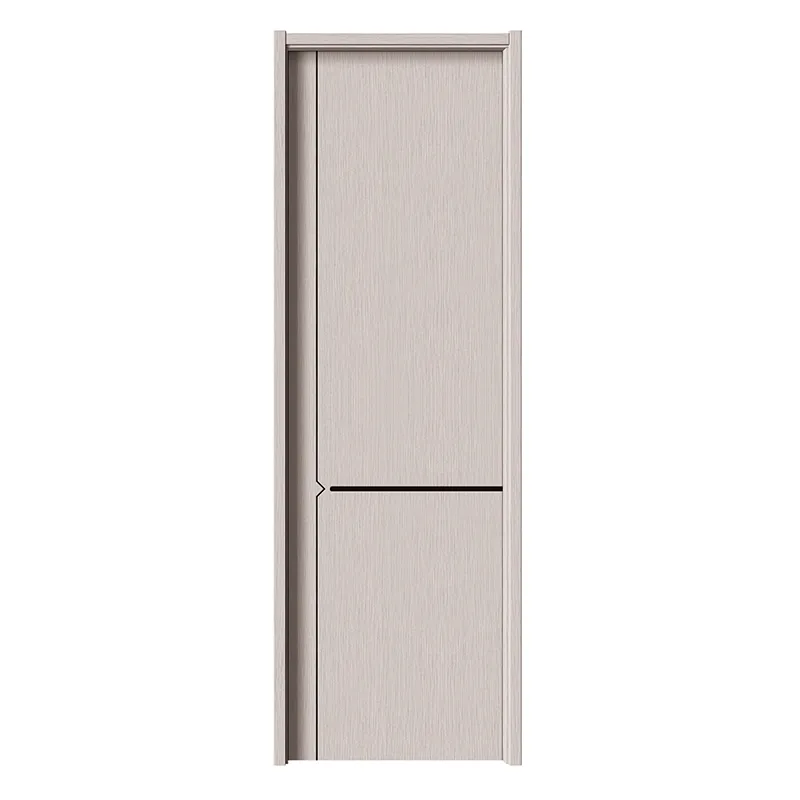 YST-1024 Door Chiaroscuro wood 1
 -
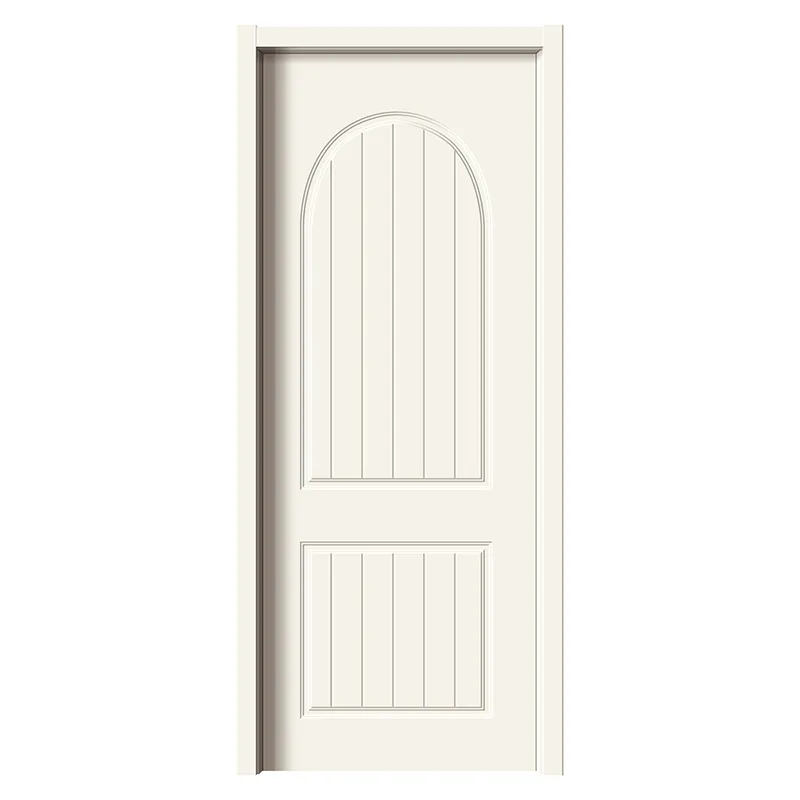 YST-236 Door White ivory
 -
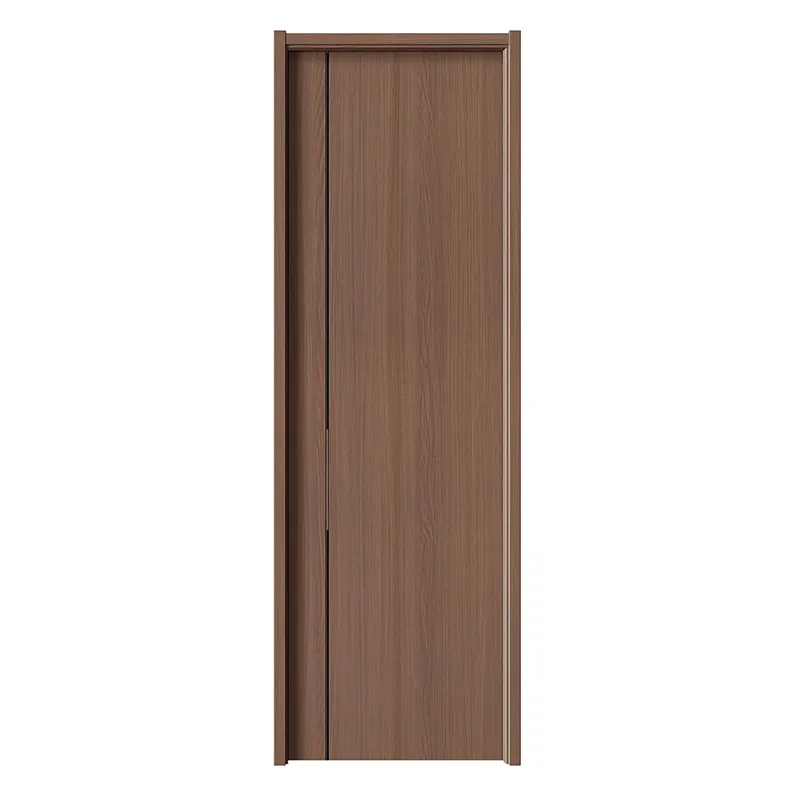 YST-1043 Door Techno-walnut 3
 -
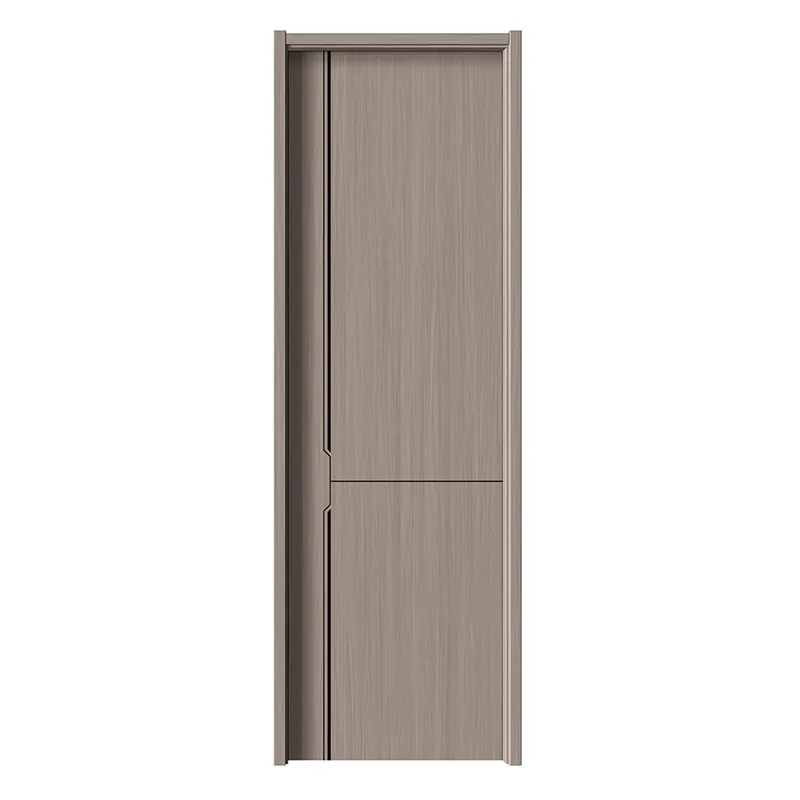 YST-1011 Door Translucent light shadow 3
 -
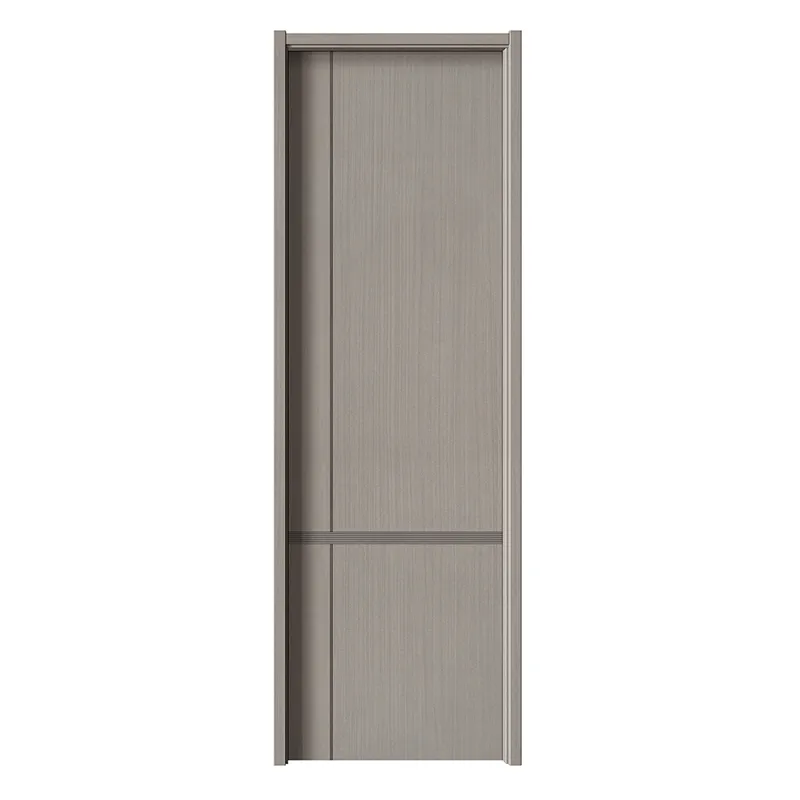 YST-1013 Door Cloud Walnut 1