




Sale of wooden doors
When you hear “sale of wooden doors,” many people imagine just a warehouse with shelves where you choose the model you like - pay for it, load it, take it away. In fact, this is often the point where the client encounters the first difficulties. A door is not a separate object, it is part of a system: opening, wall, interior, acoustics, heat. And this is where the fun begins, and often the most problematic. My experience shows that the main mistake of both sellers and buyers is to look at the door in isolation, as if it were a product in a vacuum. And then it turns out that solid oak “plays” in a new building, the paneled construction is not suitable for a humid climate, or the hinges are simply not designed for the frequency of opening in an office.
Raw materials: where beautiful words end and reality begins
Everyone talks about 'selected wood'. But what does this mean in practice? For example, pine is often used for the mass segment. It would seem simple. However, pine from Karelia and pine from intensive plantings somewhere in the Central zone are two different materials in terms of density, knotiness, and drying behavior. The first is denser, grows slower, and “leads” less. The second is softer and may shrink if drying is accelerated. We got burned by this at one time, purchasing a large batch at an attractive price, and then dealing with complaints about the cracks in the panels. Now we work with trusted suppliers who can provide passports for a batch of wood, including data on humidity and region of origin.
With an array of valuable rocks, it’s a different story. The client wants oak. But oak can be cut radially or tangentially. Visually, the difference is in texture, but essentially in stability. Radial cutting is more resistant to deformation, but is more expensive, since the yield of material is less. Explain this to the client at the stagewooden door sales- definitely. Otherwise you will receive a complaint: 'The door is warped!' And the reason is the wrong type of cutting and processing for specific conditions (say, for a bathroom with poor ventilation).
Here, by the way, the difference in approaches is visible. Some workshops simply buy ready-made laminated boards and cut them. Others, such as the companyAnhui Wantai Woodworking Co.,Ltd(their website isanhuiwantai.ru), rely on complete control of the cycle. Their description directly states the selection of raw materials and compliance with standards. These are not just words for the site. When you see their products, you notice attention to detail: the uniformity of the lamellas in the panel, the direction of the fibers, the quality of gluing. Their philosophy of “building a business on precision” is precisely about such a technological approach to a seemingly traditional material.
Design: why 'like everyone else' doesn't always work
Frame-paneled, drawstring, blind, with glass... The design determines not only the appearance, but also the durability. A common case: a customer chooses a solid solid door for a cottage, but wants to save on fittings. We install standard hinges. Six months later - a call: the door has sagged, it’s catching on the floor, the lock is not working well. Cause? Weight. A door made of solid oak can weigh up to 100 kg. It requires reinforced hinges, at least three per blade, and better yet, with a bearing. This must be included in the price and explained right away, otherwise saving 500 rubles on hinges will result in the cost of a second visit by the craftsmen and repairs.
Another nuance is the panels. Beautiful, classic. But if they are floating (that is, not rigidly fixed in the frame), then this is the right solution for our climate with changes in humidity. The wood 'breathes', and the panel can change its size slightly without breaking the entire structure. But if the groove for the panel is made out of tolerance, there will be either a creak or a gap. We check this simply - the assembled canvas should stand in the workshop for a couple of weeks in conditions close to normal, before finishing. Few people do this in the flow, because time is money. But those who do are the ones who gain reputation.
Commercial projects have their own requirements. For example, for a restaurant or office, the frequency of opening-closing cycles is important. Here it is not so much the array that comes to the fore as engineering solutions: reinforced frame, special types of glue, fittings for intensive use. Sometimes it is more rational to use not a solid mass, but a high-quality engineering mass or a combination of materials. This is the case when the door should not just be beautiful, but work as a reliable mechanism.
Finishing and painting: the hidden stage that decides everything
This is perhaps the most subjective and at the same time the most critical stage. The client sees color and texture first. But underneath this layer is a whole technology. Primer, sanding, tinting, varnishing... The number of layers, drying time between them - everything affects the result.
Covering paint, matte or glossy, is now popular. Looks modern. But if the surface preparation was poor (wood fibers were not removed after the first sanding, it was not primed properly), after six months the paint will begin to show all the flaws: stains, unevenness. This is especially visible on gloss. Therefore, good painting is expensive. And it cannot be accelerated. I remember there was an urgent order for an object, and they speeded up the drying with IR lamps. Everything seems to be fine. But after a month, small bubbles appeared on some of the canvases - the moisture remaining in the wood was looking for a way out. I had to redo it at my own expense.
Transparent varnishes and oils are a separate topic. They emphasize texture, but also require an ideal base. Any polishing defect, any stain from a knot will be visible. Companies that work for export, likeAnhui Wantai Woodworking Co.,Ltd, often have an advantage here. Their application for a combination of aesthetics and practicality is exactly about this. So that the door looks perfect and at the same time the coating can withstand household loads. In their case, judging by the description, this is supported by a modern base and a team of developers who can select a finishing system for the specific climate of the importing country.
Logistics and installation: the moment of truth for sales
A perfect door damaged during delivery or installation is a classic of the genre. Packaging is not just film and cardboard. For interior doors, corners on the canvas and foam inserts are often used. For massive entrances - individual wooden frames and lathing. Saving here is more expensive for yourself. I saw how, when unloading, a forklift pierced the canvas only because the packaging was flimsy. Insurance, of course, but reputational losses and deadlines are missed.
Installation. It would seem that it’s so difficult? I put out the box and hung the canvas. But 90% of problems with door movement, creaks, and cracks are due to poor installation. The walls are not vertical, the floors are not level. A good installer is not only a master with a tool, but also an engineer who will evaluate the opening, propose a solution (for example, use adjustable additional elements or hidden anchors), and warn the customer about possible nuances. We always insist that the measurement be done by the person who will install it later. Ideally - in one day: delivered, installed. But in reality, this does not always happen, especially in new buildings, where the openings are still “walking.”
It is at the installation stage that the cycle endswooden door sales. All the previous stages converge here: if the raw materials and design were correct, and the finishing was of high quality, then the installer will not have any unexpected problems. And if they arise, this is a signal for feedback from production. This is a living process, and not just shipping goods from a warehouse.
Market and client: what people really need
The market is changing. Previously, people often asked simply “a classic oak door.” Now the requests have become more subtle. Someone is looking for a specific RAL shade to get into an interior project. Someone asks about environmentally friendly water-based coatings. Someone talks about soundproofing indicators in decibels. This is no longer a product, but a solution to a problem.
Hence the growing demand for manufacturers who can offer customization. Don’t just choose from a catalog, but change the size, panel shape, color, type of glass. This is the same “meeting diverse needs” that he writes about on his websiteAnhui Wantai Woodworking Co.,Ltd. Their focus on the international market probably forces them to set the bar high: global clients from the residential and commercial sectors often come with ready-made technical specifications, where everything is written down to the smallest detail.
On the other hand, there is a mass segment, where the main thing is the ratio of price and acceptable quality. Here it is important not to chase cheapness to the detriment of everything, but to honestly explain what the client pays for. You can make a door on a thin frame with honeycomb filling and veneer - it will be light, inexpensive and suitable for a bedroom in an apartment. But passing it off as massive and “super-reliable” is the path to lost trust. Honesty in product positioning is also part of a professional sales approach in this business.
As a result,sale of wooden doorsis a constant balance between craft and technology, between the client’s desire and the physical properties of the material, between speed and quality. This is not about selling goods. This means that after installation the door will work silently for years, and the client, passing by, will simply feel the warmth of the wood and reliability. And when this happens, you understand that all these nuances with drying, cutting and painting were not in vain. This is the main result for which it is worth staying in it.
Correspondingproducts
Related Products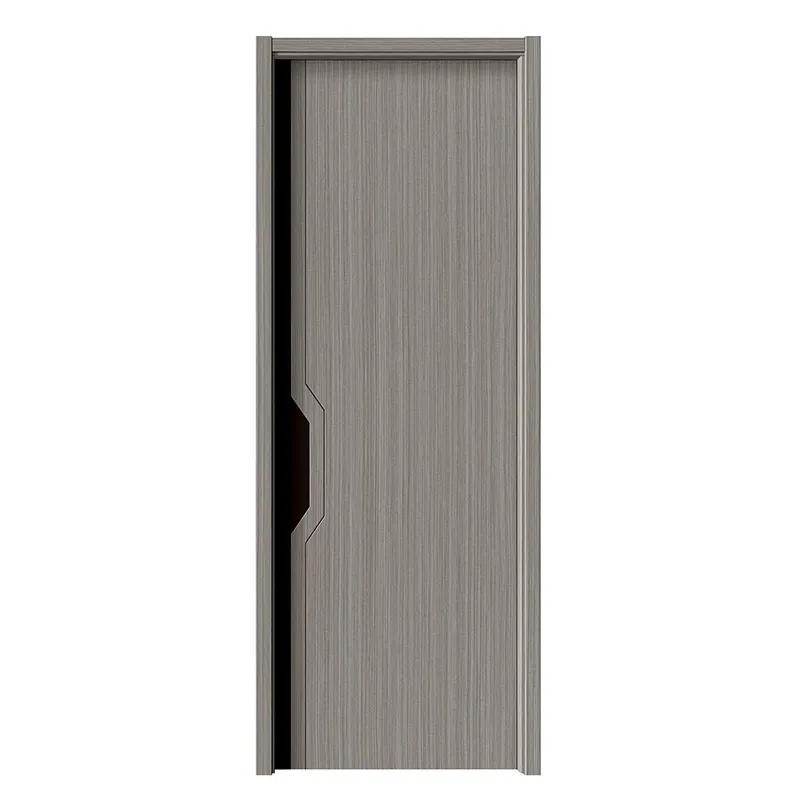
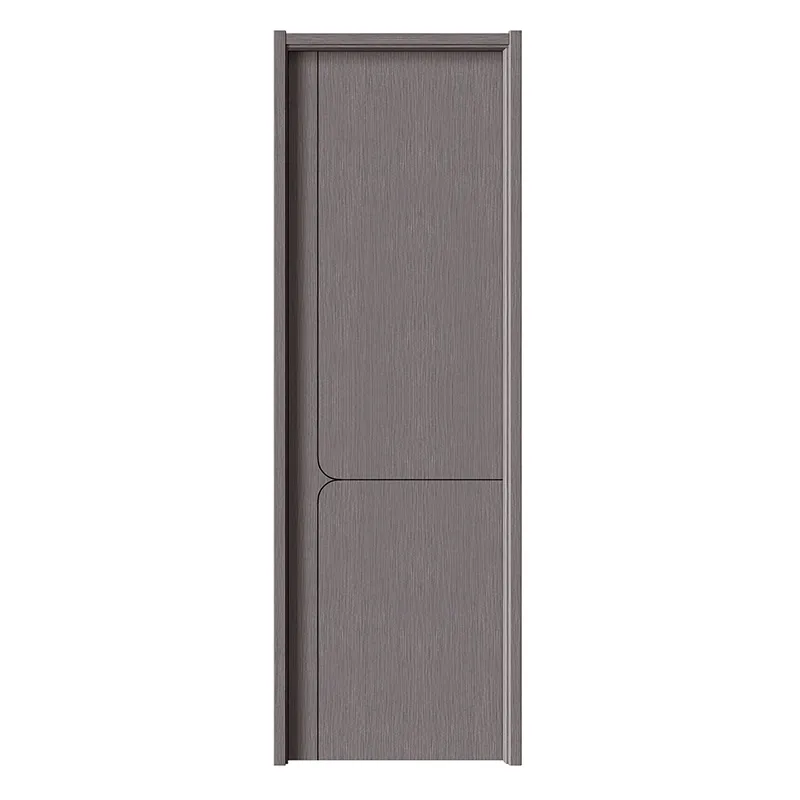
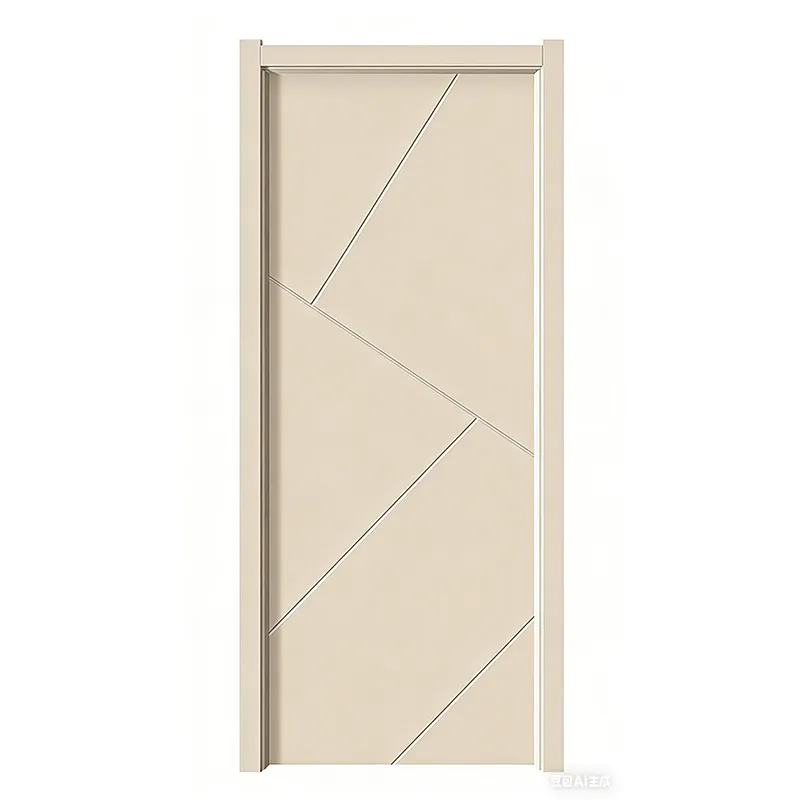
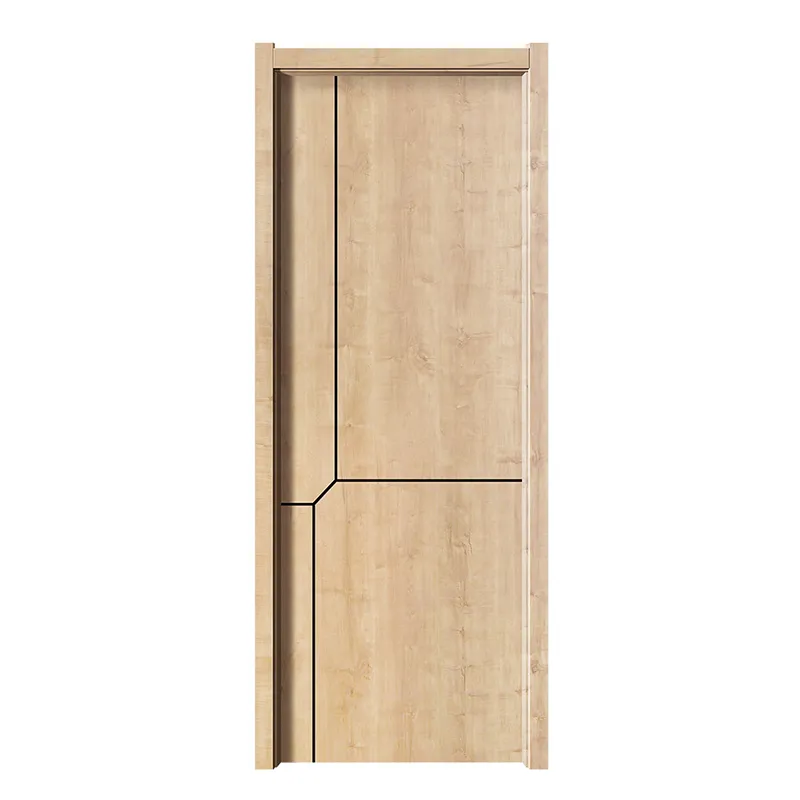

Best Sellingproducts
Best Selling Products-
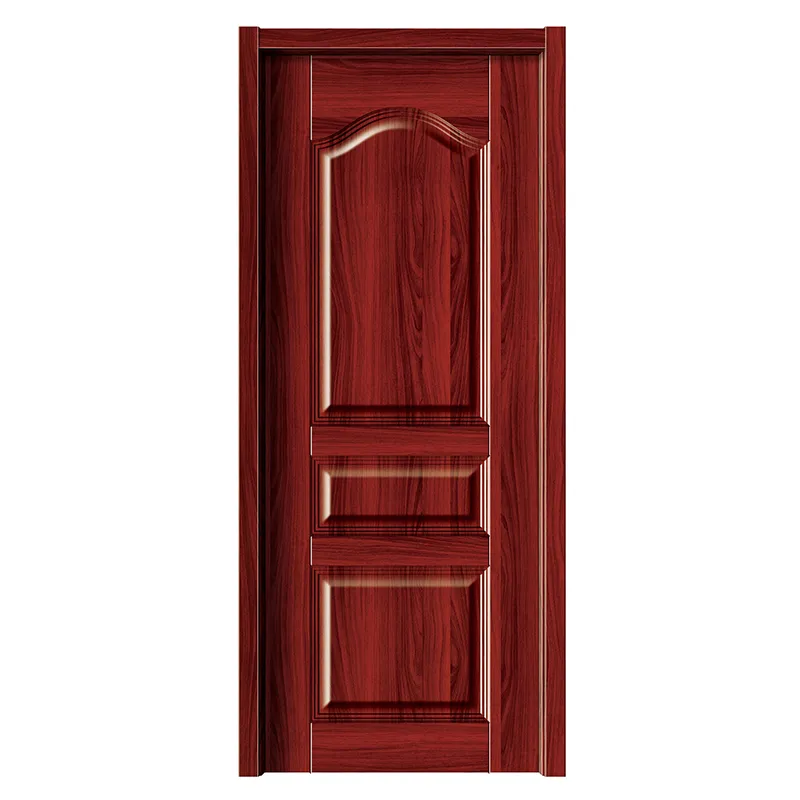 YST-203 Door Red team
 -
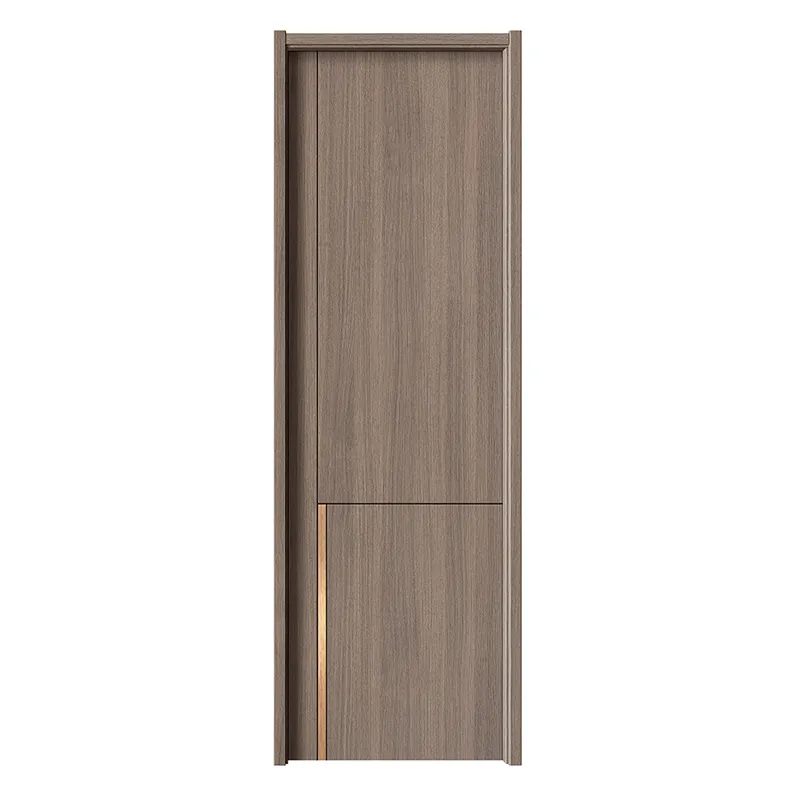 YST-1003 Door Oak gray
 -
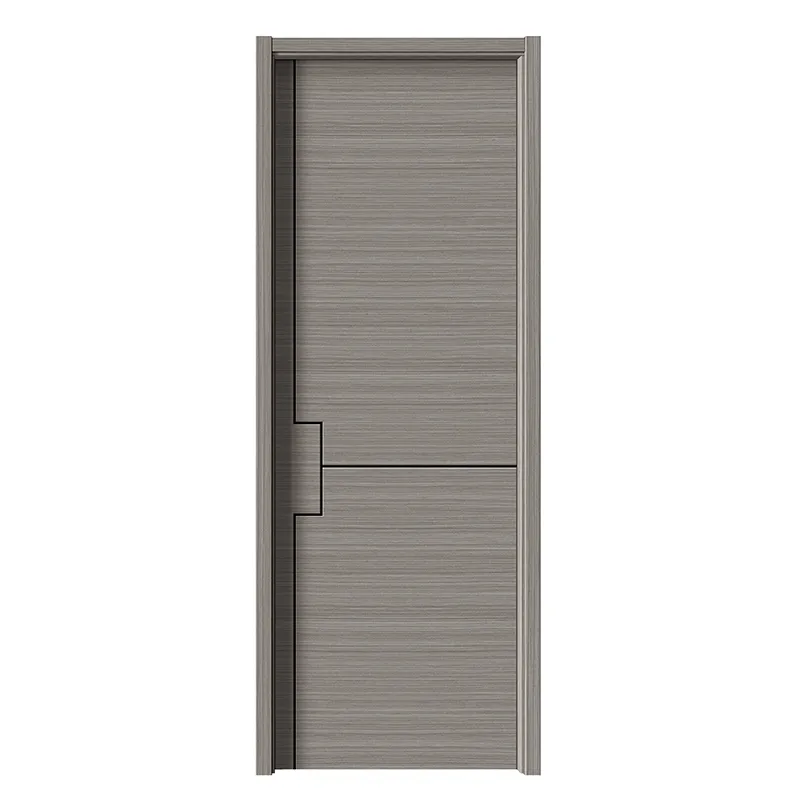 YST-1005 Technotree Door 2
 -
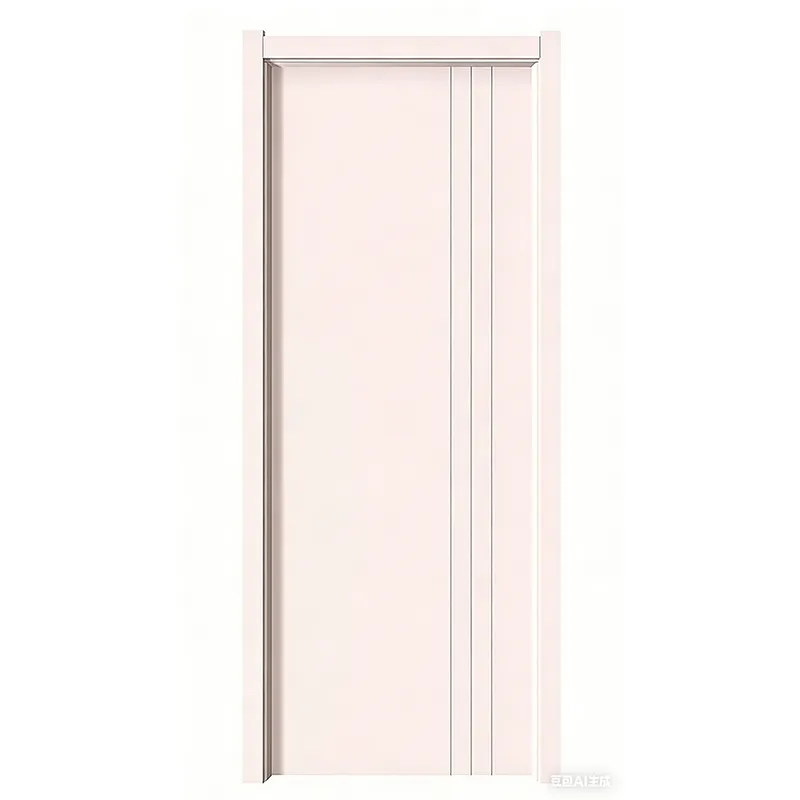 YST-WPC4 Door
 -
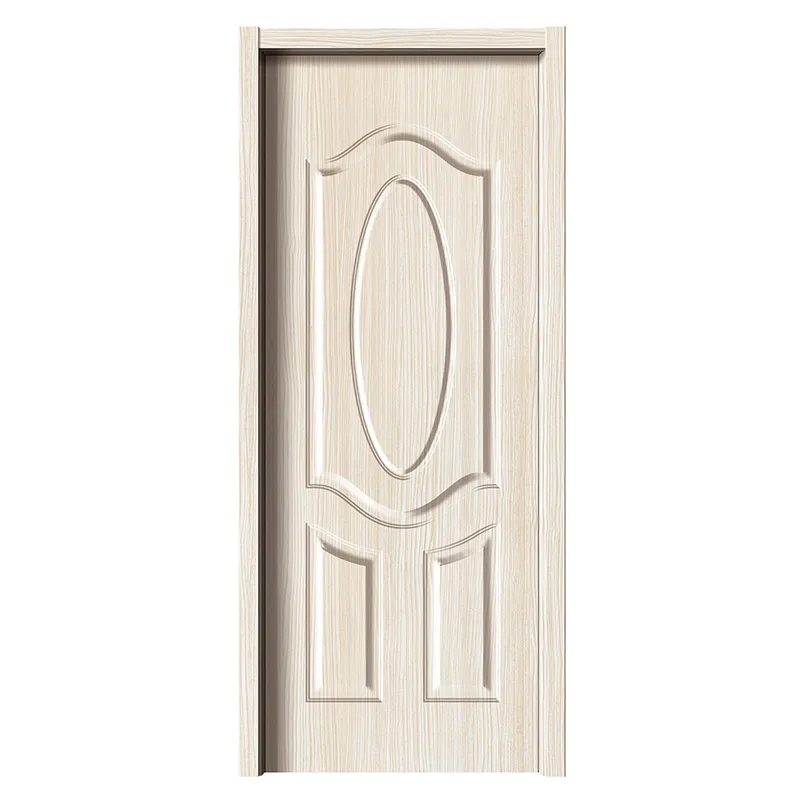 YST-216 Door White Maple
 -
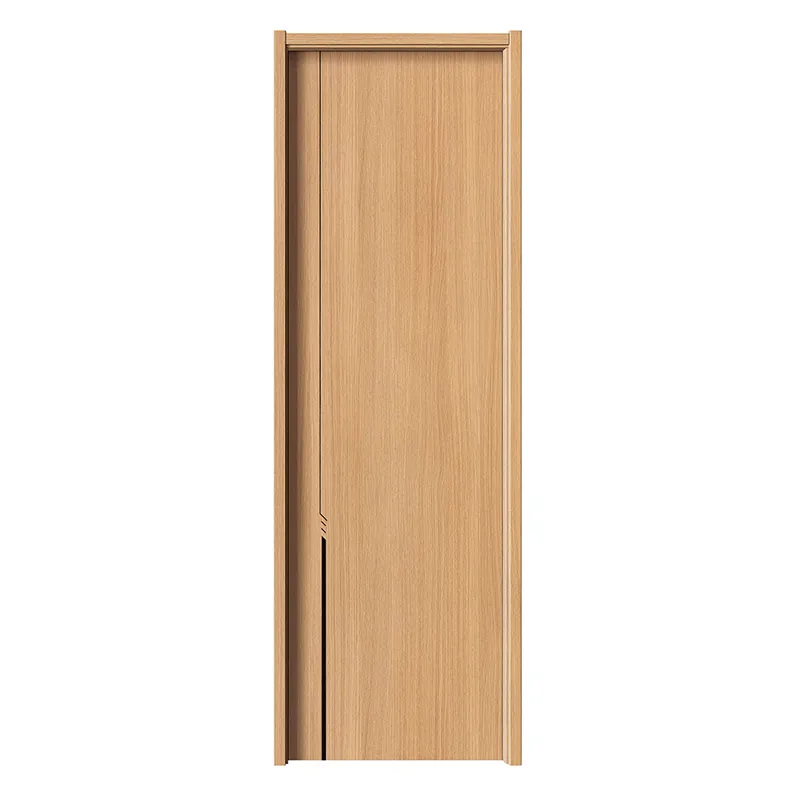 YST-1041 Door Oak Shutter
 -
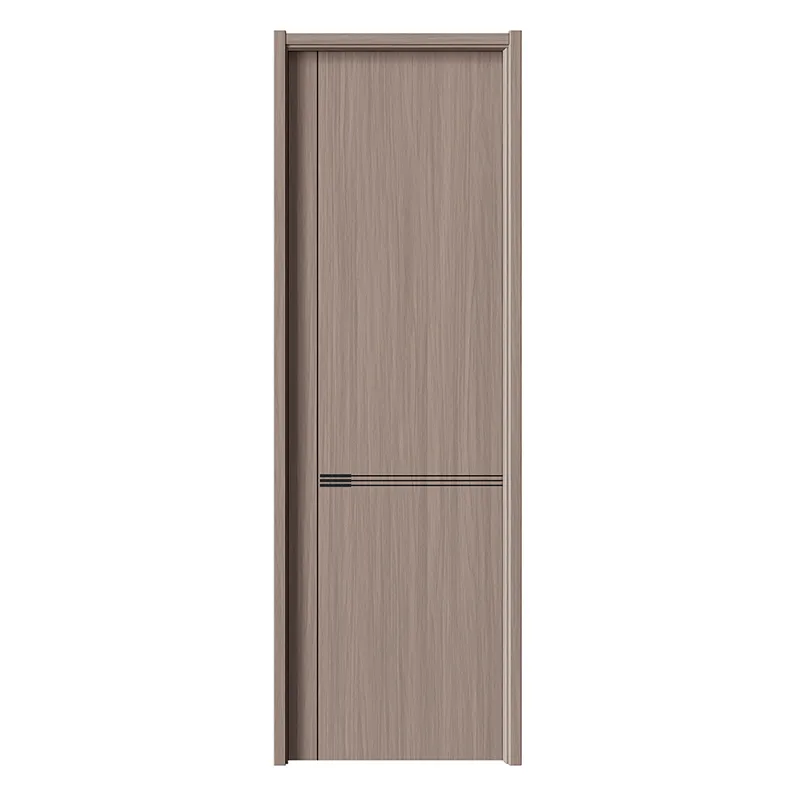 YST-1039 Door Translucent light shadow 3
 -
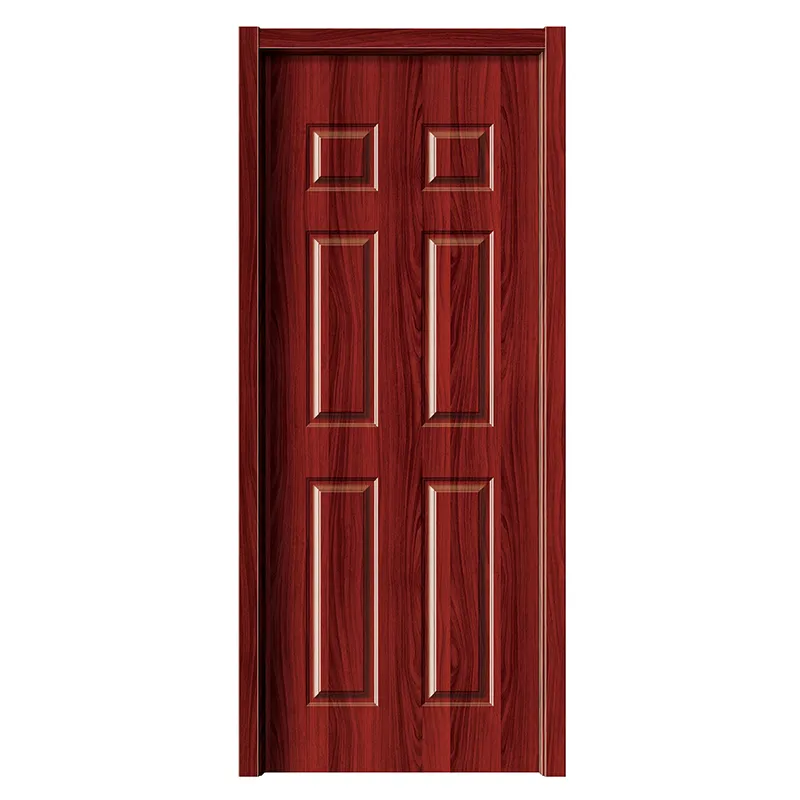 YST-201 Door Red team
 -
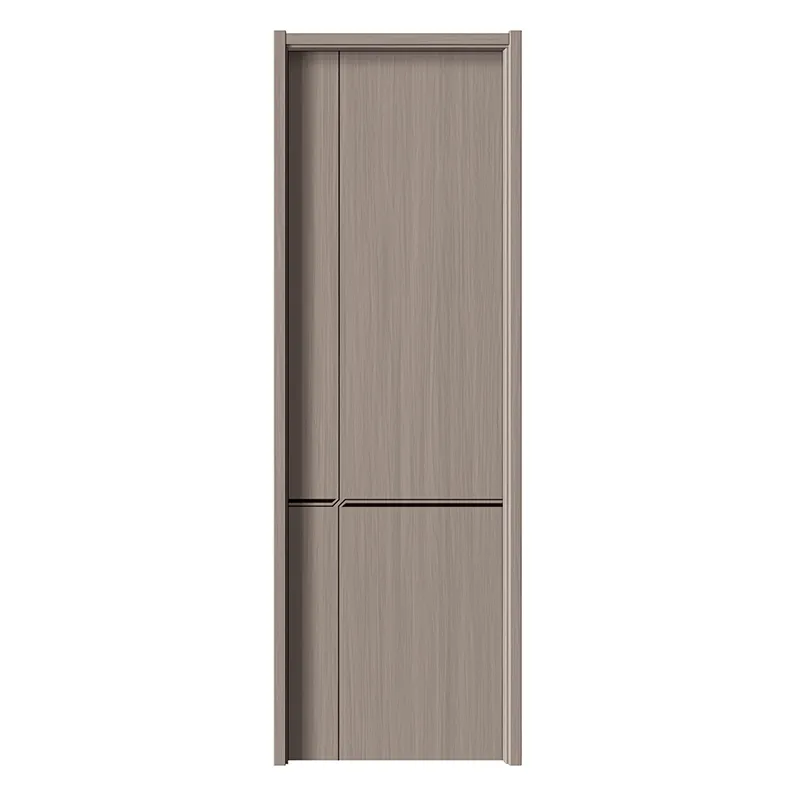 YST-1010 Door Translucent light shadow 3
 -
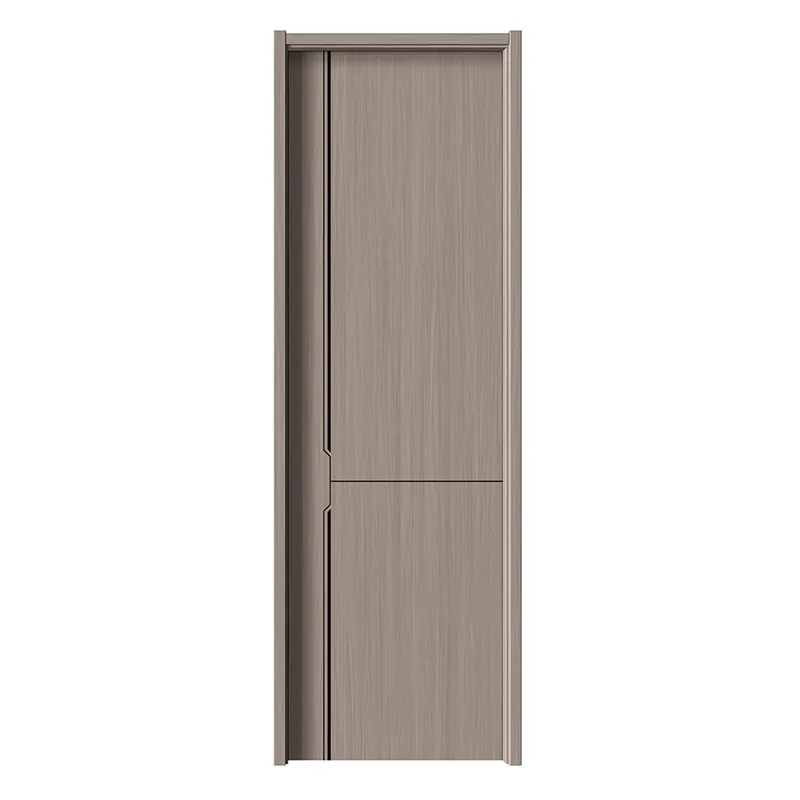 YST-1011 Door Translucent light shadow 3
 -
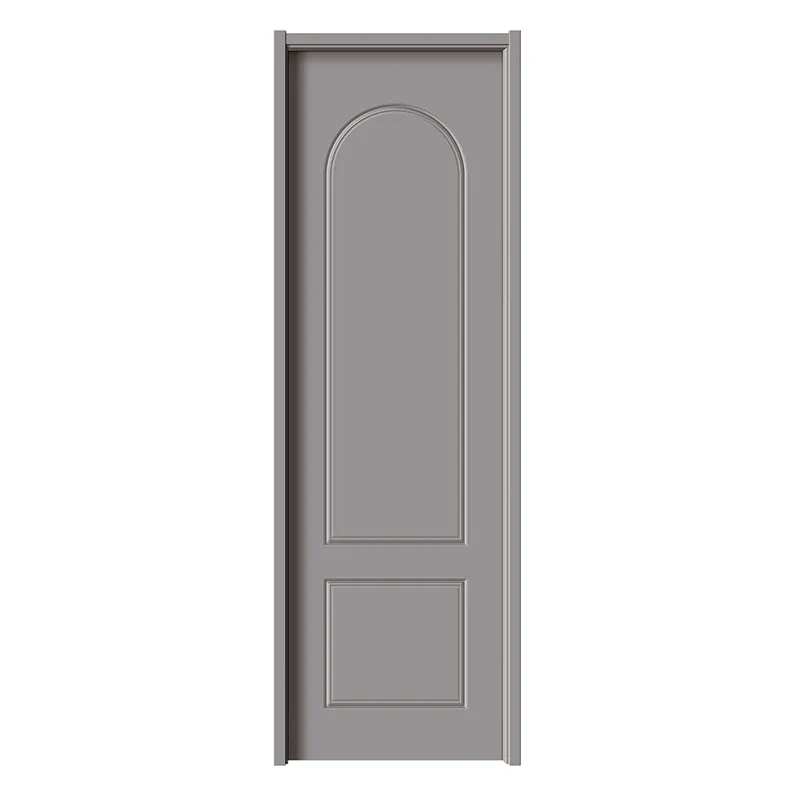 YST-241 French Door 1 soft stone gray
 -
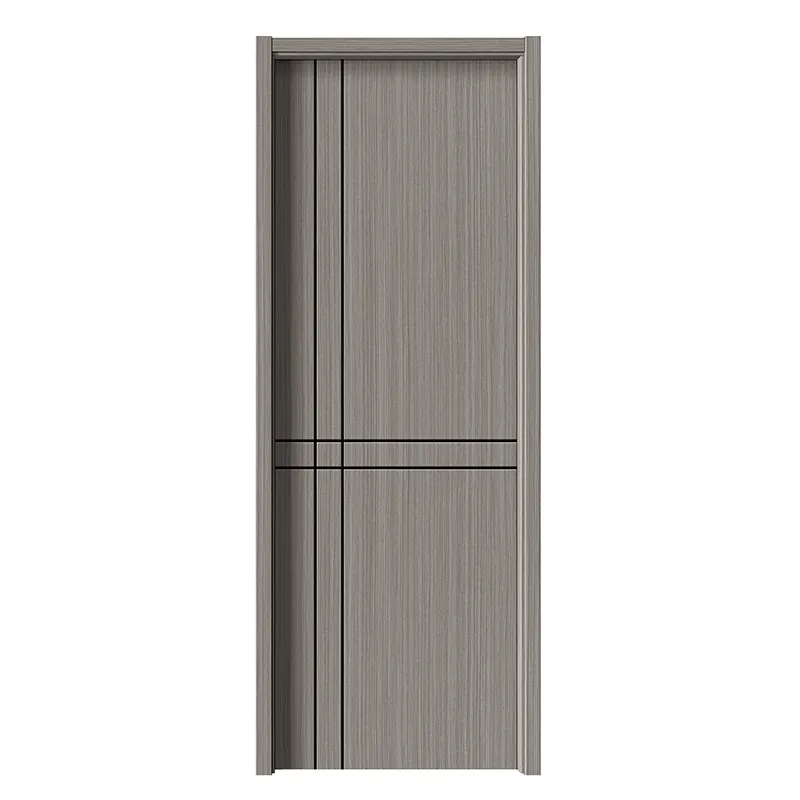 YST-1004 Door Technotree 2