



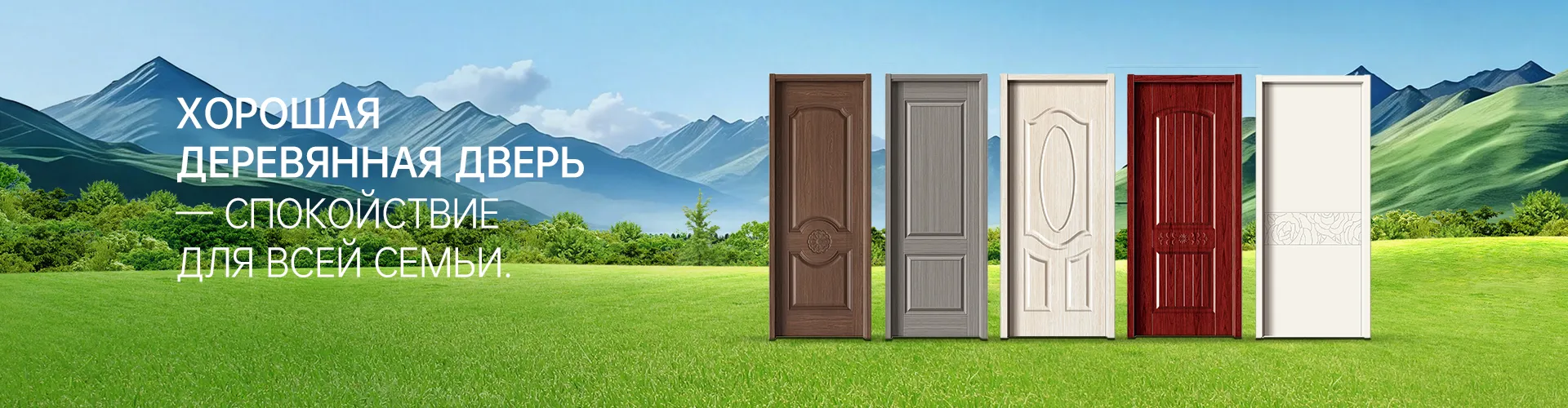
Wooden door gray
When a client says “I want a gray wooden door?”, in 80% of cases he has no idea what shade of gray or what texture of wood he is talking about. It's not blue or red - there are no obvious pigments. Gray on wood is a whole story that begins with the type of wood and ends with the finishing coating in a specific interior. Many people think that it is ?safe? and a modern version, but it is in this apparent simplicity that the main pitfalls lie, which are not written about in glossy catalogs.
Shade of gray: from mouse to graphite
The first thing you come across in practice is the palette. ?Grey? - it's not a color, it's a range. There are warm gray tones mixed with beige or brown, often called taupe. or ?grid?. They are good for classic interiors, with light oak furniture, for example. And there are cold, almost metallic shades - graphite, wet asphalt. They require an appropriate environment: concrete, steel, cold lighting.
People often make mistakes here. They order a door based on a small sample, and when a full-size product is delivered, it turns out that the color “plays off” in a large volume. completely differently, it becomes duller or, conversely, louder. One of our unsuccessful experiments was related to just this. For the loft project we chose a very fashionable cool gray with a blue undertone. It looked great on the sample. But whenwooden gray doorwas installed in a room with warm yellowish light from old lamps - it began to look dirty green. We had to completely change the lighting system to save the situation.
Therefore, now we always insist that the client sees a large sample, preferably in conditions close to the future installation. Some responsible manufacturers, likeAnhui Wantai Woodworking Co.,Ltd, provide not just pieces of veneer, but entire corner models so that you can evaluate the play of light on the texture. This seriously saves everyone's nerves.
The base is wood: what is hidden under the paint?
The second key point that is often overlooked is the type of wood underneath the paint or stain. Why know this if the door is still gray? And then, durability, stability of geometry and even the final shade depend on the base.
Let's take a pine tree. Soft, light, but can lead? with changes in humidity. If you make a blank canvas out of it and cover it with opaque paint, knots may appear over time. The gray color on pine, if it is a glaze coating, will be warm, yellowish. A completely different story - oak or ash. A hard, stable wood with an expressive grain. The gray glazing composition will highlight each fiber and create a noble, complex picture. But the cost will be many times higher.
In one of the commercial projects - a cafe - we were just faced with the problem of choosing a base. We needed inexpensive but stylishwooden gray doorsto technical rooms. We chose MDF, covered with alder veneer, with a matte gray finish. The price suited me, it looked good from the outside. But after six months of active use, with constant impacts from carts and high humidity, the veneer began to peel off on the edges. The lesson was learned: for high-traffic areas you need solid or laminated wood, not veneered boards. Now, for such tasks, we more often look towards products where the frame is made of solid wood, as is done in productionAnhui Wantai. Their approach to the selection of raw materials and multi-layer laminated timber for the frame is precisely about “building a business on precision”, which is what they declare.
Painting technology: where does the price difference lie?
This is where the main division into “premium” occurs. and ?economy?. You can take a good wooden base and ruin it with cheap paint and artisanal application. And vice versa - high-quality finishing can stretch fairly average wood.
Perfectgray wooden dooris a multi-layered work. Primer, leveling, possibly tinting, several layers of topcoat with interlayer sanding. This is especially important for matte and semi-matte surfaces, which are now in trend. Any unevenness or speck of dust trapped under the layer will be visible. We worked with different factories, and a direct correlation is visible: those who have modern painting booths with humidity and temperature control and an air purification system produce a completely different product. The coating is smooth, deep, pleasant to the touch.
The mistake we made before was trying to save money on painting “on the spot”. We ordered doors in a factory primer, so that they could then be tinted to match the color of the walls right on site. The result was always worse than the factory one: different adhesion, visible transitions, marks from a roller or brush. Now we understand that the finishing must be done by the manufacturer, under controlled conditions. On the websiteAnhui Wantai Woodworking Co.,Ltdit is clear that they pay great attention to this stage, which is logical for a company focused on international quality standards.
Fittings and installation: the finishing touches that make all the difference
You can make a flawless canvas, but spoil it with crooked installation or inappropriate fittings. The gray door is not white; gaps and distortions are especially noticeable on it.
The first is loops. For a heavy wooden door, you need massive, mortise ones with at least three hinges. A common problem is that installers save time and install two. After a year, the canvas sags, begins to rub against the box, and the paint flies off the edges. Second - pens. Matte black steel or dark brass goes well with cool gray graphite. With warm gray - matte nickel or even aged bronze. But here you can’t give strict rules, just show samples on the spot.
We had a case in a private house. The door is luxurious, made of ash, a beautiful ash-gray shade. But the owner, wanting to save money, hired “shabashniks” to install it. They installed the box out of level and filled the gaps with polyurethane foam without spacers. When the foam expanded, the excess that came out was cut off and... painted over with gray spray paint. Naturally, the shade did not match, resulting in ugly smudges. We had to dismantle and reinstall everything again, but the marks on the slopes remained. Now we always insist on comprehensive work: either the manufacturer provides both the product and trusted installers, or we ourselves control every millimeter of the process.
Bottom line: a gray door as an indicator of professionalism
In the end, what is successful?wooden gray door? This is not just a product from a catalog. This is the sum of the right decisions: precise selection of shade for a specific light and style, choice of a stable type of wood or high-quality engineered wood, high-tech finishing coating and flawless installation.
For a professional, working with such a seemingly simple request is always a challenge. Because the client is expecting “just a gray door”, but in the end receives a complex product, which includes knowledge about materials, color schemes and operation. It is precisely these products, combining design and functionality, that companies likeAnhui Wantai. Their philosophy is “to win with quality?” it couldn't come at a better place here.
So the next time you hear this request, don't rush to open the sample catalog. First, ask a dozen clarifying questions about the interior, light, load, and only then start selecting. This will save time, money and reputation in the long run. Tested from my own, sometimes bitter, experience.
Correspondingproducts
Related Products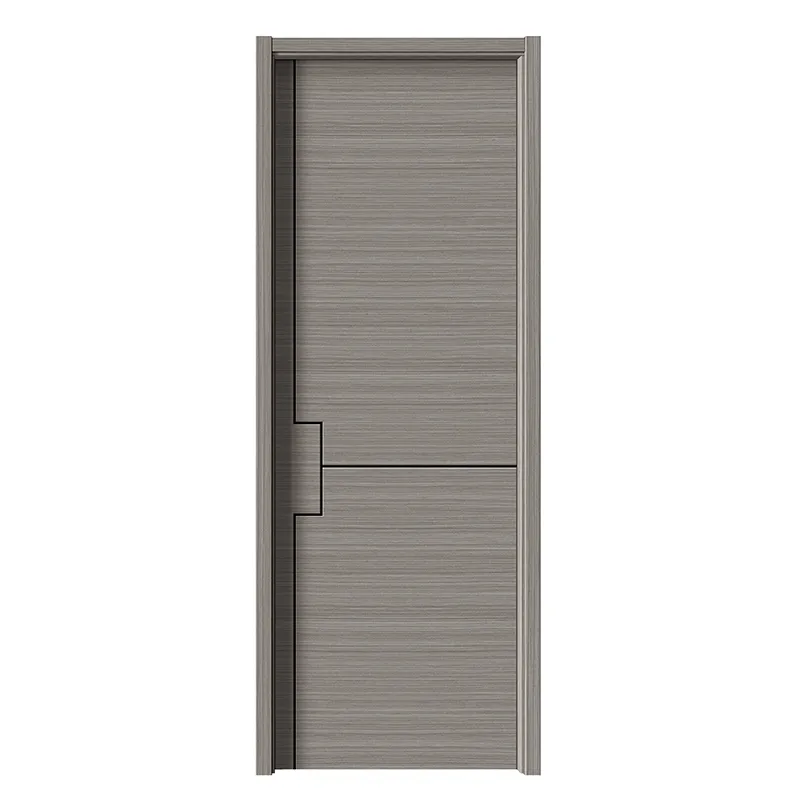
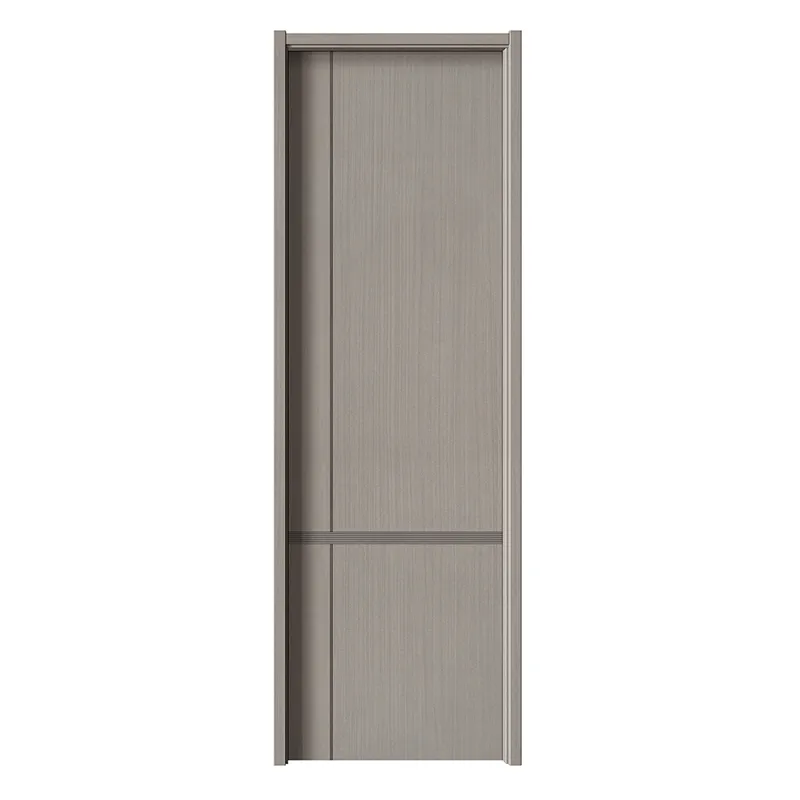
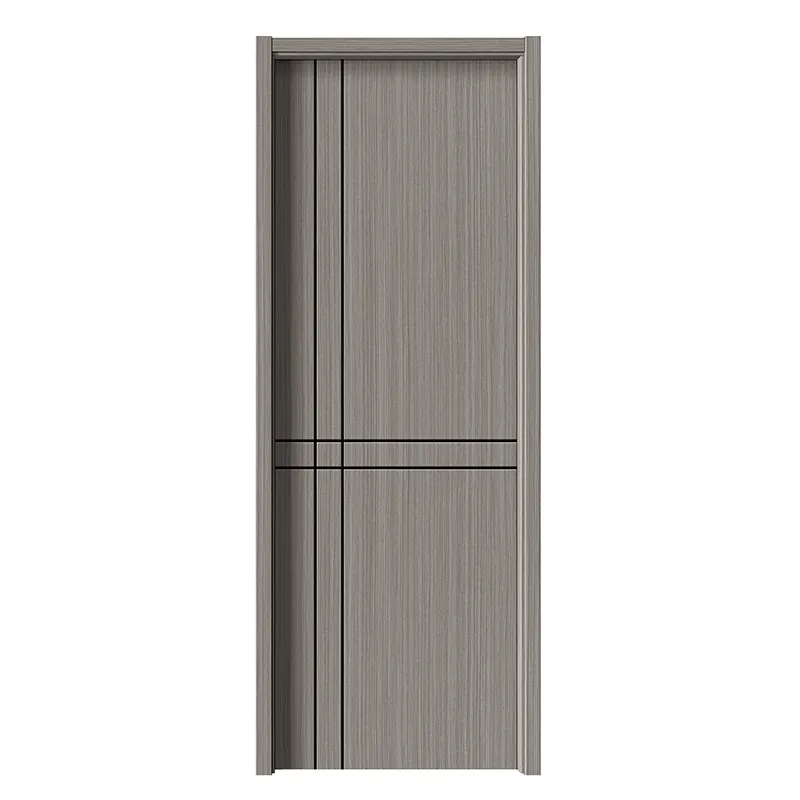
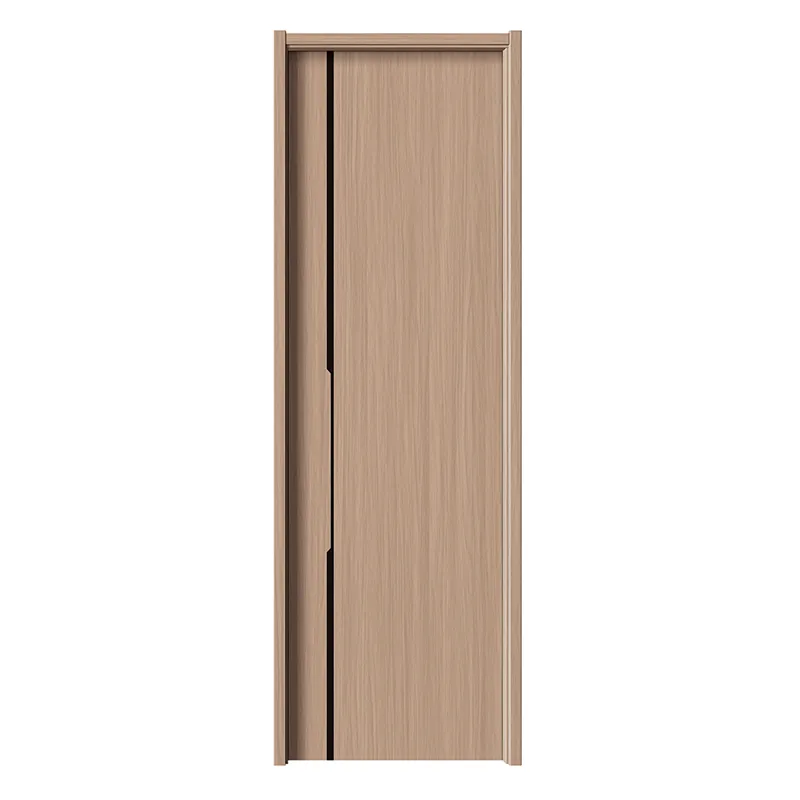
Best Sellingproducts
Best Selling Products-
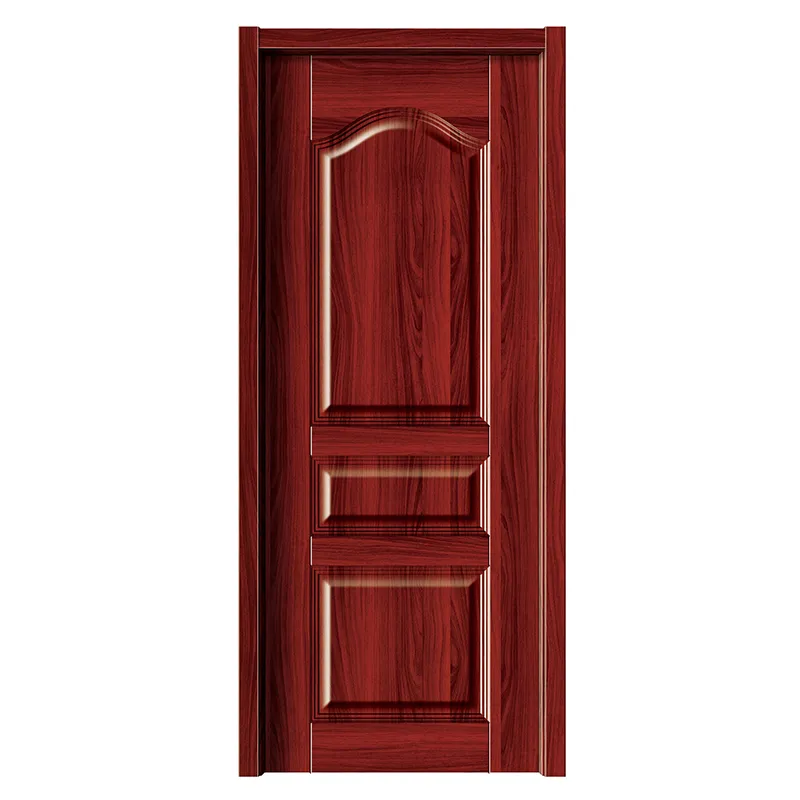 YST-203 Door Red team
 -
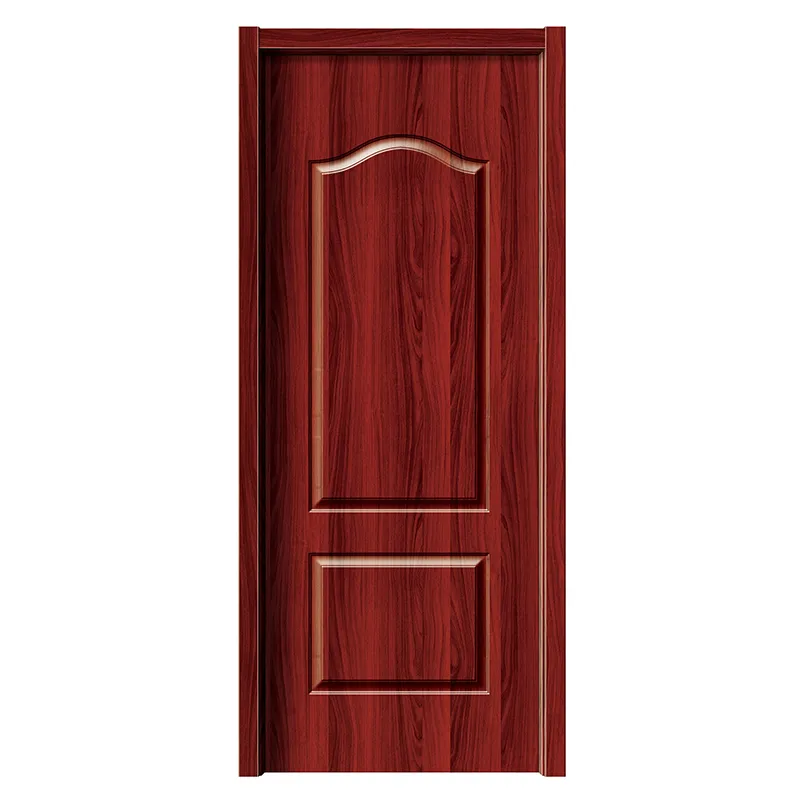 YST-207 Door Red team
 -
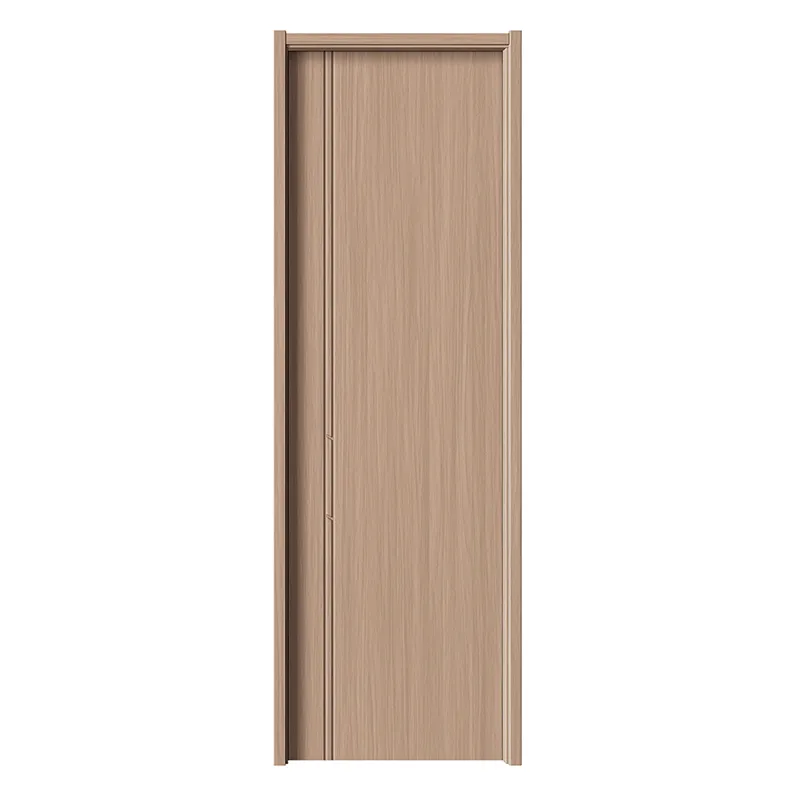 YST-1009 Door Translucent light shade 1
 -
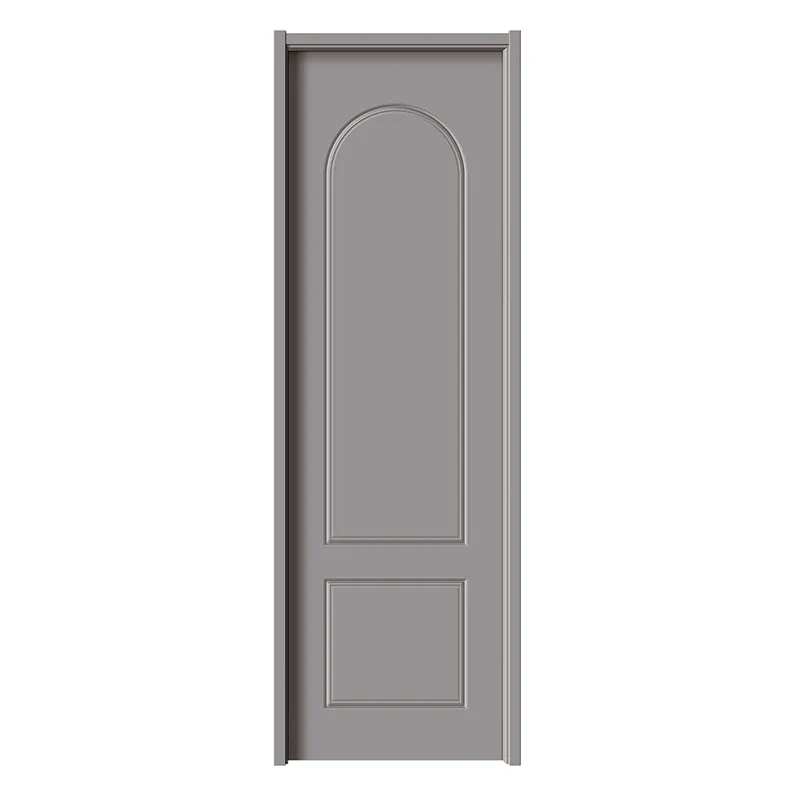 YST-241 French Door 1 soft stone gray
 -
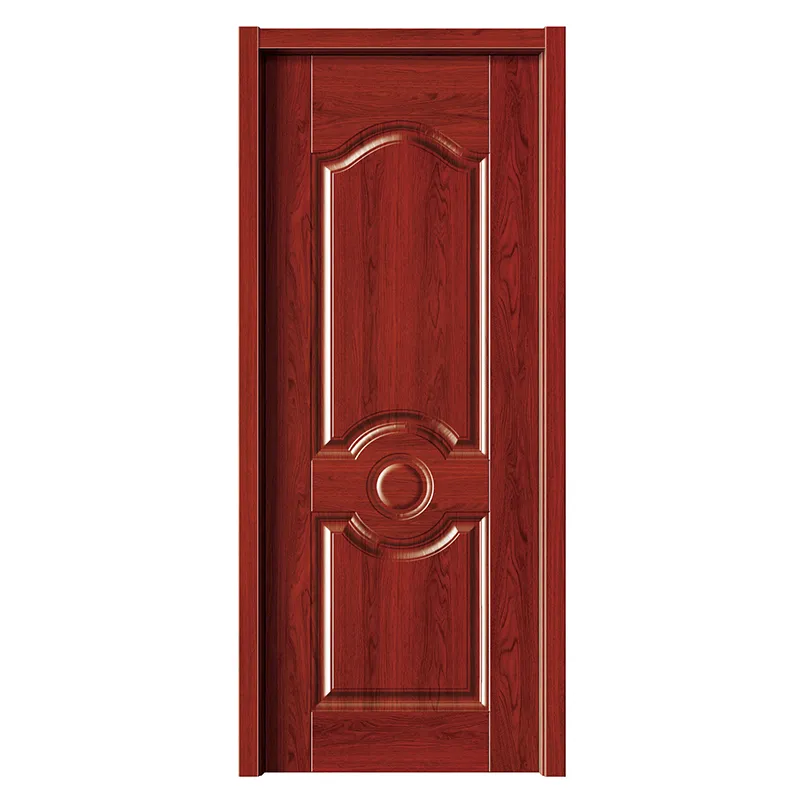 YST-208 Door Red Sandalwood
 -
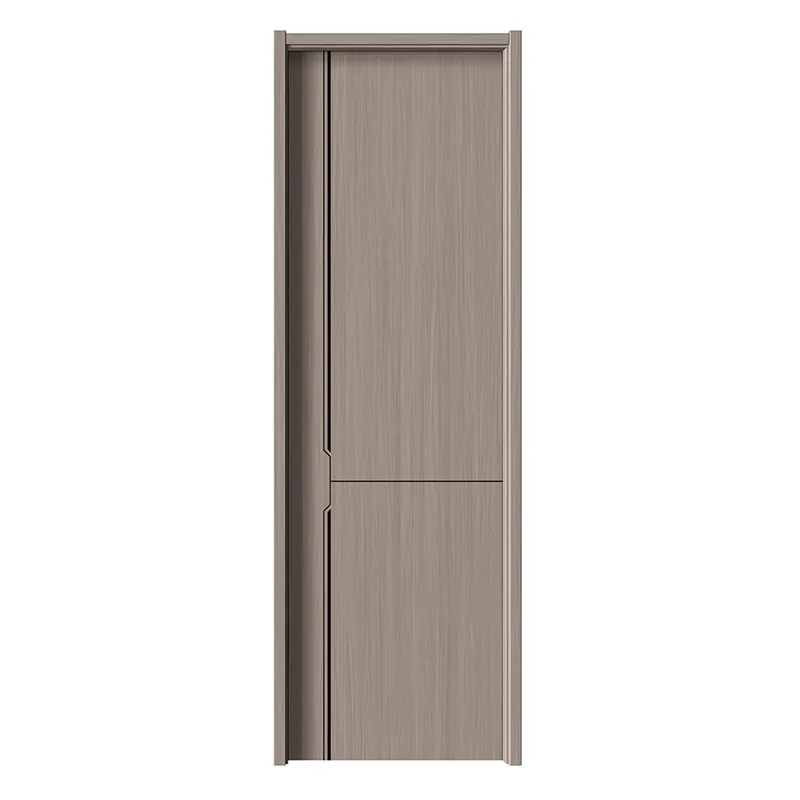 YST-1011 Door Translucent light shadow 3
 -
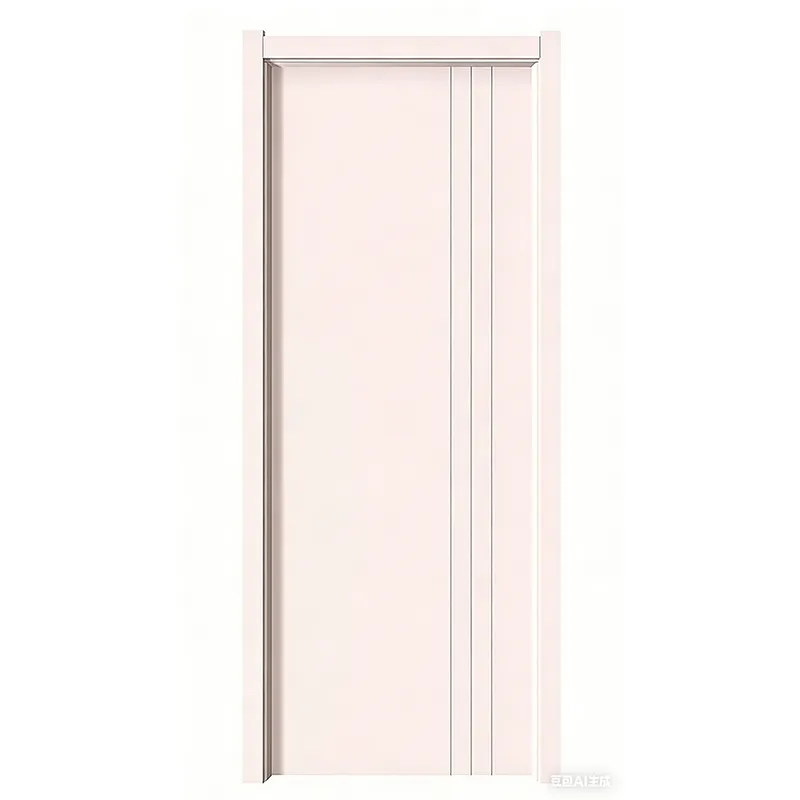 YST-WPC4 Door
 -
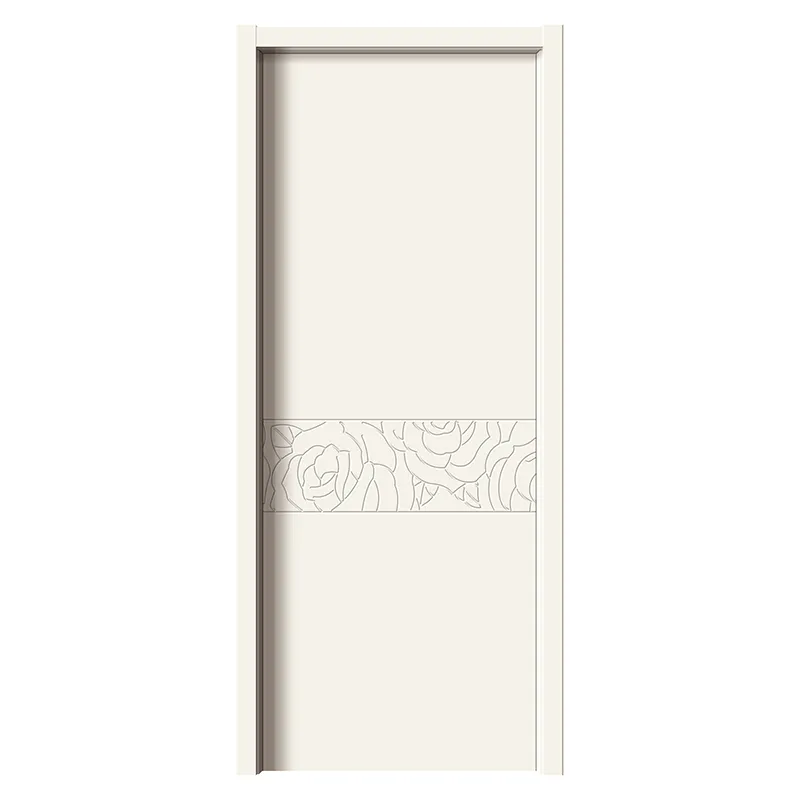 YST-238 Door White ivory
 -
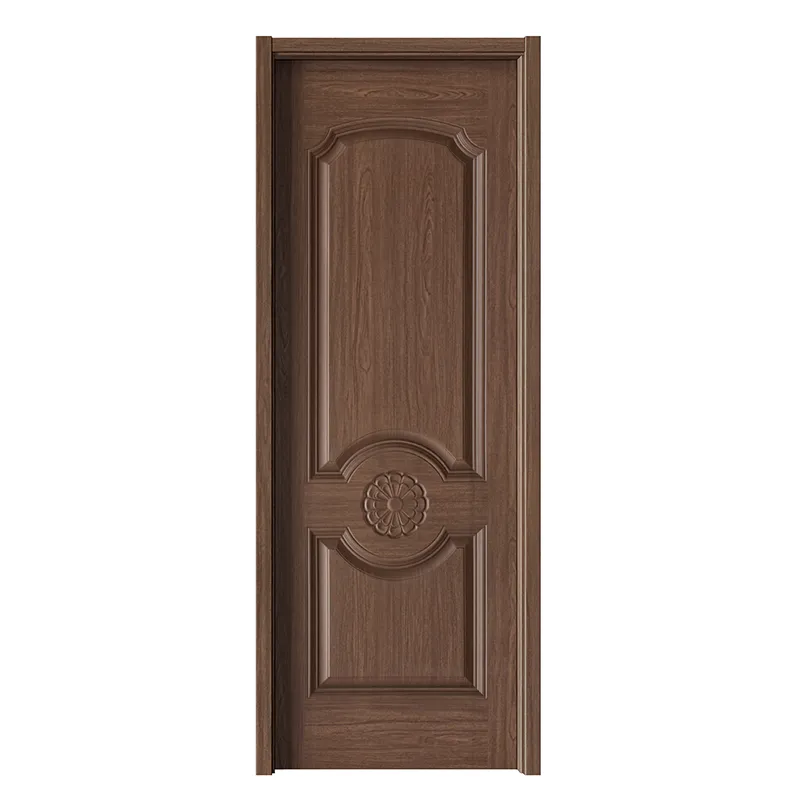 YST-212 Door North American Oak 2
 -
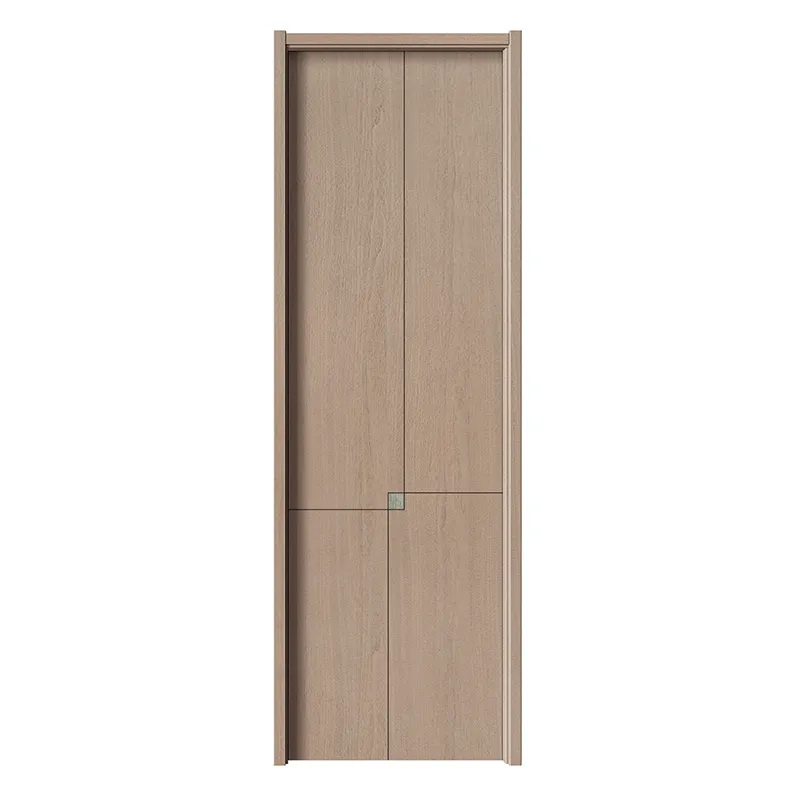 YST-1008 Door Natural walnut 2
 -
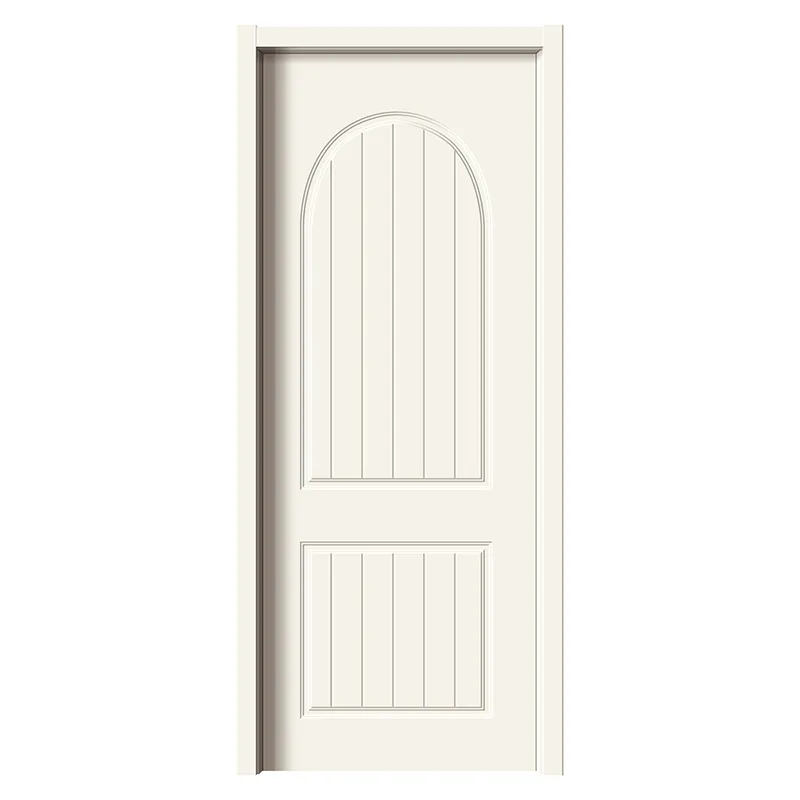 YST-236 Door White ivory
 -
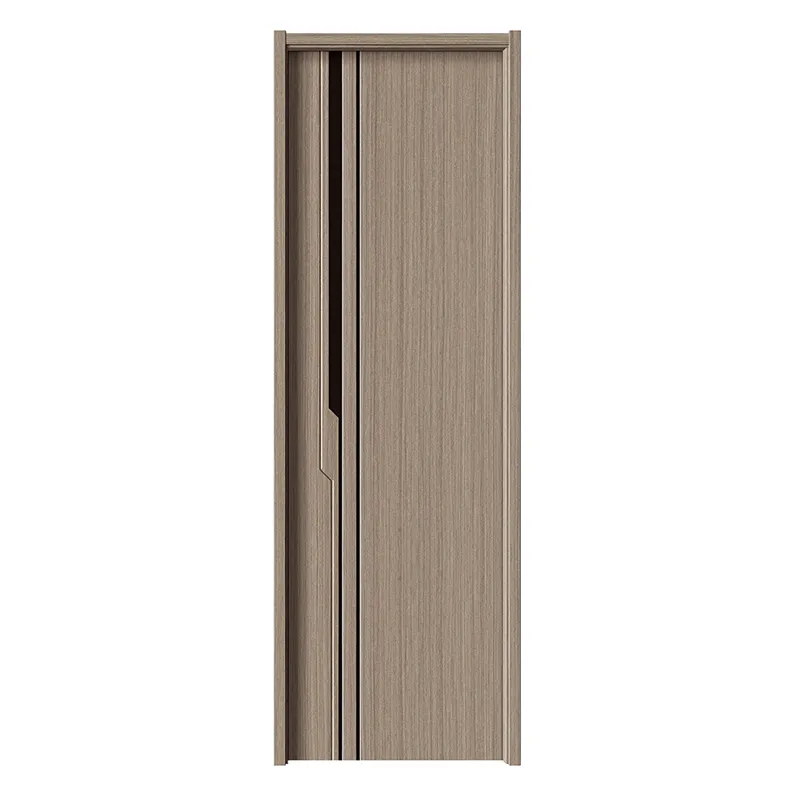 YST-1018 Technowood Door 1